
Why Metabolism Matters More Than Calories
Metabolism is one of the most misunderstood concepts in health and fitness. Many people believe that weight gain or low energy is simply the result of eating too much or exercising too little. However, the real factor behind these issues is often a slow or inefficient metabolism.
Metabolism is the system through which your body converts food into energy. It controls how fast or slow your body burns calories, how efficiently it uses nutrients, and how easily it stores fat. When metabolism is slow, the body struggles to use energy properly, leading to fatigue, weight gain, and overall imbalance.
Understanding metabolism is essential because it shifts the focus from restrictive dieting to internal efficiency. Instead of asking “How little should I eat?”, the better question becomes “How well is my body using energy?”
What Is Slow Metabolism?
A slow metabolism means that the body burns calories at a lower rate than expected. This does not mean the body is “broken,” but rather that its internal systems are not functioning optimally.
When metabolism slows down, the body becomes more efficient at storing energy rather than using it. This can lead to fat accumulation, reduced energy levels, and difficulty losing weight.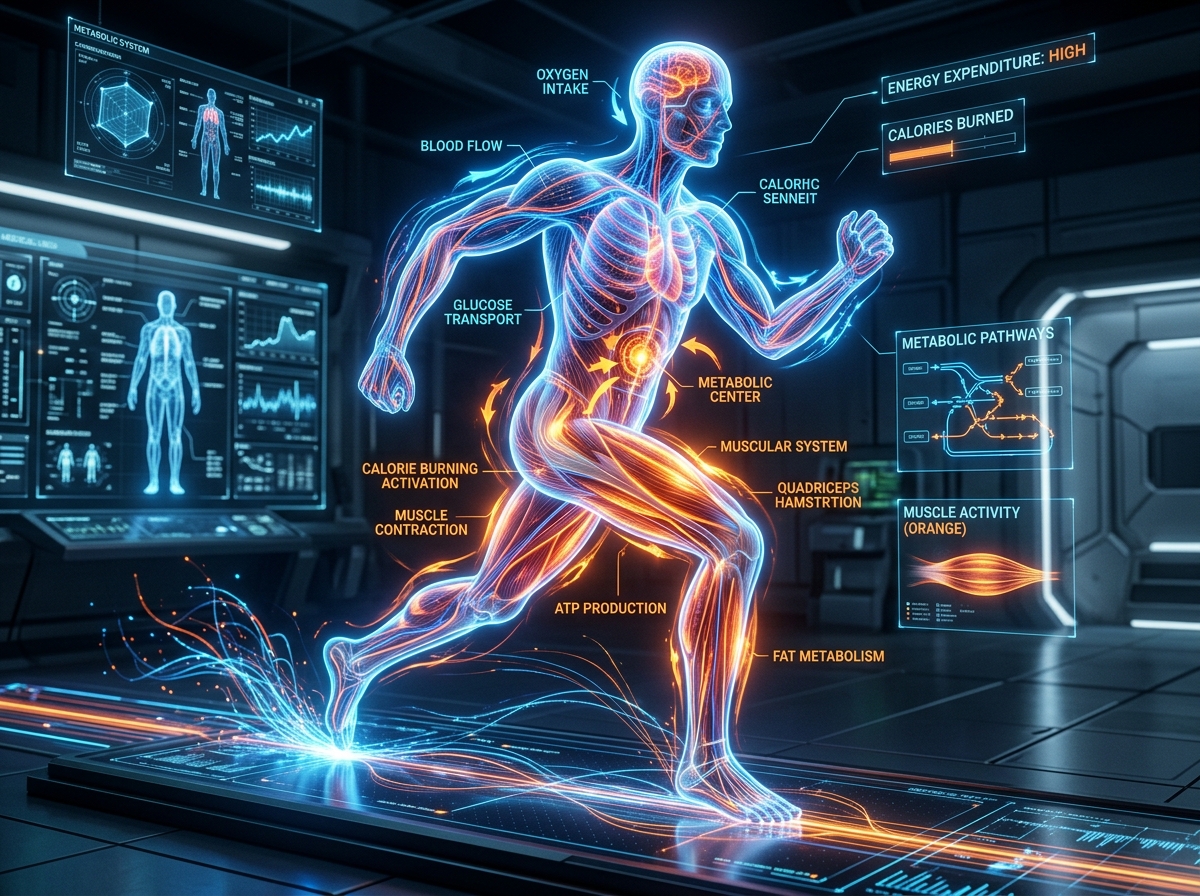
Signs Your Metabolism May Be Slow
Many people live with slow metabolism without realizing it. The symptoms are often subtle but consistent over time.
Common signs include:
- Constant fatigue even after rest
- Difficulty losing weight
- Feeling cold frequently
- Slow digestion
- Low motivation and energy
- Unexplained weight gain


These signs indicate that the body’s energy system is not working efficiently.
How Metabolism Works Inside the Body
Metabolism is controlled by several internal systems, including hormones, muscle mass, and organ function. The body uses calories to perform basic functions such as breathing, circulation, and cell repair. This is known as the basal metabolic rate (BMR).
A higher BMR means the body burns more calories even at rest, while a lower BMR means fewer calories are burned.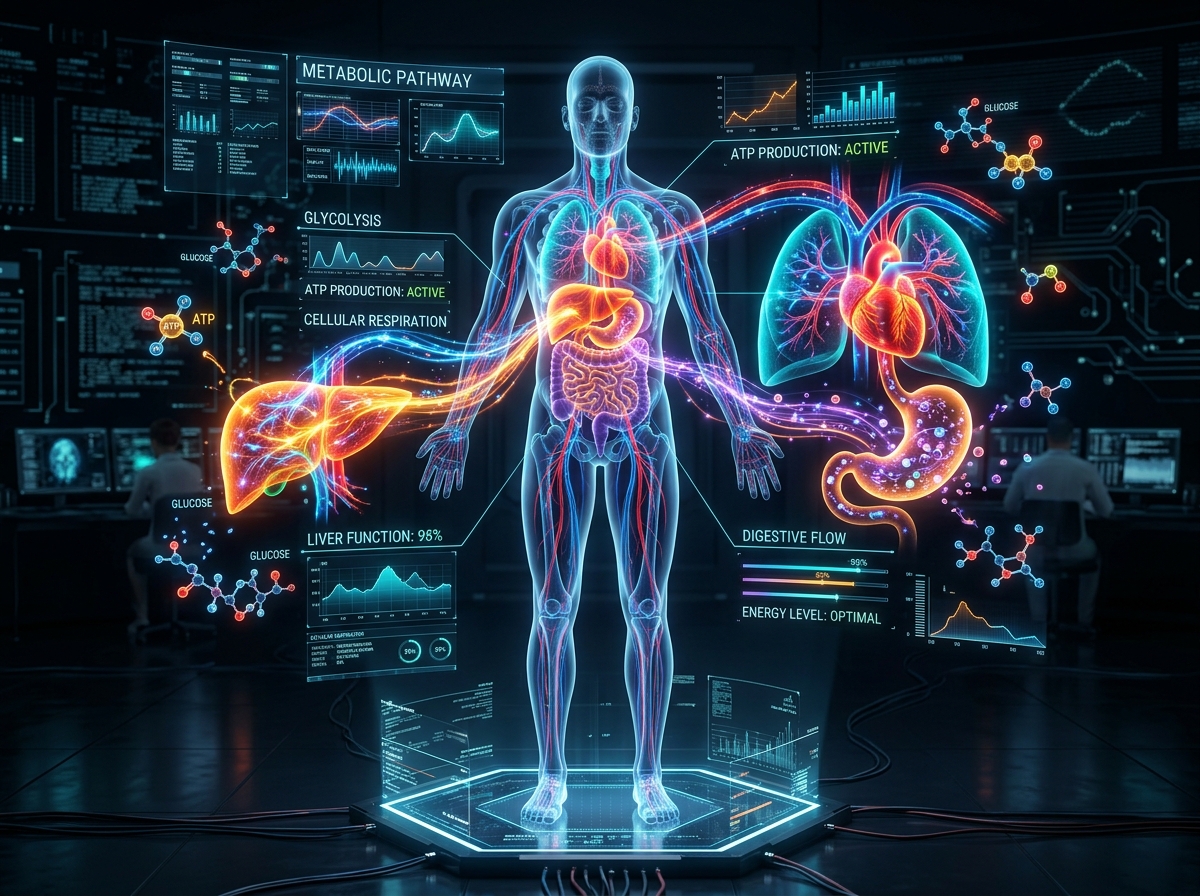
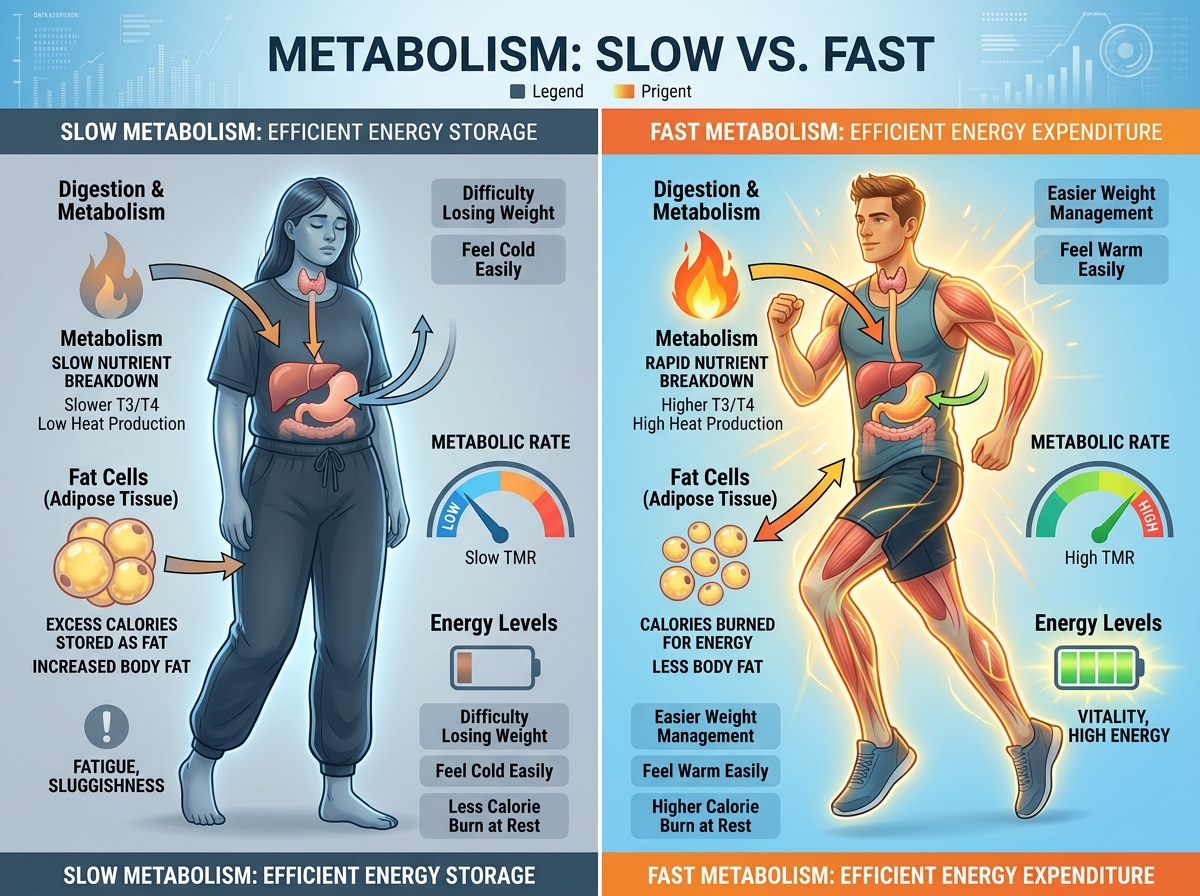
Table: Fast vs Slow Metabolism
| Factor | Fast Metabolism | Slow Metabolism |
|---|---|---|
| Energy Levels | High | Low |
| Fat Storage | Minimal | Increased |
| Weight Control | Easier | Difficult |
| Digestion | Efficient | Slower |
| Body Temperature | Normal | Often low |
Why Modern Lifestyle Slows Metabolism
Modern habits are one of the biggest reasons metabolism slows down. Irregular eating, lack of movement, poor sleep, and high stress all contribute to metabolic slowdown.
The body adapts to these conditions by conserving energy instead of using it, which leads to long-term imbalance.
Slow metabolism is not just about weight—it affects energy, digestion, and overall health. Understanding how it works is the first step toward fixing it naturally.
Why Identifying Causes Is Critical
To fix slow metabolism, it is important to understand its root causes. Without identifying what is slowing the body down, any solution will only provide temporary results.
Metabolism slows due to a combination of biological, lifestyle, and behavioral factors.
Poor Nutrition and Irregular Eating Patterns
One of the biggest causes of slow metabolism is poor nutrition. When the body does not receive enough nutrients, it enters a conservation mode, reducing energy usage.
Skipping meals or eating very low calories can actually slow metabolism instead of boosting weight loss.
Lack of Physical Activity
Movement plays a key role in maintaining metabolic speed. When the body is inactive, it does not require much energy, so metabolism slows down.
Muscle mass also decreases with inactivity, further reducing calorie burning capacity.
Hormonal Imbalance
Hormones control many aspects of metabolism. Imbalances in hormones such as thyroid hormones can significantly slow down metabolic processes.
This can lead to weight gain, fatigue, and low energy levels.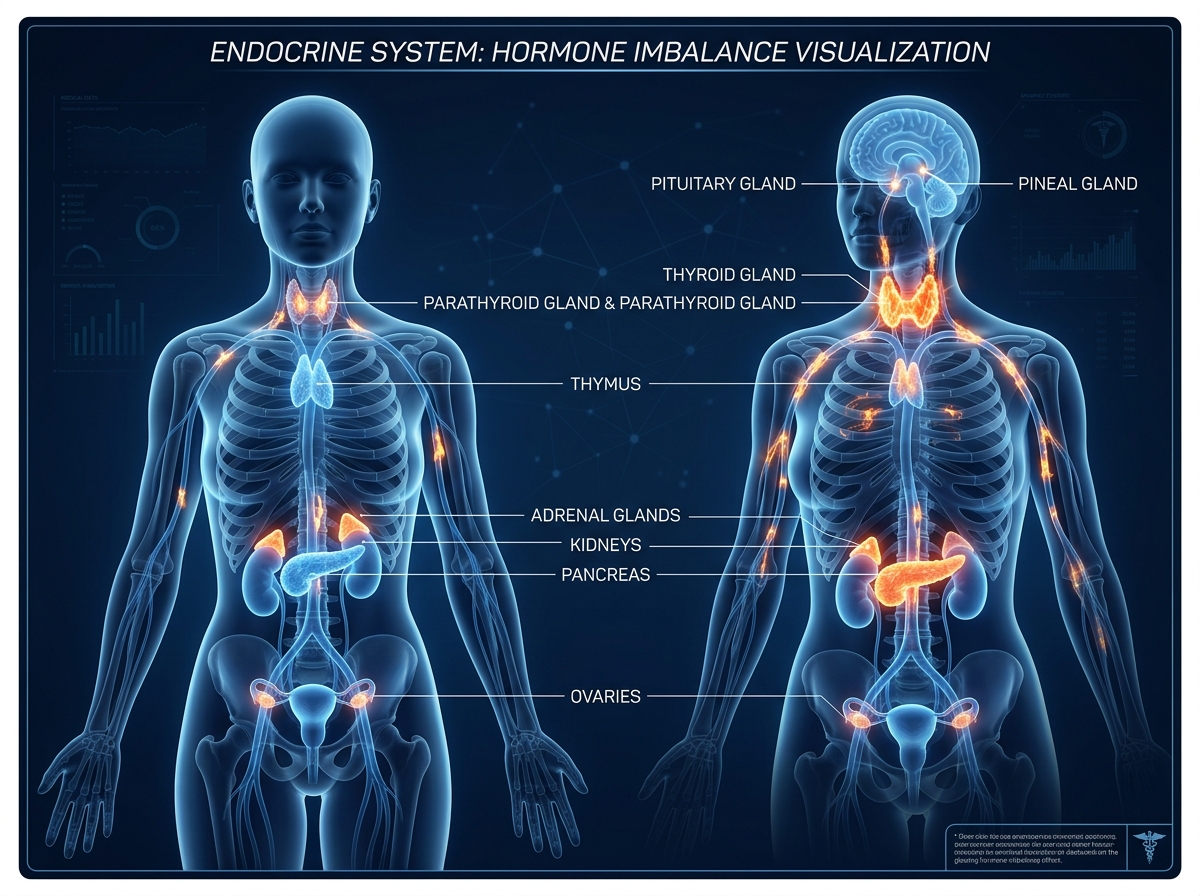
Poor Sleep and Recovery
Sleep is essential for metabolic health. Lack of sleep disrupts hormone balance and reduces the body’s ability to process energy efficiently.
Chronic Stress and Its Impact
Stress triggers hormonal responses that can slow metabolism and increase fat storage, especially around the abdomen.
List: Major Causes of Slow Metabolism
- Poor diet and nutrient deficiency
- Lack of exercise
- Hormonal imbalance
- Sleep deprivation
- Chronic stress
- Dehydration
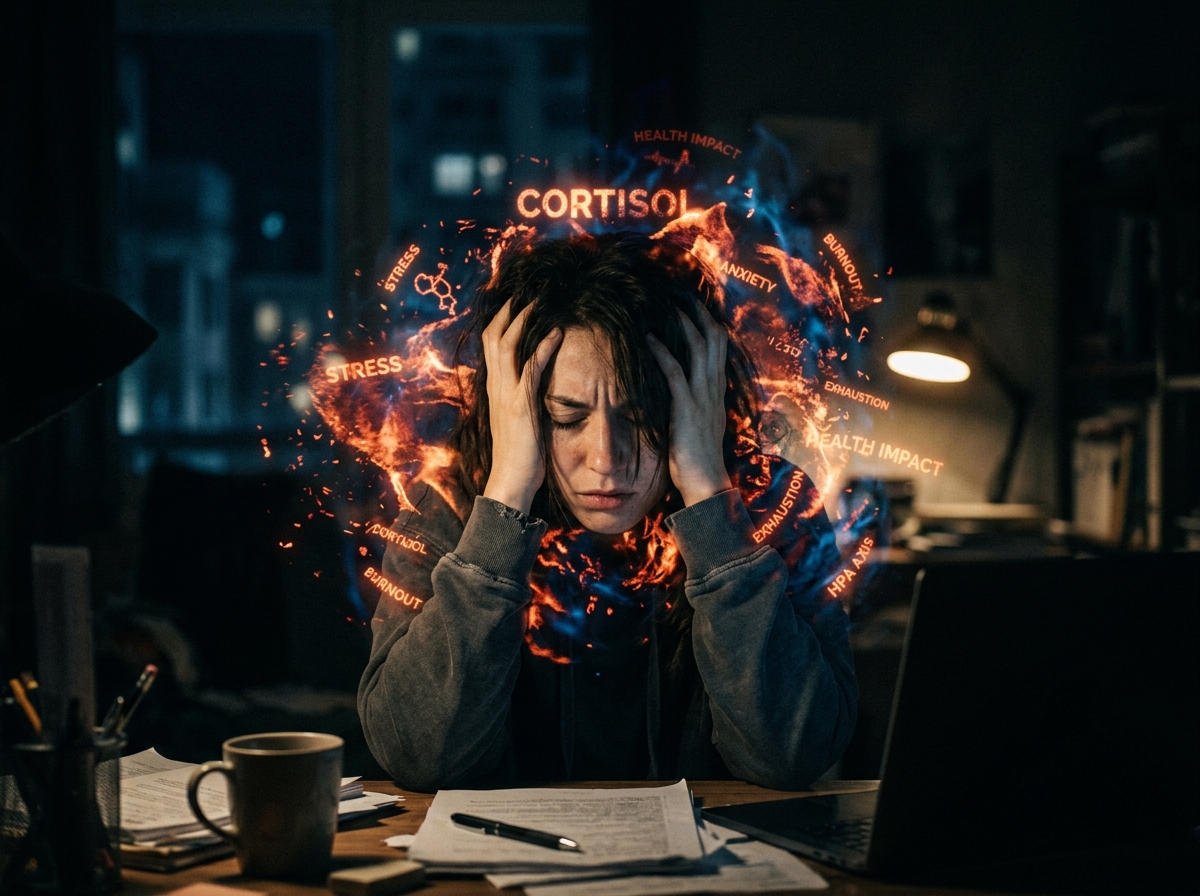
Table: Cause vs Effect on Metabolism
| Cause | Effect on Body |
|---|---|
| Poor Diet | Low energy production |
| Inactivity | Reduced calorie burn |
| Hormonal Issues | Slowed metabolic rate |
| Lack of Sleep | Hormonal imbalance |
| Stress | Increased fat storage |
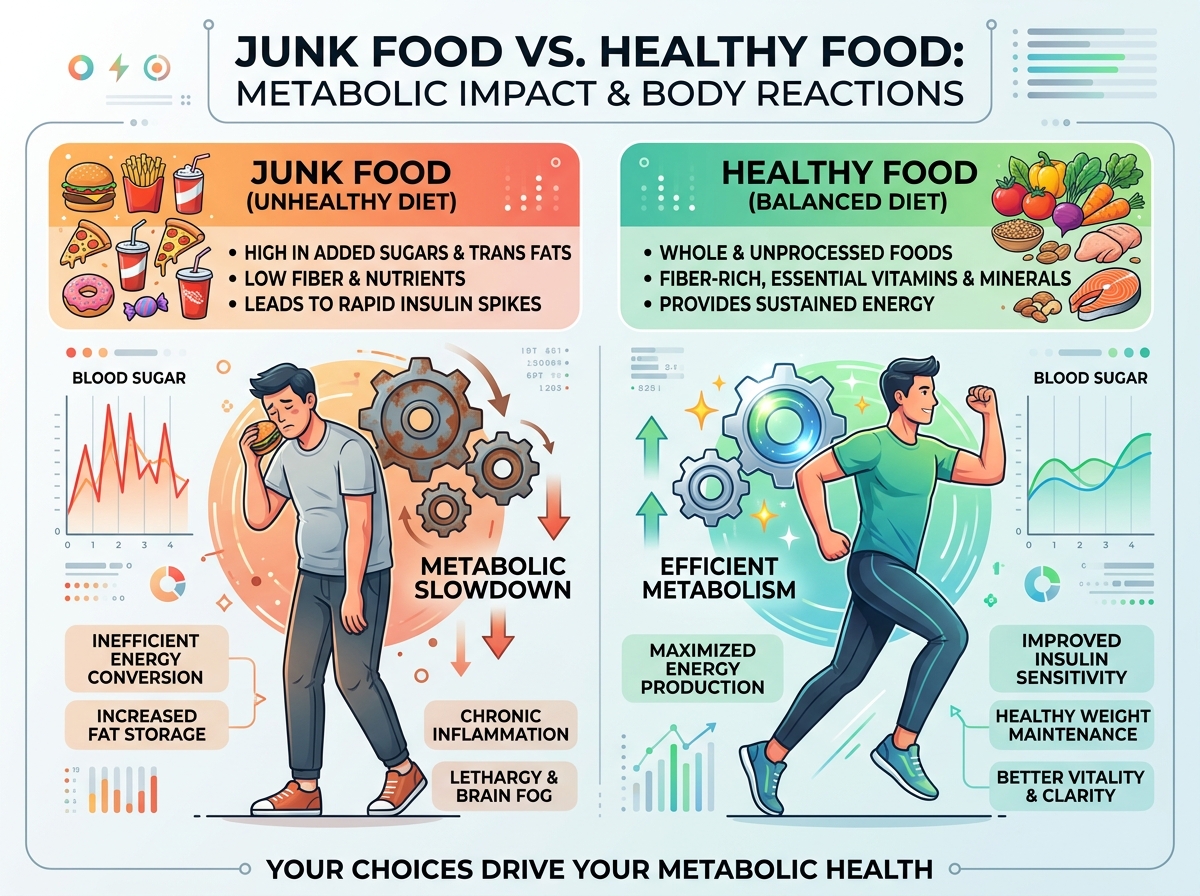
Slow metabolism is not caused by a single factor. It is the result of multiple lifestyle and biological influences working together. Addressing these causes is essential for long-term improvement.
Restoring the Body’s Natural Speed
The good news is that metabolism can be improved naturally. The body is highly adaptable and responds positively to the right habits.
Instead of extreme dieting, the focus should be on supporting the body’s natural systems.
Balanced Nutrition for Metabolic Boost
Eating balanced meals helps the body maintain a steady energy supply. Protein, healthy fats, and complex carbohydrates all play important roles.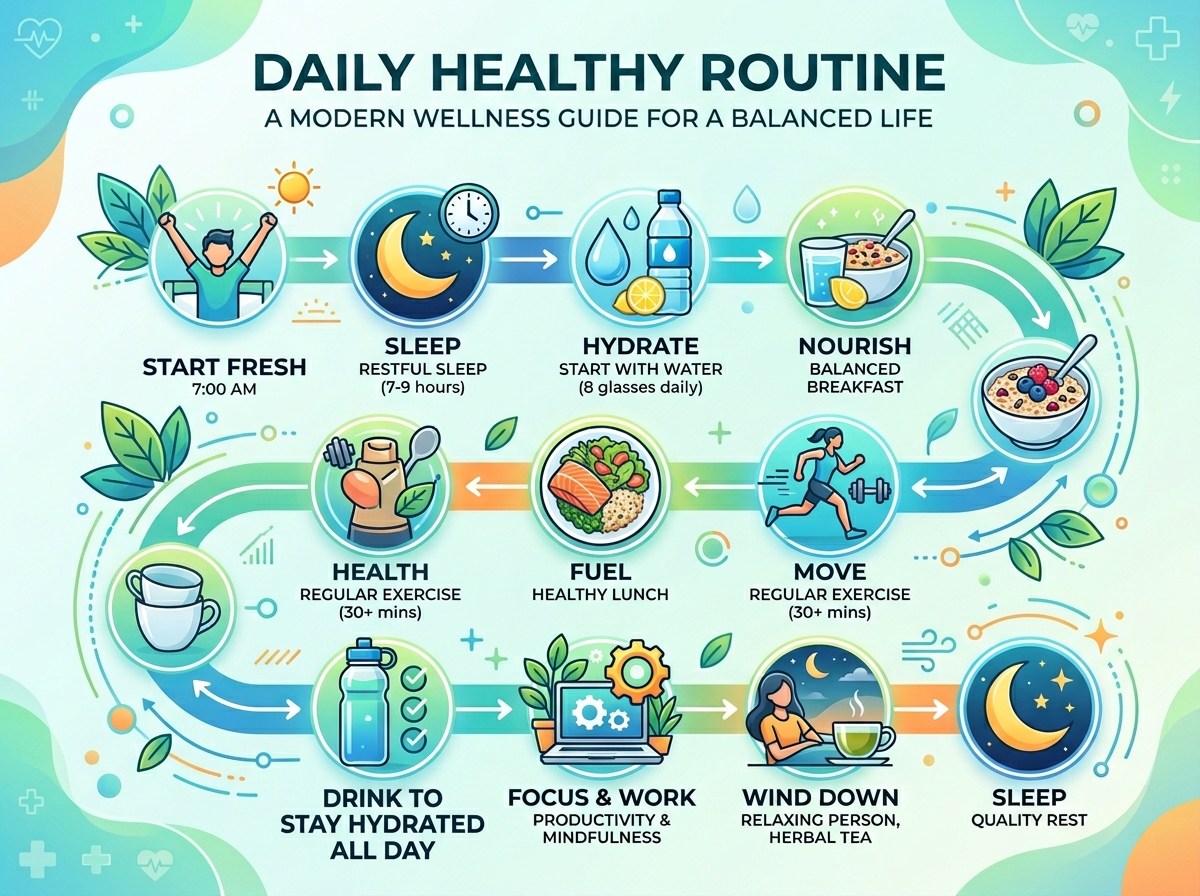
Regular Physical Activity
Exercise increases calorie burning and builds muscle, which boosts metabolism.
Effective activities include:
- Strength training
- Walking
- Light cardio
- Daily movement

Hydration and Its Role
Water supports metabolic processes and helps the body function efficiently.
Sleep Optimization
Quality sleep restores hormones and supports metabolism.
Stress Management
Reducing stress helps balance hormones and improves energy usage.
Table: Natural Solutions and Their Impact
| Solution | Benefit |
|---|---|
| Balanced Diet | Improved energy use |
| Exercise | Increased calorie burn |
| Hydration | Better metabolism |
| Sleep | Hormonal balance |
| Stress Control | Reduced fat storage |
Simple Daily Habits to Boost Metabolism
- Eat regularly
- Stay active
- Drink enough water
- Sleep properly
- Manage stress

Slow metabolism can be improved naturally with consistent habits. By focusing on nutrition, activity, sleep, and stress management, the body can regain its natural efficiency.
This creates long-term energy, better weight control, and overall health improvement.
