
Why Weight Gain Is Not Just About Eating More
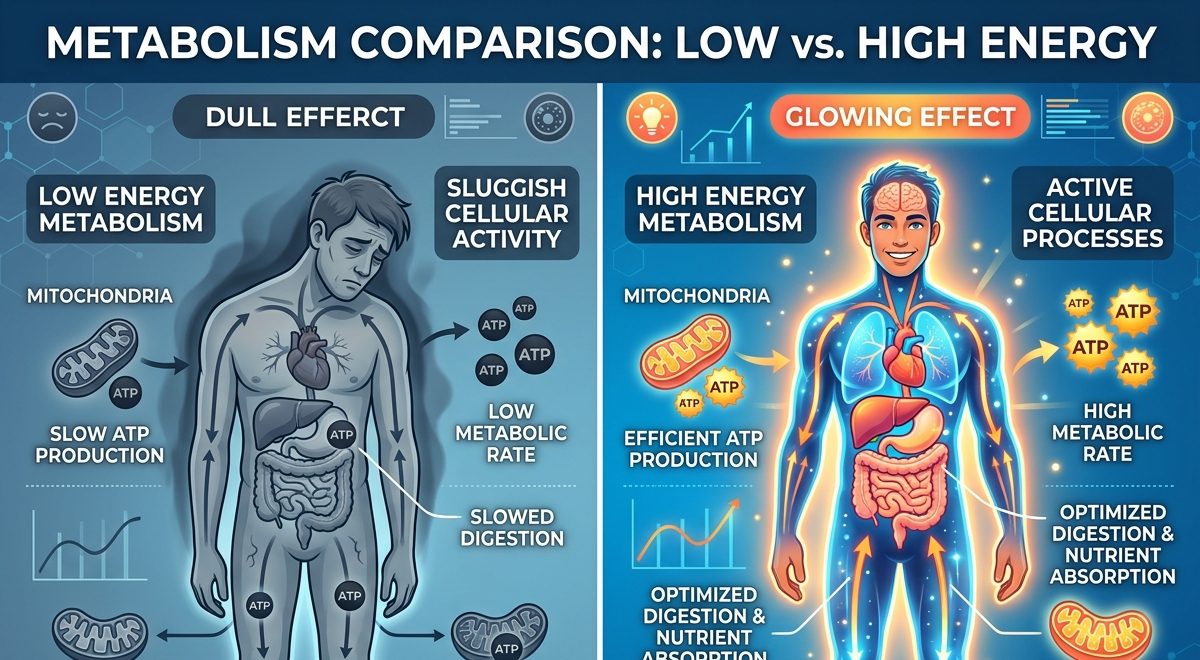
Many people assume that weight gain is only caused by overeating, but this is an incomplete understanding. The real driver behind long-term weight changes is metabolism—the internal system that determines how efficiently your body converts food into energy.
When metabolism slows down, the body burns fewer calories throughout the day. This means even a normal diet can lead to fat storage. Over time, this imbalance becomes visible as gradual weight gain.
Understanding metabolism shifts the focus from extreme dieting to improving how the body functions internally.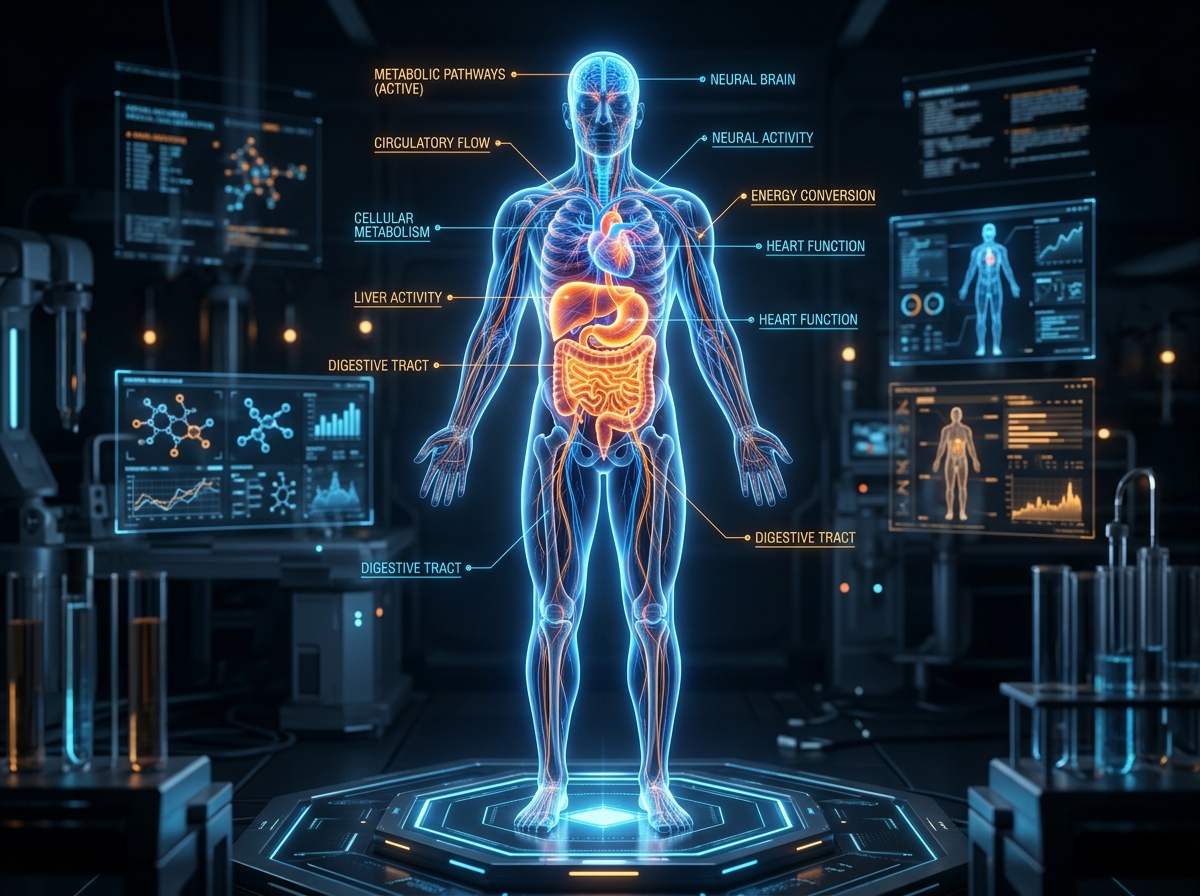
What Is Metabolism?
Metabolism includes all the chemical processes that keep the body alive. It converts food into energy that supports breathing, circulation, digestion, and cell repair.
A key part of metabolism is the basal metabolic rate (BMR), which is the number of calories your body burns at rest. If BMR is low, energy usage is reduced, and fat storage increases.
How Slow Metabolism Causes Weight Gain
When metabolism is slow, the body enters an energy-saving mode. Instead of burning calories quickly, it stores them as fat.
This process is gradual, which is why many people do not notice weight gain immediately. Over time, stored fat accumulates, especially in areas like the belly and thighs.
Low metabolism also reduces energy levels, making physical activity harder. This further slows down calorie burning, creating a cycle of weight gain.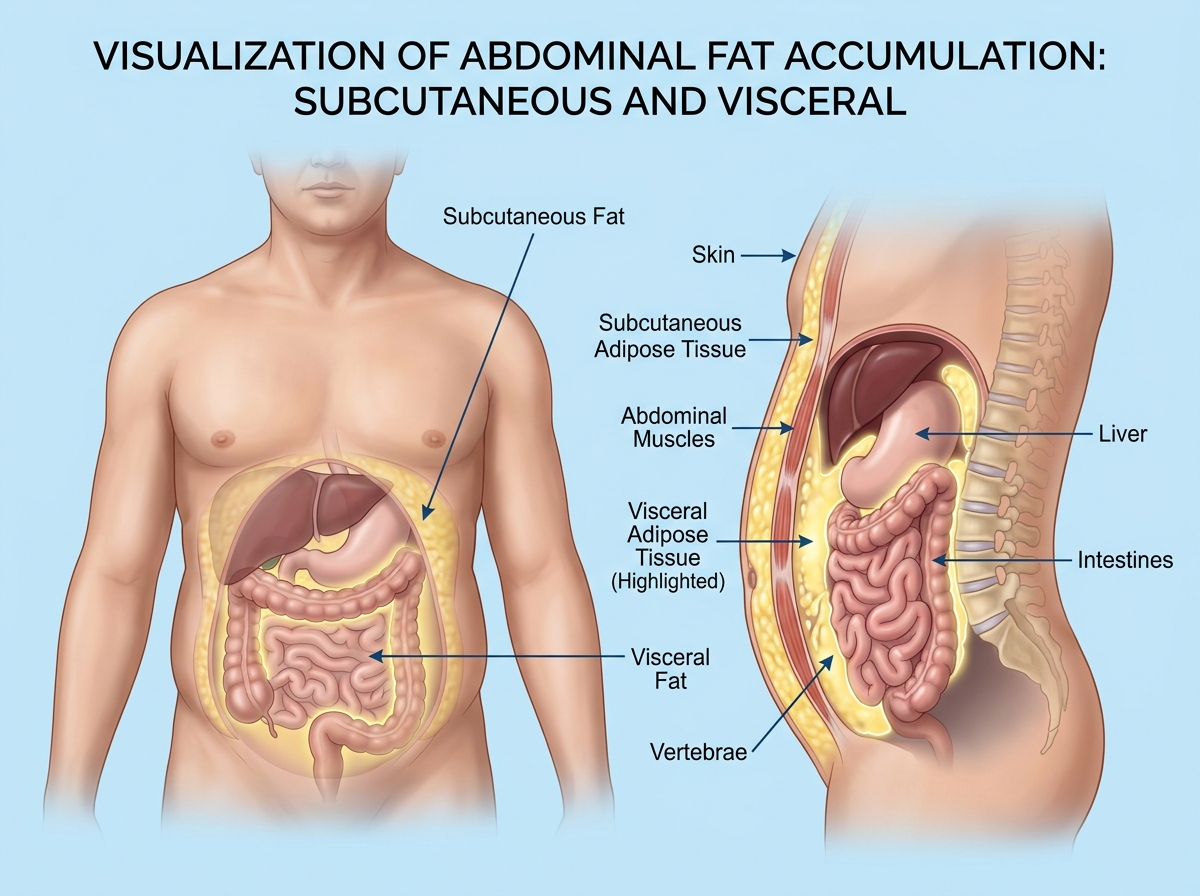
Signs of Slow Metabolism
The body often gives signals when metabolism is not functioning properly.
Common signs include:
- Unexplained weight gain
- Constant fatigue
- Feeling cold frequently
- Slow digestion
- Low motivation
- Difficulty losing weight
Fast vs Slow Metabolism
| Factor | Fast Metabolism | Slow Metabolism |
|---|---|---|
| Calorie Burn | High | Low |
| Energy Levels | High | Low |
| Fat Storage | Minimal | Increased |
| Weight Control | Easier | Difficult |
| Activity Level | Active | Reduced |
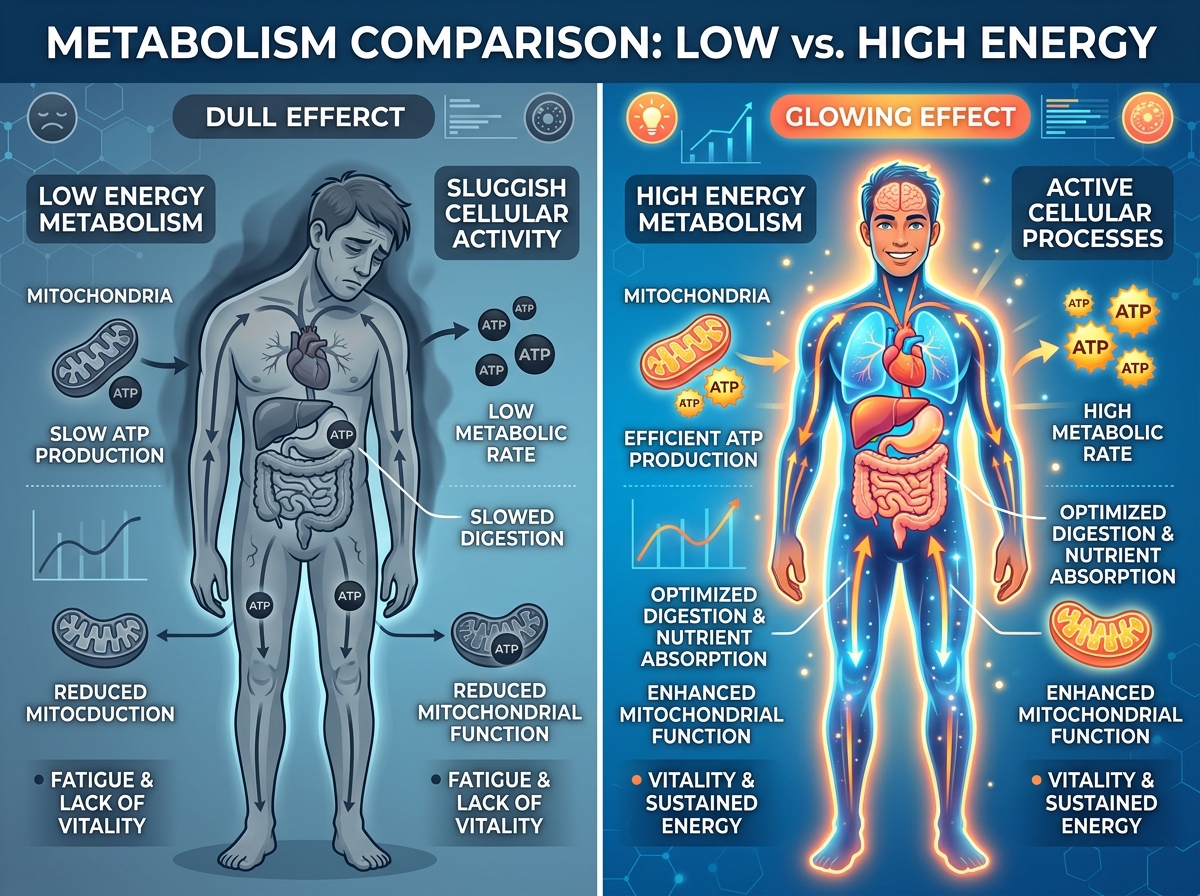 Metabolism is the foundation of energy use in the body. When it slows down, weight gain becomes more likely. Understanding this connection is the first step toward fixing the problem naturally.
Why Metabolism Slows Down
Metabolism does not slow down randomly. It is affected by lifestyle habits, biological factors, and daily routines. Identifying these causes is essential for solving the issue effectively.
Poor Nutrition and Irregular Eating
When the body does not receive enough nutrients, it reduces energy usage to survive. Skipping meals or following extreme diets can slow metabolism significantly.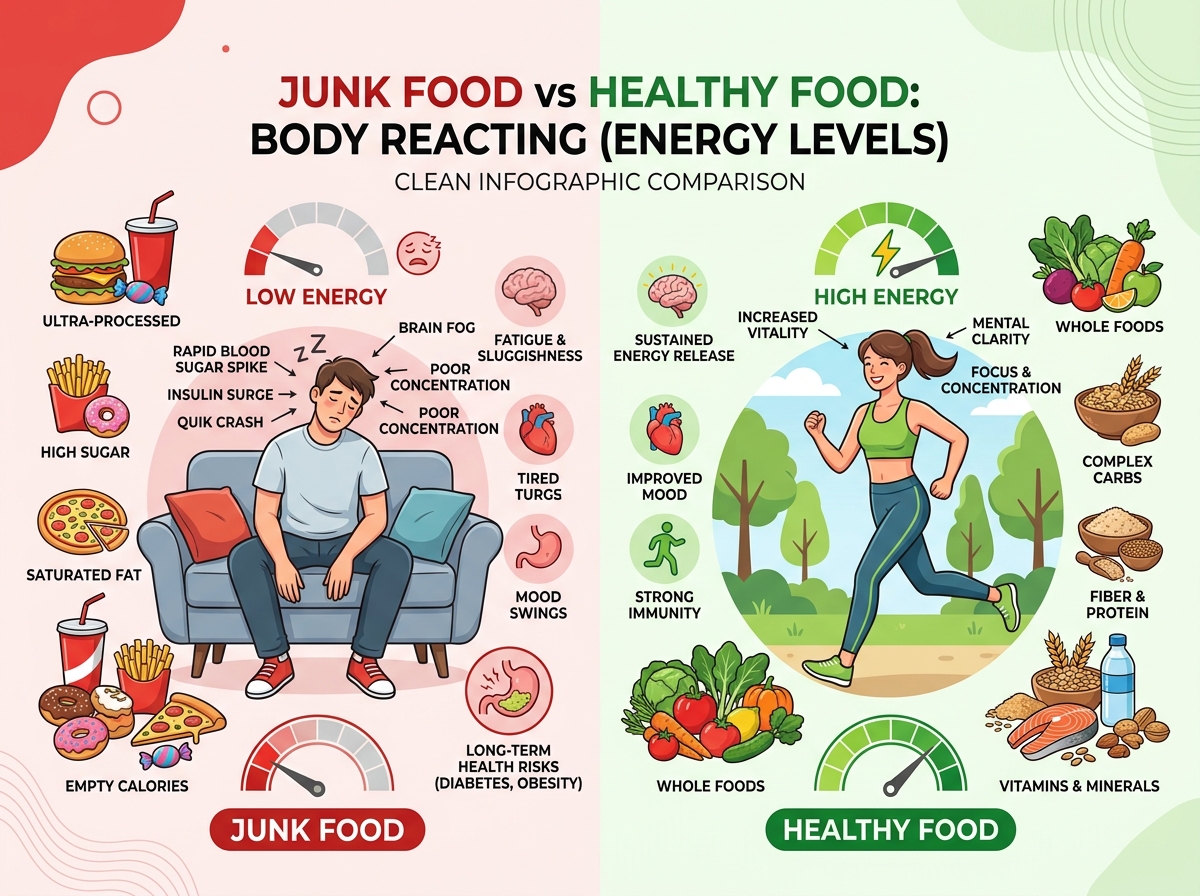
Lack of Physical Activity
Movement is essential for maintaining metabolic speed. When the body is inactive, it burns fewer calories, and muscle mass decreases, further slowing metabolism.
Hormonal Imbalance
Hormones control metabolism. Any imbalance can reduce the body’s ability to convert food into energy efficiently.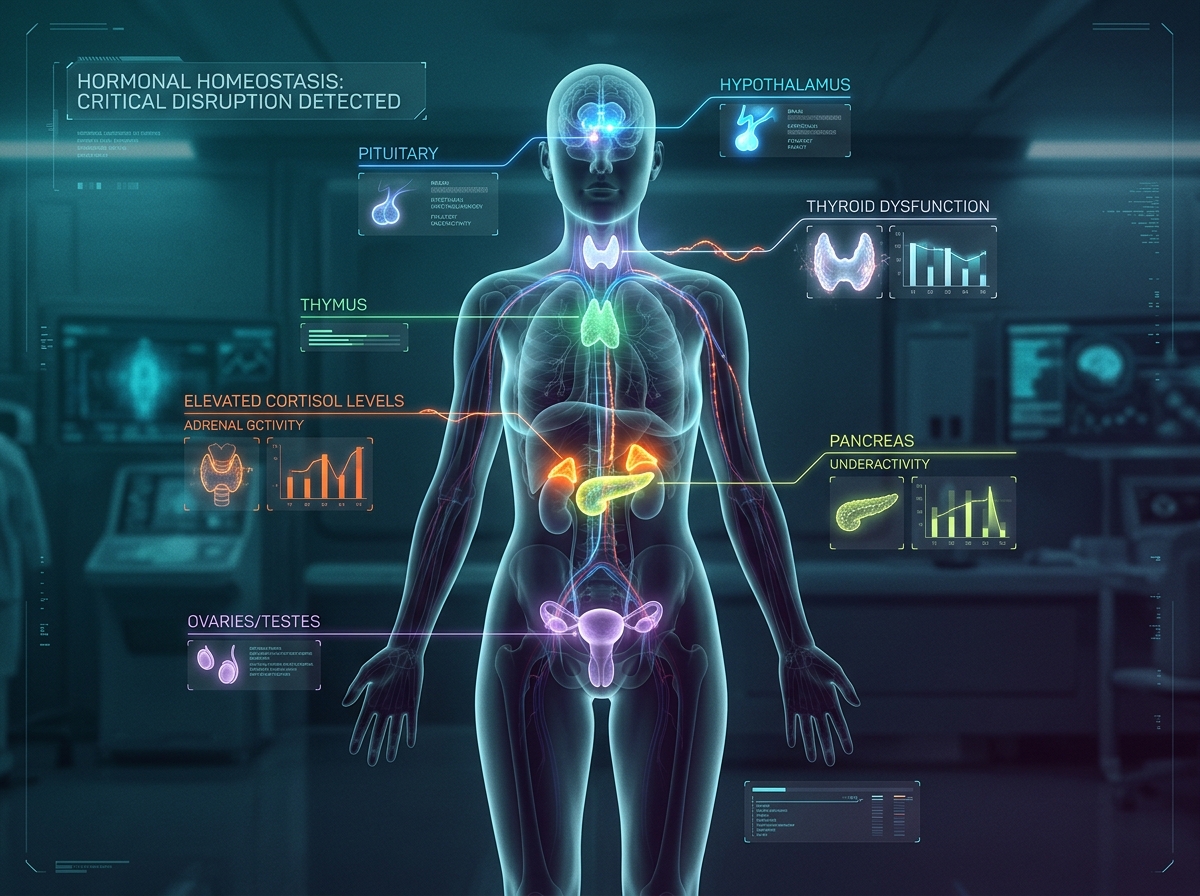
Poor Sleep Quality
Sleep is necessary for recovery and hormone balance. Lack of sleep disrupts these processes and slows metabolism.
Chronic Stress
Stress increases cortisol levels, which promotes fat storage and reduces metabolic efficiency.
Major Causes of Slow Metabolism
- Poor diet and nutrient deficiency
- Lack of exercise
- Hormonal imbalance
- Sleep deprivation
- Chronic stress
- Dehydration


Cause vs Effect
| Cause | Effect on Body |
|---|---|
| Poor Diet | Low energy production |
| Inactivity | Reduced calorie burn |
| Hormonal Issues | Fat storage increase |
| Lack of Sleep | Hormonal imbalance |
| Stress | Weight gain |
Slow metabolism is caused by multiple factors working together. Addressing these root causes is necessary for long-term improvement.
Restoring Metabolism the Right Way
The body has the ability to recover and improve metabolism when supported with the right habits. Instead of extreme dieting, the focus should be on sustainable lifestyle changes.
Balanced Nutrition
Eating regular, balanced meals helps maintain steady energy and supports metabolic function.
Regular Physical Activity
Exercise increases calorie burning and builds muscle, which boosts metabolism over time.
Hydration
Water is essential for metabolic processes and helps the body function efficiently.
Sleep Optimization
Quality sleep restores hormones and improves energy use.
Stress Management
Reducing stress helps balance hormones and prevents fat storage.
Solutions and Benefits
| Solution | Benefit |
|---|---|
| Healthy Diet | Improved energy use |
| Exercise | Increased calorie burn |
| Hydration | Better metabolism |
| Sleep | Hormonal balance |
| Stress Control | Reduced fat storage |
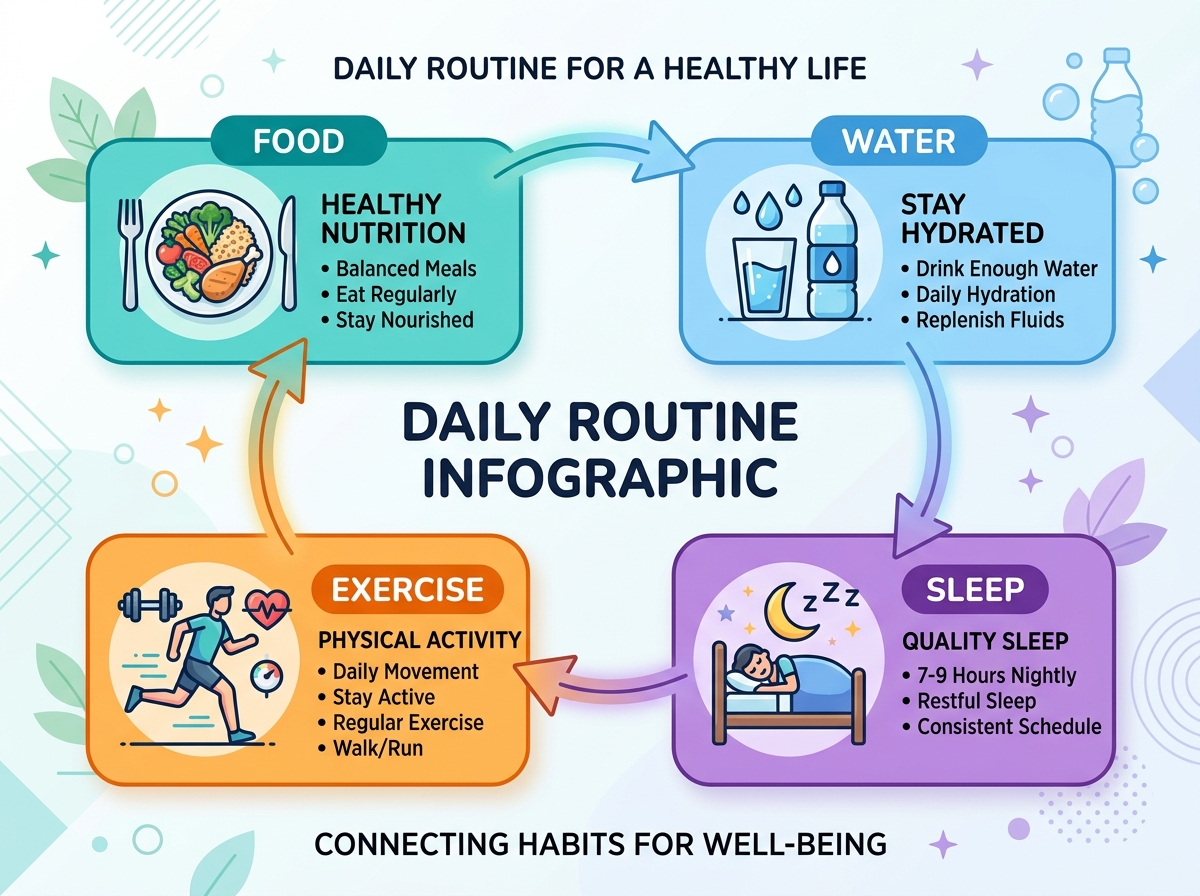
Daily Habits to Boost Metabolism
Simple habits include:
- Eat regularly
- Stay active
- Drink enough water
- Sleep properly
- Manage stress
 Slow metabolism is a major factor behind weight gain, but it is not permanent. With consistent lifestyle changes, the body can restore its natural energy balance.
This leads to better health, improved energy, and sustainable weight control.

2 Responses
Excellent article. I highly like how is written in a manner
Excellent article.