
Why Gut Health Is the Foundation of Your Body
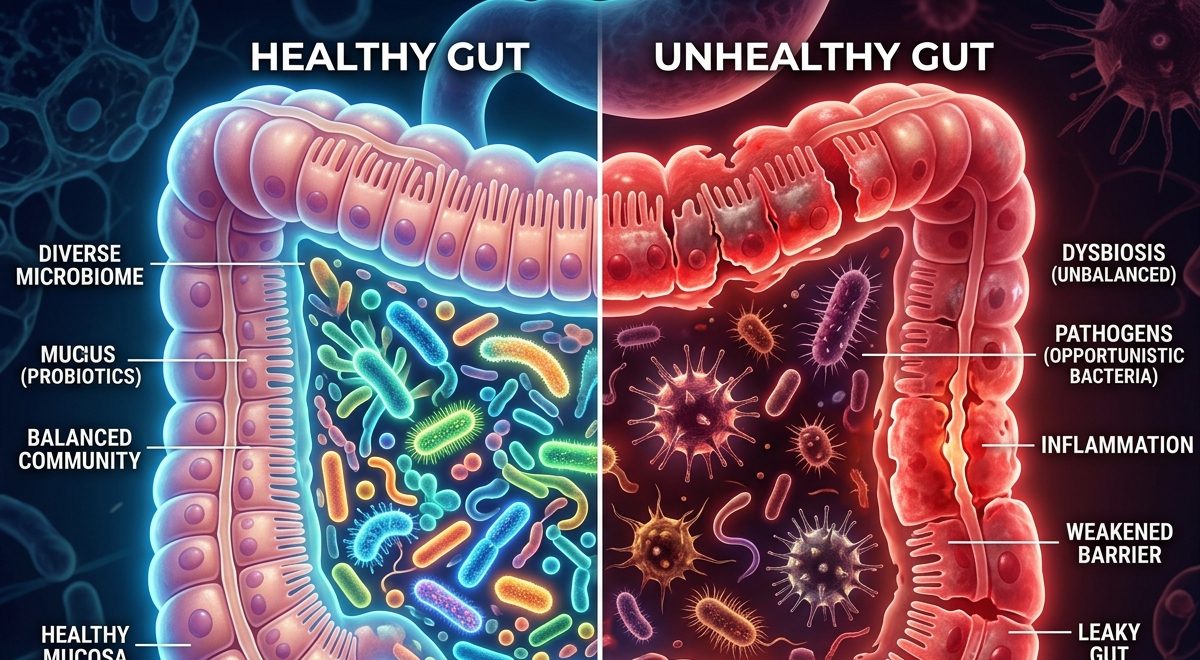
Gut health is one of the most important yet often ignored aspects of overall wellness. The gut is not just responsible for digestion—it plays a key role in immunity, mental health, metabolism, and energy production.
Inside your digestive system lives a complex community of microorganisms known as the gut microbiome. When this system is balanced, the body functions smoothly. However, when it becomes imbalanced, it leads to various health issues.
Poor gut health does not always appear suddenly. It often begins with small signs that many people ignore until they develop into bigger problems.
What Happens When Gut Health Is Poor?
When gut health is compromised, digestion becomes inefficient. Nutrients are not absorbed properly, toxins are not eliminated effectively, and harmful bacteria may increase.
This imbalance can affect not only the digestive system but also other areas of the body, including the brain and immune system.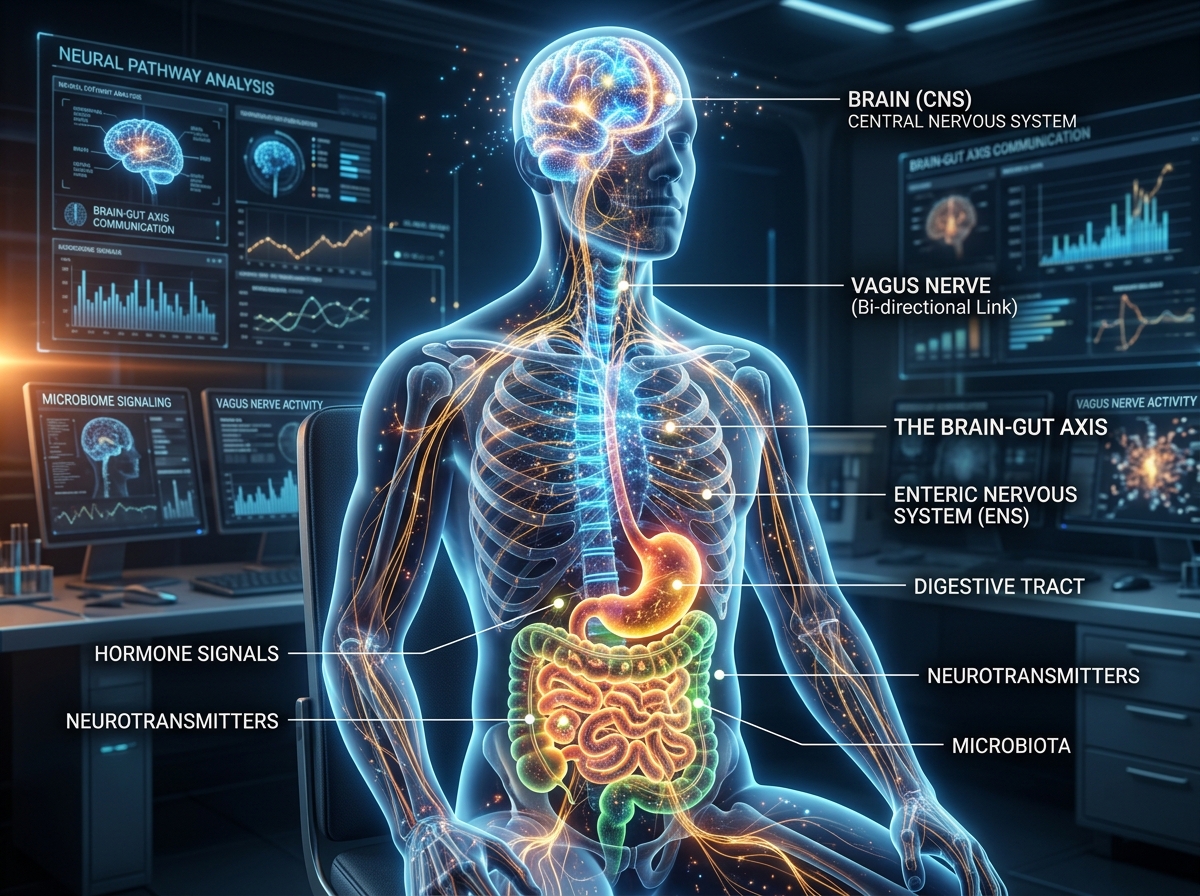
Early Signs of Poor Gut Health
The body provides clear signals when the gut is not functioning properly. These early signs should not be ignored.
Common early symptoms include:
- Frequent bloating
- Gas and discomfort after eating
- Irregular bowel movements
- Constipation or diarrhea
- Feeling heavy after meals
- Loss of appetite
These symptoms may seem minor but often indicate underlying imbalance.
Healthy Gut vs Poor Gut
| Factor | Healthy Gut | Poor Gut |
|---|---|---|
| Digestion | Smooth | Irregular |
| Energy | Stable | Low |
| Immunity | Strong | Weak |
| Mood | Balanced | Irritable |
 The Gut-Brain Connection
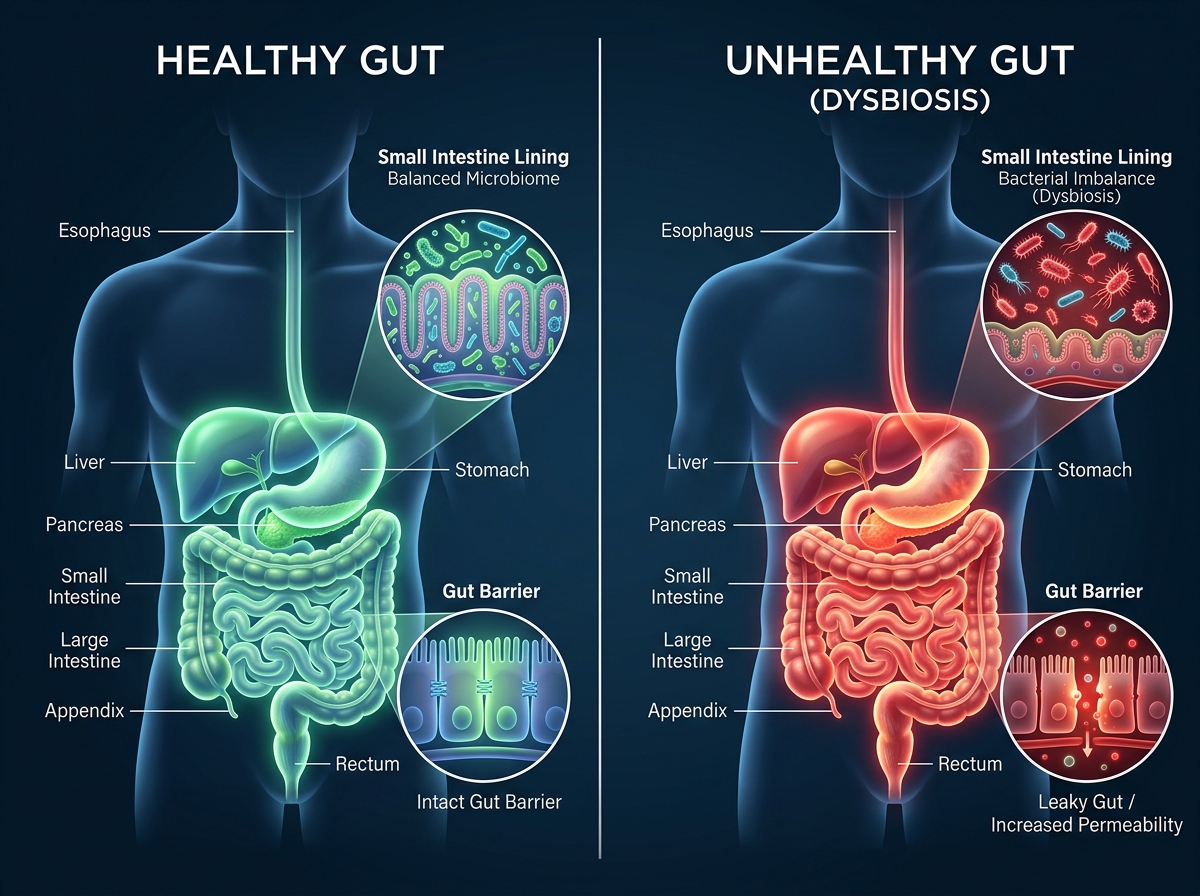
One of the most fascinating aspects of gut health is its connection to the brain. The gut communicates with the brain through a network known as the gut-brain axis.
When the gut is unhealthy, it can lead to mood swings, anxiety, and lack of focus. This is why poor gut health often affects mental well-being.
Why These Signs Are Often Ignored
Many people consider digestive discomfort normal and ignore it. Over time, these small issues can develop into serious disorders.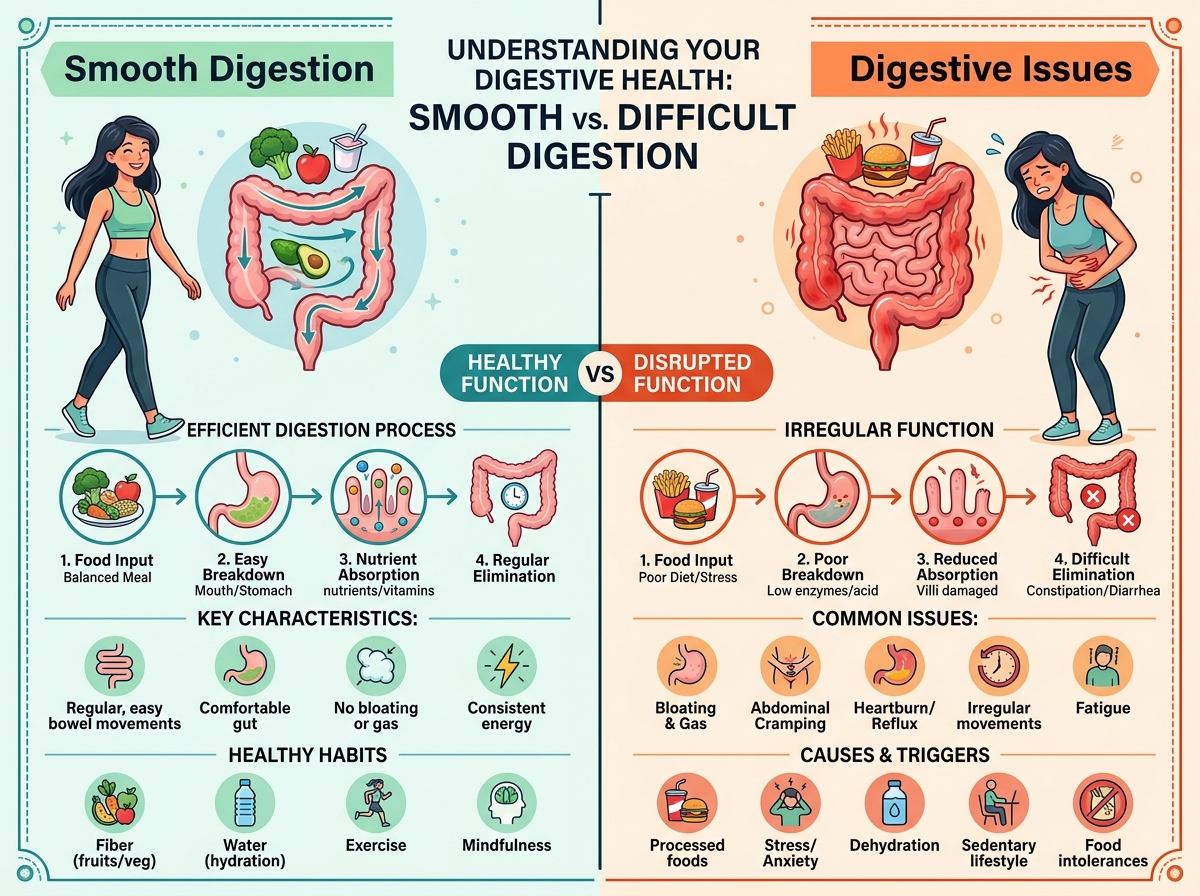
Understanding and addressing early signs can prevent long-term complications.
Gut health is central to overall well-being. Recognizing early warning signs is the first step toward preventing more serious health issues.
When Poor Gut Health Becomes Serious
If early signs are ignored, poor gut health can progress into more serious conditions. At this stage, symptoms become more noticeable and begin to affect daily life.
These advanced symptoms often indicate deeper digestive disorders.
Advanced Symptoms of Poor Gut Health
As imbalance increases, symptoms become more severe and persistent.
Common advanced symptoms:
- Chronic fatigue
- Frequent stomach pain
- Food intolerances
- Skin issues like acne or rashes
- Weak immunity
- Unexplained weight changes
These symptoms show that the gut is struggling to maintain balance.
Major Gut-Related Disorders
Poor gut health can lead to several digestive disorders. These conditions require attention and proper management.
1. Irritable Bowel Syndrome (IBS)
IBS is a common disorder that affects the large intestine. It causes symptoms like abdominal pain, bloating, gas, and irregular bowel movements.
2. Acid Reflux (GERD)
This condition occurs when stomach acid flows back into the esophagus, causing heartburn and discomfort.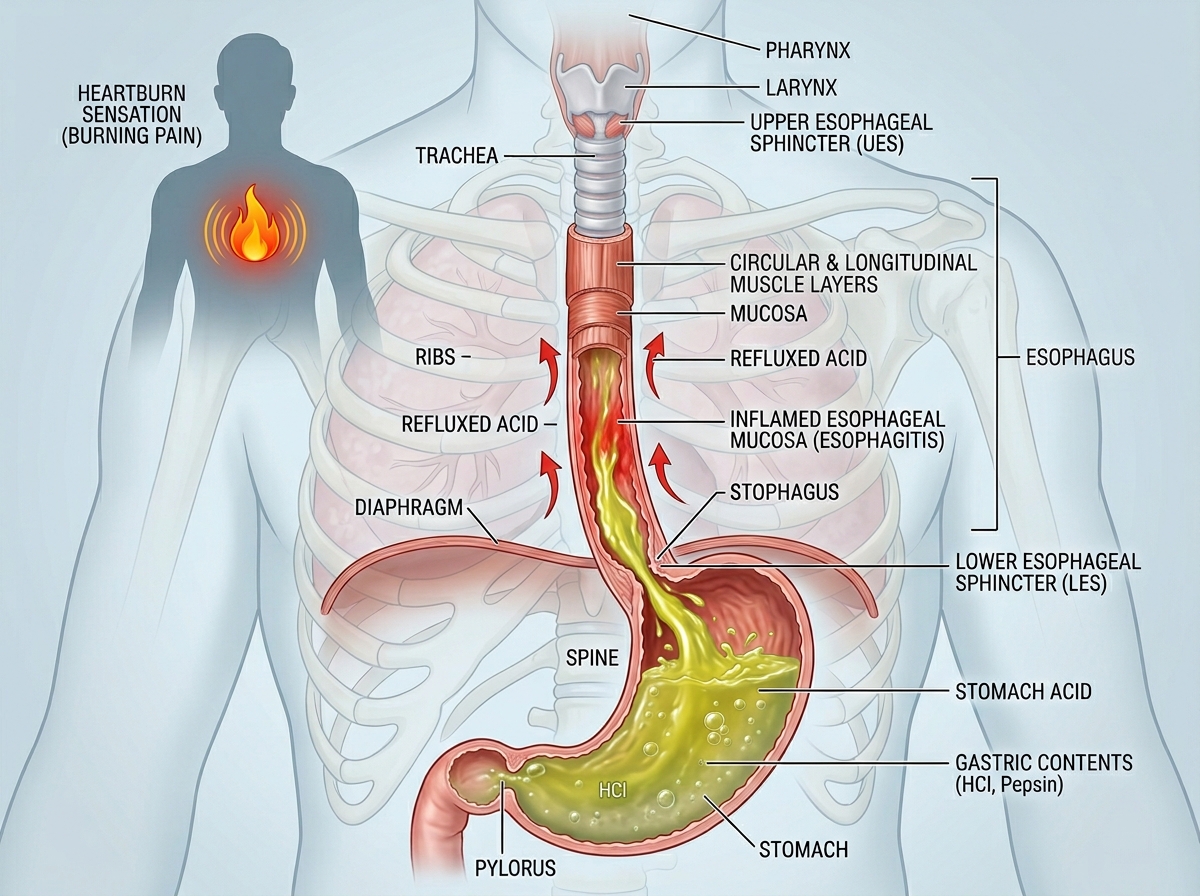
3. Leaky Gut Syndrome
Leaky gut occurs when the intestinal lining becomes damaged, allowing toxins and bacteria to enter the bloodstream.
4. Gastritis
Gastritis is inflammation of the stomach lining, often causing pain, nausea, and discomfort.
5. Constipation and Chronic Indigestion
Long-term digestive issues can result in difficulty passing stool and persistent discomfort.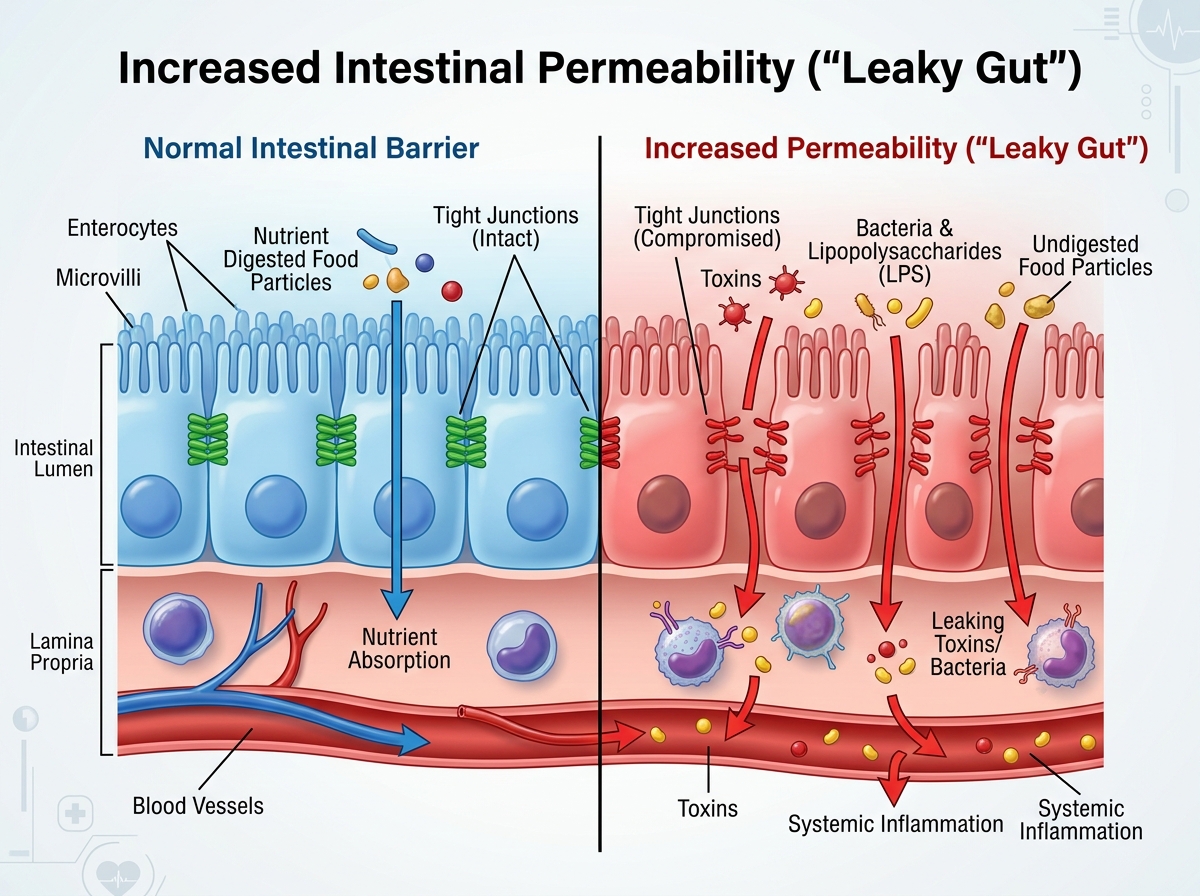
Disorders and Their Symptoms
| Disorder | Key Symptoms |
|---|---|
| IBS | Bloating, pain, irregular bowel |
| Acid Reflux | Heartburn, chest discomfort |
| Leaky Gut | Fatigue, inflammation |
| Gastritis | Stomach pain, nausea |
| Constipation | Hard stools, discomfort |
Why Gut Disorders Are Increasing

Modern lifestyle habits such as poor diet, stress, lack of sleep, and processed food consumption are major contributors to gut disorders.
Ignoring gut health can lead to serious disorders that affect daily life. Recognizing advanced symptoms is essential for timely action.
Restoring Balance in the Gut
The good news is that gut health can be improved naturally. The body has the ability to heal when supported with proper habits.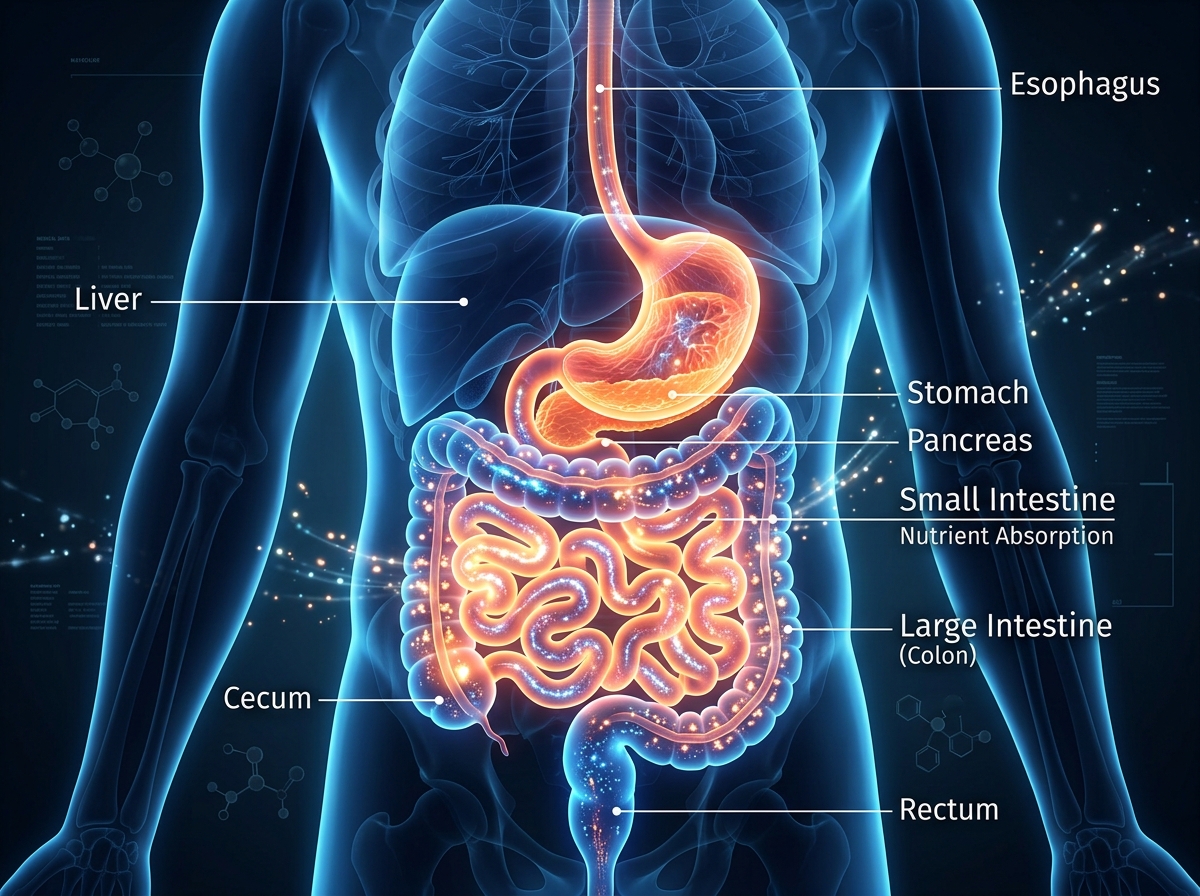
Nutrition for Gut Health
Eating the right foods helps restore balance in the gut microbiome.
Hydration and Digestion
Water supports digestion and helps eliminate toxins from the body.
Probiotics and Gut Balance
Probiotics are beneficial bacteria that improve gut health and digestion.
Stress Management
Reducing stress helps improve gut function and prevents imbalance.
Physical Activity
Regular movement supports digestion and overall health.
Solutions and Benefits
| Solution | Benefit |
|---|---|
| Healthy Diet | Better digestion |
| Hydration | Improved metabolism |
| Probiotics | Balanced gut bacteria |
| Exercise | Active digestion |
| Stress Control | Reduced gut issues |
Daily Habits to Improve Gut Health
Simple habits:
- Eat balanced meals
- Drink enough water
- Stay active
- Manage stress
- Avoid processed foods

Gut health is essential for overall well-being. By recognizing signs early and adopting healthy habits, it is possible to prevent disorders and maintain a balanced digestive system.
Consistency is the key to long-term improvement.
