
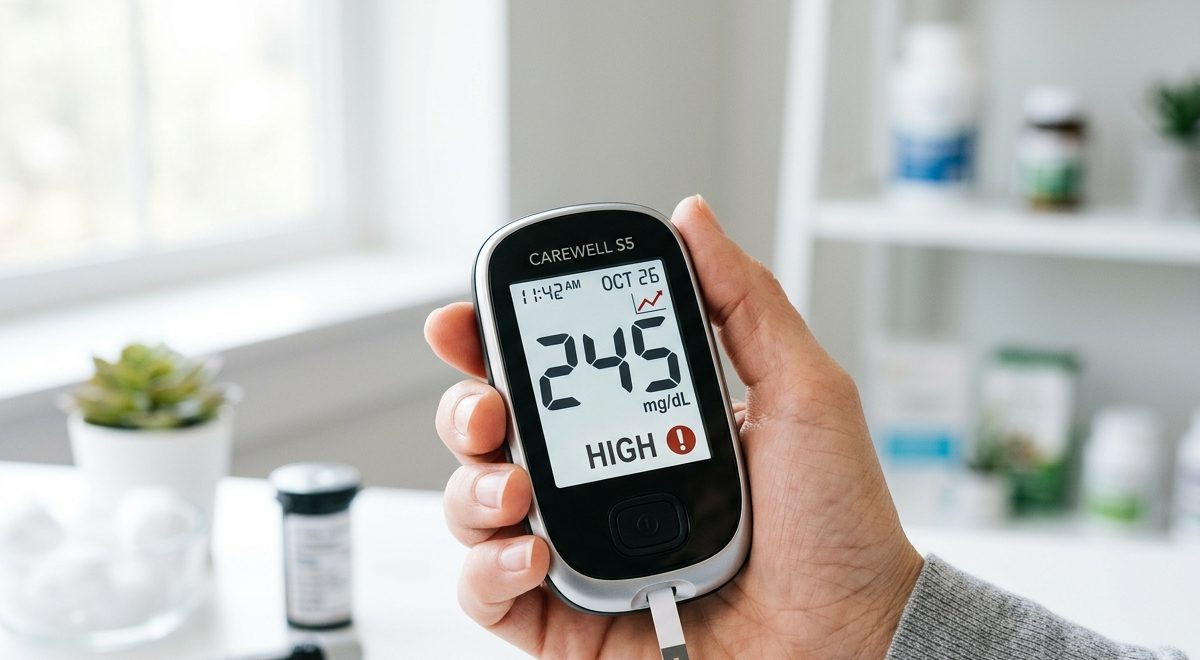
What Is Prediabetes?
Prediabetes is a health condition in which blood sugar (glucose) levels are higher than normal but not yet high enough to be diagnosed as Type 2 diabetes. It is considered an important warning sign that the body is beginning to have difficulty regulating blood sugar properly.
When we eat food, carbohydrates are broken down into glucose, which enters the bloodstream. The hormone insulin, produced by the pancreas, helps move glucose from the blood into the body’s cells where it can be used for energy. In people with prediabetes, this process becomes less efficient. The body’s cells begin responding poorly to insulin, a condition known as insulin resistance.
As insulin resistance increases, the pancreas must work harder to produce more insulin. Over time, it becomes difficult to keep blood sugar levels within a healthy range. This leads to elevated blood sugar and the development of prediabetes.
Prediabetes often develops gradually over many years. Because it rarely causes obvious symptoms in its early stages, many people do not know they have it until routine blood tests reveal abnormal blood sugar levels.
The good news is that prediabetes is often reversible. With healthy lifestyle changes and early intervention, many people can prevent or delay the progression to Type 2 diabetes.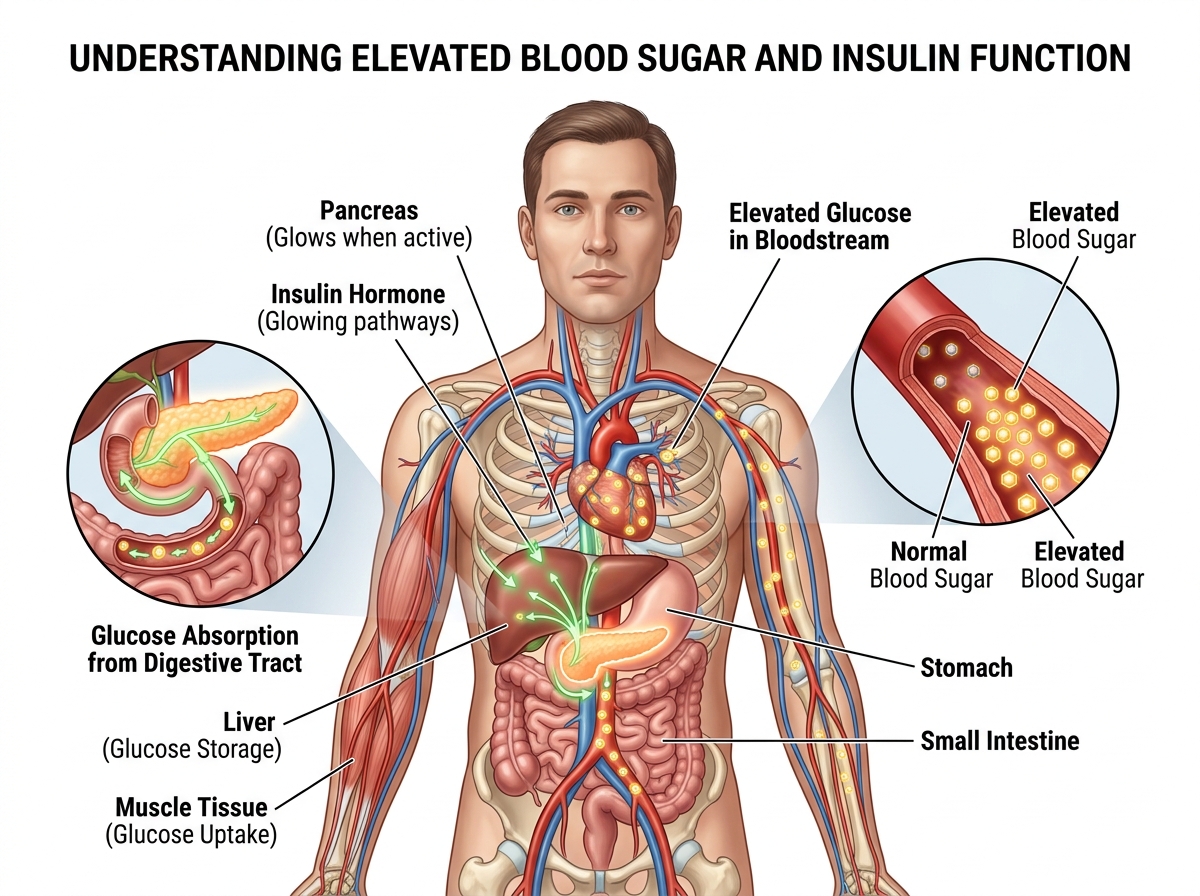
Symptoms of Prediabetes
One of the challenges of prediabetes is that symptoms may be subtle or completely absent during the early stages. However, as blood sugar regulation becomes increasingly impaired, the body may begin sending warning signals.
Common symptoms of prediabetes include:
- Persistent fatigue
- Increased hunger
- Frequent thirst
- Frequent urination
- Brain fog
- Difficulty concentrating
- Slow healing of cuts and wounds
- Increased sugar cravings
- Unexplained weight gain
- Blurred vision
Many people notice that they feel tired throughout the day despite getting enough sleep. This occurs because glucose is not being efficiently transported into cells, leaving the body with less usable energy.
Frequent hunger is another common sign. Even after eating, cells may not receive enough glucose, causing the brain to signal hunger more frequently.
Some individuals experience strong cravings for sugary foods because the body is struggling to maintain stable blood sugar levels.
Another early warning sign is darkened skin in body folds such as the neck, armpits, or groin. This condition, called acanthosis nigricans, is often associated with insulin resistance.
As prediabetes progresses, symptoms may become more noticeable and can resemble early diabetes symptoms.
Possible Causes of Prediabetes
Prediabetes develops when the body’s ability to regulate blood sugar begins to decline.
The most common cause is insulin resistance. In this condition, muscle, fat, and liver cells become less responsive to insulin, forcing the pancreas to produce increasing amounts of the hormone.
Over time, the pancreas struggles to keep up with the body’s growing insulin demands.
Several factors contribute to insulin resistance and prediabetes, including:
- Excess body weight
- Lack of physical activity
- Poor dietary habits
- Genetic factors
- Hormonal imbalances
- Chronic stress
- Sleep disturbances
While some risk factors cannot be changed, many can be improved through healthy lifestyle choices.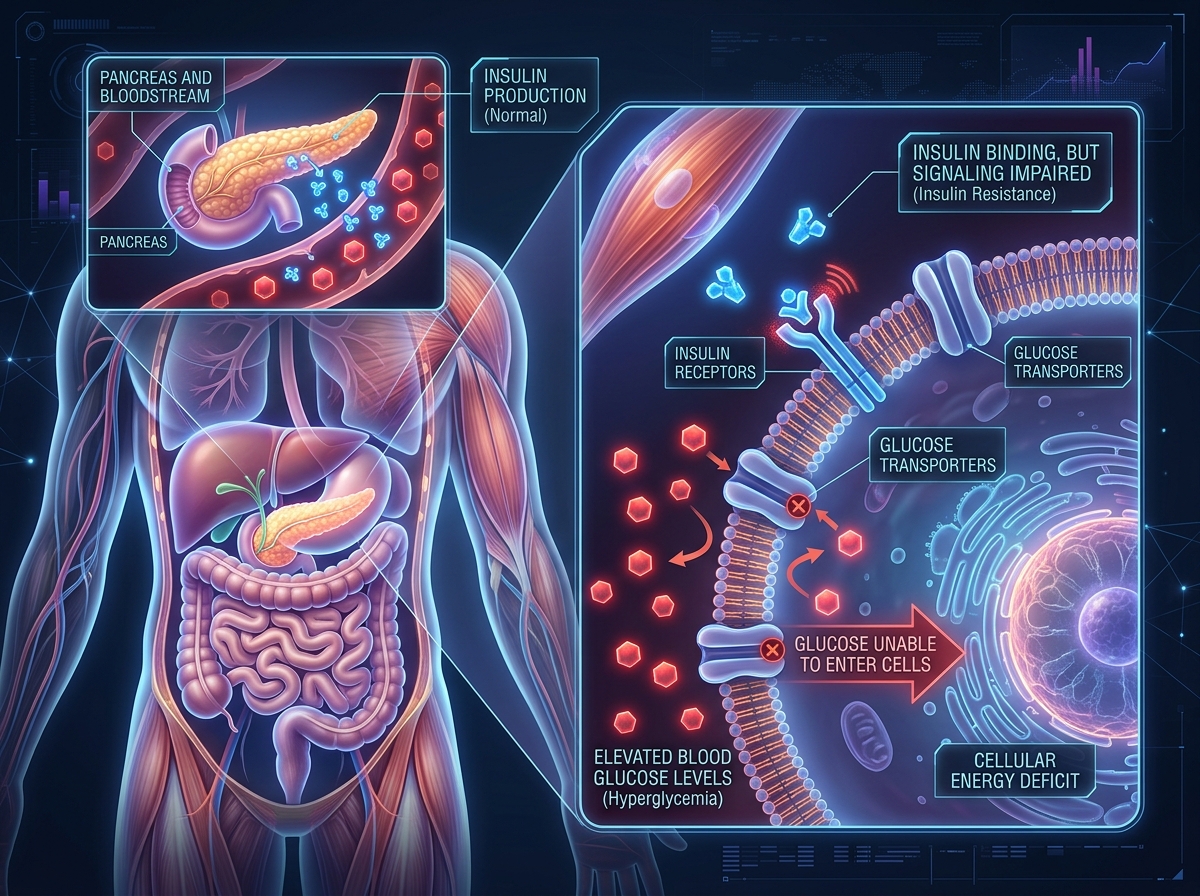
Lifestyle Factors That Increase Prediabetes Risk
Modern lifestyles have contributed significantly to the growing number of prediabetes cases worldwide.
One of the biggest contributors is a sedentary lifestyle. Long hours spent sitting reduce insulin sensitivity and decrease the body’s ability to manage blood sugar effectively.
Poor dietary habits also play a major role. Frequent consumption of:
- Sugary beverages
- White bread
- Pastries
- Candy
- Processed foods
- Fast food
can cause repeated blood sugar spikes that strain the body’s insulin system.
Other lifestyle factors associated with prediabetes include:
- Lack of exercise
- Poor sleep quality
- Chronic stress
- Smoking
- Excessive alcohol consumption
- Long-term weight gain
Stress deserves special attention because elevated cortisol levels may worsen insulin resistance and encourage abdominal fat storage.
Sleep deprivation also affects hormones that regulate appetite and blood sugar control.
What Medical Conditions Cause Prediabetes?
Prediabetes often develops alongside other metabolic and hormonal conditions.
Obesity
Excess body fat, particularly around the abdomen, significantly increases insulin resistance and prediabetes risk.
Metabolic Syndrome
Metabolic syndrome is a cluster of conditions that includes:
- High blood pressure
- Elevated blood sugar
- Excess abdominal fat
- Abnormal cholesterol levels
These conditions commonly occur together and increase diabetes risk.
Polycystic Ovary Syndrome (PCOS)
Women with PCOS frequently develop insulin resistance, making prediabetes more common.
Fatty Liver Disease
Fat accumulation in the liver can interfere with normal glucose metabolism and increase insulin resistance.
Sleep Apnea
Sleep apnea disrupts normal sleep patterns and has been linked to impaired glucose control.
Hormonal Disorders
Conditions affecting hormone balance may contribute to blood sugar dysregulation and insulin resistance.
Care and Treatment
The primary goal of prediabetes treatment is to restore healthy blood sugar regulation and prevent progression to Type 2 diabetes.
Healthcare providers often recommend lifestyle modifications as the first line of treatment.
Treatment strategies may include:
- Weight loss
- Improved nutrition
- Regular exercise
- Blood sugar monitoring
- Managing cholesterol levels
- Improving sleep quality
- Stress reduction
In some cases, medications may be prescribed to improve insulin sensitivity, particularly in individuals with high-risk factors.
Research shows that even modest weight loss can dramatically reduce the risk of developing Type 2 diabetes.
Many people are able to return their blood sugar levels to a normal range through consistent healthy habits.
How Can I Improve Prediabetes at Home?
One of the most encouraging aspects of prediabetes is that it often responds very well to lifestyle changes.
Follow a Blood Sugar-Friendly Diet
Focus on:
- Vegetables
- Fruits
- Whole grains
- Lean proteins
- Healthy fats
- High-fiber foods
Limit:
- Sugary drinks
- Processed snacks
- Refined carbohydrates
- Excess sweets
- Fast food

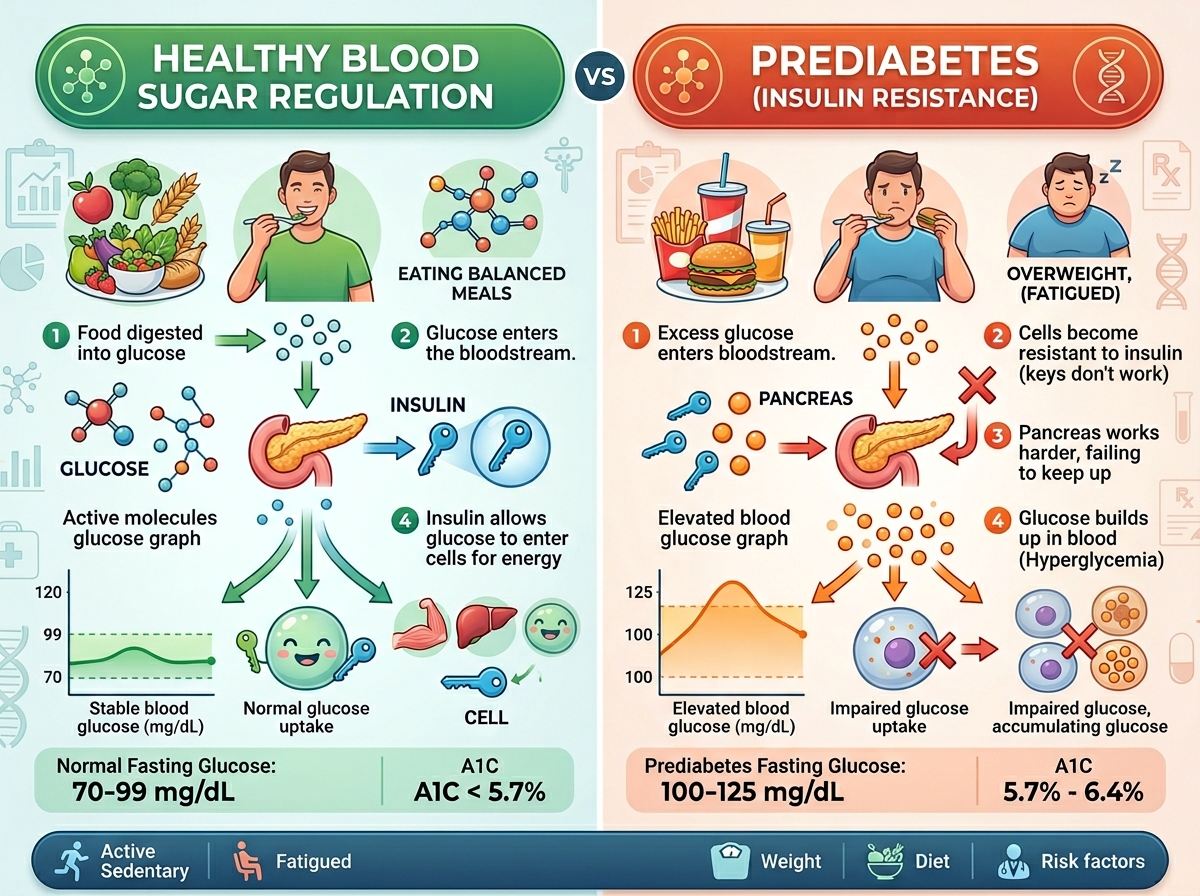
Exercise Regularly
Physical activity improves insulin sensitivity and helps cells use glucose more effectively.
Activities may include:
- Walking
- Cycling
- Swimming
- Strength training
- Jogging
Maintain a Healthy Weight
Losing excess body fat, particularly around the waist, can significantly improve blood sugar control.
Prioritize Sleep
Aim for seven to nine hours of quality sleep each night.
Manage Stress
Stress management techniques may include:
- Meditation
- Yoga
- Deep breathing
- Mindfulness
- Relaxation exercises
Stay Hydrated
Drinking enough water helps support overall metabolic health and blood sugar balance.
When Should I Call My Healthcare Provider?
You should speak with your healthcare provider if:
- You have a family history of diabetes
- You are overweight or obese
- You experience frequent thirst
- You urinate more often than usual
- You feel tired all the time
- You notice blurred vision
- You develop dark patches of skin
- Blood tests show elevated blood sugar levels
Seek medical attention promptly if symptoms become severe or if you develop signs of diabetes.
Early diagnosis and treatment offer the best opportunity to reverse prediabetes and prevent complications.
Final Thoughts
Prediabetes is a serious but often reversible condition that serves as an early warning sign for future Type 2 diabetes. Although it frequently develops without obvious symptoms, the body often provides subtle clues such as fatigue, increased hunger, sugar cravings, and difficulty maintaining a healthy weight.
By recognizing these warning signs and taking action through healthy eating, regular exercise, quality sleep, and stress management, many people can successfully improve their blood sugar levels and reduce their risk of developing diabetes.
Prediabetes should not be ignored, but it should also not be viewed as inevitable. Early action can make a significant difference in long-term health.
