

Belly Fat Is More Than a Cosmetic Issue
Many people think belly fat is only related to appearance, but abdominal fat is often connected to deeper health problems inside the body. Excess fat around the stomach can affect hormones, metabolism, digestion, energy levels, and even heart health.
Belly fat is one of the most dangerous types of fat because it surrounds important internal organs. Over time, this fat may increase inflammation, disrupt hormonal balance, and affect how the body processes energy.
The body usually gives warning signs before belly fat becomes severe. Understanding these symptoms early can help prevent long-term health complications.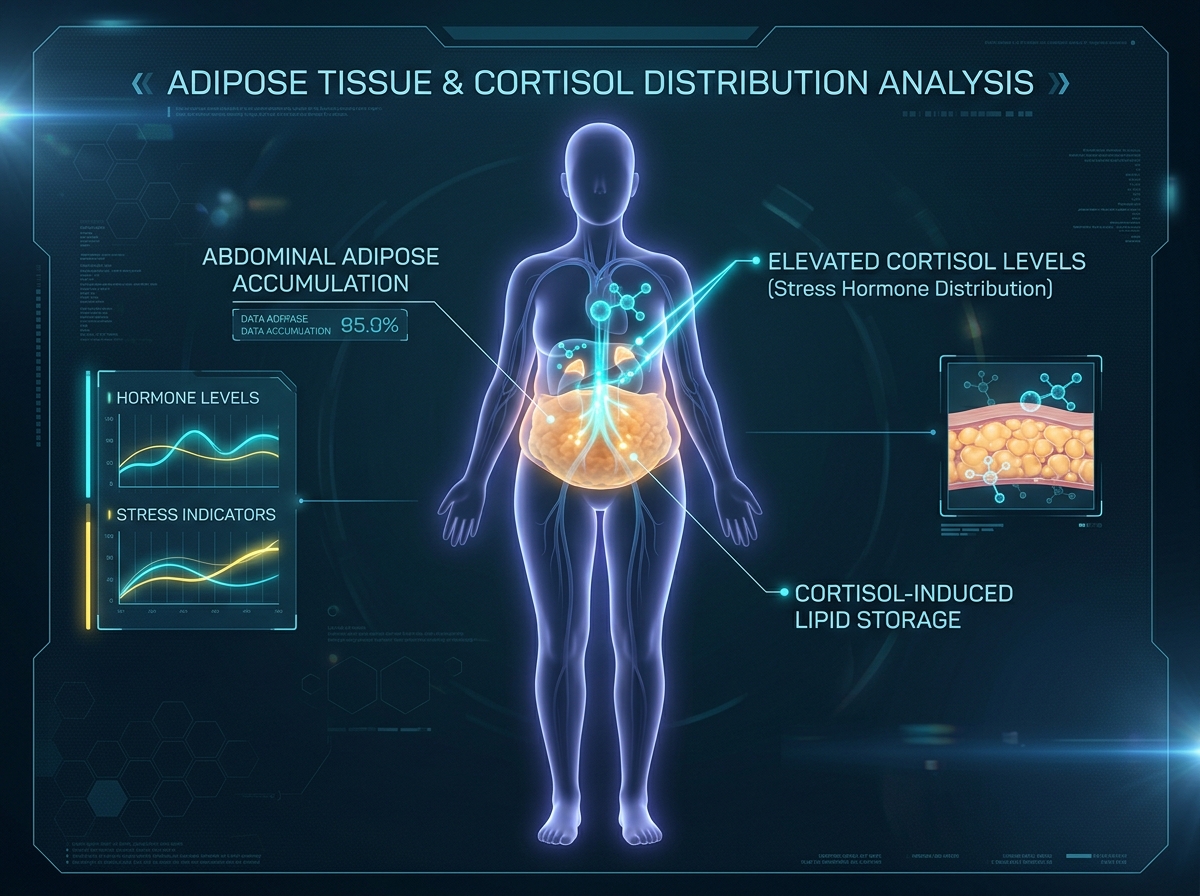
What Belly Fat Does Inside the Body
Belly fat is not inactive tissue. It affects the body continuously by releasing inflammatory substances and disrupting hormone function.
Excess abdominal fat may:
- Slow metabolism
- Increase insulin resistance
- Affect digestion
- Reduce energy levels
- Increase stress hormone activity
This is why belly fat often develops alongside fatigue, bloating, and hormonal imbalance.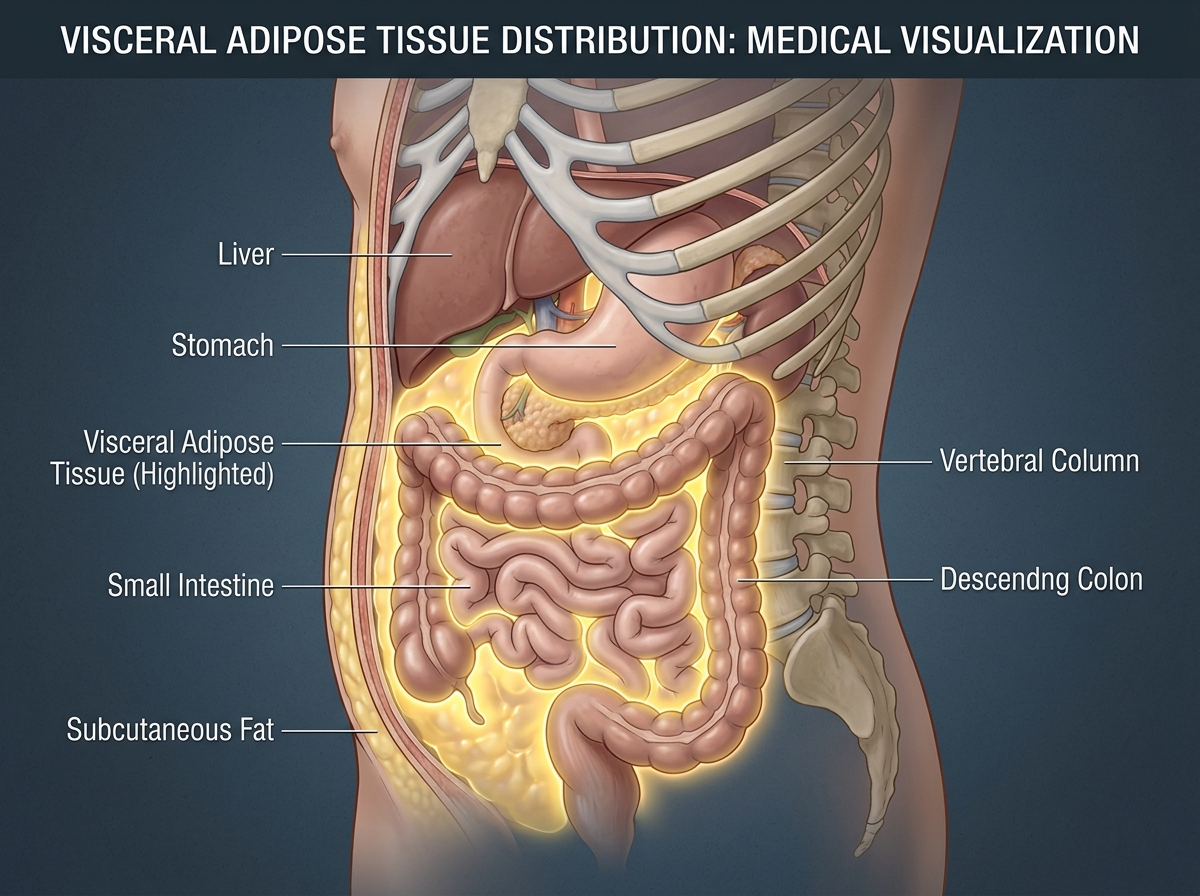
Early Symptoms of Belly Fat You Should Never Ignore
The body often shows signs before significant weight gain becomes visible.
Common early symptoms include:
- Constant bloating
- Tightness around the waist
- Low energy levels
- Increased sugar cravings
- Feeling heavy after meals
- Difficulty losing weight
These symptoms may indicate that metabolism and hormone balance are being affected.
Why Belly Fat Causes Fatigue
Abdominal fat increases inflammation inside the body, which can interfere with normal energy production.
People with excess belly fat often feel:
- Tired after eating
- Sluggish during the day
- Low motivation for physical activity
This happens because the body becomes less efficient at using energy properly.
Belly Fat and Hormonal Imbalance
Hormones strongly influence fat storage around the stomach.
Stress hormones like cortisol may increase abdominal fat accumulation, especially during periods of emotional stress and poor sleep.
Hormonal imbalance may also lead to:
- Increased appetite
- Cravings
- Water retention
- Slower metabolism
Why Belly Fat Is Hard to Lose
Belly fat is closely linked to metabolism, stress, sleep, and insulin sensitivity.
This means dieting alone may not solve the issue if the underlying causes remain unaddressed.
The body requires balance, not just calorie restriction.
Belly fat is often a warning sign of deeper metabolic and hormonal imbalance. The body usually shows symptoms early, and recognizing them can help prevent more serious health issues later.v
Belly Fat Usually Develops Slowly
Belly fat does not appear overnight. It develops gradually due to lifestyle habits, stress, hormonal imbalance, poor sleep, and metabolic dysfunction.
Modern routines have made abdominal fat one of the most common health concerns worldwide.
Major Causes of Belly Fat
1. Chronic Stress
Stress increases cortisol levels, which encourages fat storage around the abdomen.
People under constant stress often notice increased cravings and weight gain around the waist.
2. Poor Sleep Quality
Lack of sleep disrupts hormones that control appetite and metabolism.
This often leads to:
- Increased hunger
- Reduced fat burning
- More belly fat storage
3. Processed Foods and Sugar
Highly processed foods increase inflammation and blood sugar spikes.
Over time, excess sugar may increase fat accumulation around the stomach.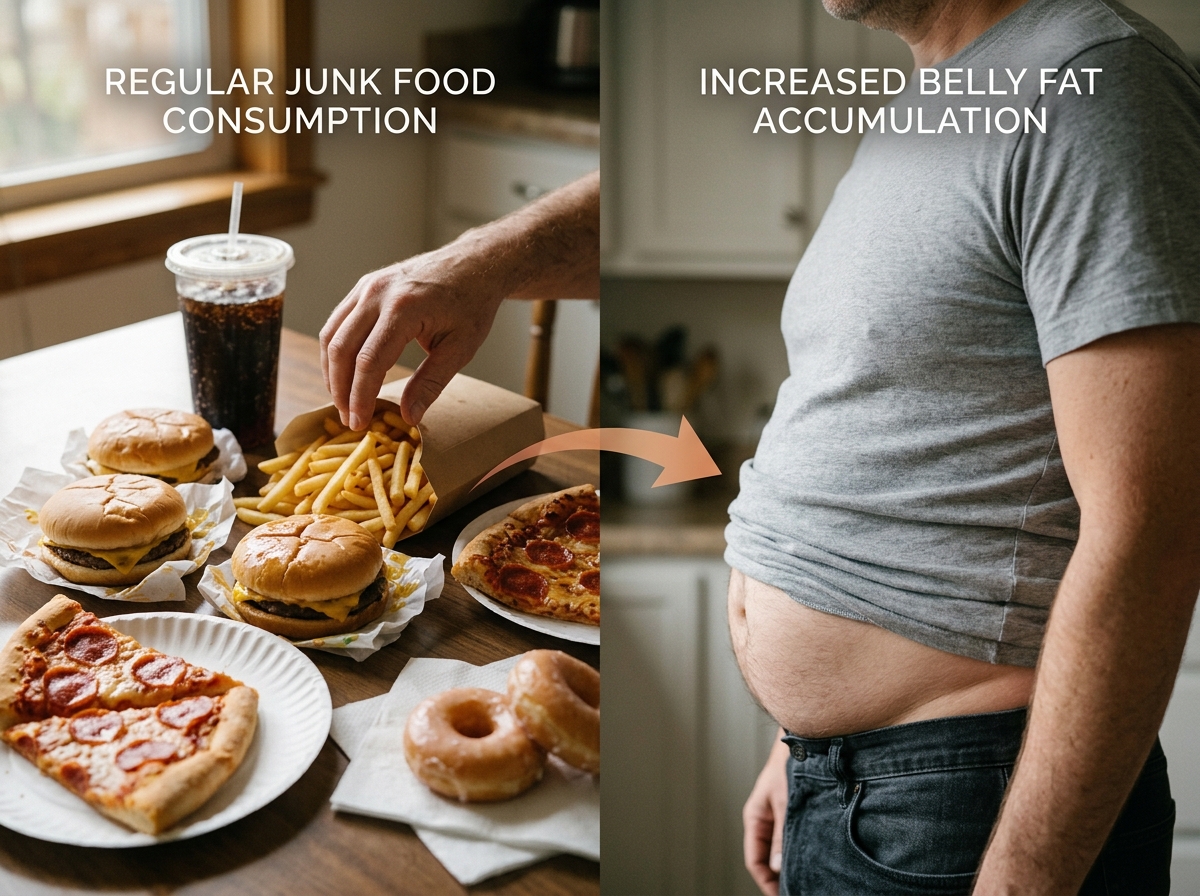
4. Lack of Physical Activity
Sedentary lifestyles reduce calorie usage and slow circulation, making fat storage more likely.
5. Hormonal Changes
Hormonal fluctuations, especially in women, may increase abdominal fat storage.
Health Problems Linked to Belly Fat
Excess abdominal fat is associated with multiple long-term health risks.
Common related conditions include:
- Insulin resistance
- High cholesterol
- High blood pressure
- Fatty liver
- Heart disease
- Metabolic syndrome
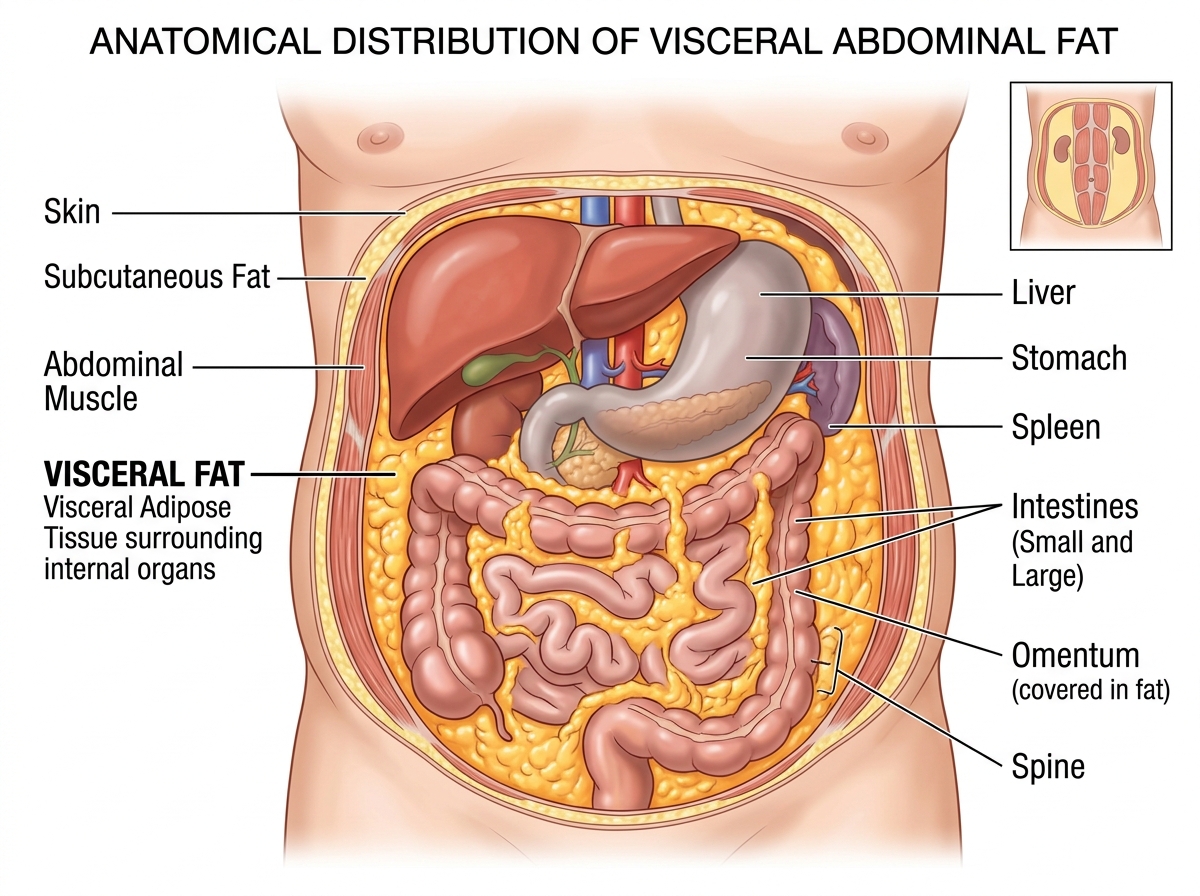
Belly fat is considered dangerous because it affects internal organs directly.
Belly Fat and Digestive Problems
Abdominal fat can increase pressure on digestive organs and worsen bloating, acid reflux, and sluggish digestion.
People may feel:
- Heavy after meals
- Uncomfortable while sitting
- Full very quickly

Why Stress and Belly Fat Are Connected
The nervous system and metabolism are closely connected.
When stress hormones remain high for long periods, the body stores more fat around the stomach as a protective response.
Belly fat is often caused by stress, poor sleep, unhealthy eating, and hormonal imbalance. If ignored, it may increase the risk of serious metabolic and cardiovascular diseases.
Sustainable Fat Loss Requires Internal Balance
Reducing belly fat is not only about appearance—it is about improving internal health.
Long-term results happen when metabolism, hormones, sleep, and lifestyle habits improve together.
Improving Metabolism Naturally
The body burns energy more efficiently when metabolism is healthy.
Consistent movement, balanced meals, hydration, and proper sleep all support metabolic function.
Managing Stress Hormones
Reducing chronic stress helps lower cortisol levels, which may reduce fat storage around the abdomen.
Relaxation and emotional recovery are important parts of healthy weight management.
Sleep and Belly Fat Recovery
Quality sleep helps regulate hormones involved in hunger and fat burning.
People who sleep poorly often struggle more with cravings and weight gain.
Movement and Fat Burning
Regular physical activity improves circulation, insulin sensitivity, and energy usage.
Walking, stretching, and daily movement support long-term fat reduction naturally.
Nutrition and Blood Sugar Balance
Balanced meals help stabilize blood sugar and reduce cravings.
Highly processed foods often increase inflammation and make fat loss more difficult.
Helpful Habits for Reducing Belly Fat
Helpful habits include:
- Staying physically active
- Sleeping consistently
- Managing stress levels
- Drinking enough water
- Eating balanced meals
- Reducing processed sugar intake
Small daily habits create long-term changes.
Long-Term Benefits of Reducing Belly Fat
As abdominal fat decreases, many people experience:
- Better energy levels
- Improved digestion
- Reduced bloating
- Better sleep
- Improved confidence
- More stable metabolism
The body begins functioning more efficiently overall.
Belly fat is often a signal that the body is under metabolic and hormonal stress. Symptoms like bloating, fatigue, cravings, and waist tightness should never be ignored.
By understanding the causes and supporting the body naturally, it is possible to improve both health and energy while reducing abdominal fat sustainably.
