
Why Cholesterol Matters More Than You Think
Cholesterol is often misunderstood. While many people consider it harmful, it is actually a necessary substance that the body needs to build cells, produce hormones, and support vital functions. However, problems begin when cholesterol levels become too high.
High cholesterol does not usually cause immediate symptoms, which makes it dangerous. It silently builds up in the body over time, increasing the risk of serious health conditions.
Understanding cholesterol and its effects is essential for maintaining long-term health.
What Is Cholesterol and How It Works
Cholesterol is a fat-like substance found in the blood. It travels through the bloodstream with the help of proteins.
There are different types of cholesterol, and not all of them are harmful. Some help protect the body, while others can lead to health problems when present in excess.
When cholesterol levels are balanced, the body functions normally. When levels rise too high, it begins to accumulate in blood vessels.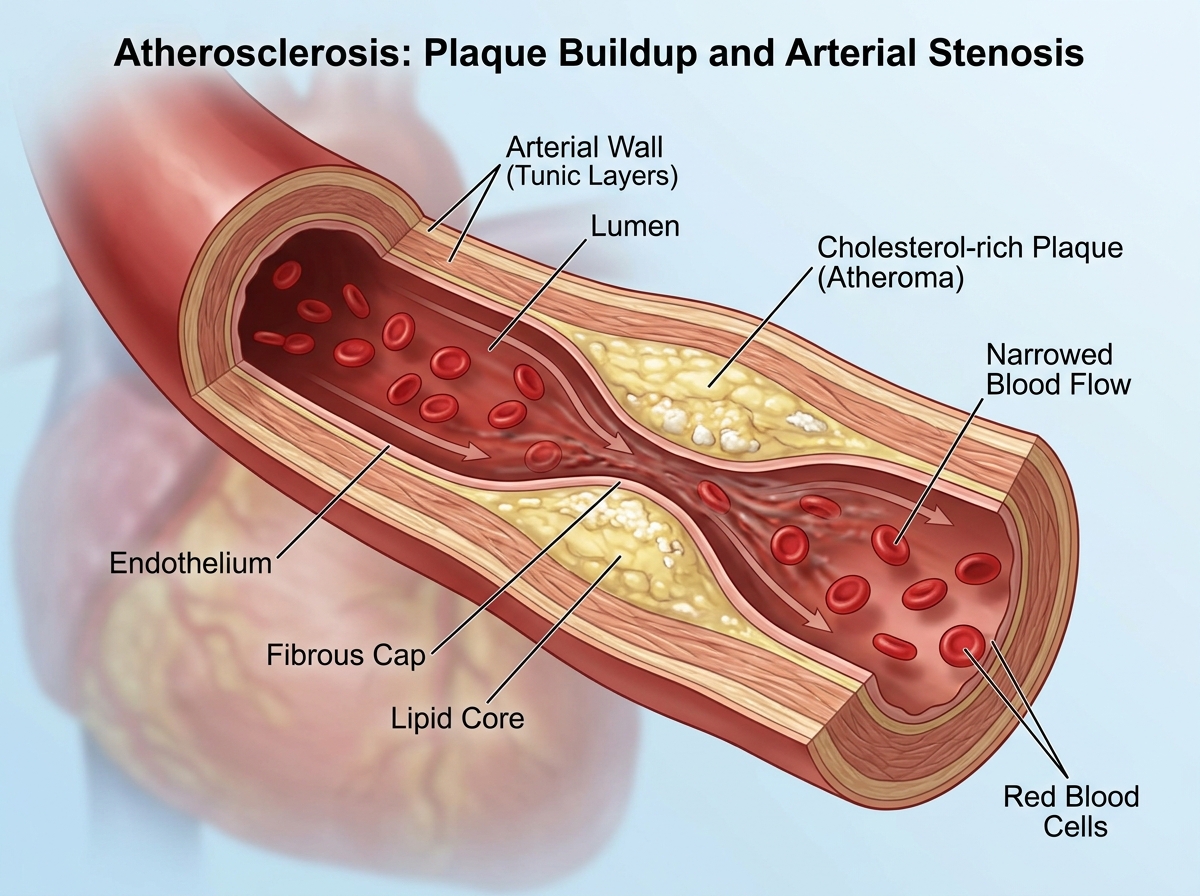
What Happens When Cholesterol Is High
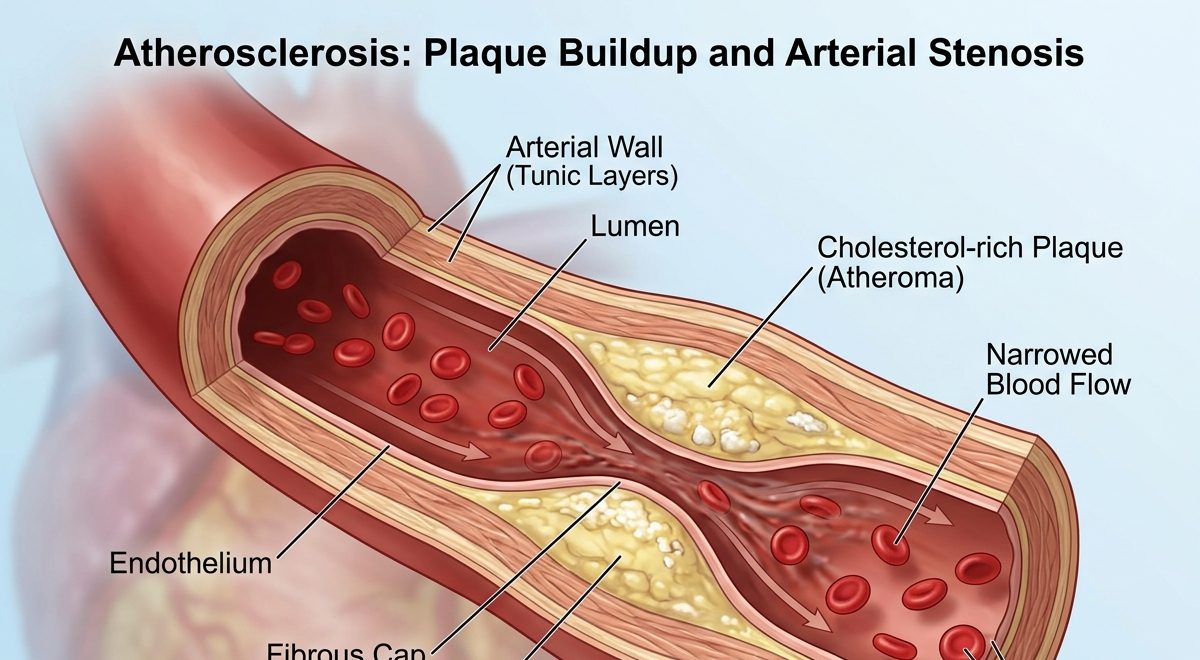
When cholesterol levels increase, excess cholesterol starts to stick to the walls of arteries. Over time, this buildup forms plaque, which narrows the arteries and restricts blood flow.
This process reduces the amount of oxygen reaching vital organs, including the heart and brain.
As the condition progresses, it can lead to serious complications without showing early warning signs.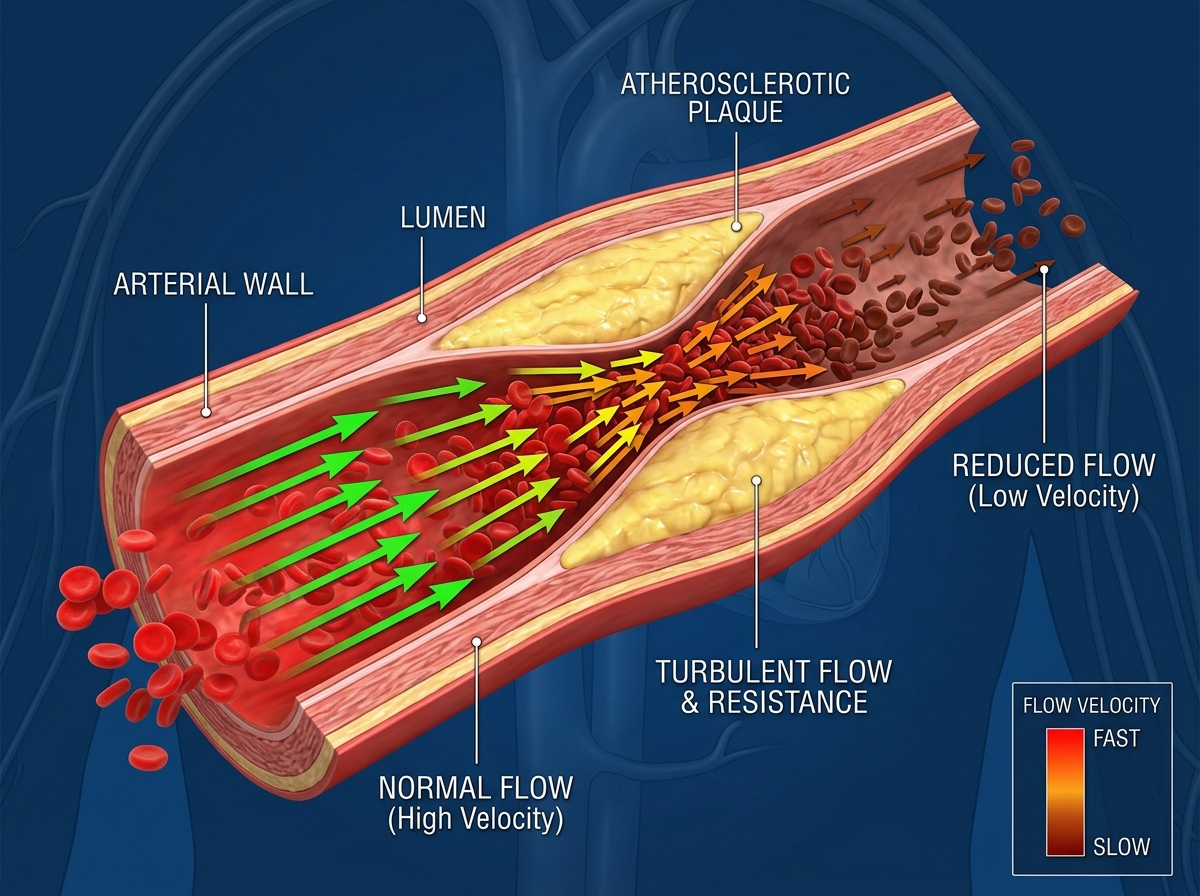
Effects of High Cholesterol on the Body
High cholesterol affects multiple systems in the body, mainly by disrupting blood flow and increasing pressure on the heart.
Common effects include:
- Reduced blood circulation
- Increased strain on the heart
- Lower oxygen supply to organs
- Fatigue and reduced stamina
- Gradual damage to blood vessels
Over time, these effects can weaken the cardiovascular system significantly.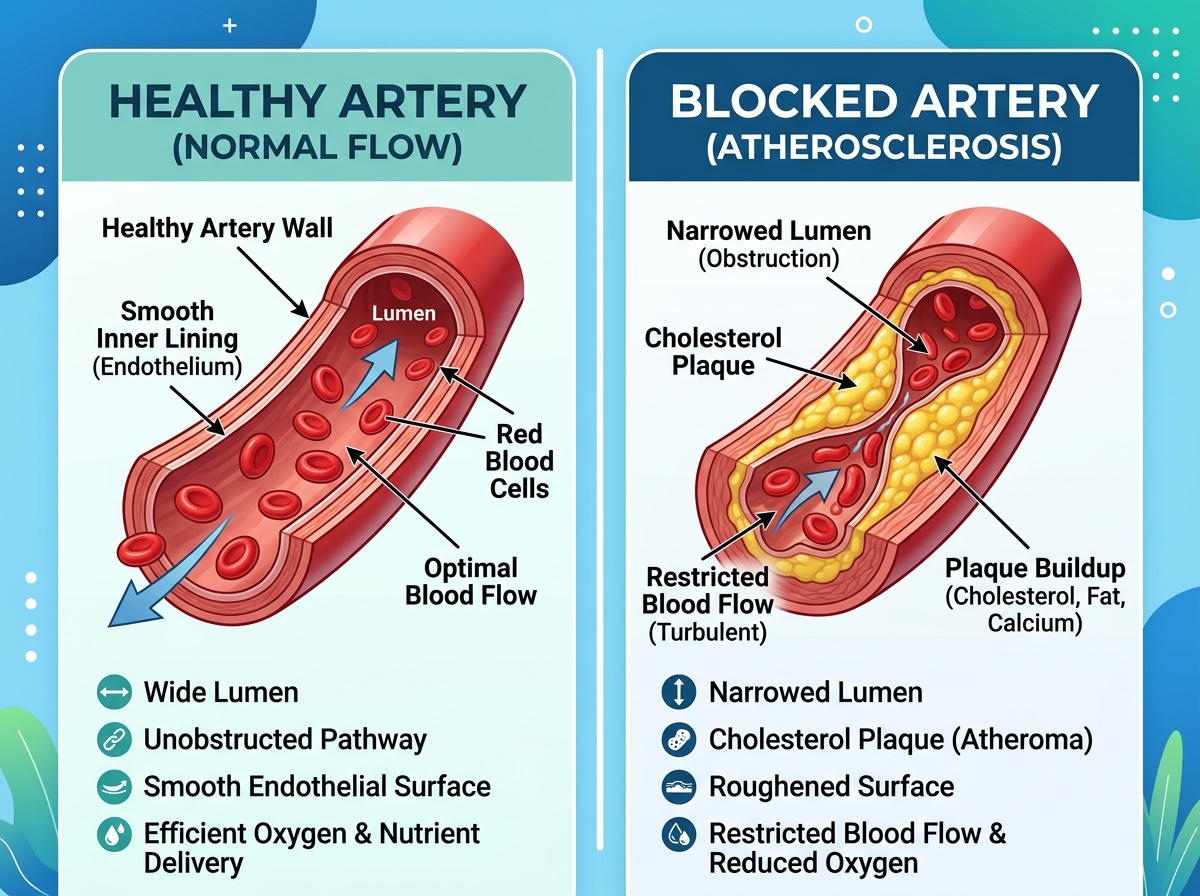
Impact on Daily Life and Energy
Although high cholesterol often goes unnoticed, it can slowly affect energy levels and physical performance.
People may feel less active, experience shortness of breath during exertion, or notice reduced endurance.
Why It Often Goes Undetected
One of the biggest challenges with high cholesterol is that it usually does not show clear symptoms in the early stages. Many people remain unaware until complications develop.
This is why regular awareness and lifestyle management are important.
Cholesterol is essential for the body, but when levels become too high, it can silently damage blood vessels and affect overall health. Understanding its effects is the first step toward prevention.
Why Cholesterol Levels Rise
High cholesterol does not occur randomly. It develops over time due to a combination of lifestyle habits, diet, and underlying health conditions.
Understanding the causes helps in preventing and managing cholesterol levels effectively.
Major Causes of High Cholesterol
1. Unhealthy Diet
A diet high in saturated fats and processed foods increases cholesterol levels. Excess intake of unhealthy fats leads to higher buildup in the bloodstream.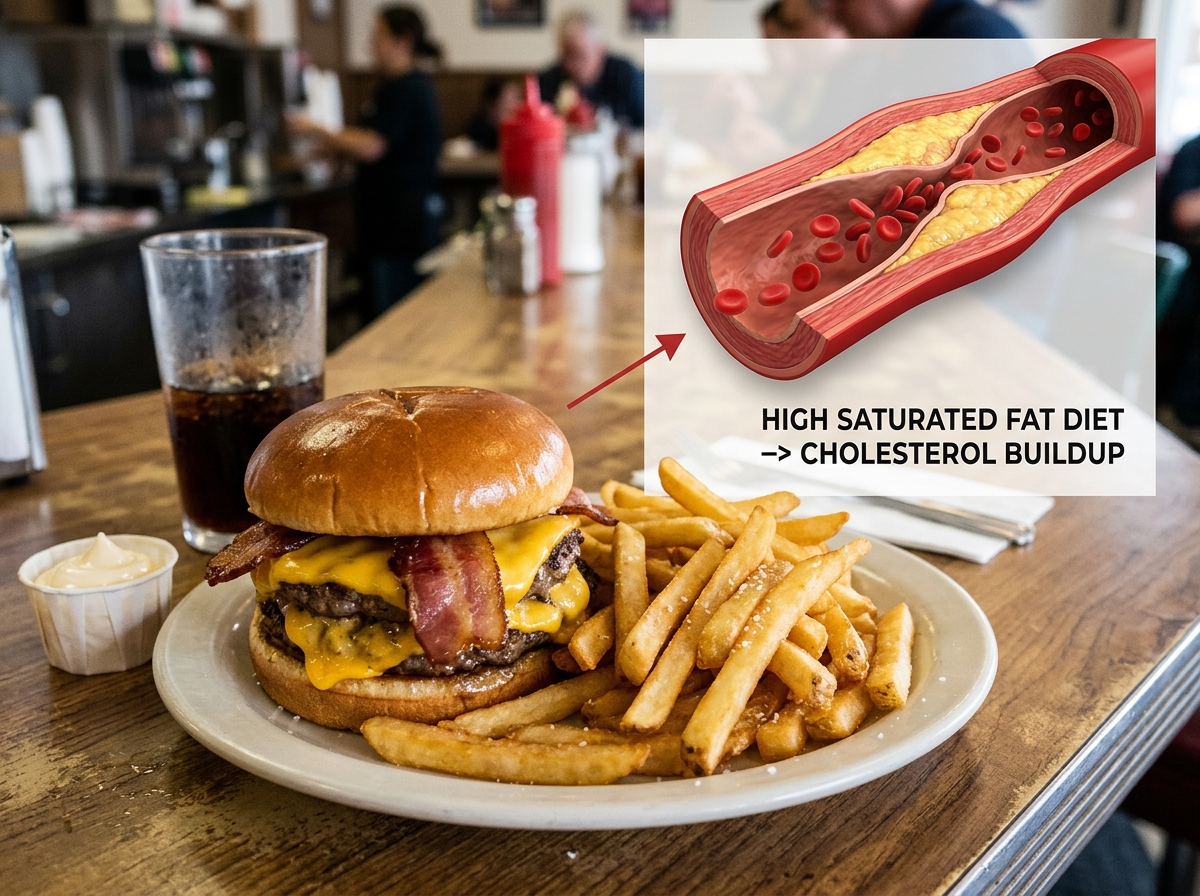
2. Lack of Physical Activity
Physical inactivity reduces the body’s ability to regulate cholesterol levels. Active movement helps maintain balance.
3. Obesity
Excess body weight is closely linked to higher cholesterol levels. It affects how the body processes fats.
4. Smoking and Lifestyle Habits
Smoking damages blood vessels and worsens cholesterol buildup, increasing the risk of complications.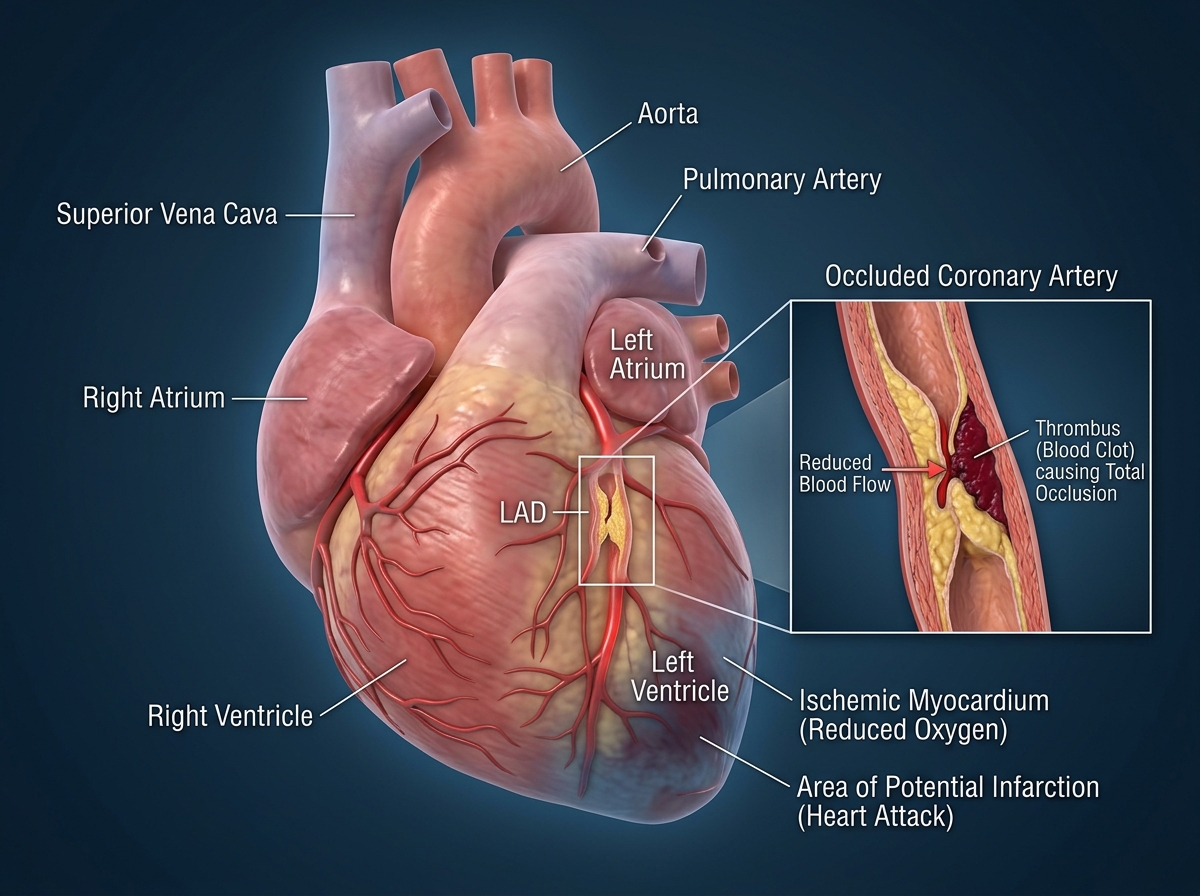
5. Genetic Factors
Some individuals may have a genetic tendency to develop high cholesterol regardless of lifestyle.
Diseases Linked to High Cholesterol
If left unmanaged, high cholesterol can lead to serious health conditions.
1. Heart Disease
Cholesterol buildup narrows arteries, increasing the risk of heart-related problems.
2. Stroke
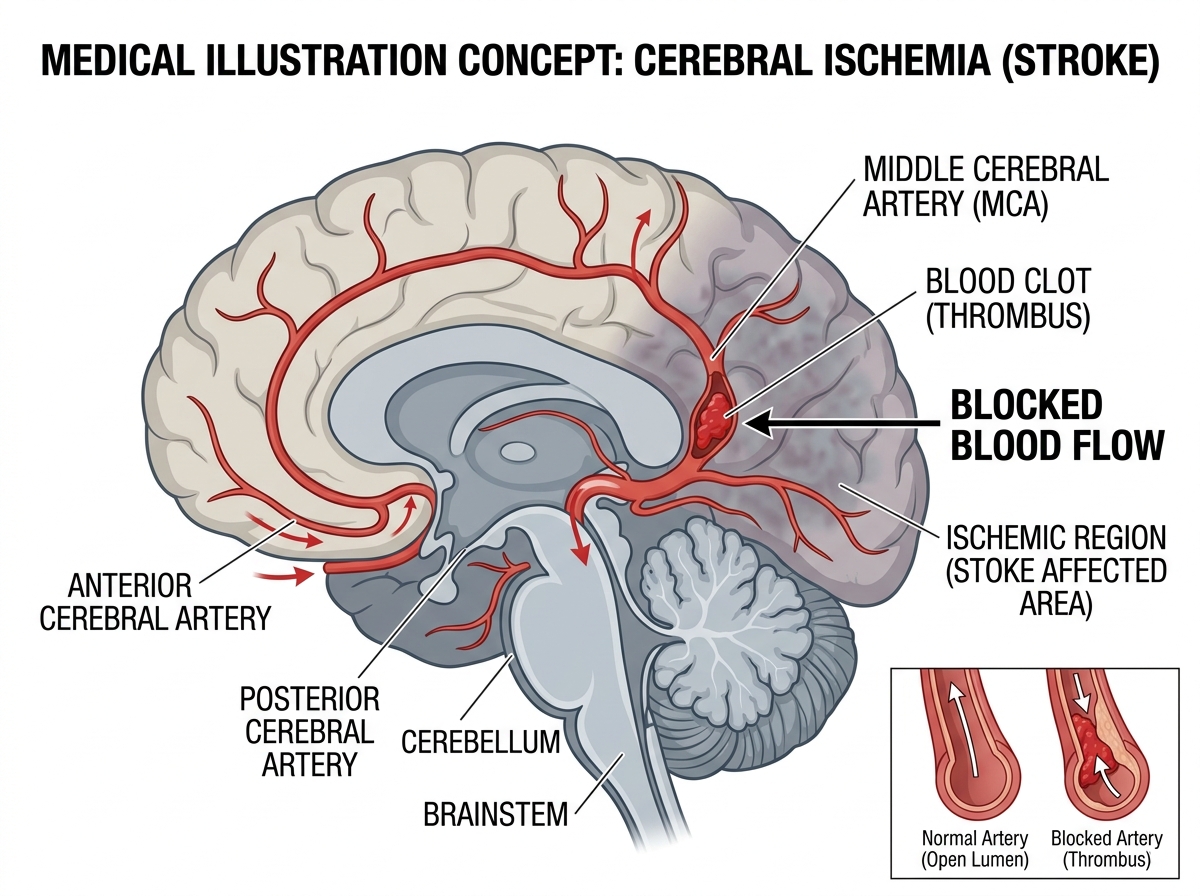
Blocked blood flow to the brain can result in stroke, which can have severe consequences.
3. Atherosclerosis
This condition occurs when arteries harden due to plaque buildup, restricting blood flow.
4. High Blood Pressure
Narrowed arteries increase pressure on the heart, leading to elevated blood pressure.
5. Metabolic Disorders
High cholesterol is often associated with broader metabolic issues affecting overall health.
Risk Factors for High Cholesterol
- Poor diet
- Lack of exercise
- Excess weight
- Smoking
- Family history

Why Lifestyle Plays a Major Role
Modern lifestyles, including sedentary habits and processed food consumption, are major contributors to rising cholesterol levels worldwide.
High cholesterol is largely influenced by lifestyle and can lead to serious diseases if ignored. Understanding its causes helps in taking preventive action.
Recognizing Hidden Warning Signs
High cholesterol is often called a “silent condition” because it does not always show clear symptoms. However, as it progresses, certain warning signs may begin to appear.
Recognizing these signs early can help prevent serious complications.
Common Symptoms of High Cholesterol
Although symptoms may not be obvious, some signs can indicate a problem.
Possible symptoms include:
- Chest discomfort during activity
- Shortness of breath
- Fatigue
- Slow physical performance
- Dizziness in some cases

Physical Signs That May Appear
In some cases, visible signs may develop.
These include:
- Fat deposits under the skin
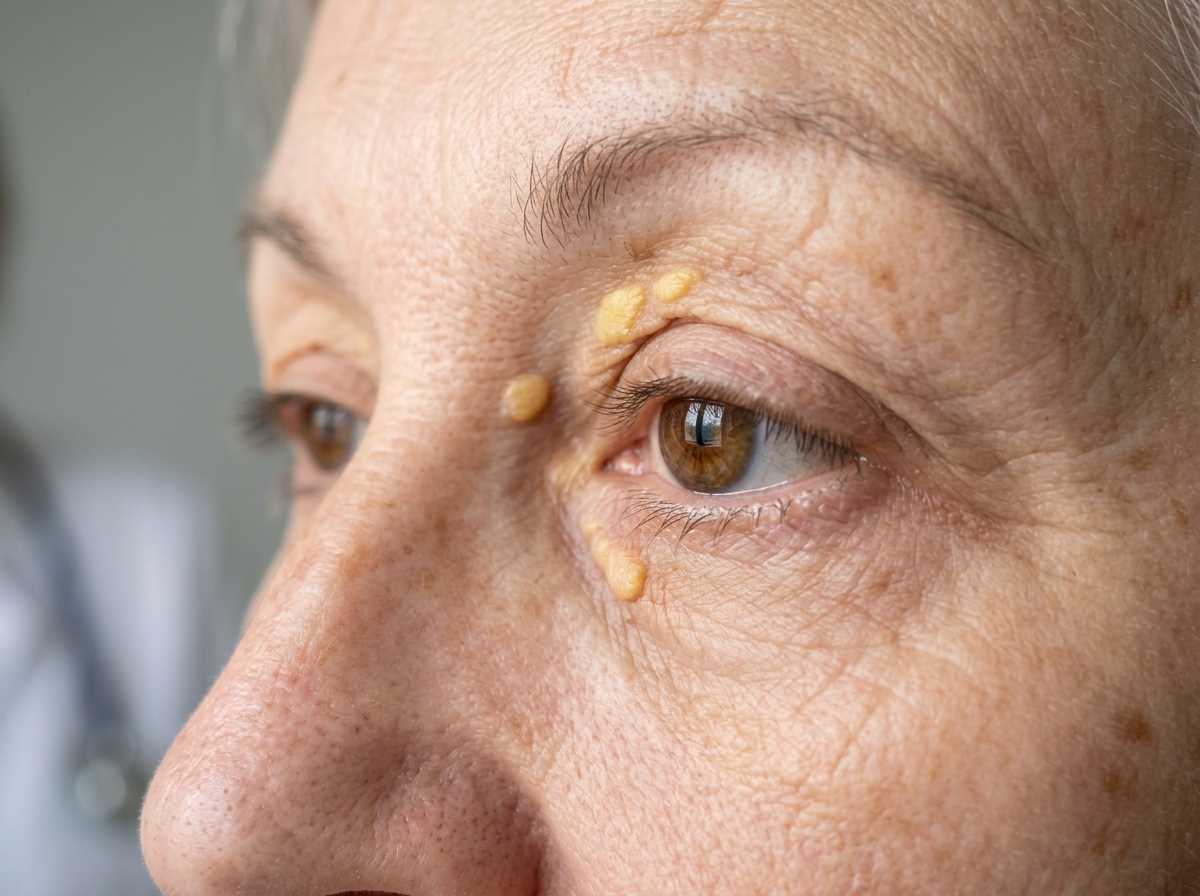
- Yellowish patches around eyes
- Unusual swelling in certain areas
Effects on Mental and Physical Health
Reduced blood flow can affect brain function, leading to reduced concentration and slower thinking.
Physical stamina may also decline due to decreased oxygen supply.
Natural Ways to Manage Cholesterol
Cholesterol levels can be improved through consistent lifestyle changes.
Key approaches include:
- Eating balanced and natural foods
- Staying physically active
- Maintaining healthy body weight
- Avoiding harmful habits
- Managing stress levels

Long-Term Benefits of Healthy Cholesterol Levels
When cholesterol levels are controlled, the risk of serious diseases decreases. The heart functions better, energy levels improve, and overall health becomes more stable.
High cholesterol is a serious condition that often develops silently. By understanding its effects, causes, diseases, and symptoms, it is possible to take early action and protect long-term health.
Consistency in healthy habits is the key to prevention and management.
