
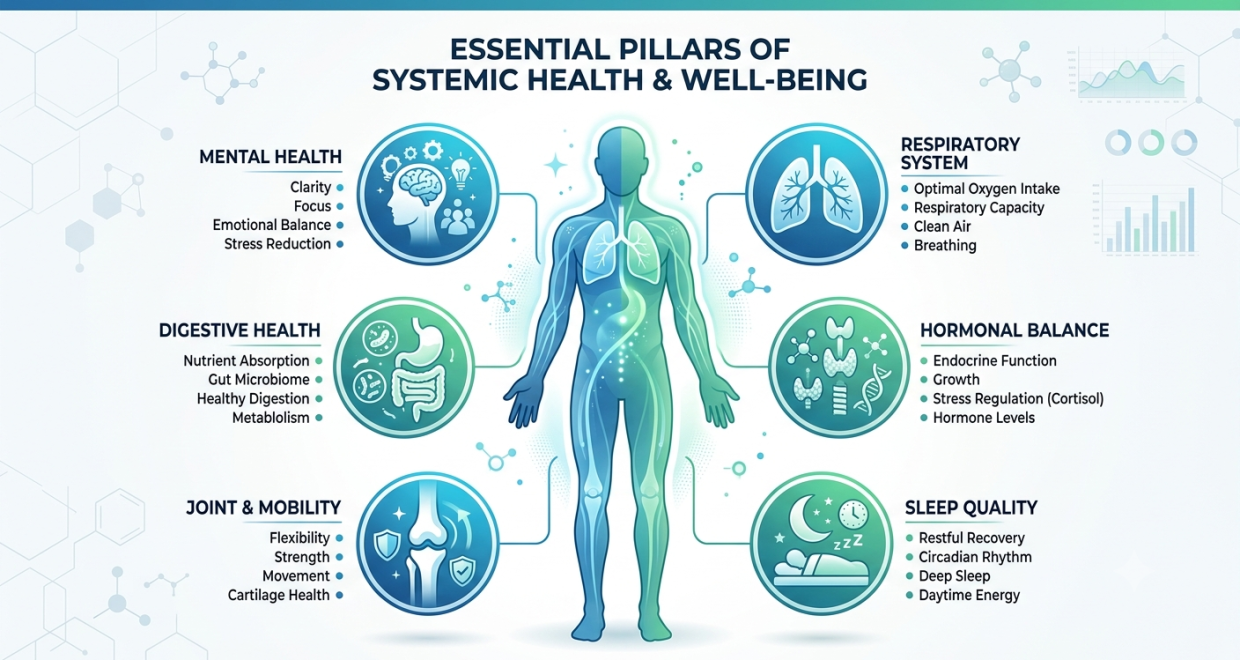
A complete Health Guide can help people better understand common physical and mental health conditions.
Living a healthy life requires much more than simply avoiding illness. Modern healthcare recognizes that physical conditions and mental well-being are deeply connected, with each influencing the other in significant ways. Chronic illnesses can affect emotional health, while psychological disorders may impact physical recovery and quality of life. Understanding conditions such as schizophrenia, pneumonia, PCOS, Crohn’s disease, gout, and diarrhea, along with the importance of health psychiatry, can help individuals make informed healthcare decisions.Nutrifit essential
At the same time, advances in digital healthcare have made specialized services like Midi Health increasingly popular for women seeking personalized medical support. Many patients also search for Midi Health reviews before choosing telehealth providers to understand the quality of care they can expect. Alongside medical treatment, healthy lifestyle habits—including proper sleep hygiene—play a major role in preventing disease, supporting recovery, and improving overall well-being.
This comprehensive guide explores these important health topics in one place. Whether you are looking to understand symptoms, causes, treatments, prevention strategies, or the connection between mental and physical health, this article provides practical, evidence-based information in an easy-to-understand format.
Understanding Mental and Physical Health Conditions
Schizophrenia
What Is Schizophrenia?
Schizophrenia is a long-term psychiatric disorder that affects the way a person thinks, interprets reality, manages emotions, and interacts with others. Contrary to common misconceptions, schizophrenia is not the same as having multiple personalities. Instead, it is a complex brain disorder that can interfere with daily functioning, relationships, education, and employment.
People living with schizophrenia often experience periods when distinguishing reality from imagination becomes difficult. However, with proper treatment and ongoing support, many individuals are able to live productive and meaningful lives.
Modern research suggests that schizophrenia develops due to a combination of genetic, neurological, environmental, and psychological factors rather than a single identifiable cause.
Symptoms of Schizophrenia
The symptoms of schizophrenia generally fall into three categories: positive symptoms, negative symptoms, and cognitive symptoms.
Positive symptoms include hallucinations, hearing voices, false beliefs known as delusions, and disorganized speech. These symptoms represent experiences that are added to normal thinking.
Negative symptoms involve the loss of normal emotional expression, reduced motivation, withdrawal from social activities, decreased speech, and difficulty experiencing pleasure.
Cognitive symptoms affect memory, concentration, attention span, decision-making, and problem-solving abilities. These challenges often make everyday tasks more difficult than many people realize.
Causes and Risk Factors
Although researchers continue studying the exact causes of schizophrenia, several risk factors have been identified.
Genetics play an important role because individuals with close family members diagnosed with schizophrenia have a greater likelihood of developing the disorder. Brain chemistry involving neurotransmitters such as dopamine and glutamate also appears to influence disease development.
Environmental factors—including prenatal complications, severe childhood trauma, chronic stress, viral infections during pregnancy, and substance misuse—may increase the risk in genetically susceptible individuals.
Diagnosis and Treatment
Diagnosing schizophrenia requires a comprehensive psychiatric evaluation. Mental health professionals assess symptoms, medical history, behavior, and sometimes conduct brain imaging or laboratory tests to rule out other medical conditions.
Treatment usually includes antipsychotic medications combined with psychotherapy, family education, social rehabilitation, vocational support, and long-term psychiatric follow-up.
Early intervention significantly improves long-term outcomes, making prompt diagnosis an important aspect of successful management.
Health Psychiatry
What Is Health Psychiatry?
Health psychiatry focuses on diagnosing, treating, and preventing mental health disorders while recognizing their influence on overall physical health. Mental wellness is no longer viewed separately from physical medicine. Instead, healthcare providers increasingly understand that emotional well-being directly affects immune function, cardiovascular health, chronic disease management, and recovery after illness.
A psychiatrist is a medical doctor trained to diagnose complex psychiatric conditions, prescribe medications, and coordinate comprehensive treatment plans.
Why Mental Health Matters
Mental health affects nearly every aspect of daily life. Depression may reduce motivation to exercise or eat nutritious foods. Anxiety can contribute to digestive disorders, sleep disturbances, and cardiovascular symptoms. Serious illnesses like schizophrenia require specialized psychiatric care to improve quality of life.
Patients receiving comprehensive health psychiatry services often experience improved emotional stability, better medication adherence, healthier relationships, and greater independence.
Common Conditions Treated in Psychiatry
Psychiatric professionals commonly treat anxiety disorders, depression, bipolar disorder, obsessive-compulsive disorder, post-traumatic stress disorder, eating disorders, personality disorders, substance use disorders, and schizophrenia.
Treatment may involve psychotherapy, cognitive behavioral therapy, medication management, lifestyle counseling, family therapy, and coordinated medical care.
Recognizing mental health symptoms early often prevents complications and improves long-term recovery.
Pneumonia
What Is Pneumonia?
Pneumonia is an infection that causes inflammation within the lungs. The tiny air sacs known as alveoli become filled with fluid or pus, making oxygen exchange less efficient and breathing more difficult.
The condition may affect one lung or both lungs and ranges from mild illness to life-threatening infection depending on the patient’s age, immune system, and underlying health.Nutrifit essential
Symptoms of Pneumonia
Symptoms typically develop quickly, although some viral infections progress more gradually.
People with pneumonia frequently experience persistent cough, fever, chills, chest pain, fatigue, rapid breathing, shortness of breath, and production of mucus.
Older adults sometimes present with confusion rather than high fever, making diagnosis more challenging.
Causes of Pneumonia
Several microorganisms cause pneumonia, including bacteria, viruses, and fungi.
Bacterial pneumonia is often caused by Streptococcus pneumoniae. Viral infections such as influenza and respiratory viruses may also lead to lung inflammation. Fungal pneumonia usually affects individuals with weakened immune systems.
Smoking, chronic lung disease, diabetes, advanced age, and weakened immunity increase susceptibility.
Diagnosis and Treatment
Healthcare providers diagnose pneumonia using physical examination, chest X-rays, oxygen measurements, blood tests, and sometimes sputum analysis.
Treatment depends on the underlying cause. Antibiotics treat bacterial infections, while viral cases generally require supportive care including fluids, fever management, rest, and oxygen therapy when necessary.
Prompt medical attention helps reduce complications such as respiratory failure and bloodstream infection.
Sleep Hygiene
What Is Sleep Hygiene?
Sleep hygiene refers to healthy behaviors and environmental practices that promote consistent, restorative sleep. Good-quality sleep is essential for immune function, mental health, hormonal balance, metabolism, cardiovascular health, learning, and memory.
Poor sleep hygiene contributes to chronic fatigue, mood disorders, obesity, diabetes, hypertension, reduced concentration, and weakened immune defenses.
Why Good Sleep Matters
Sleep allows the brain to organize memories, repair tissues, regulate hormones, and strengthen immune responses.
Individuals suffering from schizophrenia, anxiety disorders, depression, chronic pain, or inflammatory diseases often experience disrupted sleep, making proper sleep hygiene especially important.
Research consistently demonstrates that improving sleep quality supports emotional resilience and physical recovery.
Healthy Sleep Hygiene Habits
Maintaining a consistent bedtime helps regulate the body’s internal biological clock.
Reducing screen exposure before bedtime minimizes blue light exposure that interferes with melatonin production.
Creating a cool, dark, and quiet bedroom encourages deeper sleep while limiting caffeine late in the day reduces nighttime stimulation.
Regular physical activity, stress management techniques, and relaxation routines further improve overall sleep quality.
When Sleep Problems Require Medical Attention
Occasional poor sleep is common, but persistent insomnia, excessive daytime sleepiness, loud snoring, or repeated nighttime awakenings deserve medical evaluation.Nutrifit essential
Sleep disorders can worsen mental illnesses and chronic diseases, making early diagnosis valuable for long-term health.
Digestive, Hormonal, and Chronic Inflammatory Disorders
PCOS
What Is PCOS?
Polycystic Ovary Syndrome (PCOS) is one of the most common hormonal disorders affecting women during their reproductive years. The condition occurs when hormonal imbalances interfere with normal ovarian function, leading to irregular ovulation and elevated androgen levels.
Despite its name, not every woman with PCOS develops ovarian cysts. The condition varies considerably from person to person, making individualized diagnosis and treatment important.
Symptoms of PCOS
Women with PCOS often experience irregular menstrual cycles, acne, unwanted facial or body hair growth, thinning scalp hair, weight gain, fertility difficulties, and insulin resistance.
Some individuals develop darkened skin patches around the neck or underarms, while others notice symptoms only when attempting pregnancy.
Causes and Risk Factors
Although researchers have not identified one specific cause, genetics, insulin resistance, chronic inflammation, and hormonal imbalance all contribute to PCOS.
Family history increases risk, and obesity may worsen symptoms, although many women with normal body weight also develop the condition.
Diagnosis and Treatment
Healthcare providers diagnose PCOS using medical history, physical examination, blood tests, and pelvic ultrasound when appropriate.
Treatment depends on individual goals, whether improving fertility, regulating menstrual cycles, managing acne, or reducing metabolic complications.
Lifestyle changes, balanced nutrition, regular exercise, hormone therapy, and insulin-sensitizing medications often improve long-term outcomes.
Managing Chronic Diseases and Modern Healthcare
Crohn’s Disease
What Is Crohn’s Disease?
Crohn’s disease is a chronic inflammatory bowel disease (IBD) that causes inflammation anywhere along the digestive tract, although it most commonly affects the small intestine and the beginning of the large intestine. Unlike temporary digestive problems, Crohn’s disease is a lifelong condition characterized by periods of flare-ups and remission.
Inflammation associated with Crohn’s disease can extend deep into the intestinal wall, leading to pain, nutritional deficiencies, and complications if left untreated. While there is currently no cure, early diagnosis and appropriate treatment help many individuals maintain an active and healthy lifestyle.
Symptoms of Crohn’s Disease
The symptoms of Crohn’s disease vary depending on the location and severity of inflammation. Many patients experience persistent abdominal pain, chronic diarrhea, fatigue, weight loss, poor appetite, fever, and blood in the stool during active flare-ups.
Some individuals also develop mouth ulcers, joint pain, skin problems, or eye inflammation because Crohn’s disease is a systemic inflammatory condition. Symptoms often come and go, with periods of remission lasting weeks, months, or even years.
Causes and Risk Factors
The exact cause of Crohn’s disease remains unknown, but experts believe it results from an abnormal immune response in genetically susceptible individuals. Instead of attacking harmful bacteria, the immune system mistakenly attacks healthy digestive tissue, causing ongoing inflammation.
A family history of inflammatory bowel disease increases the risk. Smoking is another significant risk factor that can worsen disease severity and increase the likelihood of complications. Environmental triggers, dietary factors, and changes in gut bacteria may also influence disease development.
Diagnosis and Treatment
Doctors diagnose Crohn’s disease using blood tests, stool analysis, colonoscopy, endoscopy, CT scans, MRI imaging, and biopsy of intestinal tissue.
Treatment focuses on reducing inflammation, controlling symptoms, and preventing complications. Anti-inflammatory medications, immune-modifying drugs, biologic therapies, nutritional support, and surgery may all play important roles depending on disease severity.
Many patients successfully manage Crohn’s disease through a combination of medication, regular monitoring, stress reduction, and individualized dietary planning.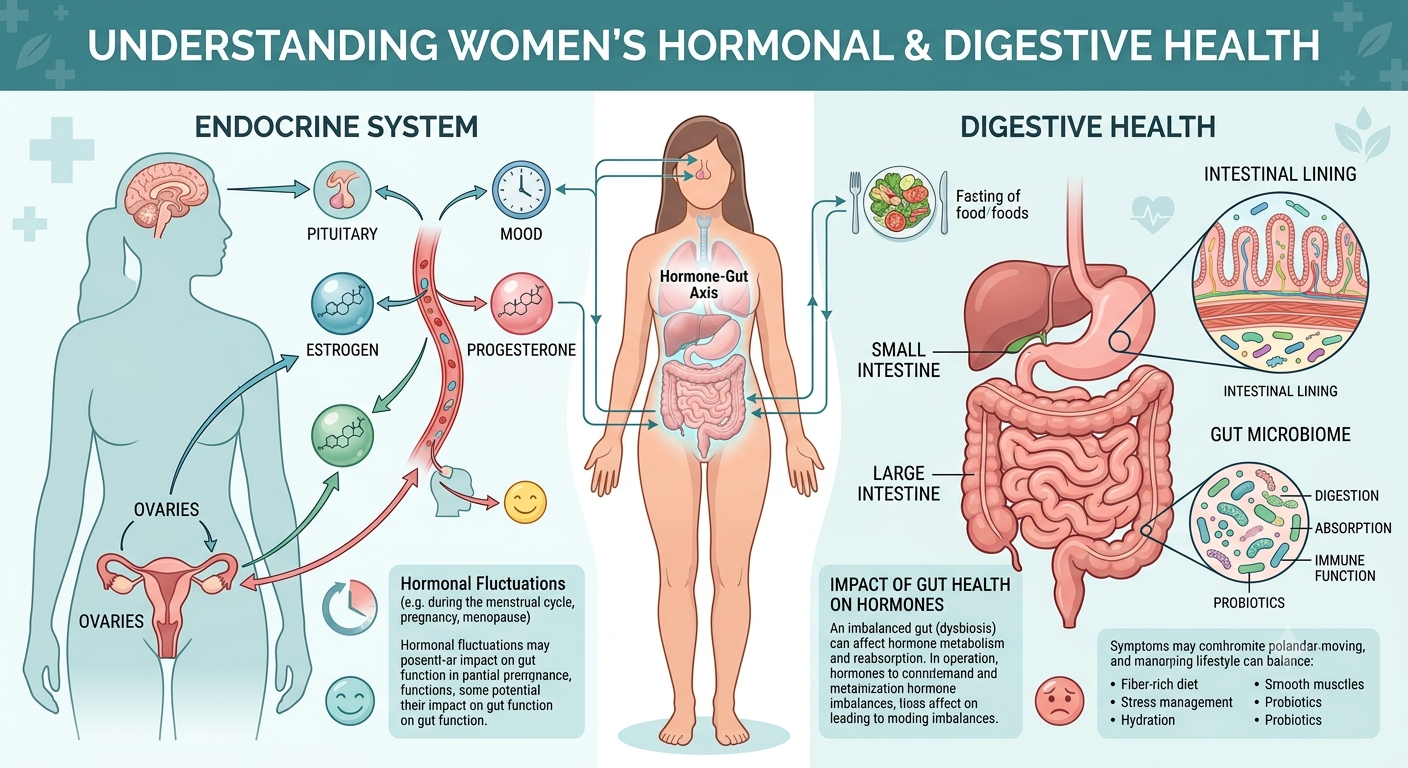
Diarrhea
What Is Diarrhea?
Diarrhea refers to the passage of loose or watery stools more frequently than normal. Although many episodes resolve within a few days, persistent or severe diarrhea may indicate an underlying medical condition requiring professional evaluation.
Acute diarrhea is commonly caused by infections or food poisoning, while chronic diarrhea may result from digestive disorders such as Crohn’s disease, irritable bowel syndrome, food intolerances, or medication side effects.
Common Causes of Diarrhea
Viral infections remain one of the leading causes of diarrhea worldwide. Bacterial contamination of food or water can also trigger digestive illness. Certain antibiotics may disrupt the balance of healthy gut bacteria, increasing the likelihood of loose stools.
Food allergies, lactose intolerance, inflammatory bowel disease, celiac disease, and chronic digestive disorders may all contribute to long-term diarrhea.
Symptoms and Complications
Besides frequent loose stools, diarrhea often causes abdominal cramping, nausea, bloating, urgency, and dehydration.
Dehydration is the most serious complication because the body rapidly loses fluids and essential electrolytes. Severe dehydration may require emergency medical treatment, especially in children, older adults, and individuals with weakened immune systems.
Treatment and Prevention
The primary treatment for diarrhea is replacing lost fluids and electrolytes. Oral rehydration solutions help restore hydration while allowing the digestive system to recover.
Treatment also depends on identifying the underlying cause. Bacterial infections may require antibiotics, whereas chronic inflammatory conditions like Crohn’s disease need specialized long-term management.
Good hand hygiene, safe food preparation, clean drinking water, and proper sanitation remain effective preventive measures.
Gout
What Is Gout?
Gout is a painful form of inflammatory arthritis caused by elevated levels of uric acid in the bloodstream. When uric acid forms sharp crystals inside joints, sudden episodes of severe pain, swelling, redness, and stiffness occur.
Although the big toe is most commonly affected, gout may involve the ankles, knees, elbows, wrists, and fingers.
Without appropriate treatment, repeated attacks can damage joints and reduce mobility.
Symptoms of Gout
A gout attack often develops suddenly, sometimes during the night. Patients frequently describe intense joint pain accompanied by warmth, swelling, redness, and tenderness.
Even light pressure from clothing or bedsheets may become extremely painful during an acute attack.
Between flare-ups, symptoms may disappear completely, although untreated gout often becomes more frequent over time.
Causes and Risk Factors
High uric acid levels develop when the body produces too much uric acid or fails to eliminate enough through the kidneys.
Risk factors include obesity, kidney disease, diabetes, dehydration, excessive alcohol intake, diets high in red meat and seafood, certain medications, and family history.Health Guide
Maintaining healthy uric acid levels significantly reduces future attacks.
Treatment and Lifestyle Management
Treatment focuses on relieving pain during attacks while lowering uric acid levels to prevent recurrence.
Doctors commonly prescribe anti-inflammatory medications during flare-ups and uric acid-lowering medications for long-term control.
Lifestyle modifications also play an important role. Drinking adequate water, maintaining a healthy weight, exercising regularly, limiting alcohol, and reducing high-purine foods help lower the risk of gout attacks.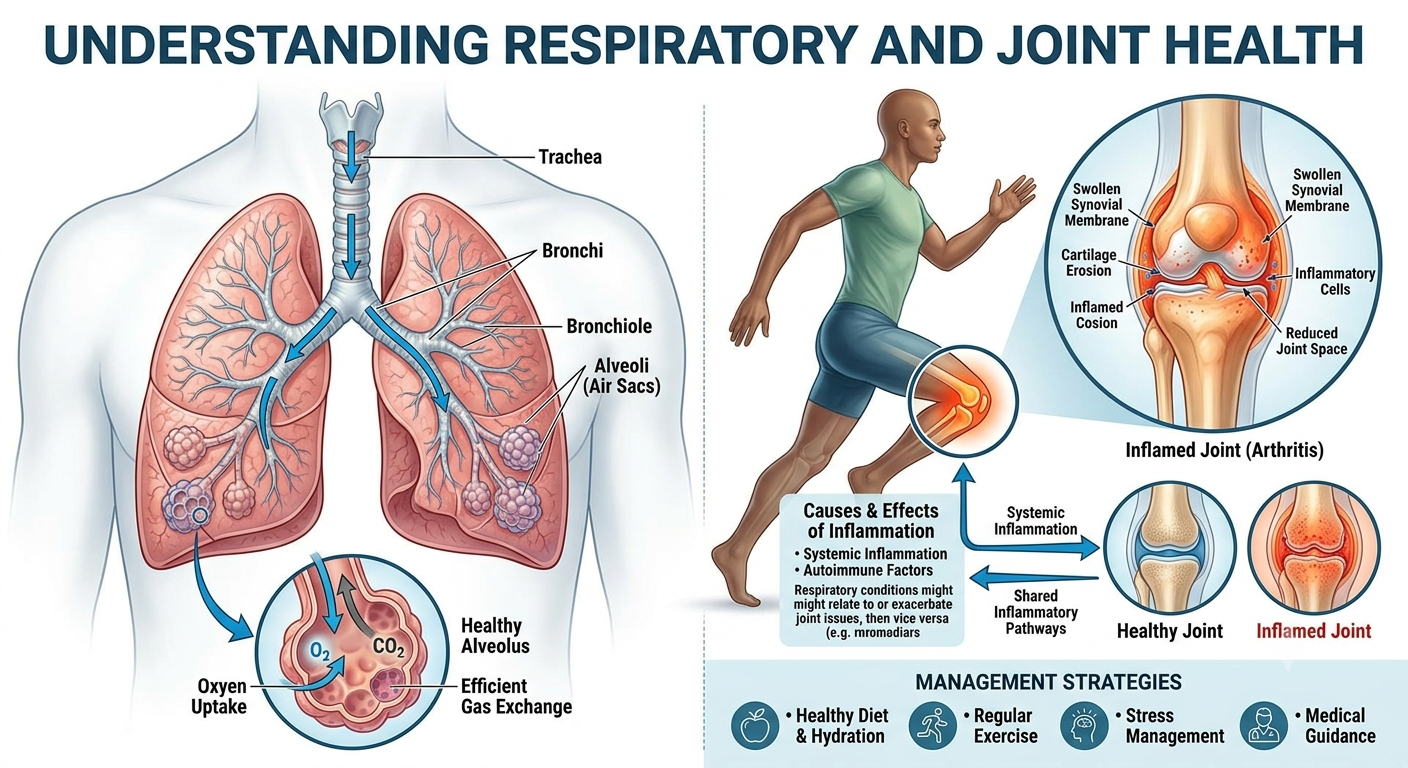
Modern Healthcare and Preventive Wellness
Midi Health
What Is Midi Health?
Midi Health is a virtual healthcare platform specializing in women’s midlife health, particularly perimenopause and menopause care. Through online consultations, patients receive individualized treatment plans from licensed clinicians experienced in hormonal health.
The growing popularity of Midi Health reflects the increasing demand for accessible, personalized healthcare that eliminates many barriers associated with traditional clinic visits.
Women experiencing hormonal changes often seek professional guidance regarding hot flashes, sleep disturbances, mood changes, weight management, bone health, and hormone replacement therapy.
Services Offered by Midi Health
Midi Health provides comprehensive virtual evaluations, evidence-based treatment recommendations, hormone therapy when appropriate, preventive health counseling, and ongoing follow-up care.
Patients can discuss symptoms from the comfort of their homes while receiving personalized recommendations tailored to their medical history and health goals.
Telemedicine has become an increasingly valuable healthcare option for individuals living in areas with limited access to menopause specialists.
Midi Health Reviews
What Do Midi Health Reviews Say?
Many Midi Health reviews emphasize convenience, shorter waiting times, knowledgeable clinicians, and personalized treatment plans.
Patients frequently report appreciating detailed consultations that address menopause symptoms, hormone therapy options, preventive screenings, sleep concerns, and long-term wellness planning.
Positive Midi Health reviews often mention improved communication with healthcare providers and the ability to access specialized care without extensive travel.
Things Patients Appreciate
Many users value the individualized approach offered through Midi Health, particularly because menopause symptoms vary significantly from one person to another.
The ability to schedule appointments online, receive continuous follow-up, and discuss treatment adjustments contributes to overall patient satisfaction.
Important Considerations
Like any healthcare provider, patient experiences differ based on medical needs, insurance coverage, clinician availability, and individual expectations.
Reading multiple Midi Health reviews helps prospective patients understand both the strengths and potential limitations of the service before making healthcare decisions.
The Connection Between Physical Health, Mental Health, and Lifestyle
Modern medicine increasingly recognizes that physical illnesses and mental health conditions rarely exist in isolation.
Individuals living with schizophrenia may experience disrupted sleep hygiene, making symptom management more difficult. Chronic illnesses such as Crohn’s disease and gout often contribute to stress, anxiety, or depression due to persistent pain and lifestyle limitations.
Likewise, conditions including PCOS frequently affect emotional well-being because hormonal changes can influence mood, self-confidence, and quality of life.
Maintaining good sleep hygiene, seeking professional health psychiatry support when necessary, eating a balanced diet, remaining physically active, and attending regular medical appointments all contribute to improved long-term health outcomes.
Preventive healthcare should focus not only on treating disease but also on strengthening resilience through healthy lifestyle habits.
Conclusion
Good health depends on understanding both physical and mental well-being. Conditions such as schizophrenia, pneumonia, PCOS, Crohn’s disease, gout, and diarrhea require timely diagnosis, evidence-based treatment, and long-term management to reduce complications and improve quality of life.Health Guide At the same time, comprehensive health psychiatry services play an essential role in helping individuals manage emotional and psychological challenges that often accompany chronic illness.
The rise of specialized telemedicine providers such as Midi Health has expanded access to personalized healthcare, while reading reliable Midi Health reviews can help patients make informed decisions about their care. Beyond medical treatment, maintaining healthy habits—including balanced nutrition, regular physical activity, preventive healthcare, and consistent sleep hygiene—provides a strong foundation for lifelong wellness.
By recognizing the connection between mind and body and seeking appropriate professional care when needed, individuals can take meaningful steps toward better health, improved resilience, and a higher quality of life.
