

What Is Fatty Liver?
Fatty liver disease is a condition in which excess fat builds up inside the liver cells. While it is normal for the liver to contain a small amount of fat, problems begin when fat makes up more than 5% to 10% of the liver’s weight. Over time, this fat accumulation can interfere with the liver’s ability to perform its essential functions and may lead to inflammation, scarring, and serious liver damage.
The liver is one of the hardest-working organs in the body. It helps process nutrients, remove toxins from the bloodstream, store energy, regulate metabolism, and produce important proteins. When fat starts accumulating inside the liver, these functions may gradually become impaired.
Fatty liver disease is becoming increasingly common worldwide due to rising rates of obesity, type 2 diabetes, poor dietary habits, and sedentary lifestyles. Many people have fatty liver disease without realizing it because symptoms often develop slowly or may not appear at all during the early stages.
There are two main types of fatty liver disease:
- Non-Alcoholic Fatty Liver Disease (NAFLD)
- Alcohol-Related Fatty Liver Disease (AFLD)
Non-alcoholic fatty liver disease occurs in people who drink little or no alcohol and is strongly associated with obesity, insulin resistance, and metabolic syndrome. Alcohol-related fatty liver disease develops as a result of excessive alcohol consumption.
If left untreated, fatty liver disease can progress to more severe conditions, including liver inflammation, fibrosis, cirrhosis, and liver failure.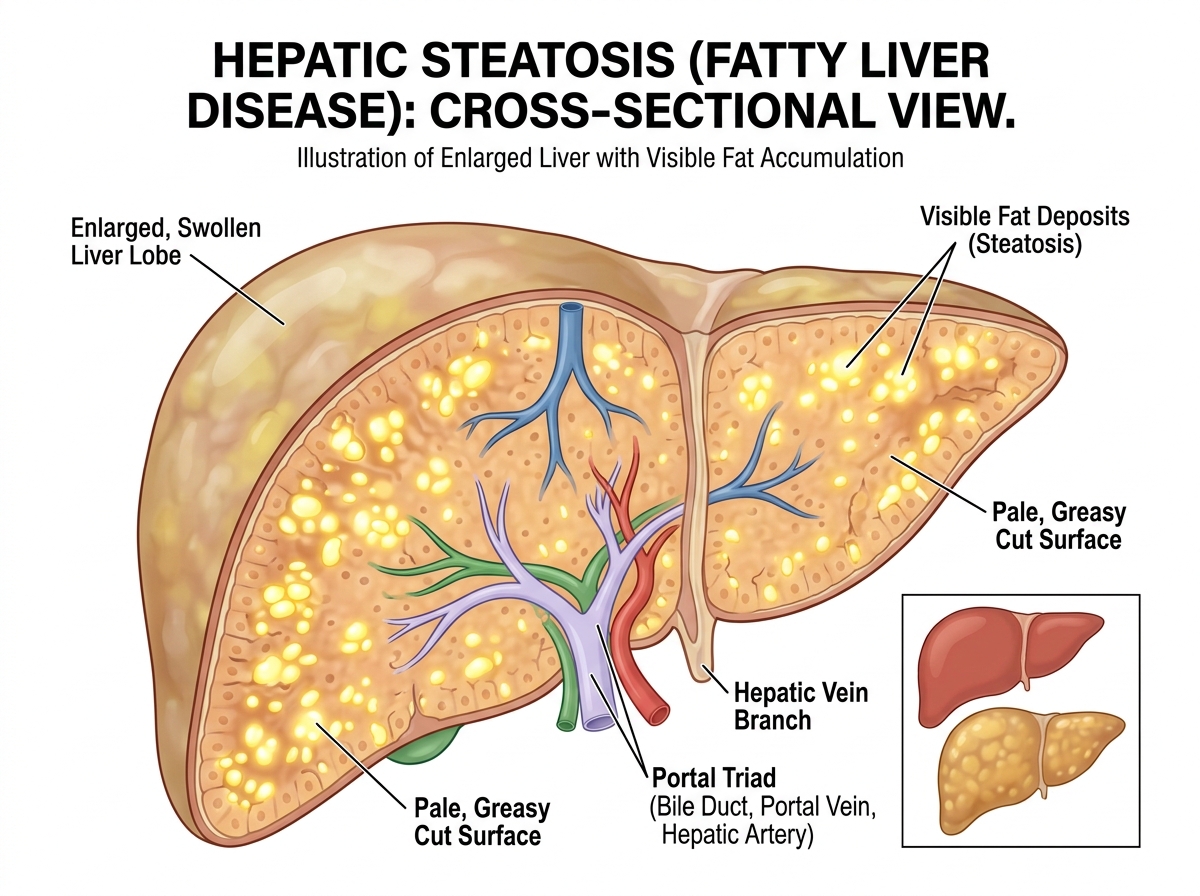
Symptoms of Fatty Liver
One of the reasons fatty liver disease is often called a “silent condition” is because many people experience no obvious symptoms during its early stages. The disease can quietly develop for years before noticeable problems appear.
As fat accumulation increases and liver inflammation develops, symptoms may gradually emerge.
Common symptoms of fatty liver disease include:
- Persistent fatigue
- Low energy levels
- Feeling weak or sluggish
- Difficulty concentrating
- Brain fog
- Mild abdominal discomfort
- Feeling full quickly after meals
- Unexplained weight changes
- General malaise
- Reduced physical stamina
Many individuals describe feeling constantly tired even after getting enough sleep. This fatigue occurs because the liver plays a critical role in energy metabolism. When liver function becomes impaired, the body’s ability to efficiently process nutrients and produce energy may decline.
Some people experience a dull ache or pressure in the upper right side of the abdomen where the liver is located. This discomfort is usually mild but can become more noticeable as the condition progresses.
As fatty liver disease becomes more severe, additional symptoms may include:
- Swelling in the abdomen
- Swelling in the legs and ankles
- Yellowing of the skin and eyes (jaundice)
- Dark urine
- Easy bruising
- Persistent itching
- Muscle weakness
- Significant weight loss
These advanced symptoms may indicate serious liver damage and require immediate medical attention.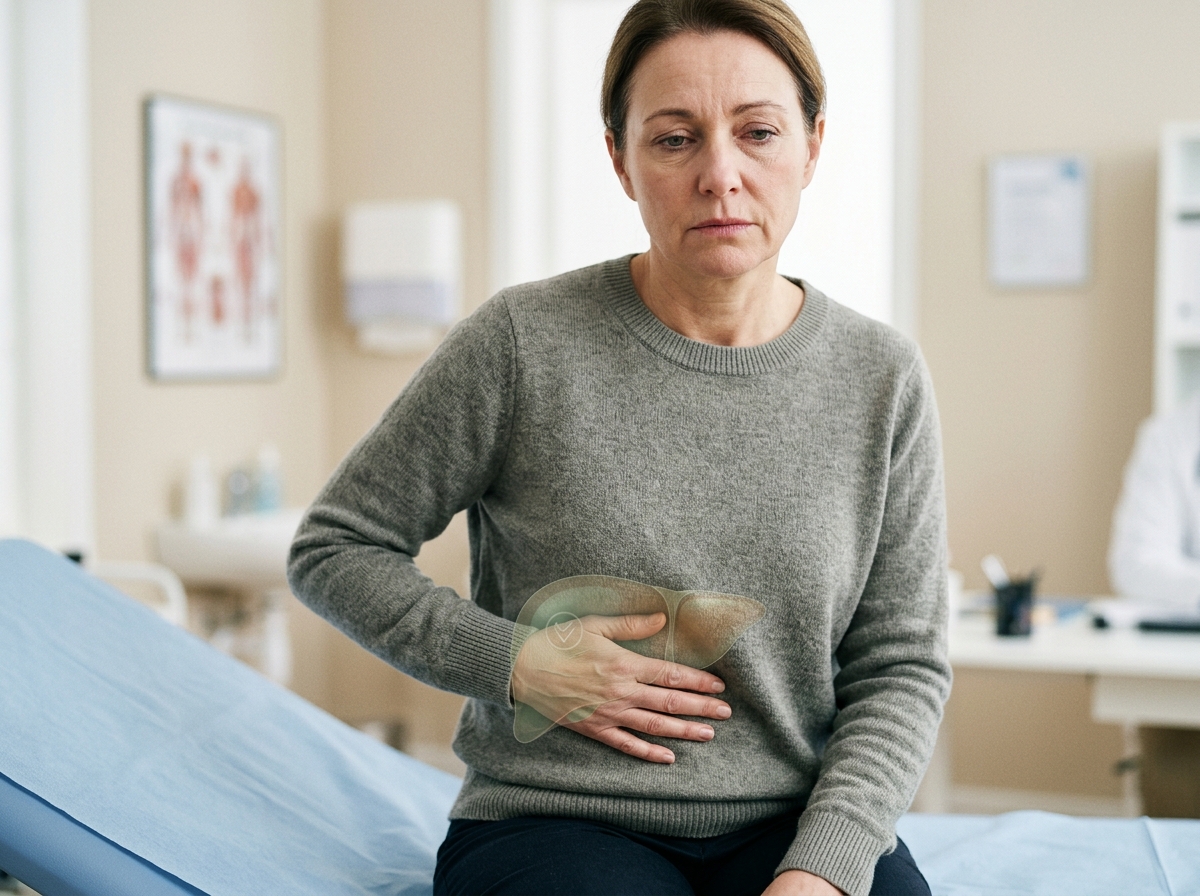
Possible Causes of Fatty Liver
Fatty liver develops when the liver receives or produces more fat than it can process and remove.
Several factors contribute to this imbalance.
The most common cause is insulin resistance. When cells become resistant to insulin, the body stores more fat and sends more fatty acids to the liver. Over time, these fats accumulate inside liver cells.
Poor dietary habits also play a major role. Diets high in sugar, refined carbohydrates, processed foods, and unhealthy fats increase the likelihood of fat accumulation within the liver.
Other contributing factors include:
- Excess calorie consumption
- Rapid weight gain
- Long-term obesity
- Lack of physical activity
- High triglyceride levels
- High cholesterol levels
- Metabolic syndrome
Genetics may also influence susceptibility. Some individuals develop fatty liver despite having a relatively healthy weight because genetic factors affect how the body processes fat.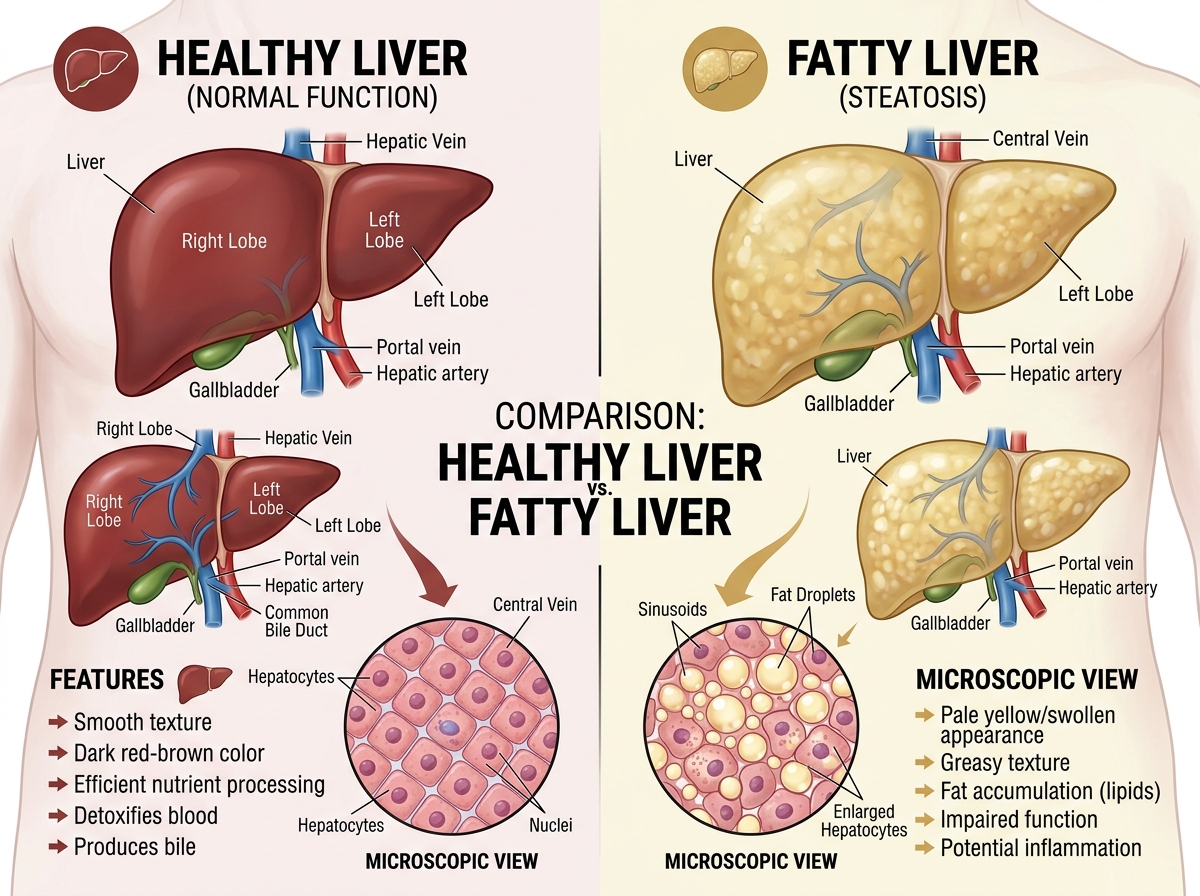
Lifestyle Factors That Increase Fatty Liver Risk
Modern lifestyles have created an environment that strongly promotes fatty liver disease.
A sedentary lifestyle is one of the biggest contributors. Sitting for long periods reduces calorie expenditure and can worsen insulin resistance.
Poor nutrition also plays a significant role. Diets that frequently include:
- Sugary beverages
- Fast food
- Processed snacks
- Excessive desserts
- Refined grains
- Fried foods
can overwhelm the liver’s ability to manage fat efficiently.
Chronic stress may indirectly contribute as well. Elevated stress hormones can increase appetite, promote unhealthy eating habits, and worsen metabolic dysfunction.
Sleep deprivation has also been linked to increased liver fat accumulation. Poor sleep affects hormone regulation and may increase cravings for calorie-dense foods.
Lifestyle factors associated with fatty liver include:
- Physical inactivity
- Chronic overeating
- Frequent consumption of sugary drinks
- High alcohol intake
- Smoking
- Poor sleep habits
- Chronic stress
What Medical Conditions Cause Fatty Liver?
Fatty liver disease often develops alongside other medical conditions.
The most common associated conditions include:
Obesity
Excess body fat increases the likelihood of fat being deposited inside the liver.
Type 2 Diabetes
People with type 2 diabetes frequently develop fatty liver because insulin resistance promotes fat storage in liver cells.
Insulin Resistance
Even before diabetes develops, insulin resistance significantly increases the risk of fatty liver disease.
High Cholesterol
Elevated cholesterol and triglyceride levels contribute to fat accumulation in the liver.
Metabolic Syndrome
This condition includes a combination of:
- High blood pressure
- High blood sugar
- Excess abdominal fat
- Abnormal cholesterol levels
All of these factors increase fatty liver risk.
Polycystic Ovary Syndrome (PCOS)
Women with PCOS often experience insulin resistance, which increases the likelihood of developing fatty liver disease.
Hypothyroidism
An underactive thyroid may slow metabolism and contribute to fat accumulation within the liver.
Sleep Apnea
Repeated interruptions in breathing during sleep can worsen metabolic health and increase fatty liver risk.
Care and Treatment
Treatment for fatty liver disease focuses on addressing the underlying causes and preventing disease progression.
There is currently no single medication that completely cures non-alcoholic fatty liver disease. Instead, healthcare providers typically recommend lifestyle modifications aimed at reducing liver fat and improving overall metabolic health.
Treatment approaches may include:
- Weight management
- Improved nutrition
- Increased physical activity
- Blood sugar control
- Cholesterol management
- Reducing alcohol consumption
- Treating associated medical conditions
Even modest weight loss can significantly reduce liver fat and improve liver function.
Research suggests that losing approximately 7% to 10% of body weight may substantially improve fatty liver disease and reduce liver inflammation.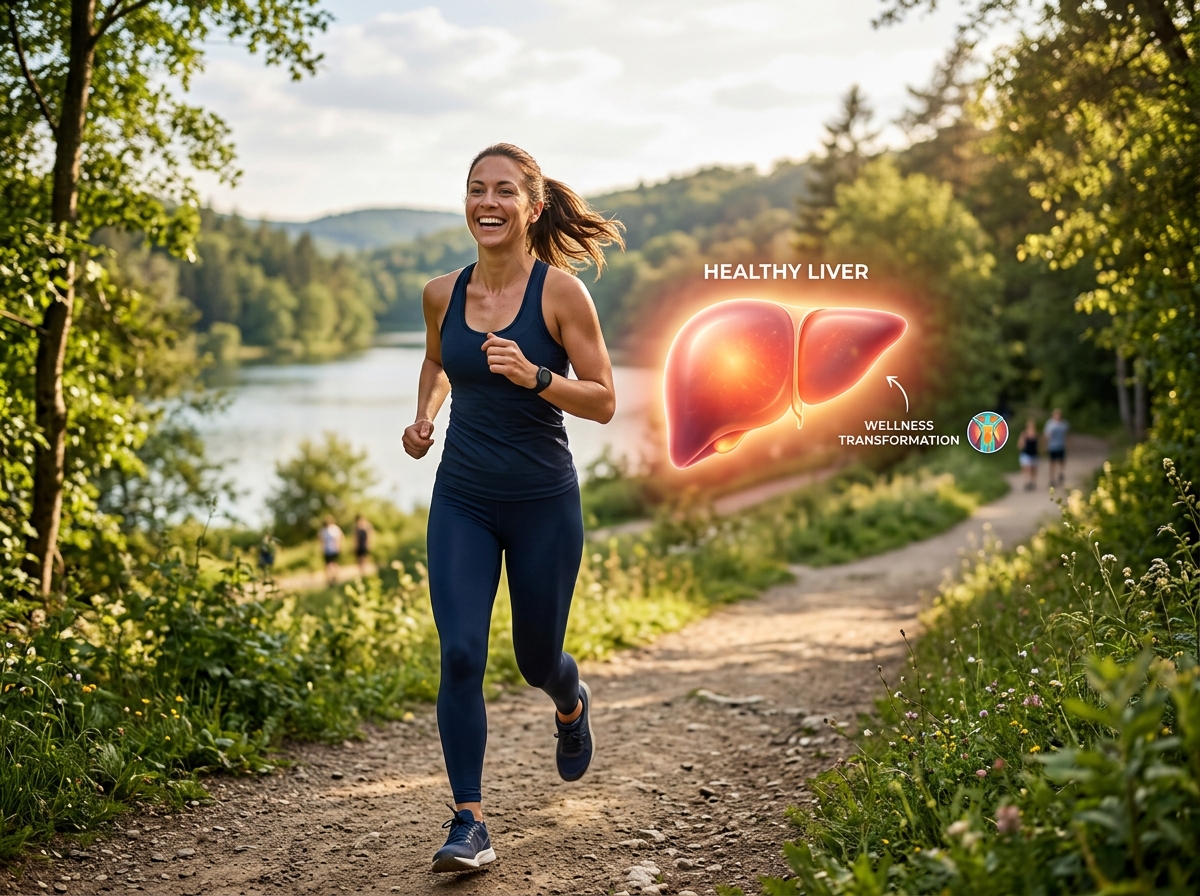
How Can I Improve Fatty Liver at Home?
Many people can successfully improve fatty liver disease through consistent lifestyle changes.
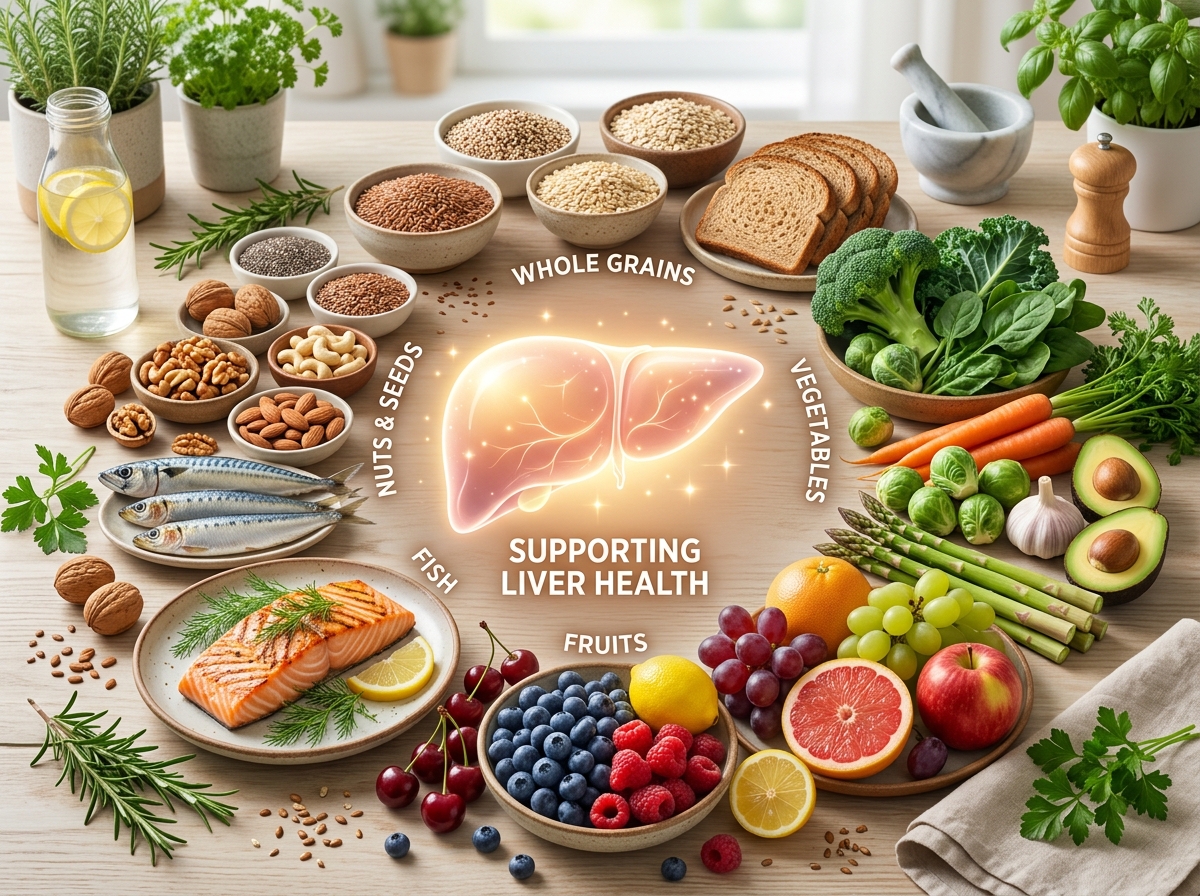
Follow a Liver-Friendly Diet
Focus on:
- Vegetables
- Fruits
- Whole grains
- Lean proteins
- Healthy fats
- Nuts and seeds
Limit:
- Sugary beverages
- Refined carbohydrates
- Processed foods
- Fried foods
- Excess alcohol

Exercise Regularly
Physical activity helps improve insulin sensitivity and encourages the body to burn stored fat.
Activities may include:
- Walking
- Cycling
- Swimming
- Strength training
- Jogging
Maintain a Healthy Weight
Gradual weight loss is often one of the most effective ways to reverse fatty liver disease.
Improve Sleep Quality
Aim for seven to nine hours of quality sleep each night to support metabolic and liver health.
Stay Hydrated
Proper hydration helps support many metabolic processes and overall liver function.
Manage Stress
Stress management techniques may include:
- Meditation
- Deep breathing exercises
- Yoga
- Mindfulness
- Outdoor activities
When Should I Call My Healthcare Provider?
You should speak with a healthcare provider if:
- Fatigue persists for weeks or months
- You experience unexplained abdominal discomfort
- Blood tests show abnormal liver enzymes
- You have obesity or type 2 diabetes
- You have high cholesterol or high triglycerides
- You consume alcohol regularly
- You notice swelling in your abdomen
Seek immediate medical attention if you experience:
- Jaundice
- Severe abdominal pain
- Vomiting blood
- Confusion or disorientation
- Significant swelling
- Dark urine
- Rapid unexplained weight loss
These symptoms may indicate advanced liver disease and require urgent evaluation.
Fatty liver disease is one of the most common yet overlooked health conditions today. Because symptoms often develop slowly, many people remain unaware that excess fat is accumulating inside their liver.
The good news is that fatty liver disease is often reversible, especially when detected early. Through healthy eating, regular physical activity, weight management, quality sleep, and proper medical care, many people can significantly improve liver health and reduce their risk of serious complications.
Listening to early warning signs such as fatigue, abdominal discomfort, and unexplained metabolic changes can help protect your liver and support long-term health.
