
By Nutrifit Essentials | Beauty and Self-Care Guide
Eyelash extensions are one of the most popular beauty treatments in the world, and it is easy to see the appeal. A fuller, longer, more defined lash line can frame the eyes, cut down on daily makeup, and make mornings faster. But extensions are also a commitment of time, money, and care, and when they are done badly they can damage your natural lashes and irritate your eyes. In this guide from Nutrifit Essentials, you will learn what eyelash extensions are, the different types and styles, how the application process works, how much they cost, how long they last, how to care for them, and what risks to know about before you book.
Whether you are a first-timer wondering what to expect or a regular looking for ways to make your lashes last longer, this guide will help you make informed, safe choices.
What Are Eyelash Extensions?
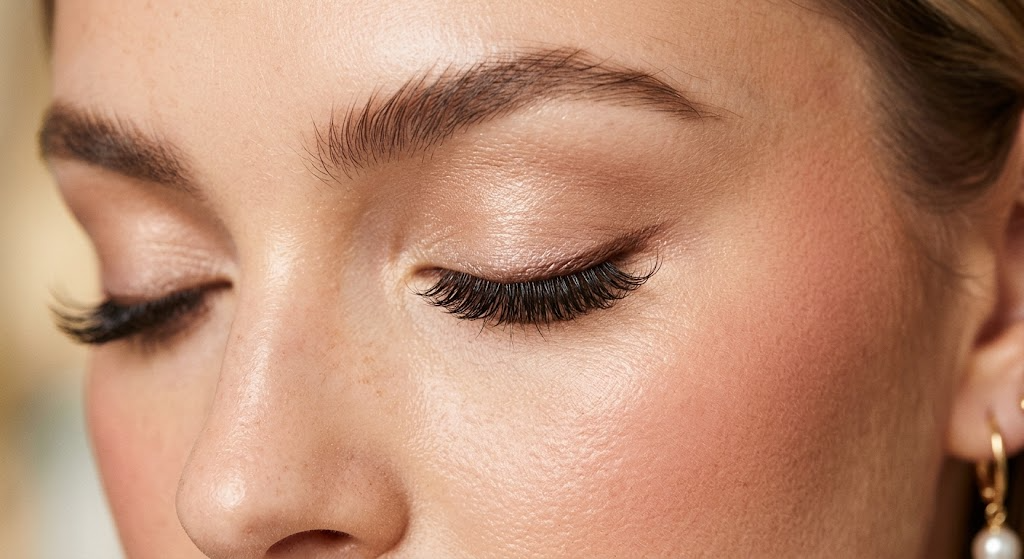
Eyelash extensions are individual synthetic or natural-looking fibers that a trained lash technician attaches to your own eyelashes using a semi-permanent adhesive. Each extension is applied to a single natural lash, close to the base but not touching the skin, so that it adds length, volume, and curl without the need for mascara or strip lashes.
Unlike false lashes that you glue on and remove each day, extensions stay in place for weeks. They do not last forever, however. Your natural lashes shed in a regular growth cycle, and as each natural lash falls out, the extension attached to it goes with it. That is why regular touch-ups, called fills, are part of the routine.
How Eyelash Extensions Differ From Other Lash Options
Lash extensions are often confused with other treatments. A lash lift curls and sets your natural lashes using a chemical solution, with no added fibers, and typically lasts about six to eight weeks. A lash tint darkens your natural lashes with dye. Strip lashes and cluster lashes are applied at home with removable glue and come off the same day or after a few days. Lash growth serums aim to improve the length or thickness of natural lashes over time. Extensions are the only option here that adds fibers to your lash line for weeks at a time.
Types of Eyelash Extensions
When you book a set, you will usually choose from a few key categories. Understanding them helps you ask for what you actually want.
Classic Eyelash Extensions
Classic extensions, sometimes called one-to-one, attach a single extension to each natural lash. The result is a natural, defined look that resembles mascara, with added length and curl. Classic sets are a popular choice for first-timers and for anyone who wants a subtle effect.
Volume Eyelash Extensions
Volume extensions use several ultra-fine extensions, handmade into a small fan, which is then attached to a single natural lash. The result is fuller, denser, and more dramatic, while remaining lightweight because each fiber is so thin. Volume sets take more skill to apply, so they tend to cost more.
Hybrid Eyelash Extensions
Hybrid sets blend classic and volume techniques, mixing single extensions with fans for a textured look that sits between natural and dramatic. They are a popular middle ground for people who want some fullness without going all the way to volume.
Mega Volume Eyelash Extensions
Mega volume uses fans with many very fine fibers for a dense, bold look. These are not suitable for everyone, particularly those with fine or sparse natural lashes, since too much weight can stress the natural lash.
Eyelash Extension Materials, Curls, Lengths, and Thickness
The look and comfort of your extensions depend on several choices that your technician will go over with you.
Materials
Most extensions today are made of synthetic fibers, such as PBT, a type of polyester, which can be made in many lengths, curls, and thicknesses. You may also see names such as silk or faux mink, which usually refer to the finish or softness of synthetic fibers rather than to an animal-derived material. Real mink lashes exist but raise ethical concerns, and many people and salons avoid them in favor of cruelty-free synthetic alternatives.
Curl
Curl types are labeled with letters. A J curl is the most subtle and natural, B and C curls are a medium lift that suit many people, and D or L curls give a dramatic upward lift. The right curl depends on the shape of your eyes and natural lashes, and it affects how open and awake your eyes look.
Length and Thickness
Lengths are measured in millimeters and generally range from short, subtle options up to long, dramatic ones. Thickness, or diameter, is measured in fractions of a millimeter. A good technician will match the length and thickness to the strength of your natural lashes, because extensions that are too long or heavy can pull on the natural lash and cause it to fall out early.
Popular Eyelash Extension Styles
Beyond the type of extension, your technician can shape the set to flatter your eyes. A natural style gently enhances the lashes you already have. A doll-eye style places longer extensions toward the center of the eye for a wide, open look. A cat-eye style lengthens the outer corners for a lifted, elongated shape, and a squirrel or wispy style mixes lengths for a textured, feathery finish. Bring photos of looks you like, and ask for an honest opinion on what will suit your eye shape and lash health.
What to Expect During an Eyelash Extension Appointment
A first full set usually takes around two to three hours, so be prepared to lie still and relax. The technician will clean your lashes, place protective pads or tape under your eyes, and separate your natural lashes with fine tweezers. Each extension or fan is dipped in adhesive and carefully attached to an isolated natural lash. You keep your eyes closed throughout.
It is normal to feel sleepy, and the process should not be painful. If you feel burning, stinging, or pain, tell your technician right away. When the set is finished, the technician will usually brush through your lashes, explain aftercare, and let you know when to come back for a fill.
Do a Patch Test and Share Your History
Before a first appointment, it is wise to ask about a patch test, especially if you have sensitive skin or a history of allergies. Tell your technician about any eye conditions, allergies, medications, or past reactions to cosmetics or adhesives. A responsible technician will ask these questions before they begin.
How Much Do Eyelash Extensions Cost?
Prices vary widely by location, the technician’s experience, the type of set, and the salon. As a rough guide, a full set generally costs more than a fill, and volume or mega volume sets cost more than classic sets because they take more time and skill. Fills, which are needed every few weeks, are usually priced lower than a full set but add up over time.
When budgeting, think about the ongoing cost and not just the first appointment. Very cheap sets can be a warning sign of rushed work, poor hygiene, or low-quality products, so it is worth paying for a trained, reputable technician instead of choosing based on price alone.
How Long Do Eyelash Extensions Last?
A full set can look good for around two to three weeks before it begins to thin, and most people book a fill every two to four weeks. Your natural lashes complete a growth cycle of roughly six to eight weeks, so the extension on any given lash will fall out when that lash sheds naturally. If you wait too long between fills, the set can look sparse and uneven, and remaining extensions may become top-heavy as the natural lash grows out.
How long they last depends on your natural lash cycle, how well you care for them, your skin type, the adhesive used, and your habits. Oily skin, rubbing your eyes, and using the wrong products can all shorten their lifespan.
Eyelash Extension Aftercare: How to Make Them Last
Good aftercare keeps your extensions looking fuller for longer and protects your natural lashes. Your technician will give you specific instructions, but the basics are consistent.
Avoid getting your lashes wet for the first 24 to 48 hours so the adhesive can fully set, and avoid steam rooms, saunas, and hot showers aimed directly at your face during this time. After that, wash your lashes regularly with a gentle, oil-free lash cleanser and a soft brush, because oil, makeup residue, and debris can build up and weaken the bond or encourage irritation. Pat them dry, and then comb through them gently with a clean spoolie.
Avoid oil-based makeup removers, cleansers, and eye creams near the lash line, as oil can break down the adhesive. Skip waterproof mascara, and be careful with any mascara at all, since removing it can pull on the extensions. Avoid using heated lash curlers, which can damage extensions. Try not to rub your eyes, and sleep on your back or use a silky pillowcase if possible. Most importantly, never pick, pull, or peel your extensions, since this can rip out your natural lashes along with them.
Risks and Side Effects of Eyelash Extensions
Eyelash extensions are generally safe when properly applied by a trained professional, but they do carry some risks, and it is better to know them up front.
Allergic Reactions
The adhesives used are typically based on cyanoacrylate, and some contain small amounts of chemicals that can irritate sensitive eyes or skin. Allergic reactions can cause redness, swelling, itching, and watering of the eyes and eyelids. Some people develop a reaction after several successful appointments, so a past good experience does not rule out a future reaction. If you notice symptoms, stop and see a healthcare professional.
Eye and Eyelid Infections
Poor hygiene, dirty tools, or buildup of debris along the lash line can lead to infections or irritation of the eyelid, such as blepharitis. Eye infections can be serious, so seek medical attention for pain, severe redness, discharge, or changes in vision.
Damage to Natural Lashes
Extensions that are too heavy, applied incorrectly, or removed roughly can stress the natural lash and cause it to fall out early. Over time, repeated strain on the same follicles can cause thinning, a problem known as traction alopecia. A good technician chooses lightweight extensions and gives your lashes breaks when needed.
Eye Injury
In rare cases, careless application or removal can scratch the surface of the eye. This is another reason to choose an experienced professional and to keep your eyes closed throughout the treatment.
Who Should Avoid or Be Cautious
People with known allergies to lash adhesives, active eye infections, or certain eyelid conditions should wait or avoid extensions altogether. Anyone with a medical condition affecting the eyes or skin, anyone undergoing medical treatments that affect hair, and people with a habit of pulling out their lashes should speak with a doctor or eye care professional first.
How to Choose a Safe and Skilled Lash Technician
Your technician matters more than almost any other factor. Look for someone who holds the appropriate license or certification for your region, since requirements for lash artists vary by location. Check reviews and before-and-after photos of their work, and look for clean, tidy results with evenly spaced lashes that do not stick together.
A professional will work in a clean, well-lit environment, wash their hands, use sanitized or single-use tools, and use fresh disposable items such as applicators and eye pads. They will ask about your health history and allergies, explain the adhesive they use, and be happy to answer questions. If a salon seems rushed or unhygienic, or pushes a style that damages your lashes, walk away.
How to Remove Eyelash Extensions Safely
The safest way to remove extensions is to have a trained technician take them off using a professional remover that dissolves the adhesive. Never pull, pick, or peel them off at home, as this can tear out your natural lashes. If you must remove them yourself in an emergency, follow the guidance of a professional and avoid products near your eyes that were not made for the purpose. Many people let their set grow out and skip fills, but be aware that a patchy, uneven set can look messy and may put more strain on the remaining lashes.
Caring for Your Natural Lashes and Eye Health
Healthy extensions begin with healthy natural lashes. Be gentle with your lash line, remove eye makeup carefully, and give your lashes breaks between sets if they look thin or stressed. A balanced diet that covers your basic nutrition needs supports healthy hair and skin in general, but no supplement has been proven to make eyelashes grow, so be skeptical of bold promises. If your lashes are thinning, breaking, or falling out more than expected, speak with a doctor or dermatologist, since it can sometimes point to an underlying issue.
Eyelash Extensions FAQs
What are eyelash extensions?
Eyelash extensions are individual synthetic fibers attached to your natural lashes with a semi-permanent adhesive by a trained technician. They add length, volume, and curl and can last several weeks with proper care.
How long do eyelash extensions last?
A full set looks its best for around two to three weeks, and most people get a fill every two to four weeks. Extensions fall out as your natural lashes shed in their regular growth cycle of roughly six to eight weeks.
How much do eyelash extensions cost?
Cost depends on your location, the technician’s experience, and the type of set. Volume sets generally cost more than classic sets, and fills cost less than a full set. Very low prices can be a red flag for poor quality or hygiene.
Do eyelash extensions hurt?
They should not hurt. Most people find the process relaxing and even fall asleep. If you feel pain, burning, or stinging, tell your technician right away.
Do eyelash extensions damage your natural lashes?
When applied correctly with the right weight and removed properly, they should not cause lasting damage. Problems arise from extensions that are too heavy, poor application, rough removal, or picking at them, which can cause lashes to fall out early or thin over time.
What is the difference between classic and volume lash extensions?
Classic extensions attach one extension to one natural lash for a natural look. Volume extensions attach a handmade fan of several ultra-fine fibers to one natural lash for a fuller, more dramatic effect.
Can I get my eyelash extensions wet?
Avoid water for the first 24 to 48 hours. After that, you can wash them gently, and in fact regular cleaning with an oil-free lash cleanser is recommended.
Can I wear mascara with eyelash extensions?
It is best to avoid mascara, especially waterproof formulas, because it can clump the extensions and is difficult to remove without pulling. Extensions already provide the look of mascara.
How often should I get a fill?
Most people get a fill every two to four weeks. Waiting longer usually means a sparser set and a fuller price to rebuild it.
Are eyelash extensions safe?
For most people, they are safe when done by a trained professional in a clean environment. Risks include allergic reactions, irritation, infection, and damage to natural lashes, so choose your technician carefully and stop immediately if you notice problems.
What is the difference between lash extensions and a lash lift?
A lash extension adds fibers to your natural lashes for length and volume, while a lash lift curls your own lashes with a chemical treatment and adds no fibers. A lift is lower maintenance, while extensions give a more dramatic change.
How do I remove eyelash extensions at home?
The safest method is to see a professional. Pulling or picking them off at home can damage your natural lashes and irritate your eyes.
Can I sleep on my side with eyelash extensions?
Yes, but sleeping on your back or using a silky pillowcase is gentler and helps your extensions last longer.
The Bottom Line on Eyelash Extensions
Eyelash extensions can be a beautiful, time-saving addition to your routine, giving you a fuller, more defined look without daily makeup. The best results come from choosing the right style for your eyes, investing in a skilled, hygienic technician, following good aftercare, and keeping up with regular fills. They are not risk-free, so pay attention to your eyes and your natural lashes, and stop at the first sign of irritation or infection.
At Nutrifit Essentials, we believe that self-care works best when it is informed and safe. Ask questions, protect your natural lashes, and treat extensions as one part of a broader routine of looking after your health and well-being.
Disclaimer: This article is provided by Nutrifit Essentials for general informational purposes only and is not medical advice. If you experience pain, redness, swelling, discharge, or changes in vision after any eye treatment, seek care from a qualified healthcare professional right away.
