

What Bloating After Eating Really Means and Why It Happens
Why Your Stomach Feels Heavy After Meals
Bloating after eating is one of the most common digestive complaints, yet it is often misunderstood. Many people assume it is simply “gas” or overeating, but in reality, bloating is a signal from your digestive system that something is not functioning efficiently.
When your stomach feels tight, swollen, or overly full after eating, it means your digestive system is struggling to properly break down or move food through the gut. This can happen even if you eat small meals, which makes it confusing for many people.
Bloating is not a disease itself—it is a symptom. It reflects how well your digestive system, gut bacteria, and metabolism are functioning.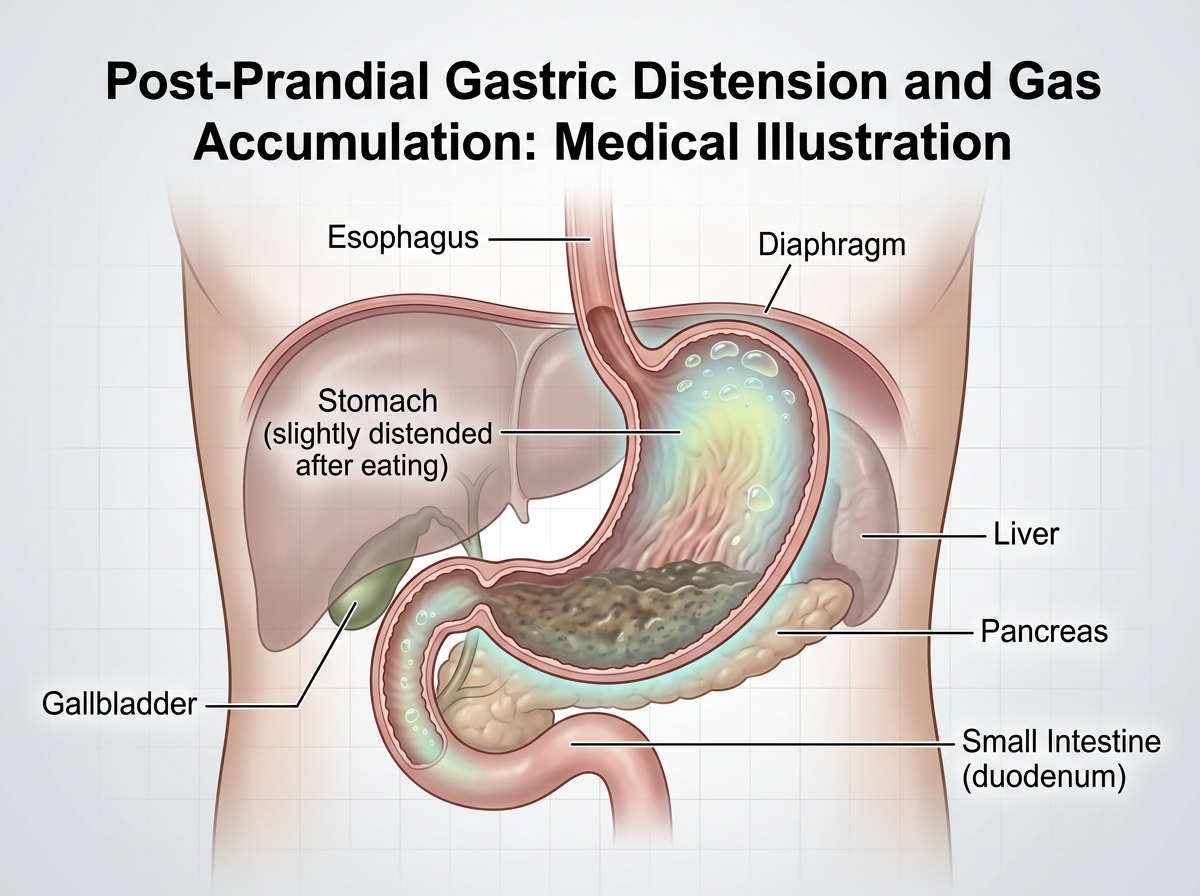
What Happens Inside the Body During Bloating
After you eat, food travels through your stomach and intestines where it is broken down and absorbed. If this process is slow or disrupted, gas can build up in the digestive tract.
This gas expansion causes pressure, leading to that uncomfortable swollen feeling in the abdomen.
In some cases, bloating is also linked to water retention or gut inflammation, not just gas production.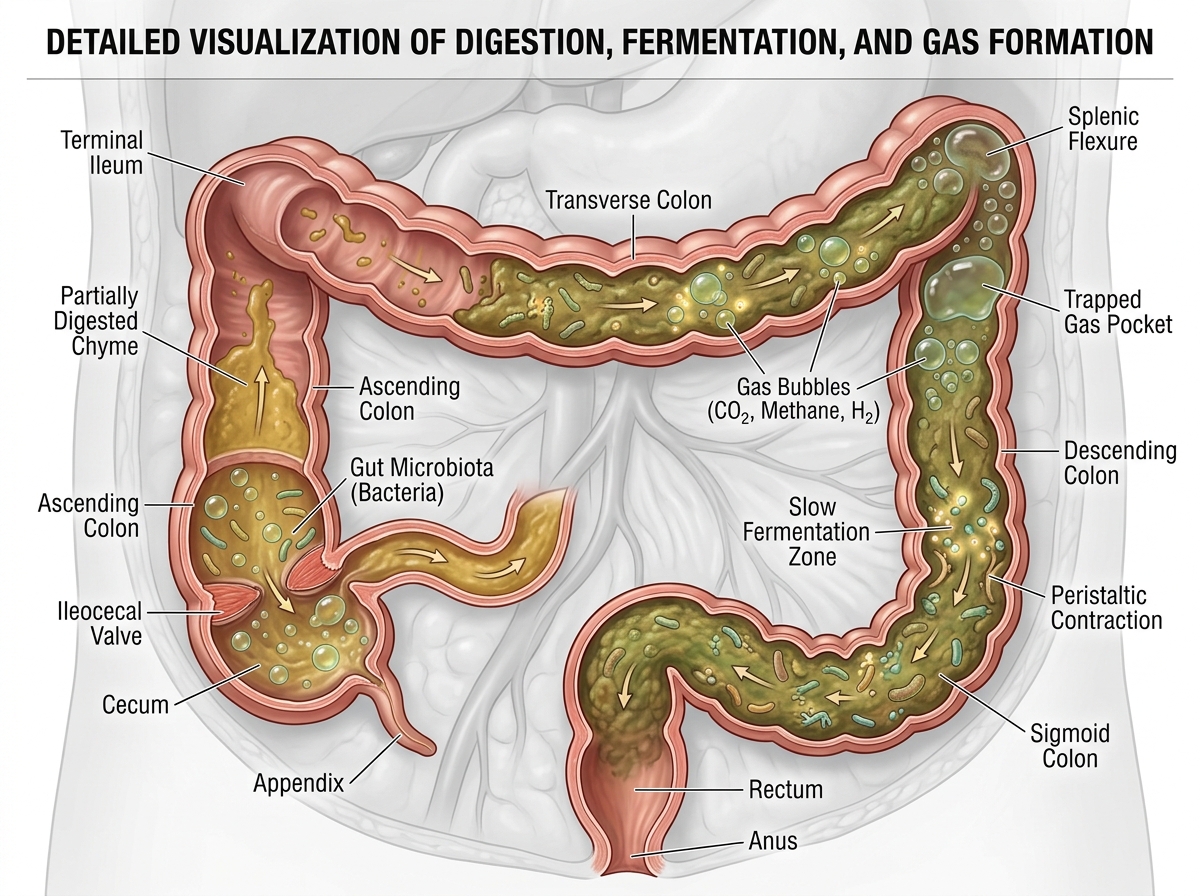
Why Bloating Feels Worse After Eating
After meals, your digestive system becomes active. If there is an imbalance, the process becomes inefficient. Food may ferment in the gut, producing excess gas.
This is why symptoms often appear 30 minutes to a few hours after eating.
Early Signs Associated With Bloating
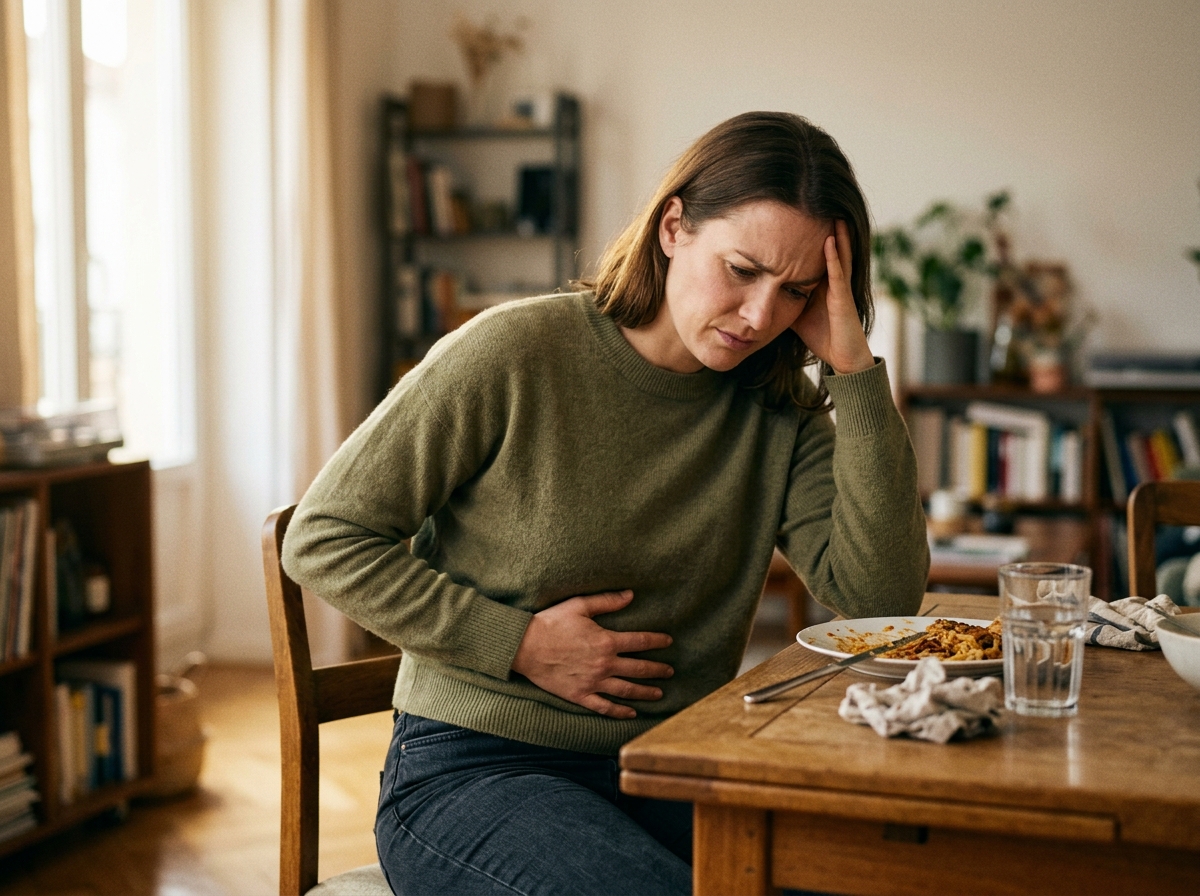
Bloating is often accompanied by other subtle symptoms that indicate digestive imbalance.
Common signs include:
- Tight or swollen stomach
- Excess gas or burping
- Feeling overly full after small meals
- Mild stomach discomfort
- Reduced appetite

Why You Should Not Ignore Bloating
Occasional bloating is normal, but frequent bloating after every meal is a warning sign. It may indicate poor digestion, food intolerance, or gut imbalance.
Ignoring it for long periods can lead to chronic digestive issues.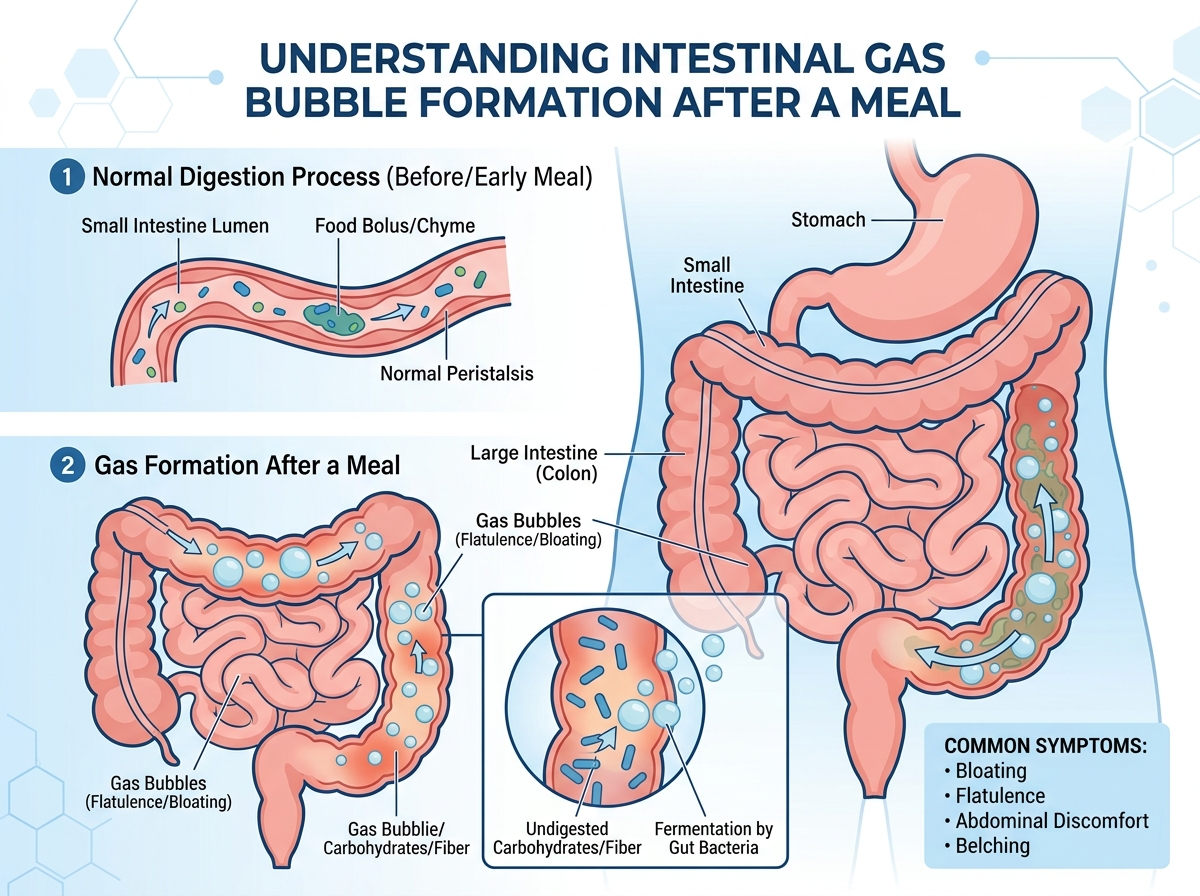
Bloating after eating is your body’s way of signaling that digestion is not working smoothly. Understanding this early helps prevent long-term gut problems.
Main Causes of Bloating After Eating
Why Your Digestive System Reacts This Way
Bloating does not happen randomly. It is usually caused by specific dietary habits, gut imbalances, or digestive inefficiencies.
Understanding the root causes is essential for long-term relief.
1. Eating Too Fast
When you eat quickly, you swallow air along with food. This extra air gets trapped in the digestive system, leading to bloating.
Fast eating also reduces proper chewing, making digestion harder.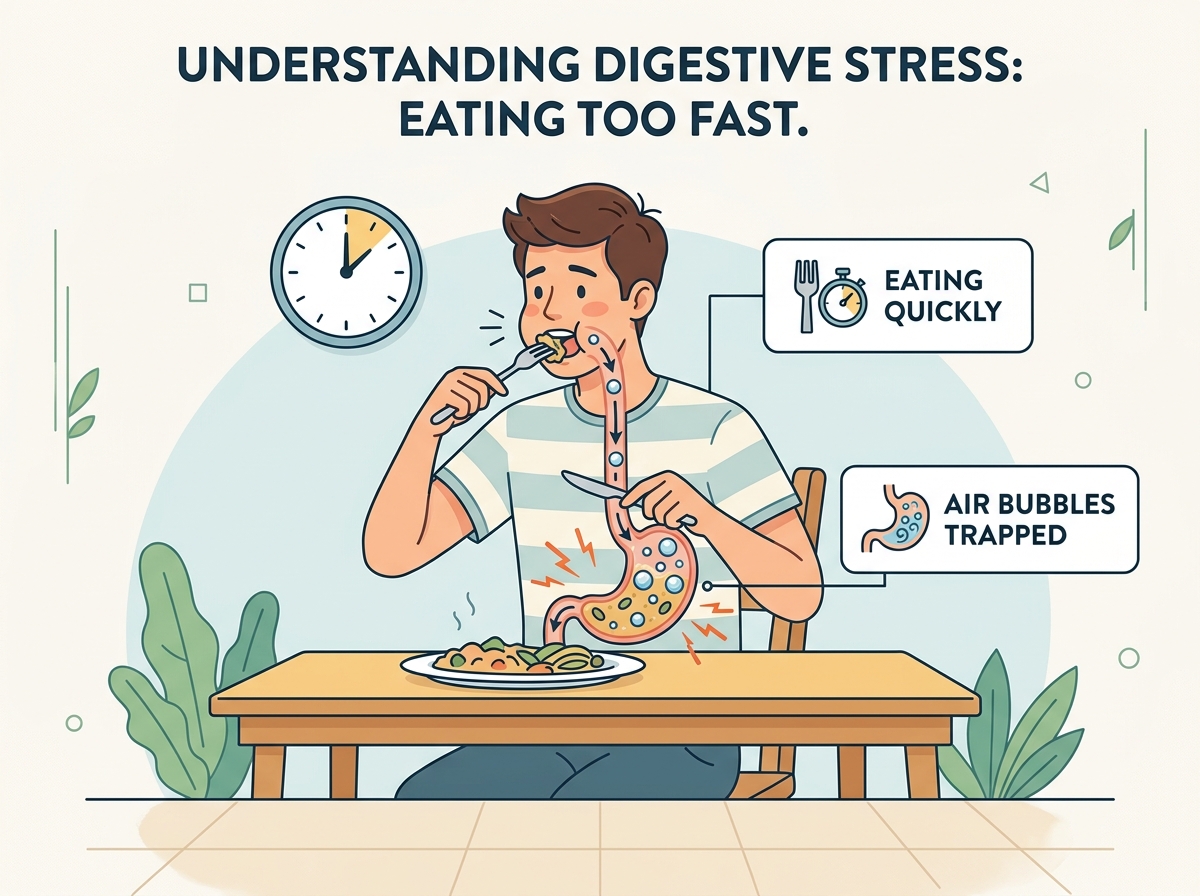
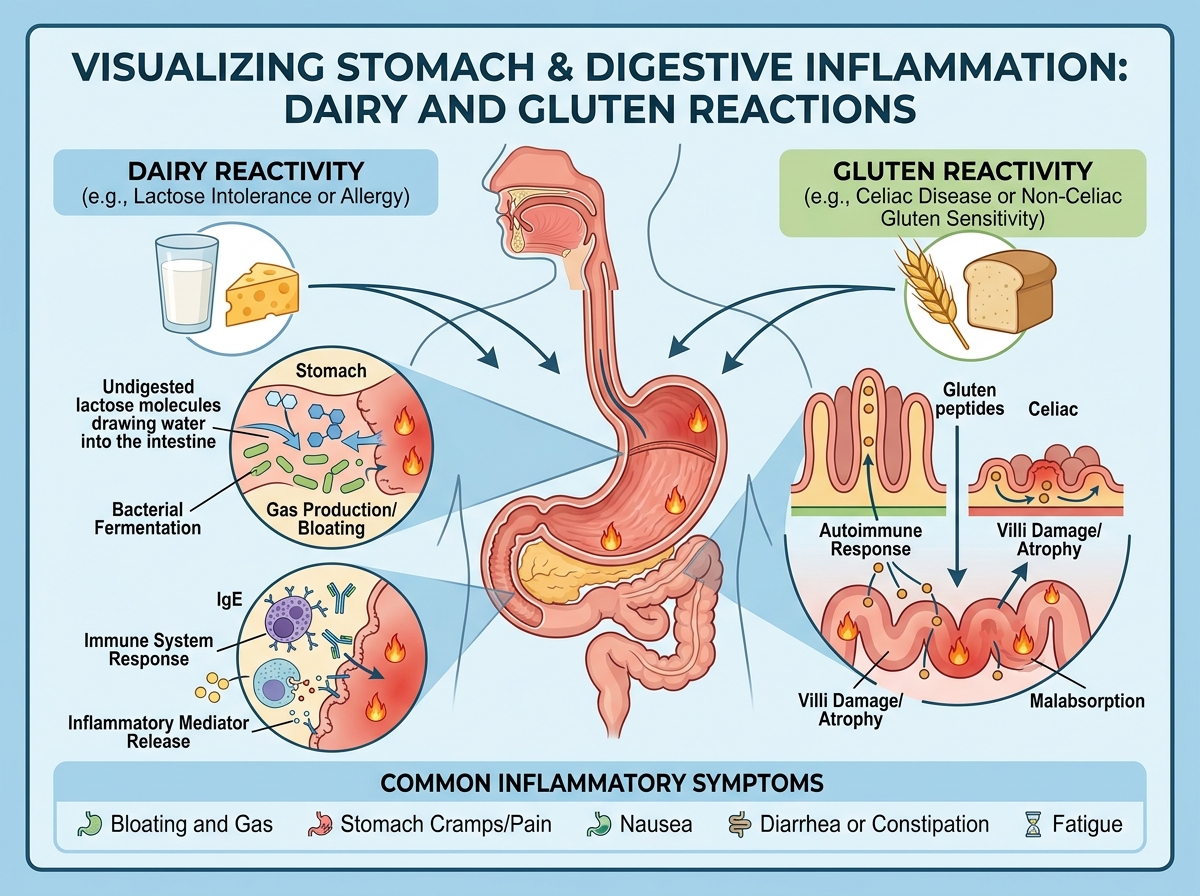
2. Food Intolerances
Some people experience bloating because their body cannot properly digest certain foods.
Common triggers include dairy, gluten, and highly processed foods.
3. Gut Bacteria Imbalance
Your gut contains good and bad bacteria. When this balance is disturbed, food fermentation increases, producing excess gas.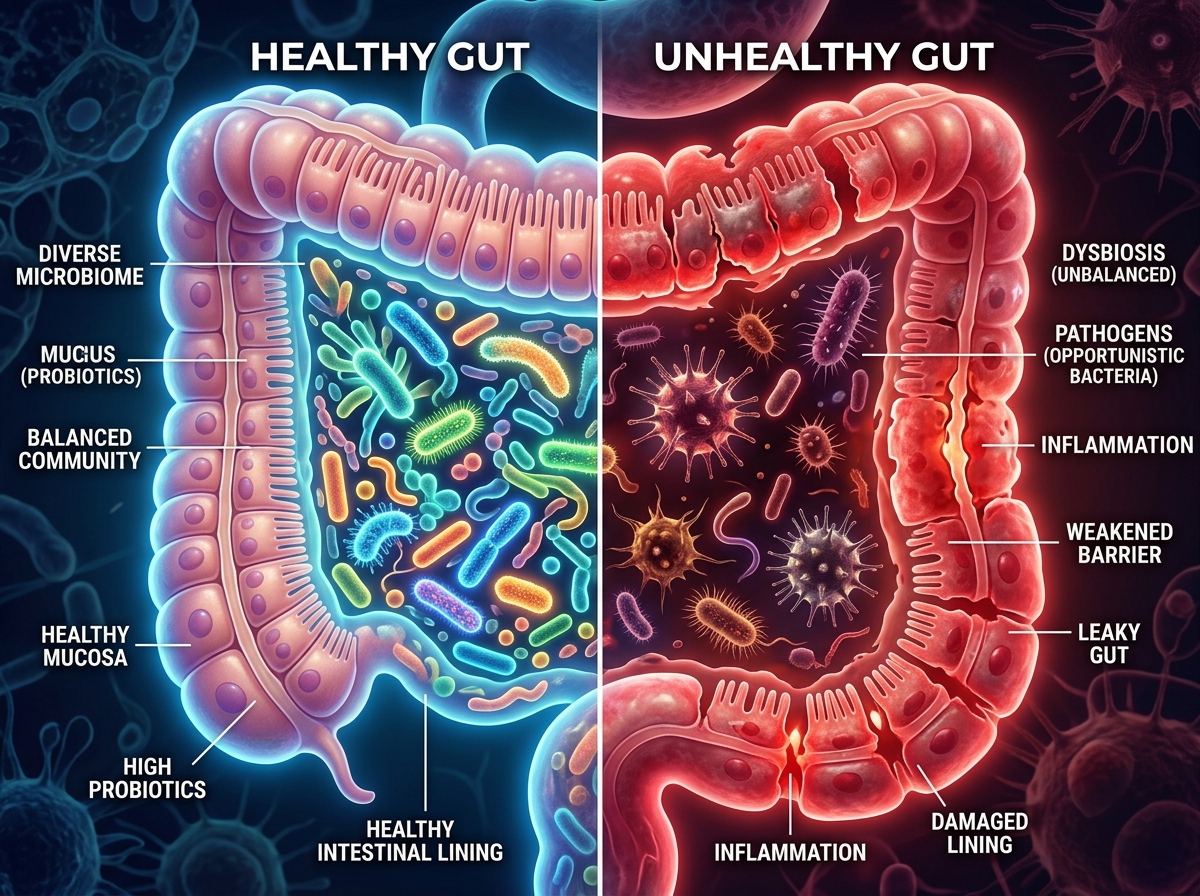
4. Overeating
Eating large portions puts pressure on the digestive system, slowing down the breakdown process.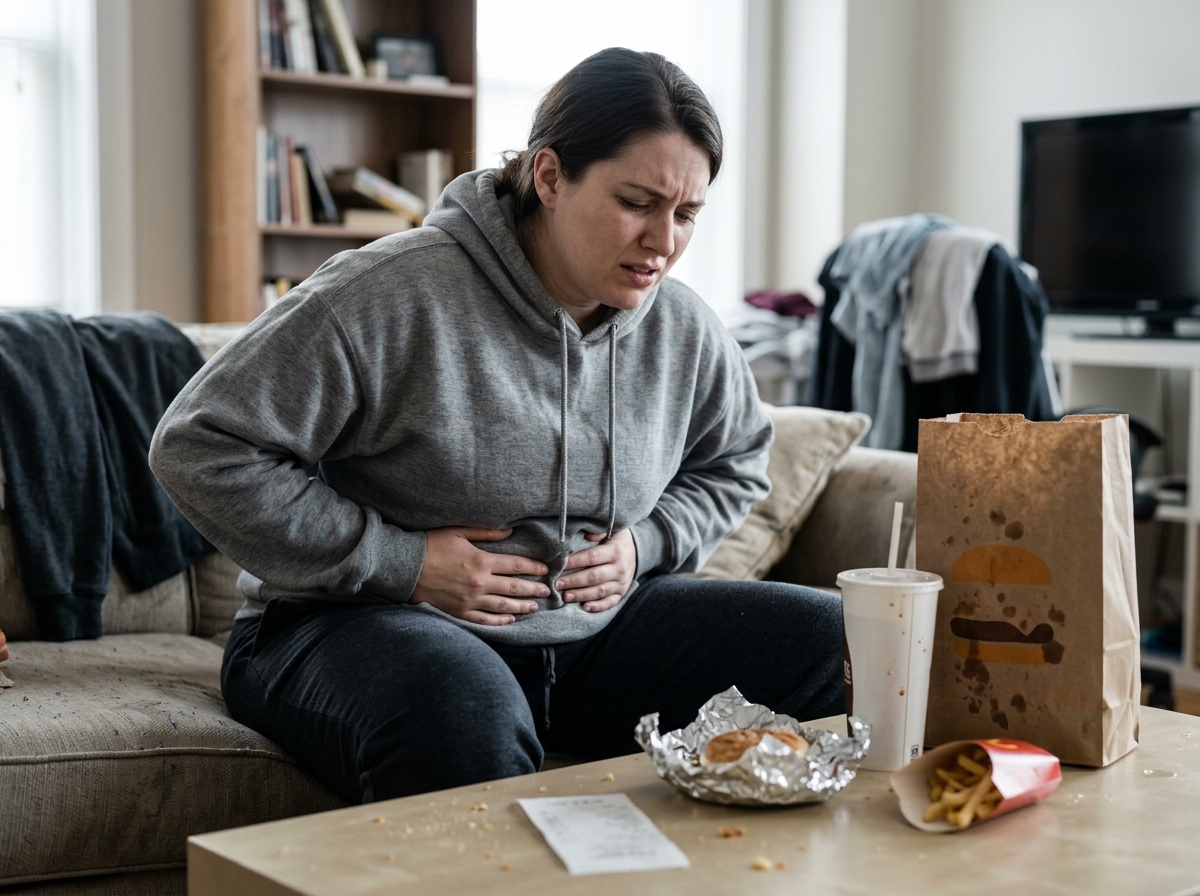
5. Low Digestive Enzymes
Digestive enzymes help break down food. When levels are low, food remains partially undigested, leading to gas and bloating.
Common Triggers of Bloating
- Fast eating habits
- Carbonated drinks
- Dairy intolerance
- Processed foods
- Irregular meal timing
Why Modern Diets Increase Bloating
Modern diets are often high in sugar, preservatives, and processed ingredients. These foods disrupt gut bacteria and slow digestion.
Bloating is closely linked to how and what you eat. Identifying triggers is the first step toward improving digestion naturally.
How to Reduce Bloating Naturally and Improve Digestion
Healing the Digestive System Naturally
The good news is that bloating can often be improved with simple lifestyle and dietary changes. Supporting digestion naturally helps restore balance in the gut and reduces discomfort after meals.
Eat Slowly and Mindfully
Chewing food properly allows enzymes to work efficiently and reduces air swallowing. This simple habit significantly improves digestion.
Improve Gut Health
A healthy gut reduces fermentation and gas buildup. Eating fiber-rich foods and natural probiotics supports gut bacteria balance.
Stay Hydrated
Water helps move food through the digestive system and prevents constipation-related bloating.
Avoid Trigger Foods
Identifying and reducing foods that cause bloating can make a big difference in comfort.
Natural Ways to Reduce Bloating
- Eat slowly and chew properly
- Drink enough water
- Avoid processed foods
- Include fiber-rich foods
- Maintain regular meals

Long-Term Digestive Benefits
When digestion improves, bloating reduces, energy increases, and overall health becomes more balanced.
Bloating after eating is a signal that your digestive system needs support. By understanding its meaning, causes, and solutions, you can restore gut health naturally and improve daily comfort.
