By Nutrifit Essentials | Supplement Buying Guide
Choosing the best protein powder takes more than picking a popular brand. Products differ in protein source, ingredients, taste, and price. The right one depends on your goals, diet, digestion, and budget, as well as whether you enjoy using it.
This guide explains what protein powder is, how much protein you may need, how whey protein powder compares with other types, and what to check on the label. It also reviews Clean Simple Eats protein powder and how it compares with other options.
Protein powder is a convenience, not a requirement. Whole foods should make up the foundation of your diet. Ask a healthcare professional or registered dietitian before adding supplements if you have a medical condition or food allergy, or are pregnant or breastfeeding.
What Is Protein Powder?
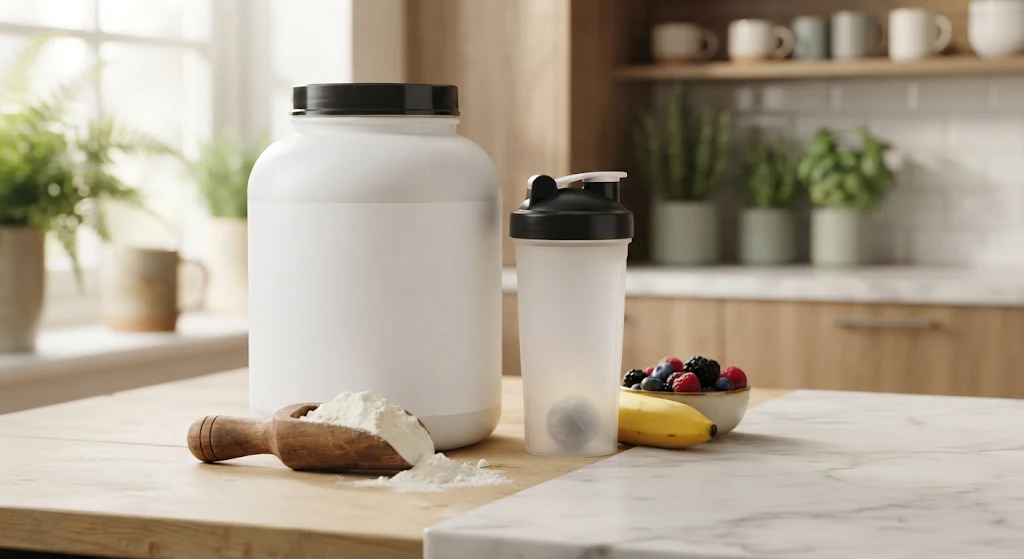
Protein powder is made by extracting protein from sources such as milk, eggs, peas, rice, soy, or hemp, then drying it into a powder. You can mix it with water, milk, or a milk alternative, or add it to smoothies, oatmeal, pancakes, and baked goods. A typical serving contains about 20 to 30 grams of protein and relatively few calories.
Why people use protein powder
Protein powder can help you meet your daily protein needs when meals fall short. It can support muscle repair and growth when paired with strength training, and it offers a portable option for people who need a quick snack. Older adults may use it to help maintain muscle, while people with small appetites may find a shake easier to manage than a large meal.
How Much Protein Do You Need?
The recommended dietary allowance for most adults is about 0.8 grams of protein per kilogram of body weight per day. That works out to roughly 55 to 65 grams for many people. People who exercise regularly, particularly those who strength train, may benefit from around 1.2 to 2.0 grams per kilogram per day. Older adults may also benefit from higher protein intake to help preserve muscle.
Before buying a tub, consider what you already eat. If your meals include plenty of eggs, dairy, fish, poultry, beans, and tofu, you may not need protein powder. It works best as a convenient addition to your diet rather than a replacement for whole foods.
Types of Protein Powder
Protein source affects digestion, taste, price, and whether a powder fits your diet.
Whey protein powder
Whey protein powder is made from the liquid left over when milk is turned into cheese. It is popular and well studied. Whey contains all essential amino acids and is rich in leucine, an amino acid linked to muscle building. It digests relatively quickly, mixes well, and is available in several forms:
- Whey concentrate is less processed and typically contains 70 to 80 percent protein by weight, with some lactose and fat. It is usually the least expensive and has a creamy taste.
- Whey isolate is filtered further and generally contains about 90 percent protein or more, with very little lactose, fat, or carbohydrate. People who are sensitive to lactose or watching calories often choose it.
- Whey hydrolysate is pre-digested into smaller pieces. It may be absorbed faster, often costs more, and can taste bitter.
Casein protein powder
Casein is the other main protein in milk. It digests slowly, so some people take it before bed or use it to help them feel full. It tends to make a thicker drink.
Plant-based protein powder
Plant protein powders may contain pea, brown rice, soy, hemp, pumpkin seed, or other proteins. Pea and rice are often blended to provide a more complete amino acid profile. Soy is a complete protein on its own.
Plant powders suit vegans and people avoiding dairy. Their taste and texture can vary, and some may require a larger serving than whey to provide a similar amount of leucine.
Egg white and beef protein
Egg white protein is a dairy-free animal protein that is high in protein and low in fat. Beef protein isolate is another dairy-free option, though it is less common and its taste may not suit everyone.
Collagen powder
Collagen is often marketed for skin, joints, and hair. It is not a complete protein because it lacks enough of some essential amino acids, so it is not the best choice if your main goal is building muscle. Check the label before using it as your regular protein powder.
Whey Protein Powder vs Plant Protein Powder
Whey protein powder generally provides more leucine per scoop, has a smoother texture, and is easy to find. Plant protein is a suitable choice for people who avoid dairy. A well-formulated blend can also support muscle goals, especially when you check the protein and leucine amounts per serving.
If you tolerate dairy and do not have an allergy, whey is a reliable, well-researched option. If you are vegan, lactose intolerant, or prefer plant-based foods, a quality plant blend can work well.
How to Choose the Best Protein Powder
Check the label for details that matter to your diet, health, and budget.
Protein per serving
Look for about 20 to 30 grams per standard serving. Check the serving size, since a large scoop can make the protein amount look more impressive. Divide the grams of protein by the scoop’s total weight to see how much of the powder is protein.
Ingredients
A shorter ingredient list is often easier to assess. A basic whey protein powder may contain whey, flavor, sweetener, and a thickener or salt. Watch for long lists of fillers, gums, and unfamiliar additives. Avoid “proprietary blends” that do not disclose the amount of each ingredient.
Sweeteners and added sugar
Protein powders may use stevia, monk fruit, sucralose, or sugar alcohols to keep sugar low. People tolerate these differently. Sugar alcohols can cause stomach upset for some, so try an unflavored or lightly sweetened powder if you are sensitive.
Third-party testing
Supplements are not regulated as tightly as medicines. Independent testing can check label accuracy and contaminants. Some tests have found heavy metals in certain protein powders, so consider brands that publish results or carry recognized third-party seals. Athletes subject to drug testing should look for certifications that screen for banned substances.
Digestive comfort
If dairy bothers your stomach, try whey isolate, which contains very little lactose, or a plant-based powder. Some products contain digestive enzymes, but evidence that these improve digestion in everyday use is mixed.
Taste and mixability
A powder is more useful if you enjoy drinking it. Taste, texture, and how easily it dissolves can affect whether you use it regularly. Try single-serve packets or a small container before buying a large tub.
Price per serving
Compare the cost per serving, or better yet, the cost per gram of protein. A cheap tub with a small scoop and little protein may cost more per useful serving than a more expensive product.
Best Protein Powder for Your Goals
The best protein powder depends on what you need it for.
For building muscle
Whey protein powder with about 20 to 30 grams of protein per serving is a reliable choice. It works best as part of a diet with enough total protein and calories, alongside consistent strength training. Whey isolate or a plant blend with enough leucine can also work.
For weight loss
Protein can help you feel full and maintain muscle while losing fat. A low-calorie, low-sugar whey isolate or plant protein may fit into a shake or smoothie. Protein powder does not cause weight loss by itself. It works best alongside a balanced diet and regular movement.
For sensitive stomachs and lactose intolerance
Whey isolate, clear whey, or a plant blend may be easier to tolerate than whey concentrate. Look for a simple ingredient list, and avoid sugar alcohols if they upset your stomach.
For vegans and vegetarians
Pea and rice blends or soy protein provide a complete amino acid profile and can replace whey. Check for vegan certification if that matters to you.
For budget-conscious shoppers
Whey concentrate in a large tub is often an affordable way to get protein. Unflavored versions may cost less.
For dessert-style shakes
Flavored whey isolates and blends are made to taste like milkshakes. Single-serve packets let you try flavors before buying a full tub.
Clean Simple Eats Protein Powder: An Honest Look
Clean Simple Eats protein powder is a recognizable name in the flavored whey category. The brand first became known for macro-friendly recipes and later expanded into supplements, including whey protein, clear protein, and collagen products.
What is in it?
The brand’s main Clean Simple Eats protein powder line is based on grass-fed whey protein isolate. Labels for popular flavors list about 20 grams of protein per serving, with roughly 90 to 110 calories and very little sugar. Flavors are typically sweetened with stevia extract, and many formulas include a small digestive enzyme blend.
Ingredients vary by flavor. Some chocolate flavors contain cocoa powder and coconut-based ingredients. Some peanut flavors contain peanut, so check allergen information before buying.
How it is sold
The powder comes in tubs and single-serve packets, which can be useful for travel or trying flavors. The company also sells clear whey, a lighter, juice-style drink, and collagen products. These are separate from the main whey protein and have different protein content.
Potential advantages
Customers often like the taste and texture, stevia-sweetened formulas, variety of flavors, and whey isolate, which contains less lactose than concentrate. The powder can be used in shakes, oatmeal, and baking. Single-serve packets make it easier to try before buying a tub.
Things to consider
The price per serving is generally higher than basic whey concentrate, so check the current price. Formulas, flavors, and serving counts can change; read the label for the exact product you plan to buy.
The powder contains milk, so it is unsuitable for people with a milk allergy. People with strong lactose sensitivity may still want to test their tolerance. “Clean” is a marketing term, not a regulated standard. Judge the product by its ingredient list, protein content, and testing information.
Is Clean Simple Eats protein powder the best protein powder?
It may suit you if you want a flavored, stevia-sweetened whey isolate and are comfortable with the price. Whether it is the best protein powder for you depends on your goals, budget, and digestion.
Nutrifit Essentials is not affiliated with Clean Simple Eats. This section is a general product overview, not an endorsement.
How to Use Protein Powder
Mix one serving with water, milk, or a milk alternative and shake or blend. You can also add protein powder to oatmeal, yogurt, pancake batter, chia pudding, smoothies, and baked goods. Hot liquids can make some powders clump, so mix the powder with a little cold liquid first.
When should you take protein powder?
Your total daily protein matters more than precise timing. Some people have a shake after a workout or with breakfast. Others prefer slower-digesting casein before bed. Choose a time that fits your routine.
How much protein powder should you take per day?
Many people use one or two servings a day. Use it to fill gaps in your diet rather than replace balanced meals, which provide fiber, vitamins, and minerals that powders may lack.
Is Protein Powder Safe?
Most healthy adults can use protein powder as directed. Some people experience bloating, gas, or loose stools, particularly with lactose, sugar alcohols, or large servings. Switching to an isolate, a plant protein, or an unflavored powder may help. You can also try a smaller serving.
If you have kidney disease, speak with your doctor before increasing your protein intake. Your kidneys may need special consideration. Research has not shown that higher protein intakes harm the kidneys in healthy people.
Some people report skin changes after using whey. If you notice breakouts after starting it, consider trying another type. Check for allergens and be cautious of products that make dramatic claims.
Children, teens, and people who are pregnant or breastfeeding should ask a healthcare professional before using protein powder because their nutritional needs differ.
Common Protein Powder Myths
Protein powder will not make you bulky overnight. Building significant muscle takes consistent training, enough calories, and time.
Protein powder is not only for bodybuilders, and it is concentrated food protein. Taking more is not always better. Your body can only use so much protein at once, and extra calories from protein can still be stored as fat.
Best Protein Powder FAQs
What is the best protein powder?
There is no single best protein powder for everyone. Look for adequate protein per serving, a clear ingredient list, third-party testing, and a taste and price that suit you. Whey protein powder suits many people who tolerate dairy, while plant blends work for vegans.
Protein powder is concentrated protein made from sources such as milk, eggs, peas, rice, or soy. You can mix it into drinks or food to increase your protein intake.
For most healthy adults who tolerate dairy, whey protein powder is a convenient, well-researched source of high-quality protein that can support muscle growth and recovery. It should supplement a balanced diet, not replace it.
Whey concentrate is less processed and contains more lactose and fat. Whey isolate is filtered to contain a higher percentage of protein and less lactose and fat. People watching calories or managing lactose sensitivity often choose isolate.
Many flavors contain about 20 grams of protein per serving and use whey isolate and stevia. Whether it suits you depends on your taste, budget, and dietary needs. Read the label for the specific flavor you are considering.
That depends on how much protein you get from food and your goals. Many people use one or two servings. Aim to meet your daily protein needs through a mix of whole foods and, if needed, protein powder.
There is no proven best time. Your total daily protein matters more. Take it when it fits your routine, such as after a workout or with breakfast.
Protein may help you feel full and preserve muscle during weight loss, but it does not cause weight loss by itself. Pair it with a balanced diet and regular activity.
Yes. Protein is important for everyone, and women can use protein powder just as men do. Protein powder alone will not make women bulky.
Research has not shown that typical protein powder use harms the kidneys of healthy people. If you have kidney disease, ask your doctor first.
It can, especially if you are sensitive to lactose, sugar alcohols, or certain sweeteners. Try whey isolate, plant protein, or an unflavored powder, and consider reducing the serving size.
A good plant blend can work well, especially if it provides enough protein and leucine per serving. Whey tends to contain more leucine and mix more easily, while plant powders are suitable for vegans.
No. You can build muscle with whole foods. Protein powder is a convenient way to reach your daily protein target.
Look for a clear ingredient list, accurate protein amounts, no proprietary blend hiding ingredient quantities, and third-party testing for contaminants and label accuracy.
The Bottom Line on Choosing the Best Protein Powder
The best protein powder is one that suits your diet, digestion, goals, and budget. Whey protein powder is a practical option for people who tolerate dairy. Whey isolate may suit people who are sensitive to lactose, and plant blends are an option for vegans.
Read the label, compare the cost per serving, and look for third-party testing. Try a small size or single-serve packets before buying a large tub, whether you are considering Clean Simple Eats or another brand.
Nutrifit Essentials recommends building meals around whole foods and using protein powder when it makes your routine easier. If you are unsure whether a supplement is right for you, speak with a healthcare professional.
Disclaimer: This article is provided by Nutrifit Essentials for general informational purposes only. It is not medical advice and is not intended to diagnose, treat, cure, or prevent any disease. Product formulas and labels can change, so read the label for the exact product you buy. Consult a qualified healthcare provider before using any supplement.
