
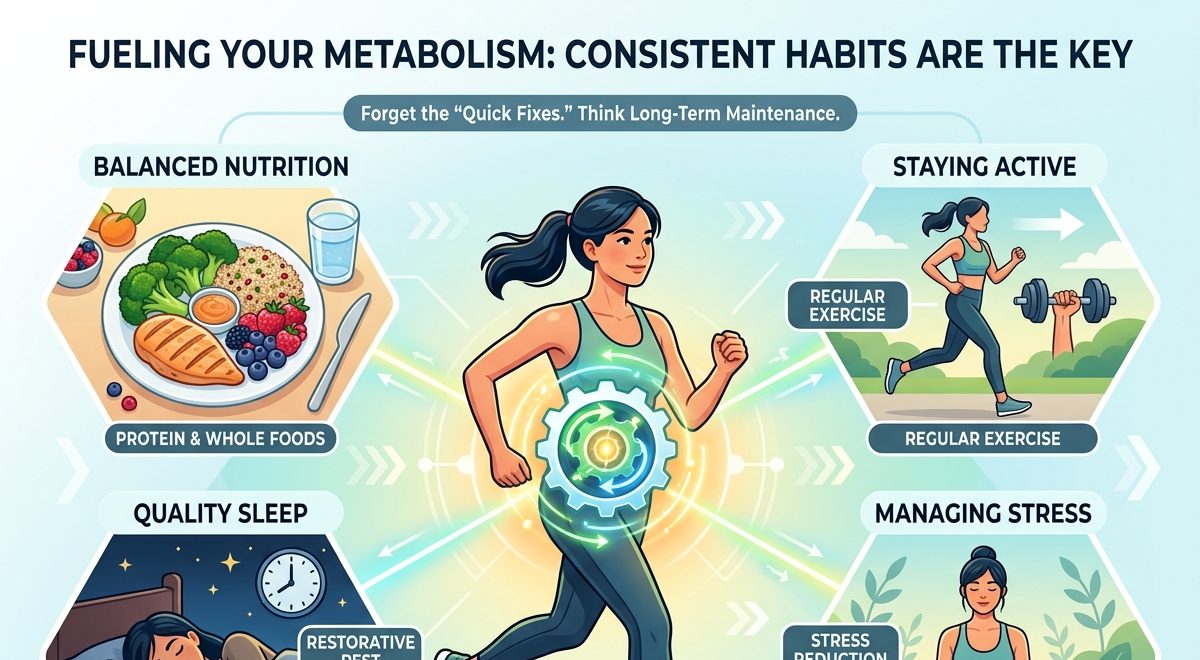
Metabolism is one of the most talked-about topics in health and fitness, especially when it comes to weight loss. Many people believe they have a “slow metabolism” that prevents them from losing weight, while others seem to eat almost anything without gaining extra pounds. Although genetics play a role, your metabolism is influenced by many factors—including your age, muscle mass, physical activity, sleep quality, hormones, and the foods you eat every day.
Your metabolism refers to all the chemical processes your body uses to convert the food you eat into energy. This energy is needed for everything your body does, from breathing and circulating blood to repairing cells, digesting food, exercising, and even sleeping. Even when you’re resting, your body continues burning calories to keep essential organs functioning.
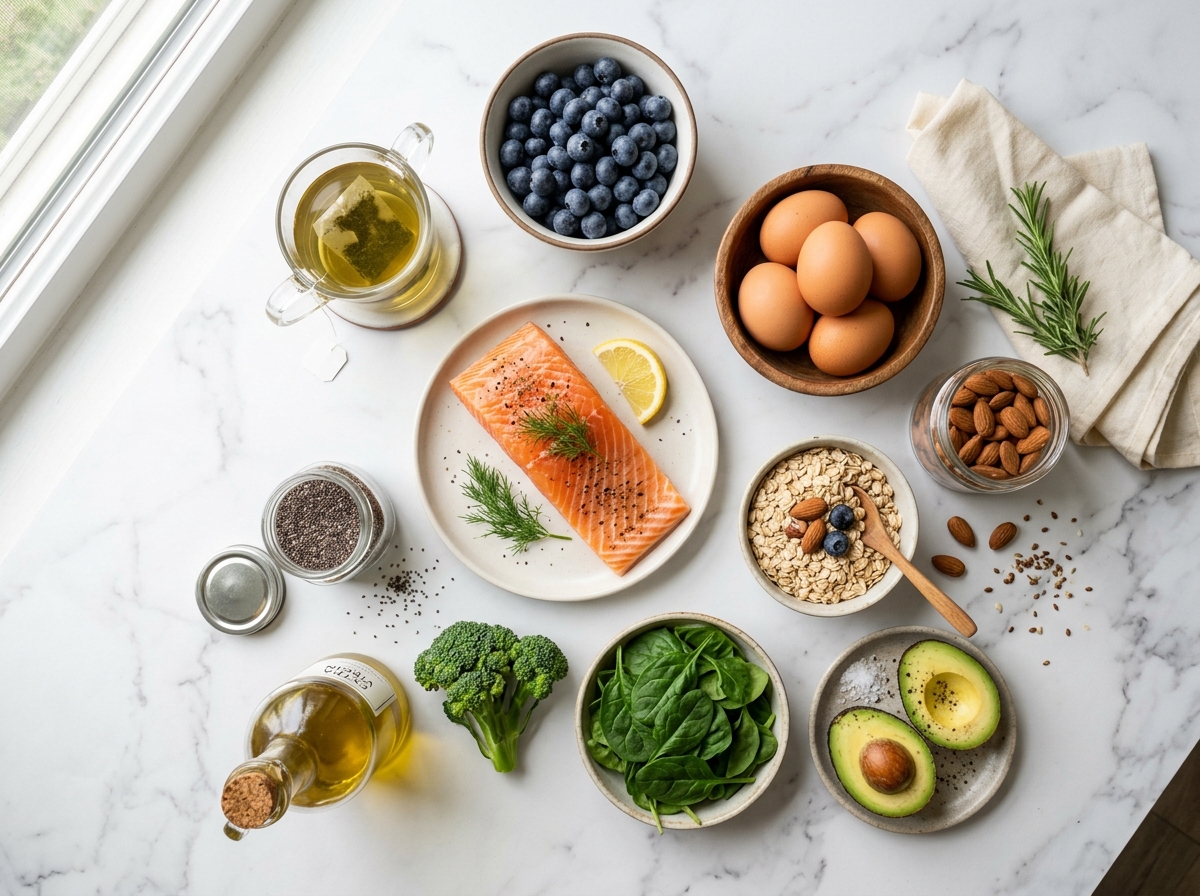
While no food can magically “supercharge” your metabolism overnight, certain nutrient-rich foods may help support healthy metabolic function. Foods high in protein require more energy to digest than fats or carbohydrates. Others provide vitamins, minerals, antioxidants, and healthy fats that support energy production, hormone balance, and muscle maintenance—all of which contribute to a healthy metabolism.
At the same time, building a healthy metabolism isn’t just about eating specific foods. Staying active, drinking enough water, getting quality sleep, managing stress, and maintaining muscle mass all work together to help your body function efficiently.
In this comprehensive guide, you’ll learn what metabolism is, what affects it, and the best foods that may help support your body’s natural calorie-burning processes.
What Is Metabolism?
Metabolism is the process by which your body converts food and drinks into usable energy. Every heartbeat, every breath, every step you take, and every cell in your body relies on energy produced through metabolism.
Your daily calorie burn is made up of three main components:
Basal Metabolic Rate (BMR)
Your BMR is the number of calories your body burns while at complete rest to maintain basic life functions such as breathing, blood circulation, body temperature, and cell repair. For most people, this accounts for the largest portion of daily calorie expenditure.
Physical Activity
Exercise and everyday movement—including walking, climbing stairs, gardening, and household chores—burn additional calories. The more active you are, the more energy your body uses.
Thermic Effect of Food (TEF)
Digesting, absorbing, and processing food also requires energy. Protein-rich foods generally have a higher thermic effect than carbohydrates or fats, meaning your body uses slightly more energy to digest them.
Understanding these components can help explain why lifestyle habits—not just genetics—play an important role in supporting a healthy metabolism.
What Can Slow Down Your Metabolism?
Many factors can influence metabolic rate over time. Some are outside your control, while others are strongly affected by daily habits.
Common factors include:
- Aging
- Loss of muscle mass
- Physical inactivity
- Crash dieting
- Poor sleep quality
- Chronic stress
- Hormonal disorders (such as hypothyroidism)
- Certain medications
- Long-term calorie restriction
- Poor overall nutrition
Fortunately, many lifestyle habits can help support healthy metabolic function.
You may also like:
- Slow Metabolism and Weight Gain Explained
- How Much Water Should You Drink to Lose Weight?
- Walking 30 Minutes a Day Benefits
- Morning Habits for High Energy
1. Lean Protein Foods
Protein is one of the most important nutrients for maintaining a healthy metabolism.
Compared with carbohydrates and fats, protein has a higher thermic effect of food (TEF). This means your body uses more energy digesting, absorbing, and processing protein than it does with many other nutrients.
Protein also helps preserve muscle mass during weight loss. Since muscle tissue burns more calories than fat tissue at rest, maintaining healthy muscle mass supports long-term metabolic health.
Excellent lean protein sources include:
- Chicken breast
- Turkey
- Eggs
- Fish
- Greek yogurt
- Cottage cheese
- Tofu
- Tempeh
- Lentils
- Beans
Aim to include a quality protein source at each main meal to support satiety, muscle maintenance, and overall nutrition.

2. Fatty Fish Rich in Omega-3 Fatty Acids
Fatty fish such as salmon, sardines, trout, and mackerel provide high-quality protein along with omega-3 fatty acids.
Omega-3 fats support many aspects of health, including heart function, brain health, and the body’s normal inflammatory response. Healthy fats also play a role in hormone production, which is important for maintaining overall metabolic health.
Eating fatty fish regularly may help support:
- Muscle recovery
- Heart health
- Healthy cholesterol levels
- Brain function
- Long-term metabolic wellness
Health organizations commonly recommend eating fish at least twice per week.
3. Eggs: A Nutrient-Dense Metabolism-Friendly Food
Eggs are packed with nutrients while providing relatively few calories.
They contain:
- High-quality protein
- Vitamin B12
- Choline
- Selenium
- Vitamin D (small amounts)
- Healthy fats
Because eggs are rich in protein, they contribute to the thermic effect of food and help increase feelings of fullness after meals.
Many people find that including eggs in breakfast helps reduce hunger later in the day.
Eggs can be enjoyed in many healthy ways, including boiled, poached, scrambled with vegetables, or added to salads.
4. Legumes: Beans, Lentils, and Chickpeas
Legumes are affordable, highly nutritious, and excellent for supporting a healthy metabolism.
They provide:
- Plant-based protein
- Fiber
- Iron
- Magnesium
- Potassium
- Folate
The combination of protein and fiber helps slow digestion, supports blood sugar balance, and promotes long-lasting fullness.
Examples include:
- Black beans
- Kidney beans
- Chickpeas
- Lentils
- Pinto beans
- Navy beans
Adding legumes to soups, salads, curries, and grain bowls is an easy way to improve nutritional quality.

5. Chili Peppers
Chili peppers contain a natural compound called capsaicin, which gives them their spicy flavor.
Researchers have studied capsaicin for its potential role in temporarily increasing energy expenditure and heat production in the body. While these effects appear to be modest, chili peppers can add flavor without adding many calories.
Capsaicin has also been investigated for its possible role in supporting appetite regulation, though results vary among individuals.
If you enjoy spicy foods, consider adding fresh or dried chili peppers to:
- Stir-fries
- Soups
- Tacos
- Chili
- Grilled vegetables
- Lean meat dishes
People with sensitive stomachs or digestive conditions should consume spicy foods according to their personal tolerance.
Best Metabolism-Boosting Foods at a Glance
| Food | Key Nutrients | Why It Supports Metabolism |
|---|---|---|
| Chicken Breast | Lean protein | High thermic effect of food |
| Salmon | Protein, Omega-3 | Supports muscle and hormone health |
| Eggs | Protein, Choline | Promotes fullness and muscle maintenance |
| Lentils | Protein, Fiber | Supports steady energy and digestion |
| Chickpeas | Fiber, Iron | Helps maintain balanced blood sugar |
| Greek Yogurt | Protein, Calcium | Supports muscle recovery |
| Turkey | Lean protein | Helps preserve lean body mass |
| Black Beans | Fiber, Protein | Supports digestive health |
Daily Habits That Work Alongside Metabolism-Friendly Foods
Although nutritious foods are important, your overall lifestyle has the greatest impact on metabolic health.
Healthy habits include:
- Eating enough protein each day.
- Strength training to build muscle.
- Walking regularly.
- Drinking enough water.
- Getting 7–9 hours of quality sleep.
- Managing stress effectively.
- Avoiding extreme crash diets.
- Eating balanced meals consistently.
Building these habits over time is more effective than searching for quick fixes or miracle foods.
6. Green Tea: A Natural Beverage That Supports Healthy Metabolism
Green tea has been enjoyed for centuries and is one of the most researched beverages in nutrition. It contains natural antioxidants called catechins, particularly epigallocatechin gallate (EGCG), along with small amounts of caffeine.
Research suggests that the combination of catechins and caffeine may slightly increase calorie burning and fat oxidation in some individuals, especially when combined with regular exercise and a healthy diet. While the effect is modest, replacing sugary beverages with unsweetened green tea can also help reduce overall calorie intake.
Green tea may also support:
- Healthy heart function
- Brain health
- Cellular protection against oxidative stress
- Healthy aging
- Daily hydration
For best results, enjoy 2–3 cups of unsweetened green tea throughout the day.
You may also like:
- How Much Water Should You Drink to Lose Weight?
- Healthy Lifestyle Tips in 2026
7. Coffee: Can It Really Increase Metabolism?
Coffee is one of the world’s most popular beverages.
Its caffeine content stimulates the central nervous system and may temporarily increase metabolic rate by encouraging your body to burn slightly more calories. Caffeine can also improve alertness, focus, and exercise performance.
Potential benefits include:
- Increased energy
- Improved concentration
- Better workout performance
- Slight increase in calorie expenditure
However, adding large amounts of sugar, flavored syrups, whipped cream, or high-fat creamers can quickly turn coffee into a high-calorie drink.
For a healthier option:
- Drink black coffee.
- Add a splash of low-fat milk if desired.
- Limit added sugar.
Most healthy adults should consume caffeine in moderation, especially if they are sensitive to its effects.
8. Whole Grains: Long-Lasting Energy for Your Body
Unlike refined grains, whole grains contain all parts of the grain, including the bran, germ, and endosperm.
This means they provide:
- Fiber
- B vitamins
- Iron
- Magnesium
- Selenium
- Complex carbohydrates
Fiber slows digestion, helping provide a steady release of energy throughout the day rather than rapid spikes and crashes in blood sugar.
Excellent whole grains include:
- Oats
- Brown rice
- Quinoa
- Whole wheat
- Barley
- Buckwheat
- Whole grain pasta
Replacing refined grains with whole grains may support healthier energy levels and improve overall nutrition.

9. Nuts and Seeds
Nuts and seeds are packed with healthy fats, protein, fiber, vitamins, and minerals that support metabolic health.
Although calorie-dense, they are highly satisfying and may help reduce overeating when eaten in appropriate portions.
Excellent choices include:
- Almonds
- Walnuts
- Pistachios
- Chia seeds
- Flaxseeds
- Pumpkin seeds
- Sunflower seeds
These foods provide nutrients such as magnesium, zinc, and omega-3 fatty acids, all of which support normal body functions involved in energy metabolism.
A small handful each day makes an excellent snack.
10. Broccoli and Leafy Green Vegetables
Vegetables are naturally low in calories while being rich in nutrients.
Broccoli, spinach, kale, Brussels sprouts, cabbage, and other leafy greens provide:
- Vitamin C
- Vitamin K
- Folate
- Calcium
- Magnesium
- Potassium
- Fiber
- Antioxidants
Their high fiber content promotes fullness, while vitamins and minerals support many of the body’s metabolic processes.
Aim to fill at least half your plate with vegetables during lunch and dinner whenever possible.

11. Ginger
Ginger has been used in traditional medicine for centuries and continues to be studied for its potential health benefits.
Some research suggests ginger may:
- Support healthy digestion
- Promote feelings of fullness
- Help regulate blood sugar
- Support the body’s natural inflammatory response
Although ginger alone won’t dramatically increase metabolism, it can be part of an overall healthy eating pattern.
Ways to enjoy ginger:
- Herbal tea
- Smoothies
- Stir-fries
- Soups
- Marinades
- Fresh juices

12. Water: The Most Overlooked Metabolism Booster
Water is essential for every chemical reaction taking place inside your body.
Even mild dehydration may reduce physical performance and contribute to feelings of tiredness.
Proper hydration supports:
- Digestion
- Nutrient transport
- Temperature regulation
- Exercise performance
- Overall metabolism
Some studies suggest drinking water before meals may help certain individuals reduce calorie intake by increasing feelings of fullness.
Although water itself isn’t a fat-burning drink, staying hydrated supports many healthy habits that contribute to successful weight management.
Foods That May Slow Your Metabolism
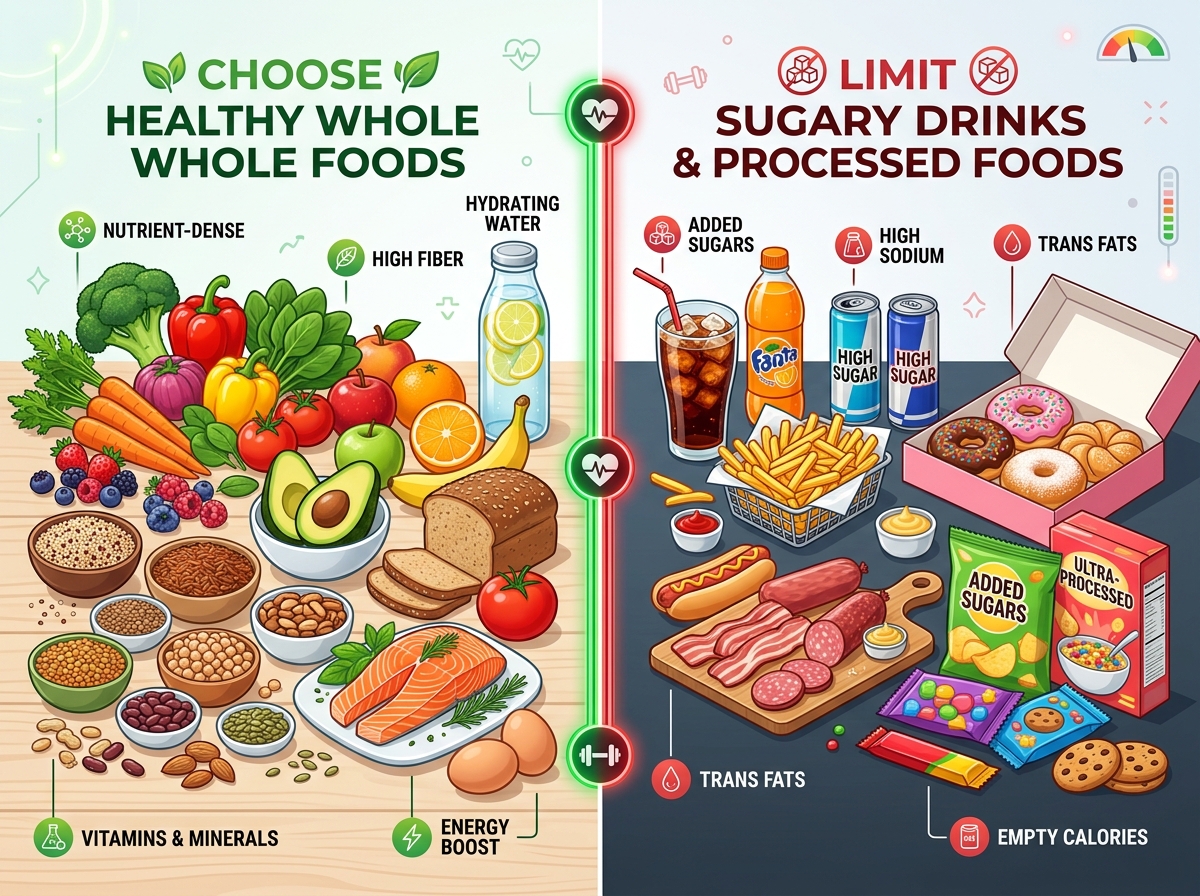
Certain eating habits may make it more difficult to maintain a healthy metabolism over time.
These include:
- Skipping protein regularly
- Extremely low-calorie diets
- Excess sugary drinks
- Highly processed foods
- Refined carbohydrates
- Frequent fast food meals
- Heavy alcohol consumption
- Very low physical activity
Rather than eliminating foods completely, focus on building a balanced eating pattern centered around whole foods.
Best Foods vs Foods to Limit
Sample One-Day Metabolism-Boosting Meal Plan
Breakfast
- Vegetable omelet made with two eggs
- Bowl of oatmeal topped with blueberries and chia seeds
- Green tea
Morning Snack
- Greek yogurt with walnuts
Lunch
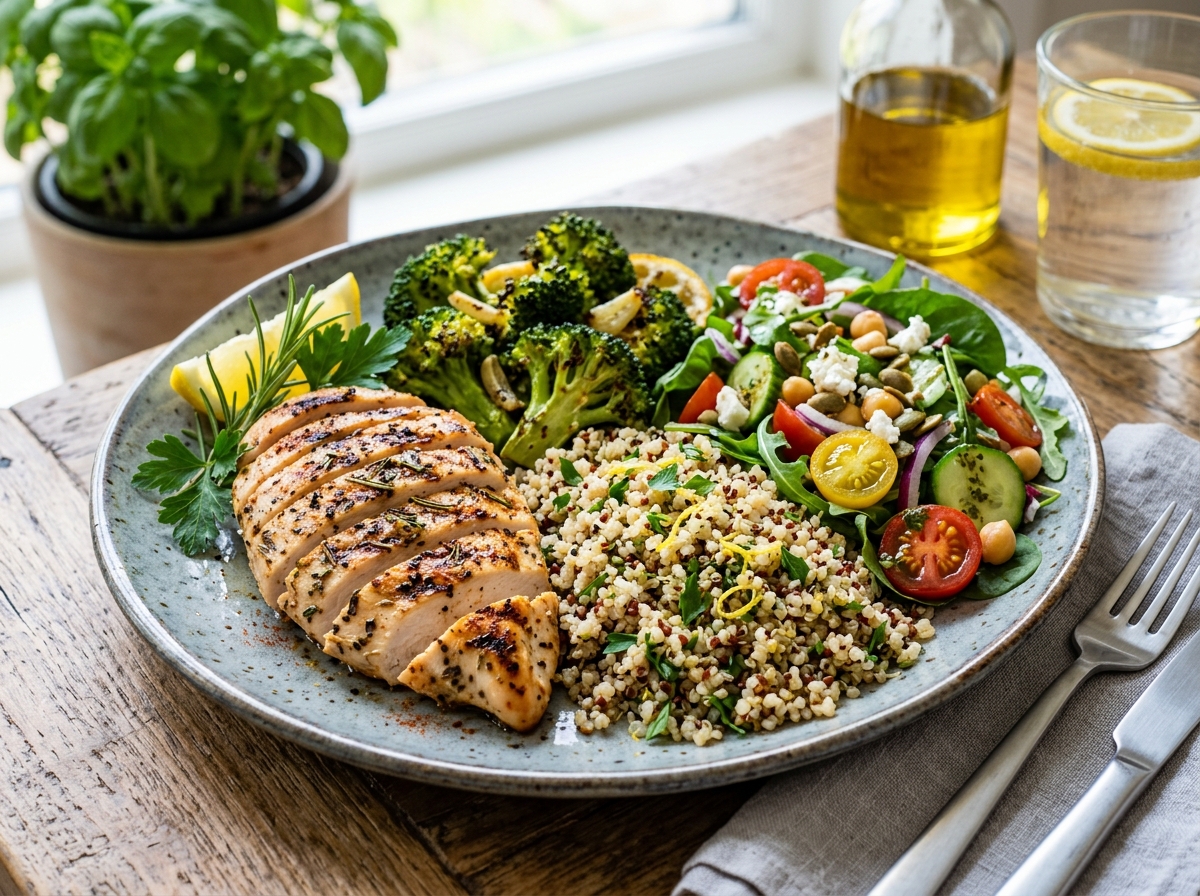
- Grilled chicken breast
- Quinoa
- Steamed broccoli
- Mixed green salad with olive oil dressing
Afternoon Snack
- Apple with almond butter
Dinner
- Baked salmon
- Brown rice
- Roasted vegetables
- Spinach salad
Evening Snack (Optional)
- Cottage cheese with cinnamon or a handful of mixed nuts
Lifestyle Habits That Naturally Support Metabolism
Nutrition is only one piece of the puzzle.
These healthy habits work together to support your body’s ability to burn calories efficiently:
- Strength train 2–4 times each week to maintain muscle mass.
- Walk at least 30 minutes daily.
- Sleep 7–9 hours every night.
- Drink enough water throughout the day.
- Manage stress through meditation, yoga, or deep breathing.
- Avoid smoking.
- Limit alcohol.
- Eat meals at regular times instead of skipping meals frequently.
Consistency is far more important than following extreme diets or relying on “metabolism-boosting” supplements.
Food Combinations That Work Well Together
Salmon + Broccoli + Brown Rice
Provides lean protein, fiber, healthy fats, and complex carbohydrates.
Greek Yogurt + Berries + Chia Seeds
A balanced breakfast or snack rich in protein, fiber, and antioxidants.
Eggs + Spinach + Whole-Grain Toast
Offers protein, vitamins, minerals, and slow-digesting carbohydrates.
Oatmeal + Walnuts + Blueberries
Combines whole grains, healthy fats, and antioxidant-rich fruit.
Chicken + Sweet Potato + Vegetables
A classic balanced meal that supports muscle maintenance and long-lasting energy.
Grilled chicken with mixed vegetables
Common Mistakes That Can Slow Your Metabolism
Many people focus only on eating “metabolism-boosting foods” while overlooking habits that may have a greater impact on overall health.
1. Skipping Breakfast
Some people function well without breakfast, while others find that eating a balanced morning meal helps maintain energy levels. The most important factor is meeting your overall nutritional needs throughout the day.
2. Eating Too Little
Very low-calorie diets may make it difficult to obtain enough nutrients and can lead to muscle loss over time. Sustainable weight loss is generally achieved through moderate calorie reduction combined with balanced nutrition.
3. Not Eating Enough Protein
Protein supports muscle maintenance and has a higher thermic effect than carbohydrates or fats. Including a source of protein with meals may help increase fullness.
4. Sitting for Long Periods
Long periods of inactivity can reduce daily calorie expenditure. Taking regular walking breaks and staying active throughout the day contributes to overall health.
5. Poor Sleep
Sleep influences hormones involved in appetite, energy balance, and recovery. Most adults benefit from 7–9 hours of quality sleep each night.
6. Chronic Stress
Long-term stress may affect eating habits, sleep quality, and overall well-being. Stress-management techniques such as mindfulness, deep breathing, or regular exercise can be helpful.
7. Relying on Supplements Instead of Food
Many supplements claim to “boost metabolism,” but evidence for dramatic effects is often limited. A balanced diet and healthy lifestyle remain the foundation of long-term metabolic health.
Smart Grocery Shopping List
If you’re planning meals to support a healthy metabolism, consider keeping these staples on hand.
Protein
- Chicken breast
- Turkey
- Eggs
- Salmon
- Tuna
- Greek yogurt
- Cottage cheese
- Tofu
- Lentils
- Chickpeas
Fruits
- Blueberries
- Apples
- Oranges
- Bananas
- Strawberries
- Raspberries
Vegetables
- Spinach
- Broccoli
- Kale
- Bell peppers
- Brussels sprouts
- Tomatoes
- Carrots
Whole Grains
- Oats
- Brown rice
- Quinoa
- Whole-grain bread
- Whole-wheat pasta
Healthy Fats
- Olive oil
- Avocados
- Almonds
- Walnuts
- Chia seeds
- Flaxseeds
- Pumpkin seeds
Drinks
- Water
- Green tea
- Black coffee (in moderation)
Who Can Benefit Most?
A metabolism-supportive eating pattern may be especially useful for:
- Adults trying to manage their weight
- People beginning a healthier lifestyle
- Individuals with sedentary jobs
- Older adults aiming to maintain muscle mass
- People recovering from long periods of inactivity
- Anyone looking to improve energy levels through balanced nutrition
People with conditions such as thyroid disorders, diabetes, kidney disease, or other medical concerns should speak with a healthcare professional before making significant dietary changes.