By Nutrifit Essentials | Skin Care Guide
Face masks are one of the easiest ways to add a little extra care to your skin routine, and for people who struggle with breakouts, they can feel like a quick fix. But with clay, charcoal, sheet, gel, and peel-off options all competing for your attention, it is hard to know which ones actually help and which ones can make things worse. In this guide from Nutrifit Essentials, you will learn how face masks work, which ingredients to look for in the best face masks for acne, which types to avoid, and how to use a mask safely so it supports your skin instead of irritating it.
A quick note before we begin: no face mask can cure acne on its own. Masks work best as a supporting step alongside a gentle daily routine, and persistent or painful breakouts deserve the attention of a dermatologist.
What Are Face Masks and How Do They Work?
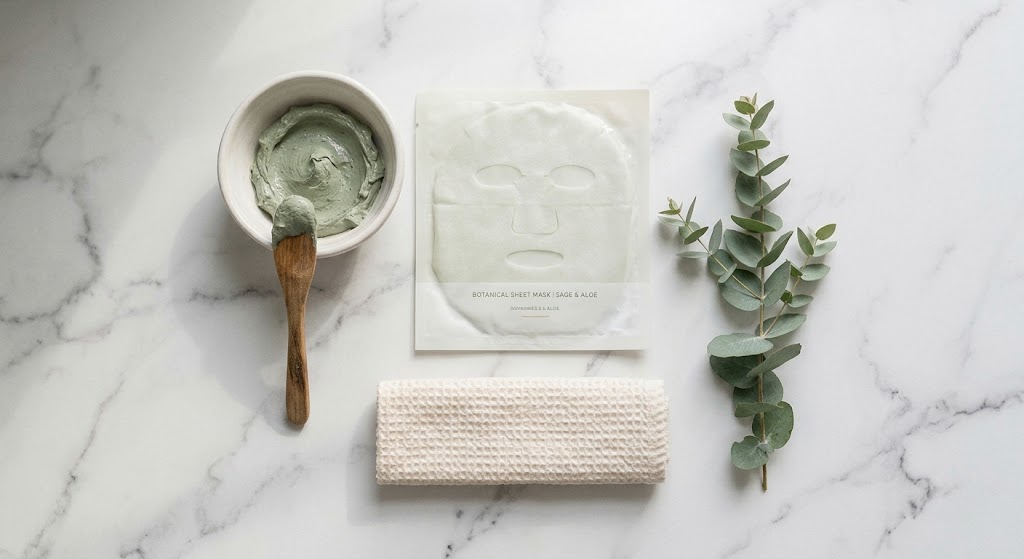
Face masks are skin care products that you apply in a thick layer, leave on for a set amount of time, and then rinse off, peel off, or remove. Because they sit on the skin for several minutes, they deliver a concentrated dose of their ingredients. Depending on the formula, a mask might absorb excess oil, gently exfoliate, soothe redness, or boost hydration.
It helps to think of face masks as a treat or a short-term boost, not a replacement for the basics. Cleansing, moisturizing, and daily sun protection do most of the heavy lifting for your skin, and a mask adds to that foundation a few times a week.
Why Acne Happens: A Quick Primer
Understanding what causes breakouts makes it easier to choose the right mask. Acne develops when pores become clogged with a mix of oil and dead skin cells. This can lead to blackheads and whiteheads, and when bacteria and inflammation are involved, it can cause red, swollen pimples and deeper, painful cysts.
Hormones, genetics, stress, certain medications, and some skin care or hair products can all play a role. Because acne has several causes, the best face masks for acne usually target one or more of the following: excess oil, clogged pores, inflammation, and the dryness or irritation that other acne treatments can cause.
What to Look for in the Best Face Masks for Acne
When you are shopping for face masks for acne-prone skin, the ingredient list matters more than the packaging. Here are the ingredients most commonly found in masks designed for breakouts, and what each one does.
Salicylic Acid
Salicylic acid is a beta hydroxy acid that can get inside the pore and help dissolve the buildup of oil and dead skin cells. It is one of the most widely used over-the-counter acne ingredients and is a good fit for blackheads, whiteheads, and mild breakouts. It can be drying, so start slowly.
Clay (Kaolin and Bentonite)
Clay masks are a classic choice for oily skin because clay absorbs excess oil and can leave the skin feeling clean and matte. Kaolin is the gentler of the two, making it a better starting point for sensitive skin, while bentonite is stronger at absorbing oil and can feel more drying.
Sulfur
Sulfur has long been used in acne products because it can help dry out surface oil and reduce breakouts. Sulfur masks are often marketed for spot treatment or mild acne, and they can have a noticeable smell and a drying effect.
Benzoyl Peroxide
Benzoyl peroxide targets the bacteria involved in acne and helps reduce inflammation. It is more common in washes and spot treatments than in masks, but some wash-off masks contain it. It can be very drying, can bleach fabrics, and can irritate sensitive skin.
Niacinamide
Niacinamide, a form of vitamin B3, is popular because it is generally well tolerated. It can help calm redness and support the skin barrier, which makes it a gentle option for people whose skin is sensitive or easily irritated by other acne ingredients.
Zinc
Zinc is used in some acne-focused skin care for its soothing properties and its potential to help reduce oil and inflammation. It tends to be gentle and pairs well with other ingredients.
Tea Tree Oil
Tea tree oil has some research behind it as a mild acne helper, but it is a known irritant for some people, and it can cause allergic reactions. If you try a mask with tea tree oil, patch test first and avoid it if your skin is sensitive.
Azelaic Acid
Azelaic acid can help with breakouts and the dark marks they leave behind, and it is often tolerated by sensitive skin. It is more common in leave-on treatments than in masks, but you may find it in some formulas.
Soothing and Hydrating Ingredients
Many acne treatments dry out the skin, so ingredients such as hyaluronic acid, aloe vera, glycerin, ceramides, colloidal oatmeal, and centella asiatica are worth looking for. They add moisture and calm irritation, which can make a mask more comfortable and help protect your skin barrier.
Charcoal
Activated charcoal is a popular ingredient in acne masks because it is thought to draw out impurities. While many people like how charcoal masks feel, research supporting charcoal as an acne treatment is limited, so see it as a cleansing step and not a proven treatment.
The Best Types of Face Masks for Acne
Now that you know which ingredients to look for, here is how the main types of face masks compare for breakout-prone skin.
Clay Masks for Oily and Acne-Prone Skin
Clay face masks are often the first choice for oily, congested skin. They absorb excess oil and can help the skin look clearer and feel smoother. Apply a thin, even layer and rinse them off before they dry completely and crack, since over-drying can irritate the skin and trigger more oil production. A kaolin-based mask is a good place to begin.
Salicylic Acid Masks for Blackheads and Whiteheads
Masks with salicylic acid are well suited to clogged pores, blackheads, and mild bumps, since they work inside the pore. Use them once or twice a week at first, and watch for dryness, tightness, or peeling.
Sulfur Masks for Mild Breakouts
Sulfur masks can be useful for oily, breakout-prone skin, especially when used as a short contact treatment. They may not suit very dry or sensitive skin.
Gel and Cream Masks for Sensitive, Acne-Prone Skin
If your skin is easily irritated, a calming gel or cream mask with niacinamide, aloe, or centella is often the better pick. These do not treat acne aggressively, but they hydrate and soothe, which matters when you are already using stronger products elsewhere in your routine.
Sheet Masks for Soothing and Hydration
Sheet masks are soaked in a serum and are mostly about hydration and comfort. They are not a treatment for acne, but a simple, fragrance-free sheet mask with soothing ingredients can be a nice way to calm skin that feels tight or irritated. Avoid ones with heavy fragrance, essential oils, or lots of alcohol.
Charcoal Masks
Charcoal masks can leave the skin feeling clean, but they vary widely in quality, and some formulas are drying. Choose one that also contains hydrating ingredients.
Overnight Masks
Some people like lightweight, non-greasy overnight masks that deliver hydration while they sleep. If you have acne-prone skin, look for a product labeled non-comedogenic, which means it is formulated not to clog pores, and avoid heavy, oily formulas.
Face Masks to Avoid If You Have Acne
Not every mask is a good idea for breakout-prone skin. Be cautious with peel-off masks, especially on inflamed or broken-out skin, because pulling the mask off can irritate the skin and strip away more than just surface debris. Avoid masks with strong fragrance or a lot of drying alcohol, since they can inflame sensitive skin. Heavy, oily, or buttery masks may clog pores in some people, so choose lightweight, non-comedogenic formulas.
Be careful with harsh scrubbing masks that contain rough particles, because aggressive exfoliation can worsen irritation and inflammation. And skip risky do-it-yourself recipes such as lemon juice, baking soda, or toothpaste, which can disrupt the skin’s natural balance and cause burns or irritation.
How to Choose the Right Face Mask for Your Skin Type
The best face masks for acne depend on your skin type, since what suits oily skin can be far too harsh for dry or sensitive skin.
If your skin is oily and clogged, clay and salicylic acid masks are usually the most helpful. If your skin is combination, you can treat only the oily areas, such as the forehead, nose, and chin, with a clay mask, and use a hydrating mask on drier areas. If your skin is dry or sensitive and acne-prone, choose gentle, hydrating, soothing masks with niacinamide, aloe, or hyaluronic acid, and avoid strong drying formulas. If you have deep, painful acne, or breakouts that do not respond to over-the-counter products, a mask is unlikely to be enough, and it is time to see a dermatologist.
How to Use a Face Mask Properly
Using a mask the right way matters as much as choosing the right one. Start with a clean face by washing with a gentle cleanser and patting the skin dry. If you have never used the product before, do a patch test on a small area, such as the inside of your forearm or along your jawline, and wait a day to check for redness, itching, or burning.
Apply a thin, even layer, avoiding the eyes, lips, and any broken or very irritated skin. Leave it on for the time stated on the label, and not longer, because leaving a mask on past the recommended time rarely adds benefit and often adds irritation. Rinse thoroughly with lukewarm water, pat the skin dry, and follow with a lightweight, non-comedogenic moisturizer. If you are heading outdoors, apply sunscreen, since some acne ingredients can make skin more sensitive to the sun.
How Often Should You Use a Face Mask?
Most people do well with one to three masks a week, depending on the type and how their skin responds. Stronger clay or acid masks may be best used once or twice a week, while gentle, hydrating masks can be used more often. If your skin feels tight, flaky, red, or stings, cut back.
Fitting a Mask Into an Acne Routine
If you already use acne treatments such as benzoyl peroxide, retinoids, or prescription medication, be careful about layering a strong mask on top, since too many active ingredients can overwhelm the skin barrier. On the nights you mask, you may want to skip other strong actives, and if you are unsure, ask your dermatologist or pharmacist how to fit them together.
Face Masks Are Only One Part of Clearer Skin
Even the best face masks for acne work best as part of a bigger picture. A consistent routine of gentle cleansing, moisturizing, and daily sunscreen is the foundation. Avoid picking or squeezing pimples, which can cause scarring and dark marks, and wash your pillowcases, makeup brushes, and anything else that regularly touches your face.
Lifestyle can play a supporting role too. Managing stress, getting enough sleep, and eating a balanced diet are good for your overall health, and some people notice that certain foods seem to affect their skin. The research on diet and acne is still evolving and varies from person to person, so if you suspect a link, consider discussing it with a doctor or registered dietitian instead of cutting out entire food groups on your own.
When to See a Dermatologist
Acne is a medical condition, and there are effective treatments available. Consider seeing a dermatologist if your acne is painful, deep, or cystic, if it leaves scars or dark marks, if over-the-counter products have not helped after several weeks, or if your breakouts are affecting your confidence or mental well-being. A professional can recommend treatments that go well beyond what a mask can do and can help you build a routine that suits your skin.
Face Masks and Best Face Masks for Acne FAQs
What are face masks?
Face masks are skin care products applied in a layer, left on the skin for a set time, and then removed. Depending on the formula, they can absorb oil, exfoliate, hydrate, or soothe the skin.
What are the best face masks for acne?
The best face masks for acne are usually clay masks for oily, congested skin, salicylic acid masks for clogged pores, and gentle masks with niacinamide or soothing ingredients for sensitive skin. The right choice depends on your skin type and the kind of breakouts you have.
Do face masks help with acne?
They can help support acne-prone skin by absorbing oil, clearing pores, or calming irritation, but they are not a cure. Masks work best alongside a gentle daily routine, and stubborn acne usually needs a proper treatment plan.
Are clay masks good for acne?
Clay masks can be helpful for oily, acne-prone skin because they absorb excess oil. They can be drying, so use a gentle clay such as kaolin first, apply a thin layer, and rinse before it fully dries.
Are charcoal face masks good for acne?
Many people enjoy them for a deep-cleansing feel, but there is limited research showing that charcoal treats acne. Treat charcoal masks as a cleansing step, and choose a formula that does not dry out your skin.
Are sheet masks good for acne-prone skin?
Sheet masks are mainly for hydration and soothing, not for treating acne. A simple, fragrance-free sheet mask can be a good choice for calming irritated skin, but avoid those with heavy fragrance or essential oils.
How often should I use face masks for acne?
One to three times per week works for most people, depending on the mask. Strong clay or acid masks are best limited to once or twice a week, and you should cut back if your skin feels dry, red, or sore.
Can face masks make acne worse?
Yes, if they are too harsh, too heavy, or used too often. Peel-off masks, strongly fragranced products, abrasive scrubs, and thick, pore-clogging formulas can all irritate skin or trigger breakouts.
Should I use a face mask on active pimples?
Gentle, soothing masks are usually fine, but avoid anything harsh, scrubbing, or peel-off on inflamed or broken skin. If your skin is very irritated, give it a break and focus on gentle care.
Can I make my own face masks for acne at home?
Some people use simple ingredients such as honey or plain clay, but many popular do-it-yourself recipes involving lemon juice, baking soda, or toothpaste can burn or irritate the skin. A tested over-the-counter mask is usually the safer route.
Do I need to moisturize after a face mask?
Yes. Follow a mask with a lightweight, non-comedogenic moisturizer to protect your skin barrier, especially after clay or acid masks that can be drying.
Can I use a face mask with my other acne treatments?
It depends on the products. Layering strong ingredients can overwhelm the skin, so check with a dermatologist or pharmacist before combining a mask with benzoyl peroxide, retinoids, or prescription treatments.
When should I see a dermatologist about acne?
See one if your acne is painful, deep, or scarring, if it has not improved after several weeks of consistent care, or if it is affecting your well-being. A dermatologist can offer treatments that masks cannot.
The Bottom Line on Face Masks for Acne
Face masks can be a pleasant and useful addition to an acne-friendly routine when you choose them carefully. Clay and salicylic acid masks suit oily, clogged skin, while gentle, hydrating masks suit skin that is sensitive or already dry from other treatments. Keep it simple, patch test new products, avoid harsh peel-off and scrubbing formulas, and do not overuse them.
At Nutrifit Essentials, we believe skin care works best when it is informed and gentle. Treat face masks as a supporting player, stay consistent with the basics, and reach out to a dermatologist when your skin needs more than a mask can offer.
Disclaimer: This article is provided by Nutrifit Essentials for general informational purposes only and is not medical advice. If you have persistent, painful, or severe acne, or if a product causes burning, swelling, or a rash, stop using it and consult a qualified healthcare professional.
