Anti-Inflammatory Foods You Should Eat Daily

Inflammation is a natural process that helps your body heal and defend itself against infections, injuries, and harmful substances. When you cut your finger, catch a cold, or suffer an injury, your immune system triggers inflammation as part of the healing process. This short-term response, known as acute inflammation, is essential for recovery and overall health.

However, problems begin when inflammation becomes chronic. Unlike acute inflammation, chronic inflammation can continue for months or even years without obvious symptoms. During this time, your immune system may remain active even when there is no infection or injury to fight. This ongoing inflammatory response can gradually damage healthy tissues and organs.

Researchers now believe that chronic inflammation plays a role in many of today’s most common health conditions, including heart disease, type 2 diabetes, obesity, fatty liver disease, arthritis, digestive disorders, and even certain types of cancer. Lifestyle factors such as poor diet, physical inactivity, chronic stress, smoking, excessive alcohol intake, and inadequate sleep can all contribute to long-term inflammation.

The encouraging news is that your daily food choices can make a meaningful difference. While no single food can eliminate inflammation overnight, consistently eating nutrient-rich, anti-inflammatory foods may help support your body’s natural defenses, reduce inflammatory markers, and promote overall wellness.

In this comprehensive guide, you’ll learn which foods have anti-inflammatory properties, how they work inside your body, and simple ways to include them in your everyday meals.

What Is Chronic Inflammation?

Inflammation is your immune system’s natural defense mechanism.

When your body detects bacteria, viruses, toxins, or injured tissue, immune cells release chemicals that increase blood flow and activate healing processes. This is why injured areas often become red, warm, swollen, and painful.

Acute inflammation is temporary and usually resolves once healing is complete.

Chronic inflammation, on the other hand, is different. It is a persistent, low-grade immune response that may continue even when there is no immediate threat. Over time, this prolonged inflammation can contribute to tissue damage and increase the risk of chronic disease.

Several lifestyle factors may contribute to chronic inflammation, including:

  • Diets high in ultra-processed foods
  • Excess added sugar
  • Trans fats
  • Smoking
  • Obesity
  • Physical inactivity
  • Chronic stress
  • Poor sleep quality
  • Excessive alcohol consumption

Reducing these risk factors while increasing anti-inflammatory foods may support long-term health.

You may also like:

  • Healthy Lifestyle Tips in 2026
  • How Much Water Should You Drink to Lose Weight?
  • Walking 30 Minutes a Day Benefits

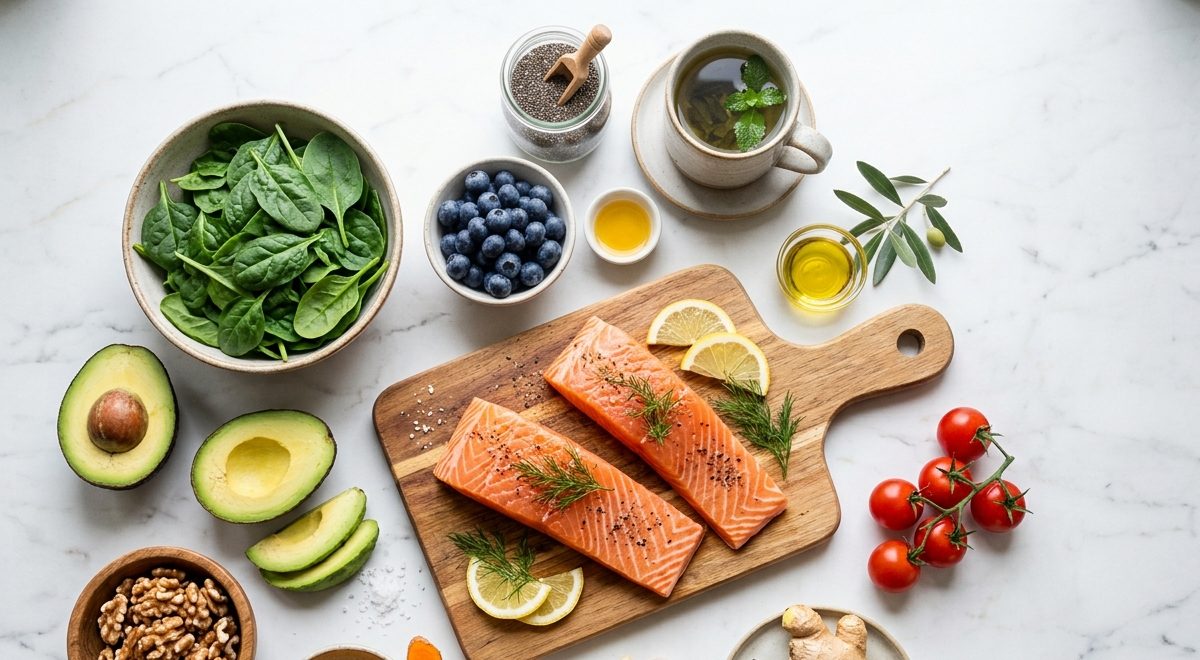
1. Fatty Fish Rich in Omega-3 Fatty Acids

Fatty fish are among the most well-researched anti-inflammatory foods.

Fish such as salmon, sardines, mackerel, trout, and herring contain high amounts of omega-3 fatty acids, particularly EPA (eicosapentaenoic acid) and DHA (docosahexaenoic acid). These healthy fats help regulate the body’s inflammatory response and may reduce the production of certain inflammatory molecules.

Regular consumption of fatty fish has been associated with a lower risk of several chronic conditions, including heart disease and certain inflammatory disorders.

Excellent choices include:

  • Salmon
  • Sardines
  • Mackerel
  • Trout
  • Herring
  • Anchovies

Experts often recommend eating fatty fish at least twice per week as part of a balanced diet.
2. Colorful Berries Packed With Antioxidants

Berries are small but incredibly nutrient-dense fruits loaded with vitamins, fiber, and natural plant compounds known as antioxidants.

Blueberries, strawberries, raspberries, and blackberries contain compounds called anthocyanins, which give them their vibrant colors. These antioxidants help protect cells from oxidative stress and may reduce inflammatory activity throughout the body.

Eating a variety of berries regularly may support:

  • Heart health
  • Brain function
  • Healthy aging
  • Immune function
  • Blood sugar balance

Fresh or frozen berries both provide valuable nutrients and can easily be added to oatmeal, yogurt, smoothies, or salads.
3. Leafy Green Vegetables

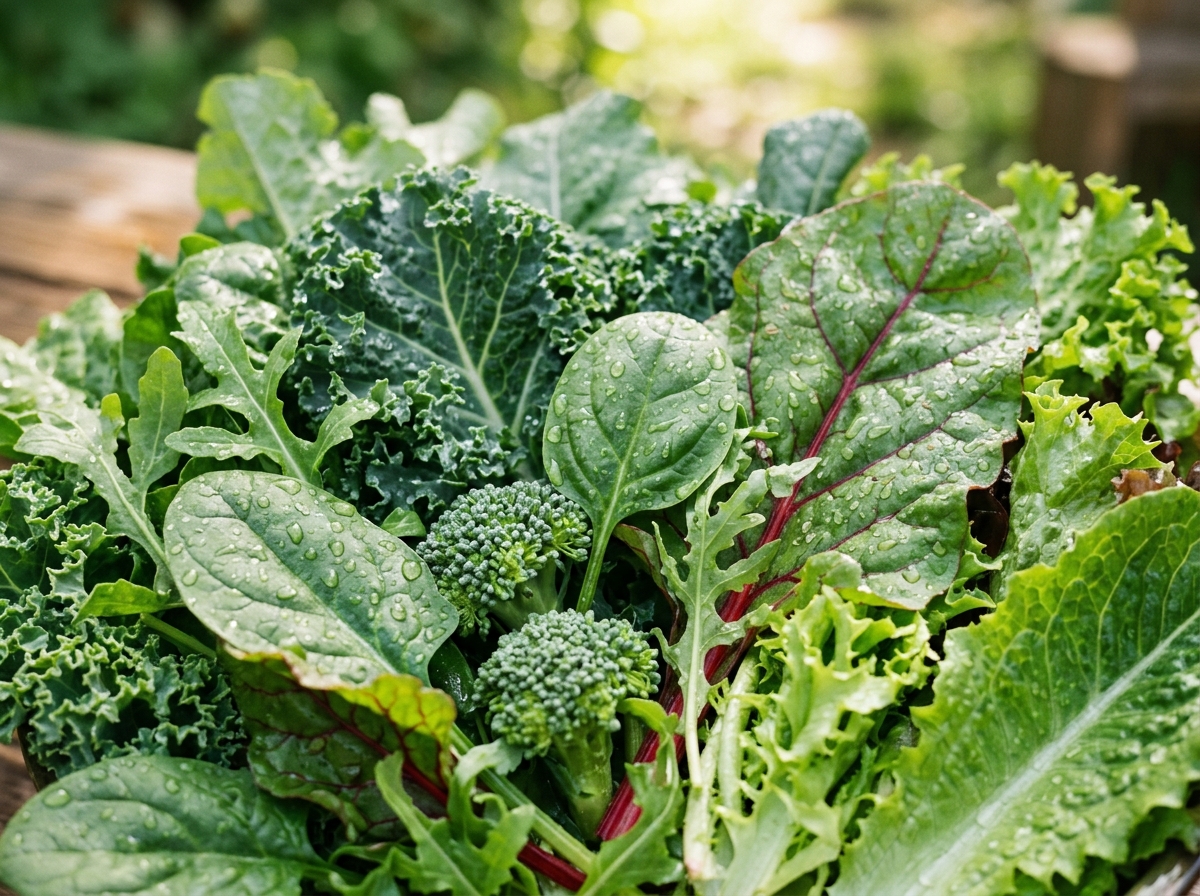
Dark leafy greens are among the healthiest foods you can eat every day.

Vegetables such as spinach, kale, Swiss chard, collard greens, and arugula are rich in:

  • Vitamin A
  • Vitamin C
  • Vitamin K
  • Folate
  • Magnesium
  • Potassium
  • Fiber
  • Natural antioxidants

These nutrients help support normal immune function while protecting cells from oxidative damage.

Higher vegetable intake has consistently been associated with a lower risk of many chronic diseases.

Aim to include at least one serving of leafy greens in your daily meals whenever possible.

Examples include:

  • Spinach
  • Kale
  • Swiss chard
  • Romaine lettuce
  • Collard greens
  • Mustard greens

4. Extra Virgin Olive Oil

Extra virgin olive oil is one of the key components of the Mediterranean diet, one of the world’s healthiest eating patterns.

Unlike highly refined oils, extra virgin olive oil contains beneficial plant compounds called polyphenols, along with healthy monounsaturated fats.

Research suggests these compounds may help reduce inflammation while supporting heart health and healthy cholesterol levels.

Ways to include olive oil:

  • Salad dressings
  • Roasted vegetables
  • Whole-grain pasta
  • Homemade marinades
  • Dipping whole-grain bread

Choose extra virgin olive oil whenever possible, as it contains the highest levels of beneficial antioxidants.

5. Nuts and Seeds

Nuts and seeds provide healthy fats, protein, fiber, vitamins, minerals, and antioxidants that may help reduce inflammation.

Some of the best options include:

  • Walnuts
  • Almonds
  • Pistachios
  • Chia seeds
  • Flaxseeds
  • Pumpkin seeds
  • Sunflower seeds

Walnuts are particularly rich in plant-based omega-3 fatty acids, while flaxseeds and chia seeds provide alpha-linolenic acid (ALA), another beneficial omega-3 fat.

Eating a small handful of unsalted nuts as a snack or adding seeds to yogurt, oatmeal, or smoothies can be an easy way to increase your intake.

Top Anti-Inflammatory Foods at a Glance

FoodKey NutrientsPotential Benefits
SalmonOmega-3 fatsSupports heart and joint health
BlueberriesAnthocyaninsRich in antioxidants
SpinachVitamins A, C & KSupports immune health
Olive OilPolyphenolsMay help reduce inflammation
WalnutsHealthy fatsSupports heart and brain health
Chia SeedsFiber & Omega-3Supports digestion and heart health
KaleAntioxidantsNutrient-dense leafy green
StrawberriesVitamin CSupports immune function

Daily Habits That Can Help Reduce Inflammation

Food is important, but healthy lifestyle habits also play a major role.

Try to:

  • Eat more whole foods.
  • Limit ultra-processed foods.
  • Stay physically active.
  • Drink enough water every day.
  • Sleep 7–9 hours each night.
  • Manage stress through relaxation techniques.
  • Avoid smoking.
  • Limit sugary beverages.

These habits work together with a healthy diet to support your body’s natural inflammatory response.

6. Turmeric: One of Nature's Most Powerful Anti-Inflammatory Spices

Turmeric has been used for thousands of years in traditional medicine and is now one of the most extensively studied spices for its potential anti-inflammatory properties.

The bright yellow color of turmeric comes from curcumin, a natural compound that has been widely researched for its antioxidant and anti-inflammatory effects.

Research suggests that curcumin may help regulate inflammatory pathways inside the body and reduce the production of certain inflammatory molecules. Scientists are continuing to study its role in supporting joint health, brain function, heart health, and metabolic health.

However, curcumin is not easily absorbed by the body on its own. Combining turmeric with black pepper, which contains a compound called piperine, may significantly improve curcumin absorption.

Easy ways to enjoy turmeric include:

  • Add it to soups and stews.
  • Mix it into curries.
  • Sprinkle it over roasted vegetables.
  • Blend it into smoothies.
  • Make warm turmeric milk with low-fat or plant-based milk.

You may also like:

  • How Hormones Affect Health and Weight
  • Signs Your Gut Health Is Poor

7. Tomatoes: Rich in Lycopene and Protective Antioxidants

omatoes are packed with nutrients that support overall health, including vitamin C, potassium, folate, and one of their most famous compounds—lycopene.

Lycopene is a powerful antioxidant that helps protect cells from oxidative stress, which is closely linked to chronic inflammation and many long-term diseases.

Interestingly, cooked tomatoes often provide more absorbable lycopene than raw tomatoes. Foods such as tomato sauce, tomato soup, and cooked tomato-based dishes may therefore offer additional nutritional benefits.

Tomatoes can easily be included in:

  • Fresh salads
  • Sandwiches
  • Whole-grain wraps
  • Homemade pasta sauces
  • Vegetable soups
  • Mediterranean-style meals

Including tomatoes regularly adds both flavor and important protective nutrients to your diet.

8. Avocados: Healthy Fats That Support Whole-Body Wellness

Avocados are one of the most nutrient-dense fruits available.

Unlike most fruits, avocados are naturally rich in healthy monounsaturated fats, which are associated with improved heart health and may help reduce inflammatory activity.

They also provide:

  • Potassium
  • Magnesium
  • Vitamin E
  • Vitamin K
  • Folate
  • Fiber

The combination of healthy fats and fiber makes avocados highly satisfying and may help support healthy weight management.

Some easy ways to enjoy avocados include:

  • Spread on whole-grain toast
  • Added to salads
  • Blended into smoothies
  • Homemade guacamole
  • Sliced into sandwiches
  • Added to grain bowls

9. Green Tea: A Simple Daily Habit With Powerful Benefits

Green tea has been consumed for centuries and remains one of the healthiest beverages in the world.

It contains natural plant compounds called catechins, particularly EGCG (epigallocatechin gallate), which has been studied for its antioxidant properties.

Drinking green tea regularly may support:

  • Healthy metabolism
  • Heart health
  • Brain function
  • Healthy aging
  • Cellular protection

Unlike sugary beverages, unsweetened green tea provides hydration without added calories.

For the greatest health benefits, choose unsweetened green tea and limit added sugar or flavored syrups.

10. Garlic and Onions

Garlic and onions belong to the allium family of vegetables and contain sulfur-containing compounds that have attracted significant scientific interest.

Garlic contains a compound called allicin, which forms when fresh garlic is chopped or crushed.

Research suggests garlic may support:

  • Heart health
  • Healthy immune function
  • Normal blood pressure
  • Healthy cholesterol levels
  • The body’s natural inflammatory response

Onions also contain beneficial antioxidants such as quercetin, which may help protect cells from oxidative stress.

Adding garlic and onions to home-cooked meals is one of the easiest ways to increase flavor while improving nutritional quality

11. Ginger: A Traditional Root With Modern Scientific Interest

Ginger has long been used around the world as both a spice and a traditional remedy.

Today, researchers continue to study compounds within ginger, including gingerol, for their antioxidant and anti-inflammatory properties.

Ginger may support:

  • Healthy digestion
  • Reduced nausea
  • Joint comfort
  • Immune health
  • Overall wellness

Fresh ginger can easily be added to:

  • Herbal tea
  • Smoothies
  • Stir-fries
  • Soups
  • Rice dishes
  • Homemade dressings

Its warm, slightly spicy flavor makes it one of the most versatile anti-inflammatory foods.

12. Dark Chocolate (In Moderation)

Good news for chocolate lovers—dark chocolate can fit into a healthy diet when enjoyed in moderation.

Dark chocolate contains natural compounds known as flavanols, which have antioxidant properties that may support heart health.

When choosing dark chocolate:

  • Look for at least 70% cocoa
  • Choose products with less added sugar
  • Enjoy small portions

While dark chocolate contains beneficial compounds, it is still calorie-dense, so moderation remains important.

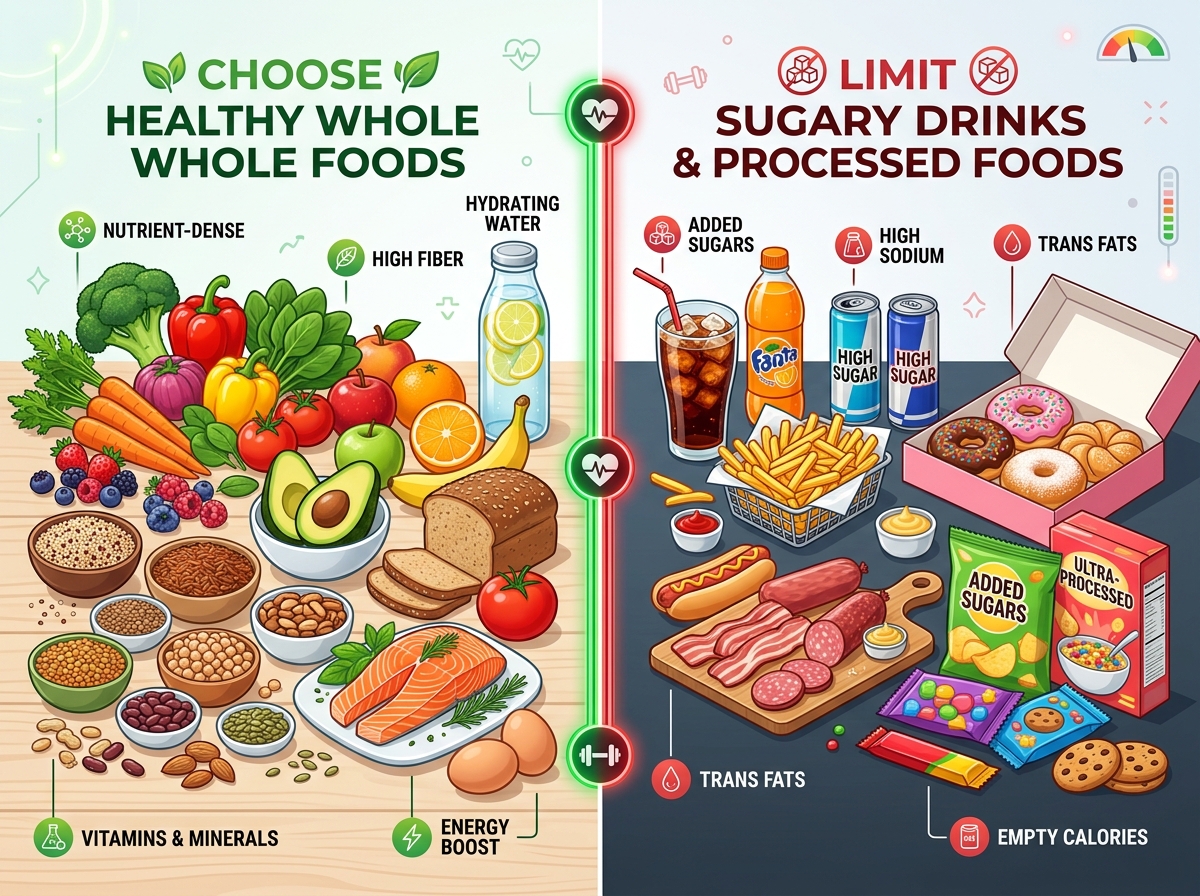
Foods That May Promote Inflammation

Just as certain foods may help support your body’s natural inflammatory response, others may contribute to chronic inflammation when consumed frequently.

Try to limit:

  • Sugar-sweetened beverages
  • Highly processed snacks
  • Refined white bread
  • Cakes and pastries
  • Candy
  • Deep-fried foods
  • Processed meats
  • Excessive alcohol
  • Foods high in trans fats
  • Highly processed fast foods

Occasional treats can still fit within a balanced lifestyle, but building most meals around whole foods is generally recommended.
Anti-Inflammatory Foods vs Pro-Inflammatory Foods


Eat More OftenLimit More Often
Fatty fishSugary drinks
BerriesCandy
Leafy greensWhite bread
Olive oilDeep-fried foods
AvocadosProcessed meats
NutsFast food
SeedsPackaged pastries
Green teaExcess alcohol
TomatoesHighly processed snacks
Garlic & GingerTrans-fat-containing foods

Sample One-Day Anti-Inflammatory Meal Plan

Breakfast

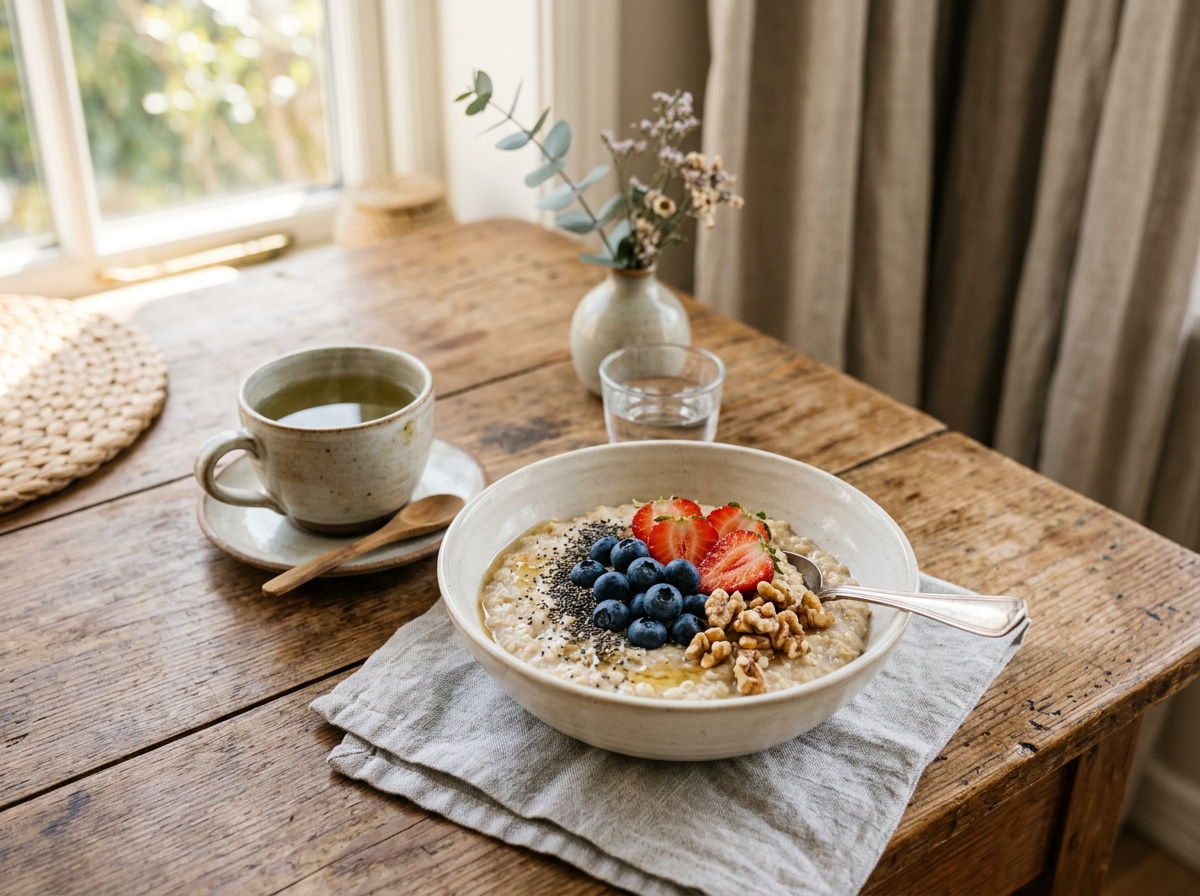
  • Oatmeal topped with blueberries, strawberries, walnuts, and chia seeds
  • Unsweetened green tea

Morning Snack

  • Apple slices with almond butter

Lunch

  • Grilled salmon
  • Mixed leafy green salad
  • Tomatoes
  • Cucumbers
  • Olive oil and lemon dressing
  • Quinoa

Afternoon Snack

  • Plain Greek yogurt with raspberries

Dinner

  • Grilled chicken or baked trout
  • Roasted broccoli
  • Sweet potato
  • Steamed spinach cooked with garlic and olive oil

Evening Snack (Optional)

  • Small piece of dark chocolate (70% cocoa or higher)

Healthy Lifestyle Habits That Work Together With an Anti-Inflammatory Diet

Nutrition is only one part of the picture.

Other healthy habits that may help support your body’s normal inflammatory response include:

  • Walking at least 30 minutes most days.
  • Maintaining a healthy weight.
  • Sleeping 7–9 hours each night.
  • Managing stress through meditation, deep breathing, or yoga.
  • Staying hydrated.
  • Avoiding tobacco products.
  • Limiting alcohol consumption.
  • Exercising regularly.

When combined, these habits create a strong foundation for long-term health.

Frequently Asked Questions

Can food really reduce inflammation?

Yes. While no single food can cure chronic inflammation, eating a balanced diet rich in whole, minimally processed foods may help support your body’s normal inflammatory response. Foods containing antioxidants, fiber, healthy fats, vitamins, and minerals may help protect cells from oxidative stress and support overall health.


How long does it take for an anti-inflammatory diet to work?

The timeline varies from person to person. Some people notice improvements in energy levels, digestion, or overall well-being within a few weeks of consistently eating healthier foods. Long-term benefits often develop gradually as healthy eating becomes a regular habit.


Which foods are considered the most anti-inflammatory?

Some of the most nutrient-rich choices include:

  • Salmon
  • Sardines
  • Blueberries
  • Strawberries
  • Spinach
  • Kale
  • Broccoli
  • Extra virgin olive oil
  • Walnuts
  • Chia seeds
  • Flaxseeds
  • Avocados
  • Tomatoes
  • Garlic
  • Ginger
  • Turmeric
  • Green tea

Eating a variety of these foods provides a broader range of nutrients than relying on just one “superfood.”


Are all inflammatory foods unhealthy?

Not necessarily. Inflammation is a normal biological process, and foods affect people differently. However, diets consistently high in ultra-processed foods, sugary beverages, trans fats, and refined carbohydrates have been associated with poorer overall health. Moderation and balance are generally more sustainable than strict elimination.


Is the Mediterranean diet anti-inflammatory?

Yes. The Mediterranean diet is widely recognized as one of the healthiest eating patterns in the world.

It emphasizes:

  • Fruits
  • Vegetables
  • Whole grains
  • Beans and legumes
  • Olive oil
  • Fish
  • Nuts
  • Seeds

This eating pattern has been associated with improved heart health and overall wellness.


Can anti-inflammatory foods help with arthritis?

Some research suggests that healthy eating patterns rich in anti-inflammatory foods may help support overall joint health. However, diet should not replace medical treatment. People with arthritis should follow the advice of their healthcare provider regarding medications, exercise, and nutrition.


Do anti-inflammatory foods help with weight loss?

Many anti-inflammatory foods are naturally high in fiber, healthy fats, and protein, making them satisfying and nutrient-dense. These qualities may support healthy weight management when combined with regular physical activity and an overall balanced eating pattern.


Can children eat an anti-inflammatory diet?

Yes. An anti-inflammatory eating pattern is essentially a healthy, balanced diet that includes fruits, vegetables, whole grains, lean proteins, healthy fats, and minimally processed foods. These foods are appropriate for most children, though individual dietary needs may vary.

Daily Anti-Inflammatory Checklist

Small, consistent improvements often have a greater long-term impact than drastic short-term changes.

Building healthy habits doesn’t have to be complicated. Use this simple checklist as a daily guide.

✅ Eat at least 5 servings of fruits and vegetables.

✅ Include one serving of leafy greens.

✅ Eat healthy fats like olive oil or avocado.
✅ Add nuts or seeds to a snack or meal.

✅ Choose whole grains instead of refined grains.

✅ Drink plenty of water throughout the day.

✅ Limit sugary drinks and processed snacks.

✅ Include fatty fish at least twice per week.

✅ Flavor meals with herbs and spices such as garlic, ginger, and turmeric.

✅ Get at least 30 minutes of physical activity.

Anti-Inflammatory Diet: Myths vs. Facts

MythFact
One food can cure inflammation.No single food can cure inflammation. Overall dietary patterns matter most.
You need expensive “superfoods” to be healthy.Everyday foods like oats, berries, beans, spinach, and olive oil are excellent choices.
All fats cause inflammation.Healthy unsaturated fats from fish, nuts, seeds, and olive oil can be part of an anti-inflammatory diet.
Supplements work better than whole foods.Whole foods provide fiber, vitamins, minerals, and beneficial plant compounds that supplements often cannot fully replace.
You must completely eliminate all treats.Enjoying occasional treats in moderation can fit into a balanced, healthy lifestyle.
Anti-inflammatory eating is only for older adults.Healthy eating benefits people of all ages and supports lifelong wellness.

Related Articles You May Also Like

Continue learning with these helpful health guides:

  • Walking 30 Minutes a Day Benefits: What Happens to Your Body When You Walk Daily?
  • How Much Water Should You Drink to Lose Weight?
  • Healthy Lifestyle Tips in 2026
  • Slow Metabolism and Weight Gain Explained
  • Signs Your Gut Health Is Poor
  • Natural Remedies for Constipation
  • How Hormones Affect Health and Weight
  • Prediabetes: Causes, Symptoms, and Prevention
  • Fatty Liver: Causes, Symptoms, and Treatment
  • Morning Habits for High Energy
  • What Your Body Is Trying to Tell You
  • Why You Feel Tired All the Time

Interlinking these articles helps readers explore related topics while strengthening your website’s topical authority for search engines.

Conclusion

Inflammation is a natural part of the body’s defense system, but when it becomes chronic, it may contribute to the development of numerous long-term health conditions. Fortunately, one of the most effective ways to support your health is through the choices you make every day—especially the foods you eat.

A diet centered on colorful fruits and vegetables, leafy greens, fatty fish, whole grains, legumes, nuts, seeds, olive oil, herbs, and spices provides your body with essential nutrients and protective plant compounds that support overall wellness.

At the same time, reducing your intake of highly processed foods, sugary beverages, and unhealthy fats can help create a healthier dietary pattern.

Remember, lasting health is built through consistent habits rather than perfection. Even small improvements—such as adding an extra serving of vegetables, choosing water instead of soda, or cooking with olive oil instead of butter—can contribute to better health over time.

By combining an anti-inflammatory eating pattern with regular physical activity, sufficient sleep, stress management, and proper hydration, you can build a sustainable lifestyle that supports your body today and for years to come.

Picture of Ethan Strong

Ethan Strong

I am a dynamic force in the realm of health and fitness, driven by a lifelong passion for wellness. With a background in health sciences and nutrition, I have emerged as a respected authority, dedicated to empowering others on their journey to optimal well-being. Through engaging community initiatives and curated content, I share expert advice, inspiring success stories, and top-quality supplements to support diverse health goals. My unwavering commitment to fostering positive change continues to leave a lasting impact, inspiring individuals to embrace healthier lifestyles and unlock their fullest potential.

Related Posts

Leave a Reply

Your email address will not be published. Required fields are marked *