
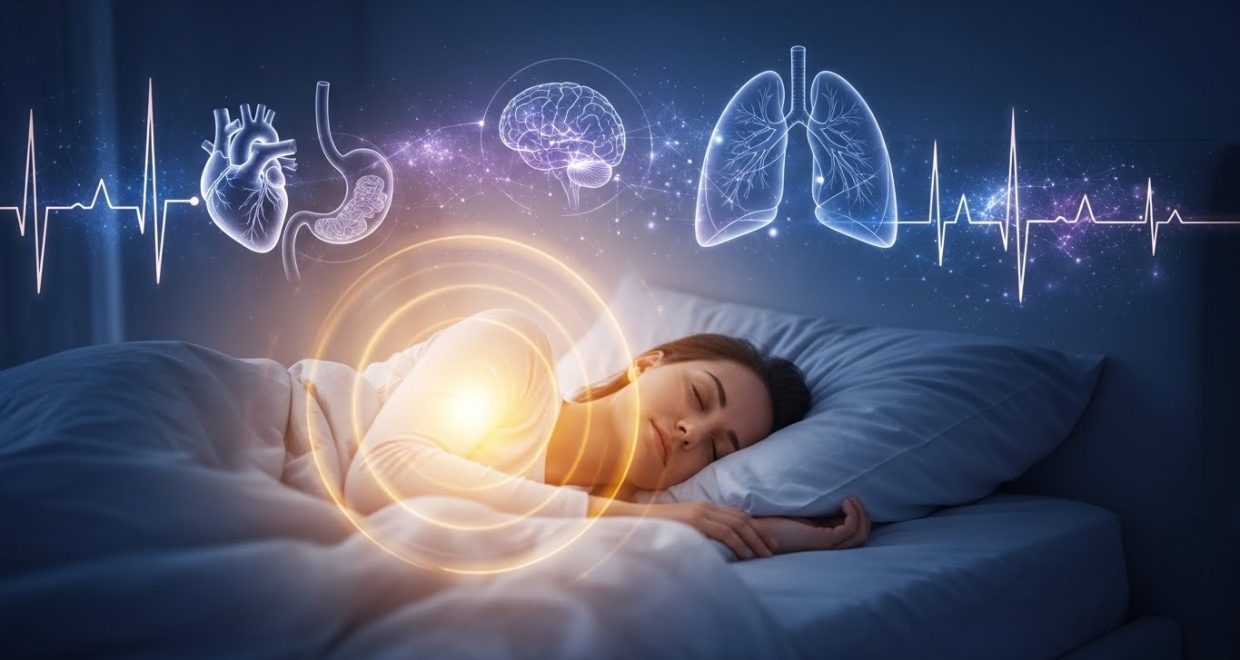
The Connection Between Sleep and Overall Health
Sleep is one of the most essential biological functions for human survival, yet it remains the most underestimated pillar of health. In a world increasingly shaped by technology, stress, irregular routines, and high productivity demands, millions of people sacrifice sleep without realizing the immense consequences. Sleep is not simply “rest”; it is a highly active and restorative process during which the body repairs tissues, strengthens the immune system, regulates hormones, consolidates memories, and restores mental clarity. Every system in the body—from the cardiovascular to the neurological, metabolic, emotional, and immune systems—depends on high-quality sleep to function optimally.
Scientific research over the past two decades has revealed that sleep deprivation contributes to a wide range of chronic health issues, including heart disease, obesity, diabetes, depression, weakened immunity, hormonal imbalance, and cognitive decline. Similarly, quality sleep enhances longevity, mental performance, mood stability, productivity, athletic performance, and disease resistance. Understanding the deep and complex relationship between sleep and health is crucial not only for improving daily performance but also for preventing long-term health risks.
This comprehensive article explores how sleep affects physical, emotional, and mental health, backed by scientific mechanisms, comparisons, tables, charts, pros and cons, and practical insights. Perfect for websites, health blogs, and informational content, this SEO-optimized guide dives into all aspects of sleep and overall well-being.
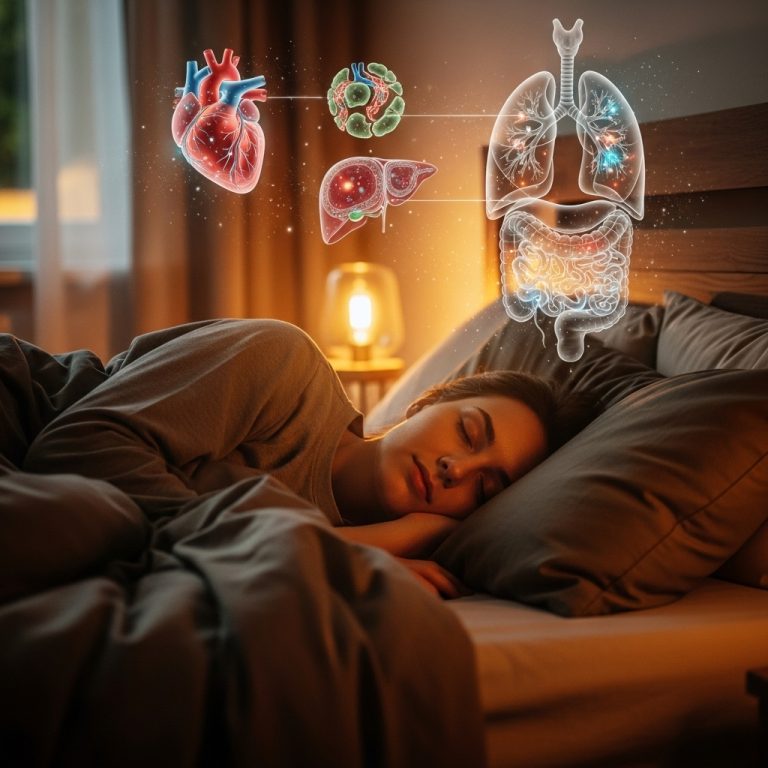
Understanding Sleep — What Happens When We Sleep?
Sleep is not a passive shutdown; it is a complex biological process involving multiple brain regions, chemical signals, and body systems working together to restore balance. The sleep cycle consists of two major phases—NREM (Non-Rapid Eye Movement) and REM (Rapid Eye Movement). Each plays a critical role in physical restoration and mental recovery.
The Physiology of Sleep
Sleep is not a passive state but a highly active biological process involving multiple systems:
Nervous system: controls sleep cycles through neurotransmitters like GABA, melatonin, and adenosine.
Endocrine system: regulates hormones like cortisol, growth hormone, leptin, and ghrelin.
Immune system: becomes more active during sleep, repairing tissues and fighting pathogens.
Cardiovascular system: slows heart rate and blood pressure for restorative rest.
Sleep occurs in two major phases:
1:Non-REM Sleep (NREM)
Stage 1 — Light Sleep
During the first few minutes of sleep, the body transitions from wakefulness to light sleep. Muscles begin to relax, eye movement slows, and brain waves shift from alpha to theta frequencies. Although this stage is brief, it acts as the foundation for deeper sleep phases. Poor sleepers often spend excessive time in Stage 1 due to stress, anxiety, or environmental disturbances.
Stage 2 — Preparation for Deep Sleep
Stage 2 is where the body prepares for deep restoration. Heart rate slows, body temperature drops, and brain waves display sleep spindles—short bursts of activity that protect the brain from external disturbances. This stage forms the largest percentage of total sleep in a healthy adult. It improves learning, stabilizes mood, and supports information processing.
Stage 3 — Deep Sleep (Slow-Wave Sleep)
Slow-wave sleep is the most critical phase for physical regeneration. During deep sleep, the brain produces slow delta waves, and the body releases growth hormone necessary for tissue repair, muscle building, cell regeneration, and overall healing. The immune system becomes highly active, fighting infections and strengthening defenses. Deep sleep also plays a key role in memory consolidation, helping convert short-term memories into long-term storage.
A lack of deep sleep increases vulnerability to infections, slows physical recovery, weakens concentration, and elevates risks of chronic diseases.
2: REM Sleep (Rapid Eye Movement)
REM sleep typically occurs after 90 minutes of sleep and becomes longer in later sleep cycles. Brain activity during REM is similar to wakefulness, yet the body remains temporarily paralyzed to prevent acting out dreams. During this stage:
Emotional memory is processed
Learning and creativity improve
Stress hormones stabilize
The brain organizes information acquired during the day
Dreaming helps regulate mood
Insufficient REM sleep is linked with irritability, emotional instability, anxiety, and difficulty concentrating
Circadian Rhythms and Sleep Regulation
The body’s internal clock, the circadian rhythm, regulates:
Sleep–wake cycles
Hormone release
Body temperature
Metabolism
Light is the primary external stimulus controlling circadian rhythm. Exposure to morning sunlight boosts cortisol and wakefulness, while darkness triggers melatonin production.
3 The Sleep Cycle: How It Repeats Through the Night
A complete sleep cycle lasts approximately 90–110 minutes and repeats 4–6 times per night. Each cycle transitions from light sleep to deep sleep and ends with REM sleep. High-quality sleep includes smooth transitions among these phases. Disrupted or fragmented sleep interferes with hormonal balance, metabolism, immune function, and emotional health.
Circadian Rhythm Disruptors:
Circadian rhythm is the 24-hour biological clock that regulates the sleep-wake cycle, appetite, hormone release, digestion, and body temperature. It is primarily influenced by natural light and darkness. Exposure to morning sunlight boosts cortisol, creating alertness, while darkness stimulates melatonin production, preparing the body for rest.
Disruptions—such as late-night screen use, irregular sleep schedules, or nighttime eating—confuse the circadian rhythm and impair overall health.
How Sleep Affects Physical Health
Sleep influences nearly every organ system in the human body. Lack of sleep doesn’t just cause tiredness—it impacts heart health, weight management, immune system strength, hormonal balance, metabolism, and even lifespan.
Sleep and Brain Health
Cognitive Function and Memory
Adequate sleep is essential for learning, focus, problem-solving, creativity, and decision-making. During sleep, the brain organizes and stores information gathered throughout the day, turning experiences into long-term memory. Without proper sleep, cognitive performance drastically declines, leading to poor concentration, reduced reaction time, and increased mistakes.
Neurodegenerative Diseases
Research shows that during deep sleep, the brain activates the glymphatic system, which removes toxic proteins like beta-amyloid—the same substance linked to Alzheimer’s disease. People who consistently sleep less than 6 hours have a significantly higher likelihood of developing dementia or cognitive decline later in life.
Sleep and Heart Health
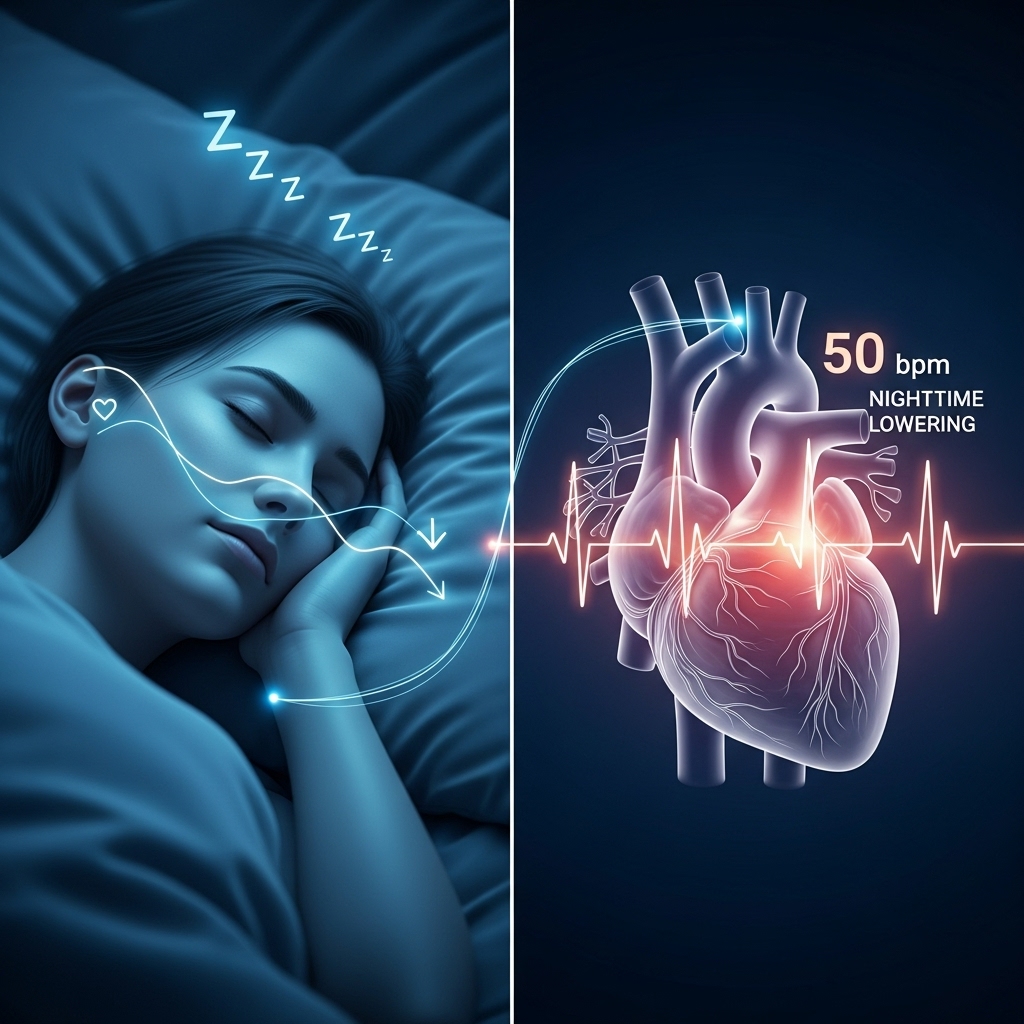
Sleep is directly linked to cardiovascular health. During deep sleep, blood pressure drops, heart rate slows, and blood vessels relax. This nightly “rest period” allows the heart to recover from daytime stress. Chronic sleep deprivation increases inflammation, hardens arteries, causes hormonal imbalances, and raises blood pressure.
People who sleep under 6 hours per night have significantly higher risks of:
Heart attack
Stroke
Hypertension
Arrhythmia
Coronary artery disease
Sleep and the Immune System
During sleep—especially deep sleep—the immune system becomes highly active. It produces cytokines, strengthens T-cells, and increases the effectiveness of antibodies. When sleep is compromised, the immune system weakens, making the body more susceptible to infections, viruses, inflammation, and slower recovery.
People who sleep less than 6 hours are four times more likely to catch the flu or common cold.
Sleep and Hormonal Balance
Sleep controls multiple hormones:
Cortisol: Stress hormone that decreases at night
Leptin: Signals fullness
Ghrelin: Stimulates hunger
Growth Hormone: Responsible for cell repair
Insulin: Regulates blood sugar
When sleep is deprived, cortisol stays elevated, appetite hormones misfire, and insulin sensitivity drops—leading to increased hunger, weight gain, and increased diabetes risk.
Sleep, Weight & Metabolism
Poor sleep disrupts metabolism in several ways:
Increases hunger
Boosts cravings for sugary and fatty foods
Reduces self-control and decision-making
Slows down calorie burning
Encourages fat storage
Reduces physical activity levels
People who sleep less tend to eat more calories, choose unhealthier foods, and have slower metabolism—making weight management extremely difficult.
Sleep and Longevity
Multiple studies show that people who consistently sleep 7–8 hours have the highest life expectancy. Both short sleep (under 6 hours) and oversleeping (over 9–10 hours) are linked to chronic diseases, depression, and reduced lifespan. Sleep quality matters as much as quantity; fragmented sleep accelerates cellular aging by shortening telomeres—the protective caps on DNA.
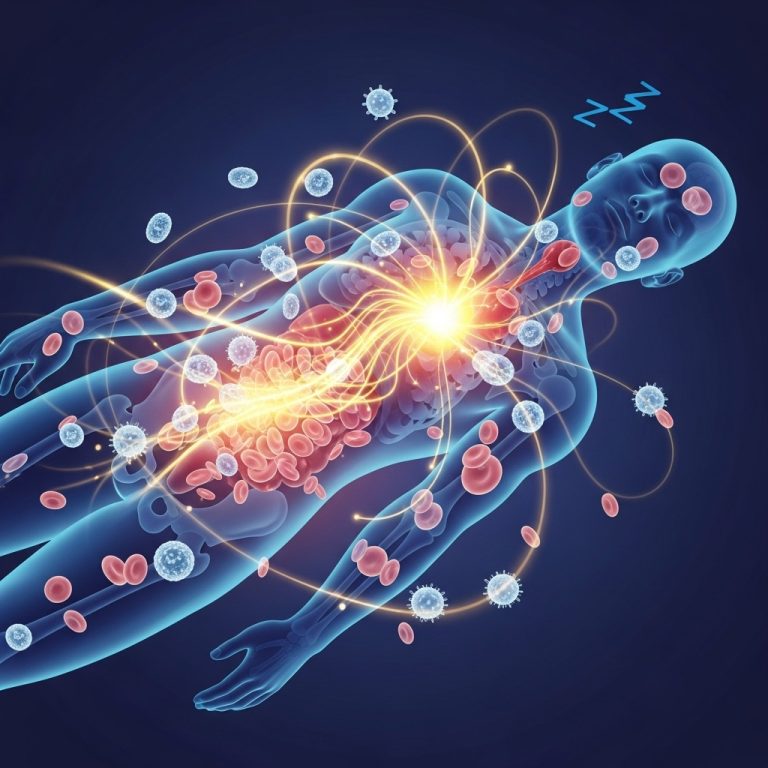
How Sleep Impacts Mental & Emotional Health
Emotional Stability and Mood Regulation
Adequate sleep allows the brain to regulate emotions and respond appropriately to stress. Sleep deprivation amplifies negative emotions, reduces empathy, and increases irritability. People who sleep poorly often experience mood swings, difficulty controlling anger, and heightened emotional sensitivity.
Stress Management
Sleep reduces cortisol levels, allowing the body to relax and recover. Poor sleep increases stress hormones, creating a cycle of anxiety, tension, restlessness, and mental fatigue. Over time, chronic stress and chronic sleep deprivation feed into each other, leading to burnout.
Mental Health Disorders and Sleep
Sleep disorders are closely linked to mental health conditions such as:
Depression
Anxiety
PTSD
Bipolar disorder
ADHD
In many cases, sleep problems appear before the onset of mental health issues, making them a strong predictor of psychological decline.
Sleep Disorders and Their Impact on Health
.1 Insomnia
Characterized by difficulty falling or staying asleep. Long-term effects include:
Poor concentration
Mood disorders
Increased inflammation
Higher healthcare costs
.2 Sleep Apnea
A serious condition causing breathing interruptions during sleep.
Health consequences:
Hypertension
Heart disease
Stroke
Excessive daytime sleepiness
.3 Restless Leg Syndrome (RLS)
Creates uncomfortable sensations, leading to poor sleep and fatigue.
.4 Narcolepsy
A neurological disorder causing excessive daytime sleepiness and sudden sleep episodes.
Lifestyle, Technology, and Environmental Factors Affecting Sleep

Diet and Sleep
Foods that improve sleep:
Kiwi
Almonds
Tart cherries
Milk
Oatmeal
Foods that disrupt sleep:
Caffeine
Sugar
Spicy foods
Heavy meals late at night
Technology and Blue Light
Blue light suppresses melatonin production.
Worst offenders:
Mobile phones
Laptops
LED screens at night
Strategies to reduce impact:
Night-mode / blue-light filters
Screen-free time before bed
Warm lighting in the evening
Bedroom Environment
Good sleep environment includes:
Cool temperature (18–21°C)
Darkness
Quiet atmosphere
Comfortable mattress & pillows
Data-Backed Comparisons
Comparison: Good Sleep vs Poor Sleep
| Factor | Good Sleep (7–9 hrs) | Poor Sleep (<6 hrs) |
|---|---|---|
| Mood | Stable, positive | Irritable, anxious |
| Productivity | High | Low |
| Weight | Balanced hormones | Increased hunger |
| Heart health | Lower risk | Higher risk |
| Immunity | Strong | Weak |
| Cognitive ability | Sharp | Declined |
Comparison: Napping vs Full-Night Sleep
| Criteria | Napping | Full Night Sleep |
|---|---|---|
| Duration | Short (10–30 mins) | 7–9 hours |
| Benefits | Boosts alertness | Full body recovery |
| Limitations | Can disrupt nighttime sleep | None |
| Cognitive impact | Temporary boost | Long-term benefits |
| Health impact | Limited | Essential |
Pros & Cons of Sleep Practices
Pros of Good Sleep
Enhanced cognitive performance
Stronger immune function
Better emotional well-being
Lower disease risk
Improved weight control
Better skin health
Longer life expectancy
Cons of Poor Sleep
Brain fog and poor decision-making
Higher risk of obesity
Increased chance of chronic diseases
Impaired immunity
Higher stress levels
Risk of accidents
Relationship difficulties
Pros & Cons of Common Sleep Aids
| Aid | Pros | Cons |
|---|---|---|
| Melatonin | Regulates sleep cycles | Tolerance develops |
| Sleeping pills | Immediate relief | Dependency risk |
| Magnesium | Natural relaxation | Mild effect only |
| Herbal teas | Safe & calming | Slow, subtle effect |
Improving Sleep Quality
1: Sleep Hygiene Tips
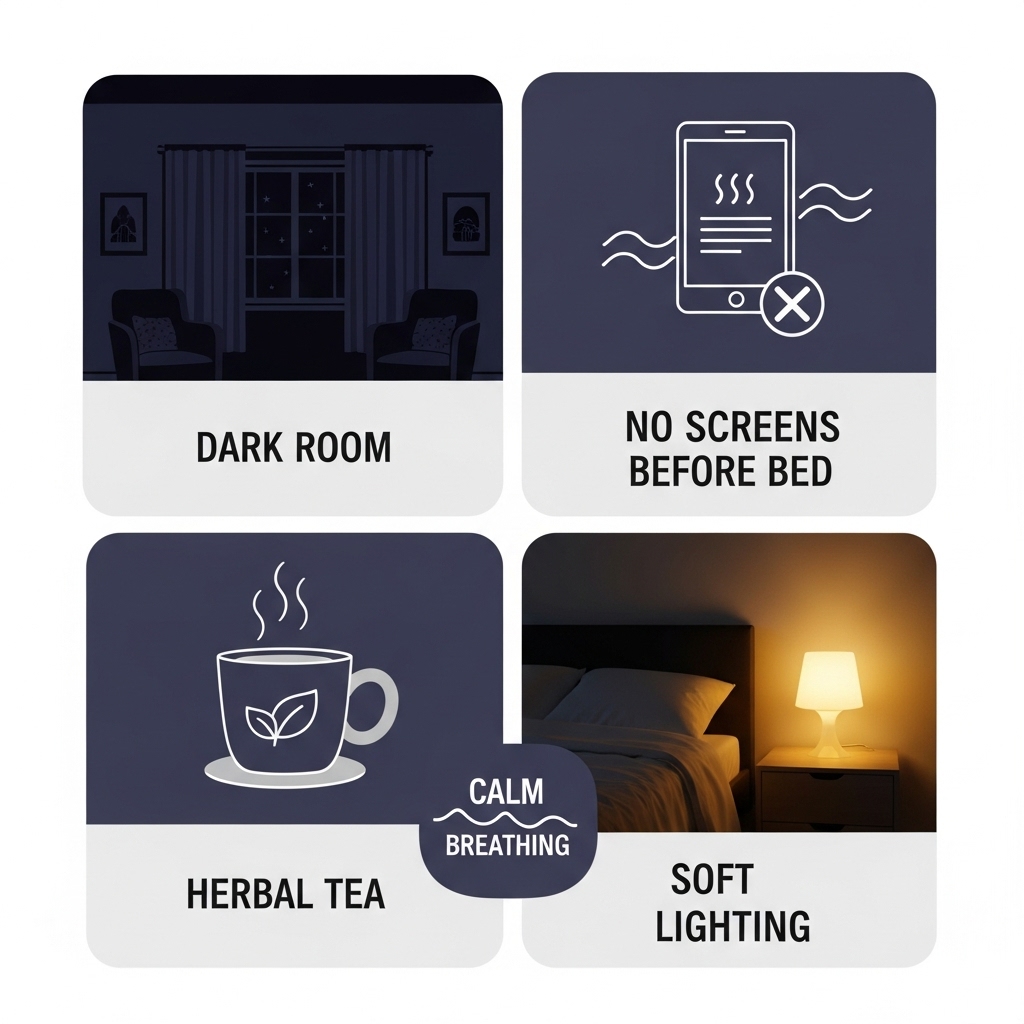
Fixed sleep schedule
Avoid caffeine after 4 PM
Reduce screen time
Warm shower before bed
Keep room cool and dark
2: Psychological Methods
Meditation
Breathing techniques
Cognitive Behavioral Therapy for Insomnia (CBT-I)
3: Biological Optimization
Morning sunlight
Physical exercise (not late at night)
Balanced diet
Avoid long naps
4 Technology for Better Sleep
Use:
Blue-light filters
White noise machines
Smart alarms
Sleep tracking apps
Sleep is the foundation of physical, emotional, and mental health. It influences nearly every system of the body, from brain function to hormonal balance, immune strength, metabolism, and longevity. Prioritizing sleep is not just about feeling rested—it is about preventing disease, improving cognitive performance, protecting emotional well-being, and enhancing quality of life.
Getting consistent, high-quality sleep is one of the most powerful health habits anyone can build. By understanding how sleep works and how deeply it impacts the body, individuals can make informed choices that support long-term well-being.
How Quality Sleep Improves Physical Wellness

Quality sleep is one of the most powerful contributors to physical wellness, yet it remains one of the most overlooked aspects of healthy living. While many people focus on diet, exercise, and supplements, sleep is the foundational pillar that supports every biological system in the human body. When we sleep, the body triggers complex processes related to cellular repair, immune reinforcement, hormone regulation, cardiovascular stability, and metabolic balance. Far from being a passive activity, sleep is an active state of restoration, renewal, and optimization. Below is a detailed, comprehensive breakdown of how high-quality sleep enhances physical health in ways essential for long-term wellbeing.
1. Sleep Supports Muscle Recovery and Tissue Repair
During deep sleep (especially Stage N3), the body enters its most intensive repair phase. Growth hormone—crucial for muscle development, healing, and cell regeneration—peaks during this time. For athletes, bodybuilders, and anyone engaged in regular physical activity, deep sleep determines how effectively the muscles recover, rebuild, and strengthen after workouts.
When sleep quality is poor, muscle fatigue lingers, microtears take longer to heal, and performance declines. Even individuals who do not exercise regularly experience slower tissue repair when sleep is inadequate. Wounds heal slower, inflammation increases, and soreness persists longer. Quality sleep therefore functions like a natural recovery supplement, enhancing both mobility and strength while minimizing injury risk.
2. Sleep Strengthens the Immune System
Lorem ipsum dolor sit amet, consectetur adipiscing elit. Ut elit tellus, luctus nec ullamcorper mattis, p
Quality sleep plays a direct role in the body’s ability to defend itself against viruses, bacteria, and chronic disease. During sleep, the immune system releases cytokines—proteins essential for fighting infections and regulating inflammation. Studies show that when sleep is cut short, the body produces fewer protective cytokines and antibodies, making it more vulnerable to illness.
People who sleep poorly are more likely to suffer frequent colds, develop prolonged infections, or experience worsened symptoms of conditions like asthma and allergies. Long-term sleep deprivation also increases chronic inflammation, which has been linked to autoimmune disorders and even cancer. By supporting proper immune functioning, sleep becomes a critical protective factor against both short-term sickness and long-term disease.
ulvinar dapibus leo.
3. Sleep Regulates Hormones Crucial for Physical Health
Hormones control nearly every process in the body, from hunger to stress to growth to reproduction—and sleep is the regulator that balances them. When sleep is adequate, the body maintains healthy hormone cycles, supporting metabolic efficiency, reproductive health, and emotional stability.
When sleep is poor, the endocrine system falls into dysfunction. Cortisol (the stress hormone) rises significantly, leading to increased inflammation, higher blood pressure, unexplained weight gain, and reduced muscle recovery. Hormones like leptin and ghrelin, which control hunger and fullness, become disrupted, increasing appetite and cravings.
Women may experience worsened PMS symptoms, menstrual irregularities, or intensified menopausal discomfort. Men may experience declines in testosterone, reduced endurance, and lower muscle mass. In every case, sleep is the stabilizer that keeps the body functioning as it should.
4. Sleep Improves Heart Health and Circulation
The cardiovascular system greatly depends on restorative sleep to function properly. During deep sleep, heart rate slows, blood pressure drops, and the cardiovascular system receives a break from daily stress. This nightly recovery period reduces the risk of hypertension, stroke, and heart disease.
Insufficient sleep triggers sympathetic nervous system activation (the fight-or-flight response), increasing heart rate, elevating blood pressure, and forcing the heart to work harder for longer periods. Over time, this contributes to plaque buildup in arteries and increases the risk of developing cardiovascular complications.
Furthermore, poor sleep leads to increased production of inflammatory markers such as C-reactive protein, which is closely linked to heart disease. Quality sleep therefore acts as a natural heart protector, strengthening circulation, keeping blood pressure stable, and improving overall cardiovascular performance.
5. Sleep Enhances Metabolism and Weight Management
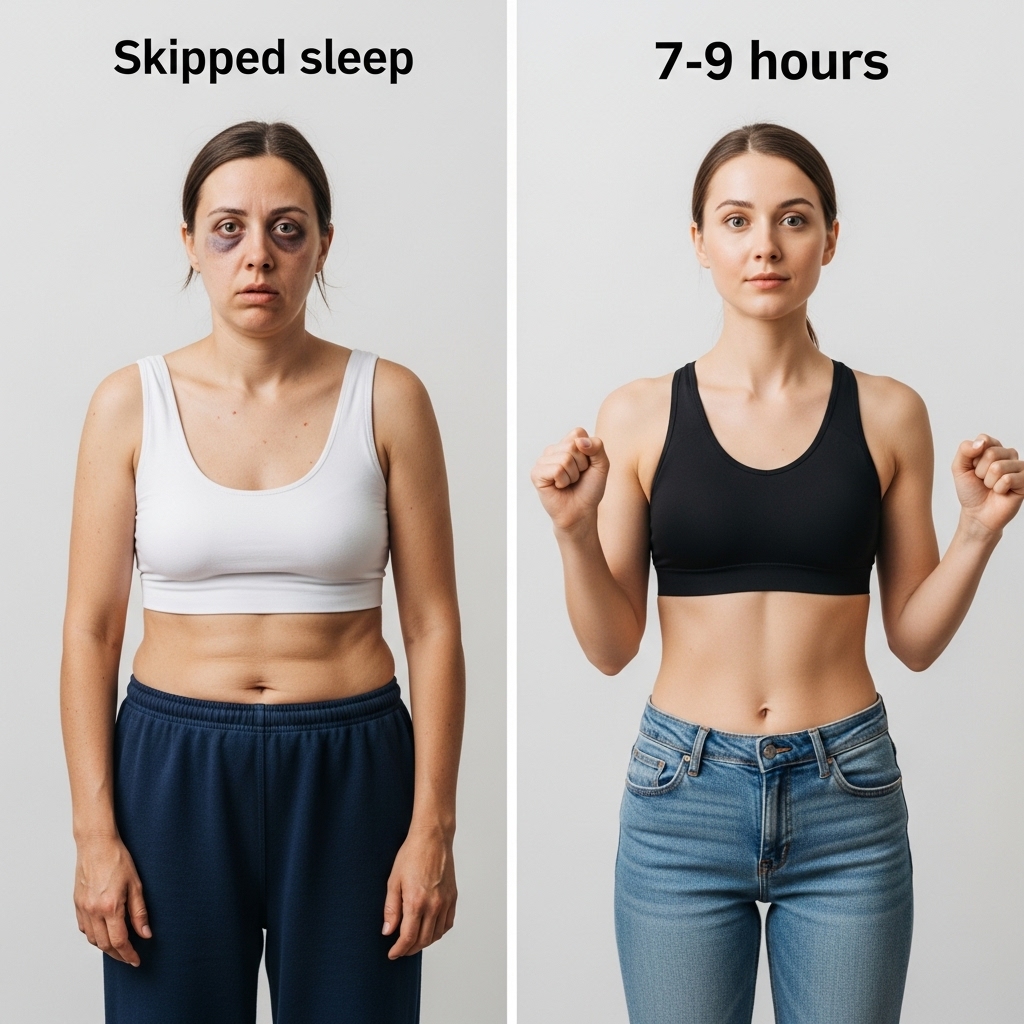
Quality sleep is essential for maintaining a healthy weight, stable metabolism, and efficient energy use. When individuals sleep well, the body processes glucose effectively, regulates appetite hormones, and maintains strong metabolic rhythms. This ensures the body uses calories efficiently and prevents unnecessary fat storage.
Lack of sleep creates the opposite effect. Research shows that sleep-deprived individuals have:
Increased appetite, due to disrupted ghrelin and leptin levels
Higher cravings, especially for high-carb, high-sugar foods
Slower metabolism, reducing fat-burning capabilities
Increased insulin resistance, which can lead to diabetes
Even a single night of poor sleep can negatively affect insulin sensitivity. Over time, this contributes to obesity, metabolic disorders, and chronic fatigue. Quality sleep, therefore, becomes a powerful tool in weight control and long-term metabolic health.
6. Sleep Reduces Inflammation Throughout the Body
Chronic inflammation is a silent contributor to many diseases, including arthritis, diabetes, autoimmune disorders, and cardiovascular disease. Quality sleep acts as an anti-inflammatory agent, helping the body regulate cytokine activity, repair damaged tissues, and maintain balanced immune responses.
Individuals with sleep disorders such as insomnia, sleep apnea, or fragmented sleep often show elevated inflammatory markers. This can lead to increased joint stiffness, prolonged muscle soreness, digestive problems, and worsened symptoms of chronic conditions. Consistent, deep, restorative sleep lowers inflammatory proteins and promotes overall physical comfort and mobility.
7. Sleep Supports Digestive Health
The digestive system relies heavily on the circadian rhythm—a natural internal clock that determines how the body processes food. When sleep rhythms are consistent, digestion improves, nutrient absorption becomes more efficient, and the gut microbiome remains stable.
Poor sleep disrupts digestive hormones and slows the movement of food through the gastrointestinal tract. This can lead to:
bloating
constipation
acid reflux
irritable bowel symptoms
weakened gut lining
Additionally, the gut and brain communicate through the gut-brain axis. Sleep disruptions directly affect this communication, leading to worsened digestive issues. Quality sleep supports gut balance, reduces inflammation, and improves nutrient processing.
8. Sleep Boosts Energy Levels and Physical Performance
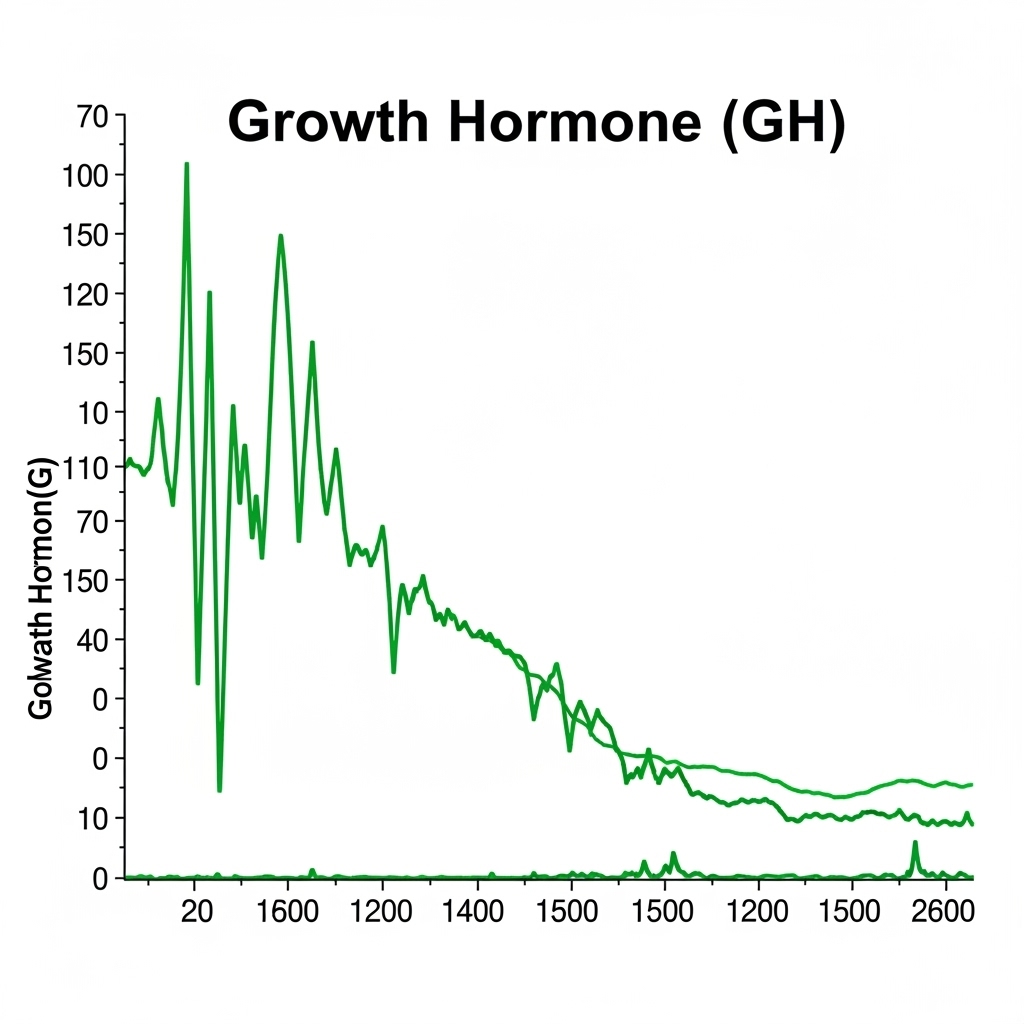
Every aspect of physical performance—strength, stamina, coordination, speed, and reaction time—is influenced by sleep. Deep sleep restores muscle tissue, REM sleep boosts brain-body coordination, and overall sleep quality determines how much energy you have throughout the day.
Athletes who sleep 8–10 hours per night consistently outperform those who sleep less. But even non-athletes experience the benefits: improved endurance, better movement efficiency, increased focus during physical tasks, and reduced fatigue. Quality sleep essentially recharges the body’s battery, giving you more physical power and resilience throughout the day.
9. Sleep Improves Cellular Health and Slows Aging
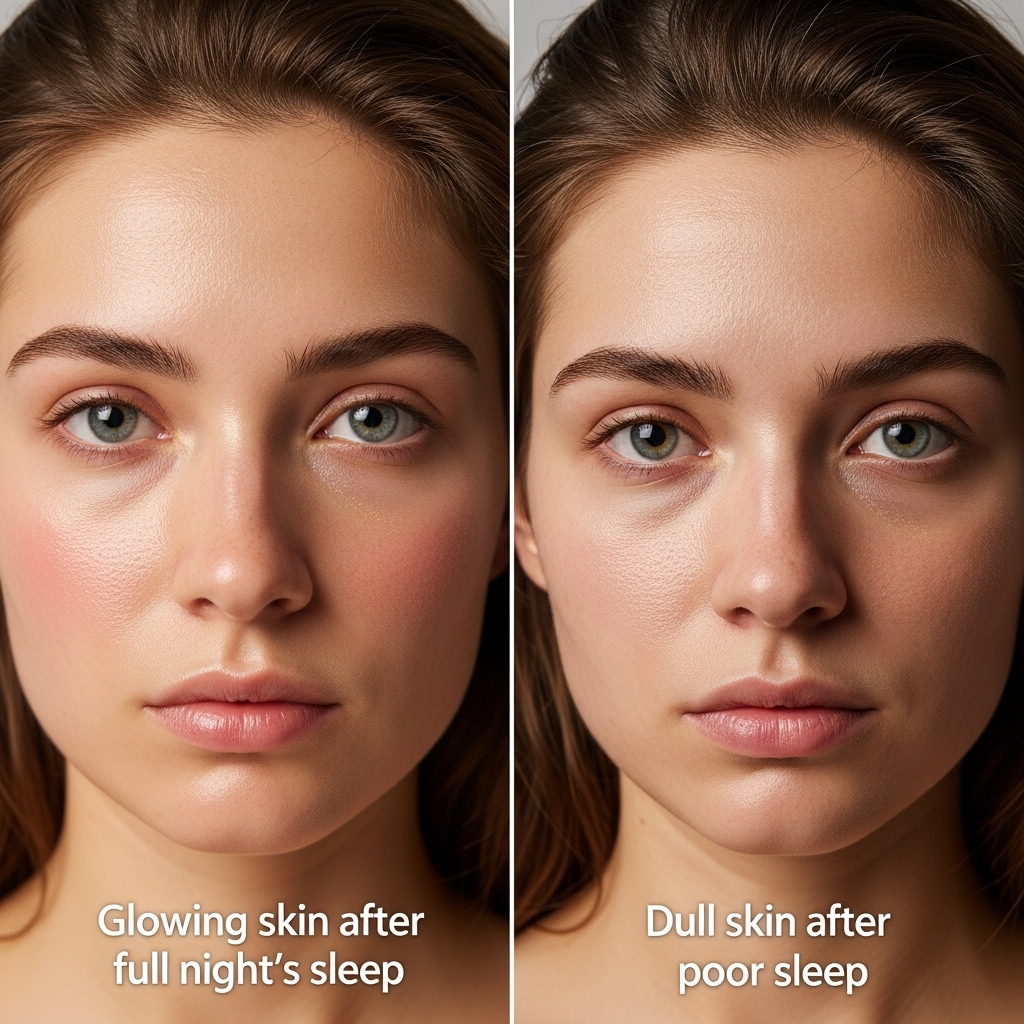
One of the most impressive benefits of quality sleep is its impact on cellular regeneration. During sleep, the body clears out damaged cells, repairs DNA, and produces proteins essential for growth and tissue regeneration. This process helps slow the physical aging process, improving skin health, muscle integrity, and internal organ function.
Lack of sleep accelerates cellular breakdown, increases oxidative stress, and speeds up visible signs of aging such as wrinkles, fine lines, and dull skin. Quality sleep enhances skin elasticity, improves complexion, and supports overall longevity by ensuring the body repairs itself efficiently every night.
10. Sleep Reduces the Risk of Chronic Diseases
Poor sleep has been scientifically linked to the development of several chronic conditions, including:
Type 2 diabetes
Hypertension
Obesity
Heart disease
Depression and anxiety
Immune disorders
Neurodegenerative diseases (e.g., Alzheimer’s)
Because sleep regulates so many bodily systems, consistent sleep deprivation destabilizes nearly every biological function. High-quality sleep dramatically reduces disease risk, promotes longevity, and keeps the body functioning at its best.
The Connection Between Sleep and Overall Health

Sleep is not merely a period of rest—it is a critical biological function that deeply influences every aspect of human health. From hormone balance to emotional resilience, immune strength to cognitive sharpness, sleep acts as the central operating system that keeps the entire body functioning optimally. In the modern world, where deadlines, digital screens, and lifestyle stressors dominate, quality sleep has become increasingly compromised. This article explores the science-backed connection between sleep and overall health, revealing why improving your sleep may be the most powerful wellness decision you can make.
1. Understanding the Science of Sleep
Sleep is divided into two major types: Rapid Eye Movement (REM) sleep and Non-REM sleep, which further includes stages N1, N2, and N3 (deep sleep). Each stage plays a unique role in physical repair, memory consolidation, metabolism management, and emotional processing.
N1: Light sleep, transitioning from wakefulness
N2: Stabilization of heartbeat, breathing, and brain activity
N3: Deep sleep crucial for repair, muscle healing, tissue regeneration
REM: Dream stage essential for emotional health & learning
A complete sleep cycle lasts ~90 minutes and repeats 4–6 times nightly. When these cycles are disrupted, the entire system of body maintenance becomes unstable, impacting long-term health.
2. How Quality Sleep Improves Physical Wellness
1 Muscle Recovery & Tissue Repair
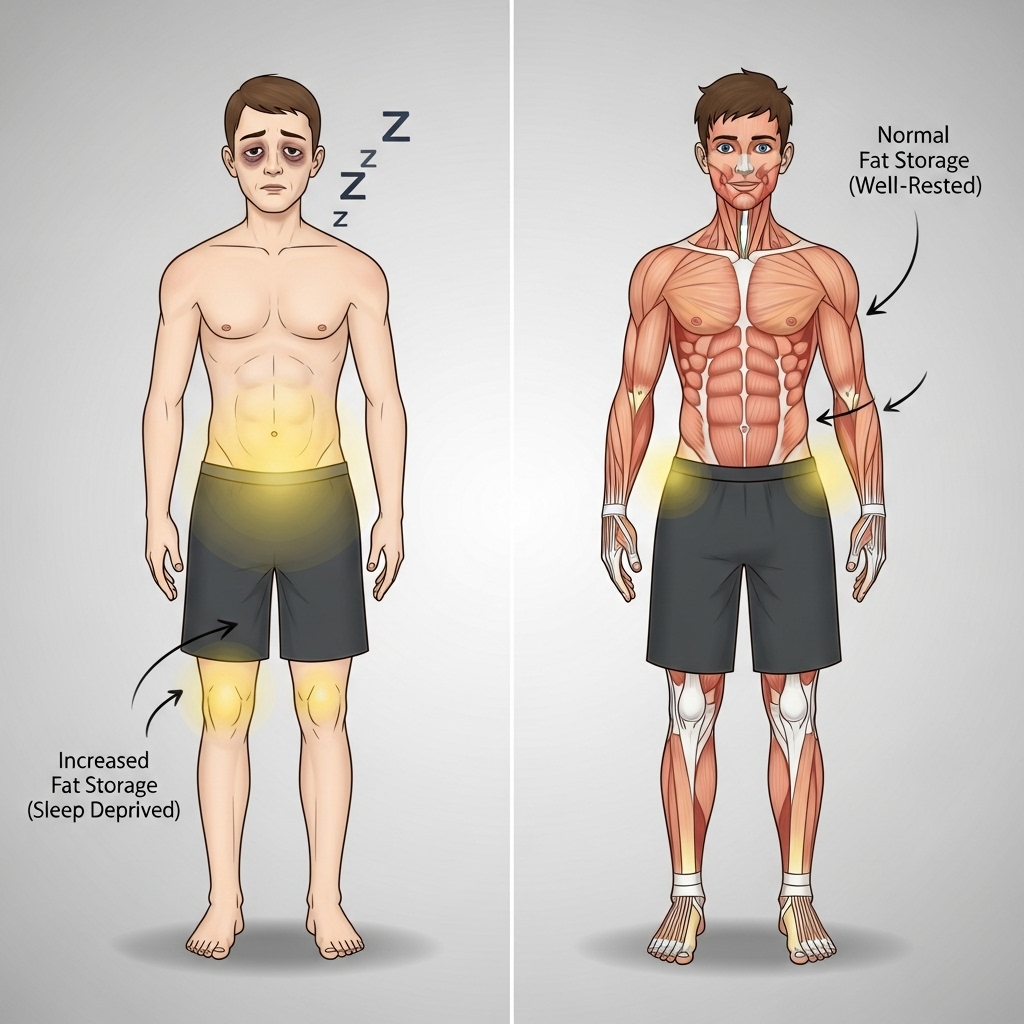
Sleep triggers the release of human growth hormone (HGH), essential for cell repair, muscle building, and tissue growth. Athletes who prioritize deep sleep recover faster, experience fewer injuries, and display better performance. Poor sleep slows tissue repair, increases inflammation, and causes prolonged soreness.
2 Strengthening the Immune System
During sleep, the body produces cytokines—immune proteins that fight infection. Sleep deprivation reduces this production, increasing susceptibility to viruses, colds, and chronic inflammation. Research shows that people who sleep fewer than 6 hours are more likely to get sick.
3 Hormonal Balance
Hormones like cortisol, leptin, ghrelin, estrogen, and testosterone depend on sleep for regulation. Poor sleep:
Increases cortisol (stress hormone)
Raises hunger hormone (ghrelin)
Reduces fullness hormone (leptin)
Lowers testosterone
Disrupts menstrual cycles
Quality sleep restores hormonal rhythms, supporting metabolism, emotional balance, and reproductive health.
4 Heart & Cardiovascular Health
During deep sleep:
Blood pressure lowers
Heart rate stabilizes
Circulation improves
Blood vessels repair
Chronic sleep deprivation increases risks of hypertension, heart attack, and stroke because it prevents the cardiovascular system from resetting.
5 Metabolism & Weight Management
People who sleep poorly often gain weight due to:
Strong cravings
Increased appetite
Slower metabolism
Higher insulin resistance
Even one night of bad sleep can trigger metabolic stress. Quality sleep helps maintain stable glucose levels and promotes efficient fat-burning.
6 Reducing Inflammation
Inflammation contributes to arthritis, heart disease, autoimmune disorders, and joint pain. Deep sleep regulates cytokines to keep inflammation low. Poor sleepers experience more inflammatory flare-ups and chronic pain.
7 Digestive Health
Poor sleep disrupts gut bacteria, slows digestion, increases bloating, and worsens IBS symptoms. Quality sleep is linked to a stronger gut microbiome, better nutrient absorption, and lower digestive inflammation.
8 Energy, Stamina & Physical Performance
Sleep restores ATP (cellular energy), improving:
reaction time
endurance
coordination
strength
workout recovery
Sleep-deprived individuals suffer reduced stamina and get fatigued quicker.
9 Cellular Regeneration & Anti-Aging
Sleep stimulates the production of protective proteins and antioxidant processes that repair DNA damage. Poor sleep accelerates aging, increases wrinkles, and weakens your body at the cellular level.
10 Prevention of Chronic Diseases
Chronic insufficient sleep is linked to:
cancer
diabetes
heart disease
obesity
Alzheimer’s
depression
Better sleep dramatically reduces the risk of long-term lifestyle diseases.

3. How Sleep Impacts Mental & Emotional Health
1 Cognitive Function & Memory
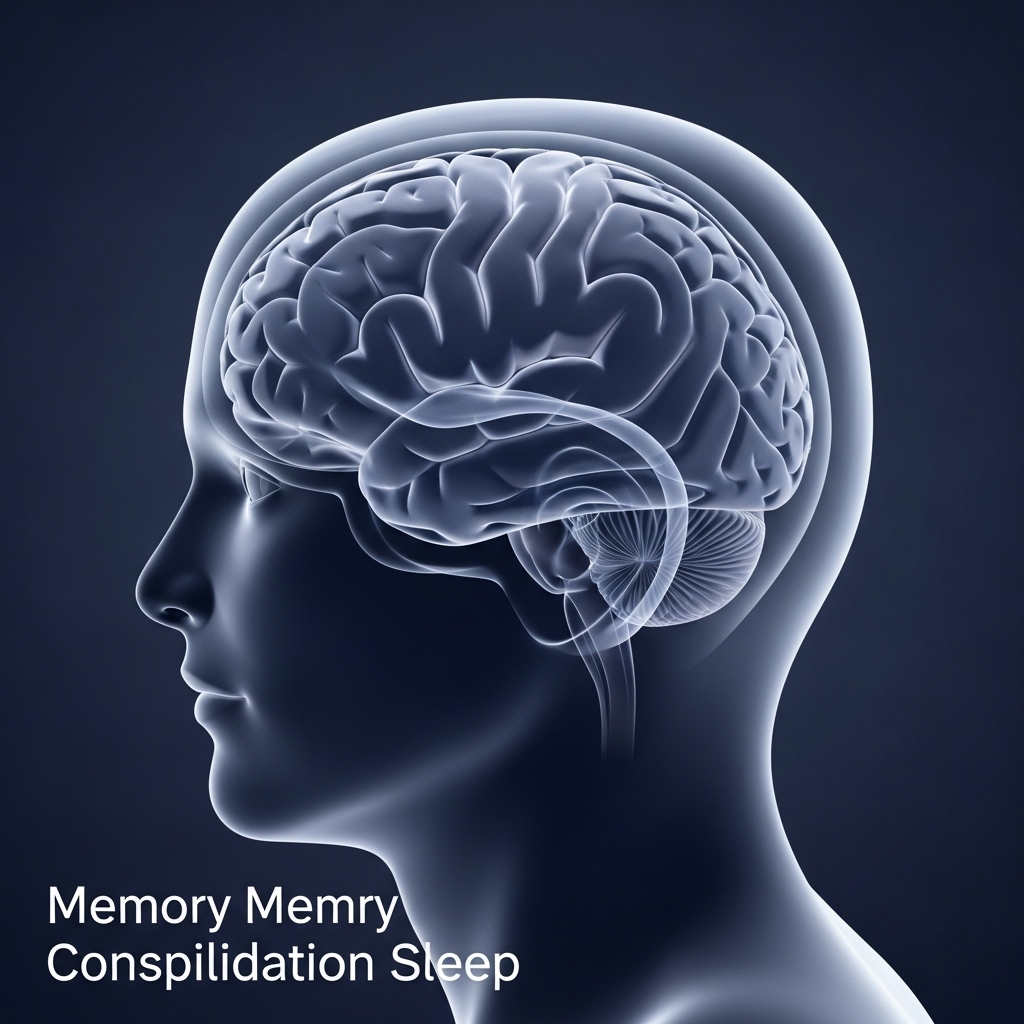
During sleep, neural pathways strengthen, helping the brain consolidate memories, improve decision-making, and boost creativity. Lack of sleep leads to mental fog, poor concentration, and impaired judgment.
2 Emotional Stability
REM sleep is vital for emotional processing. Without enough REM, individuals become irritable, more sensitive to stress, and emotionally unstable.
3 Mental Health Disorders
Chronic sleep issues are associated with:
anxiety
depression
mood disorders
burnout
OCD flare-ups
Improving sleep quality is often one of the first recommended treatments for mental health stabilization.
The Sleep–Productivity Connection
High-quality sleep increases focus, motivation, and efficiency. Poor sleep, on the other hand, reduces reaction time and increases mistakes—similar to being legally intoxicated.
Sleep Duration Recommendations by Age
| Age Group | Recommended Sleep |
|---|---|
| Newborns | 14–17 hours |
| Children | 9–12 hours |
| Teenagers | 8–10 hours |
| Adults | 7–9 hours |
| Older Adults | 7–8 hours |
Comparison: Good Sleep vs Poor Sleep
| Factor | Good Sleep | Poor Sleep |
|---|---|---|
| Energy Levels | High & stable | Low, fatigued |
| Mood | Balanced | Irritable |
| Immunity | Strong | Weak |
| Weight | Stable | Easily gain weight |
| Focus | Sharp | Reduced |
| Metabolism | Efficient | Slow |
| Heart Health | Strong | High risk |
Pros & Cons of Sleeping More
Pros
Boosts energy
Strengthens immunity
Enhances cognitive function
Stabilizes hormones
Reduces inflammation
Improves mental health
Helps weight control
Lowers disease risk
Cons
Oversleeping can cause grogginess
May indicate underlying illness
Can reduce daily productivity
Sometimes linked to depression
The Role of Sleep in Mental and Emotional Balance
Sleep is more than a nightly recharge; it is a critical regulator of mental and emotional well-being. While the physical body enters repair mode during sleep, the brain undergoes a profound restoration process that shapes memory, emotional stability, cognitive clarity, and psychological resilience. In today’s fast-paced world, millions of people underestimate the emotional cost of sleep deprivation. Stress, anxiety, irritability, mood swings, and mental fatigue are often rooted in poor sleep quality rather than external triggers alone. Understanding how sleep influences mental and emotional balance provides powerful insight into improving both daily mood and long-term psychological health.
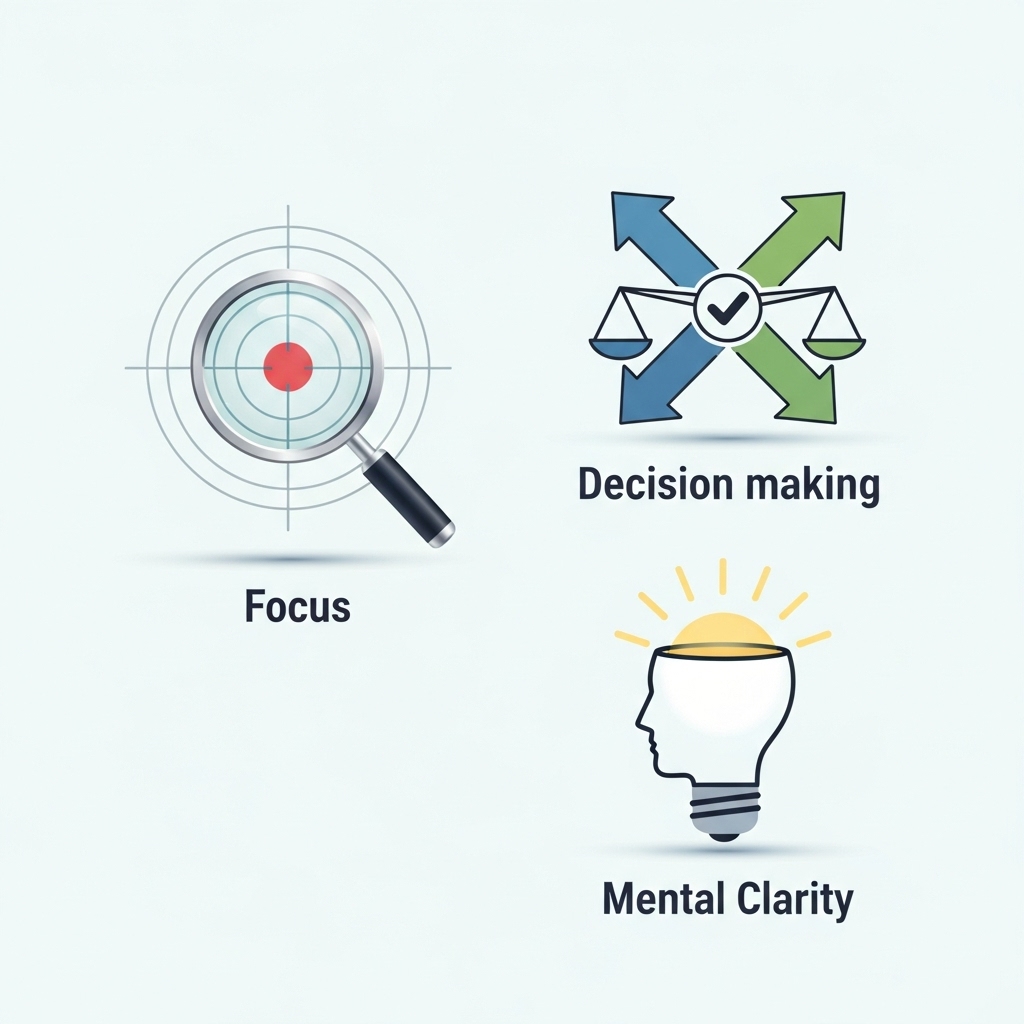
How Sleep Shapes Emotional Regulation
Quality sleep is crucial for managing emotional responses. During deep sleep and REM sleep, the brain processes emotional experiences, filtering unnecessary stress while strengthening positive emotional memory.
1 REM Sleep and Emotional Processing
REM sleep is the stage where most dreaming occurs and where emotional memories are organized. The brain sorts through stress, trauma, and emotional conflicts, helping individuals wake up with greater clarity and reduced emotional load. Lack of REM sleep disrupts this process, leading to:
Quick emotional reactions
Difficulty coping with stress
Overthinking and mental restlessness
Mood instability
2 The Amygdala and Emotional Reactions
The amygdala—the brain’s emotional control center—becomes overactive when sleep is insufficient. This results in stronger emotional responses to minor frustrations, making individuals more irritable, reactive, or overwhelmed.
When well-rested, the prefrontal cortex (logic center) controls the amygdala, helping temper emotional impulses.
Sleep and Stress Management
1 Cortisol Regulation During Sleep
Cortisol, the body’s primary stress hormone, is supposed to decrease at night and increase slightly in the morning. Poor sleep interrupts this cycle, keeping cortisol levels elevated. The result is:
Persistent stress
Rapid heartbeat
Anxiety
Difficulty calming the mind
Increased inflammation
Adequate sleep restores cortisol balance, helping you wake refreshed and emotionally stable.
2 Sleep as a Natural Reset Button
During sleep, the brain’s glymphatic system clears out toxins related to stress and overthinking. This “mental reset” ensures you start the next day with improved focus and emotional clarity.
Sleep and Cognitive Health
Quality sleep is essential for:
Memory formation
Learning ability
Concentration
Mental clarity
Decision-making
1 Memory Processing During Sleep
Short-term memories convert into long-term storage during deep sleep, while REM sleep integrates emotional memories. Poor sleep disrupts this process, making it harder to:
recall information
learn new skills
focus on tasks
make decisions
2 Sleep and Creativity
The brain forms new neural connections during sleep, improving creativity and problem-solving. Many people experience breakthroughs or clarity after a good night’s sleep because the brain organizes ideas more effectively.
The Link Between Sleep and Mental Health Disorders
Poor sleep is not only a symptom of mental health conditions; it is often a major cause or contributing factor.
1 Sleep and Anxiety
Sleep deprivation increases activity in the amygdala and decreases control by the prefrontal cortex. This creates a mental environment where anxiety thrives. People who lack sleep are more likely to:
overthink
feel mentally overwhelmed
overreact to stress
avoid social interactions
2 Sleep and Depression
Chronic lack of sleep disrupts neurotransmitters such as serotonin and dopamine. These chemicals regulate mood, motivation, and emotional stability. Poor sleep may lead to:
persistent sadness
hopelessness
loss of interest
emotional numbness
Many depression cases improve dramatically when sleep patterns are corrected.
3 Sleep and Bipolar Disorder
Sleep irregularities can trigger mood swings in individuals with bipolar disorder. A stable sleep routine helps regulate mood cycles and reduces the likelihood of manic or depressive episodes.
4.4 Sleep and ADHD
Individuals with ADHD often struggle with sleep irregularities, which further intensify symptoms like:
difficulty concentrating
impulsivity
emotional dysregulation
restlessness
Improving sleep enhances attention and emotional control.

How Lack of Sleep Impacts Daily Emotional Life
Even one night of insufficient sleep can alter emotional behavior.
1: Increased Irritability
Minor inconveniences feel magnified and emotional tolerance decreases.
2: Reduced Patience & Empathy
Poor sleep makes social interactions more draining, reducing empathy.
3: Heightened Sensitivity
People become emotionally fragile, reacting strongly to criticism or disappointment.
4: Mood Swings
Hormones fluctuate unpredictably, leading to inconsistent moods.
5: Difficulty Handling Stress
Mental resilience drops, making simple tasks feel overwhelming.
Comparison: Good Sleep vs Poor Sleep in Mental Health
| Mental Aspect | Good Sleep | Poor Sleep |
|---|---|---|
| Emotional Response | Calm & controlled | Reactive & unstable |
| Stress Tolerance | High | Low |
| Anxiety Levels | Reduced | Increased |
| Mood | Balanced | Irritable, unpredictable |
| Cognitive Function | Sharp & focused | Foggy, forgetful |
| Motivation | High | Low |
The Psychological Benefits of Good Sleep
1: Improved Emotional Resilience
Rested individuals can manage stress and crises more effectively.
2: Enhanced Mood Stability
Quality sleep balances neurotransmitters related to happiness and emotional control.
3: Better Social Relationships
Improved mood, patience, and empathy strengthen relationships.
4: Stronger Mental Clarity
Sleep improves decision-making and reduces mental noise.
5: Increased Motivation and Confidence
Well-rested individuals feel more capable and positive.

Pros & Cons of Improving Sleep for Emotional Health
Pros
Boosts mood naturally
Reduces stress & anxiety
Enhances memory & focus
Improves clarity and problem-solving
Strengthens emotional intelligence
Supports mental health stability
Reduces irritability
Cons
Requires lifestyle adjustments
May take weeks to normalize patterns
Oversleeping can cause grogginess
Poor sleep hygiene habits need replacement
Ways to Improve Sleep for Better Emotional Balance
Follow a consistent sleep schedule
Avoid caffeine late in the day
Reduce screen light 1–2 hours before bed
Practice mindfulness or meditation
Keep bedroom cool and dark
Use relaxation techniques (breathing, journaling)
Avoid heavy meals before bed
Small changes can bring massive emotional and mental improvements.
Sleep, Metabolism, and Weight Management – A Comprehensive Guide
Sleep plays an essential yet often underestimated role in maintaining metabolic health, regulating appetite, managing weight, and supporting long-term wellness. Although diet and exercise get most of the attention, research consistently shows that sleep quality and duration are equally powerful in influencing body weight, fat distribution, hormonal balance, and energy metabolism.
This article provides a complete, in-depth exploration of how sleep affects metabolism, why insufficient rest leads to weight gain, and what lifestyle adjustments can help restore metabolic balance.
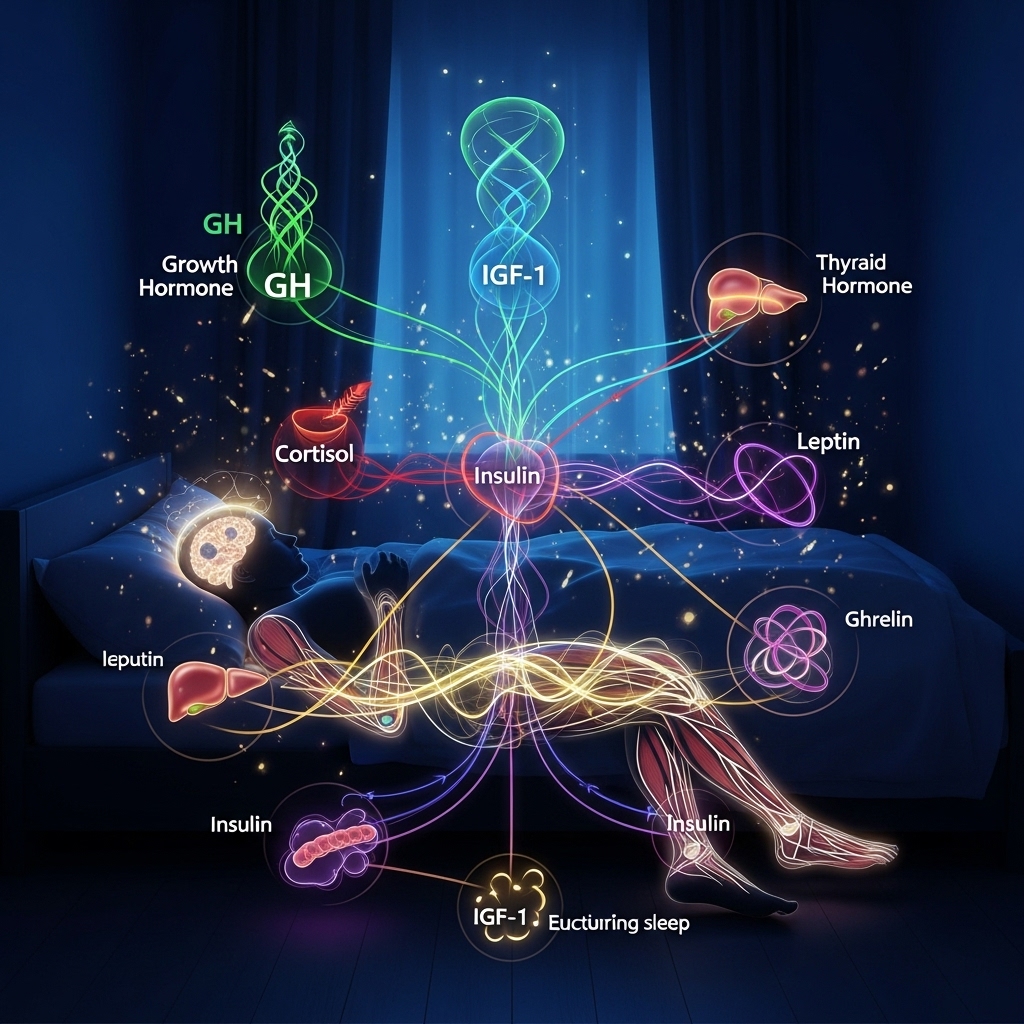
Weight management is not solely a balance of calories consumed versus calories burned. Modern research increasingly emphasizes the role of biological rhythms, brain-metabolic connections, hormonal regulation, and sleep cycles. Sleep is now recognized as a critical determinant of metabolic efficiency, controlling how the body processes food, stores fat, and regulates hunger.
When your sleep suffers, metabolism slows, appetite increases, cravings intensify, and fat storage becomes more efficient—all of which lead to steady weight gain. Conversely, adequate sleep strengthens metabolic function, boosts energy expenditure, reduces unnecessary snacking, and aids long-term weight maintenance.
Why Sleep Matters for Metabolic Health
Metabolism represents the body’s ability to convert food into usable energy. Sleep influences nearly every metabolic process by regulating the nervous system, hormonal pathways, and cellular repair mechanisms.
Key reasons sleep controls metabolism:
It regulates hormones responsible for hunger and fullness.
It supports glucose utilization for energy instead of fat storage.
It boosts cellular repair and energy production.
It balances the body’s cortisol (stress hormone) levels.
It preserves lean muscle mass, which maintains a higher metabolic rate.
Without sufficient sleep, the body enters a state of metabolic stress, encouraging fat retention and reducing calorie burn.
How Sleep Affects the Body’s Calorie-Burning Processes
A. Sleep and Basal Metabolic Rate (BMR)
BMR accounts for 60–75% of total daily calorie expenditure, and sleep plays a major role in maintaining it. During deep sleep, the body repairs tissues, rebuilds muscle fibers, and balances hormones—all of which require significant energy.
B. Sleep Reduces Metabolic Efficiency
When sleep is limited, the body tries to conserve energy, lowering the metabolic rate. Studies suggest that even a single night of sleep deprivation can reduce calorie expenditure by 5–10%, leading to gradual fat accumulation over time.
C. REM Sleep and Calorie Burn
REM sleep increases brain activity, causing the body to use more glucose. People with fragmented REM cycles often show decreased energy utilization during the day, contributing to weight gain.
The Hormonal Link: Sleep, Hunger, and Appetite
Hormones are the bridge between sleep and metabolism. Two major appetite-regulating hormones are:
Leptin – the satiety hormone
Signals the brain that you’re full. Lack of sleep reduces leptin, making you feel hungrier.
Ghrelin – the hunger hormone
Stimulates appetite. Sleep deprivation increases ghrelin, encouraging overeating.
Cortisol – the stress hormone
Chronic lack of sleep elevates cortisol levels, causing:
Increased abdominal fat
Higher appetite
Cravings for sugary foods
Emotional eating
Because of these hormonal imbalances, people who sleep poorly often consume 300–700 extra calories per day.
Sleep and Insulin Sensitivity
Insulin is responsible for moving glucose from your bloodstream into your cells to be used as energy.
Lack of sleep reduces insulin sensitivity, causing:
Higher blood sugar
Increased fat storage
Greater risk of prediabetes
Slower metabolism
A single week of poor sleep can reduce insulin sensitivity by up to 30%, similar to what is seen in early-stage diabetes.
Sleep Deprivation and Increased Fat Storage
When insulin sensitivity decreases, the body becomes less efficient at converting calories into energy. Instead, excess glucose is stored as fat.
How this leads to weight gain:
Reduced calorie burn
Increased hunger
More cravings
Higher fat storage
Increased inflammation
Disrupted muscle recovery
Additionally, when tired, the body prioritizes storing energy instead of using it. This evolutionary response makes the body more “fat-saving” during sleep deprivation.
The Connection Between Sleep and Cravings
Sleep deprivation impacts the reward center of the brain, making high-calorie foods more appealing.
Increased cravings include:
Sugary snacks
Processed foods
Fried items
Carbohydrate-rich foods
High-fat meals
Poor sleep disrupts the prefrontal cortex (decision-making center), making it harder to resist cravings. It also intensifies dopamine response, making junk food even more rewarding.
Sleep & Physical Activity: A Two-Way Relationship
Sleep influences physical performance, and physical activity influences sleep quality.
When sleep is poor:
Energy levels decrease
Motivation to exercise drops
Muscles recover slower
Workouts feel harder
Injury risk increases
This leads to fewer calories burned and slower metabolism.
When sleep is sufficient:
Energy and endurance increase
Muscles repair faster
Exercise feels easier
Performance improves
More calories are burned
This creates a positive cycle of improved sleep, better metabolism, and easier weight management.
Sleep Disorders and Weight Gain
Various sleep disorders directly affect metabolism:
A. Insomnia
Leads to chronic stress, higher cortisol, and overeating.
B. Sleep Apnea
Disrupts oxygen flow, increasing fatigue and decreasing metabolism.
C. Restless Leg Syndrome (RLS)
Interrupts deep sleep, reducing metabolic efficiency.
D. Circadian Rhythm Disorders
Irregular sleep patterns disrupt hormones and metabolism.
People with untreated sleep disorders often struggle significantly with maintaining a healthy weight.
Pros & Cons of Sleep’s Role in Weight Management
| Pros | Cons (When Sleep Is Poor) |
|---|---|
| Boosts metabolism | Slows metabolic rate |
| Reduces cravings | Increases hunger |
| Balances hormones | Causes hormonal imbalance |
| Enhances workout performance | Reduces physical activity |
| Supports muscle repair | Reduces muscle mass |
| Improves insulin sensitivity | Causes insulin resistance |
| Reduces belly fat | Increases abdominal fat storage |
Comparison Tables
Comparison 1: Good Sleep vs Poor Sleep
| Factor | Good Sleep | Poor Sleep |
|---|---|---|
| Hormones | Balanced leptin & ghrelin | High ghrelin, low leptin |
| Appetite | Controlled | Increased |
| Metabolism | Faster | Slower |
| Energy | High | Low |
| Cravings | Low | High |
| Fat Storage | Reduced | Increased |
Comparison 2: 6 Hours vs 8 Hours of Sleep
| Feature | 6 Hours | 8 Hours |
|---|---|---|
| Hunger Hormones | Elevated | Normal |
| Cravings | Strong | Mild |
| Fat Storage | Higher | Lower |
| Daily Activity | Decreased | Optimized |
| Stress Levels | High | Lower |
| Insulin Sensitivity | Poor | Healthy |
Data Tables
Hormonal Changes With Sleep Deprivation
| Hormone | Normal Sleep | Sleep Deprivation |
|---|---|---|
| Ghrelin | Low | High |
| Leptin | Normal | Reduced |
| Cortisol | Balanced | Elevated |
| Insulin Sensitivity | Strong | Weak |
Caloric Effects of Sleep Loss
| Sleep Duration | Extra Calories Consumed per Day |
|---|---|
| 5 hours | 300–400 |
| 4 hours | 400–600 |
| <4 hours | 600–700+ |
Tips for Improving Sleep to Enhance Metabolism
A. Maintain a Consistent Sleep Schedule
Going to bed and waking up at the same time strengthens your circadian rhythm.
B. Reduce Caffeine & Sugar Intake at Night
These stimulants interfere with melatonin production.
C. Create a Dark, Cool Sleeping Environment
Ideal temperature: 18–20°C (65–68°F).
D. Avoid Heavy Meals Late at Night
Late eating disrupts digestive harmony and sleep quality.
E. Exercise Regularly
But avoid intense workouts right before bed.
F. Limit Screen Exposure
Blue light suppresses melatonin, delaying sleep.
G. Manage Stress
Meditation, deep breathing, or journaling can reduce cortisol.
H. Build a Relaxing Pre-Sleep Routine
Reading, warm showers, or calming music helps signal your brain to rest.
Practical Tips to Improve Your Sleep Quality – The Complete Guide
Sleep quality is one of the most important factors for physical health, mental well-being, emotional balance, and daily performance. Despite its significance, millions of people struggle with poor sleep, whether it’s difficulty falling asleep, waking up frequently, or feeling tired even after a full night’s rest.
Improving sleep quality is not about luck—it’s about understanding the body’s natural rhythms, removing disturbances, and adopting science-backed sleep habits. This comprehensive guide outlines practical, effective, and sustainable strategies to help you sleep deeper, fall asleep faster, and wake up feeling refreshed.
Why Sleep Quality Matters
Good sleep helps regulate hormones, support metabolic balance, boost brain health, and strengthen immunity. Poor-quality sleep, even if long in duration, disrupts mood, reduces productivity, impairs focus, and leads to long-term health problems.
High-quality sleep provides:
Improved learning and memory
Better emotional control
Higher energy levels
Supported weight management
Enhanced physical recovery
Lower risk of chronic disease
Therefore, improving sleep quality can transform your daily life.
Understanding What “Good Sleep” Really Means
Good sleep is not only about hours slept—it’s about how deeply and how consistently you sleep.
Characteristics of High-Quality Sleep
You fall asleep within 15–20 minutes
You stay asleep with minimal interruptions
You move through all sleep stages normally
You wake up naturally or with minimal grogginess
You feel physically and mentally refreshed in the morning
Signs of Poor Sleep Quality
Frequent awakenings during the night
Difficulty falling asleep
Early-morning awakening
Loud snoring or breathing difficulties
Feeling unrested despite sleeping enough hours
Once you understand what good sleep looks like, it becomes easier to improve it.
Creating the Ideal Sleep Environment
Your sleep environment heavily impacts your ability to fall asleep and stay asleep.
A. Keep Your Room Cool
The ideal sleep temperature is 18–20°C (65–68°F). A cooler room helps the body signal the brain that it’s time to sleep.
B. Reduce Noise
Use:
White noise machines
Earplugs
Noise-blocking curtains
This minimizes disruptions and helps maintain deep sleep.
C. Minimize Light Exposure
Light disrupts melatonin, the sleep hormone.
Use:
Blackout curtains
Sleep masks
Warm, dim lights at night
D. Invest in a Good Mattress & Pillow
Poor bedding causes discomfort, restlessness, and muscle strain.
E. Remove Electronics from Your Bedroom
Phones, TVs, and laptops emit blue light that keeps your brain awake.
Building a Consistent Sleep Routine
Your brain loves patterns. Going to bed and waking up at the same time stabilizes your internal clock (circadian rhythm).
A. Set a Fixed Sleep & Wake Time
Consistency—even on weekends—improves sleep quality dramatically.
B. Create a Pre-Sleep Ritual
This tells the brain it’s time to wind down.
Examples:
Light stretching
Reading
Warm bath
Meditation
Herbal tea
C. Avoid Napping Late in the Day
If necessary, nap 20–30 minutes maximum, early afternoon.
Evening Habits That Promote Deep Sleep
A. Avoid Heavy Meals Late at Night
Eating large meals close to bedtime increases digestive activity and restlessness.
B. Limit Caffeine After 4 PM
Coffee, tea, energy drinks, and chocolate can keep you awake for hours.
C. Reduce Water Intake Before Bed
To prevent nighttime bathroom trips.
D. Stay Away From Stressful Activities
Avoid work emails, arguments, and mentally stimulating conversations before bed.
E. Use Warm Lighting
Warm tones support melatonin production and relaxation.
Daytime Habits That Improve Sleep Quality

A. Get Morning Sunlight
10–15 minutes of sunlight early in the day boosts serotonin and regulates circadian rhythms.
B. Stay Physically Active
Exercise helps you fall asleep faster and increases sleep depth.
C. Don’t Oversleep
Sleeping too long during the day confuses your internal clock.
D. Stay Hydrated—But Not Too Late
Hydration boosts daytime energy but avoid excessive drinking close to bedtime.
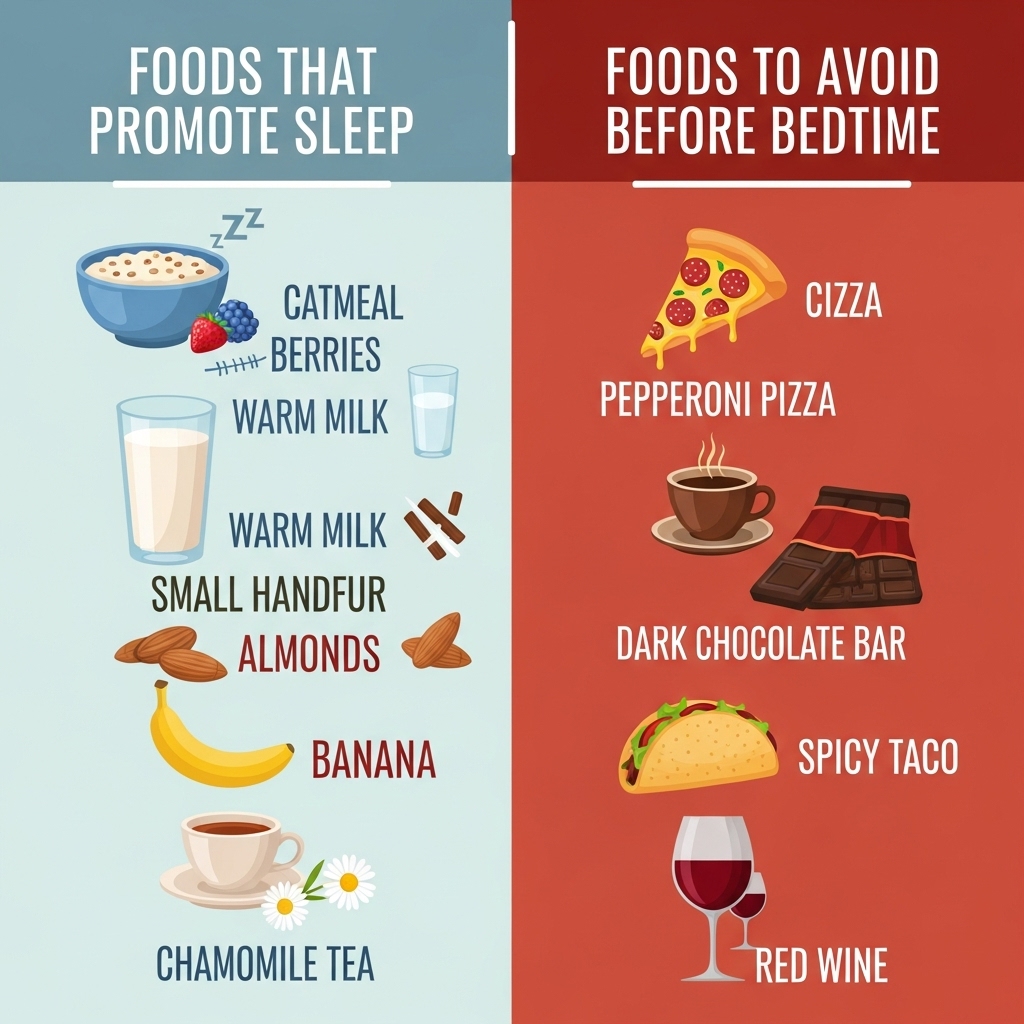
Foods & Drinks That Affect Sleep
Foods That Improve Sleep
Bananas
Almonds
Warm milk
Turkey
Kiwi
Oatmeal
Chamomile tea
These foods contain magnesium, tryptophan, or natural calming compounds.
Foods That Disrupt Sleep
Spicy foods
Sugary snacks
Caffeine
Alcohol
Fried or heavy meals
Avoid these items 3–4 hours before bedtime.
Managing Stress for Better Sleep
Stress is one of the biggest enemies of good sleep.
Techniques to Lower Evening Stress
Meditation
Deep breathing
Journaling
Progressive muscle relaxation
Gratitude exercises
Reduce Anxiety at Bedtime
Write down your worries before bed to “empty your mind.”
The Role of Physical Activity in Sleep Quality
Physical activity helps regulate hormones and exhaust excess energy.
Best Exercises for Sleep
Walking
Yoga
Cycling
Light strength training
Stretching
Avoid Intense Workouts Late at Night
High-intensity exercises may raise cortisol and delay sleep.
Technology & Sleep: Reducing Blue Light
Blue light tricks the brain into thinking it’s daytime, suppressing melatonin.
Solutions
Use “Night Mode” or “Blue Light Filter”
Reduce screen time 1–2 hours before bed
Wear blue light blocking glasses
Keep devices out of arm’s reach
Natural Supplements for Better Sleep
Always consult a doctor before using supplements.
Common Sleep Supplements
Melatonin
Magnesium glycinate
L-theanine
Lavender oil
Valerian root
CBD (where legal)
These supplements help relax the mind and activate sleep pathways.
Pros & Cons
| Pros of Good Sleep Habits | Cons of Poor Sleep Habits |
|---|---|
| Faster sleep onset | Difficulty falling asleep |
| Longer deep sleep | Frequent awakenings |
| Stable mood | Irritability |
| Better focus | Brain fog |
| Faster metabolism | Weight gain |
| Improved immunity | Higher illness risk |
| Better recovery | Muscle fatigue |
Comparison Tables
Comparison 1: Good Sleep Routine vs Bad Sleep Routine
| Aspect | Good Routine | Bad Routine |
|---|---|---|
| Bedtime | Same daily | Random |
| Nighttime habits | Relaxing | Stressful |
| Screen exposure | Limited | High |
| Bedroom lighting | Dark | Bright |
| Sleep quality | High | Poor |
Comparison 2: Evening Activities
| Activity | Good for Sleep | Bad for Sleep |
|---|---|---|
| Reading | ✔ | ✘ |
| Scrolling social media | ✘ | ✔ (disruptive) |
| Light stretching | ✔ | ✘ |
| Heavy eating | ✘ | ✔ (disruptive) |
| Warm shower | ✔ | ✘ |
Practical Data Tables
Ideal Sleep Timing Chart
| Age Group | Recommended Sleep Hours | Ideal Bedtime |
|---|---|---|
| Teens | 8–10 hrs | 9–10:30 PM |
| Adults | 7–9 hrs | 10–11 PM |
| Seniors | 7–8 hrs | 9–10 PM |
Sleep Disruption Causes
| Cause | Impact on Sleep |
|---|---|
| Caffeine | Delayed sleep |
| Screen exposure | Reduced melatonin |
| Anxiety | Restlessness |
| Room temperature | Sleep interruptions |
| Noise | Fragmented sleep |
Step-by-Step Sleep Optimization Plan
Week 1: Fix Your Environment
Set room temperature to 18–20°C
Install blackout curtains
Remove electronics from bedroom
Choose comfortable bedding
Week 2: Fix Your Routine
Set a fixed bedtime & wake-up time
Create a 20-minute pre-sleep ritual
Reduce screen time before bed
Week 3: Fix Your Lifestyle
Get daily sunlight
Exercise at least 20 minutes
Avoid caffeine after 4 PM
Reduce late-night meals
Week 4: Fix Your Mind
Start meditation or breathing exercises
Journal your thoughts at night
Use aromatherapy or soothing music
After 30 days, most people see:
✔ Better mood
✔ Faster sleep onset
✔ Longer deep sleep
✔ More morning energy
FAQs
Q1. How quickly can I improve my sleep quality?
Most people see improvements within 2–7 days, with full transformation in 3–4 weeks.
Q2. Is it okay to sleep with the TV on?
No. Blue light and noise disrupt deep sleep stages.
Q3. What is the best time to sleep?
Ideally 10 PM–11 PM, aligned with your circadian rhythm.
Q4. Why do I wake up at night?
Possible causes: stress, caffeine, temperature, screen exposure, or sleep disorders.
Q5. Does exercise improve sleep?
Yes. Regular exercise significantly boosts sleep depth and efficiency.
Q6. How many hours do adults need?
7–9 hours.
Q7. Can late-night sleep be healthy?
Not ideal. Early-night deep sleep is higher quality.
Q8. Are naps beneficial?
Yes — 20-min naps boost alertness.
Q9. Can exercise improve sleep?
Yes, especially morning exercise.
Q10. Is dreaming important?
Yes — it helps emotional processing.
Q11. Can poor sleep make me gain weight even if I eat healthy?
Yes. Sleep affects hormones and metabolism, causing fat storage even when calorie intake is moderate.
Q12. How many hours of sleep are ideal for weight control?
Most adults need 7–9 hours per night for optimal metabolic health.
Q13. Does sleeping too much slow metabolism?
Oversleeping occasionally is fine, but chronic oversleeping may indicate an underlying health issue—not a cause of weight gain by itself.
Q14. Can improving sleep help reduce belly fat?
Yes. Quality sleep lowers cortisol, a hormone linked to abdominal fat.
Q15. Can exercise improve sleep for better weight management?
Absolutely. Regular physical activity enhances sleep depth and metabolic efficiency.
Q16. How many hours of sleep do adults really need?
Most adults require 7–9 hours of quality sleep per night for proper physical and mental functioning.
Q17. Can poor sleep cause weight gain?
Yes. Poor sleep increases appetite, cravings, and insulin resistance—leading directly to weight gain.
Q18. Does sleep affect the skin?
Absolutely. Quality sleep supports collagen production, reducing wrinkles and slowing aging.
Q19. Can improving sleep reduce anxiety?
Yes. Better sleep restores emotional balance and reduces overactivity in the areas of the brain related to fear and stress.
Q20. Is oversleeping harmful?
Oversleeping occasionally is fine, but chronic oversleeping may signal depression, thyroid issues, or low energy metabolism.
Conclusion
Improving sleep quality doesn’t require expensive tools or supplements—it’s about building better habits, creating a restful environment, and supporting your body’s natural rhythms. By following the strategies in this guide, you can fall asleep faster, sleep deeper, wake up more refreshed, and enjoy better mental and physical health every day.
