
Introduction: Why the Skin Barrier Matters More Than You Think
When we talk about skin health, most people immediately think of hydration, acne control, wrinkles, or brightening dark spots. However, beneath all these concerns lies a crucial, often overlooked aspect of skin physiology — the skin barrier. The skin barrier is your body’s first line of defense against environmental stressors, pathogens, irritants, and moisture loss. It acts as a protective shield that maintains internal balance, supports immune functions, prevents dehydration, and influences how your skin looks, feels, and responds to care.
Understanding the skin barrier is not just for dermatologists or skincare professionals — it’s essential knowledge for anyone who wants healthy, resilient, and radiant skin. In this article, we’ll explore the role of the skin barrier in depth, why it matters, what damages it, and how you can restore and protect it naturally and effectively.
What Is the Skin Barrier? A Biological Overview
Your skin isn’t just a single layer of cells; it’s a complex organ composed of multiple layers, each with its own function. The outermost layer of the skin, called the stratum corneum, forms the skin barrier. This layer is made up of dead skin cells called corneocytes, embedded in a matrix of lipids (fats) such as ceramides, fatty acids, and cholesterol. This structure resembles bricks (cells) and mortar (lipids), creating a tight, protective layer.
How It Works
The skin barrier performs two primary functions:
Barrier Function (Outside‑In Protection): It prevents harmful external agents — such as bacteria, viruses, pollutants, allergens, and UV radiation — from penetrating the deeper layers of the skin and entering the bloodstream.
Homeostasis Function (Inside‑Out Protection): It prevents the loss of water and essential nutrients from the skin, keeping it hydrated, plump, and flexible.
When the skin barrier is strong and functioning optimally, your skin feels smooth, balanced, and resilient. When it’s compromised, it becomes vulnerable — leading to dryness, inflammation, sensitivity, irritation, acne, and accelerated aging.
The Science Behind the Skin’s Defensive Role
1. Physical Protection
Think of the skin barrier like a fortress wall. Just as a wall shields a city from invaders, the skin barrier blocks environmental aggressors. Microorganisms, pollution particles, and allergens are unable to penetrate intact lipid membranes. This mechanical defense is essential because once harmful agents bypass the barrier, they can trigger immune responses, inflammation, and even systemic reactions.
2. Immune Support
Beneath the stratum corneum lies a network of immune cells that act as surveillance agents. If a microbe breaches the outermost layer, immune cells recognize it and activate defense mechanisms. When the barrier is compromised, this immune response becomes hyperactive, leading to redness, itching, and inflammation — symptoms common in conditions like eczema and rosacea.
3. Moisture Regulation
Water loss from the skin is a continuous process, but a healthy barrier minimizes excessive evaporation. This process is known as transepidermal water loss (TEWL). A strong barrier keeps TEWL low, maintaining hydration and natural oil balance. When the barrier is damaged, TEWL increases, resulting in dry, flaky, and tight skin.
Signs of a Compromised Skin Barrier
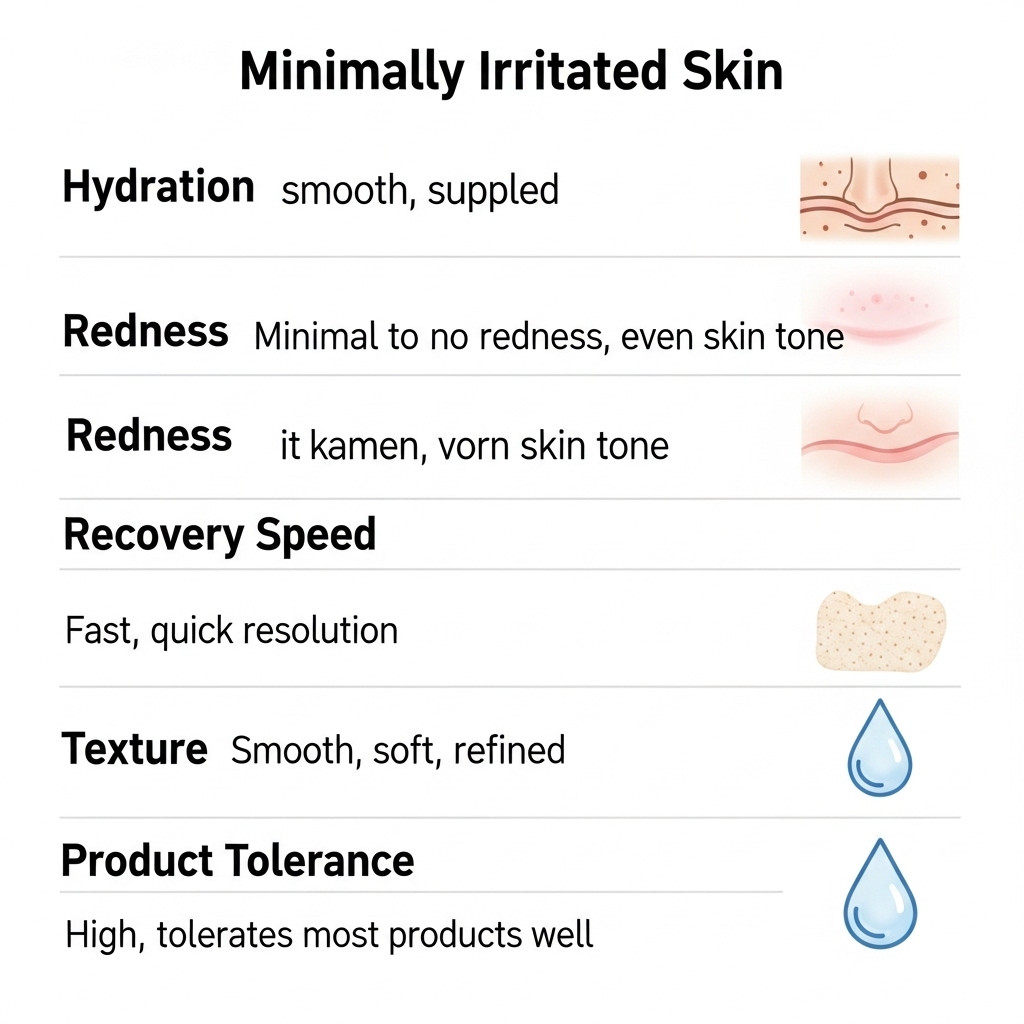
Healthy skin barrier function is mostly invisible — you feel it when your skin feels comfortable and looks even. A compromised barrier, however, reveals itself through a variety of symptoms:
Dryness and flakiness
Tight, uncomfortable feeling
Itching, redness, or irritation
Increased sensitivity to products
Breakouts or inflammation
Rough texture
Dullness or lack of glow
These are not cosmetic problems alone — they indicate that your skin’s protective system is under stress.
Common Causes of Skin Barrier Damage
Understanding what damages the skin barrier is critical to prevention and repair. Damage can be caused by internal factors, external stressors, and lifestyle choices.
Over‑Cleansing and Harsh Products
Using soaps or cleansers with high pH levels or sulfates strips the skin of its natural oils. While you might feel a “squeaky clean” sensation, the reality is that the barrier has been disrupted.
Over‑Exfoliation
Exfoliation is beneficial in moderation, but overuse of physical scrubs or strong chemical exfoliants (like high‑strength AHAs/BHAs) weakens the lipid matrix, causing sensitivity and microtears.
Environmental Stressors
UV radiation, cold wind, dry air, pollution, and chlorine from swimming pools all place oxidative stress on the barrier, leading to deterioration over time.
Poor Diet and Hydration
Fatty acids, essential nutrients, and hydration are necessary for lipid production in the skin. Diets high in processed foods and low in healthy fats can compromise barrier integrity.
Aging
Aging naturally slows down lipid production and cell turnover, making the barrier thinner and less effective. This is why mature skin often appears drier and more fragile.

How a Strong Skin Barrier Benefits Your Overall Health
A properly functioning skin barrier doesn’t only influence skin health — it impacts overall wellness.
Reduced Inflammation and Allergic Reactions
By blocking allergens and microbes, a resilient barrier minimizes the immune system’s need to overreact. This reduces inflammatory skin conditions and supports immune balance.
Enhanced Hydration and Comfort
Skin that holds moisture effectively appears plump, vibrant, and youthful. Hydration also improves skin texture and elasticity.
Better Product Absorption
Healthy barriers allow active ingredients to penetrate effectively without causing irritation. Compromised skin tends to react badly even to mild formulations.
Protects Against Pathogen Entry
The skin is the first point of contact with pathogens. A strong barrier reduces the likelihood of infections and supports wound healing.
Natural Approaches to Repairing the Skin Barrier
Repairing the skin barrier doesn’t require harsh solutions or expensive procedures. Many natural methods support regeneration and resilience.
Ceramide‑Rich Ingredients
Ceramides are key lipids that make up the skin barrier. Topical ceramide serums and creams help restore the lipid matrix and strengthen barrier function.
Fatty Acids and Cholesterol
These lipids occur naturally in the skin and play a supportive role in moisture retention. Ingredients like squalane, jojoba oil, and sunflower seed oil supply these components naturally.
Humectants Like Hyaluronic Acid
Humectants draw moisture from the environment into the skin, aiding hydration. This helps counteract TEWL and supports comfortable skin.
Soothing Botanicals
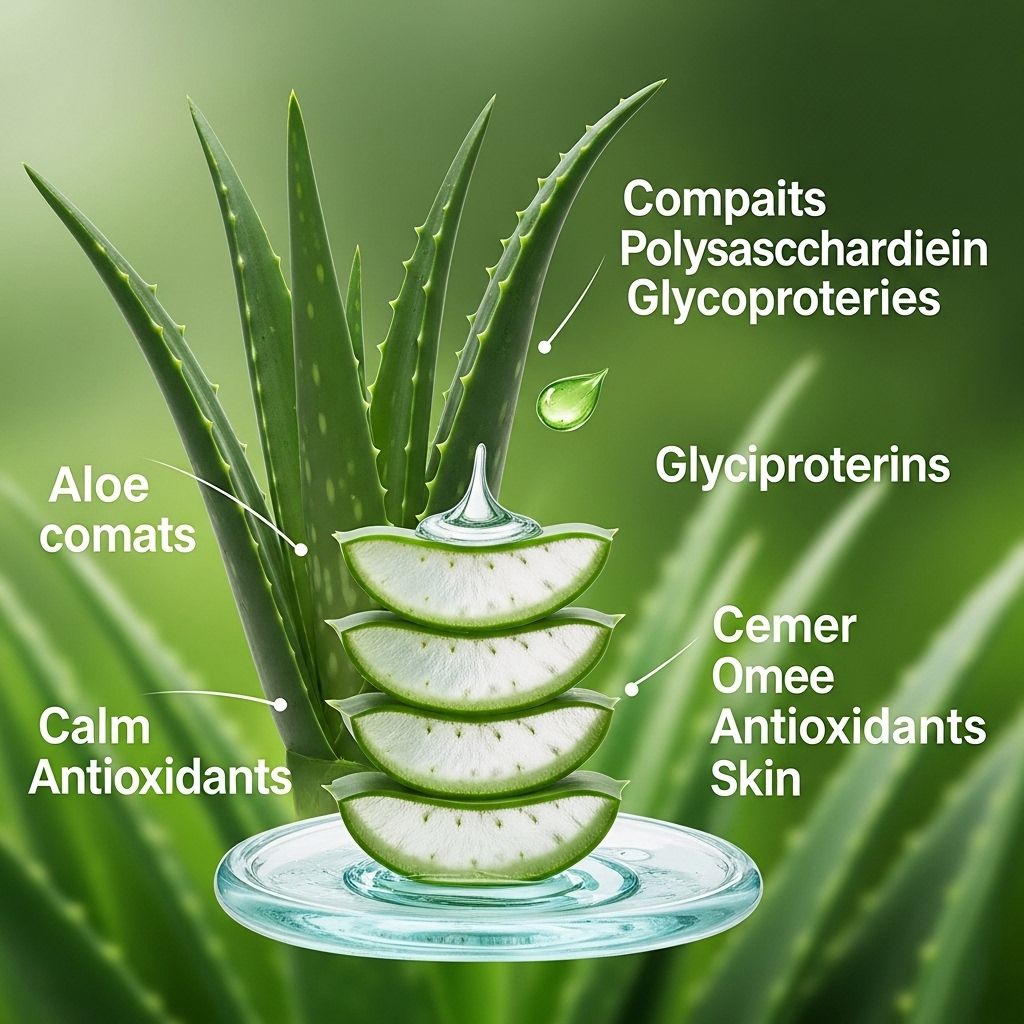
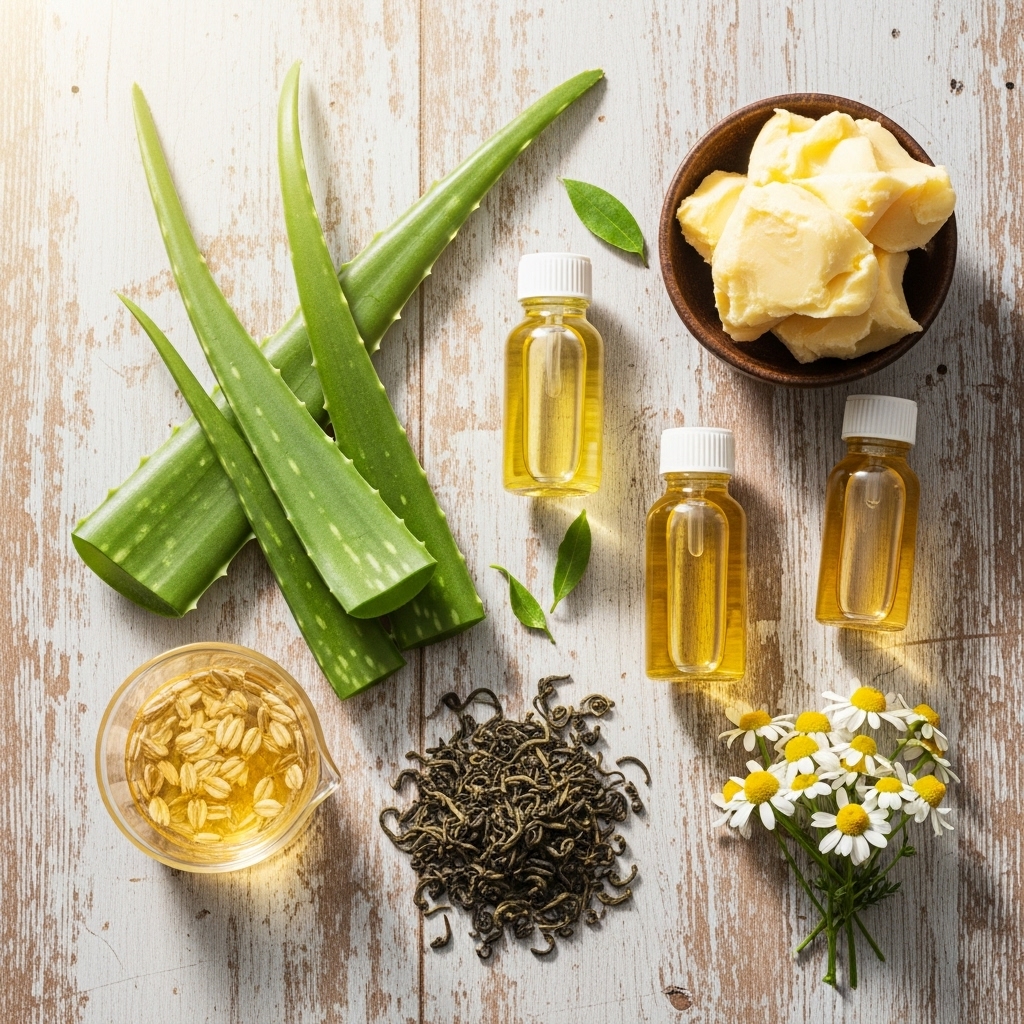
Aloe vera, oat extract, chamomile, and centella asiatica are known for calming inflammation and supporting gentle healing.
Prebiotics and Probiotics
Products that support the skin’s microbiome — the community of friendly microbes — help balance skin flora and defend against harmful organisms.
Lifestyle Strategies to Support Barrier Health
Balanced Diet
A diet rich in omega‑3 and omega‑6 fatty acids (found in fish, nuts, seeds), antioxidants (fruits and vegetables), and vitamins supports barrier restoration from the inside out.
Hydration
Adequate water intake is essential. Dehydrated skin is more prone to TEWL and barrier damage.
Sleep
Deep sleep supports skin repair cycles. Poor sleep increases inflammation and delays barrier recovery.
Sun Protection
Daily use of SPF protects the barrier from UV damage. UV stress increases free radicals and weakens lipid structures.
Comparing Barrier‑Friendly vs. Barrier‑Damaging Skincare Practices
| Category | Barrier‑Friendly Practices | Barrier‑Damaging Practices |
|---|---|---|
| Cleansing | Mild, low‑pH cleansers | Harsh soaps, sulfates |
| Exfoliation | Gentle, occasional exfoliation | Daily scrubs or high‑strength acids |
| Hydration | Humectants + lipid‑rich moisturizers | No moisturizer after cleansing |
| Sun Protection | Daily SPF application | No SPF or infrequent protection |
| Environmental Exposure | Antioxidant serums, protective clothing | Unprotected sun, wind, and pollution exposure |
| Diet | Balanced fats, antioxidants | High processed sugars, low nutrients |
| Sleep & Stress | 7–9 hours of sleep, stress management | Chronic stress, sleep deprivation |
Pros and Cons of Focusing on Barrier Repair
Pros
Improves Overall Skin Health:
Strengthening the barrier improves hydration, texture, resilience, and comfort.
Reduces Sensitivity:
Barrier repair minimizes irritation and reactions to products and environmental stressors.
Supports Long‑Term Aging Prevention:
Hydrated, balanced skin resists fine lines and texture irregularities better over time.
Enhances Efficacy of Skincare Products:
Healthy skin absorbs active ingredients better and tolerates them without reaction.
Backs Internal Immune Functions:
By reducing inflammation and pathogen entry, barrier health contributes to immune balance.
Cons
Not an Overnight Fix:
Barrier repair can take weeks of consistent care, which may be frustrating for those seeking immediate results.
Requires Routine Simplification:
Sometimes this means giving up aggressive products, which might feel like a downgrade for skincare enthusiasts.
Lifestyle Changes Needed:
Diet, hydration, sleep, and stress management play as much a role as topical products — requiring broader commitment.

Practical Daily Routine for Barrier Repair
Morning Routine
Gentle Cleanser: Low‑pH, sulfate‑free formulation
Hydrating Toner: Optional, alcohol‑free
Antioxidant Serum: Vitamin C or niacinamide
Moisturizer: With ceramides and fatty acids
Broad‑Spectrum SPF: Daily application
Evening Routine
Double Cleanse (If Wearing Makeup): Oil cleanser followed by gentle cleanser
Hydrating Serum: Hyaluronic acid or probiotics
Barrier Repair Moisturizer: Ceramide‑rich cream
Optional Treatment: Low concentration actives if tolerated
Common Myths About the Skin Barrier
“Dry Skin Means a Weak Barrier”
Not always. Oily skin can also have a compromised barrier if TEWL is high.
“All Oils Strengthen the Barrier”
Only oils rich in essential fatty acids support barrier health. Mineral oil and heavily fragranced oils may clog pores or irritate.
“Exfoliation Always Improves Skin”
Over‑exfoliation worsens barrier damage; gentle and infrequent approaches are safer.
Healthy skin is often associated with glow, smooth texture, and resilience. But beneath beauty concerns lies an essential biological system few people fully understand: the skin barrier. The skin barrier — a complex structure of cells and lipids in the epidermis — acts as a protective shield between your internal body and the external world. When intact, it keeps moisture in and harmful factors out. When compromised, however, the barrier fails to function optimally. The most telling signs of a weakened or damaged skin barrier are the visible symptoms that appear on the surface.
Recognizing these symptoms early can be transformative. Instead of chasing cosmetic fixes for dryness, sensitivity, or breakouts, understanding that these are the result of barrier damage allows for precise, effective treatment. In this comprehensive article, we explore how a damaged skin barrier manifests, why these symptoms appear, and how they differ from other skin issues. We also examine lifestyle influences, provide comparisons with healthy skin, and offer clear guidance for restoration.
What Is the Skin Barrier and Why Its Damage Shows on the Surface
The term “skin barrier” typically refers to the stratum corneum, the outermost layer of the epidermis. This layer is composed of dead skin cells embedded in a matrix of lipids — like bricks held together by mortar. These lipids (primarily ceramides, cholesterol, and fatty acids) form a cohesive shield that regulates moisture loss and blocks irritants, microbes, and pollutants.
When this system is robust, the skin retains moisture, resists irritation, and appears smooth and supple. When the barrier weakens — whether from excessive exfoliation, harsh products, environmental stressors, poor nutrition, or aging — the protective layer becomes porous and ineffective. Water escapes more readily (higher transepidermal water loss), irritants penetrate more easily, and inflammation becomes common. These internal dysfunctions rapidly translate into visible surface symptoms that are often mistaken for separate conditions like “dry skin,” “sensitive skin,” or “acne.”
Redness and Irritation: The Most Obvious Sign of Barrier Distress
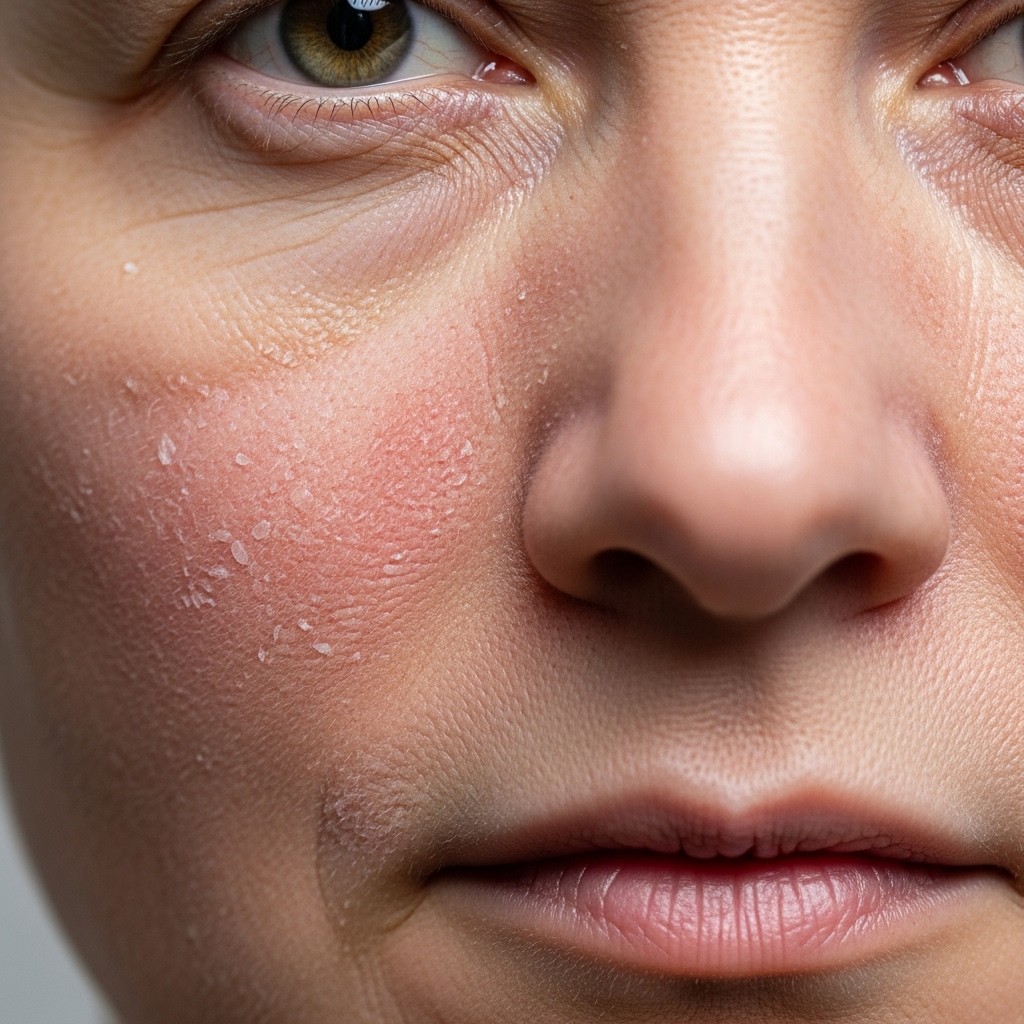
One of the earliest and most noticeable consequences of a damaged skin barrier is persistent redness. Healthy skin generally displays a consistent, even tone. But when the barrier weakens, tiny inflammatory responses occur as irritants and microbes penetrate deeper layers of the epidermis.
This inflammatory activity triggers vasodilation — the widening of blood vessels — which results in visible redness, flushing, and warmth. Unlike temporary redness caused by heat or exercise, barrier‑related redness tends to persist over time and flare in response to certain products or environmental conditions.
Irritation often appears as itching, burning, or stinging sensations, particularly after cleansing, application of active ingredients like retinoids or acids, or exposure to wind and cold. What differentiates barrier red flags from typical flush is their non‑transient nature; even mild daily triggers elicit discomfort.
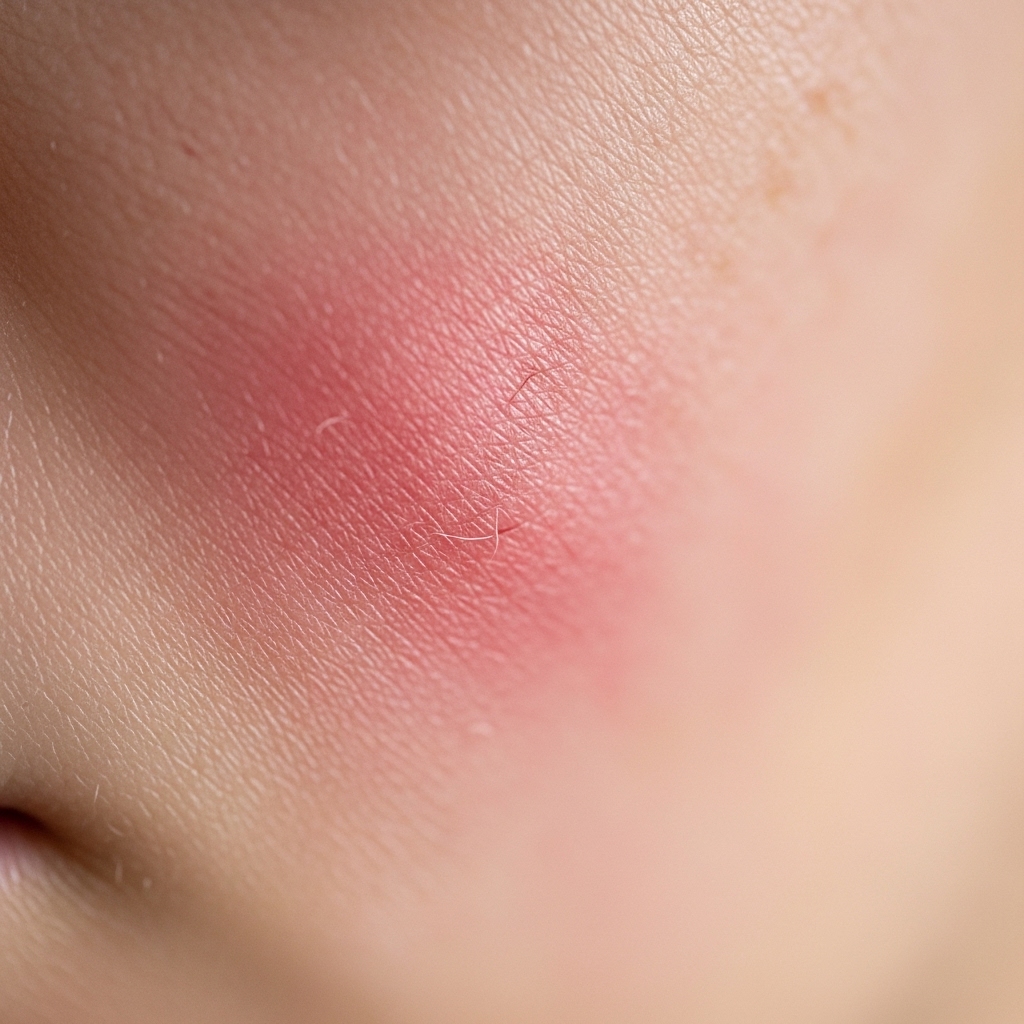
Scientifically, these symptoms represent an immune response. Langerhans cells (immune cells in the epidermis) detect foreign substances more easily when the barrier is weakened. This constant low‑grade activation results in chronic redness and a hypersensitive response to otherwise benign stimuli.
Dryness, Flakiness, and Rough Texture: Moisture Loss Tells a Story
Another hallmark visible symptom of barrier damage is dryness. The skin barrier’s ability to retain moisture depends on lipids that form a waterproof layer. When lipids are depleted or disrupted, moisture rapidly escapes through the epidermis in a process known as increased transepidermal water loss (TEWL).
Increased TEWL causes the skin to feel tight, dry, and rough. Over time, this dryness becomes more severe, leading to visible flaking and peeling — particularly around the cheeks, temples, and jawline. Unlike simple dry skin that responds to heavy moisturizers alone, barrier‑related dryness persists even with conventional creams because the underlying lipid structure is compromised.
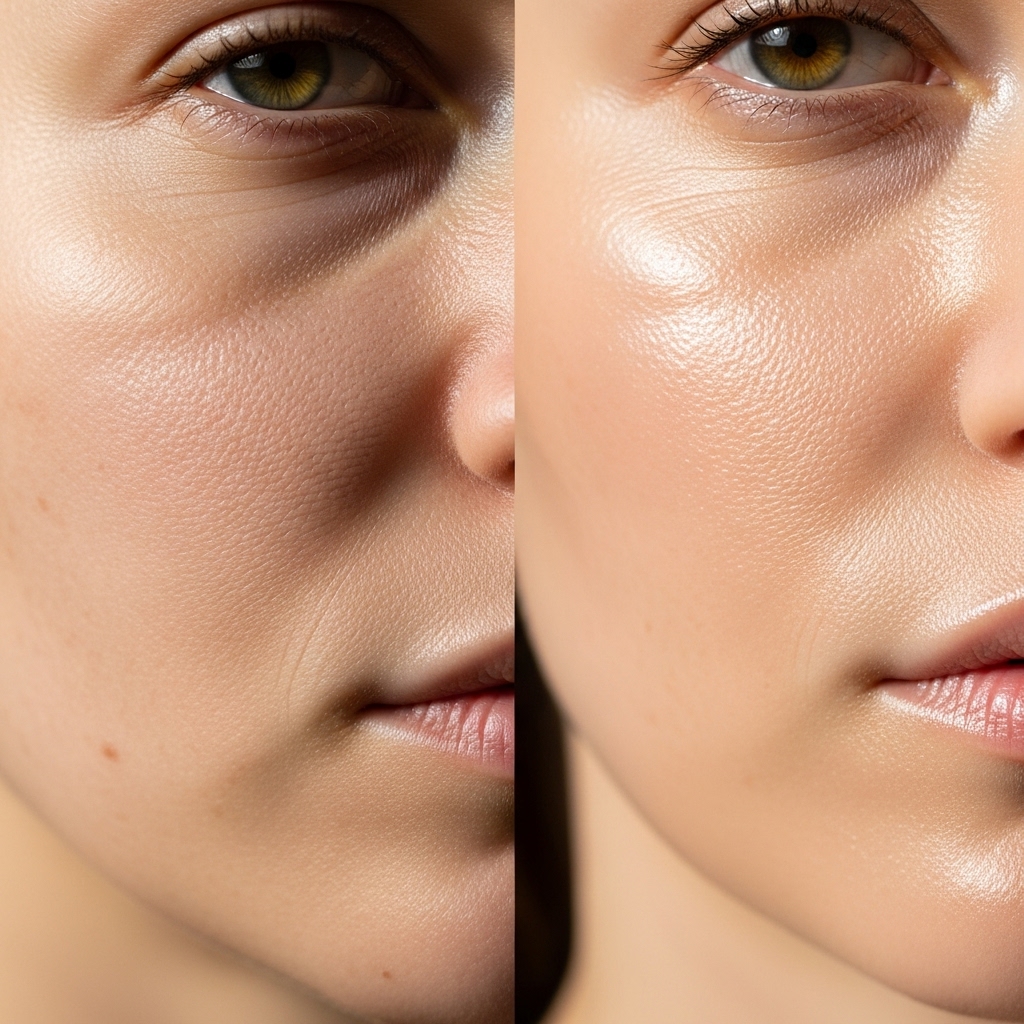
This visible rough texture often coexists with dullness; dry, damaged skin lacks the natural light reflection that smooth, hydrated skin displays. The result is a chalky or ashy appearance, even in individuals with naturally darker skin tones.
Dryness also contributes to the formation of fine lines and accentuates wrinkles. While some degree of textural change is part of aging, premature roughness in younger individuals is frequently a sign of early barrier dysfunction.
Sensitivity and Product Reactivity: When Skin Says “No”
People with a compromised barrier quickly learn that their skin no longer tolerates many products that previously worked fine. This product reactivity manifests as immediate burning, stinging, itching, or redness upon application of cleansers, toners, serums, or creams — particularly formulas with alcohol, fragrance, or potent actives.
Sensitivity in this context is not a temporary irritation; it represents an underlying vulnerability. The weakened barrier allows ingredients to penetrate deeper layers than intended, triggering immune responses or nerve‑ending stimulation. Over time, this can lead to chronic reactive skin that “flares up” easily.
Consumers with barrier damage often describe this as “everything irritates my skin,” even products labeled for sensitive skin. The difference lies not in the products themselves but in the skin’s defense system being compromised.
From a scientific standpoint, sensory nerves in the epidermis become more responsive when inflammation is present. This means that even gentle textures and low‑strength formulas can trigger exaggerated reactions, reinforcing the cycle of avoidance and over‑sensitization.
Breakouts and Inflammation: When Barrier Damage Mimics Acne
Traditionally, acne is associated with clogged pores, hormonal fluctuations, or excess oil. However, barrier damage can mimic acne‑like symptoms through inflammation and irritation.
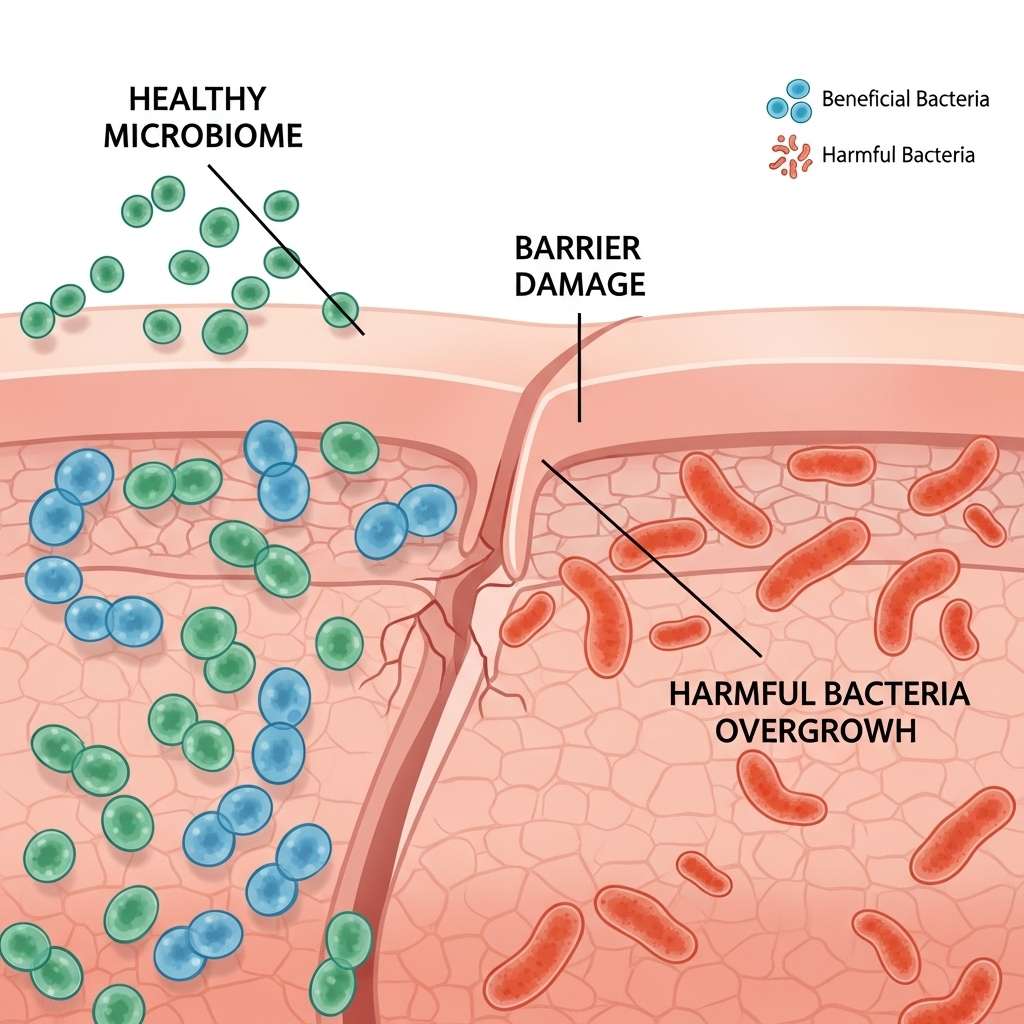
When the barrier is compromised, microbial balance on the skin’s surface shifts. Normal bacteria that usually coexist in equilibrium can overgrow or provoke immune responses to benign organisms. This imbalance — often referred to as a disrupted skin microbiome — contributes to inflammation, pustules, and cyst‑like bumps.
Furthermore, dryness and flakiness can lead to dead skin buildup. Instead of being gently sloughed off through normal cell turnover, accumulated flakes mix with sebum and clog follicles. The result is breakout patterns that can resemble traditional acne but are rooted in barrier dysfunction.
In contrast to classical hormonal acne, barrier‑related breakouts are often accompanied by widespread sensitivity, dryness, and persistent irritation across multiple areas of the face.
Uneven Tone and Dullness: Visual Consequences of Barrier Stress
Healthy, radiant skin reflects light evenly due to intact cell turnover and hydration. When the barrier is damaged, this process falters. Compromised moisture retention leads to uneven tone and a dull appearance.
Because the surface isn’t sufficiently hydrated, cells don’t shed uniformly. Instead, dead cells accumulate irregularly, scattering light in an inconsistent pattern. Visually, this translates to a lack of glow, dark patches, greyish undertones, or subtle shadowing.
Additionally, areas with ongoing irritation or redness can develop post‑inflammatory hyperpigmentation — darkened spots that linger after inflammatory events. Over time, this uneven pigmentation adds to the perception of dull, fatigued skin.
Many consumers report that their skin appears older or more tired than they feel, despite using brightening or anti‑aging products. This disconnect usually traces back to the underlying compromised barrier rather than superficial discoloration alone.
Comparing Healthy Skin to Barrier‑Damaged Skin: A Visual and Functional Table
The following table illustrates how healthy skin differs from barrier‑damaged skin in appearance and function:
| Feature | Healthy Skin Barrier | Damaged Skin Barrier |
|---|---|---|
| Moisture Retention | High; smooth, plump texture | Low; dryness, flakiness |
| Redness & Irritation | Minimal; rare sensitivity | Frequent, chronic redness |
| Texture | Even, soft, refined | Rough, uneven, flaky |
| Reactivity to Products | Tolerates a range of formulations | Reacts to mild products |
| Breakouts | Occasional, predictable | Frequent, inflammatory |
| Radiance | Natural glow | Dull, lackluster |
| Microbiome Balance | Stable, diverse | Disrupted, imbalanced |
| Elasticity | Supple, resilient | Tight, less flexible |
| Aging Signs | Gradual, natural | Accelerated appearance |
This comparison underscores that the visible symptoms of barrier damage are not isolated cosmetic issues but reflections of underlying physiological imbalance.
The Role of Lifestyle Factors in Visible Barrier Symptoms
While skincare products play a direct role, visible barrier symptoms are heavily influenced by lifestyle.
Cleansing Habits
Harsh soaps and high‑pH cleansers strip natural oils essential for lipid matrix integrity. Frequent washing with hot water further depletes moisture, leaving the barrier thin and fragile.
Environmental Exposure
Pollution, UV radiation, dry climates, and wind exposure all exacerbate water loss and provoke inflammation. Individuals in urban environments often experience pronounced barrier stress due to airborne irritants.
Diet and Hydration
Essential fatty acids, antioxidants, and water intake support the skin’s structural lipids and cellular repair mechanisms. Diets low in omega‑3s and high in inflammatory foods correlate with visible signs of sensitivity and dullness.
Sleep and Stress
Sleep drives nocturnal repair mechanisms. Chronic sleep deprivation increases inflammatory signaling and weakens immune regulation, making redness, irritation, and breakouts more likely. Stress triggers cortisol release, which disrupts lipid synthesis and barrier health.
Pros and Cons of Recognizing Visible Symptoms Early
Pros
First, identifying visible signs of barrier damage leads to targeted care. Instead of masking dryness with heavy creams, individuals can repair the barrier with lipid‑rich formulations and gentle routines. Early recognition prevents chronic inflammation, which accelerates aging and exacerbates pigmentation.
Visible symptoms also serve as feedback mechanisms. When skin shows sensitivity, redness, or flakiness, it communicates that current routines or environments are misaligned with the barrier’s needs.
Early intervention often results in significant improvements within weeks, restoring not just cosmetic appearance but physiological function.
Cons
A challenge in recognizing visible barrier symptoms is misdiagnosis. Many people assume redness is rosacea, dryness is normal, or breakouts are hormonal, leading to incorrect or harsh treatments. For example, overuse of exfoliants in response to dullness worsens barrier damage, creating a vicious cycle.
Additionally, visible symptoms can be frustrating because they often do not respond overnight. Repairing the barrier requires consistency and patience — often 4–8 weeks of supportive care — which may feel slow compared to quick‑fix beauty products.
Natural Framework for Repairing the Barrier and Reducing Visible Symptoms
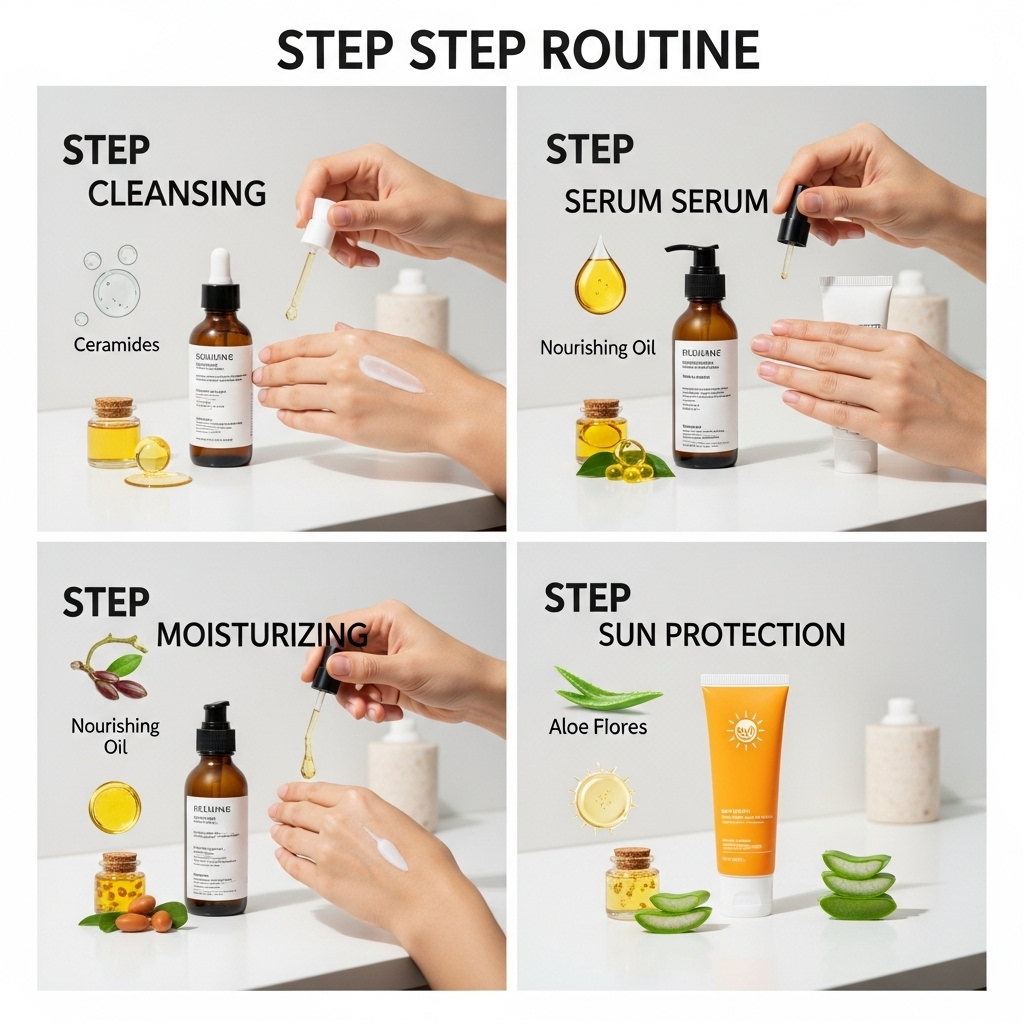
Repairing the skin barrier involves a comprehensive approach: nourishing lipids, gentle cleansing, protective measures, and lifestyle alignment.
Gentle Cleansing
Use low‑pH, sulfate‑free cleansers to remove dirt without stripping natural oils. Avoid hot water and vigorous scrubbing.
Lipid‑Rich Moisturization
Products with ceramides, cholesterol, fatty acids, and squalane replenish the lipid matrix. These components effectively seal in moisture and rebuild structural integrity.
Humectants and Soothing Agents
Humectants like hyaluronic acid draw water into the skin, while soothing botanicals (aloe vera, oat extract, centella asiatica) calm irritation and support repair.
Sun Protection
Daily broad‑spectrum SPF prevents UV‑induced inflammation and free‑radical damage, both of which weaken the barrier.
Lifestyle Adjustments
Adequate hydration, balanced diet rich in omega‑3s and antioxidants, stress management, and sufficient sleep collectively bolster barrier recovery from the inside out.
The skin barrier is the body’s first line of defense, shielding against pollutants, microbes, UV radiation, and moisture loss. When the barrier is compromised, the skin becomes dry, sensitive, and prone to irritation, breakouts, and premature aging. While there are numerous chemical treatments and pharmaceutical options for restoring the skin barrier, natural ingredients have gained increasing attention due to their safety, efficacy, and minimal side effects.
Natural ingredients work in harmony with the skin’s own physiology, providing essential lipids, hydration, and anti-inflammatory compounds. They help replenish what the barrier has lost, support cellular regeneration, and maintain microbial balance. In this article, we explore the most effective natural ingredients for barrier repair, their mechanisms, applications, pros and cons, and practical routines for maximum benefit.
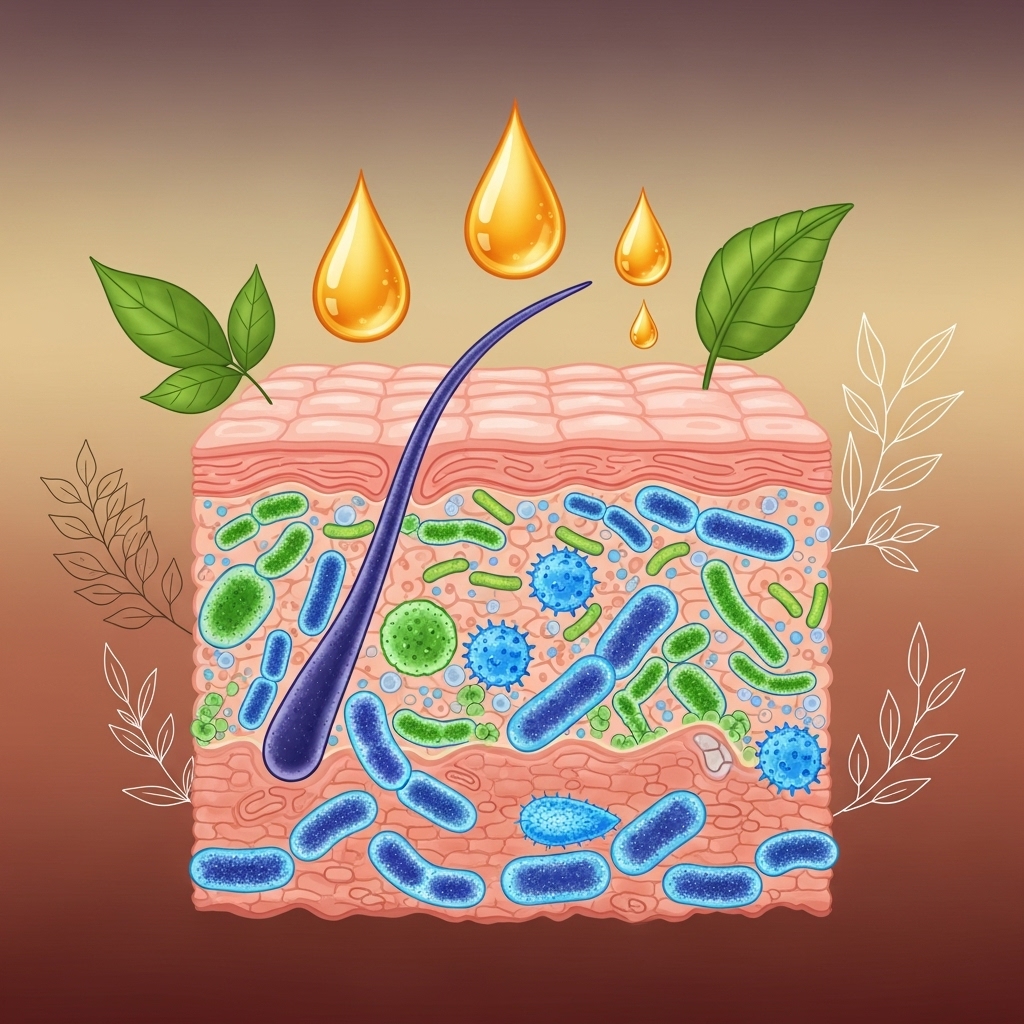
The skin barrier, mainly the stratum corneum, consists of corneocytes (skin cells) embedded in lipids like ceramides, fatty acids, and cholesterol. Damage occurs when these lipids are depleted or disrupted, leading to transepidermal water loss (TEWL), inflammation, and sensitivity.
Natural ingredients restore barrier strength through multiple mechanisms:
Lipid Replenishment: Certain oils and extracts provide fatty acids and sterols that rebuild the protective lipid matrix.
Hydration Support: Humectants like plant-derived glycerin or hyaluronic acid attract and retain moisture.
Anti-inflammatory Properties: Botanicals such as aloe vera and oat extract calm irritation and reduce redness.
Microbiome Support: Prebiotic and probiotic ingredients help maintain healthy skin flora, protecting against harmful bacteria.
Antioxidant Defense: Many plant extracts neutralize free radicals, preventing oxidative damage to barrier structures.
Top Natural Ingredients for Barrier Repair
1. Ceramide-Rich Plant Oils
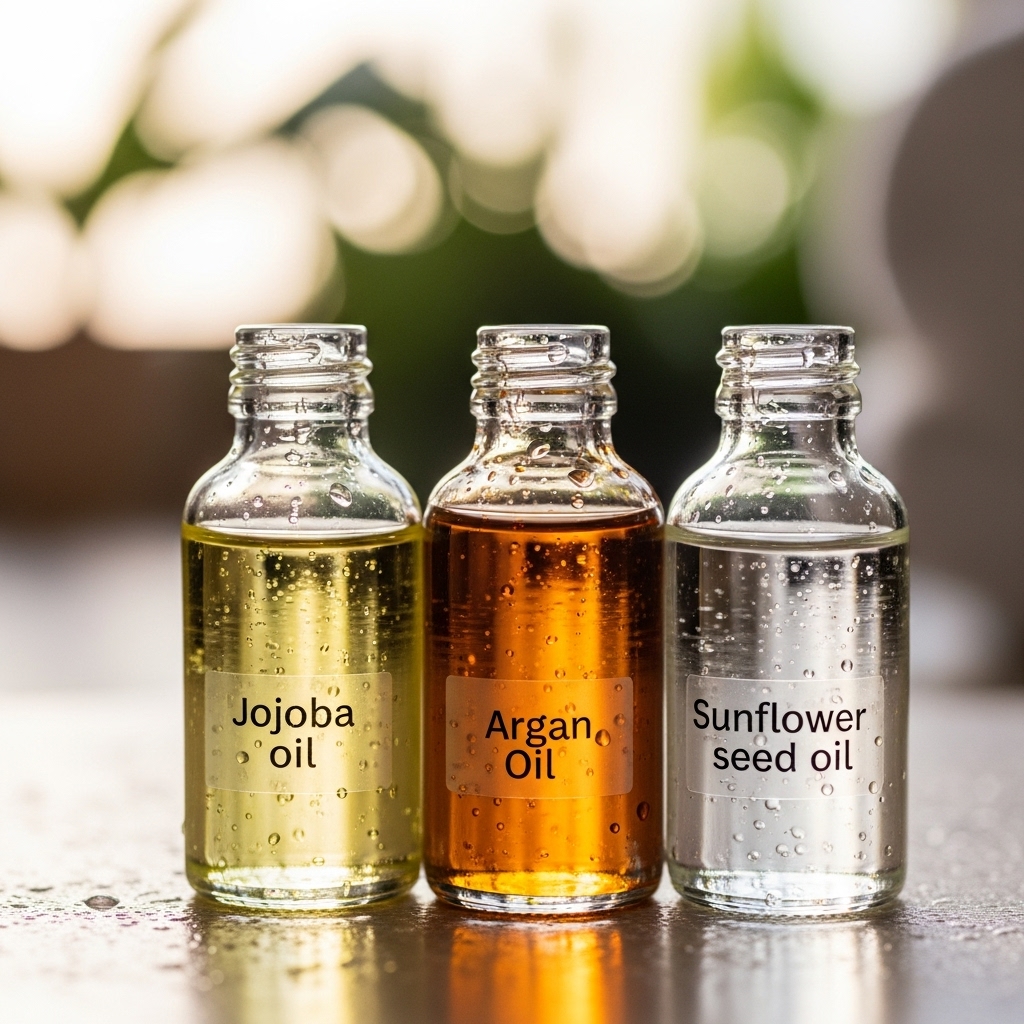
Ceramides are essential lipids that constitute the “mortar” of the skin barrier. While ceramides are naturally produced by the body, topical supplementation can accelerate repair. Plant oils such as jojoba oil, sunflower seed oil, and shea butter contain lipids similar to human ceramides.
These oils help restore lipid balance, improve moisture retention, and reduce TEWL. Regular application can improve skin smoothness and resilience within weeks.
2. Fatty Acid Sources
Fatty acids like omega-3 and omega-6 are critical for maintaining a strong barrier. Ingredients such as argan oil, evening primrose oil, and flaxseed oil deliver linoleic and linolenic acids that reinforce the lipid matrix and prevent dryness.
Studies show that topical fatty acids reduce inflammation and accelerate barrier recovery, making them ideal for sensitive or inflamed skin.
3. Humectants and Moisturizers
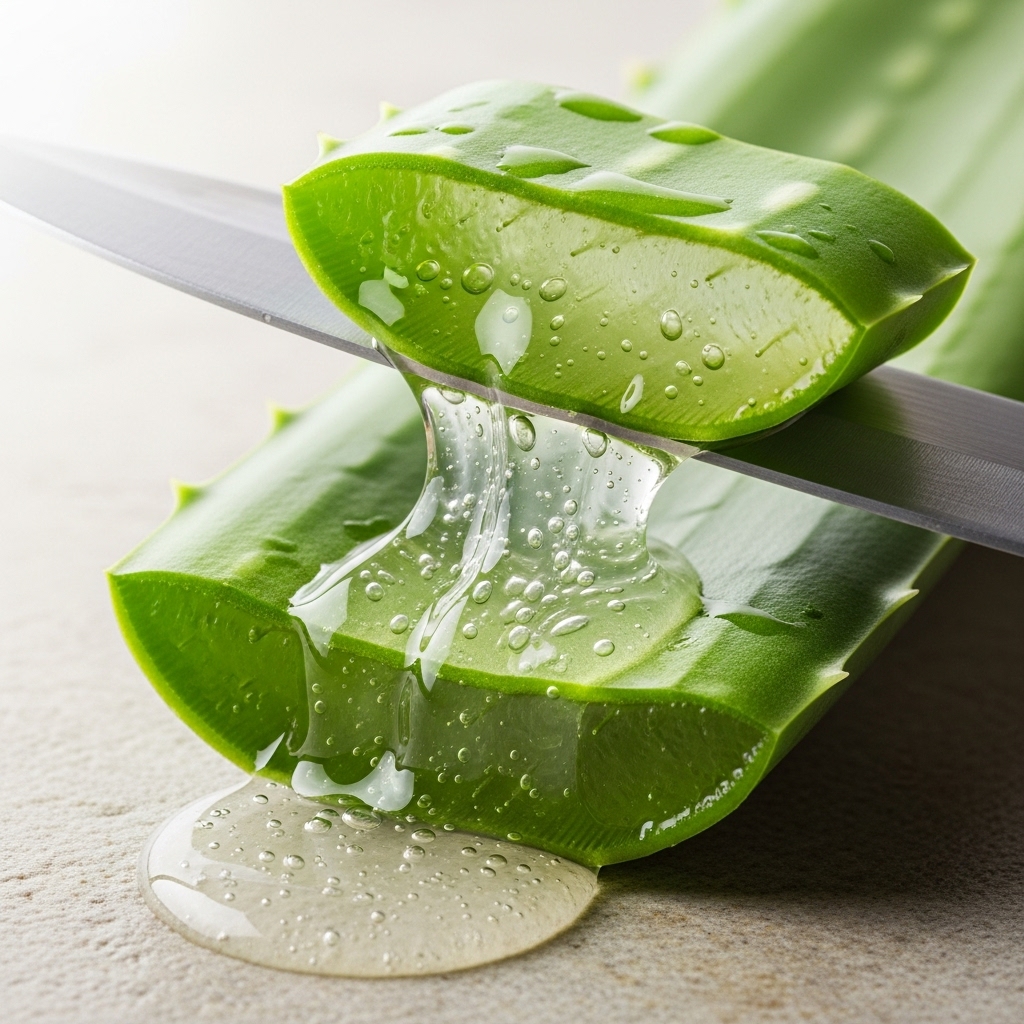
Natural humectants, including aloe vera, honey, glycerin, and hyaluronic acid, draw moisture into the skin while soothing irritation. Aloe vera, for instance, not only hydrates but also provides anti-inflammatory polysaccharides that promote cell repair.
Humectants work best when combined with occlusive lipids (like ceramide-rich oils) to lock in the moisture, creating a synergistic barrier-restoring effect.
4. Botanical Soothers
Plants such as oat extract, chamomile, calendula, and centella asiatica contain compounds that reduce inflammation, redness, and itching. Oat extract contains beta-glucans, which help reinforce barrier function while calming the skin. Centella asiatica stimulates collagen synthesis, supporting structural integrity.
These ingredients are particularly beneficial for eczema-prone, sensitive, or irritated skin.
5. Prebiotics and Probiotics
The skin microbiome plays a vital role in barrier health. Ingredients like lactobacillus-fermented extracts and inulin-based prebiotics promote the growth of beneficial bacteria, protecting against pathogenic microbes.
A balanced microbiome reduces inflammation, prevents overgrowth of harmful bacteria, and strengthens barrier resilience, making these ingredients essential in barrier repair formulations.
6. Antioxidants
Free radicals from UV exposure, pollution, and oxidative stress weaken the barrier. Natural antioxidants such as green tea extract, vitamin E, and resveratrol neutralize these free radicals, preserving lipid structures and supporting cellular repair.
How to Use Natural Ingredients for Maximum Effect
Daily Routine Integration
Cleanser: Use a mild, plant-based cleanser with minimal surfactants to avoid stripping lipids.
Serum: Apply a humectant-rich serum (aloe vera, hyaluronic acid) to draw in moisture.
Moisturizer: Seal with ceramide- or fatty acid-rich oils (jojoba, shea butter) to rebuild the barrier.
Protective Layer: Daily SPF protects the barrier from UV-induced oxidative damage.
Consistency is key; visible improvements often appear within 4–6 weeks of daily use.
Pros and Cons of Using Natural Ingredients
Pros
Gentle and Safe: Minimal risk of irritation compared to synthetic chemicals.
Multi-Functional: Provide hydration, anti-inflammatory, antioxidant, and lipid replenishment simultaneously.
Compatible with Sensitive Skin: Suitable for eczema, rosacea, and allergy-prone individuals.
Sustainable and Eco-Friendly: Many plant-based ingredients have a lower environmental footprint.
Cons
Slower Action: Natural ingredients may take longer to show results compared to pharmaceutical options.
Variability in Quality: Efficacy depends on purity and concentration; not all products are standardized.
Limited Potency for Severe Cases: In cases of extreme barrier damage, natural ingredients alone may not suffice without medical intervention.
Comparison Table: Natural Ingredients vs. Synthetic Barrier Repair
| Feature | Natural Ingredients | Synthetic Ingredients |
|---|---|---|
| Safety | High, minimal irritation | Moderate, may cause sensitivity |
| Multi-functionality | Hydration, anti-inflammatory, antioxidant, lipid replenishment | Primarily targeted effect (e.g., ceramide cream) |
| Speed of Results | Moderate, visible over weeks | Faster, sometimes days |
| Sustainability | Eco-friendly | Less sustainable, chemical production |
| Skin Compatibility | Sensitive skin-friendly | May require patch test |
| Cost | Often more affordable | Can be expensive |
Lifestyle Practices That Enhance Natural Barrier Repair
Balanced Diet: Rich in omega-3 fatty acids (fish, flaxseed), antioxidants (fruits, vegetables), and vitamins (A, C, E) to support lipid production and reduce inflammation.
Hydration: Drinking sufficient water complements topical hydration.
Adequate Sleep: Skin repairs itself during deep sleep cycles, enhancing barrier recovery.
Stress Management: Cortisol from chronic stress impairs lipid synthesis; mindfulness, yoga, and exercise help maintain barrier integrity.
Environmental Protection: Use SPF and protective clothing to shield the skin from UV and pollution stress.
Embrace Nature for a Strong, Resilient Barrier
Natural ingredients offer a gentle yet powerful approach to restoring skin barrier strength. By providing lipids, hydration, anti-inflammatory support, microbiome balance, and antioxidant protection, these ingredients work in harmony with the skin’s natural processes. When integrated into a consistent skincare routine and complemented by a healthy lifestyle, they can transform compromised, sensitive, or dull skin into a resilient, hydrated, and radiant complexion.
The key to success lies in consistency, proper selection of ingredients, and understanding your skin’s unique needs. Whether you are managing dryness, sensitivity, redness, or premature aging, natural ingredients provide a sustainable and safe path to long-term barrier health.
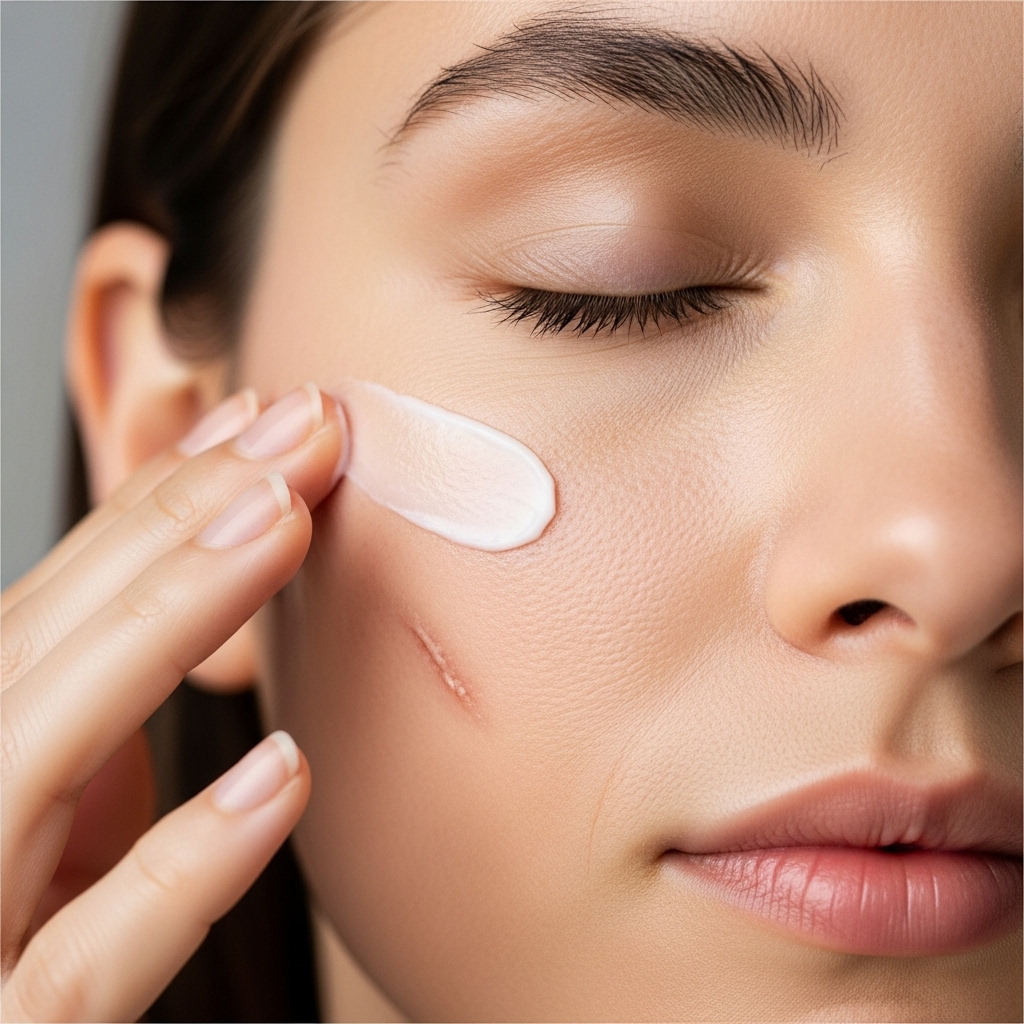 The skin barrier is the body’s frontline defense, protecting against environmental stressors, allergens, and water loss. Repairing a damaged barrier is crucial for healthy, resilient skin, but sustainable repair is only possible when irritation is minimized. Repeated irritation — from harsh products, over-exfoliation, environmental aggressors, or poor lifestyle habits — can perpetuate damage, leading to chronic dryness, redness, sensitivity, breakouts, and premature aging.
In this article, we’ll explore how irritation affects barrier recovery, the main irritants to avoid, natural and lifestyle strategies to minimize irritation, and actionable approaches to achieve long-term skin health.
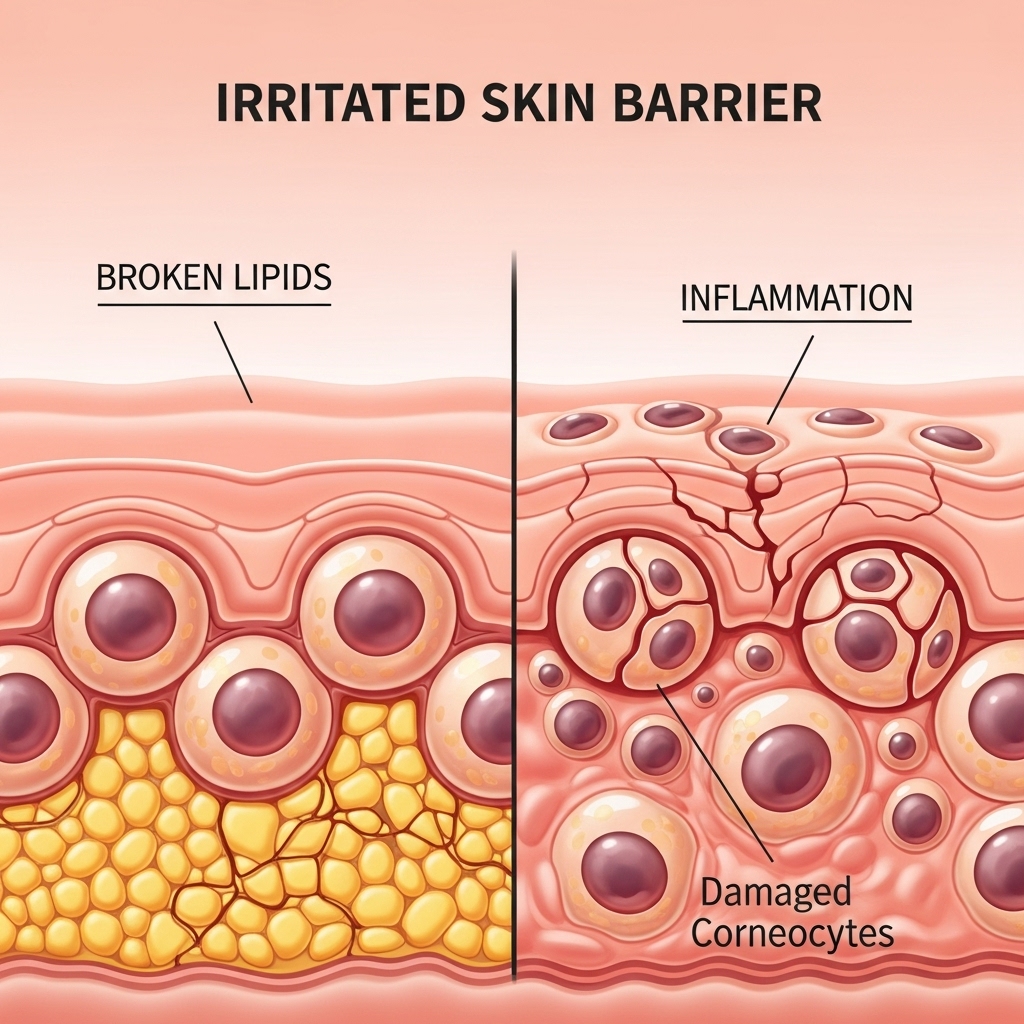 Irritation is the skin’s response to stimuli that trigger inflammation or disrupt its natural defenses. When the skin barrier is weak, irritation leads to a vicious cycle: damaged barrier → increased sensitivity → inflammation → further damage → slower repair.
Mechanisms of Skin Irritation
Inflammatory Response: Irritants trigger immune cells in the epidermis, releasing cytokines and causing redness, swelling, or burning.
Disruption of Lipid Matrix: Harsh chemicals or over-exfoliation break down the stratum corneum lipids, increasing water loss.
Microbiome Imbalance: Irritation can disrupt the balance of beneficial bacteria, allowing harmful microbes to proliferate, causing inflammation and breakouts.
Nerve Activation: Irritation activates sensory nerves, leading to stinging, itching, or discomfort.
Repeated irritation prevents lipids and moisture from being restored, delaying recovery. Therefore, minimizing triggers is as important as replenishing what is lost.
Common Sources of Skin Irritation
1. Harsh Cleansers and Soaps
Many traditional soaps contain sulfates and high-pH ingredients that strip natural oils. While they may feel “clean,” these products remove the lipids essential for barrier integrity. The result is dryness, flaking, redness, and increased sensitivity.
2. Over-Exfoliation
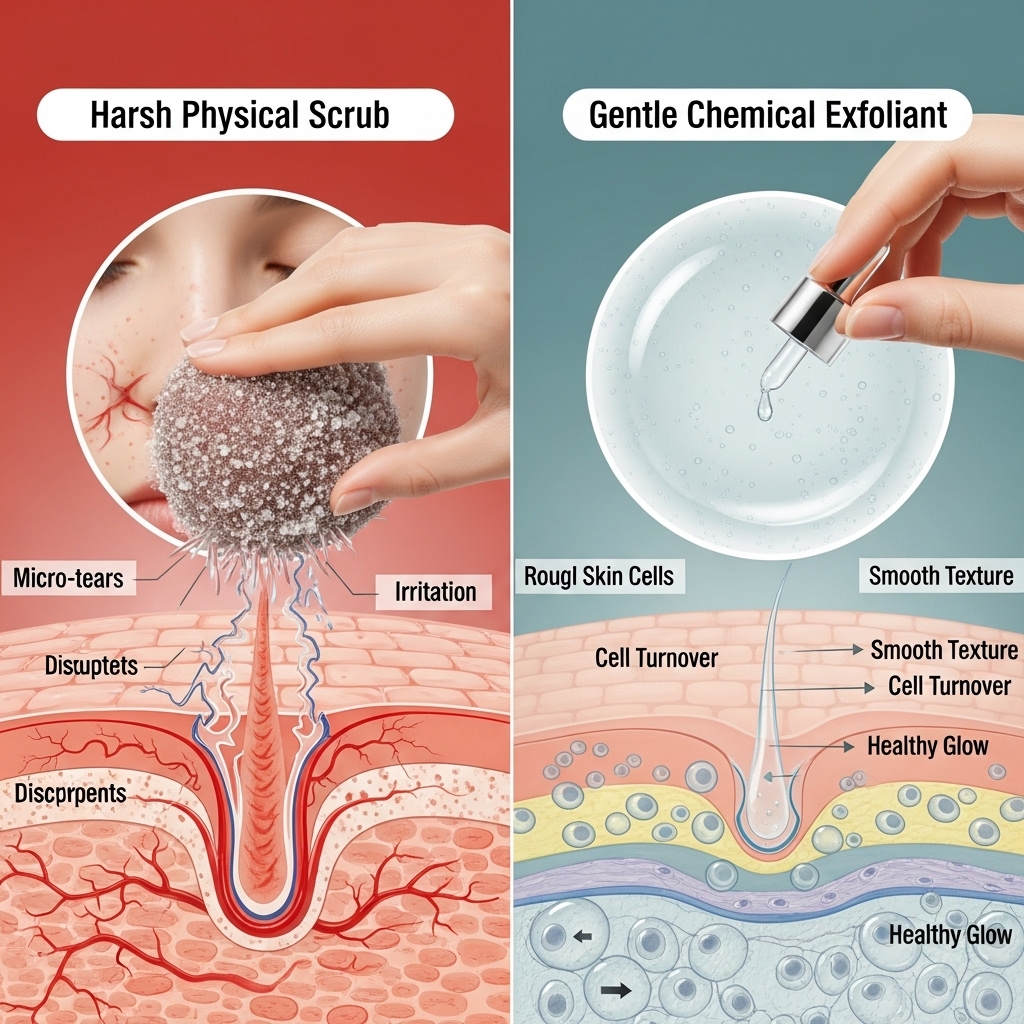
Physical scrubs or strong chemical exfoliants (like high-concentration AHAs/BHAs) are popular for brightening skin. However, frequent or aggressive use can erode the lipid layer, leading to micro-tears, inflammation, and compromised repair.
3. Active Ingredients Misuse
Ingredients like retinoids, vitamin C, and benzoyl peroxide are effective, but when overused or combined incorrectly, they irritate the skin and slow barrier recovery.
4. Environmental Irritants
Pollution, UV radiation, wind, and dry climates are external stressors that weaken the barrier and trigger irritation. UV exposure, in particular, accelerates oxidative stress, damaging lipids and proteins in the stratum corneum.
5. Lifestyle Factors
Poor diet, dehydration, inadequate sleep, and stress can all amplify the skin’s sensitivity. Chronic stress increases cortisol, which reduces lipid synthesis and triggers inflammation. Lack of sleep impairs repair cycles, leaving the skin more vulnerable to irritation.
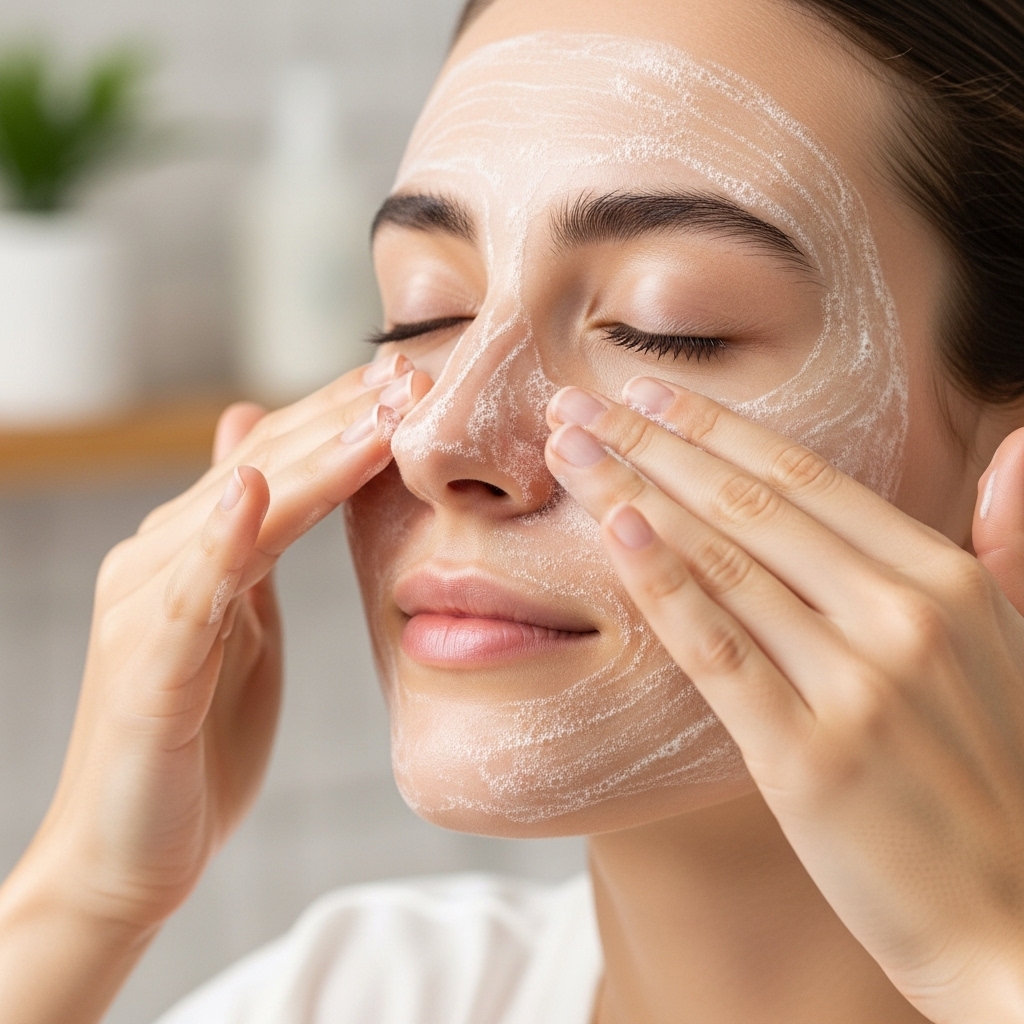
Strategies to Minimize Irritation
Gentle Cleansing
Use low-pH, sulfate-free cleansers.
Avoid hot water; opt for lukewarm temperatures.
Limit cleansing to twice daily unless the skin is very oily or exposed to dirt.
Avoid Over-Exfoliation
Limit physical scrubs to 1–2 times per week.
Use mild chemical exfoliants at low concentrations.
Avoid layering multiple actives in a single routine until the barrier is restored.
Patch Testing New Products
Before applying new products to the entire face, test a small area for 24–48 hours to assess tolerance.
Layering Barrier-Supportive Products
Apply humectants first (e.g., hyaluronic acid, glycerin).
Seal in moisture with occlusives like ceramide creams, shea butter, or squalane.
Avoid products with high alcohol content or heavy fragrances.
Sun and Environmental Protection
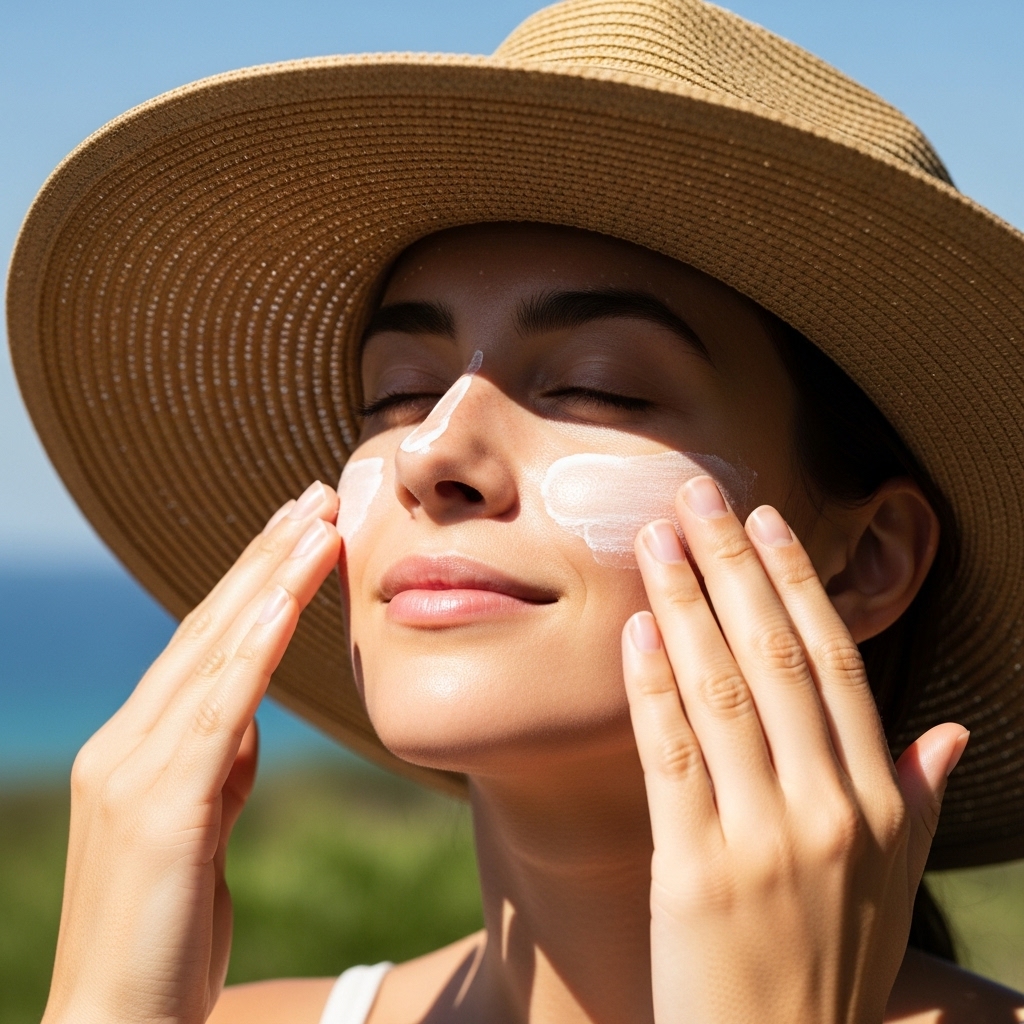
Daily broad-spectrum SPF protects against UV-induced irritation.
Wear protective clothing and avoid peak sun hours.
Use antioxidant serums to counteract pollution-induced oxidative stress.
Lifestyle Adjustments
Prioritize 7–9 hours of sleep.
Maintain hydration through water and hydrating foods.
Manage stress with meditation, yoga, or exercise.
Eat a nutrient-rich diet supporting lipid production (omega-3s, vitamins A, C, E).
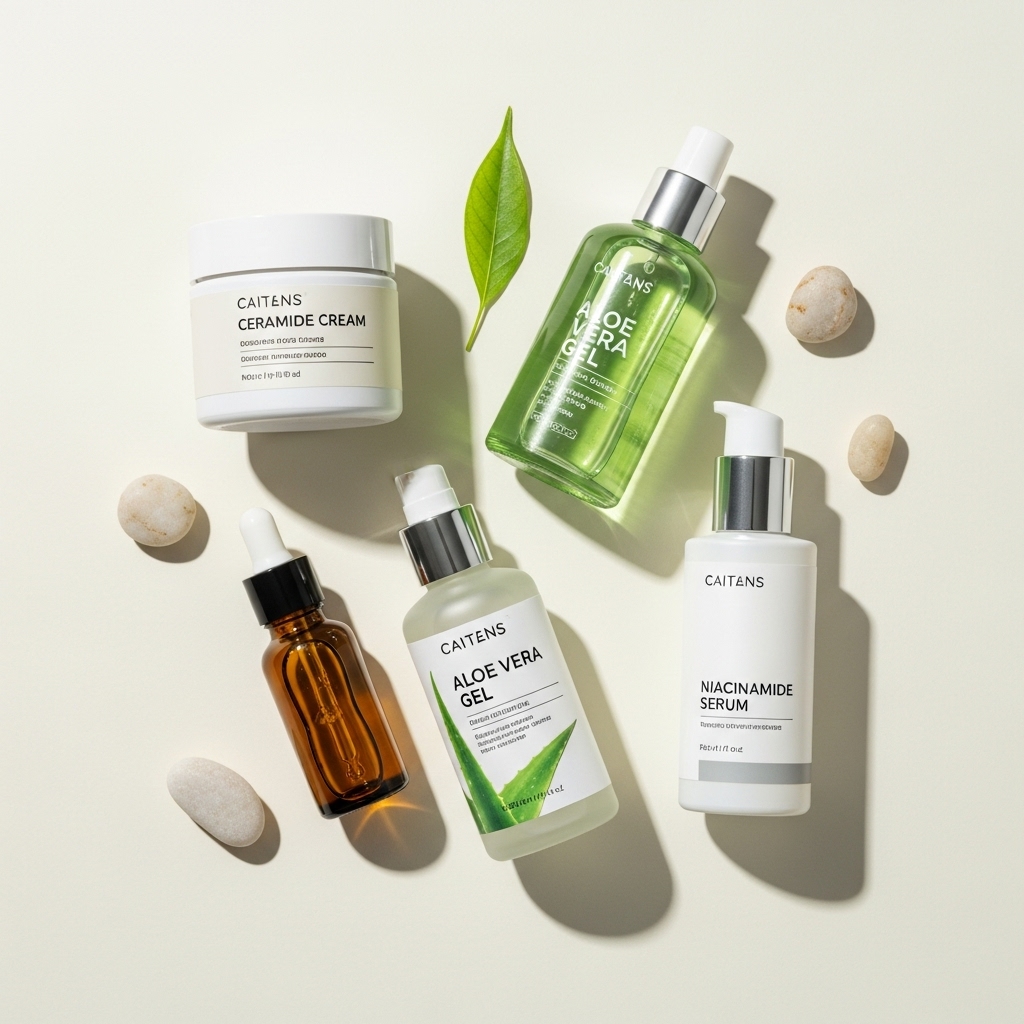
Top Natural Ingredients That Reduce Irritation and Support Repair
| Ingredient | Function | Benefits for Barrier Health |
|---|---|---|
| Aloe Vera | Soothes, hydrates | Reduces redness, inflammation, and irritation |
| Oat Extract | Anti-inflammatory, calming | Supports repair, reduces itching |
| Ceramides | Lipid replenishment | Restores barrier integrity, prevents water loss |
| Fatty Acid Oils (Jojoba, Argan) | Replenishes lipids | Improves hydration, elasticity, and resilience |
| Niacinamide | Anti-inflammatory, strengthens lipids | Reduces redness, regulates oil, and improves texture |
| Green Tea Extract | Antioxidant, anti-inflammatory | Protects barrier from oxidative damage |
Pros and Cons of Minimizing Irritation in Barrier Repair
Pros
Enhances long-term barrier restoration.
Reduces redness, dryness, and sensitivity.
Improves skin tolerance to other active ingredients.
Supports overall skin health and resilience.
Cons
Requires patience; results are gradual.
May involve simplifying routines, which some users perceive as “less active.”
Environmental factors like pollution or harsh climates can still pose challenges.
Comparison Table: Irritated vs. Minimally Irritated Skin During Barrier Repair
| Aspect | Irritated Skin | Minimized Irritation |
|---|---|---|
| Hydration | Rapid water loss (high TEWL) | Moisture retention, smooth texture |
| Redness & Sensitivity | Chronic, reactive to products | Calm, stable, tolerates skincare |
| Recovery Speed | Slow, prolonged healing cycles | Faster, consistent barrier restoration |
| Tolerance to Actives | Low, prone to reactions | Higher, can use gentle actives safely |
| Overall Appearance | Dull, flaky, inflamed | Radiant, supple, even-toned |
Practical Daily Routine to Minimize Irritation
Morning Routine
Gentle low-pH cleanser
Hydrating serum (humectant-based)
Barrier-repair moisturizer (ceramides, fatty acids)
Broad-spectrum SPF 30+
Evening Routine
Gentle cleansing (avoid double-cleansing unless wearing heavy makeup)
Barrier-supporting serum (niacinamide, aloe)
Moisturizer with lipid-replenishing ingredients
Optional light oil (squalane, jojoba) for added occlusion
Minimized Irritation as a Cornerstone of Sustainable Barrier Repair

Sustainable skin barrier repair is not just about what you apply to your skin; it’s equally about what you avoid. Irritation, whether from harsh products, over-exfoliation, environmental stressors, or lifestyle choices, can significantly delay recovery and worsen sensitivity.
By combining gentle routines, barrier-supportive natural ingredients, protective measures, and supportive lifestyle habits, you create an environment where your skin can heal, strengthen, and maintain long-term resilience. Minimizing irritation is not a secondary concern—it is the foundation for successful, sustainable barrier repair.
