

When weight gain feels unfair and unexplained
Burnout doesn’t always arrive loudly.
Sometimes it creeps in quietly.
You feel tired more often.
Motivation drops.
Sleep feels lighter.
Joy feels muted.
And then, slowly, weight gain appears.
Not from overeating.
Not from laziness.
But from a body that has been carrying too much for too long.
If you’ve gained weight during a period of burnout and thought, “What’s wrong with me?” — this article is for you.
Nothing is wrong with you.
Your body is responding exactly as it was designed to.
Burnout is not just mental — it’s physiological
Burnout isn’t simply feeling tired or unmotivated.
It’s a state of prolonged nervous system overload.
When burnout sets in:
- Cortisol remains elevated
- Recovery systems shut down
- Energy conservation becomes a priority
- Fat storage increases as protection
Your body shifts from thriving mode to survival mode.
And survival mode doesn’t care about weight loss.
Why burnout changes how your body uses food
During burnout, your body becomes extremely efficient.
That sounds good—but it’s not.
Efficiency during stress means:
- Burning fewer calories at rest
- Holding onto energy
- Reducing non-essential processes
- Increasing fat storage “just in case”
This is why people often say:
“I’m eating the same—or less—but gaining weight.”
Your intake didn’t change.
Your physiology did.
Cortisol and burnout: a long-term relationship
Short-term stress raises cortisol briefly.
Burnout keeps it elevated chronically.
Over time, high cortisol:
- Raises blood sugar
- Increases insulin resistance
- Promotes abdominal fat storage
- Disrupts hunger cues
- Interferes with sleep
This creates a perfect storm for weight gain—without overeating.
Burnout weight gain often shows up in specific places
Many people notice:
- Increased belly fat
- Puffiness or inflammation
- A “softer” body feel
- Reduced muscle tone
This isn’t random.
Abdominal fat is more sensitive to stress hormones, especially cortisol.
Your body stores fat where it believes it will be most useful for survival.
Why “getting disciplined again” rarely works
Burnout already means:
- Low energy
- Reduced mental bandwidth
- Emotional fatigue
Trying to fix burnout weight gain with:
- Stricter diets
- More exercise
- Increased control
…adds more stress to an already overwhelmed system.
That stress reinforces the very hormonal environment that caused the weight gain in the first place.
This is why discipline often fails during burnout.
Not because you’re weak — but because your body is exhausted.
Burnout disrupts hunger and fullness signals
One of the most confusing aspects of burnout-related weight gain is appetite changes.
Some people:
- Lose appetite during the day
- Forget to eat
- Feel suddenly ravenous at night
Others:
- Feel hungry but unsatisfied
- Crave comfort foods
- Eat without relief
Burnout disrupts the brain–gut connection.
Your body struggles to interpret hunger accurately when stress is chronic.
Why burnout weight gain isn’t about “bad habits”
Burnout doesn’t come from laziness.
It comes from:
- Overgiving
- Long-term pressure
- Emotional labor
- Lack of rest
- Constant responsibility
Weight gain during burnout is often the body’s first clear signal that something needs to change.
Not your willpower.
Your environment.
The role of sleep in burnout-related weight gain
Sleep often deteriorates quietly during burnout.
Even if you’re in bed, you may not be truly resting.
Poor sleep:
- Keeps cortisol elevated
- Increases hunger hormones
- Reduces insulin sensitivity
- Increases fat storage
You can’t “out-diet” sleep deprivation.
Recovery starts with rest.
Why exercise can backfire during burnout
Movement is healthy—but timing matters.
During burnout:
- High-intensity exercise can raise cortisol further
- Long workouts may increase fatigue
- Recovery capacity is reduced
Many people see better results by:
- Walking
- Gentle strength training
- Stretching
- Restorative movement
Movement should restore energy — not drain it.
Eating enough is essential during burnout recovery

One of the biggest mistakes during burnout is undereating.
Under-fueling tells the body:
“Resources are scarce.”
Which increases cortisol further.
Supportive nutrition during burnout includes:
- Regular meals
- Adequate carbohydrates
- Protein for stability
- Enough total energy
Weight loss does not begin with restriction during burnout.
It begins with rebuilding trust.
Burnout recovery and weight regulation go together
As burnout eases, you may notice:
- Improved sleep
- More stable appetite
- Reduced cravings
- Less urgency around food
- Better energy
Weight often begins to shift after these changes—not before.
The body releases weight when it feels safe again.
What burnout recovery actually looks like
Recovery isn’t dramatic.
It’s subtle.
It looks like:
- Saying no more often
- Eating regularly without guilt
- Sleeping more
- Letting go of perfection
- Reducing pressure
- Moving gently
These choices may feel “unproductive.”
But biologically, they are powerful.
Progress during burnout recovery is not linear
Some weeks you may feel better.
Some weeks you may feel stuck.
This doesn’t mean you’re failing.
Your body is recalibrating systems that have been stressed for a long time.
Patience isn’t optional here—it’s part of the process.
A gentler definition of health
Health during burnout is not about shrinking your body.
It’s about:
- Restoring energy
- Regaining trust
- Calming the nervous system
- Supporting recovery
Weight becomes less important—and ironically, easier to regulate—when survival mode ends.
Final reflection
If your body gained weight during burnout, it wasn’t betraying you.
It was protecting you.
And now, with rest, nourishment, and less pressure, it can slowly learn that it’s safe again.
That’s not weakness.
That’s wisdom.
Burnout Weight Gain Is a Survival Response, Not a Discipline Problem
Burnout doesn’t announce itself — it accumulates
Burnout rarely shows up all at once.
It builds quietly, layer by layer.
You push through tiredness.
You ignore small signals.
You tell yourself you’ll rest later.
And slowly, your body shifts gears.
Energy feels harder to access.
Motivation drops.
Food feels confusing.
Weight begins to change.
This isn’t because you stopped caring.
It’s because your body has been caring for too long without recovery.
The body has only two priorities: survival and repair
When resources are abundant, the body invests in:
Repair
Hormonal balance
Lean muscle
Fat loss when needed
But during burnout, the body switches priorities.
It asks one question:
“How do we survive this?”
And survival looks very different from weight loss.
Why weight gain is protective during burnout
Weight gain during burnout is not random.
Fat tissue serves important functions:
Energy storage
Hormone buffering
Inflammation management
Stress protection
When burnout is present, the body increases fat storage because:
Stress hormones are elevated
Energy demand feels unpredictable
Recovery is limited
Your body is building insurance.
Not sabotaging you.
Cortisol doesn’t rise — it stays
Short stress raises cortisol briefly.
Burnout keeps cortisol chronically elevated.
This changes everything:
Blood sugar remains unstable
Insulin works harder
Fat storage increases
Muscle breakdown accelerates
Appetite regulation weakens
The body becomes efficient, cautious, and conservative.
And conservative bodies don’t let go of weight easily.
Why burnout weight gain often feels “soft” and sudden

Many people describe burnout weight gain as:
Puffiness
Inflammation
Loss of muscle tone
Abdominal fat gain
This happens because:
Muscle tissue breaks down faster under stress
Water retention increases
Fat storage outpaces fat release
It’s not that you gained “bad weight.”
Your body redistributed resources under pressure.
Why eating less during burnout backfires
Burnout already signals scarcity.
Eating less amplifies it.
When you restrict food during burnout:
Cortisol rises further
Thyroid activity slows
Metabolism adapts downward
Fat loss becomes even harder
This is why many people say:
“I tried to fix burnout weight gain by eating less — and it got worse.”
Your body interpreted restriction as danger.
Burnout weight gain is not a motivation issue
Burnout drains motivation because:
The nervous system is overloaded
Decision fatigue is high
Mental energy is depleted
Trying to “push through” with discipline during burnout is like driving a car with no fuel.
The system cannot respond the way it used to.
Why the body resists change during burnout
Resistance isn’t stubbornness.
It’s a protective reflex.
Your body resists:
Calorie deficits
Intense exercise
New stressors
Because it already feels unsafe.
Weight loss requires capacity.
Burnout removes capacity.
The mistake of treating burnout weight gain like normal weight gain
Burnout weight gain is contextual, not behavioral.
Treating it like a simple diet issue:
Misses the root cause
Adds pressure
Increases stress
Delays recovery
Burnout weight gain resolves when burnout resolves.
Not before.
Recovery begins when pressure decreases
This is the part most people struggle with.
Recovery doesn’t feel productive.
It looks like:
Doing less
Eating more consistently
Sleeping longer
Saying no
Letting go of control
But biologically, this is when healing begins.
Signs the body is coming out of survival mode
Progress shows up quietly:
Appetite stabilizes
Sleep improves
Energy returns
Cravings soften
Emotional reactivity decreases
Weight shifts come later.
Always later.
A new definition of success during burnout
Success is not:
Forcing weight loss
Fighting hunger
Overriding fatigue
Success is:
Restoring safety
Rebuilding trust
Supporting recovery
Allowing time
The body releases weight when it feels ready.
Not when it’s pressured.
Final reflection
Burnout weight gain is not a personal failure.
It’s a biological response to prolonged demand.
And once demand decreases, the body remembers how to regulate again — slowly, gently, and in its own time.
How Burnout Disrupts Hunger, Fullness, and Emotional Eating
Burnout changes how hunger feels

One of the most disorienting aspects of burnout is appetite confusion.
You may notice:
No hunger all day, then intense hunger at night
Eating without satisfaction
Craving comfort foods specifically
Feeling disconnected from fullness
This isn’t a lack of awareness.
It’s nervous system overload.
Hunger is regulated by more than food
Hunger depends on:
Blood sugar
Stress hormones
Sleep quality
Emotional safety
Energy availability
Burnout disrupts all of these at once.
So hunger stops following predictable rules.
Why burnout suppresses daytime appetite
During stress, cortisol suppresses appetite temporarily.
That’s why many people:
Forget to eat
Feel “too busy” to eat
Ignore hunger signals
But suppressed hunger doesn’t disappear.
It rebounds later — often intensely.
Nighttime eating during burnout is biological
By evening:
Stress hormones begin to drop
Mental control weakens
The body seeks replenishment
Food becomes:
Comfort
Regulation
Grounding
Nighttime eating is not lack of control.
It’s delayed compensation.
Emotional eating during burnout is functional
Food provides:
Dopamine
Warmth
Predictability
Relief
When other sources of comfort are unavailable, food steps in.
Emotional eating isn’t random.
It’s adaptive.
Why guilt worsens burnout eating patterns
Guilt increases stress.
Stress increases cortisol.
Cortisol increases cravings.
The cycle tightens.
Shame does not correct eating behavior — it reinforces it.
Burnout creates “all-or-nothing” eating patterns

Under burnout, people often swing between:
Restriction
Overeating
Control
Collapse
This isn’t lack of discipline.
It’s nervous system exhaustion.
Stability comes from predictability, not perfection.
Why mindful eating feels impossible during burnout
Mindfulness requires capacity.
Burnout removes capacity.
When the nervous system is dysregulated:
Slowing down feels unsafe
Awareness increases anxiety
Control feels protective
Trying to force mindfulness adds pressure.
Regulation must come first.
Rebuilding hunger trust during burnout
Healing begins with:
Eating regular meals
Including carbohydrates
Avoiding long fasts
Reducing food rules
Normalizing appetite fluctuations
Trust is rebuilt through repetition.
Not control.
Why weight may increase before it stabilizes

As restriction decreases:
Water weight may rise
Glycogen stores refill
Inflammation shifts
This is not fat gain.
It’s recovery.
And recovery precedes regulation.
When appetite begins to normalize
Over time, you may notice:
Hunger returning gradually
Fullness becoming clearer
Reduced urgency around food
Less emotional charge
This is a sign the nervous system is calming.
The long view matters here
Burnout eating patterns don’t resolve in weeks.
They resolve as:
Stress decreases
Sleep improves
Nourishment stabilizes
Life pressure eases
Food becomes neutral again when survival mode ends.
Final reflection
Burnout doesn’t just exhaust the mind.
It disrupts the body’s most basic signals.
Healing your relationship with food during burnout isn’t about control.
It’s about restoring safety — one meal, one night of sleep, one boundary at a time.
Why Burnout Slows Metabolism and Makes Weight Loss Feel Impossible
Metabolism doesn’t “break” — it adapts to pressure
When people say, “My metabolism is broken,” what they usually mean is this:
“My body doesn’t respond the way it used to.”
That change can feel frightening. But it’s important to understand one thing clearly:
Metabolism doesn’t randomly fail.
It adapts to environment.
Burnout is one of the strongest environments for metabolic adaptation.
What metabolism actually is (beyond calorie myths)
Metabolism is not just:
Calories burned
Steps taken
Exercise output
It’s a complex system that includes:
Hormones
Nervous system state
Muscle mass
Stress load
Sleep quality
Energy availability
Burnout affects all of these at once.
That’s why weight loss during burnout feels different — and harder.
How burnout shifts the body into conservation mode
When burnout is present, the body senses:
Prolonged demand
Limited recovery
Emotional strain
Inconsistent energy intake
In response, it prioritizes:
Energy conservation
Fat storage
Reduced energy output
This is not sabotage.
This is survival intelligence.
The hidden metabolic costs of chronic exhaustion
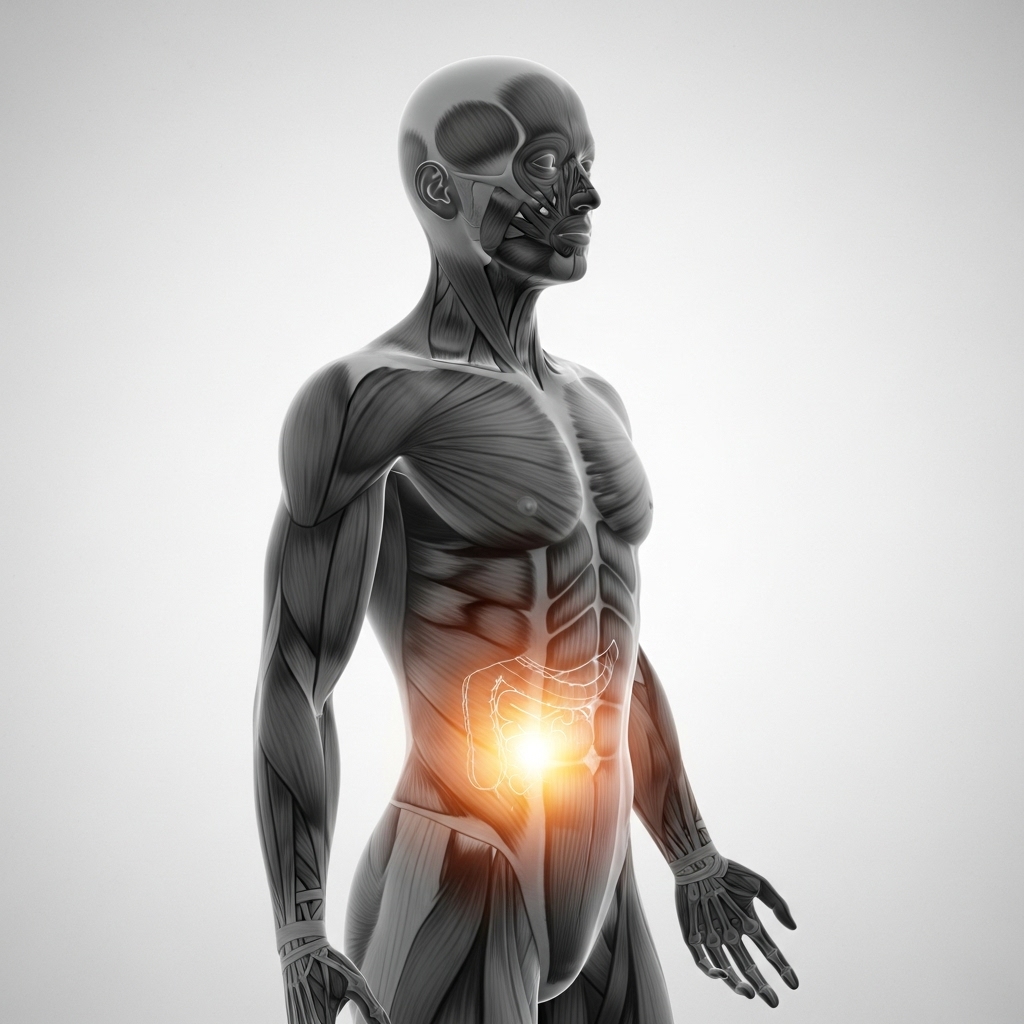
Burnout leads to subtle but powerful changes:
1. Reduced resting energy expenditure
The body quietly burns fewer calories at rest.
2. Lower spontaneous movement
You move less without noticing — fewer gestures, less fidgeting, slower pace.
3. Muscle breakdown increases
Stress hormones break down muscle tissue, which lowers metabolic demand further.
4. Hormonal signaling shifts
Insulin, cortisol, and thyroid hormones change how energy is used.
Together, these create a metabolism that feels “stuck.”
Why eating less doesn’t restart metabolism during burnout
This is where frustration peaks.
People often try to “kickstart” metabolism by:
Cutting calories
Skipping meals
Increasing exercise
But under burnout, this backfires.
Because restriction tells the body:
“Resources are even less available than before.”
So metabolism adapts further downward.
This is why:
Weight loss stalls
Energy drops
Cravings intensify
Fat loss feels impossible
The body is protecting itself from collapse.
Burnout, thyroid function, and energy regulation
Burnout often affects thyroid signaling indirectly.
Stress can:
Reduce conversion of active thyroid hormones
Lower energy output
Increase fatigue
Reduce fat-burning capacity
This doesn’t always show up clearly on blood tests — but it shows up in how you feel.
Sluggishness, cold sensitivity, and fatigue are common.
Why metabolism responds to safety, not pressure
Metabolism improves when the body feels:
Predictable nourishment
Adequate rest
Reduced emotional load
Physical safety
Pressure does the opposite.
Think of metabolism like a guarded door.
Force makes it lock tighter.
Safety makes it open.
Signs your metabolism is in burnout-protection mode
Constant fatigue
Cold hands and feet
Low motivation
Weight gain without overeating
Difficulty building muscle
Poor recovery from exercise
These are not flaws.
They’re protective signals.
Supporting metabolism during burnout recovery
Healing metabolism during burnout is not aggressive.
It’s strategic and patient.
Helpful steps include:
Eating enough consistently
Avoiding long fasting windows
Including carbohydrates
Supporting sleep
Reducing excessive cardio
Preserving muscle gently
As stress decreases, metabolism follows.
When metabolism begins to recover
Recovery doesn’t feel dramatic.
You may notice:
Slight energy improvements
Better sleep
Improved mood
More stable appetite
Weight changes often come later.
This timing matters.
Key takeaway
If your metabolism feels slow during burnout, it’s not broken.
It’s protecting you from further depletion.
Once safety is restored, metabolism remembers how to respond.
How to Support Weight Regulation While Recovering From Burnout
Weight regulation during burnout is not a “plan”
It’s a process.
And that process begins with one question:
“What does my body need right now to feel less threatened?”
Weight loss is not the first answer.
Stability is.
Step 1: Normalize eating before optimizing it
During burnout recovery, eating patterns matter more than calorie numbers.
The goal is predictability.
Helpful foundations:
Regular meals
Adequate portions
Balanced macronutrients
Reduced food rules
This alone can lower stress hormones.
Step 2: Eat enough to reduce cortisol
Under-fueling keeps cortisol elevated.
Supporting intake tells the body:
“Energy is available. You don’t need to conserve.”
This doesn’t cause weight gain long-term.
It prevents stress-driven weight gain.
Step 3: Choose movement that restores capacity
Movement during burnout should:
Support circulation
Preserve muscle
Reduce stress
Examples:
Walking
Gentle strength training
Stretching
Mobility work
Movement should leave you calmer, not depleted.
Step 4: Prioritize sleep as metabolic repair
Sleep is where regulation begins.
Even small improvements matter:
Consistent bedtime
Reduced evening stimulation
Enough daytime nourishment
Sleep quality influences appetite, hormones, and fat storage.
Step 5: Reduce decision fatigue around food and fitness
Burnout drains mental energy.
Simplify:
Repeated meals
Simple grocery lists
Flexible routines
Less thinking = less stress = better regulation.
Step 6: Release urgency around weight change
Urgency increases pressure.
Pressure increases cortisol.
Cortisol increases fat storage.
Weight regulation improves when urgency fades.
This doesn’t mean giving up.
It means trusting timing.
What progress actually looks like during burnout recovery
Before weight changes, you may notice:
Better sleep
Reduced cravings
Improved digestion
Less emotional eating
More stable energy
These are not “side effects.”
They are prerequisites.
Why weight loss often follows emotional relief
As burnout eases:
Stress hormones drop
Appetite normalizes
Insulin sensitivity improves
Fat release becomes possible
Weight loss becomes a byproduct, not a goal.
The danger of rushing recovery
Trying to rush weight loss during burnout:
Extends recovery time
Increases relapse risk
Reinforces stress patterns
Slow recovery is not failure.
It’s protection.
Redefining success during burnout recovery

Success is:
Feeling less exhausted
Sleeping better
Eating without guilt
Trusting hunger
Feeling safe in your body
Weight follows success — not the other way around.
Final reflection
Your body doesn’t need more discipline.
It needs permission to rest.
When pressure fades, regulation returns.
And when regulation returns, weight no longer needs to be fought.
Healing Burnout, Restoring Metabolism, and Letting Weight Regulate Naturally
When you stop fighting your body, it finally listens
If there’s one theme that runs through every part of this series, it’s this:
Your body has never been working against you.
It has been responding — intelligently — to prolonged stress, pressure, restriction, and exhaustion.
Burnout didn’t just slow your progress.
It changed your physiology.
And weight gain wasn’t a mistake.
It was a message.
Burnout weight gain is not a moral failure
Let’s say this clearly.
Burnout weight gain is not caused by:
Laziness
Weak willpower
Lack of discipline
“Letting yourself go”
It’s caused by:
Chronic stress
Nervous system overload
Elevated cortisol
Reduced recovery
Energy conservation
Your body made adjustments to survive.
That’s not failure.
That’s intelligence.
Why sustainable weight loss begins after burnout eases
Weight loss requires:
Energy
Hormonal balance
Safety
Recovery capacity
Burnout removes all four.
This is why pushing harder during burnout:
Extends recovery
Increases resistance
Reinforces fat storage
Deepens exhaustion
Weight regulation begins when burnout ends, not when discipline increases.
The body releases weight when it no longer feels threatened
Throughout this series, one idea keeps returning:
The body releases weight when it feels safe.
Safety looks like:
Regular meals
Enough total food
Adequate sleep
Reduced pressure
Predictable routines
Emotional permission to rest
None of these are extreme.
They are biological requirements.
Why patience is not optional in recovery
Burnout recovery doesn’t move on a schedule.
Your body recalibrates slowly because:
Stress hormones need time to normalize
Hunger cues need time to rebuild
Metabolism needs consistency
Trust must be earned again
Impatience creates pressure.
Pressure recreates burnout.
Healing requires time.
A new definition of “healthy weight”
A healthy weight is not:
The lowest number you can reach
The body you had before burnout
A punishment for exhaustion
A healthy weight is:
One your body can maintain without stress
One that supports energy, sleep, and mood
One that doesn’t require constant control
Health is not a number.
It’s a state of regulation.
What long-term success actually looks like
Success after burnout looks like:
Eating without fear
Moving without punishment
Resting without guilt
Trusting hunger again
Feeling present in your body
Weight becomes one signal among many — not the only measure of worth.
Final words (read this slowly)
If you’ve been carrying extra weight after burnout, it doesn’t mean you failed.
It means you endured.
And now, with gentleness, nourishment, and less pressure, your body can finally stand down from survival mode.
Healing doesn’t require force.
It requires permission.
❓ FREQUENTLY ASKED QUESTIONS
Can burnout really cause weight gain?
Yes. Burnout increases stress hormones like cortisol, reduces recovery, disrupts appetite regulation, and encourages fat storage as a survival response — even without overeating.
Why can’t I lose weight while I’m burned out?
Weight loss requires energy and hormonal balance. Burnout creates a state of conservation where the body prioritizes survival over fat loss.
Does eating less help burnout weight gain?
No. Eating less during burnout usually increases cortisol and metabolic resistance, making weight gain and fatigue worse.
How long does it take to lose burnout weight?
There is no fixed timeline. Weight regulation typically begins after stress decreases, sleep improves, and nourishment becomes consistent.
What should I focus on instead of weight loss during burnout?
Focus on sleep, regular meals, gentle movement, emotional recovery, and reducing pressure. Weight often follows these changes naturally.
Is burnout weight gain permanent?
No. Burnout weight gain is reversible, but it resolves through recovery — not restriction.
Why is most burnout weight gained around the belly?
Abdominal fat is more sensitive to cortisol, the primary stress hormone elevated during burnout.
Can exercise help during burnout recovery?
Yes — but only gentle, restorative movement. Intense exercise can raise cortisol further during burnout.
