
Beauty That Lasts: Why True Radiance Is Built From Within, Not Painted On
Beauty is one of those words we think we understand—until we pause long enough to ask what it actually means. For most of us, beauty has been shaped by mirrors, advertisements, comparisons, and quiet moments of self-judgment. It’s been taught as something to fix, improve, correct, or enhance. But the longer you live, the more you begin to notice a subtle truth: the most beautiful people you know aren’t necessarily the ones with flawless skin or perfect features. They’re the ones who feel grounded in themselves. The ones whose presence feels calm, warm, and alive. Beauty, in its truest form, isn’t something applied—it’s something expressed.
In recent years, there’s been a quiet shift happening beneath the surface of the beauty world. People are growing tired of extremes. Endless routines, aggressive treatments, miracle products that promise everything and deliver very little. There’s a growing curiosity about what actually makes someone look healthy, vibrant, and youthful over time. And the answer, again and again, points inward. Real beauty is less about controlling the surface and more about supporting the systems beneath it.
The Skin Is a Messenger, Not a Mask
Skin is often treated like an isolated canvas—as if it exists independently from the rest of the body. Breakouts are blamed on “bad skin.” Dryness is treated as a surface flaw. Aging is framed as a failure. But skin doesn’t operate in isolation. It reflects what’s happening inside you, quietly and consistently. When your body is nourished, rested, and emotionally regulated, your skin communicates that balance. When it’s overwhelmed, stressed, or deprived, the skin speaks up in the only way it can.
Think about how your skin looks after a week of poor sleep, rushed meals, and constant pressure. It dulls. It tightens. It becomes reactive. Now compare that to how it looks after a few days of rest, hydration, and ease. There’s softness. A subtle glow. A relaxed quality that no serum can replicate. This isn’t coincidence—it’s biology. Blood flow, hormone balance, gut health, and nervous system regulation all influence how your skin repairs itself, retains moisture, and maintains elasticity.
Chasing perfect skin without addressing these foundations is like repainting a house with a cracked foundation. It may look better for a moment, but the structure beneath still needs care.
Beauty and the Nervous System: The Missing Conversation
One of the most overlooked aspects of beauty is the state of the nervous system. When your body is in a constant state of stress—mentally or physically—it prioritizes survival over repair. This has profound effects on appearance. Elevated stress hormones can slow collagen production, disrupt oil balance, impair digestion, and interfere with sleep. Over time, this shows up as premature aging, hair thinning, inflammation, and loss of vitality.
Have you ever noticed how someone looks different when they’re relaxed versus when they’re overwhelmed? Their face softens. Their eyes look brighter. Their posture changes. This isn’t about confidence alone—it’s about physiology. When the nervous system feels safe, the body can invest energy in renewal. Skin cells turn over efficiently. Hair grows more robustly. Inflammation settles.
This is why beauty rituals that feel calming—slow skincare routines, gentle massage, warm baths, quiet moments—often “work” better than harsh treatments. They’re not just acting on the skin; they’re communicating safety to the body.
Hair as an Archive of Inner Health
Hair tells a long story. Unlike skin, which renews itself frequently, hair reflects what was happening in your body months ago. Nutrient deficiencies, hormonal imbalances, chronic stress—all leave their mark along the hair shaft. This is why sudden hair thinning or shedding often follows periods of emotional strain, illness, or extreme dieting.
Healthy hair isn’t built through products alone. It’s built through consistency—regular nourishment, stable blood sugar, adequate protein, minerals, and rest. When the body senses scarcity, it conserves resources. Hair growth becomes optional. But when the body feels supported, hair becomes strong, glossy, and resilient.
This is also why so many people feel frustrated when they “do everything right” externally but still struggle with hair concerns. The solution often isn’t another product—it’s patience, repair, and internal balance.
Aging Gracefully Is About Support, Not Resistance
Aging has been framed as something to fight, hide, or reverse. But what if we approached it differently? What if aging wasn’t an enemy, but a process that could be supported with care and respect?
Skin doesn’t age simply because time passes. It ages faster when repair systems are compromised—when inflammation is chronic, when sleep is poor, when stress is unmanaged, when nourishment is inconsistent. Supporting beauty from within doesn’t mean chasing youth; it means preserving vitality. It means allowing the body to do what it’s designed to do—renew, adapt, and soften over time.
People who age beautifully often share a few things in common. They eat regularly and adequately. They sleep deeply. They manage stress with intention. They move their bodies in ways that feel good, not punishing. And perhaps most importantly, they aren’t at war with themselves.
There’s a quiet confidence that comes from self-trust. From listening to your body instead of constantly correcting it. That confidence shows up on the face in ways no procedure can manufacture.
The Emotional Layer of Beauty
Beauty is emotional whether we acknowledge it or not. How we feel about ourselves affects how we carry ourselves, how we speak, how we look others in the eye. Chronic self-criticism tightens the face. Shame lowers posture. Anxiety steals softness.
On the other hand, self-acceptance has a visible effect. When you’re not constantly scanning for flaws, your expression changes. When you’re not afraid of being seen, your energy expands. This is why beauty advice that ignores emotional health often falls short. You can’t glow while holding your breath emotionally.
Learning to relate to your body with kindness doesn’t mean giving up on care—it means changing the motivation behind it. Instead of fixing, you begin supporting. Instead of controlling, you begin collaborating. And that shift alone can transform how you look and feel.
Consistency Over Perfection
One of the most powerful beauty practices is consistency—not perfection. Eating well most of the time. Sleeping enough most nights. Caring for your skin gently, regularly, without obsession. These small, repeated acts compound over time in ways dramatic interventions rarely do.
The body thrives on rhythm. Regular meals stabilize hormones. Consistent sleep supports cellular repair. Daily hydration improves circulation. When these basics are in place, beauty becomes less of a struggle and more of a side effect of living well.
This doesn’t mean life needs to be rigid. It means creating an environment where your body feels safe enough to thrive. And when it does, beauty follows naturally.
Redefining Beauty as a Relationship
Perhaps the most radical shift is this: beauty isn’t a goal—it’s a relationship. A relationship with your body, your habits, your stress, your nourishment, your rest. Like any relationship, it responds to patience, respect, and attention. Neglect it, and it deteriorates. Support it, and it flourishes.
When beauty is approached this way, it becomes sustainable. It’s no longer about chasing trends or fixing perceived flaws. It’s about cultivating a state of well-being that naturally expresses itself through skin, hair, posture, and presence.
And that kind of beauty—the kind that feels real, calm, and alive—is the kind that lasts.
Skin, Stress, and Self-Trust: How Beauty Quietly Fades When the Body Feels Unsafe
There’s a moment many people experience but rarely talk about. You’re standing in front of the mirror, not looking for anything dramatic, not even judging harshly—just observing. And something feels off. Your skin looks tired even after sleep. Breakouts appear without warning. The glow you remember from a few years ago feels distant, like a photograph from another life. You haven’t changed your products. You haven’t stopped caring. Yet your reflection feels unfamiliar.
This moment isn’t about vanity. It’s about disconnection.
Skin is often treated as a surface problem, but it’s far more honest than that. It doesn’t pretend. It doesn’t negotiate. It reveals how safe your body feels in the world. And when the body doesn’t feel safe—physically or emotionally—beauty doesn’t disappear overnight. It withdraws slowly, quietly, as the body redirects energy toward survival.
We live in a culture that praises discipline, hustle, and self-control. We restrict food, ignore fatigue, override stress signals, and call it strength. But the body keeps score. And skin, more than any other organ, reflects the cost of that imbalance.
Skin as a Biological Diary
Your skin is not just a protective barrier. It’s an active organ, deeply connected to your nervous system, immune response, hormones, and digestion. Every flare-up, every dull patch, every sudden sensitivity is a line written in a biological diary. It records stress. It records deprivation. It records emotional strain.
When the body perceives chronic stress—whether from overwork, undereating, emotional pressure, or constant self-criticism—it releases stress hormones that prioritize immediate survival. Blood flow shifts away from the skin. Cellular repair slows. Inflammation increases. The skin becomes reactive, fragile, and unpredictable.
This is why “perfect routines” often fail. You can apply the most expensive products, follow every trending ingredient, and still struggle. Because the issue isn’t what you’re putting on your skin—it’s what your body is protecting itself from.
The Cost of Always Holding It Together
Many people with persistent skin issues share a quiet personality trait: they’re high-functioning under pressure. They show up. They push through. They don’t fall apart easily. And from the outside, everything looks fine.
But inside, the nervous system never truly rests.
When you’re constantly “holding it together,” your body remains in a low-grade state of alert. This doesn’t feel like panic. It feels like tension you’ve normalized. Tight shoulders. Shallow breathing. A sense that rest must be earned. Over time, this state suppresses the body’s ability to repair itself—including the skin.
Beauty thrives in softness. In safety. In rhythms that allow the body to exhale. Without that, the skin becomes a mirror of endurance rather than vitality.
Why Harsh Treatments Often Make Things Worse
It’s tempting to respond to skin issues with force. Strong exfoliants. Aggressive treatments. Constant correction. The logic feels sound: if the skin is misbehaving, it must be disciplined.
But stressed skin behaves much like a stressed person. The more pressure you apply, the more defensive it becomes.
Over-treating the skin can strip its protective barrier, increase inflammation, and disrupt its natural microbiome. This leads to a cycle where the skin becomes increasingly sensitive, reactive, and dependent on products to feel “normal.”
The irony is painful: in trying to control the skin, we often push it further out of balance.
Gentle care isn’t weak care. It’s intelligent care. It acknowledges that the skin doesn’t need to be dominated—it needs to feel supported.
The Invisible Link Between Food, Safety, and Skin
One of the most misunderstood aspects of beauty is nourishment. Not dieting. Not “clean eating.” Actual nourishment.
When the body senses food scarcity—whether through restriction, irregular eating, or constant dieting—it enters conservation mode. Skin repair becomes non-essential. Collagen production slows. Wound healing is delayed. The skin becomes dry, thin, and dull.
This isn’t punishment. It’s prioritization.
The body will always choose survival over aesthetics. And no supplement can override that instinct.
Consistent, adequate nourishment sends a powerful signal of safety. It tells the body there is enough. Enough energy. Enough resources. Enough stability to invest in long-term maintenance like skin health, hair growth, and hormonal balance.
This is why many people see improvements in their skin not when they eat less—but when they eat regularly, sufficiently, and without fear.
Sleep: Where Beauty Is Actually Made
Sleep isn’t a luxury for skin—it’s a requirement.
During deep sleep, the body releases growth hormones that drive cellular repair. Inflammation decreases. Blood flow to the skin increases. The barrier restores itself. This is when the skin literally rebuilds.
Chronic sleep deprivation interrupts this process. The result isn’t just dark circles or puffiness—it’s accelerated aging, increased sensitivity, and a loss of resilience.
No product can replicate what sleep does. You can’t out-serum exhaustion.
True beauty routines begin with rest, not retinol.
Emotional Safety and the Face We Present to the World
There’s a subtle shift that happens when someone feels emotionally safe. Their face softens. Their jaw unclenches. Their eyes look more open. This isn’t imagined—it’s neurological.
When the nervous system exits survival mode, facial muscles relax. Blood circulation improves. The skin appears brighter, fuller, more alive.
Chronic emotional stress, on the other hand, tightens the face. It creates habitual expressions of tension that eventually become etched into appearance. This isn’t about aging poorly—it’s about living without enough softness.
Beauty isn’t frozen youth. It’s ease.
Rebuilding Trust With Your Body
One of the most transformative things you can do for your appearance is rebuild trust with your body. This doesn’t happen overnight. It happens through consistent signals of care.
Eating without punishment. Resting without guilt. Choosing movement that energizes instead of depletes. Speaking to yourself with neutrality instead of criticism.
As trust rebuilds, the body responds. Hormones stabilize. Inflammation settles. Skin becomes less reactive. Not perfect—but resilient.
And resilience is far more beautiful than flawlessness.
Beauty as a Byproduct, Not a Performance
The most sustainable beauty is never forced. It emerges when the body feels supported enough to express itself fully.
This is why the most striking beauty often appears during times of balance—when life feels manageable, when nourishment is steady, when rest is respected, when stress isn’t constant.
Trying to manufacture beauty without addressing these foundations is exhausting. Supporting the foundations allows beauty to happen naturally.
A Quiet Redefinition
Beauty doesn’t require perfection. It requires presence.
It asks you to listen rather than correct. To support rather than punish. To care rather than control.
When beauty is approached this way, it stops feeling like work. It becomes a quiet reflection of how well you’re treating yourself—inside and out.
And that kind of beauty doesn’t fade easily. It deepens.
Hair, Hormones, and the Slow Language of Aging: Why Beauty Begins Long Before the Mirror
Hair is often the first place we notice something has changed. A little more shedding in the shower. A thinner ponytail. Strands that once felt strong now feel fragile, dry, or uncooperative. For many people, this moment arrives quietly, without a clear cause. There’s no illness, no dramatic event—just a gradual sense that something is different. And because hair is so visible, so public, it becomes an emotional marker. We don’t just see hair changing; we feel time, stress, and uncertainty moving through us.
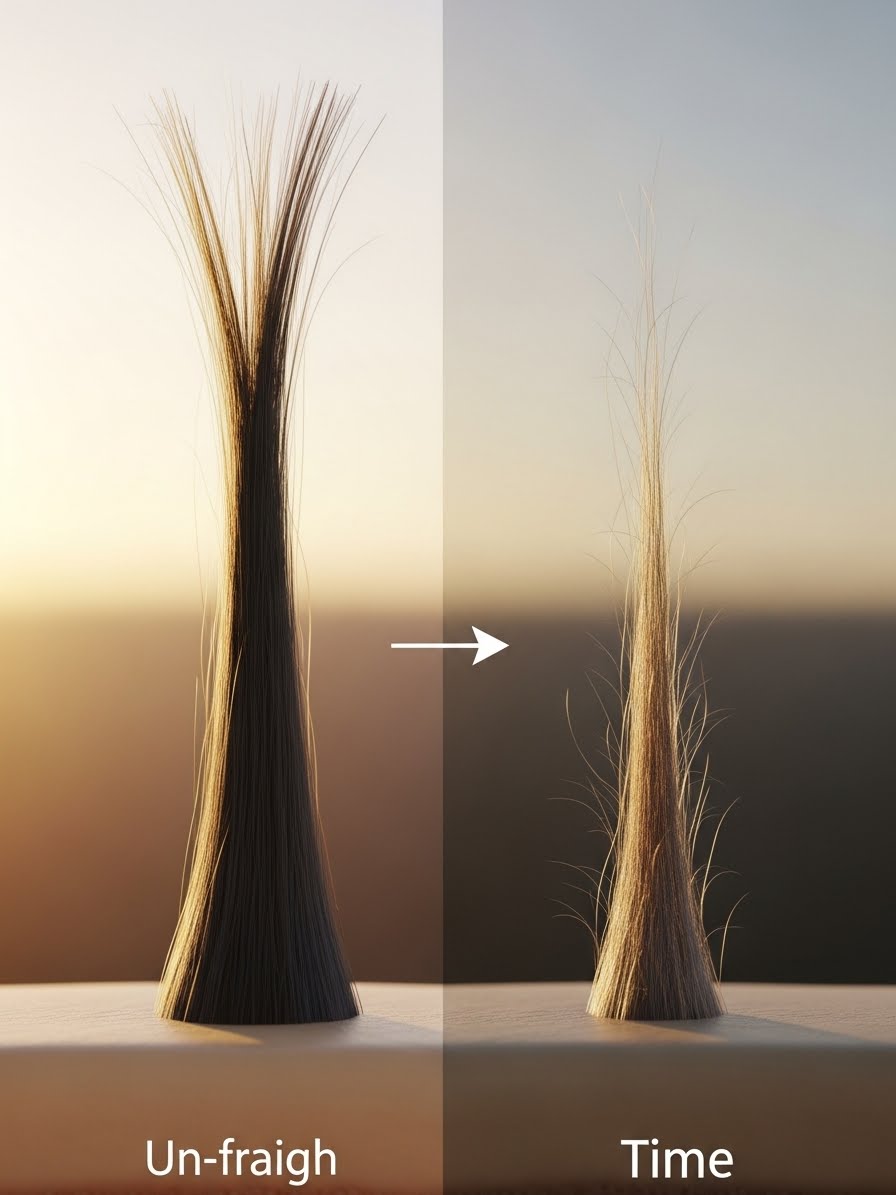
But hair doesn’t thin, dull, or fall out randomly. It responds to the internal environment with remarkable honesty. It listens to hormones, to stress chemistry, to nutritional signals, and to how safe the body feels overall. Long before anti-aging shows up as fine lines or loss of firmness in the skin, it often whispers through the hair. And when we treat hair as a surface problem instead of a biological conversation, we miss the message it’s trying to deliver.
Hormones: The Quiet Architects of Beauty
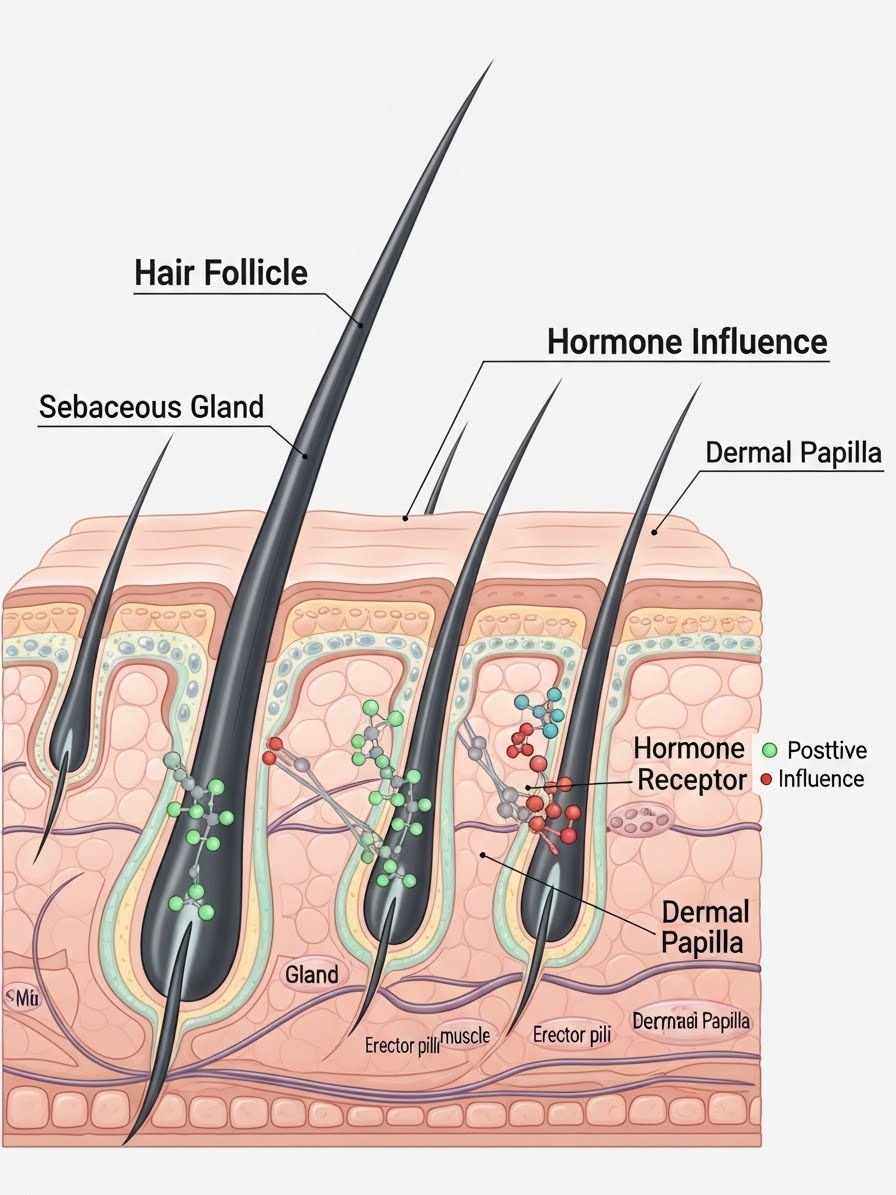
Hormones are not just reproductive messengers. They are architects, quietly shaping how the body allocates energy, repairs tissue, and maintains youth. Estrogen supports hair density, skin elasticity, and moisture retention. Thyroid hormones regulate cellular turnover and growth speed. Cortisol influences inflammation and nutrient distribution. Insulin affects blood flow and oxygen delivery to the scalp.
When these systems are in balance, beauty feels effortless. Hair grows in strong cycles. Skin renews smoothly. Recovery happens quietly in the background. But when hormones become dysregulated—often through chronic stress, undereating, overtraining, or poor sleep—the body begins to make trade-offs. And hair is rarely prioritized.
This is why hormonal shifts often show up as diffuse thinning rather than dramatic bald patches. The body isn’t malfunctioning; it’s conserving. It’s choosing to protect essential organs before investing in appearance.
The Stress–Hair Connection No One Warns You About
Stress is not just an emotional state. It’s a chemical one. And hair follicles are incredibly sensitive to that chemistry.
Under prolonged stress, cortisol levels remain elevated. This disrupts the hair growth cycle, pushing follicles prematurely into a resting phase. Weeks or months later, shedding increases. People often panic, assuming something is suddenly wrong, not realizing the trigger occurred long before the hair ever fell.
This delayed response is what makes stress-related hair changes so confusing. The event feels disconnected from the outcome. But the body remembers.
More importantly, chronic stress doesn’t just increase shedding—it reduces regrowth. Follicles that remain in a stressed environment struggle to re-enter active growth. Hair becomes finer. Growth slows. Texture changes.
No topical treatment can override a nervous system that never fully relaxes.
Aging Isn’t the Enemy—Acceleration Is
Aging is inevitable. Accelerated aging is not.
When people talk about anti-aging, they often imagine reversal—turning back the clock, restoring what was lost. But biologically, true anti-aging is about slowing unnecessary damage. It’s about protecting systems so they age at their natural pace rather than being pushed forward by chronic strain.
Hormonal imbalance accelerates aging by increasing inflammation, impairing repair, and disrupting collagen and keratin production. Hair and skin, which rely on constant renewal, feel this first.
This is why some people look older at forty than others do at fifty-five. It’s not genetics alone. It’s internal wear and tear.
The Body Only Grows Hair When It Feels Safe
This truth is uncomfortable but liberating.
Hair growth is not a priority function. It’s a luxury. The body invests in it when survival needs are met—when food is consistent, stress is manageable, sleep is sufficient, and hormones are supported.
If any of these pillars are unstable, the body diverts resources elsewhere.
This is why extreme dieting, even when “healthy,” often leads to hair thinning. This is why high-intensity exercise without recovery can backfire. This is why emotional burnout shows up physically.
Hair doesn’t respond to effort. It responds to safety.
The Illusion of External Solutions
The beauty industry thrives on urgency. Serums promise growth. Supplements promise thickness. Treatments promise reversal. And while some external support can help, none of it works in isolation.
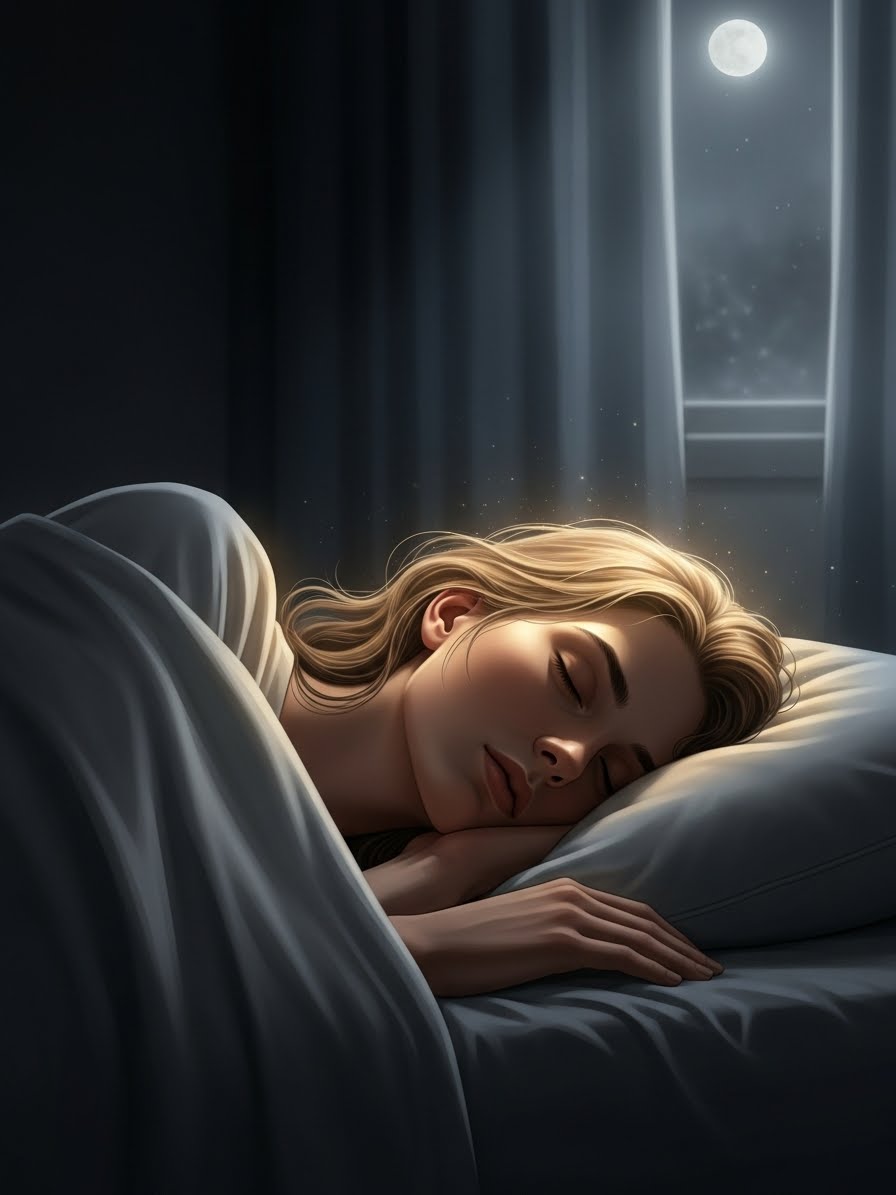
You cannot force hair to grow in a depleted body.
Products may improve appearance temporarily, but they don’t change the internal conversation. Without nourishment, hormonal balance, and nervous system regulation, progress stalls.
True hair recovery often looks boring at first. Eating regularly. Sleeping more. Reducing intensity. Letting go of control. These aren’t glamorous solutions—but they’re effective.
Beauty as a Reflection of Internal Rhythm
Youthful beauty has less to do with age than with rhythm. Consistent meals. Predictable sleep. Gentle movement. Emotional regulation. These patterns create internal harmony.
When rhythms are stable, hormones settle. Inflammation decreases. Repair resumes. Hair begins to thicken not because of intervention—but because the environment allows it.
This is why periods of life marked by balance often coincide with glowing skin and strong hair, even without conscious effort.
Reframing Anti-Aging as Preservation
Anti-aging doesn’t mean resisting time. It means preserving function.
Supporting hair health and hormonal beauty from within is about protecting the systems that already know how to maintain youth. It’s about removing chronic stressors rather than adding more solutions.
When the body feels consistently supported, aging becomes graceful rather than abrupt. Hair may change, but it remains full, resilient, and expressive. Skin may mature, but it holds vitality.
This is not denial of aging. It’s respect for biology.
A Different Kind of Beauty Goal
The goal isn’t perfect hair or frozen youth. It’s resilience. It’s the ability to recover. It’s hair that grows back after stress instead of disappearing permanently. It’s skin that responds to care instead of reacting to everything.
That kind of beauty doesn’t come from pressure. It comes from partnership with the body.
Listening Instead of Correcting
Hair changes are not failures. They’re signals. And when you listen instead of panic, the response becomes clearer.
Less force. More support. Less urgency. More consistency.
Over time, the body responds.
Not dramatically. Not overnight.
But honestly.
