
For years, beauty has been treated as something external—something you apply, correct, polish, or conceal. We’re taught to chase glow through products, firmness through treatments, and youth through constant intervention. But quietly, beneath all of that effort, the body follows its own rules. It responds not to pressure, but to balance. And when that balance is missing, beauty doesn’t vanish dramatically. It fades subtly, often in ways we don’t immediately connect to the deeper cause.
True beauty begins with balance. Not balance as a trend or wellness slogan, but balance as a biological state where the body feels supported enough to invest in long-term repair. Skin, hair, and the visible signs of aging are not random outcomes. They are reflections of how stable your internal environment truly is. When the body feels safe, nourished, rested, and regulated, beauty becomes less of a struggle and more of a byproduct.
The Body’s Quiet Priorities
The body is constantly deciding where to send its energy. This decision happens automatically, without emotion or judgment. Survival functions—breathing, circulation, hormone regulation—always come first. Appearance comes later. Skin renewal, hair growth, collagen production, and cellular repair are considered non-essential unless the body feels consistently secure.
When life becomes demanding, unpredictable, or restrictive, the body adapts. It diverts resources away from long-term maintenance and toward immediate coping. This is why periods of chronic stress, poor sleep, irregular eating, or emotional overload often show up as dull skin, increased breakouts, thinning hair, or accelerated aging. These are not cosmetic failures. They are biological adjustments.
Understanding this shifts the entire beauty conversation. Instead of asking, “What product am I missing?” the more honest question becomes, “What is my body lacking right now?”
Skin as a Reflection of Internal Balance
Skin is one of the most responsive organs in the body. It reacts quickly to hormonal fluctuations, inflammation, digestive health, and nervous system activity. When balance is present, skin maintains elasticity, hydration, and clarity with relatively little effort. When balance is disrupted, even the best routines can feel ineffective.
Inflammation plays a central role here. Chronic low-grade inflammation—often driven by stress, poor sleep, blood sugar instability, or gut imbalance—disrupts the skin barrier. This leads to sensitivity, redness, acne, and premature aging. The skin becomes reactive, not because it’s weak, but because it’s overstimulated.
Balance calms this process. When stress hormones stabilize and nutrient intake becomes consistent, inflammation settles. The skin doesn’t need to fight constantly. It begins to repair itself naturally, restoring resilience rather than just surface smoothness.
Hair Health and the Language of Stress
Hair is often the first visible sign that balance has been compromised. Increased shedding, slower growth, changes in texture, or loss of density rarely happen without reason. Hair follicles are highly sensitive to internal stress signals, particularly cortisol and thyroid hormones.
During prolonged stress, the body shifts hair follicles into a resting phase. This doesn’t cause immediate hair loss, which is why the connection is often missed. Weeks or months later, shedding increases, creating confusion and anxiety. By then, the original trigger may feel distant.
Restoring hair health requires patience because hair responds slowly. But it responds reliably when balance is restored. Consistent nourishment, improved sleep, reduced stress load, and hormonal stability signal the body that it’s safe to resume growth. No topical treatment can replace that signal.
Aging Is Influenced More Than We Admit
Aging is natural. Accelerated aging is not inevitable.
The speed at which the skin loses elasticity, the hair loses density, and the face loses softness is heavily influenced by internal conditions. Chronic stress, sleep deprivation, repeated dieting, and emotional suppression all accelerate biological aging by increasing oxidative stress and reducing cellular repair.
When balance is present, aging unfolds gradually and gracefully. The skin retains vitality. Hair maintains strength. Facial features soften rather than collapse. This isn’t about chasing youth—it’s about protecting function.
Anti-aging, when viewed through this lens, becomes less about correction and more about preservation.
Why Restriction Backfires in Beauty
One of the most damaging myths in beauty culture is the idea that less is better—less food, less rest, less softness. Restriction is often praised as discipline, but biologically, it signals danger.
When the body senses scarcity, it conserves. Skin repair slows. Hair growth becomes optional. Hormone production adapts to survival rather than vitality. Over time, this leads to visible changes that no amount of skincare can correct.
Beauty thrives on adequacy. Adequate nourishment. Adequate rest. Adequate emotional safety. When these needs are met consistently, the body relaxes. And relaxed bodies invest in beauty without being forced.
The Nervous System’s Role in Appearance
The nervous system quietly shapes how we look. A body stuck in constant alert mode tightens facial muscles, restricts blood flow to the skin, and disrupts digestion and absorption of nutrients. Over time, this creates a look of tension—tight jawlines, shallow expressions, and skin that appears tired even when healthy habits are present.
Regulation changes this. When the nervous system feels safe, facial muscles soften. Circulation improves. Skin tone evens out. The face looks more open, not because of effort, but because of ease.
This is why people often appear more attractive during periods of emotional stability, regardless of age or routine changes. Beauty responds to calm.
Consistency Over Intensity
Balance is built through consistency, not intensity. Dramatic routines, aggressive treatments, and extreme protocols may produce short-term results, but they often destabilize the system further.
Consistent eating patterns stabilize blood sugar and hormones. Regular sleep restores repair cycles. Gentle movement supports circulation without increasing stress. Emotional boundaries reduce chronic cortisol output. Over time, these simple patterns create an environment where beauty can sustain itself.
This approach isn’t flashy. It doesn’t promise overnight transformation. But it works because it aligns with how the body actually functions.
Beauty as a Relationship, Not a Project
When beauty becomes a project, it’s easy to slip into control, correction, and self-criticism. When beauty becomes a relationship, something changes. You begin listening instead of forcing. Supporting instead of punishing. Responding instead of reacting.
The body responds to this shift almost immediately. Stress signals decrease. Recovery improves. Skin becomes more resilient. Hair responds more predictably. Aging feels less like a loss and more like a transition.
Balance creates cooperation. Cooperation creates beauty.
The Long View of Beauty
True beauty is not static. It evolves. It reflects seasons of life, stress, growth, and healing. When balance is present, these changes feel natural rather than alarming.
Instead of chasing perfection, balance allows you to age with integrity. To look like yourself—rested, nourished, and supported—rather than like someone constantly trying to fix something that was never broken.
Beauty begins with balance not because balance is trendy, but because the body has always required it. When we stop fighting that truth, beauty stops feeling like work.
When Beauty Feels Harder Than It Should: The Silent Cost of Living in Survival Mode
There is a kind of exhaustion that doesn’t come from lack of sleep alone. It shows up in the mirror long before it becomes obvious anywhere else. Skin loses its softness. Hair stops behaving the way it once did. The face looks tense, even at rest. And what makes this especially frustrating is that nothing appears “wrong” on the surface. You’re functioning. You’re responsible. You’re doing what needs to be done. Yet beauty—real, effortless beauty—feels harder to access than it used to.
This isn’t about aging in the dramatic sense. It’s about living too long in survival mode.
Survival mode doesn’t always look like chaos. More often, it looks like competence under pressure. It’s skipping meals without noticing. It’s pushing through fatigue because stopping feels unsafe. It’s treating rest as optional and softness as something to earn later. The body adapts to this state quietly, efficiently, and at a cost. And one of the places that cost shows up most clearly is in how we look.
Beauty does not disappear when we are stressed. It retreats. It waits. And it returns only when the body feels safe enough to invite it back.
The Body Knows When Life Feels Too Tight
The human body is deeply intelligent, but it is not sentimental. It doesn’t respond to intentions or affirmations. It responds to conditions. When those conditions feel tight—emotionally, physically, nutritionally—the body reallocates resources without asking permission.
Skin renewal slows because survival comes first. Hair growth pauses because it isn’t essential. Hormonal rhythms shift because stability is no longer guaranteed. None of this is punishment. It’s protection.
What we often interpret as “losing our glow” is actually the body tightening its grip, conserving energy, minimizing exposure. Beauty requires surplus. And surplus cannot exist in a system that never feels settled.
This is why beauty routines fail during stressful periods. The problem isn’t the routine. It’s the environment the routine is trying to work in.
Chronic Stress Changes the Face Before It Changes Anything Else
Long-term stress subtly reshapes appearance. Not in dramatic, overnight ways, but through accumulation. Cortisol, the body’s primary stress hormone, influences inflammation, blood sugar, collagen breakdown, and circulation. Over time, elevated cortisol affects facial fullness, skin texture, and muscle tension.
Faces under chronic stress tend to hold tension unconsciously. The jaw clenches. The brow tightens. The breath becomes shallow. These patterns eventually settle into the face, creating an appearance of hardness or fatigue that no product can erase.
This isn’t about looking older. It’s about looking burdened.
When stress is reduced—not eliminated, just softened—the face often changes before anything else does. Muscles release. Blood flow improves. Expression becomes lighter. Beauty returns not because of effort, but because pressure has lifted.
Why Hair Suffers When You’re “Handling Everything”
Hair is deeply sensitive to internal strain, particularly when that strain is prolonged. Unlike skin, which can show immediate reactions, hair responds with delay. The stress you experience today may not show up in shedding or thinning for months, which makes the connection difficult to recognize.
During prolonged stress, the body signals hair follicles to rest. Growth slows. Shedding increases later. Density changes. Texture shifts. People often assume deficiency or genetics, not realizing the body has been conserving quietly for a long time.
Hair growth requires confidence from the body that resources will remain available. When life feels unpredictable—emotionally or physically—that confidence disappears. No oil, serum, or supplement can override that signal.
When stability returns, hair often recovers. But only when the body truly believes the environment has changed.
Beauty and the Illusion of Control
Modern beauty culture teaches control. Control the surface. Control the signs. Control the timeline. But control often creates more tension than it resolves.
Over-correcting skin leads to barrier damage. Forcing results leads to irritation. Constant monitoring leads to anxiety. And anxiety is not compatible with beauty.
Beauty responds to permission, not pressure.
When the body feels allowed to slow down, repair resumes naturally. When it feels constantly evaluated, it stays defensive.
This is why gentler routines often work better for stressed individuals—not because they’re better products, but because they align with what the body can actually tolerate.
The Role of Emotional Safety in How We Look
Emotional safety is rarely discussed in beauty, yet it may be one of the most influential factors. When a person feels emotionally unsafe—constantly anticipating problems, criticism, or instability—the nervous system stays alert. This affects digestion, hormone regulation, sleep quality, and muscle tone.
Over time, emotional strain shows up physically. The face looks guarded. The skin becomes reactive. The body holds itself tightly.
When emotional safety increases—through boundaries, support, rest, or simply not pushing constantly—the body relaxes. This relaxation is visible. It’s the kind of beauty that feels warm rather than sharp.
Aging Is Not the Problem—Depletion Is
Many people blame age for changes that are actually the result of depletion. Years of stress without recovery. Years of giving without replenishing. Years of managing without resting.
Aging in a supported body looks very different from aging in a depleted one. The former retains softness, resilience, and expression. The latter appears rigid, tired, and prematurely worn.
Anti-aging, in its most honest form, is not about reversing time. It’s about reducing unnecessary wear.
Rebuilding Beauty Through Stability
The most effective beauty intervention is stability. Not perfection. Not discipline. Stability.
Regular meals. Predictable sleep. Gentle movement. Emotional boundaries. These signals tell the body that it no longer needs to stay on high alert.
As stability increases, the body begins reinvesting. Skin repair improves. Hair growth resumes. Facial tension eases. Beauty returns gradually, organically, without force.
This process requires patience because the body doesn’t rush when it’s healing. But the results are durable because they come from real change, not temporary correction.
Beauty as a Side Effect of Feeling Safe

The most striking beauty is rarely intentional. It appears when someone feels settled in themselves. When they’re not bracing. When they’re not chasing.
Beauty is not something the body produces on command. It’s something the body expresses when conditions allow.
When life becomes less about surviving and more about living, beauty stops being work. It becomes presence.
And that kind of beauty lasts.
Gut Health, Hormonal Beauty, and Aging: Why the Body Reveals What the Gut Has Been Carrying
There is a quiet relationship most people don’t notice until something begins to feel off. It starts internally, long before it shows on the skin or in the mirror. Digestion becomes unpredictable. Energy dips without explanation. Mood feels flatter or more reactive. And slowly, almost imperceptibly, beauty changes. Skin loses clarity. Inflammation appears where it didn’t before. Aging feels sharper, faster, less forgiving. What’s often blamed on time or hormones alone is, in many cases, rooted much deeper—in the gut.
The gut is not just a digestive organ. It is a central regulator of hormones, immunity, inflammation, and nutrient absorption. It communicates constantly with the brain and nervous system, shaping how the body responds to stress and how well it repairs itself. When gut health is compromised, beauty becomes one of the first outward systems to reflect that imbalance—not because beauty is superficial, but because it is responsive.
The Gut as the Foundation of Hormonal Balance
Hormones don’t function in isolation. They rely on the gut to activate, deactivate, recycle, and eliminate them properly. Estrogen, in particular, has a close relationship with gut bacteria. When the gut is balanced, estrogen is processed efficiently, supporting skin elasticity, hair growth, and emotional stability. When the gut is inflamed or dysbiotic, estrogen can circulate improperly, leading to symptoms that show up as breakouts, bloating, facial puffiness, or accelerated aging.
This is why hormonal beauty cannot be separated from digestion. You can support hormones externally, but if the gut is struggling, the message becomes distorted. Hormonal signals arrive late, incomplete, or overstimulated. The body responds with confusion rather than harmony.
Beauty, in this context, becomes inconsistent. Good days followed by sudden flare-ups. Periods of clarity interrupted by inflammation. The body isn’t failing—it’s communicating.
Inflammation Ages Faster Than Time Ever Could
Aging is not driven by years alone. It is driven by inflammation. Chronic, low-grade inflammation accelerates collagen breakdown, impairs cellular repair, and increases oxidative stress throughout the body. And the gut is one of the most common sources of that inflammation.
Poor digestion doesn’t always look dramatic. It can be subtle—gas, irregular stools, food sensitivities, or simply feeling heavy after meals. But internally, the immune system remains active, constantly responding to perceived threats. This ongoing immune activation drains resources that would otherwise support skin renewal, hair strength, and hormonal balance.
The result is aging that feels abrupt rather than gradual. Skin becomes reactive. Lines deepen faster. Recovery slows. Not because the body is aging “poorly,” but because it’s busy fighting internally.
Why Beauty Suffers When Absorption Fails
You can eat the most nourishing foods in the world, but if the gut cannot absorb nutrients properly, beauty will still suffer. Hair follicles require minerals, protein, and energy to grow. Skin requires fats, antioxidants, and amino acids to repair. Hormones require raw materials to stay balanced.
When digestion is compromised, the body enters a subtle deficiency state—not always measurable on labs, but visible in appearance. Hair becomes dry or thin. Skin looks dull. Nails weaken. These are not cosmetic issues. They are signs of under-absorption.
This is why people often feel frustrated when “doing everything right” doesn’t translate into visible results. The issue isn’t effort. It’s efficiency. And efficiency begins in the gut.
Stress, the Gut, and the Aging Loop
Stress and gut health are deeply intertwined. Chronic stress alters gut motility, reduces stomach acid, and disrupts the balance of beneficial bacteria. In turn, an imbalanced gut sends distress signals back to the brain, increasing anxiety and cortisol production.
This creates a loop: stress disrupts digestion, disrupted digestion increases inflammation, inflammation accelerates aging, and visible aging increases stress.
Breaking this cycle doesn’t require perfection. It requires calming the system enough for repair to resume.
When stress decreases—even slightly—digestion improves. When digestion improves, inflammation settles. When inflammation settles, hormones stabilize. When hormones stabilize, beauty begins to recover.
Aging Gracefully Requires Internal Calm
Graceful aging is less about resisting change and more about supporting stability. Bodies that age well are not free from stress, but they recover from it efficiently. Their systems communicate clearly. Their digestion supports rather than drains. Their hormones fluctuate without chaos.
The gut plays a central role in this resilience. A supported gut allows the body to adapt instead of deteriorate. It helps the immune system respond appropriately rather than excessively. It allows beauty to evolve without collapsing.
This is why true anti-aging strategies rarely feel aggressive. They feel grounding. They emphasize consistency over intensity, nourishment over restriction, rest over force.
Beauty Is an Output, Not an Input
One of the most freeing realizations is understanding that beauty is not something you apply—it’s something the body outputs when internal conditions are right. Skin clarity, hair vitality, and youthful expression are signals that systems are communicating well.
When the gut is inflamed, hormonal messages become distorted. When digestion is supported, beauty becomes more predictable.
This reframes the entire beauty journey. Instead of chasing symptoms, you begin supporting systems.
Listening Before Correcting
Gut-related beauty issues rarely resolve through correction alone. They resolve through listening. Listening to how food feels, not just how it looks on paper. Listening to energy levels, not just calorie counts. Listening to stress signals, not just productivity demands.
The body speaks constantly. Through digestion. Through skin. Through hair. Through aging patterns.
When those signals are respected, beauty becomes less fragile. Less reactive. Less dependent on intervention.
Aging as a Conversation, Not a Decline
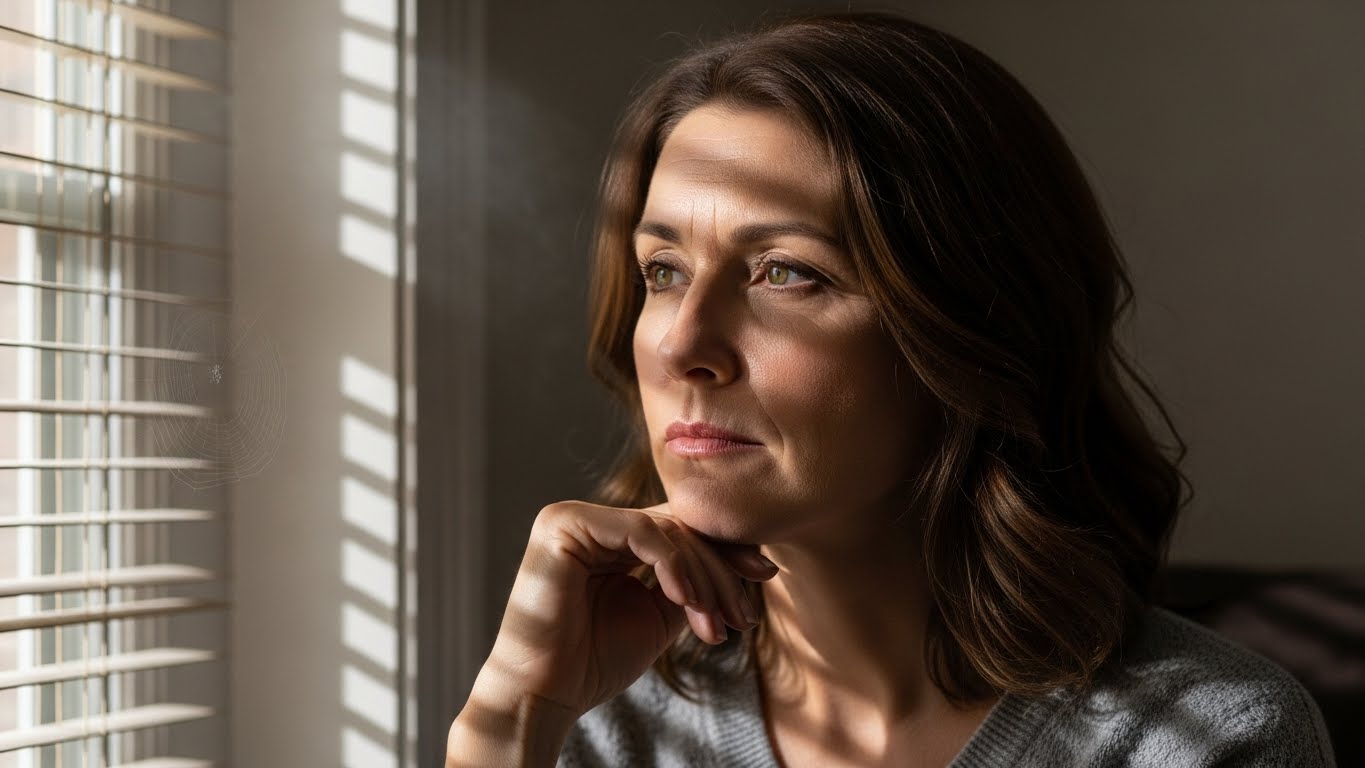
Aging doesn’t have to feel like loss. It can feel like evolution. But only when the body feels supported enough to evolve without panic.
Gut health anchors that support. It stabilizes hormones. Reduces inflammation. Improves absorption. Calms the nervous system. All of these factors slow unnecessary aging and allow beauty to mature with integrity.
The goal is not to look untouched by time. It’s to look well-held by your own body.
And that begins, quietly, in the gut.
Hormonal Rhythm and Natural Beauty: How the Body Ages When Balance Is Lost—and How It Softens When Balance Returns
Hormones move quietly through the body, influencing almost every visible and invisible process, yet they are rarely felt directly. Instead, their presence—or absence—reveals itself through outcomes. Skin becomes clearer or more reactive. Hair thickens or thins. Energy rises naturally or requires constant stimulation. Aging accelerates or settles into a gentler rhythm. What many people call “beauty changes” are often hormonal conversations happening beneath the surface, shaped by stress, nourishment, sleep, and the body’s ability to regulate itself over time.
Hormonal beauty is not about perfection or constant youth. It is about rhythm. When hormones move in harmony, the body repairs efficiently, inflammation stays low, and aging unfolds gradually. When that rhythm is disrupted, beauty becomes unpredictable, fragile, and difficult to sustain.
The Body Ages Faster When Hormones Lose Their Timing
Hormones are not meant to be high or low all the time. They are meant to rise and fall in response to cycles—daily, monthly, seasonal. Cortisol rises in the morning to wake the body. Melatonin rises at night to restore it. Estrogen and progesterone fluctuate to support skin elasticity, bone strength, and emotional regulation. When these patterns break down, aging speeds up not because time has passed, but because repair has slowed.
Chronic stress is one of the most common disruptors of hormonal timing. When cortisol stays elevated, it steals resources from other systems. Skin renewal slows. Hair growth pauses. Collagen breaks down faster than it rebuilds. The body prioritizes survival over regeneration, and beauty becomes collateral damage.
This is why aging often feels sudden during periods of prolonged stress. The mirror changes faster than expected, not because years passed quickly, but because balance was absent.
Skin Reflects Hormonal Stability Before It Reflects Age
Skin is often treated as an external organ, but it is deeply hormonal. Estrogen supports moisture retention and elasticity. Progesterone influences calmness and skin barrier function. Thyroid hormones regulate cellular turnover. When these signals are balanced, skin appears resilient even as it matures. When they are chaotic, skin becomes reactive, dull, or inflamed regardless of skincare routines.
This explains why topical solutions often fail when internal imbalance exists. The skin is responding accurately to internal conditions. Breakouts, dryness, redness, and premature lines are messages, not mistakes.
When hormonal communication improves, skin frequently changes without dramatic intervention. Texture softens. Tone evens. Recovery time shortens. Beauty becomes less effortful because the body is working with itself rather than against itself.
Hair Health as a Long-Term Hormonal Memory
Hair does not respond instantly to change. It reflects the past. Hormonal stress from months ago can appear suddenly as shedding, thinning, or texture changes. This delay often confuses people, leading them to search for immediate causes rather than recognizing cumulative imbalance.
Hormones regulate the hair growth cycle. When the body perceives stress—nutritional, emotional, or physiological—it shifts hair follicles into rest mode. Growth pauses. Shedding increases. This is not a flaw. It is a protective response.
As balance returns, hair follows slowly but steadily. Regrowth takes time because repair takes time. Hair health teaches patience. It reminds us that beauty is not immediate feedback—it is long-term communication.
Aging from the Inside Is Slower Than Aging from the Outside
External aging focuses on surface correction. Internal aging focuses on system support. When hormones are nourished rather than forced, the body ages more evenly. Muscles retain tone. Skin retains responsiveness. Energy fluctuates but recovers.
This internal approach does not eliminate wrinkles or changes—it changes their quality. Lines appear softer. Expression remains alive. The face reflects experience rather than exhaustion.
Hormonal aging becomes harsh only when depletion outpaces restoration. When the body is constantly borrowing energy without replenishment, aging feels aggressive. When restoration becomes a priority, aging feels integrated.
The Nervous System Shapes Hormonal Beauty
Hormones do not operate independently of the nervous system. Chronic overstimulation—constant alerts, pressure, multitasking—keeps the body in a state of vigilance. This suppresses reproductive and restorative hormones while elevating stress hormones.
Beauty suffers under constant alertness. The face tightens. Jaw tension increases. Sleep becomes shallow. Skin loses glow not because of products, but because of nervous system fatigue.
When the nervous system feels safe, hormones rebalance naturally. This is why rest, stillness, and emotional regulation often improve beauty more effectively than aggressive interventions. Calm is corrective.
Hormonal Balance Is Not Static—It Is Adaptive
One of the most misunderstood aspects of hormonal health is the idea of “fixing” levels permanently. Hormonal balance is dynamic. It shifts with life stages, stress levels, and environmental inputs. The goal is not rigidity—it is responsiveness.
A responsive hormonal system adapts without collapsing. It responds to stress without staying activated. It recovers from disruption without long-term damage. This adaptability is what supports graceful aging.
Beauty thrives in adaptability. It fades in rigidity.
Aging Well Means Supporting Repair, Not Fighting Change
The body is always aging. But it is also always repairing. When repair keeps pace with wear, aging feels natural. When repair slows, aging feels accelerated.
Hormones govern repair. They signal when to rebuild, when to rest, when to release. Supporting these signals—through nourishment, sleep, emotional safety, and reduced chronic stress—does more for beauty than resisting time ever could.
This reframes aging not as an enemy, but as a process that can unfold with dignity.
Beauty Returns When the Body Feels Heard
Hormonal imbalance often stems from years of ignored signals—fatigue pushed through, hunger suppressed, stress normalized. Beauty fades not as punishment, but as consequence.
When the body begins to feel heard—when signals are respected rather than overridden—beauty often returns in subtle but meaningful ways. Skin clarity improves. Hair texture shifts. Energy steadies. Aging softens.
Not because the body was forced, but because it was supported.
