
A quiet truth most people never hear
Let’s start with something honest.
Most people who struggle with emotional eating aren’t weak.
They’re tired.
They’re stressed.
They’re overwhelmed in ways they’ve learned to ignore.
And food — quietly, consistently — has become their safest place to land.
If you’ve ever found yourself eating when you’re not physically hungry, especially at night or after a long day, this article is for you. Not to fix you. Not to discipline you. But to help you understand what’s actually happening.
Because once you understand it, everything changes.
What emotional eating really is (and what it isn’t)

Emotional eating is often described like a bad habit.
But that framing misses the point.
Emotional eating is a nervous system response.
It’s your body reaching for relief when stress, pressure, loneliness, or mental fatigue become too loud.
Food works because:
It stimulates dopamine (comfort)
It lowers cortisol temporarily
It creates a sense of safety and grounding
In other words, emotional eating isn’t random.
It’s functional.
And that’s why willpower alone rarely stops it.
Why stress makes food feel irresistible
When you’re under stress, your body shifts into survival mode.
Here’s what happens behind the scenes:
Cortisol rises
Blood sugar becomes unstable
The brain prioritizes quick energy
Cravings increase — especially for carbs and sugar
This isn’t a character flaw.
It’s biology.
Your brain is trying to protect you from perceived danger, even if that “danger” is emails, deadlines, family pressure, or emotional exhaustion.
Food becomes a shortcut to calm.
The emotional eating cycle (most people don’t notice)
Emotional eating usually follows a predictable pattern:
Stress or emotional discomfort builds
Hunger signals feel urgent or confusing
Eating brings temporary relief
Guilt or self-judgment follows
Stress increases again
The cycle repeats
The problem isn’t step 3 — eating.
The problem is step 4 — shame.
Shame keeps the nervous system activated, which guarantees the cycle will return.
Why restriction makes emotional eating worse
This is where many people get stuck.
They respond to emotional eating by:
Skipping meals
Cutting carbs
“Starting fresh” tomorrow
Tightening food rules
But restriction increases stress.
And stress fuels emotional eating.
So the cycle becomes stronger, not weaker.
Think of it like holding your breath underwater.
Eventually, the body overrides control.
Food rules don’t calm the system.
Safety does.
Emotional hunger vs physical hunger (the real difference)
One of the most helpful distinctions you can learn is this:
Physical hunger:
Builds gradually
Any food sounds appealing
Eating leads to satisfaction
You can stop when full
Emotional hunger:
Feels sudden or urgent
Craves specific foods
Eating feels numbing, not satisfying
Often followed by guilt
Neither is “wrong.”
But confusing the two leads to frustration.
Learning to respond differently — not perfectly — is where healing begins.
Why emotional eating often happens at night
This isn’t a coincidence.
By nighttime:
Stress hormones are still high
Mental fatigue is at its peak
Willpower is low
Unmet needs finally surface
Food becomes the only remaining comfort available.
This is why fixing nighttime eating usually starts earlier in the day, not at night.
Under-eating during the day almost guarantees emotional eating later.
Emotional eating and weight gain: the misunderstood link

Emotional eating alone doesn’t cause weight gain.
But chronic stress combined with:
Irregular eating
Blood sugar swings
Cortisol elevation
Guilt-driven restriction
Creates the perfect environment for weight gain — especially around the abdomen.
The body isn’t punishing you.
It’s protecting itself.
Why “mindful eating” sometimes fails
Mindful eating is often presented like this:
“Just slow down. Pay attention. Stop when full.”
But for someone under chronic stress, this advice can feel impossible.
When the nervous system is dysregulated:
Awareness feels unsafe
Slowing down increases anxiety
Control feels like pressure
Mindfulness only works when the body feels safe enough to listen.
That safety comes first.
The real solution: nervous system regulation
This is where emotional eating truly shifts.
Not through discipline.
Not through rules.
But through regulation.
Simple examples:
Eating regularly
Including carbohydrates
Sleeping enough
Gentle movement
Reducing decision fatigue
Creating non-food comfort rituals
When stress decreases, emotional eating naturally softens.
No force required.
Practical ways to reduce emotional eating (without fighting yourself)
Here’s what actually helps — gently and sustainably:
1. Eat enough, consistently
Skipping meals increases emotional eating later.
2. Normalize comfort foods
Forbidden foods become obsession foods.
3. Add before you subtract
Add protein, fiber, and fats before removing anything.
4. Replace shame with curiosity
Ask: “What did I need right now?”
5. Build non-food soothing habits
Music, warmth, breathing, walking, silence.
Food doesn’t have to carry everything.
Emotional eating doesn’t mean you’re broken
It means you adapted.
At some point, food helped you cope.
That matters.
Healing doesn’t mean removing food’s comfort entirely.
It means expanding your toolbox.
So food becomes a choice — not the only option.
When emotional eating starts to fade naturally
Here’s something hopeful.
As stress lowers and nourishment improves:
Cravings become quieter
Urgency decreases
Trust returns
Weight stabilizes naturally
Not because you forced change.
But because the body felt safe enough to let go.
Final thought (read this slowly)
If you’ve been fighting emotional eating, consider this:
Maybe the problem isn’t that you care too much about food.
Maybe you haven’t been cared for enough.
And your body did the best it could.
That’s not failure.
That’s survival.
How Chronic Stress Rewires Hunger, Cravings, and Emotional Eating
Stress doesn’t just affect your mind — it reshapes your appetite
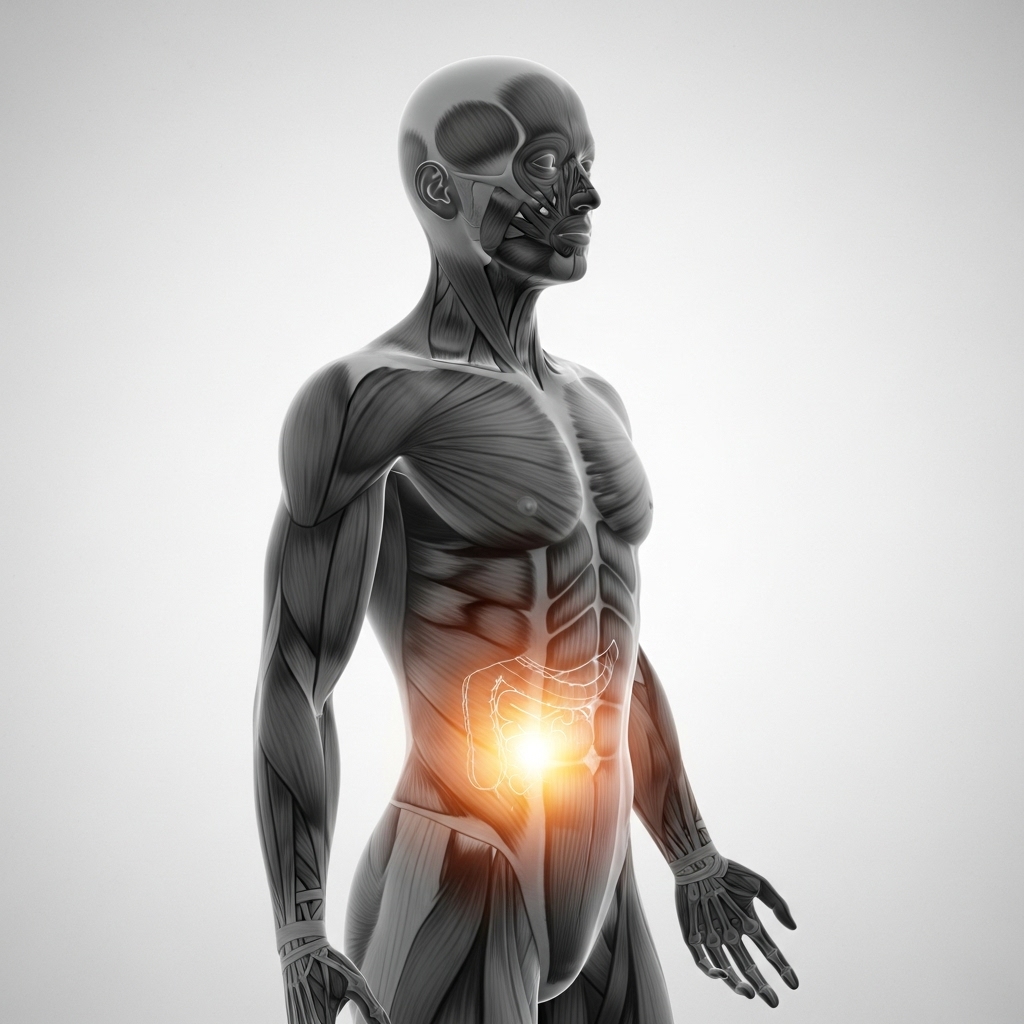
Most people think stress lives in the mind.
But stress is physical.
It changes hormones.
It changes digestion.
It changes hunger signals.
It changes how safe your body feels — and safety determines how your body uses food.
If you’ve ever wondered why you crave food even when you “know better,” this article will give you clarity instead of blame.
Because once stress enters the picture, hunger is no longer just hunger.
The survival brain always wins (and that’s not a flaw)
When stress becomes chronic — not a single bad day, but weeks or months — your body shifts into survival mode.
This survival mode is ancient and automatic.
Your brain starts asking:
Is food reliable?
Is energy available?
Are we safe enough to rest?
If the answer feels uncertain, the body adapts.
And one of the fastest adaptations is changing appetite.
This isn’t emotional weakness.
It’s evolutionary intelligence.
Why stress makes cravings feel urgent, not optional
Under chronic stress, your body prioritizes fast energy.
That means:
Carbohydrates
Sugar
Fat
Highly palatable foods
Not because you’re addicted.
But because these foods:
Lower cortisol temporarily
Increase dopamine
Signal safety and comfort
Cravings under stress aren’t random desires.
They are biological requests for relief.
The role of cortisol in emotional eating
Cortisol is often blamed, but rarely understood.
Cortisol’s job is to:
Mobilize energy
Keep blood sugar stable
Help you respond to challenges
But when cortisol stays elevated too long:
Blood sugar swings increase
Hunger cues become confusing
Appetite regulation weakens
Fat storage increases, especially abdominal fat
This is why emotional eating and weight gain often appear together during stressful life periods.
Not because you “let yourself go.”
But because your body is adapting to pressure.
Stress disconnects you from true hunger signals
One of the quiet effects of stress is interoceptive disconnection — the ability to sense internal cues.
When stress is high:
Hunger feels urgent or absent
Fullness feels delayed
Satisfaction is harder to reach
People often say:
“I don’t know when I’m hungry anymore.”
That’s not ignorance.
That’s nervous system overload.
Emotional eating as a regulation strategy (not a bad habit)
Here’s a perspective shift that changes everything:
Emotional eating is regulation.
Food:
Grounds you in the body
Slows the nervous system
Provides predictable comfort
For someone under chronic stress, food may be the only reliable regulator they have.
Taking that away without replacing it increases distress.
That’s why strict food control often backfires.
Why night-time eating increases under stress
Nighttime emotional eating isn’t about lack of control.
It’s about timing.
During the day:
You perform
You suppress needs
You stay productive
You ignore fatigue
At night:
The nervous system finally decompresses
Suppressed hunger surfaces
Emotional needs demand attention
Food becomes the release valve.
This is why night eating improves when daytime nourishment improves.
Restriction increases stress, even when calories are “low”
This is where many people get trapped.
They respond to emotional eating by:
Cutting calories
Skipping meals
Removing carbs
Tightening food rules
But restriction itself is a stressor.
It tells the body:
“Resources are not reliable.”
So cortisol rises further.
And emotional eating becomes stronger, not weaker.
The shame–stress–eating loop
Shame is one of the most powerful drivers of emotional eating.
The loop often looks like this:
Stress builds
Emotional eating occurs
Guilt follows
Restriction begins
Stress increases
Emotional eating returns
Breaking this loop doesn’t require control.
It requires removing shame.
Why emotional eating often follows “healthy days”
This surprises many people.
They eat “perfectly” all day:
Low calories
Clean foods
No snacks
Then suddenly, emotional eating appears.
This isn’t failure.
It’s delayed compensation.
The body balances deprivation eventually — one way or another.
Stress, insulin, and appetite dysregulation
Chronic stress affects insulin sensitivity.
This can lead to:
Faster blood sugar drops
Stronger hunger signals
More intense cravings
Even if calories are low, appetite feels uncontrollable.
This is not a discipline issue.
It’s a metabolic response.
Why willpower disappears under stress
Willpower is a cognitive resource.
Stress consumes it.
When stress is high:
Decision-making weakens
Self-control declines
Habit loops strengthen
Expecting willpower during stress is like expecting focus during sleep deprivation.
The system isn’t designed for it.
Emotional eating doesn’t mean you eat “too much”
Many people who emotionally eat actually undereat overall.
They may:
Skip meals
Eat lightly all day
Compensate emotionally later
Total intake isn’t the issue.
Pattern instability is.
The nervous system is the real target — not food
If emotional eating is driven by stress, the solution must address stress.
That includes:
Regular meals
Adequate carbohydrates
Protein for satiety
Rest and sleep
Predictability
When the nervous system calms, appetite regulates naturally.
Why healing emotional eating feels slow (and that’s okay)
This isn’t a 7-day fix.
Because the body doesn’t trust quickly.
Trust is rebuilt through:
Consistency
Safety
Permission
Repetition
The goal isn’t to never emotionally eat.
The goal is to reduce urgency and dependence.
What progress actually looks like
Healing emotional eating doesn’t mean it disappears overnight.
It looks like:
Less urgency
More awareness
Reduced guilt
Faster recovery
Improved trust
Small shifts matter.
A reframing worth remembering
Emotional eating isn’t something to eliminate.
It’s something to understand.
Because once the body feels supported, emotional eating loses its job.
And when it no longer has a job — it naturally fades.
Final reflection
If food has been your comfort, your relief, your pause button — that tells a story.
Not of weakness.
But of adaptation.
Your body chose survival.
And now, with understanding and support, you can choose healing — gently, patiently, and without force.
How Cortisol Quietly Controls Fat Storage (Even When You Eat Less)
Cortisol is not the enemy — chronic stress is

Cortisol has a bad reputation.
It’s often blamed for stubborn belly fat, weight gain, cravings, and fatigue. But cortisol itself isn’t the villain. In fact, without cortisol, you wouldn’t survive a single stressful moment.
The real problem begins when cortisol never gets a chance to come down.
Modern life keeps the stress signal switched on:
Deadlines
Financial pressure
Emotional overload
Poor sleep
Chronic dieting
Your body doesn’t know the difference between a lion chasing you and an inbox full of urgent emails. Stress is stress — and cortisol responds the same way every time.
What cortisol is actually designed to do
Cortisol’s primary job is protection.
It helps you:
Mobilize energy quickly
Raise blood sugar when needed
Stay alert and responsive
Survive perceived threats
In short bursts, cortisol is helpful.
But when stress becomes constant, cortisol stops being a short-term helper and becomes a long-term disruptor.
Why chronic cortisol encourages fat storage
When cortisol stays elevated for long periods, several things happen at once:
Blood sugar remains higher than normal
Insulin is released more frequently
Fat storage becomes more efficient
Muscle breakdown increases
Abdominal fat cells become more responsive to cortisol
This is why stress-related weight gain often appears around the midsection, even when food intake hasn’t increased.
Your body isn’t malfunctioning.
It’s prioritizing survival.
Eating less under stress sends the wrong signal
Here’s where many people unknowingly make things worse.
They respond to weight gain by:
Cutting calories further
Skipping meals
Removing carbohydrates
Increasing exercise intensity
But restriction itself raises cortisol.
To the body, undereating during stress sends a clear message:
“Resources are scarce. Danger is present.”
So cortisol rises further.
Fat storage becomes more aggressive — not less.
Why belly fat is more “stress-sensitive”
Abdominal fat cells contain a higher concentration of cortisol receptors.
That means:
They respond more strongly to stress hormones
They store fat more readily during stress
They release fat less easily under pressure
This isn’t personal.
It’s anatomical.
Cortisol, sleep, and weight gain
Poor sleep keeps cortisol elevated.
When sleep is short or fragmented:
Hunger hormones become dysregulated
Cravings intensify
Blood sugar control worsens
Fat loss becomes harder
You can eat perfectly and still struggle with weight if sleep is compromised.
Sleep isn’t optional for regulation — it’s foundational.
Why “doing more” often backfires
High-stress individuals are often high achievers.
They respond to problems by pushing harder:
More workouts
Tighter food rules
Less rest
More discipline
But cortisol doesn’t respond to pressure.
It responds to safety.
Sometimes the most productive move is slowing down.
The path to lowering cortisol naturally

Lowering cortisol isn’t about supplements or hacks.
It’s about consistent signals of safety:
Regular meals
Adequate carbohydrates
Gentle movement
Predictable routines
Enough sleep
Reduced self-criticism
When the body feels safe, cortisol settles.
And when cortisol settles, fat storage eases.
Key takeaway
Cortisol doesn’t cause weight gain on its own.
Chronic stress + restriction does.
Healing weight struggles often starts by reducing pressure — not increasing control.
Why Chronic Dieting Trains the Body to Resist Weight Loss
Dieting teaches the body one lesson: food is unreliable
Every diet begins with hope.
But the body doesn’t understand goals, timelines, or beach seasons. It only understands patterns.
Repeated dieting teaches the body:
Food comes and goes unpredictably
Energy availability cannot be trusted
Conservation is necessary
So the body adapts.
Not to help you lose weight — but to help you survive.
Metabolic adaptation is not damage — it’s intelligence
After repeated periods of restriction:
Resting energy expenditure decreases
Hunger hormones intensify
Satiety hormones weaken
Fat storage becomes more efficient
This is often mislabeled as a “slow metabolism.”
In reality, it’s a trained metabolism.
Why weight loss becomes harder with each diet
Each dieting cycle strengthens the body’s defense mechanisms.
Over time:
Smaller calorie deficits stop working
Hunger appears faster
Weight regain happens more easily
Fat mass increases relative to muscle
The body learns to protect itself earlier and more aggressively.
The psychological weight of chronic dieting
Dieting doesn’t only change metabolism.
It changes trust.
People lose trust in:
Hunger signals
Fullness cues
Food choices
Their own body
This constant mental load increases stress — which further blocks weight regulation.
Why “discipline” fades over time
Discipline relies on mental energy.
Chronic dieting drains it.
As stress increases and nourishment decreases:
Willpower weakens
Food obsession grows
Emotional eating increases
This isn’t failure.
It’s depletion.
Why weight regain isn’t a lack of commitment

When dieting ends, the body prioritizes recovery.
It restores:
Lost fat
Lost muscle (more slowly)
Hormonal balance
Often, fat is regained faster than muscle — shifting body composition.
This is why repeated dieting often leads to higher weight over time.
Healing from dieting history requires patience
Recovery isn’t about “giving up.”
It’s about rebuilding trust.
That includes:
Eating consistently
Removing moral labels from food
Supporting muscle mass
Reducing stress load
Allowing time for adaptation
The body doesn’t unlearn scarcity overnight.
Sustainable weight regulation looks different
Instead of cycles, healing looks like:
Stability
Predictability
Gentle progress
Long timelines
Emotional neutrality around food
Weight becomes less reactive when the body feels safe.
Final thought
If your body resists weight loss, it may not be stubborn.
It may be experienced.
And experience deserves respect — not punishment.
