
How Sleep Debt Quietly Sabotages Weight Loss Efforts
When most people think about weight management, they focus on calories, meal plans, or exercise routines. Very few stop to consider the quiet, cumulative impact of sleep debt. Sleep debt is the gap between the amount of sleep your body needs and the sleep you actually get. While missing one or two nights may seem harmless, chronic sleep debt can slowly undermine metabolic health, energy levels, and even your body’s ability to process nutrients efficiently.
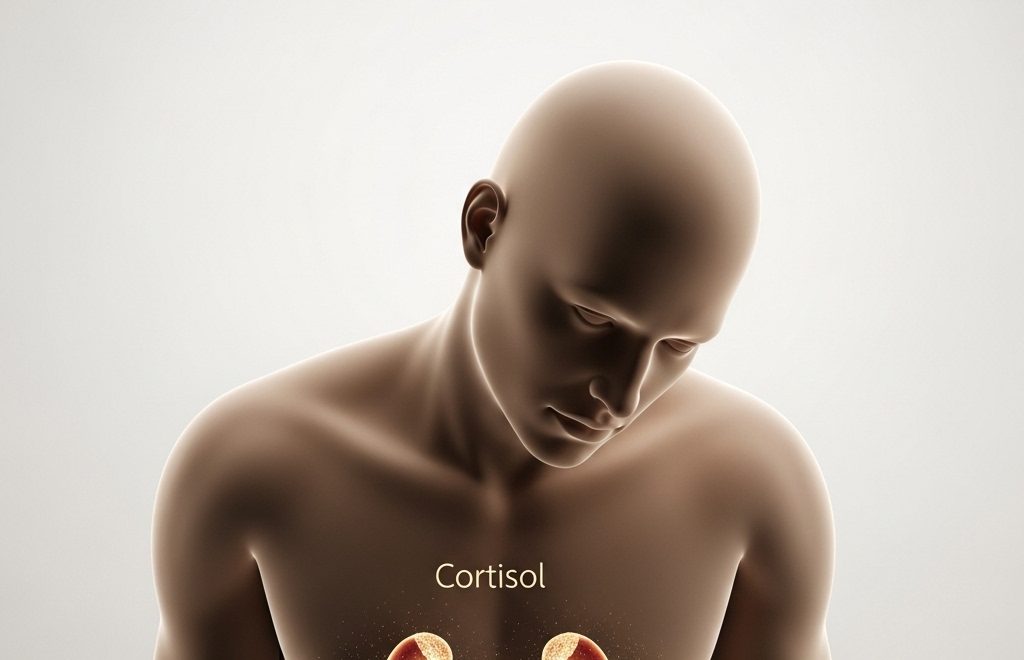
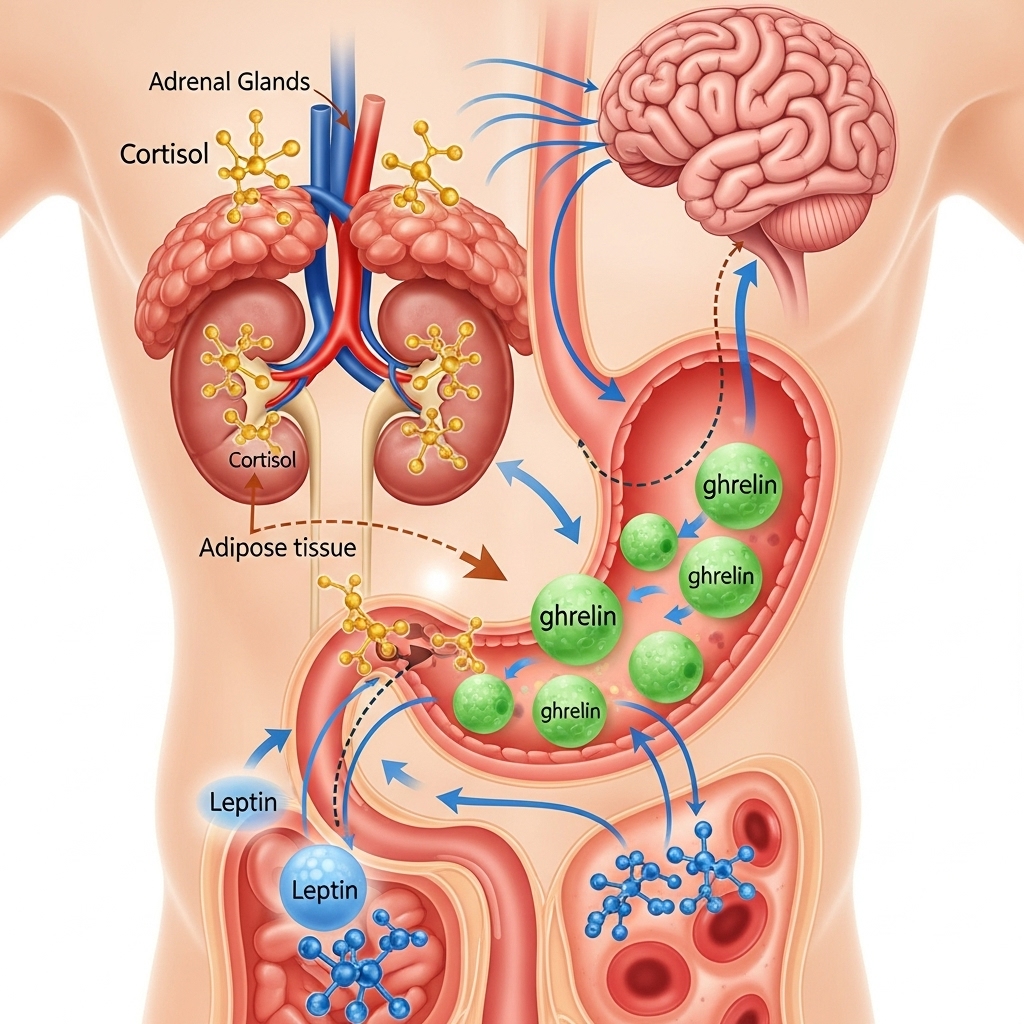
Sleep debt works subtly but powerfully. When the body senses repeated deprivation, it begins to compensate by altering hormonal pathways. Cortisol, the stress hormone, rises and remains elevated for longer periods. Ghrelin, which stimulates appetite, increases, while leptin, the hormone signaling satiety, decreases. This combination creates a perfect storm: heightened hunger, diminished satisfaction from meals, and a stronger tendency to choose calorie-dense comfort foods. In effect, your body is working against your intentions, not because of willpower failure, but because it’s trying to survive in a perceived state of scarcity.
The Domino Effect of Sleep Loss on Metabolism
Lack of sleep doesn’t just affect appetite—it alters how your body uses energy. Insulin sensitivity, the efficiency with which your cells absorb glucose from the bloodstream, declines when sleep is insufficient. This can lead to higher blood sugar levels, greater fat storage, and an increased risk of developing insulin resistance over time. Your metabolism, in essence, becomes less efficient at processing the nutrients you carefully select and prepare.
Moreover, sleep deprivation affects the autonomic nervous system, which regulates involuntary functions like heart rate, digestion, and even energy expenditure. A fatigued nervous system can reduce daily activity without conscious awareness. Simple movements like standing, walking, or even fidgeting may decrease, subtly reducing total calorie burn. Over weeks and months, these small changes add up, often leading to frustrating plateaus despite strict adherence to diet and exercise plans.
Emotional and Cognitive Consequences
Sleep debt also has a psychological component that affects eating behavior. Fatigue impairs judgment and decision-making, often increasing impulsivity. People who are tired are more likely to make quick food choices that favor sugar and fat over balanced options. Emotional regulation also diminishes with chronic sleep loss, making stress eating more likely. The brain’s reward pathways respond more intensely to highly palatable foods, meaning cravings are amplified while self-control is diminished. This interplay of emotional and metabolic signals makes weight management far more challenging than simple calorie counting would suggest.
The Role of Sleep Architecture in Weight Management
Not all sleep is equal. Deep sleep stages, particularly slow-wave sleep, are crucial for hormonal regulation and tissue repair. During deep sleep, growth hormone is secreted, which aids in fat metabolism and muscle repair. REM sleep, meanwhile, is essential for cognitive processing and emotional balance. Disruptions in either phase can affect the body’s ability to balance hunger and satiety cues, regulate glucose, and maintain muscle mass. Light, fragmented, or inconsistent sleep can mimic chronic sleep deprivation effects, even if total hours seem adequate.
Practical Approaches to Reduce Sleep Debt
Reversing sleep debt is not about sleeping excessively; it’s about creating a sustainable sleep pattern. Strategies include establishing a consistent bedtime and wake time, minimizing artificial light exposure in the evening, and creating a cool, dark, and quiet sleep environment. Limiting caffeine and alcohol in the hours before bed and practicing stress-reducing routines like meditation, journaling, or gentle stretching can significantly enhance sleep quality. Gradually paying back accumulated sleep debt over weeks can restore hormonal balance, improve insulin sensitivity, and facilitate healthier metabolic function.
Why Sleep Should Be Part of Any Weight Management Plan

The science is clear: weight management is not solely about diet or exercise. Sleep, particularly quality and consistency, is a foundational pillar. Without it, even perfectly balanced nutrition and rigorous workouts can be undermined by hormonal imbalances, stress responses, and reduced energy efficiency. Integrating sleep strategies into a holistic approach to weight management allows the body to function optimally, turning metabolic resistance into cooperation.
How Hormones Control Your Weight: The Hidden Factors Behind Stalled Progress
When it comes to weight management, most people focus on calories, exercise, and diet quality. But there’s an entire layer that often goes unnoticed: hormones. They are the silent directors behind metabolism, fat storage, appetite, and energy levels. Ignoring them is like trying to drive a car without understanding the engine.
Even if you eat well, move regularly, and sleep enough, hormonal imbalances can keep your metabolism sluggish and your weight stagnant. Understanding them gives you a new lens through which to view health—one that’s rooted in biology, not willpower.
Cortisol: The Stress Hormone That Stores Fat
Cortisol is essential for survival. It regulates inflammation, energy mobilization, and alertness. However, chronic elevation can derail your weight loss efforts. Constant stress signals to your body that energy needs to be conserved, leading to:
Increased fat storage, particularly in the abdominal region
Disrupted blood sugar control
Muscle breakdown to supply immediate energy
It’s no surprise that when life feels overwhelming, the body resists letting go of fat, even if diet and exercise appear “perfect.”
Insulin: The Sugar Storage Manager
Insulin controls how glucose is stored and used. High insulin levels, often caused by frequent snacking, refined carbs, or sugary drinks, push the body to store more fat. Even with healthy eating habits, stress and irregular meal timing can spike insulin, causing subtle weight gain or preventing fat loss.
Leptin and Ghrelin: Hunger Hormones in Conversation
Two hormones—leptin and ghrelin—are crucial for hunger regulation.
Ghrelin signals hunger
Leptin signals fullness
If you’re undereating, skipping meals, or eating inconsistently, ghrelin surges and leptin decreases. This hormonal imbalance can trigger intense cravings, overeating, and guilt cycles. Over time, your metabolism adjusts to conserve energy, making fat loss more difficult.
Thyroid Hormones: The Metabolic Speed Control
The thyroid produces hormones that directly regulate metabolic rate. Low thyroid activity slows energy expenditure, reduces heat production, and can increase fatigue. Factors like stress, nutrient deficiencies, or chronic dieting can impair thyroid function subtly, creating a plateau effect even when lifestyle seems correct.
Estrogen, Testosterone, and Weight Balance
Hormones like estrogen and testosterone play a pivotal role in fat distribution, muscle mass, and insulin sensitivity. Imbalances—common with aging, stress, or certain medications—can shift fat storage, reduce muscle retention, and affect energy, further complicating weight management.
Supporting Your Hormones Naturally
While points above may sound intimidating, there’s good news: hormones respond to lifestyle adjustments. Key strategies include:
Eating nutrient-dense meals at consistent times
Including protein at each meal to support muscle and satiety
Prioritizing sleep to regulate ghrelin and leptin
Managing stress through meditation, gentle movement, or mindfulness
Strength training to maintain lean mass and support insulin sensitivity
Even small, consistent changes create significant hormonal improvements over time.
Recognizing the Signs of Hormonal Resistance
Your body communicates clearly when hormones are out of balance. Watch for:
Persistent fatigue despite adequate sleep
Difficulty losing weight despite healthy eating
Intense sugar or carb cravings
Irregular hunger signals
Low muscle tone or strength
These are not failures—they are signals that your body needs support, not restriction.
Takeaway: Hormones Are Not the Enemy
Hormones don’t “work against you.” They adapt to signals from your environment, nutrition, and stress levels. By understanding how they operate and supporting them through lifestyle adjustments, you can restore metabolic efficiency, reduce fat storage, and feel more energetic—all without extreme restriction or guilt.
How Chronic Stress and Sleep Disruption Sabotage Your Metabolism
Even when your diet is clean and you exercise regularly, you might still struggle with weight, energy, or mood. The missing piece is often chronic stress and poor sleep, two silent saboteurs that dramatically affect metabolism.
Stress and sleep influence your hormones, energy use, appetite, and fat storage. Ignoring them is like trying to fill a leaky bucket: no matter how much you pour in (nutrition and exercise), results remain limited.
How Stress Rewires Your Body
Stress is more than a mental state—it’s a physiological signal. When stress is chronic:
Cortisol remains elevated, telling the body to conserve energy and store fat
Thyroid function can slow, reducing metabolic rate
Blood sugar becomes less stable, leading to cravings and spikes in insulin
Appetite hormones (ghrelin and leptin) become imbalanced, increasing hunger and reducing satiety
Over time, these changes can make your metabolism feel “stubborn” and resistant to dieting, even when you follow healthy routines consistently.
Sleep: The Silent Metabolic Regulator
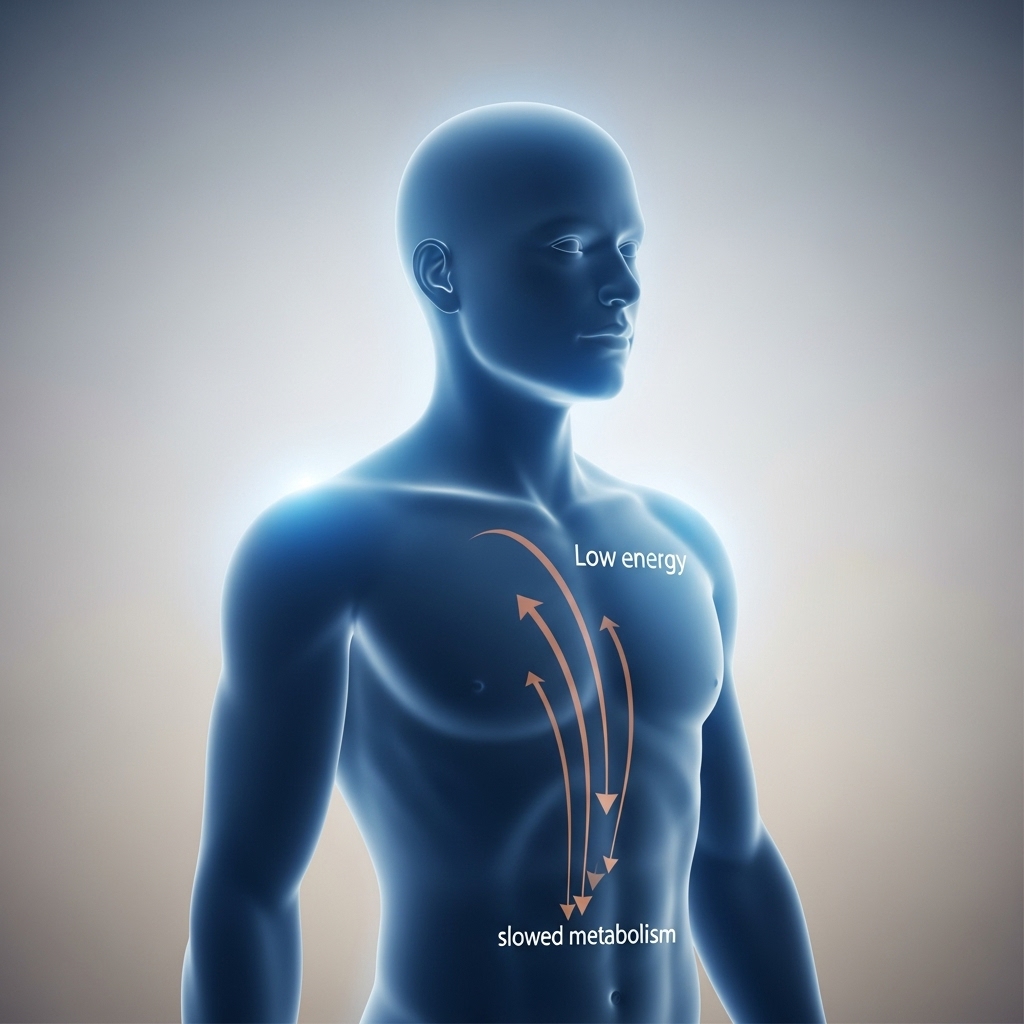
Sleep is often underestimated, yet it’s one of the most important factors for maintaining metabolic health. Lack of restorative sleep:
Increases ghrelin (hunger hormone) and decreases leptin (fullness hormone)
Elevates cortisol, reinforcing fat storage and insulin resistance
Reduces energy for daily activities, unintentionally lowering calorie expenditure
Impairs recovery from exercise, slowing muscle repair and growth
Without quality sleep, metabolism becomes compromised, even with perfect nutrition.
The Vicious Cycle: Stress, Sleep, and Hormones
Stress and sleep interact in a loop:
Chronic stress raises cortisol
Elevated cortisol disrupts sleep quality
Poor sleep amplifies stress and cravings
Hormonal imbalance leads to fat storage and lower energy
Breaking this cycle is key to improving metabolism and overall health.
Key Strategies to Support Metabolism Amid Stress and Sleep Disruption
Even subtle changes can have profound effects. Consider these:
Prioritize 7–9 hours of quality sleep: Keep a consistent bedtime, avoid screens before sleep, and create a calming nighttime routine.
Incorporate stress-reduction practices: Meditation, deep breathing, yoga, or gentle stretching signals safety to the body.
Eat nutrient-dense meals consistently: Support stable blood sugar and reduce stress on metabolism.
Focus on movement, not overtraining: Gentle cardio, walks, or resistance training improves metabolism without increasing cortisol.
Hydrate and limit stimulants: Excess caffeine or energy drinks can worsen stress and disrupt sleep.
Even small, consistent adjustments help the body feel safe, allowing metabolism to recover naturally over time.
Recognizing When Stress Is Affecting Your Metabolism
Your body sends signals when stress and sleep disruption are impacting weight and energy:
Persistent fatigue or low motivation
Plateaus in weight loss despite effort
Intense, uncontrollable cravings
Difficulty concentrating
Feeling cold or sluggish
These aren’t signs of failure—they’re indicators your body needs care and restoration.

Frequently Asked Questions (FAQs)
Can stress really slow down metabolism?
Yes. Chronic stress raises cortisol, which signals the body to conserve energy, store fat, and reduce metabolic output. This makes weight loss or energy balance more difficult.
How does poor sleep affect weight and metabolism?
Poor sleep increases hunger hormones, reduces fullness signals, elevates stress hormones, and impairs energy expenditure. Together, these factors can slow metabolism and encourage fat storage.
Can stress management improve metabolism?
Absolutely. Reducing stress through mindfulness, meditation, gentle movement, and rest allows hormones to balance and metabolism to function more efficiently.
How long does it take for metabolism to recover from chronic stress?
Recovery depends on individual factors, including sleep quality, stress levels, diet, and activity. Many people notice improvements in energy and hunger within weeks, but full metabolic restoration may take months.
Should I exercise if I’m stressed or sleep-deprived?
Yes, but focus on supportive movement rather than intense or excessive training. Gentle strength training, walking, yoga, or stretching improves metabolism without adding additional stress.
Can improving sleep alone help with weight management?
Improving sleep alone can significantly impact metabolism, hormone regulation, and appetite control, making nutrition and exercise more effective.
Is it possible to reverse stress-induced metabolic slowdown?
Yes. Consistent stress management, quality sleep, balanced nutrition, and supportive movement can restore metabolic function over time.
