Why Your Metabolism Isn’t Broken — It’s Just Overwhelmed
Why Long-Term Dieting Teaches Your Body to Resist Weight Loss
There’s a moment many people reach where confusion turns into quiet frustration.
They’ve tried everything.
They’ve been disciplined.
They’ve eaten less, tracked more, exercised harder.
And yet, their body seems to resist change — sometimes gaining weight instead of losing it.
This isn’t because dieting doesn’t work in theory.
It’s because the body learns from repetition.
And long-term dieting teaches it something very specific.
Dieting Is Information, Not Just Action
Every diet sends a message.
Not through motivation or intention — but through patterns.
When the body experiences repeated cycles of restriction, it doesn’t see them as separate attempts. It sees them as a pattern of instability.
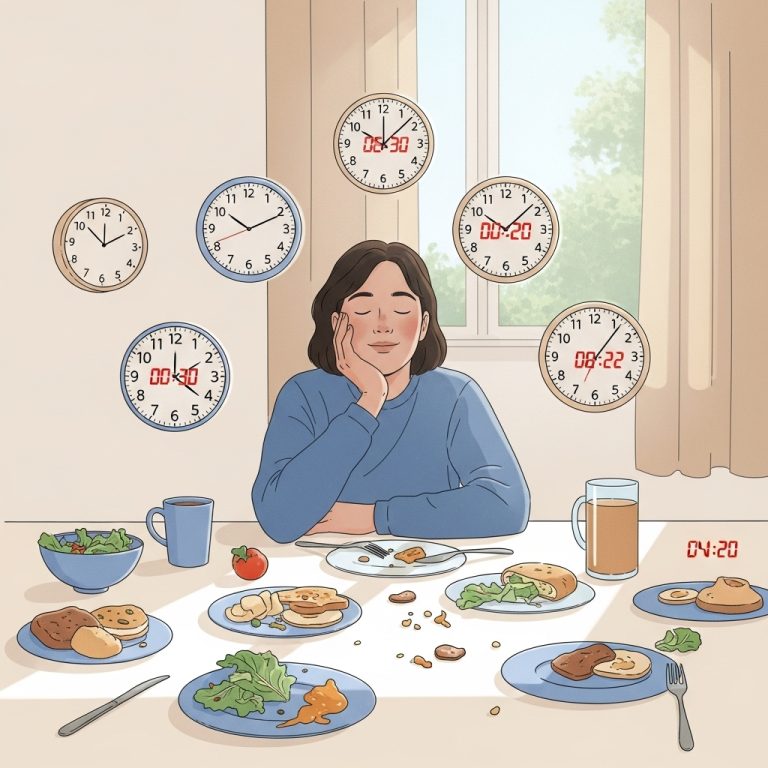
To the nervous system, repeated dieting looks like this:
Food becomes unreliable.
Energy intake fluctuates.
Periods of scarcity keep returning.
The body adapts not to your goals — but to the environment it believes it’s living in.
Why the First Diet Often “Works”
Most people remember their first serious diet.
Weight drops quickly.
Hunger feels manageable.
Motivation is high.
This happens because the body hasn’t learned to defend yet.
At that stage, it still assumes restriction is temporary. It hasn’t adjusted its baseline expectations.
But each subsequent diet leaves a mark.
Metabolic Memory: The Body Remembers Scarcity
The body has memory — not emotional memory, but biological memory.
Repeated dieting trains the body to expect future restriction.
So it prepares in advance by:
Slowing resting energy expenditure
Increasing efficiency with fewer calories
Becoming more sensitive to stress
Holding fat more protectively
This isn’t punishment.
It’s prediction.
The body is simply trying to stay one step ahead of perceived danger.
Why Weight Comes Back Faster Each Time
One of the most painful experiences people report is this:
“I lose weight slowly now — but regain it fast.”
That happens because the body has learned that weight loss is often followed by deprivation.
So when food becomes more available, it prioritizes restoration.
Not because it wants excess — but because it wants safety.
This is why post-diet weight regain often overshoots previous weight.
Dieting Changes Hunger Signals Over Time
Long-term dieting doesn’t just affect metabolism.
It affects trust between you and your body.
Hunger cues may become delayed or exaggerated.
Fullness may feel unreliable.
Cravings may intensify unexpectedly.
These changes are adaptive responses to repeated restriction.
The body becomes louder because it has learned that subtle signals were ignored in the past.
Why Willpower Declines With Each Attempt
This is often misinterpreted as weakness.
In reality, the brain reduces willpower intentionally under chronic restriction.
Why?
Because resisting hunger for long periods is metabolically expensive and risky.
So the brain shifts priorities toward food acquisition and energy conservation.
It’s not failure — it’s protection.
Dieting and Stress Become Intertwined
Over time, dieting itself becomes a stressor.
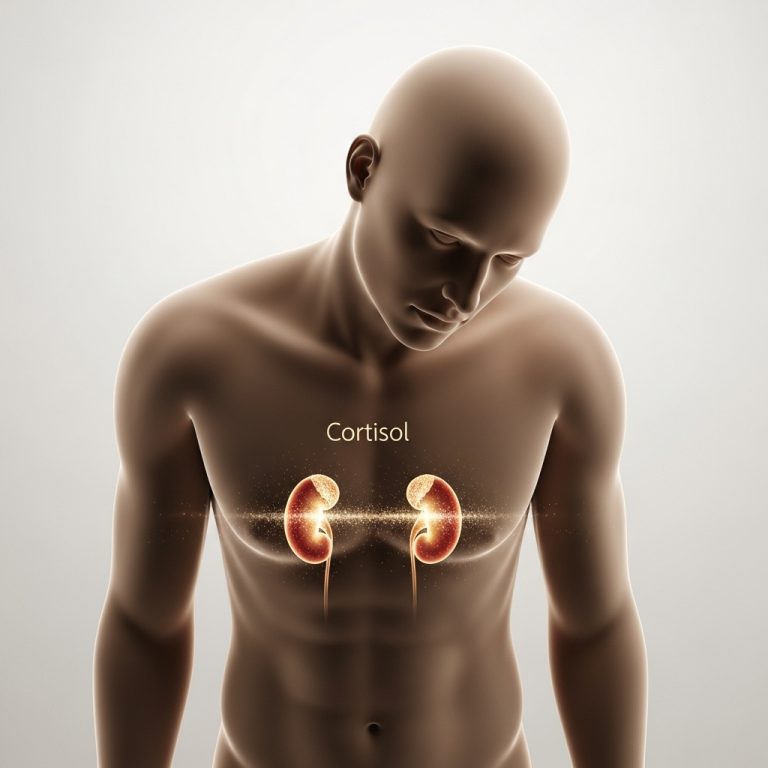
Even thinking about food can raise cortisol.
Tracking intake can create anxiety.
Fear of weight regain keeps the nervous system alert.
This stress further reinforces metabolic resistance.
The body stays guarded because it never fully relaxes.
The False Promise of “Just One More Push”
At this stage, people often try to push harder.
Lower calories.
More exercise.
Tighter control.
Unfortunately, this usually deepens the cycle.
The body doesn’t interpret harder effort as commitment — it interprets it as threat.
And under threat, it conserves even more.
Why Eating More Can Sometimes Lead to Fat Loss
This feels counterintuitive — and frightening.
But when food intake becomes consistent and sufficient, the body receives a new message:
Scarcity is over.
Energy is reliable.
Protection is no longer necessary.
Over time, metabolism becomes more flexible.
Energy output increases naturally.
Fat becomes easier to access.
This process is slow — because trust takes time to rebuild.
Healing From Dieting Is Not Giving Up
Stopping chronic dieting does not mean abandoning health.
It means shifting focus from control to regulation.
From forcing outcomes to supporting systems.
Health returns not through intensity — but through stability.
The Emotional Side of Diet History
Dieting leaves emotional residue.
Fear of weight gain.
Guilt around eating.
Distrust of hunger.
These emotions are not flaws.
They are learned responses.
Healing the body often requires softening these responses — not overriding them.
The Body Isn’t Stubborn — It’s Experienced
A body that resists weight loss isn’t broken.
It’s experienced.
It has learned patterns.
It has adapted to protect you.
And it responds to consistency, not pressure.
Once that’s understood, the path forward becomes gentler — and far more effective.
Final Thought
If your body resists weight loss after years of dieting, it’s not because you failed.
It’s because your body learned how to survive.
And survival always comes before aesthetics.