
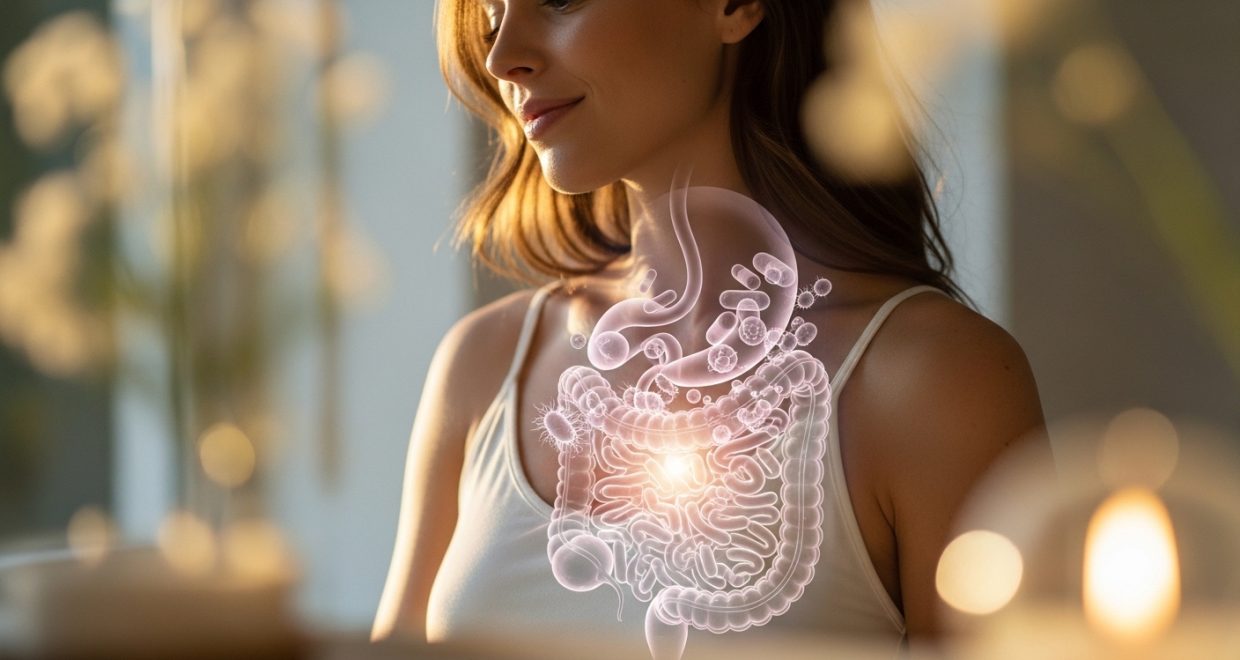
Understanding Beauty as a Whole-Body Experience
The skin is the body’s largest organ, and it reflects everything happening internally. When digestion is poor, inflammation rises, hormones fluctuate, or stress remains high, the skin often shows signs such as acne, dullness, redness, wrinkles, or dryness. Hair thinning, brittle nails, and early aging are also common indicators that the body is struggling beneath the surface.
True beauty begins when the internal environment becomes balanced. Nutrients reach cells efficiently, hormones remain stable, and inflammation stays low. When this happens, the body naturally produces collagen, elastin, and healthy oils that keep the skin smooth, firm, and luminous.
Rather than masking problems with products alone, modern beauty focuses on identifying and supporting the body’s natural systems so it can repair itself from within.
The Role of Nutrition in Achieving Naturally Glowing Skin
Every cell in the body relies on nutrients to function correctly. The skin, in particular, needs vitamins, minerals, healthy fats, and antioxidants to stay youthful and resilient. Without proper nourishment, skin loses elasticity, moisture, and its ability to heal quickly.
A diet rich in whole foods — such as fruits, vegetables, lean proteins, nuts, seeds, and healthy oils — provides the building blocks for healthy skin. Vitamin C supports collagen production, while omega-3 fatty acids reduce inflammation and maintain moisture levels. Zinc helps heal breakouts, and vitamin A promotes skin cell turnover.
When processed foods, excess sugar, and refined carbohydrates dominate the diet, inflammation increases and insulin spikes disrupt hormones. This often leads to acne, premature aging, and dull complexion.
Eating with skin health in mind doesn’t require strict dieting — it simply means prioritizing foods that nourish rather than deplete the body.
Hydration and Its Powerful Effect on Beauty
Water plays a crucial role in maintaining skin elasticity, detoxification, and overall cellular function. When the body is dehydrated, skin appears dry, tired, and less plump. Fine lines become more noticeable, and the complexion loses its natural glow.
Proper hydration supports blood circulation, allowing nutrients to reach skin cells more efficiently while flushing out toxins that contribute to inflammation and breakouts.
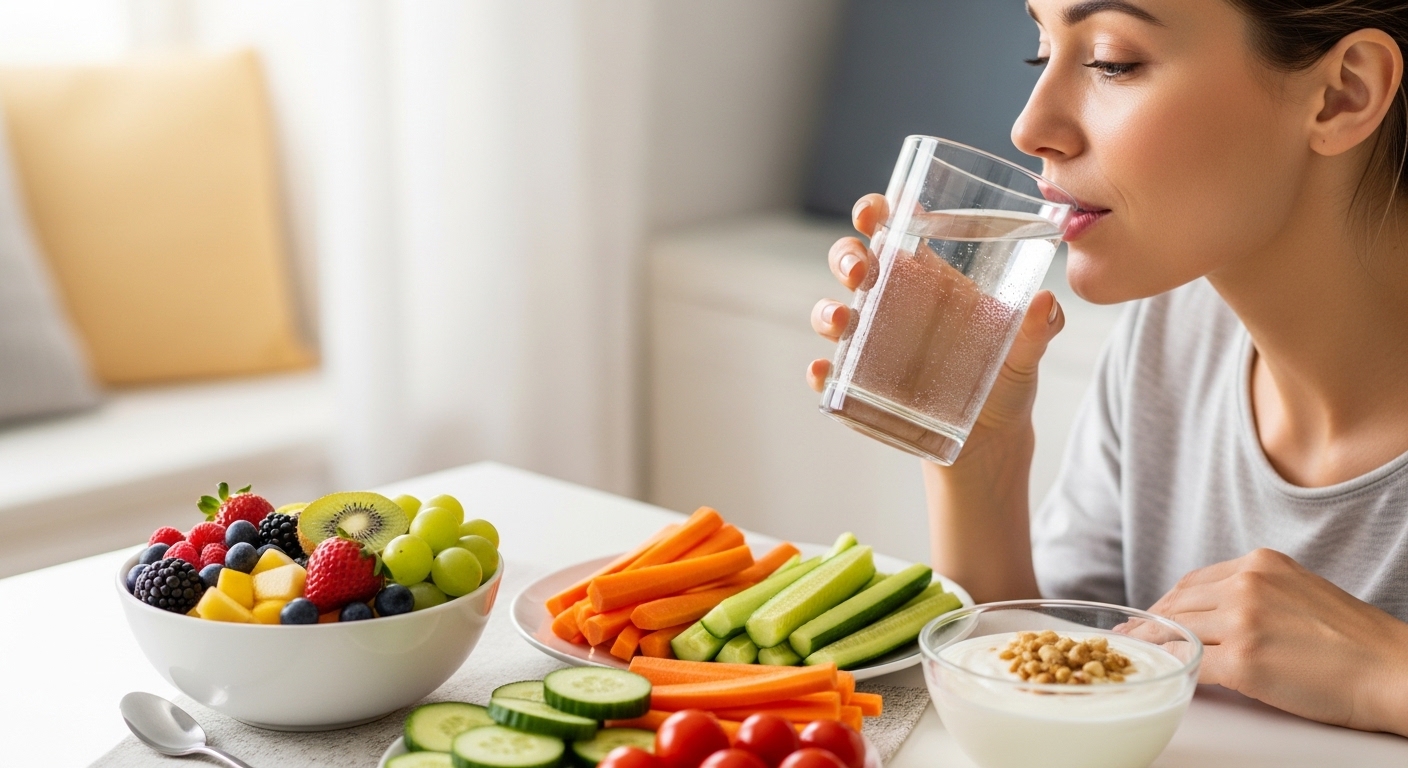
Drinking enough water throughout the day, along with consuming water-rich foods like fruits and vegetables, helps keep skin soft, smooth, and youthful. Herbal teas and mineral-rich beverages can also support hydration levels.
Consistent hydration is one of the simplest yet most powerful beauty habits.
How Hormonal Balance Shapes Skin and Hair Health
Hormones control oil production, collagen synthesis, hair growth cycles, and even pigmentation. When hormones become imbalanced — due to stress, poor sleep, unhealthy diet, or lifestyle changes — beauty issues often follow.
High cortisol from chronic stress can trigger acne, accelerate aging, and weaken hair follicles. Insulin spikes can increase oil production and inflammation. Estrogen fluctuations influence skin moisture and elasticity, especially during menstrual cycles or menopause.
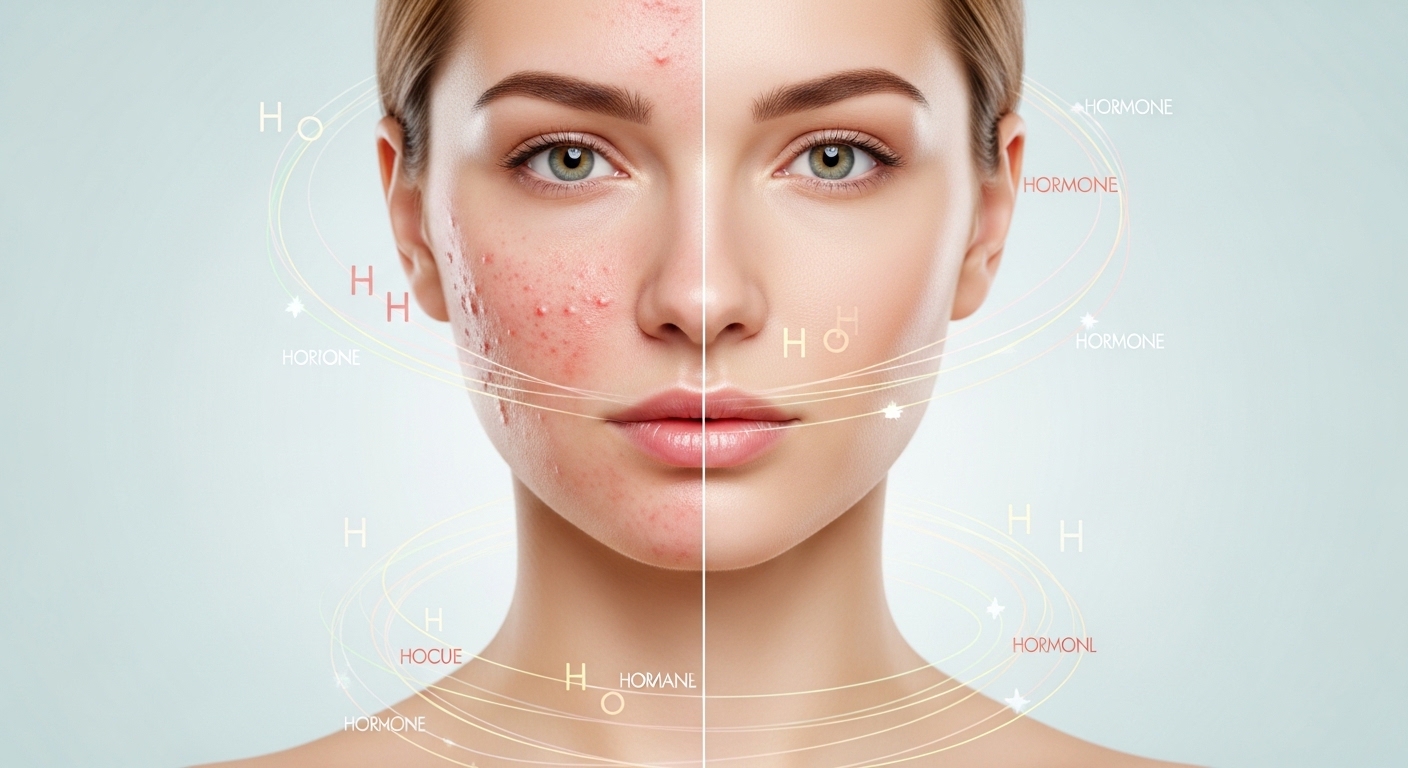
Supporting hormonal balance through regular meals, nutrient-dense foods, stress management, and adequate sleep plays a major role in maintaining clear skin and thick hair.
A calm, nourished body creates a naturally beautiful appearance.
Skincare as a Support System, Not a Solution
Skincare products are most effective when they support a healthy internal foundation. Cleansers remove impurities, moisturizers lock in hydration, and serums provide targeted nutrients to the skin’s surface.
However, no product can fully compensate for poor diet, dehydration, or chronic stress.
A simple, consistent skincare routine often works better than complicated multi-step regimens. Gentle cleansing, daily sun protection, hydration, and occasional exfoliation allow the skin to renew itself naturally.
Choosing products with clean ingredients and avoiding harsh chemicals helps preserve the skin barrier, which protects against inflammation and premature aging.
Skincare should enhance what the body is already doing well — not fight against underlying imbalances.
The Impact of Sleep on Beauty and Aging
Sleep is one of the most underestimated beauty tools. During deep sleep, the body repairs damaged cells, produces growth hormone, and regenerates skin tissue. Blood flow increases to the skin, delivering oxygen and nutrients that support healing and renewal.
When sleep is insufficient or disrupted, cortisol rises, inflammation increases, and collagen production slows. This often leads to dark circles, dull complexion, fine lines, and breakouts.
Consistent quality sleep allows the body to reset each night, making the skin brighter, smoother, and more resilient over time.
Creating a calming nighttime routine, limiting screen exposure before bed, and maintaining regular sleep hours can dramatically improve beauty outcomes.
Stress Management as a Beauty Essential
Stress is one of the biggest contributors to premature aging and skin problems. Chronic stress triggers hormonal changes that increase oil production, inflammation, and collagen breakdown.
When stress levels remain high, the body prioritizes survival over beauty functions such as hair growth and skin repair.
Practices like meditation, deep breathing, journaling, walking in nature, and gentle exercise help lower cortisol levels and restore balance.
When the mind relaxes, the body shifts into a healing state — allowing beauty to flourish naturally.
Exercise and Its Effect on Skin Radiance
Physical activity improves circulation, delivering oxygen and nutrients to skin cells while removing waste products. This increased blood flow gives the skin a natural glow and supports collagen production.
Exercise also helps regulate hormones, reduce stress, and improve sleep quality — all essential factors for beauty.
Sweating during workouts helps cleanse pores, though it’s important to wash the face afterward to prevent buildup.
Regular movement doesn’t just shape the body; it transforms the skin from the inside out.
The Power of Consistency in Beauty Habits
Beauty is not built overnight. It develops gradually through small daily actions that support health and balance.
Drinking water consistently, eating nourishing foods, sleeping well, managing stress, moving regularly, and maintaining simple skincare routines create a powerful foundation for long-term radiance.
Short-term treatments may offer temporary results, but sustainable habits produce lasting beauty that continues to improve with time.
Patience and consistency are the true secrets behind glowing skin and youthful energy.
Embracing a Natural and Sustainable Beauty Philosophy
Modern beauty is shifting away from perfection and toward wellness, authenticity, and sustainability. Rather than chasing flawless appearances, people are focusing on feeling healthy, confident, and comfortable in their own skin.
This approach prioritizes nourishing the body, caring for mental health, and using products responsibly.
When beauty becomes a reflection of self-respect and balance, it becomes easier to maintain and far more rewarding.
Beauty as a Lifelong Journey
Beauty is not something to achieve — it is something to nurture.
When the body is cared for with nourishing food, hydration, rest, movement, and emotional balance, it naturally expresses that health through radiant skin, strong hair, and youthful vitality.
Skincare products, treatments, and routines can enhance this foundation, but true beauty always begins from within.
By adopting a holistic approach and making consistent, mindful choices, anyone can build lasting beauty that grows stronger with time.
The Inner Beauty System: How Gut Health, Hormones, Cellular Aging, and Hair Recovery Work Together
Modern beauty science now confirms what ancient wellness traditions always believed — beauty is not created only on the surface of the skin. It is built inside the body, shaped by digestion, hormones, inflammation levels, nutrient absorption, emotional balance, and cellular renewal. When these systems work in harmony, the body naturally produces glowing skin, thick healthy hair, strong nails, and slow, graceful aging. When they fall out of balance, even the most expensive skincare routines struggle to deliver lasting results.
Understanding how gut health, hormonal balance, internal anti-aging processes, and hair growth recovery are connected allows us to support beauty in a sustainable and powerful way. Rather than chasing quick fixes, this approach focuses on rebuilding the body’s natural ability to heal, regenerate, and glow.
Gut Beauty: The Hidden Foundation of Clear Skin and Radiance
The gut is often called the body’s second brain, but it is also one of the most important beauty organs. Inside the digestive system lives trillions of bacteria that form the gut microbiome — a complex ecosystem responsible for digestion, immune function, inflammation control, and nutrient absorption.
When the gut microbiome is balanced, nutrients from food are efficiently absorbed and delivered to skin cells. Inflammation remains low, toxins are properly eliminated, and hormones stay more stable. This environment allows the skin to remain clear, hydrated, and youthful.
However, when the gut becomes imbalanced due to poor diet, stress, antibiotics, or lack of fiber, harmful bacteria begin to dominate. This condition often leads to increased inflammation, leaky gut syndrome, and poor nutrient absorption. As a result, skin problems such as acne, eczema, rosacea, dryness, and premature aging commonly appear.
The gut-skin connection works through several pathways. Inflammation originating in the gut can travel through the bloodstream and trigger skin flare-ups. Toxins that are not properly eliminated may escape through the skin, causing breakouts. Nutrient deficiencies from poor absorption can weaken collagen production and slow skin healing.
Supporting gut beauty involves nourishing beneficial bacteria with fiber-rich foods like vegetables, fruits, whole grains, and legumes. Fermented foods such as yogurt, kefir, kimchi, and sauerkraut help replenish healthy bacteria. Drinking enough water aids digestion and toxin removal, while limiting processed foods and excess sugar reduces harmful bacterial growth.
When the gut becomes healthier, the skin often clears naturally, becomes more hydrated, and develops a soft glow that no topical product can fully replicate.
| Body System Issue | Internal Effect | Hormonal Reaction | Visible Beauty Impact |
|---|---|---|---|
| Poor gut bacteria balance | Increased inflammation | Elevated cortisol | Acne, redness, dull skin |
| Low fiber intake | Poor toxin elimination | Hormonal instability | Breakouts, puffiness |
| Leaky gut | Nutrients not absorbed | Insulin resistance | Premature aging, dryness |
| High sugar diet | Blood sugar spikes | Increased insulin | Oily skin, hormonal acne |
| Chronic stress | Digestive slowdown | Cortisol surge | Hair loss, wrinkles |
| Nutrient deficiencies | Weak collagen production | Thyroid disruption | Thin hair, sagging skin |
Hormonal Skin: Why Balance Determines Breakouts and Aging
Hormones act as chemical messengers that control oil production, cell turnover, collagen synthesis, and even skin pigmentation. When hormones are balanced, the skin maintains smooth texture, consistent tone, and natural moisture levels. When imbalanced, they can trigger stubborn acne, excessive dryness, sensitivity, hair thinning, and accelerated aging.
One of the most influential hormones in skin health is cortisol — the body’s main stress hormone. Chronic stress keeps cortisol levels elevated, which increases inflammation and oil production. This often results in breakouts along the jawline and chin, commonly known as hormonal acne. High cortisol also breaks down collagen over time, contributing to wrinkles and sagging.
Insulin also plays a major role. Diets high in refined carbohydrates and sugar cause frequent insulin spikes, which stimulate oil glands and increase inflammation. This environment encourages acne formation and slows skin repair.
Estrogen helps maintain skin thickness, hydration, and elasticity. When estrogen levels drop — such as during menopause or hormonal fluctuations — the skin often becomes drier, thinner, and more prone to wrinkles.
Progesterone fluctuations can also affect oil production and sensitivity, particularly during menstrual cycles.
Balancing hormones requires more than medication or skincare products. Regular meals with protein, healthy fats, and complex carbohydrates help stabilize blood sugar. Adequate sleep regulates cortisol and insulin sensitivity. Managing stress through relaxation techniques allows hormonal systems to reset.
When hormones come back into balance, skin problems often resolve naturally, revealing clearer, smoother, and more resilient skin.
Anti-Aging from Within: Slowing Time at the Cellular Level
True anti-aging does not begin with creams or procedures — it starts inside the cells. Aging occurs when oxidative stress, inflammation, and slowed cellular repair damage tissues faster than the body can rebuild them.
Every day, skin cells are exposed to free radicals from pollution, UV radiation, stress, and poor diet. These unstable molecules damage collagen, elastin, and DNA, leading to wrinkles, sagging, and dullness.
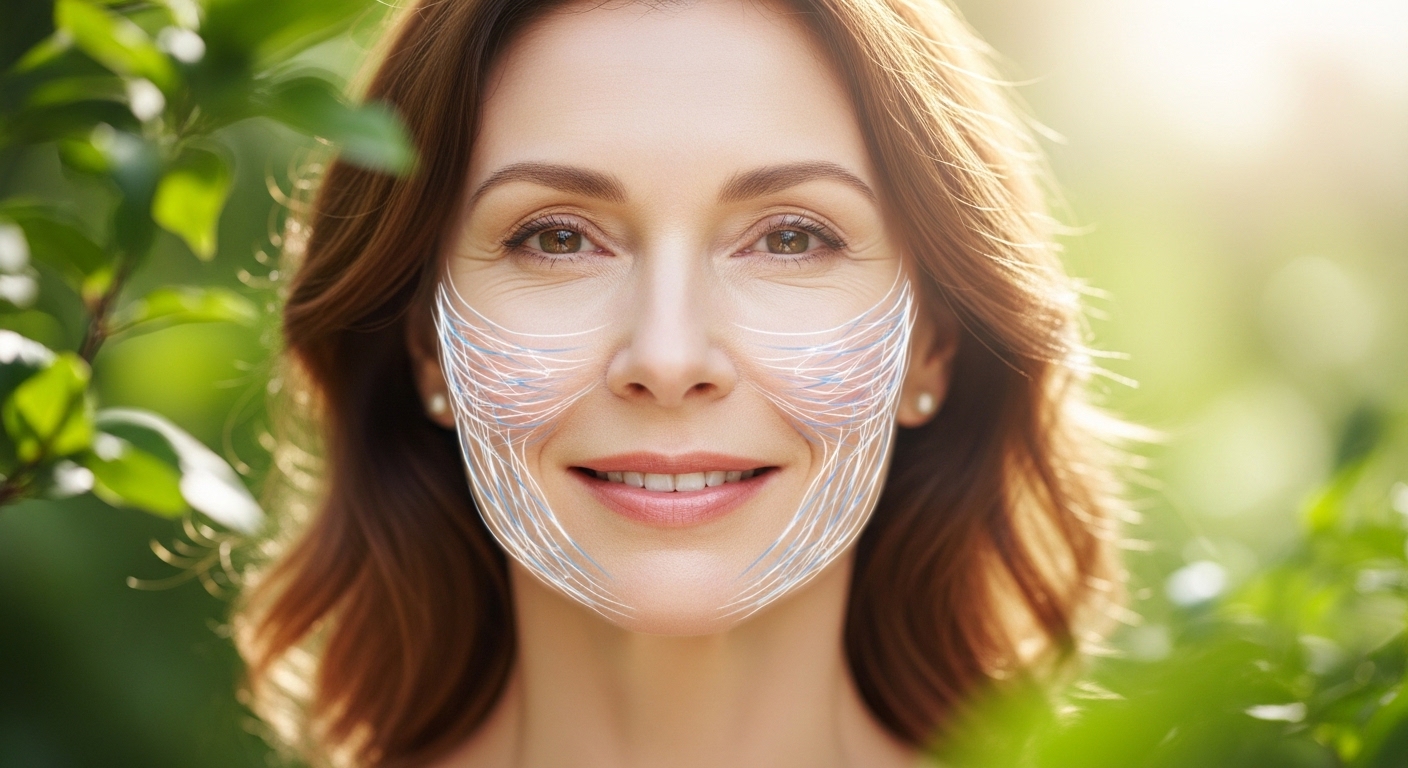
The body fights oxidative stress with antioxidants such as vitamin C, vitamin E, selenium, and plant compounds like polyphenols. When antioxidant intake is high, the skin is better protected and repairs itself more efficiently.
Inflammation is another major aging accelerator. Chronic low-grade inflammation breaks down collagen and disrupts skin barrier function. Diets high in processed foods, sugar, and unhealthy fats fuel this inflammation.
Internal anti-aging focuses on reducing inflammation and boosting cellular repair through whole foods, hydration, and lifestyle balance.
Collagen production naturally declines with age, but it can be supported through protein intake, vitamin C consumption, and minerals such as zinc and copper. Bone broth, lean meats, fish, legumes, and citrus fruits all help provide building blocks for collagen synthesis.
Sleep is also essential for anti-aging. During deep sleep, the body releases growth hormone, which triggers tissue repair and regeneration. Poor sleep accelerates skin aging and dullness.
Exercise improves blood flow, delivering nutrients to skin cells while stimulating collagen production.
Anti-aging from within is not about stopping time — it’s about slowing the damage process and supporting the body’s natural renewal abilities.
| Factor | Cellular Effect | Aging Speed |
|---|---|---|
| High inflammation | Collagen breakdown | Fast aging |
| Poor sleep | Slowed repair | Faster wrinkles |
| Nutrient-rich diet | Strong regeneration | Slower aging |
| Balanced hormones | Elastic skin | Youth preservation |
| Gut health | Toxin removal | Bright complexion |
Hair Recovery: Restoring Thickness, Strength, and Growth Naturally
Hair health is closely linked to nutrition, hormones, stress levels, and circulation. Hair follicles are among the most metabolically active structures in the body, meaning they require a constant supply of nutrients and oxygen to grow properly.
When the body experiences stress, nutrient deficiencies, or hormonal shifts, hair growth is often one of the first functions to slow down. This can lead to thinning, shedding, breakage, and slow regrowth.
One common cause of hair loss is chronic stress, which pushes hair follicles into a resting phase known as telogen effluvium. Months later, excessive shedding occurs. While alarming, this type of hair loss is usually reversible once stress levels are reduced.
Nutrient deficiencies such as iron, protein, biotin, zinc, and vitamin D can also weaken hair follicles and slow growth. Poor digestion can worsen this by limiting nutrient absorption.
Hormonal imbalances — particularly thyroid disorders and elevated cortisol — also disrupt hair growth cycles.
Supporting hair recovery requires nourishing the body consistently. Adequate protein intake provides the building material for hair strands. Iron-rich foods support oxygen delivery to follicles. Healthy fats nourish the scalp and hair shafts.
Scalp circulation improves with gentle massage, exercise, and proper hydration.
Reducing stress allows hair follicles to re-enter the growth phase.
Hair recovery is usually gradual, but with internal support, thickness and strength often return over time.
The Interconnected Nature of Inner Beauty
What makes gut beauty, hormonal balance, anti-aging, and hair recovery so powerful is how deeply connected they are.
An unhealthy gut can cause hormone disruptions and inflammation, leading to acne and hair loss. Hormonal imbalances can increase inflammation and slow cellular repair, accelerating aging. Chronic stress affects digestion, hormones, and hair growth simultaneously.
On the other hand, improving one system often benefits all the others.
Healing the gut reduces inflammation and improves nutrient absorption. Balanced hormones regulate oil production and collagen synthesis. Lower inflammation slows aging. Proper nutrition fuels hair regrowth.
Beauty becomes easier to maintain when the body functions as a healthy, balanced system.
Building an Inner Beauty Routine for Lasting Results
Rather than focusing on quick fixes, an inner beauty routine supports the body every day.
Consistent meals rich in whole foods provide steady nutrients and stabilize blood sugar. Hydration supports detoxification and skin moisture. Sleep allows repair and regeneration. Stress management calms hormonal systems. Movement improves circulation and collagen production.
Skincare and haircare products then become enhancements rather than necessities.
This approach creates beauty that feels effortless because it comes naturally.
Why Patience Is Essential in Inner Beauty Healing
Unlike topical treatments that may show quick results, internal beauty healing takes time. The gut microbiome needs weeks to rebalance. Hormones may require months to stabilize. Hair growth cycles can take three to six months to show improvement. Collagen rebuilding happens gradually.
However, the results are deeper, longer-lasting, and far more resilient.
Instead of constantly battling breakouts, dryness, or hair loss, many people find these issues fade as the body regains balance.
Patience combined with consistency is the key to long-term beauty transformation.
Beauty as a Reflection of Health
The future of beauty is not about hiding flaws — it is about building health from the inside out.
When digestion is strong, hormones are balanced, inflammation is low, and cells receive proper nourishment, the body naturally expresses that wellness through radiant skin, youthful appearance, and healthy hair.
Gut beauty, hormonal skin balance, internal anti-aging, and hair recovery are not separate concepts — they are parts of one powerful system working together.
By caring for the body holistically, beauty becomes sustainable, effortless, and deeply rooted in well-being.
