
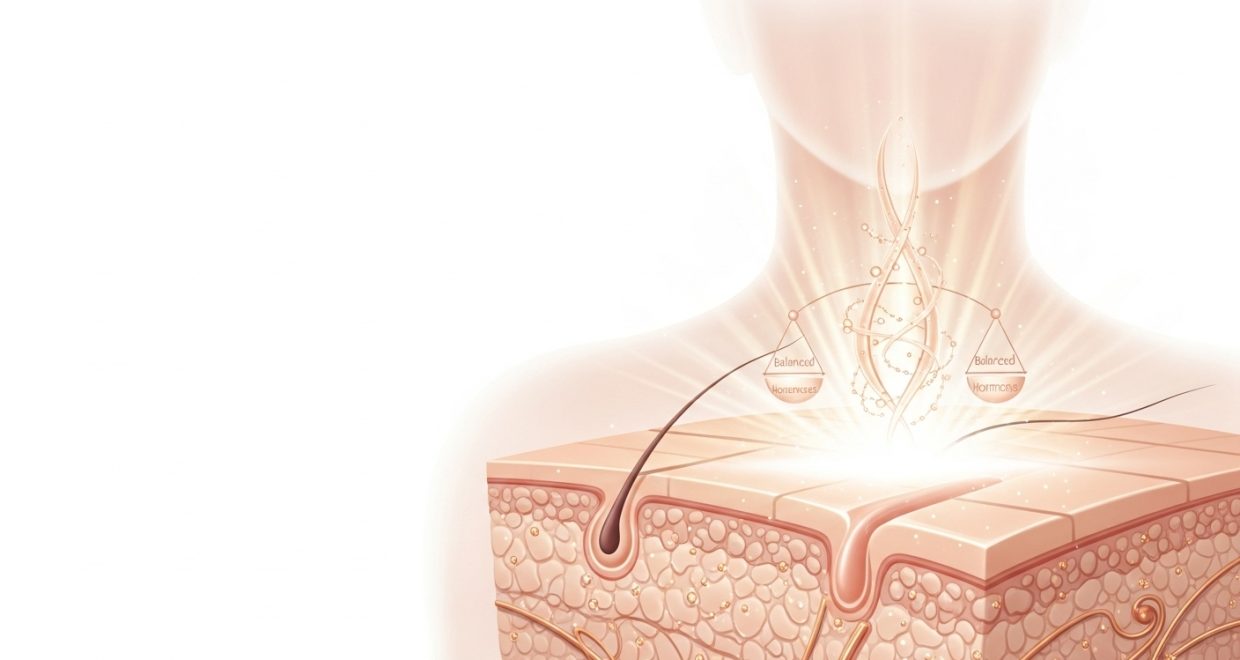
Beauty is often treated as something that can be applied, corrected, or fixed from the outside. We are taught to believe that clearer skin, thicker hair, and a more youthful appearance come from better products, better routines, or stronger treatments. While external care certainly plays a role, it is only the visible layer of a much deeper system. Real, lasting beauty is shaped internally, influenced by how the body processes stress, nourishment, hormones, and recovery over time.
When the body is supported rather than strained, beauty becomes a natural byproduct rather than a constant pursuit. Skin responds with clarity and elasticity, hair grows stronger and more resilient, and facial features soften as inflammation and tension decrease. These changes do not happen overnight, but they are reliable when the internal environment becomes stable and balanced.
Beauty as a Reflection of Internal Balance
The body is always communicating its internal state through outward signs. Dull skin, hair thinning, puffiness, breakouts, and premature lines are rarely random. They are often quiet signals that something inside is struggling to keep up. Inflammation, hormonal imbalance, nutrient deficiencies, and chronic stress all leave visible traces, even when lab results appear “normal.”
When the body feels overwhelmed, it prioritizes survival over appearance. Energy is redirected toward essential organs, leaving the skin, hair, and nails with fewer resources. Over time, this creates the impression of aging faster than expected, even in people who follow strict beauty routines. Understanding this shift reframes beauty not as a cosmetic issue, but as a wellness signal worth listening to.
Skin Health Beyond Skincare
Skin is one of the most metabolically active organs in the body. It renews itself constantly, relying on adequate blood flow, oxygen, nutrients, and hormonal support. When digestion is compromised or stress hormones remain elevated, skin cell turnover slows and repair mechanisms weaken. This is why people often notice worsening skin during periods of emotional stress, restrictive dieting, or poor sleep.
Topical products can support the skin barrier, but they cannot correct internal imbalances. Chronic inflammation increases sensitivity and redness, while blood sugar instability contributes to breakouts and uneven texture. As internal stress decreases and nourishment improves, skin often becomes more resilient without aggressive treatments.
The Gut–Skin Relationship
The gut and skin are deeply connected through immune pathways and inflammatory signaling. When the digestive system is functioning well, it absorbs nutrients efficiently and prevents inflammatory compounds from entering circulation. When gut health is compromised, low-grade inflammation rises, often showing up on the skin as acne, eczema, rosacea, or persistent dullness.
This connection explains why skin issues sometimes persist despite expensive skincare routines. Supporting digestion through consistent meals, sufficient fiber, and reduced stress allows the body to redirect resources toward skin repair. Over time, this creates a calmer, clearer complexion that feels more stable rather than reactive.
Hormones and the Face You See in the Mirror
Hormones influence nearly every aspect of appearance, from skin texture and oil production to facial fullness and hair density. Fluctuations in estrogen, progesterone, cortisol, and thyroid hormones can dramatically alter how the face and body look, often in ways that feel sudden and confusing.
Chronic stress raises cortisol, which breaks down collagen and encourages water retention and fat storage in the face. Thyroid imbalance can lead to dry skin, hair thinning, and puffiness. These changes are not signs of aging alone, but signs of hormonal strain. When hormonal rhythms stabilize through rest, nourishment, and reduced stress, many of these changes gradually soften.
Hair as a Timeline of Health
Hair growth reflects the body’s past more than its present. Because hair grows slowly, changes in thickness, shedding, or texture often appear months after a period of stress, illness, or nutritional deficiency. This delayed response can make hair issues feel mysterious or unrelated to current habits.
The body deprioritizes hair growth during stress, redirecting nutrients elsewhere. As balance returns, hair often follows, but patience is required. Supporting hair health means supporting the systems that feed it: digestion, circulation, and hormonal balance. External treatments can improve appearance, but regrowth depends on internal recovery.
Inflammation and Premature Aging
Inflammation is one of the strongest drivers of visible aging. It breaks down collagen, disrupts skin repair, and accelerates cellular damage. While inflammation is a natural immune response, chronic low-grade inflammation slowly alters facial structure, skin texture, and tone.
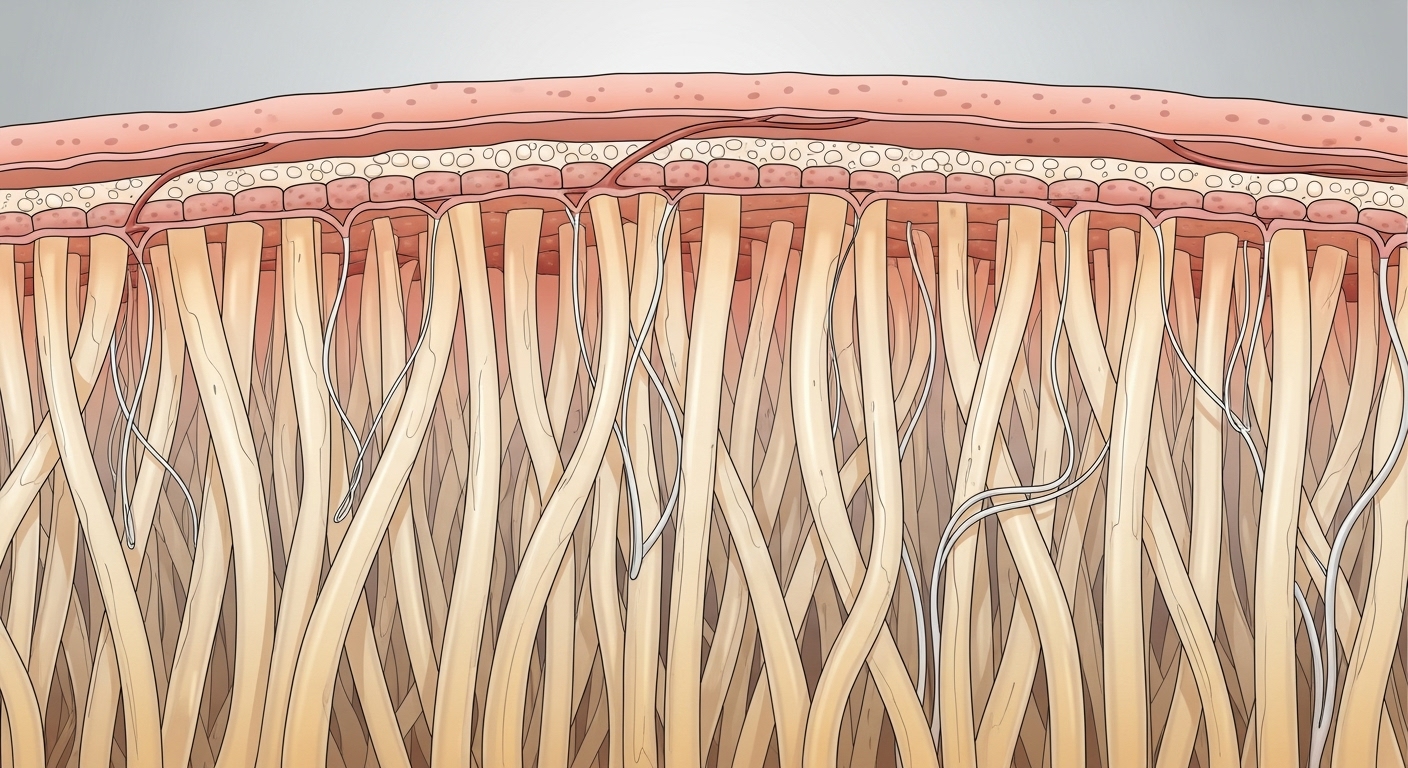
This is why people under long-term stress often appear older than their chronological age. Reducing inflammation through consistent sleep, adequate nutrition, and stress management allows the body to shift from defense into repair. Over time, skin appears firmer, brighter, and more even, reflecting the internal calm that supports regeneration.
Beauty, Stress, and the Nervous System
The nervous system plays a surprisingly large role in appearance. When the body remains in a constant state of alert, muscles hold tension, facial expressions harden, and circulation becomes less efficient. This tension contributes to jaw clenching, forehead lines, and a general sense of tightness in the face.
As the nervous system relaxes, muscles soften and blood flow improves. This creates subtle but noticeable changes in facial expression, posture, and skin tone. Beauty in this sense is not something added, but something revealed as tension releases.
Nourishment as a Beauty Strategy
Eating for beauty does not mean restriction or perfection. In fact, chronic under-eating often worsens appearance by increasing stress hormones and slowing repair. The body needs sufficient energy to maintain skin elasticity, hair growth, and hormonal balance.
Regular meals with adequate protein, healthy fats, and carbohydrates support blood sugar stability and reduce inflammation. This consistency sends a signal of safety to the body, allowing it to invest energy in outward vitality rather than internal survival.
Aging Gracefully From the Inside Out
Aging is inevitable, but the rate and quality of aging are deeply influenced by lifestyle and internal health. Graceful aging is not about avoiding time, but about supporting the body’s ability to adapt. When metabolism remains flexible and stress is managed, aging becomes gradual rather than abrupt.
Skin maintains its integrity longer, hair retains density, and facial features change gently rather than sharply. These outcomes are not the result of chasing youth, but of maintaining internal balance over time.
Redefining Beauty as Sustainability
True beauty is sustainable. It does not rely on extremes, punishment, or constant correction. It grows from habits that can be maintained without exhaustion. When beauty routines align with health rather than fight against it, results become more stable and less fragile.
This perspective shifts beauty from a daily struggle into a long-term relationship with the body. One built on listening rather than controlling, supporting rather than fixing.
A Closing Perspective
Beauty is not a surface-level achievement. It is a reflection of how the body is treated over time. When nourishment replaces restriction, rest replaces constant pressure, and balance replaces urgency, beauty emerges naturally.
The most powerful beauty strategy is not found in a bottle or a procedure, but in the quiet consistency of caring for the systems that make you feel alive. When the body feels safe, supported, and nourished, it shows — softly, steadily, and authentically.
When Beauty Issues Are Signals, Not Surface Problems
Skin flare-ups, unexplained hair thinning, and sudden changes in texture or tone often feel cosmetic, but they are rarely isolated events. These shifts are usually the body’s way of signaling internal imbalance. Hormonal fluctuations, digestive strain, and prolonged stress change how resources are distributed throughout the body. When internal systems struggle, beauty becomes secondary. Understanding this shift allows beauty to be approached as a process of restoration rather than correction.
The body does not fail silently. It speaks through the skin, the scalp, and the hairline long before more obvious health symptoms appear. When these signals are addressed at their root, visible changes follow naturally.
Hormones and Skin: The Invisible Sculptors of Your Appearance
Hormones regulate oil production, skin thickness, collagen synthesis, and hydration. Even subtle imbalances can alter how the skin behaves. Elevated cortisol, often driven by chronic stress or under-recovery, breaks down collagen and increases inflammation. This can lead to dullness, fine lines, and sensitivity that seem resistant to topical treatments.
Estrogen supports skin elasticity and moisture, while progesterone influences texture and pore appearance. Fluctuations in these hormones, whether from stress, dieting, or life stages, often explain sudden changes in skin quality. Supporting hormonal rhythm through consistent nourishment, sleep, and stress reduction allows the skin to regain its natural resilience.
The Gut–Skin Axis: Beauty Begins in Digestion
The digestive system plays a central role in skin clarity and tone. When the gut absorbs nutrients efficiently and maintains a strong barrier, inflammation remains controlled. When digestion falters, inflammatory compounds can enter circulation, triggering immune responses that show up on the skin.
Conditions like acne, eczema, and rosacea are often linked to digestive imbalance rather than surface-level issues. Supporting gut health through regular meals, fiber-rich foods, and reduced stress improves nutrient delivery to the skin. Over time, this creates a calmer complexion that responds better to skincare and environmental stressors.
Inflammation as the Common Thread
Inflammation connects hormonal imbalance, gut distress, and beauty concerns. It accelerates collagen breakdown, disrupts skin renewal, and weakens hair follicles. Chronic inflammation does not always feel dramatic; it often operates quietly, gradually changing texture, elasticity, and growth patterns.
Reducing inflammation requires consistency rather than extremes. Adequate sleep, balanced meals, and gentle movement help lower inflammatory load, allowing the body to redirect energy toward repair. As inflammation decreases, the skin appears smoother, tone evens out, and hair growth stabilizes.
Hair Loss Recovery as a Healing Process
Hair loss is one of the most emotionally distressing beauty concerns, largely because it feels sudden and uncontrollable. In reality, hair reflects the body’s past environment. Stress, illness, hormonal shifts, and under-nutrition often trigger shedding months before it becomes noticeable.
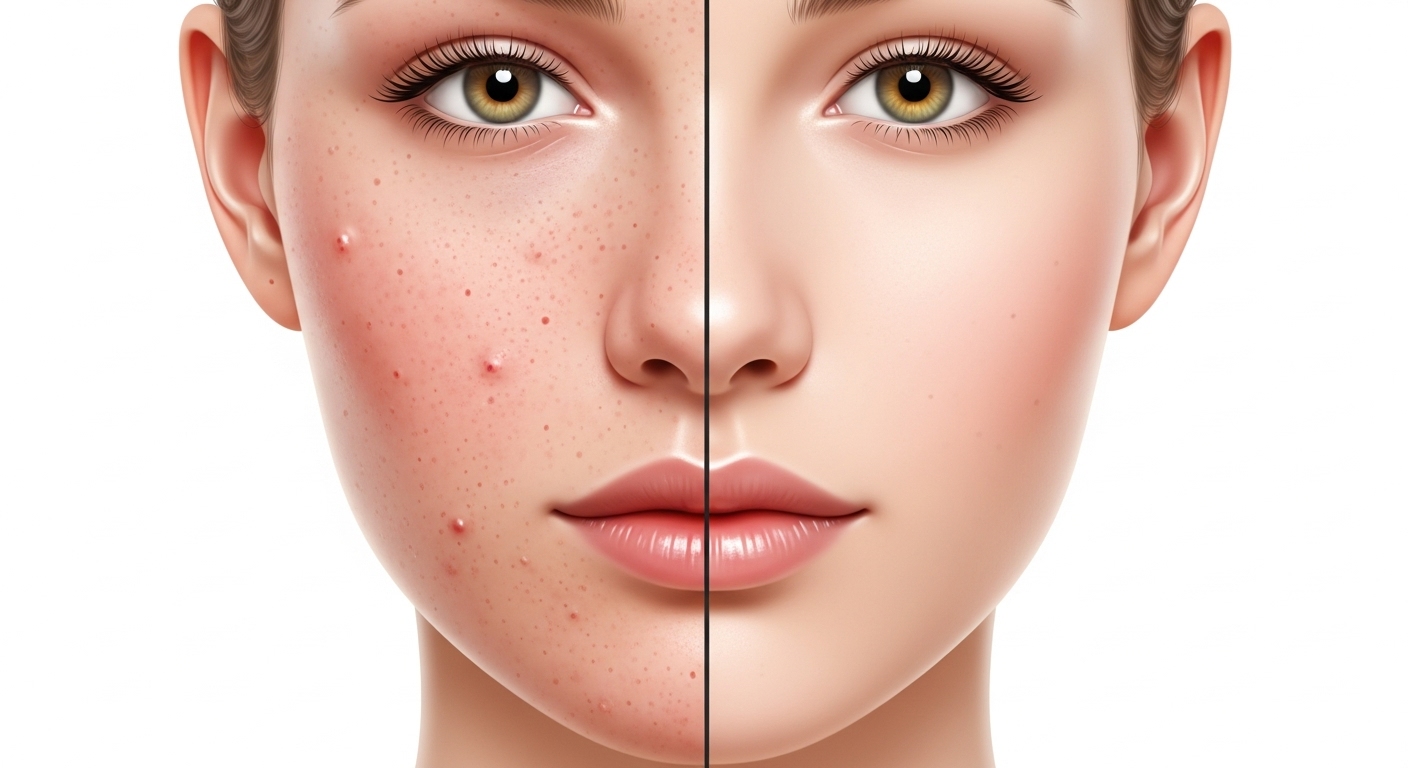
The body pauses hair growth during periods of strain, conserving resources for essential functions. Recovery begins when safety returns. Consistent nourishment, hormonal balance, and stress regulation signal the body that it can resume non-essential processes like hair growth. Regrowth is slow, but it is reliable when internal conditions improve.
The Role of Blood Sugar and Energy Stability
Blood sugar stability influences both skin and hair health. Frequent spikes and crashes increase cortisol output, which disrupts collagen production and weakens hair follicles. Stable energy levels support cellular repair and reduce inflammatory signaling.
Regular meals with balanced macronutrients provide steady fuel, preventing the stress responses that impair beauty. Over time, this stability supports thicker hair, clearer skin, and a more rested appearance.
Nervous System Balance and Visible Softness
The nervous system affects facial tension, circulation, and skin tone. Chronic stress keeps muscles tight and blood flow restricted, creating a tired or rigid appearance. As the nervous system calms, muscles relax and circulation improves, bringing warmth and vitality back to the skin.
This is why rest and emotional regulation often create visible changes that no product can replicate. Beauty emerges as tension releases rather than as something forced.
Patience, Consistency, and Real Results
Internal beauty restoration does not follow the fast timelines promised by cosmetic trends. It unfolds gradually, often over months rather than weeks. This pace can feel frustrating, but it reflects true healing rather than temporary masking.
Consistency in nourishment, sleep, and stress management creates an environment where skin and hair can thrive. Over time, the body remembers how to allocate resources toward appearance again, producing results that last.
Redefining Beauty Recovery
True beauty recovery is not about chasing perfection. It is about restoring balance and allowing the body to express health outwardly. When hormones stabilize, digestion improves, and stress decreases, beauty becomes a natural extension of wellness rather than a constant pursuit.
The most profound transformations occur not when we try to fix what we see, but when we support what we cannot see. Skin clarity, hair density, and a youthful appearance follow quietly, built on the foundation of internal harmony.
Aging Is a Biological Process, Not a Cosmetic Failure
Aging is often framed as something to fight, erase, or reverse. This mindset creates the impression that wrinkles, loss of firmness, and facial changes are personal shortcomings rather than natural biological shifts. In reality, aging reflects how the body adapts to time, stress, and internal demands. The speed and quality of this adaptation are shaped less by surface treatments and more by internal health.
When the body remains in a state of balance, aging progresses gradually and evenly. When stress, inflammation, and nutrient depletion accumulate, visible aging accelerates. Understanding this difference changes anti-aging from a battle into a process of internal support.
Collagen: The Structural Language of Youthful Skin
Collagen provides the scaffolding that gives skin its firmness, elasticity, and resilience. While collagen loss is a natural part of aging, the rate at which it declines is heavily influenced by lifestyle and metabolic health. Chronic stress, inflammation, and poor recovery accelerate collagen breakdown far beyond what time alone would cause.
The body produces collagen continuously when it has adequate resources. Protein intake, vitamin availability, and hormonal balance all influence collagen synthesis. When these elements are compromised, the skin becomes thinner, looser, and slower to repair. Supporting collagen production internally allows the skin to maintain structure even as the years pass.
Inflammation and the Face You See Over Time
Facial inflammation is one of the most overlooked drivers of visible aging. It contributes to puffiness, redness, uneven texture, and gradual collagen erosion. Unlike acute inflammation, which resolves quickly, chronic low-grade inflammation persists quietly, reshaping the face over time.
This type of inflammation is often fueled by stress, irregular eating, poor sleep, and digestive imbalance. As inflammatory signals circulate, the skin prioritizes defense over renewal. Reducing inflammatory load allows the face to soften, tone to even out, and features to appear more rested and harmonious.
Stress Hormones and Accelerated Aging
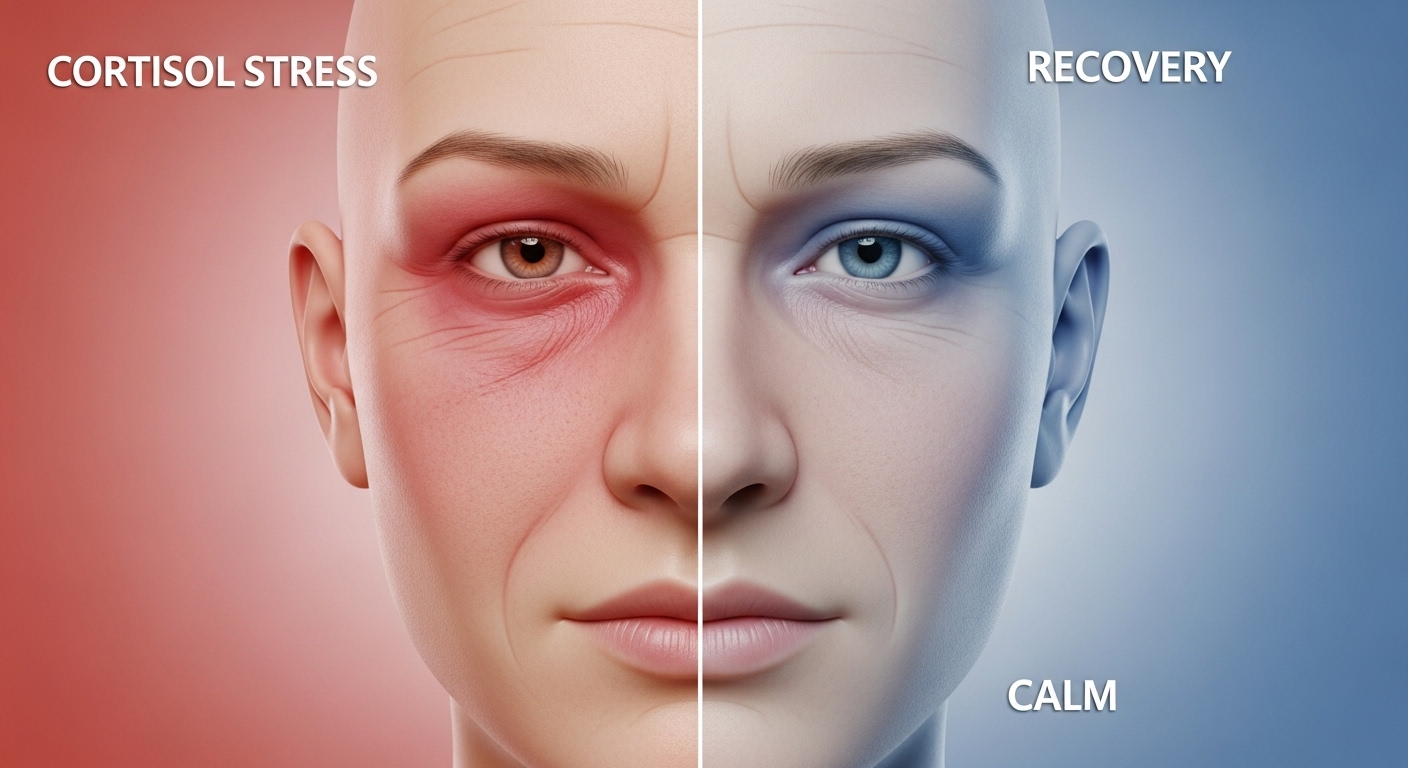
Cortisol plays a central role in the aging process. While it is essential for survival, prolonged elevation damages collagen, disrupts skin repair, and alters fat distribution in the face. Chronic stress also tightens facial muscles, contributing to expression lines that deepen over time.
When stress becomes the default state, anti-aging strategies that focus only on appearance struggle to deliver lasting results. Calming the stress response through consistent routines, nourishment, and rest allows the body to shift into repair mode, where aging slows naturally.
Blood Sugar Stability and Skin Integrity
Blood sugar fluctuations increase inflammatory signaling and glycation, a process that stiffens collagen fibers and reduces skin elasticity. Over time, this leads to sagging, dullness, and loss of firmness. Stable energy intake supports collagen integrity and reduces oxidative stress.
Regular meals that combine protein, fats, and carbohydrates help maintain this stability. The result is not just improved energy, but skin that retains structure and glow more effectively.
Facial Aging and Muscle Tension
Facial muscles reflect emotional and nervous system patterns. Chronic tension in the jaw, forehead, and around the eyes restricts circulation and creates habitual expressions that harden with time. Relaxation of these muscles allows blood flow to improve, bringing nutrients and oxygen to the skin.
As tension eases, facial features soften and lines become less pronounced. This effect is subtle but cumulative, contributing to a more youthful appearance without intervention.
Nutrition as a Long-Term Anti-Aging Strategy
Anti-aging nutrition is not about restriction or extreme diets. In fact, chronic under-eating accelerates aging by increasing stress hormones and reducing the resources available for repair. The skin depends on consistent nourishment to maintain collagen production and barrier function.
Adequate protein supports structural repair, healthy fats maintain cell membranes, and carbohydrates provide the energy required for regeneration. When the body is nourished rather than deprived, it invests in long-term maintenance rather than short-term survival.
Sleep: The Quiet Collagen Builder
Sleep is one of the most powerful anti-aging tools available. During deep sleep, growth hormone release supports tissue repair and collagen synthesis. Poor sleep disrupts this process, increasing inflammation and slowing recovery.
Over time, insufficient sleep contributes to under-eye changes, loss of elasticity, and uneven skin tone. Restorative sleep restores balance not just mentally, but visibly.
Aging Gracefully Through Internal Alignment
Graceful aging is not defined by the absence of lines, but by harmony in how the face changes. When internal systems are supported, aging appears even and natural rather than abrupt and strained. Skin retains vitality, facial features remain expressive, and inflammation stays low.
This approach reframes anti-aging as a commitment to internal alignment rather than surface-level correction. The body responds to care with resilience.
A Sustainable Perspective on Anti-Aging Beauty
True anti-aging strategies are sustainable. They do not demand constant effort or perfection. Instead, they integrate into daily life through consistent nourishment, stress management, and rest. Over time, these habits compound, creating visible results that feel natural rather than forced.

When the body feels supported, it ages with dignity and strength. Beauty, in this sense, becomes a reflection of internal well-being rather than an endless pursuit of youth.
