
Black Seed Oil Benefits: The Complete Guide to Black Seed Oil and Oregano Oil

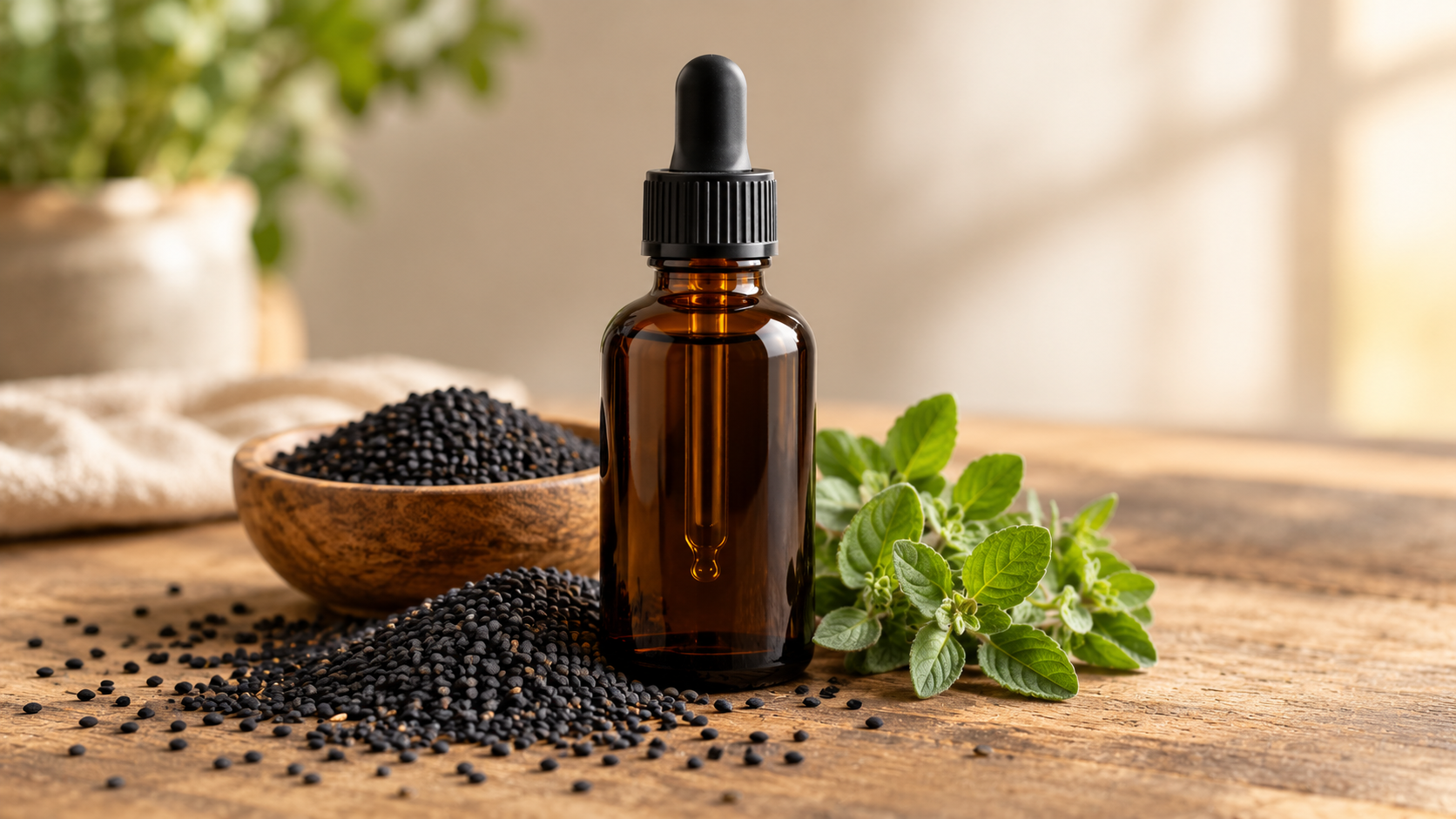
Amber Herbal Dropper with Black Seeds

What Is Black Seed Oil?

Black seed oil is pressed from the seeds of Nigella sativa, a flowering plant native to parts of Southwest Asia, the Middle East, and North Africa. The plant is also called black cumin, black caraway, or nigella, and the oil is sometimes labeled Nigella sativa oil or black cumin seed oil. The seeds have been used for centuries in cooking, folk medicine, and traditional wellness practices across many cultures.

The oil has a strong, peppery, slightly bitter taste and a distinctive aroma. It is sold in liquid bottles, softgel capsules, and as an ingredient in some skin and hair products. Most quality products are cold-pressed, a method that uses minimal heat to help preserve the seed’s natural compounds.

What Is Inside Black Seed Oil?

Researchers are most interested in a compound called thymoquinone, which is the main active component in the seeds and oil. Black seed oil also contains fatty acids such as linoleic acid and oleic acid, along with small amounts of other plant compounds, including flavonoids and phenols. Many of these are antioxidants, which are substances that help protect cells from damage caused by unstable molecules called free radicals.

The exact makeup of a product varies depending on where the seeds were grown, how they were processed, and how the oil was stored. This is one reason results in studies can differ, and why choosing a reputable brand matters.

Benefits of Black Seed Oil: What the Research Says

When people search for the benefits of black seed oil, they usually find a long list of bold claims. The truth is more measured. Many studies are small, short, or done in the lab or in animals, so they cannot prove that black seed oil works the same way in people. With that in mind, here are the areas that have received the most attention.

Antioxidant and Anti-Inflammatory Properties

The most consistent finding in laboratory research is that thymoquinone and other compounds in black seed have antioxidant and anti-inflammatory effects. Because chronic inflammation is linked to many long-term health problems, this has driven a lot of interest. However, effects seen in cells and animals do not always carry over to people, and more high-quality human trials are needed.

Blood Sugar Support

Some small clinical trials in adults with type 2 diabetes have reported modest improvements in blood sugar markers when black seed was used alongside standard care. Reviews of these studies describe promising but inconsistent results, and the trials vary in size, dose, and form of black seed. Anyone with diabetes should speak to their doctor before using black seed oil, since it could interact with blood sugar medications.

Cholesterol and Heart Health

A number of studies have looked at black seed and its effect on cholesterol and triglycerides, and some analyses report small improvements in certain markers. Research has also explored a possible link to blood pressure. The evidence is encouraging in places but limited, and black seed oil should never replace prescribed heart medications or a heart-healthy lifestyle.

Skin Health

Black seed oil is used in some skin-care products, and small studies have examined it for concerns such as dryness, mild eczema, and acne. Results are early. If you want to try it on your skin, patch test a small area first, because plant oils can cause irritation or allergic reactions in some people.

Hair Care

Black seed oil is a popular ingredient in hair oils and scalp treatments, and some people use it hoping to improve the look and feel of their hair. Evidence is limited to small studies, so treat claims about hair growth with caution.

Respiratory and Allergy Support

Black seed has been studied for conditions such as mild asthma and allergic rhinitis, and some trials report symptom improvements. These studies are small, and black seed oil should not be used in place of prescribed inhalers or allergy treatment.

Joint Comfort

A few small trials have looked at black seed for joint discomfort, including in people with arthritis. The findings are interesting but not strong enough to call black seed oil a proven treatment for any joint condition.

What Black Seed Oil Cannot Do

Black seed oil is not a cure for cancer, diabetes, heart disease, infections, or any other serious illness, regardless of what marketing may claim. In the United States, supplements are not approved by the FDA to treat or prevent disease. Be wary of any product or website that promises miracle results.

What Is Oil of Oregano?

Oil of oregano, also called oregano oil, is made from the leaves of the oregano plant, most often Origanum vulgare. It is important to know the difference between the culinary herb, cooking oil infused with oregano, and concentrated oregano essential oil or extract. Concentrated oregano oil is very potent and is typically sold either diluted in a carrier oil, or in capsules.

The two compounds most associated with oregano oil are carvacrol and thymol. These have shown antimicrobial and antioxidant activity in laboratory studies, which is why oregano oil has a following in natural wellness circles.

Oregano Oil Benefits: What We Know

Most of the research on oregano oil comes from test tubes and animal studies, where carvacrol and thymol have shown activity against certain bacteria, fungi, and other microbes. This does not prove the same effect occurs when a person takes oregano oil by mouth, and human studies are limited. Oregano oil should not be used to replace antibiotics or other medical treatment for an infection.

Oregano Oil and Black Seed Oil: Why Are They Combined?


Some people take them together, and some supplements are formulated that way. Whether it is right for you depends on your health, your medications, and the product itself. Because both can interact with certain medicines and may not be suitable during pregnancy, the safest step is to ask a doctor or pharmacist before combining them, especially if you take blood thinners, diabetes medicine, or blood pressure medication.

How to Use Black Seed Oil

Black seed oil is available in several forms. Liquid oil can be taken by the spoonful or mixed into foods such as smoothies, salad dressings, or honey and warm drinks to soften the strong flavor. Capsules are a convenient option for people who dislike the taste. Topically, the oil can be applied to skin or hair, preferably diluted or mixed with another carrier oil, and after a patch test.

There is no single official dose, and studies have used a range of amounts and forms. Follow the directions on the product label unless your healthcare provider tells you otherwise, and start with a smaller amount to see how your body responds.

How to Use Oregano Oil Safely

Concentrated oregano oil is strong. Never apply undiluted essential oil to the skin, and do not swallow essential oil unless the product is specifically made and labeled for internal use. Capsules and tinctures designed for ingestion should be used exactly as directed, and typically only for short periods. Keep oregano oil away from the eyes and sensitive tissue, and store all essential oils out of the reach of children and pets.

Side Effects and Safety Considerations

Possible Side Effects of Black Seed Oil

Black seed oil is generally well tolerated when taken in small amounts, but some people experience stomach upset, nausea, bloating, or gas. Skin reactions such as a rash or contact dermatitis can occur when the oil is applied to the skin. Rarely, people may have an allergic reaction.

Possible Side Effects of Oregano Oil

Oregano oil may cause stomach upset, heartburn, or irritation of the mouth and throat. Used on the skin without enough dilution, it can cause burning and irritation. People who are allergic to plants in the mint family, which includes oregano, basil, sage, and lavender, may react to it.

Who Should Be Careful or Avoid Them

Pregnant and breastfeeding women should avoid these supplements unless their healthcare provider approves them, because safety has not been established, and some herbal compounds may affect the uterus. People with bleeding disorders, those preparing for surgery, and anyone taking blood thinners should speak with a doctor, since both oils may affect blood clotting. People taking medication for diabetes, blood pressure, or conditions treated by medicines that the liver processes should also seek advice, because black seed oil may interact with these drugs. Children should not be given these supplements without a pediatrician’s guidance.

How to Choose a High-Quality Black Seed Oil

Because supplements are not as tightly regulated as prescription medicines, quality varies. Look for cold-pressed oil made from Nigella sativa seeds, packaged in dark glass bottles or sealed capsules that protect it from light and heat. Check that the label lists the ingredients clearly and does not make promises to cure diseases.

If possible, choose products that have been tested by an independent third-party laboratory for purity and contaminants. Organic certification can be a plus, and a reputable brand will make it easy to find information about sourcing and testing. Store your oil in a cool, dark place and keep it tightly sealed, and check the expiry date.

Black Seed Oil Frequently Asked Questions

What is black seed oil good for?

Black seed oil is used for general wellness and has been studied for its antioxidant and anti-inflammatory properties, as well as for blood sugar, cholesterol, skin, respiratory, and joint health. The research is promising in some areas but limited, so it should be considered a supportive supplement, not a treatment.

What are the benefits of black seed oil?

Potential benefits of black seed oil include antioxidant support, possible help with blood sugar and cholesterol markers, and use in skin and hair care. Most evidence comes from small studies, so results can vary from person to person.

Is black seed oil safe to take every day?

For most healthy adults, small amounts appear to be well tolerated for short periods, but long-term safety data is limited. Talk to your healthcare provider about whether daily use is right for you, particularly if you have a medical condition or take medications.

Can I take oil of oregano with black seed oil?

Many people do, and combination supplements are sold. There is little research on the pair together, and both can interact with certain medicines, so check with a doctor or pharmacist first.

What is the difference between oregano oil and black seed oil?

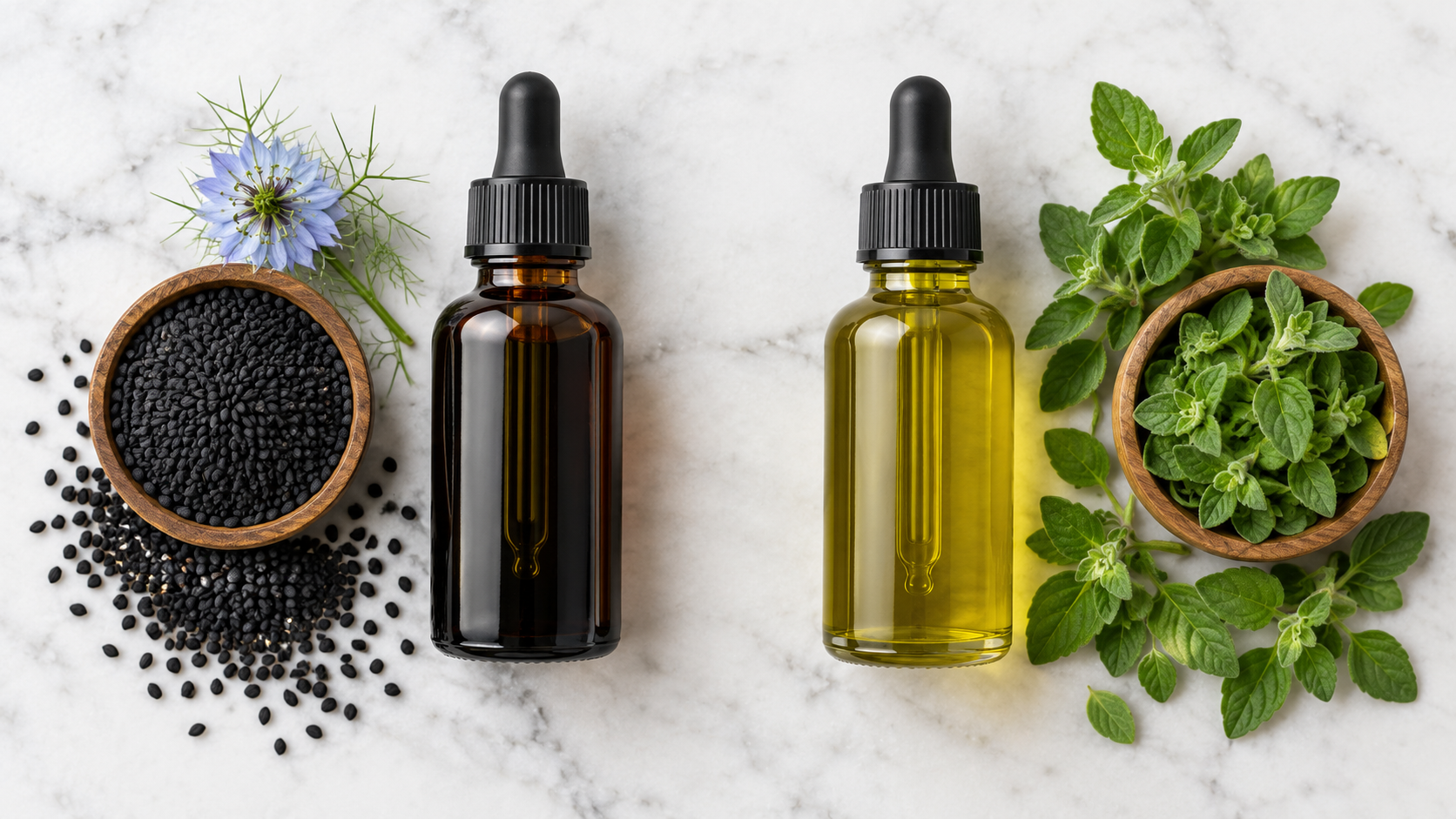
Black seed oil comes from the seeds of Nigella sativa and contains thymoquinone, while oregano oil comes from the leaves of the oregano plant and contains carvacrol and thymol. They come from different plants, have different properties, and are used differently.

Does oregano oil and black seed oil boost the immune system?

Both are often marketed as immune support, but there is no strong human evidence that they prevent or treat infections. A balanced diet, sleep, exercise, vaccination, and good hygiene remain the best-supported ways to support your immune system.

When is the best time to take black seed oil?

There is no proven best time. Some people take it with a meal to reduce stomach upset. Follow the label and your provider’s advice.

Can black seed oil help with weight loss?

Some small studies have explored black seed and body weight, but the effects reported are modest and the evidence is not strong. It is not a substitute for a balanced diet and regular activity.

Can black seed oil be used on skin and hair?

Yes, many people use it topically, but do a patch test first and consider diluting it with a carrier oil. Stop use if irritation develops.

Does black seed oil interact with medications?

It may. Potential interactions include blood thinners, diabetes drugs, and blood pressure medicines, among others. Always ask a doctor or pharmacist before combining supplements with prescription medication.

Is black seed oil the same as black cumin oil?

In most cases, yes. Black seed, black cumin, and Nigella sativa all refer to the same plant, although the names can cause confusion with regular cumin, which is a different spice.

The Bottom Line on Black Seed Oil and Oregano Oil

Black seed oil is a fascinating traditional ingredient with promising early research, particularly for its antioxidant and anti-inflammatory properties, and potential support for blood sugar, cholesterol, skin, and respiratory health. Oregano oil is known for its strong plant compounds, though most of the evidence for its benefits comes from laboratory studies. Combined products are popular, but the combination itself has not been well studied in humans.

At Nutrifit Essentials, we believe the best approach to natural wellness is an informed one. Choose high-quality products, start slowly, watch how your body responds, and keep your healthcare provider in the loop. Supplements work best as one small part of a lifestyle built on nutritious food, regular movement, good sleep, and routine medical care.

Disclaimer: This article is provided by Nutrifit Essentials for general informational purposes only and is not medical advice. It has not been evaluated by the FDA and is not intended to diagnose, treat, cure, or prevent any disease. Always consult a qualified healthcare provider before using any supplement.

Picture of Ethan Strong

Ethan Strong

I am a dynamic force in the realm of health and fitness, driven by a lifelong passion for wellness. With a background in health sciences and nutrition, I have emerged as a respected authority, dedicated to empowering others on their journey to optimal well-being. Through engaging community initiatives and curated content, I share expert advice, inspiring success stories, and top-quality supplements to support diverse health goals. My unwavering commitment to fostering positive change continues to leave a lasting impact, inspiring individuals to embrace healthier lifestyles and unlock their fullest potential.

Related Posts

Leave a Reply

Your email address will not be published. Required fields are marked *