
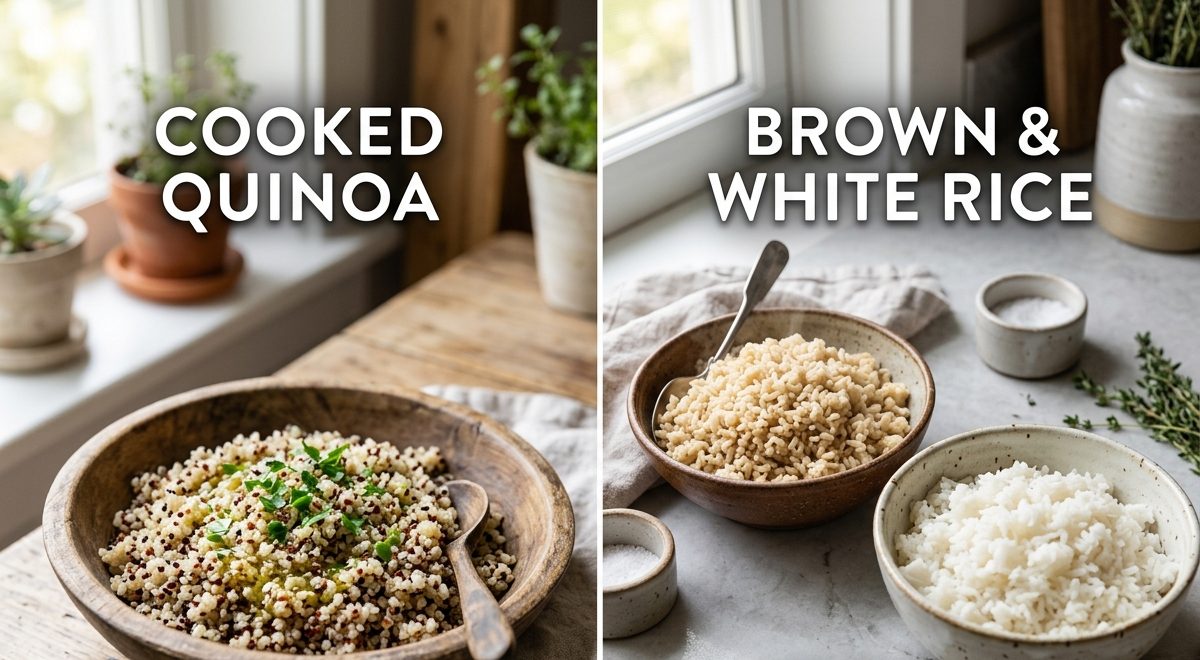
Quinoa vs Rice: Which Grain Deserves a Place on Your Plate?
Walk through any grocery store and you’ll notice shelves filled with different types of rice alongside bags of quinoa. Both are popular around the world, easy to prepare, and incredibly versatile. But when it comes to nutrition, are they really equal?
For years, rice has been a staple food for billions of people, providing affordable energy and serving as the foundation of countless traditional meals. Quinoa, on the other hand, has become increasingly popular over the last decade and is often promoted as a “superfood” because of its impressive nutritional profile.
If you’re trying to lose weight, build muscle, improve digestion, control blood sugar, or simply make healthier food choices, you may wonder which one deserves a regular place on your plate.
The truth is that both quinoa and rice can be part of a healthy diet, but they offer different nutritional advantages. Understanding those differences can help you choose the right option based on your health goals rather than following trends.
In this guide, we’ll compare quinoa and rice in detail—from protein and fiber to vitamins, minerals, blood sugar, and overall health benefits.
What Is Quinoa?
Although most people think quinoa is a grain, it’s actually a seed harvested from the Chenopodium quinoa plant, which originated in the Andes Mountains of South America.
For thousands of years, quinoa has been cultivated in countries such as Peru and Bolivia and was considered a sacred crop by the ancient Incas. Today, it has become a favorite among nutritionists because it is naturally gluten-free and packed with nutrients.
One of quinoa’s biggest nutritional strengths is that it is a complete protein, meaning it provides all nine essential amino acids that the human body cannot produce on its own. This makes it especially valuable for vegetarians, vegans, and anyone looking to increase their intake of high-quality plant protein.
Quinoa also contains:
- Protein
- Dietary fiber
- Magnesium
- Iron
- Potassium
- Zinc
- Phosphorus
- Manganese
- Folate
- Vitamin B6
- Antioxidants
Unlike many refined grains, quinoa retains its natural nutrients because it is typically consumed as a whole seed.
What Is Rice?
Rice is one of the oldest and most widely consumed staple foods in the world. More than half of the global population relies on rice as a major source of daily calories.
There are many varieties of rice, but the three most common are:
White Rice
White rice has had its bran and germ removed during processing, leaving only the starchy endosperm. This gives it a softer texture, faster cooking time, and longer shelf life, but it also reduces its fiber and nutrient content.
Brown Rice
Brown rice is a whole grain that keeps the bran and germ intact. Because it is less processed, it contains more fiber, vitamins, and minerals than white rice.
Wild Rice
Despite its name, wild rice isn’t actually rice. It’s the seed of an aquatic grass and contains higher amounts of protein and fiber than traditional white rice.
Each type has unique nutritional characteristics, but in this article we’ll mainly compare quinoa with brown rice and white rice, since they are the most commonly eaten.
Nutrition Comparison
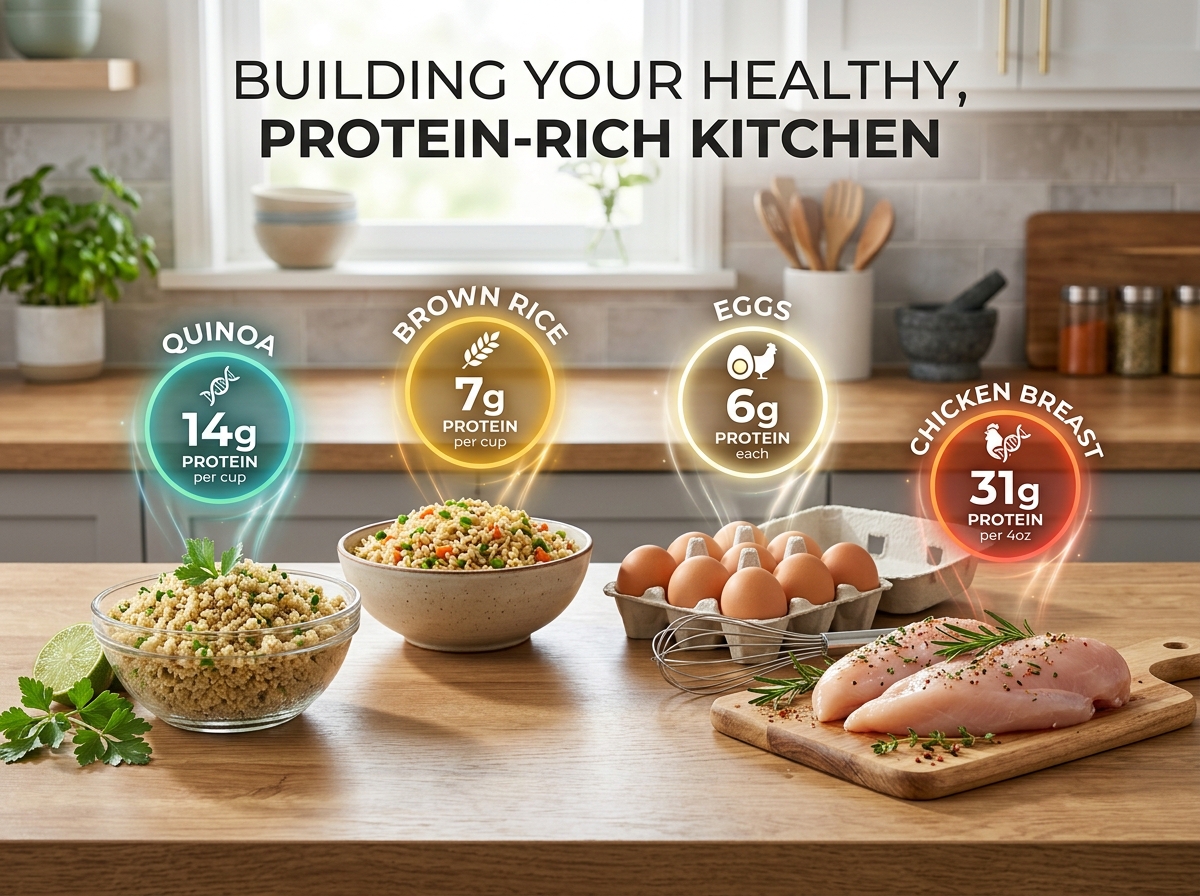
Below is an approximate nutritional comparison for one cooked cup (about 185–195 grams).
| Nutrient | Quinoa | Brown Rice | White Rice |
|---|---|---|---|
| Calories | 222 | 218 | 205 |
| Protein | 8 g | 5 g | 4 g |
| Fiber | 5 g | 3.5 g | 0.6 g |
| Carbohydrates | 39 g | 45 g | 45 g |
| Fat | 3.6 g | 1.6 g | 0.4 g |
| Magnesium | High | Moderate | Low |
| Iron | High | Moderate | Low |
| Potassium | Higher | Lower | Lower |
| Gluten-Free | Yes | Yes | Yes |
At first glance, the calorie difference is relatively small. However, quinoa stands out because it contains more protein, more fiber, and a wider range of essential minerals.
Protein Comparison: Why Quinoa Comes Out Ahead
Protein is essential for building and repairing muscles, supporting the immune system, producing enzymes and hormones, and helping you feel full after meals.
A cup of cooked quinoa provides around 8 grams of protein, while brown rice provides about 5 grams and white rice about 4 grams.
But it’s not just the amount of protein that matters—it’s also the quality.
Quinoa is considered a complete protein, containing all nine essential amino acids. Most plant foods lack one or more of these amino acids, which is why quinoa is often recommended for people following vegetarian or vegan diets.
Rice, while still nutritious, is not a complete protein on its own. Pairing rice with beans, lentils, or other legumes can help create a complete amino acid profile.
Best choice for protein: 🥇 Quinoa

Fiber Comparison: Which Keeps You Fuller?
Fiber is one of the most important nutrients for digestive health. It supports regular bowel movements, nourishes beneficial gut bacteria, helps stabilize blood sugar, and contributes to feelings of fullness.
Quinoa provides approximately 5 grams of fiber per cooked cup, compared with 3.5 grams in brown rice and less than 1 gram in white rice.
This higher fiber content means quinoa may help reduce hunger between meals, making it a great option for people trying to manage their weight.
Brown rice also provides valuable fiber and is a healthier choice than white rice if you’re looking to increase your daily intake.
Best choice for fiber: 🥇 Quinoa
Calories and Carbohydrates
When it comes to calories, quinoa and rice are surprisingly similar.
A serving of quinoa contains around 222 calories, while brown rice contains approximately 218 calories and white rice around 205 calories.
Because the calorie difference is small, your overall portion size and the foods you eat alongside these grains will have a much bigger impact on your daily calorie intake.
Carbohydrates are the body’s primary source of energy. Athletes, active individuals, and people with physically demanding jobs often benefit from including healthy carbohydrate sources such as quinoa or brown rice in balanced meals.
The main difference is that quinoa delivers those carbohydrates alongside more protein and fiber, making it a more nutrient-dense choice.
Vitamins and Minerals
This is where quinoa truly shines.
Compared with both white and brown rice, quinoa naturally contains higher amounts of several important nutrients, including:
- Magnesium, which supports muscle and nerve function.
- Iron, needed for healthy red blood cells and oxygen transport.
- Zinc, which plays a role in immune health and wound healing.
- Potassium, important for heart function and blood pressure regulation.
- Phosphorus, essential for strong bones and teeth.
- Manganese, involved in energy production and antioxidant defenses.
Brown rice also supplies valuable minerals, but white rice loses many nutrients during processing unless it has been enriched.
If your goal is to maximize nutrient intake from your meals, quinoa generally offers the stronger nutritional package.

Glycemic Index: Which Is Better for Blood Sugar?
The glycemic index (GI) measures how quickly a carbohydrate-containing food raises blood sugar after eating. Foods with a lower glycemic index are digested more slowly, providing a steadier release of glucose into the bloodstream.
Quinoa has a lower glycemic index than white rice, meaning it generally causes a slower rise in blood sugar levels. This is largely due to its higher fiber, protein, and healthy fat content, all of which slow digestion.
Brown rice also has a lower glycemic index than white rice because it retains its fiber-rich outer layers. White rice, especially short-grain varieties, is digested more quickly and may lead to faster spikes in blood sugar.
If you’re trying to maintain stable energy throughout the day or improve your overall carbohydrate choices, quinoa and brown rice are usually better options than refined white rice.
Approximate Glycemic Index
| Food | Glycemic Index |
|---|---|
| Quinoa | 53 |
| Brown Rice | 68 |
| White Rice | 72–89 |
While the glycemic index is useful, it’s important to remember that the entire meal matters. Pairing rice with lean protein, vegetables, and healthy fats can slow digestion and reduce blood sugar spikes.
Quinoa vs Rice for Weight Loss
Many people switch from rice to quinoa hoping it will help them lose weight. While quinoa can certainly fit into a weight-loss diet, no single food causes weight loss on its own.
Weight loss ultimately depends on maintaining a calorie deficit over time, staying physically active, and building sustainable eating habits.
That said, quinoa offers several advantages:
Why Quinoa May Help With Weight Management
- Higher protein content promotes satiety.
- More dietary fiber slows digestion.
- Provides longer-lasting energy.
- May reduce unnecessary snacking by helping you stay full.
Brown rice can also be an excellent choice because it contains fiber and is less processed than white rice.
White rice isn’t “bad,” but because it contains less fiber and protein, some people become hungry again sooner after eating it.
Winner for weight loss: 🏆 Quinoa
Which Is Better for Muscle Building?
Protein is essential for repairing muscle tissue after exercise.
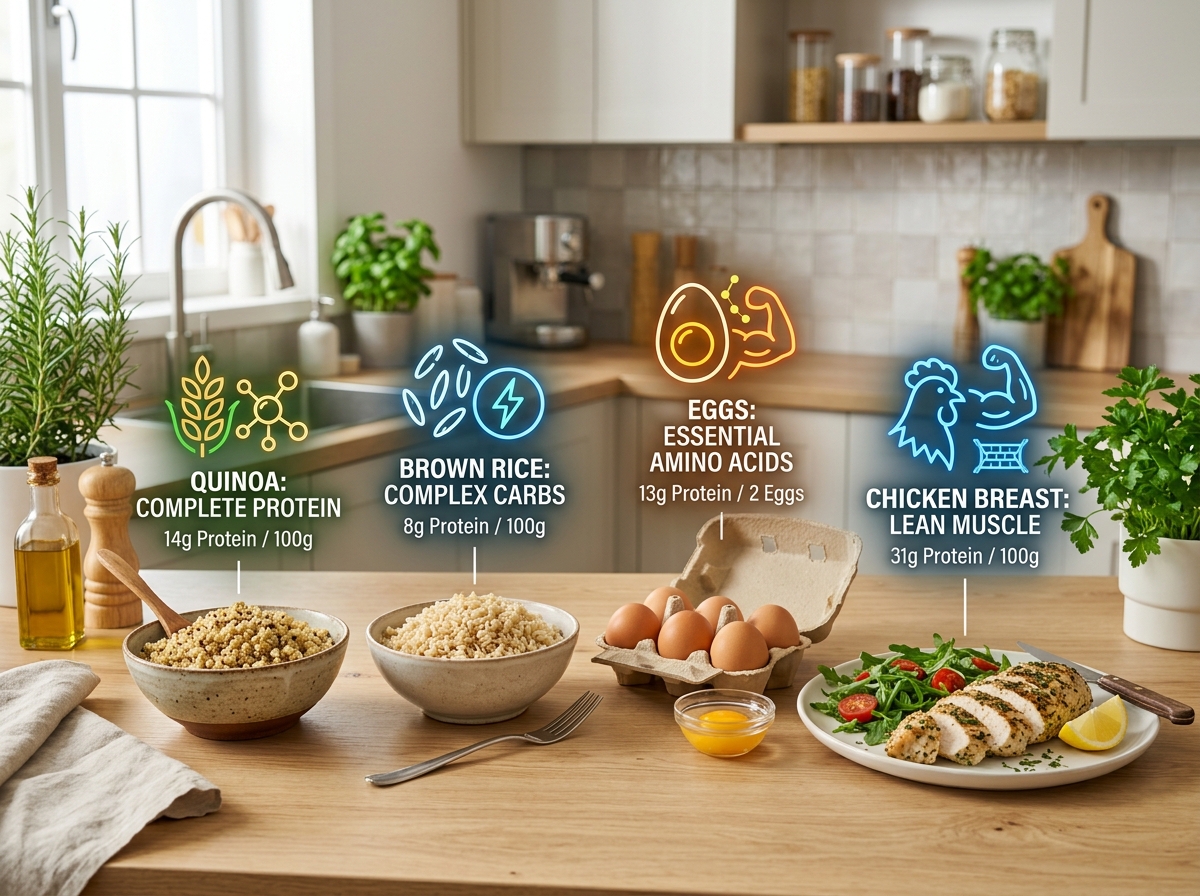
Although quinoa contains more protein than rice, neither should be your only protein source if you’re trying to build muscle.
For the best results, combine quinoa or rice with foods such as:
- Chicken breast
- Turkey
- Salmon
- Eggs
- Greek yogurt
- Cottage cheese
- Tofu
- Lentils
- Beans
Athletes often choose rice because it’s easy to digest before or after workouts, while quinoa provides additional protein and minerals that support recovery.
Good Post-Workout Meals
- Grilled chicken + quinoa + vegetables
- Salmon + brown rice + broccoli
- Tofu + quinoa + roasted vegetables
- Turkey + rice + spinach
Both grains work well when paired with high-quality protein.
Which Is Better for Heart Health?
Heart health isn’t determined by one food alone, but your overall dietary pattern.
Quinoa naturally contains:
- Magnesium
- Potassium
- Fiber
- Plant antioxidants
- Healthy unsaturated fats
These nutrients support normal heart function and healthy blood pressure.
Brown rice is also heart-friendly because it contains whole grains and fiber, both of which are associated with better cardiovascular health when eaten as part of a balanced diet.
White rice can still be included in moderation, but replacing some refined grains with whole grains may improve the overall nutritional quality of your diet.
Which Is Better for Gut Health?
Your digestive system thrives on fiber.
Fiber feeds beneficial gut bacteria, supports regular bowel movements, and contributes to digestive comfort.
Quinoa contains significantly more fiber than white rice and slightly more than brown rice.
It also provides plant compounds that researchers continue to study for their potential role in supporting gut health.
If improving digestion is one of your goals, quinoa has a slight advantage.
However, remember that healthy digestion depends on your entire diet, including fruits, vegetables, legumes, whole grains, adequate hydration, and regular physical activity.
Taste and Texture
Nutrition is important, but you’ll only benefit from healthy foods if you actually enjoy eating them.
Quinoa
Quinoa has a light, fluffy texture with a slightly nutty, earthy flavor. Some people notice a mild bitterness if it isn’t rinsed before cooking. It works well in grain bowls, salads, soups, and stuffed vegetables.
Brown Rice
Brown rice has a chewy texture and a rich, nutty flavor. Because it retains the bran layer, it takes longer to cook than white rice but provides a more satisfying bite.
White Rice
White rice is soft, fluffy, and neutral in flavor. It absorbs sauces and seasonings well, making it one of the most versatile side dishes in cuisines around the world.
There is no right or wrong choice here—it comes down to personal preference and the type of meal you’re preparing.
Cooking Time Comparison
Convenience is another factor many people consider when choosing grains.
| Food | Average Cooking Time |
| White Rice | 15–20 minutes |
| Quinoa | 15–20 minutes |
| Brown Rice | 35–45 minutes |
If you’re short on time, quinoa cooks almost as quickly as white rice while providing a more nutrient-dense profile.
Cost Comparison
Budget can also influence your decision.
- White rice is usually the most affordable option.
- Brown rice is slightly more expensive but still budget-friendly.
- Quinoa often costs more because of its growing conditions, harvesting process, and global demand.
Although quinoa is more expensive, many people use smaller portions because it is more filling due to its higher protein and fiber content.
Who Should Choose Quinoa?
Quinoa may be an excellent choice if you:
- Want to increase your protein intake.
- Are vegetarian or vegan.
- Need more dietary fiber.
- Are looking for a nutrient-dense whole food.
- Want longer-lasting fullness after meals.
- Enjoy experimenting with healthy recipes.
Who Should Choose Rice?
Rice remains a healthy choice for many people.
Brown rice is ideal if you:
- Prefer whole grains.
- Want a more affordable option.
- Need steady energy throughout the day.
- Enjoy traditional rice-based meals.
White rice may be appropriate if you:
- Need easily digestible carbohydrates.
- Are recovering after intense exercise.
- Prefer a softer texture.
- Want a quick-cooking side dish.
The healthiest diet doesn’t require choosing one over the other forever. Rotating different whole grains throughout the week provides a wider variety of nutrients and keeps meals interesting.
Frequently Asked Questions
Is quinoa healthier than rice?
Quinoa is generally considered more nutrient-dense than rice because it contains more protein, fiber, magnesium, iron, potassium, and antioxidants. It is also one of the few plant foods that provides all nine essential amino acids, making it a complete protein.
However, rice—especially brown rice—is still a nutritious whole grain and can be part of a balanced diet. The healthier choice depends on your dietary needs, health goals, and personal preferences.
Can I eat quinoa every day?
Yes. Most healthy adults can enjoy quinoa regularly as part of a balanced diet. It provides complex carbohydrates, protein, fiber, vitamins, and minerals that support overall health.
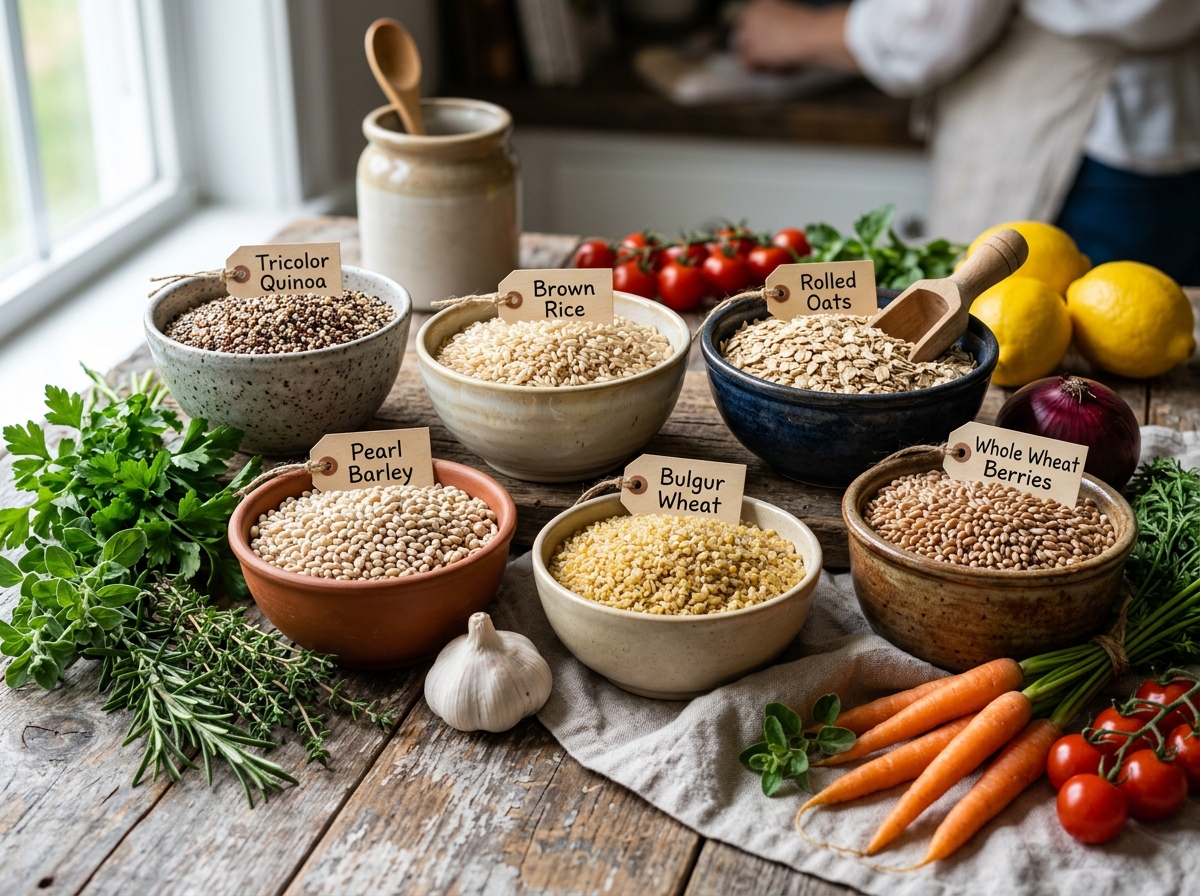
For the best nutrition, rotate quinoa with other healthy grains such as brown rice, oats, barley, and whole wheat to add variety to your meals.
Is quinoa good for weight loss?
Quinoa can support weight management because it is naturally rich in protein and dietary fiber. These nutrients help you stay fuller for longer, which may reduce unnecessary snacking between meals.
Remember, successful weight loss depends on your overall eating pattern, portion sizes, physical activity, and long-term consistency—not on one food alone.
Is brown rice healthier than white rice?
Yes, in most cases.
Brown rice retains its bran and germ layers, which provide additional fiber, vitamins, and minerals. White rice loses many of these nutrients during processing, although some varieties are enriched.
If you’re looking for a more nutrient-rich option, brown rice is usually the better choice.
Which has more protein?
Quinoa.
One cup of cooked quinoa contains approximately 8 grams of protein, compared with about 5 grams in brown rice and 4 grams in white rice.
Which grain keeps you full longer?
Because quinoa contains more fiber and protein than most types of rice, many people find it more filling. Pairing either quinoa or rice with lean protein and vegetables can further increase meal satisfaction.
Is quinoa gluten-free?
Yes.
Quinoa is naturally gluten-free, making it suitable for people with celiac disease or gluten sensitivity. Always check food labels to ensure there has been no cross-contamination during processing if strict gluten avoidance is necessary.
Which is better for athletes?
Both have advantages.
- Quinoa provides additional protein and minerals that support muscle recovery.
- White rice offers quickly digested carbohydrates, making it a popular choice before or after intense exercise.
- Brown rice provides sustained energy and additional fiber.
The best option depends on your training goals and meal timing.
Related Articles
Keep learning with these nutrition guides:
- Best Foods to Boost Metabolism
- Anti-Inflammatory Foods You Should Eat Daily
- Walking 30 Minutes a Day Benefits
- How Much Water Should You Drink to Lose Weight?
- Healthy Lifestyle Tips in 2026
- Prediabetes: Symptoms, Causes & Prevention
- Fatty Liver: Causes, Symptoms & Treatment
- Best Foods for Gut Health
- Signs of Poor Digestion You Should Not Ignore
- Low Iron Symptoms and Causes
