

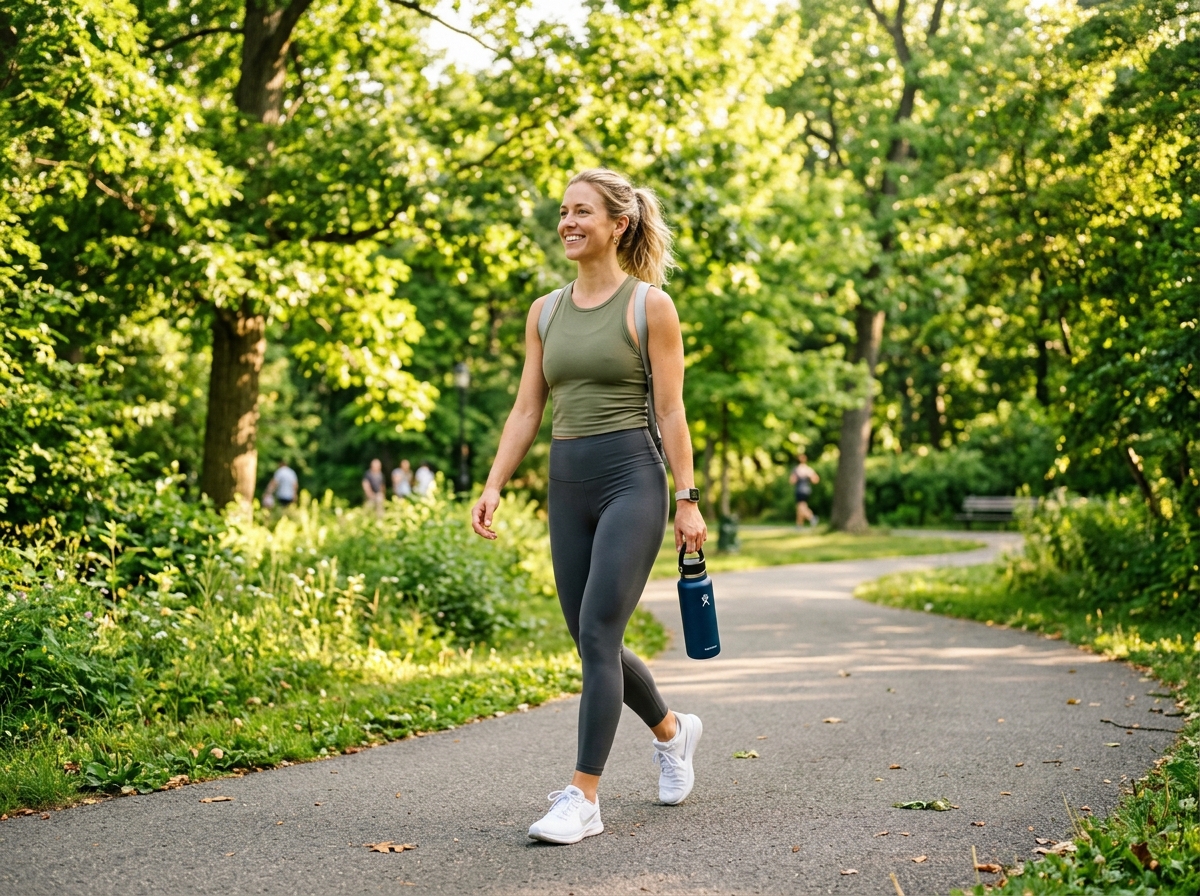
Water is one of the most essential nutrients for the human body, yet it is often overlooked in many weight loss plans. While there is no magical drink that instantly burns fat, staying properly hydrated plays a crucial role in supporting healthy weight management. Drinking enough water helps regulate body temperature, transport nutrients, support digestion, lubricate joints, and remove waste products. It also influences appetite, metabolism, and physical performance, making it an important part of a healthy lifestyle.
Many people wonder whether drinking more water can actually help them lose weight. The answer is that water alone does not directly burn body fat, but it can support weight loss in several important ways. Replacing sugary beverages with water reduces calorie intake, drinking water before meals may help some people eat less, and staying hydrated supports normal metabolism and exercise performance.
Hydration is especially important because thirst is sometimes mistaken for hunger. This confusion can lead people to eat when their body actually needs fluids. By maintaining proper hydration throughout the day, it becomes easier to recognize true hunger and make healthier food choices.
Whether your goal is losing belly fat, improving energy levels, supporting metabolism, or maintaining overall health, understanding how much water your body needs can help you build sustainable habits that support long-term success.
In this guide, we’ll explain how water affects weight loss, how much you should drink each day, the best times to drink water, and practical tips to stay hydrated.
Why Water Is Important for Weight Loss
Although water contains no calories, it supports many of the body’s natural processes that influence weight management.
Water helps:
- Support normal metabolism
- Improve digestion
- Regulate body temperature
- Transport nutrients throughout the body
- Remove waste products
- Maintain healthy muscle function
- Support exercise performance
- Reduce the likelihood of mistaking thirst for hunger
When your body is well hydrated, it functions more efficiently during daily activities and physical exercise. Proper hydration can also make it easier to maintain healthy eating habits and stay active.
If you’re working toward better metabolic health, you may also like:
- How to Lose Belly Fat Naturally at Home
- Slow Metabolism and Weight Gain Explained
- Morning Habits for High Energy
1. Drinking Water May Help Reduce Calorie Intake
One of the simplest ways water supports weight loss is by helping reduce overall calorie consumption.
Many high-calorie beverages, including soft drinks, sweetened coffee drinks, energy drinks, fruit juices, and flavored beverages, can add hundreds of extra calories to your day without making you feel full.
Replacing these drinks with water can significantly reduce daily calorie intake while still keeping you hydrated.
Some studies also suggest that drinking water before meals may help certain individuals feel fuller, which could naturally reduce portion sizes. While this effect varies from person to person, it can be a useful strategy as part of an overall healthy eating plan.
Instead of relying on sugary beverages, keeping a reusable water bottle nearby can make healthy hydration a consistent daily habit.
2. Water Supports a Healthy Metabolism
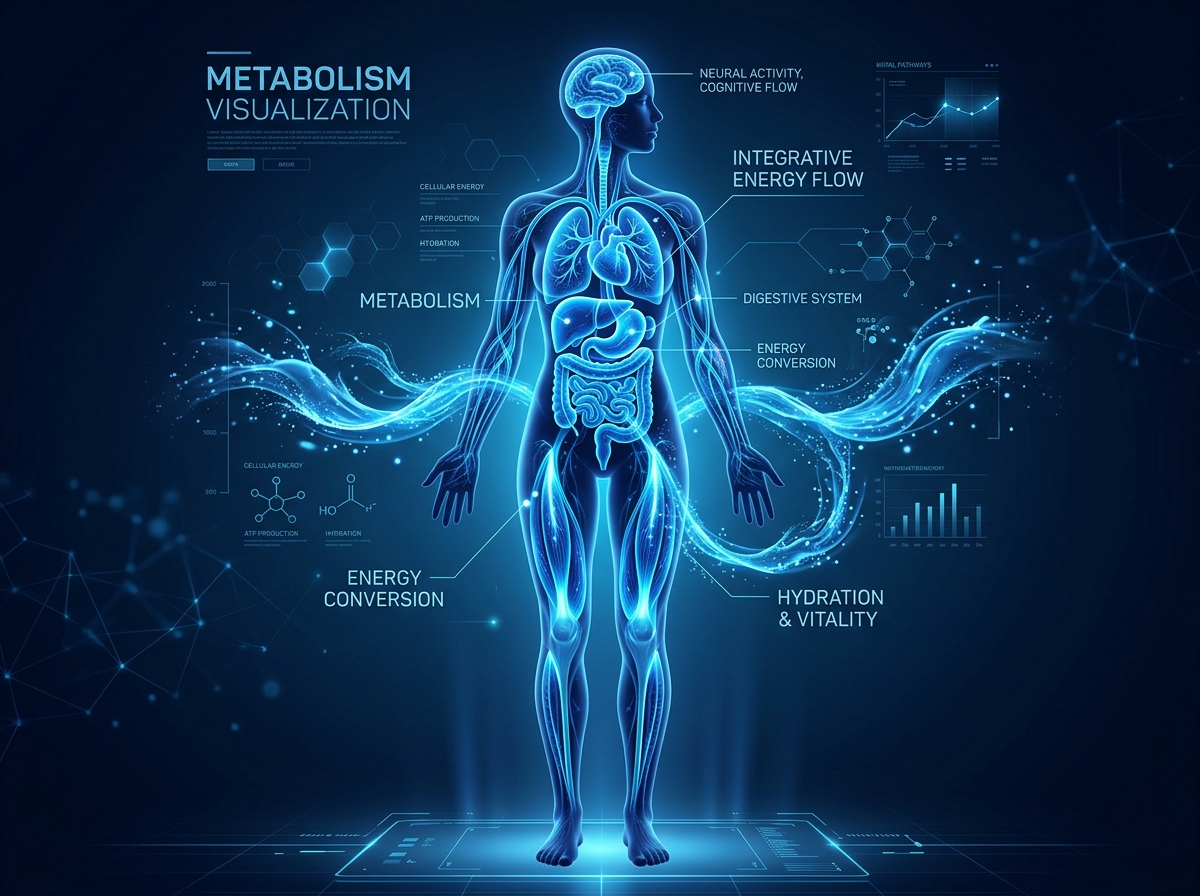
Metabolism refers to all the chemical processes your body uses to convert food into energy.
Water is involved in many of these processes, including digestion, nutrient transport, and energy production. Although drinking water alone does not dramatically increase metabolism, proper hydration helps ensure that your body’s metabolic functions operate efficiently.
Even mild dehydration may reduce physical performance and contribute to feelings of tiredness, making it harder to stay active throughout the day.
When combined with regular exercise, balanced nutrition, and adequate sleep, proper hydration becomes an important part of a healthy metabolism.
For more information, read:
- Slow Metabolism: Causes and How to Fix It Naturally
- Morning Habits for High Energy
3. Water Can Help You Feel Fuller Before Meals
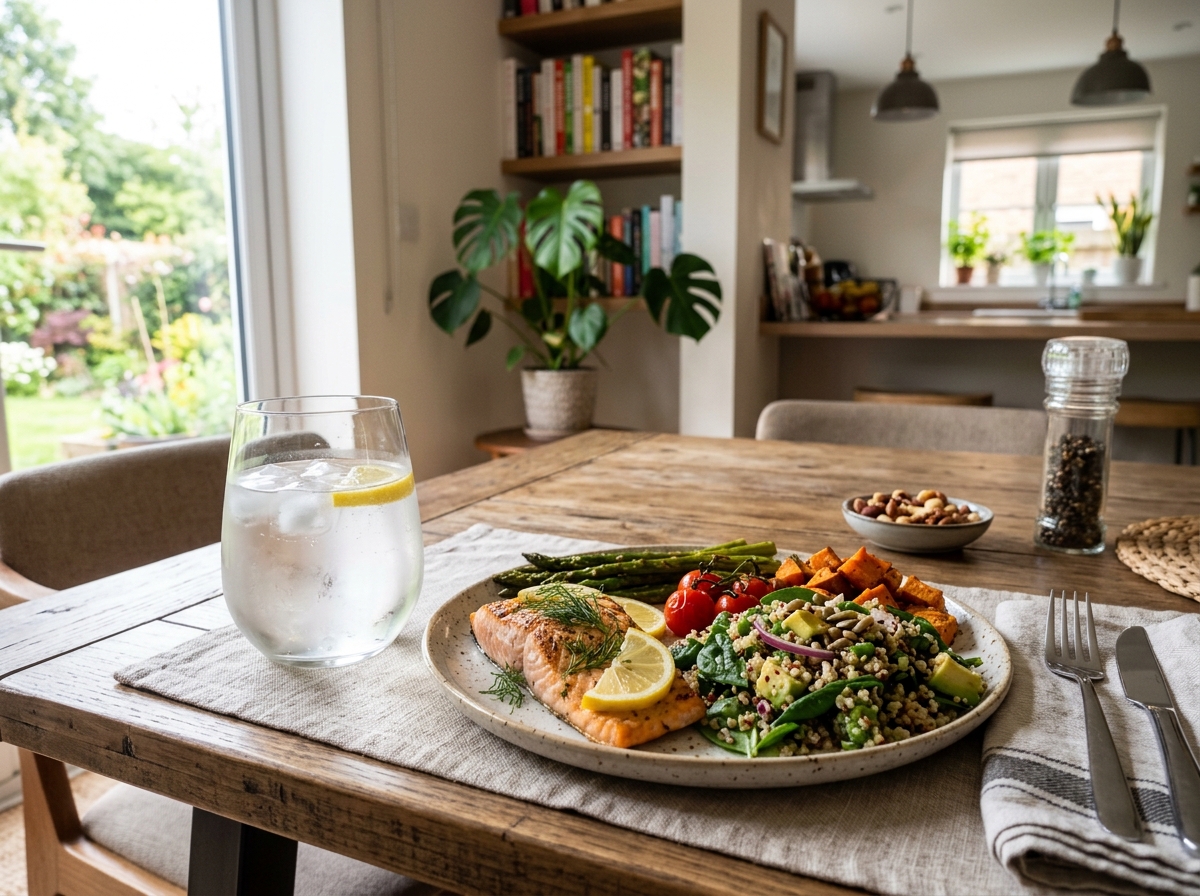
Many people drink water shortly before eating because it may help increase feelings of fullness.
Drinking one or two glasses of water approximately 20–30 minutes before a meal may help some adults naturally consume fewer calories during that meal.
This approach does not replace healthy eating but may support mindful portion control.
It’s important to remember that water should complement a balanced diet rather than serve as a meal replacement.
Pairing hydration with meals rich in protein, fiber, vegetables, and whole grains may help support satiety even further.
4. Staying Hydrated Supports Better Exercise Performance
Exercise plays an important role in most weight management plans, and hydration is essential for getting the most out of physical activity.
Water helps:
- Maintain normal body temperature
- Deliver oxygen and nutrients to working muscles
- Support endurance
- Reduce fatigue during exercise
- Replace fluids lost through sweat
Even mild dehydration can reduce physical performance, making workouts feel more difficult.
Whether you enjoy walking, cycling, strength training, swimming, or yoga, drinking enough water before, during, and after exercise supports overall performance and recovery.
You may also like:
- Walking 30 Minutes a Day Benefits
- Healthy Lifestyle Tips in 2026
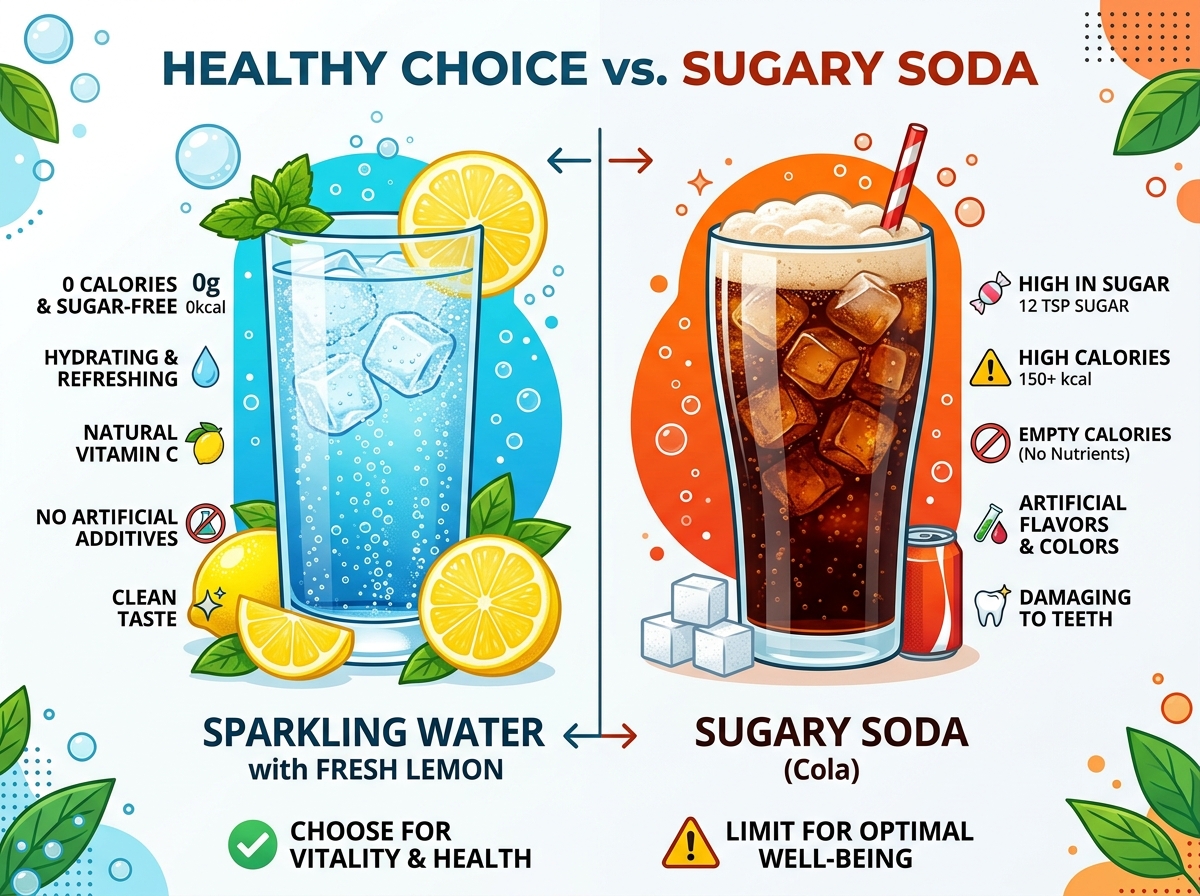
5. Water Helps Replace High-Calorie Drinks
One of the easiest ways to lower daily calorie intake is to replace sugar-sweetened beverages with water.
Consider the calorie difference:
| Beverage | Approximate Calories (250 mL / 8 oz) |
|---|---|
| Water | 0 |
| Regular soda | 100–110 |
| Sweetened iced tea | 90–120 |
| Fruit juice | 110–130 |
| Energy drink | 110–160 |
| Flavored coffee drink | 180–300+ |
Making this simple substitution consistently can reduce calorie intake over weeks and months without requiring complicated diets.
This strategy is especially helpful for individuals who regularly consume multiple sugary drinks each day.
How Much Water Should You Drink Each Day?
There is no single amount that is perfect for everyone. Daily water needs depend on several factors, including age, body size, physical activity, climate, and overall health.
A general guideline is:
| Group | Suggested Daily Fluid Intake* |
| Adult Women | About 2.7 liters (91 oz) |
| Adult Men | About 3.7 liters (125 oz) |
*These totals include fluids obtained from both beverages and water-rich foods such as fruits and vegetables.
People who exercise regularly, spend time in hot weather, or have increased fluid losses may require more water than these general recommendations.
6. Can Drinking More Water Burn Belly Fat?
One of the most common questions people ask is whether drinking more water can specifically burn belly fat. While the idea sounds appealing, the truth is that water alone cannot directly target or melt fat from any specific area of the body, including the abdomen.
Belly fat is lost through an overall reduction in body fat, which usually happens when you consistently consume fewer calories than your body burns. Water supports this process in several indirect but important ways.
For example, drinking water instead of sugary beverages reduces daily calorie intake. Staying hydrated may also help control appetite, improve workout performance, and support normal metabolic functions—all of which contribute to healthy weight loss over time.
If your goal is to reduce belly fat, combining proper hydration with balanced nutrition, regular physical activity, adequate sleep, and stress management is far more effective than relying on water alone.
You may also like:
- How to Lose Belly Fat Naturally at Home
- Slow Metabolism and Weight Gain Explained
7. What Is the Best Time to Drink Water for Weight Loss?
Although staying hydrated throughout the day is more important than drinking water at one specific time, certain habits may help support your health and weight management goals.
After Waking Up
Drinking a glass of water first thing in the morning helps replace fluids lost overnight and starts your day with healthy hydration.
Before Meals
Many people find that drinking water about 20–30 minutes before eating helps them feel fuller, which may encourage smaller portion sizes.
Before Exercise
Hydrating before physical activity helps prepare your body for exercise and supports endurance.
During Exercise
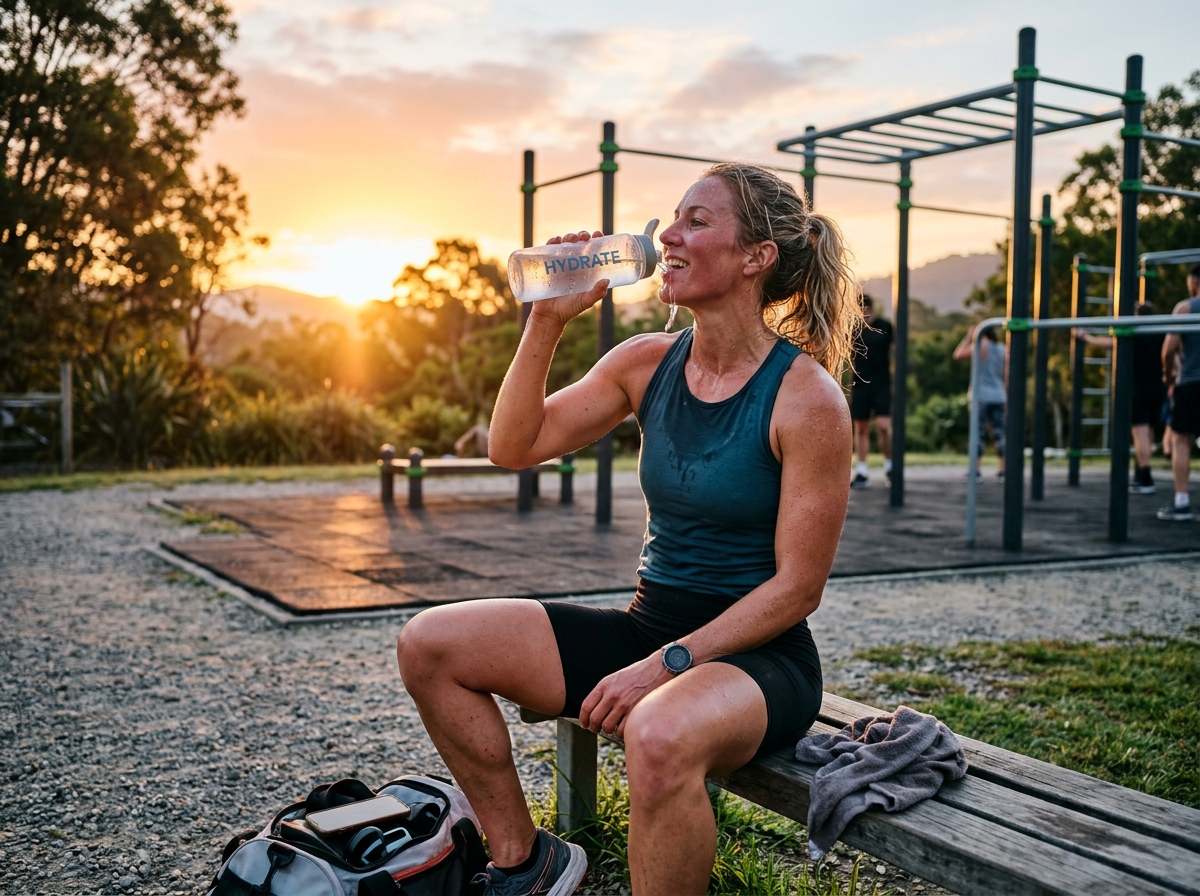
Sip water regularly during workouts to replace fluids lost through sweat, especially during longer or more intense sessions.
After Exercise
Rehydrating after exercise helps support recovery and replace fluids your body has lost.
Throughout the Day
Rather than drinking large amounts at once, aim to drink water consistently throughout the day. This approach supports hydration more effectively and may be easier for your body to regulate.
8. Signs You May Not Be Drinking Enough Water
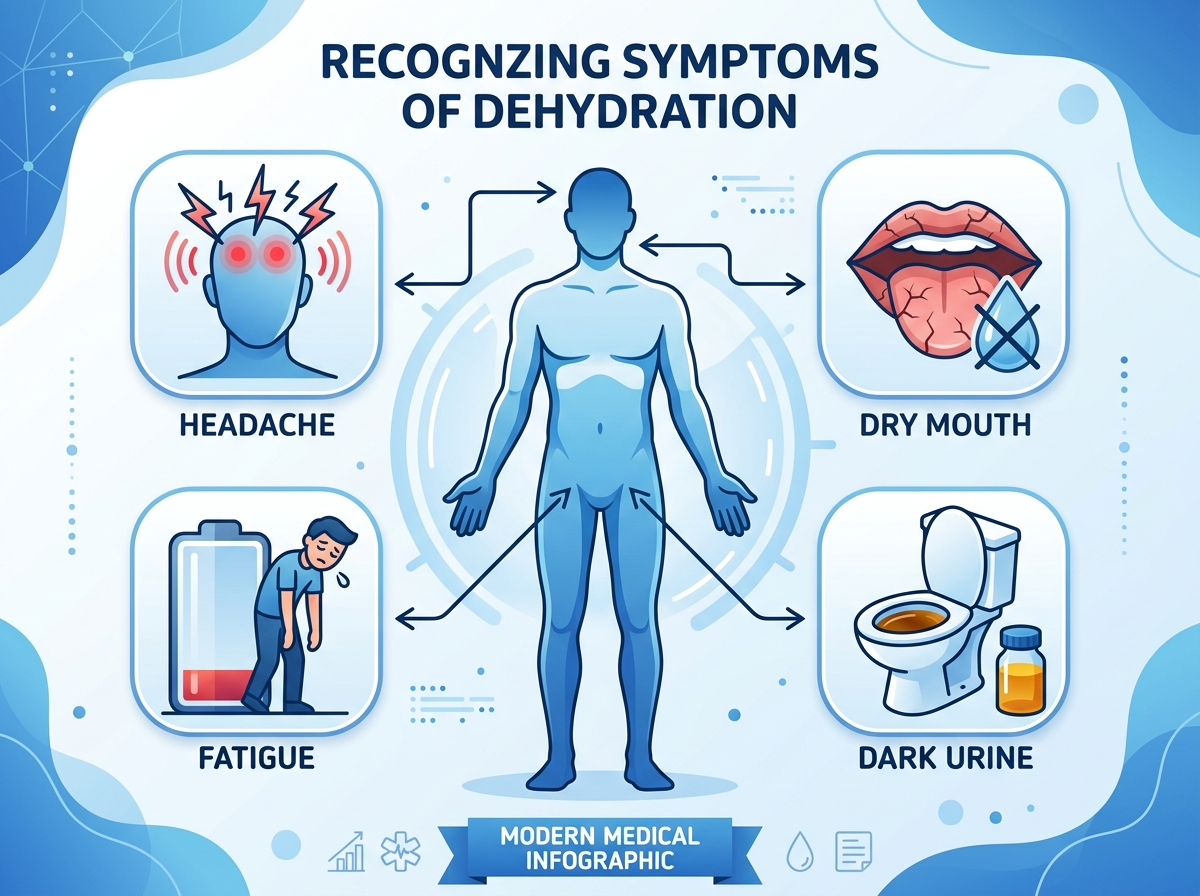
Mild dehydration can affect how you feel and perform throughout the day. Recognizing the early signs can help you increase your fluid intake before more significant dehydration develops.
Common signs include:
- Feeling thirsty
- Dry mouth or lips
- Dark yellow urine
- Urinating less frequently
- Fatigue or low energy
- Difficulty concentrating
- Headaches
- Dizziness
- Dry skin
- Muscle cramps
Because thirst can sometimes be confused with hunger, some people eat snacks when their body actually needs fluids. Drinking a glass of water before reaching for food may help you determine whether you’re truly hungry.
9. Can You Drink Too Much Water?
While staying hydrated is important, more is not always better.
Drinking extremely large amounts of water in a short period can dilute the sodium levels in your blood, a rare but potentially serious condition called hyponatremia.
Although uncommon, this condition is more likely to occur during endurance events or when people force themselves to drink excessive amounts of water despite not being thirsty.
To stay safe:
- Drink consistently throughout the day.
- Increase fluids when exercising or in hot weather.
- Listen to your body’s thirst signals.
- Follow your healthcare provider’s advice if you have kidney, heart, or liver conditions that affect fluid balance.
For most healthy adults, drinking water gradually over the course of the day is the safest and most effective approach.
10. Does Drinking Cold Water Help You Burn More Calories?
You may have heard that drinking cold water boosts metabolism because your body must warm the water to body temperature.
While it is true that this process uses a small amount of energy, the calorie burn is minimal and is unlikely to have a meaningful impact on weight loss.
The most important factor is simply staying well hydrated. Whether you prefer cold, room-temperature, or warm water, the best choice is the one that encourages you to drink enough throughout the day.
Common Hydration Mistakes That May Slow Your Progress
Even people who try to stay healthy sometimes make hydration mistakes that affect their overall wellness.
Only Drinking Water When You Feel Very Thirsty
Thirst is often a sign that your body is already becoming mildly dehydrated. Drinking water consistently throughout the day is usually a better strategy.
Replacing Water with Sugary Drinks
Soft drinks, sweetened teas, flavored coffees, and energy drinks may contain significant amounts of added sugar and calories.
Drinking Too Little During Exercise
Sweating increases fluid loss, making hydration especially important before, during, and after physical activity.
Ignoring Water-Rich Foods
Many fruits and vegetables naturally contain high amounts of water and contribute to your overall hydration.
Examples include:
- Watermelon
- Cucumbers
- Strawberries
- Oranges
- Lettuce
- Tomatoes
- Celery
Daily Hydration Tips for Weight Loss
Building simple habits can make it easier to stay hydrated every day.
Try these practical tips:
- Carry a reusable water bottle wherever you go.
- Drink a glass of water when you wake up.
- Have water before each main meal.
- Flavor water naturally with lemon, cucumber, or mint if desired.
- Eat more fruits and vegetables with high water content.
- Replace sugary beverages with plain or sparkling water whenever possible.
- Set reminders on your phone if you often forget to drink water.
- Monitor the color of your urine—it should generally be pale yellow.
Water vs. Other Popular Beverages
| Beverage | Hydration | Calories | Weight-Loss Friendly |
|---|---|---|---|
| Water | Excellent | 0 | ✅ Yes |
| Sparkling Water (Unsweetened) | Excellent | 0 | ✅ Yes |
| Unsweetened Herbal Tea | Very Good | 0–5 | ✅ Yes |
| Black Coffee (Unsweetened) | Good | 2–5 | ✅ In Moderation |
| Green Tea (Unsweetened) | Good | 0–5 | ✅ Yes |
| Soft Drinks | Poor Choice | High | ❌ No |
| Energy Drinks | Poor Choice | High | ❌ No |
| Sugary Fruit Drinks | Moderate | High | ❌ Limit |
How Much Water Should You Drink Based on Your Body Weig
Although there isn’t a universal rule that works for everyone, your body weight can provide a helpful starting point when estimating your daily water needs. Factors such as age, activity level, climate, diet, and overall health also play an important role.
People who exercise regularly, work outdoors, live in hot climates, are pregnant or breastfeeding, or consume high-protein diets may require additional fluids.
Estimated Daily Water Intake Based on Body Weight
| Body Weight | Suggested Daily Water Intake* |
|---|---|
| 100 lbs (45 kg) | 2.0–2.3 L (68–78 oz) |
| 120 lbs (54 kg) | 2.2–2.6 L (74–88 oz) |
| 140 lbs (64 kg) | 2.5–2.9 L (84–98 oz) |
| 160 lbs (73 kg) | 2.7–3.2 L (91–108 oz) |
| 180 lbs (82 kg) | 3.0–3.5 L (101–118 oz) |
| 200 lbs (91 kg) | 3.2–3.8 L (108–128 oz) |
| 220 lbs (100 kg) | 3.5–4.1 L (118–138 oz) |
| 250 lbs (113 kg) | 3.8–4.5 L (128–152 oz) |
*These are general estimates and include fluids from both beverages and water-rich foods. Individual needs may vary.
Does Drinking Water Help You Lose Weight Faster?
Water isn’t a fat-burning supplement, but it supports several healthy habits that may make weight loss easier.
It may help by:
- Replacing sugary, high-calorie drinks.
- Supporting healthy digestion.
- Helping you recognize the difference between thirst and hunger.
- Supporting exercise performance.
- Promoting feelings of fullness before meals.
- Assisting normal metabolic processes.
- Encouraging healthier daily routines.
When combined with a balanced diet and regular physical activity, proper hydration can become an important part of a sustainable weight-loss plan.
Foods That Help Keep You Hydrated
Water isn’t the only source of hydration. Many fruits and vegetables naturally contain a high percentage of water while also providing vitamins, minerals, antioxidants, and fiber.
Water-Rich Foods
| Food | Approximate Water Content |
|---|---|
| Cucumber | 96% |
| Lettuce | 95% |
| Celery | 95% |
| Watermelon | 92% |
| Strawberries | 91% |
| Cantaloupe | 90% |
| Oranges | 86% |
| Tomatoes | 95% |
| Zucchini | 94% |
| Spinach | 91% |
Including these foods in your meals may help support hydration while contributing to overall nutritional quality.
Hydration Myths vs. Facts
Many misconceptions surround hydration and weight loss. Understanding the facts can help you make informed choices.
| Myth | Fact |
|---|---|
| Drinking more water automatically burns fat. | Water supports weight loss but doesn’t directly burn body fat. |
| Everyone needs exactly 8 glasses of water daily. | Water needs vary based on age, body size, activity, climate, and health. |
| Coffee always causes dehydration. | Moderate coffee intake generally contributes to overall fluid intake. |
| You only need water when you’re thirsty. | Mild dehydration may begin before noticeable thirst develops. |
| Cold water burns significant calories. | The calorie burn is minimal and not a meaningful weight-loss strategy. |
| Sports drinks are necessary for everyone. | Plain water is sufficient for most everyday activities. |
Tips to Make Drinking More Water Easier
f you struggle to meet your daily hydration goals, small changes can make a big difference.
- Start each morning with a glass of water.
- Carry a reusable water bottle wherever you go.
- Keep water visible on your desk or workspace.
- Set reminders on your phone or smartwatch.
- Drink water before each meal.
- Add slices of lemon, lime, cucumber, or fresh mint for natural flavor.
- Eat more water-rich fruits and vegetables.
- Choose water instead of sugary drinks whenever possible.
- Refill your bottle several times throughout the day.
- Track your intake using a hydration app if needed.
Consistency matters more than perfection. Developing these simple habits can make staying hydrated feel effortless over time.
Frequently Asked Questions
Is Drinking 2 Liters of Water a Day Enough?
For many adults, 2 liters may provide a good starting point, but individual needs vary depending on body size, activity level, climate, and overall health.
Can Drinking Water Reduce Belly Fat?
Water cannot specifically target belly fat. However, staying hydrated supports healthy weight management when combined with balanced nutrition and regular exercise.
Does Drinking Water Before Meals Help With Weight Loss?
Some research suggests that drinking water before meals may help some people feel fuller, which could reduce calorie intake during meals.
Can You Lose Weight by Replacing Soda With Water?
Yes. Replacing sugar-sweetened beverages with water can significantly reduce daily calorie intake and support long-term weight management.
Should I Drink Water During Exercise?
Yes. Drinking water before, during, and after physical activity helps replace fluids lost through sweat and supports physical performance.
Does Warm Water Burn More Fat Than Cold Water?
No. Current evidence does not show that warm water burns more fat than cold water. The most important factor is drinking enough water consistently.
Can Drinking More Water Speed Up Metabolism?
Proper hydration supports normal metabolic processes, but water alone is not a dramatic metabolism booster. Long-term healthy habits remain the foundation of successful weight management.
Conclusion
Drinking enough water each day is one of the simplest and most effective habits you can develop for your overall health. While water is not a miracle solution for weight loss, it plays an essential role in supporting metabolism, digestion, exercise performance, appetite regulation, and healthy daily routines.
Rather than focusing on drinking excessive amounts, aim to stay consistently hydrated throughout the day based on your individual needs. Pairing proper hydration with nutritious eating, regular physical activity, quality sleep, and stress management offers the greatest opportunity for long-term success.
Remember that lasting weight loss comes from building healthy habits—not quick fixes. By making water your beverage of choice and maintaining a balanced lifestyle, you can support your health, improve your energy levels, and move closer to your wellness goals one day at a time.

