

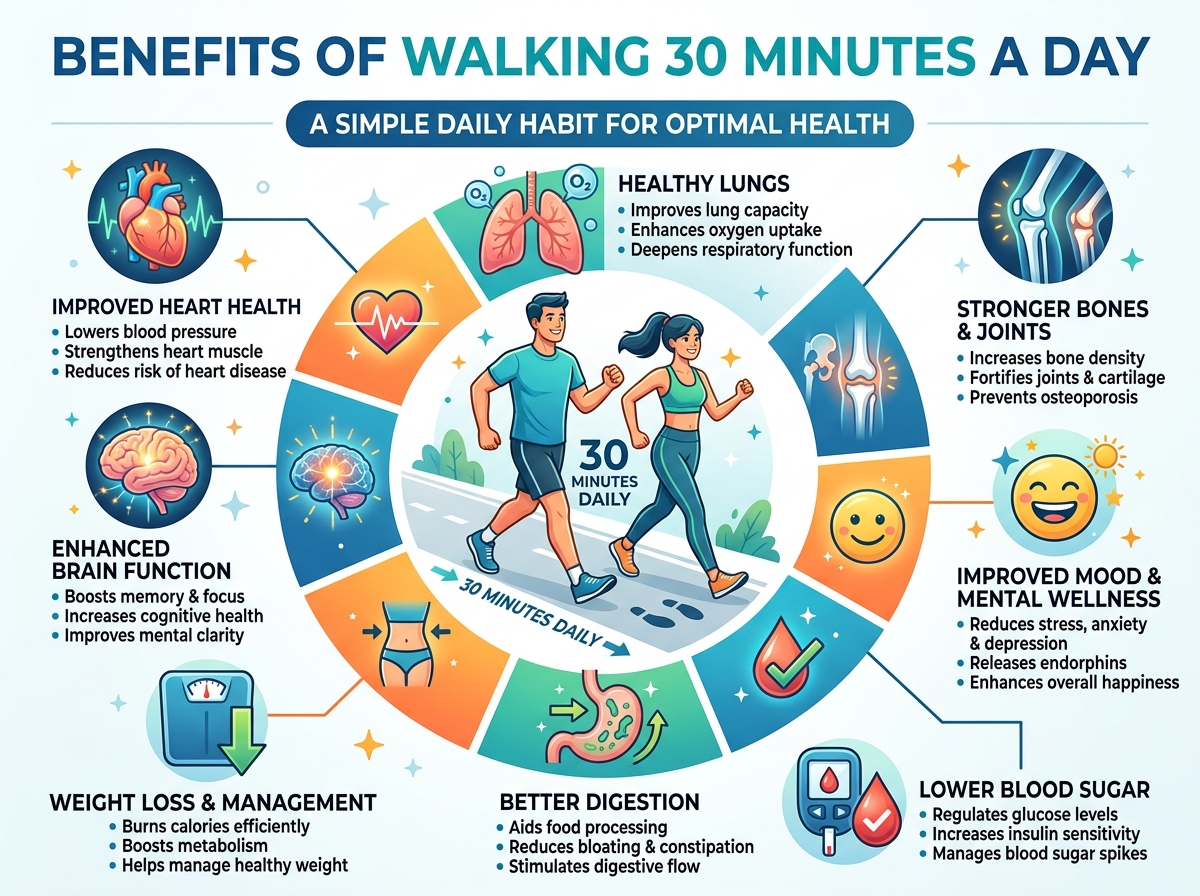
 Walking is one of the simplest and most effective forms of exercise available to people of all ages. Unlike intense workout programs that may require expensive equipment or gym memberships, walking can be done almost anywhere and offers numerous health benefits.
Many health experts recommend walking for at least 30 minutes a day because it provides a practical way to improve physical fitness, support mental well-being, and reduce the risk of chronic diseases.
Whether your goal is weight loss, better heart health, increased energy, or improved mood, making walking a daily habit can have a significant impact on your overall health.
In this article, we’ll explore what happens to your body when you walk for 30 minutes every day and why this simple activity may be one of the best investments you can make in your long-term health.
 One of the most common reasons people begin walking regularly is to lose weight.
Walking helps the body burn calories and increase daily energy expenditure. While the exact number of calories burned depends on factors such as age, weight, and walking speed, a 30-minute walk can contribute to creating the calorie deficit needed for weight loss.
Combining daily walking with healthy eating habits may improve results over time.
If you’re trying to improve overall metabolic health, you may also benefit from reading our guide on How Fast Can Prediabetes Turn Into Diabetes?
 Your heart is a muscle, and regular physical activity helps keep it strong.
Research has shown that walking may help:
- Improve circulation
- Support healthy blood pressure levels
- Increase cardiovascular fitness
- Improve cholesterol balance
Regular walking is often recommended as part of a heart-healthy lifestyle.
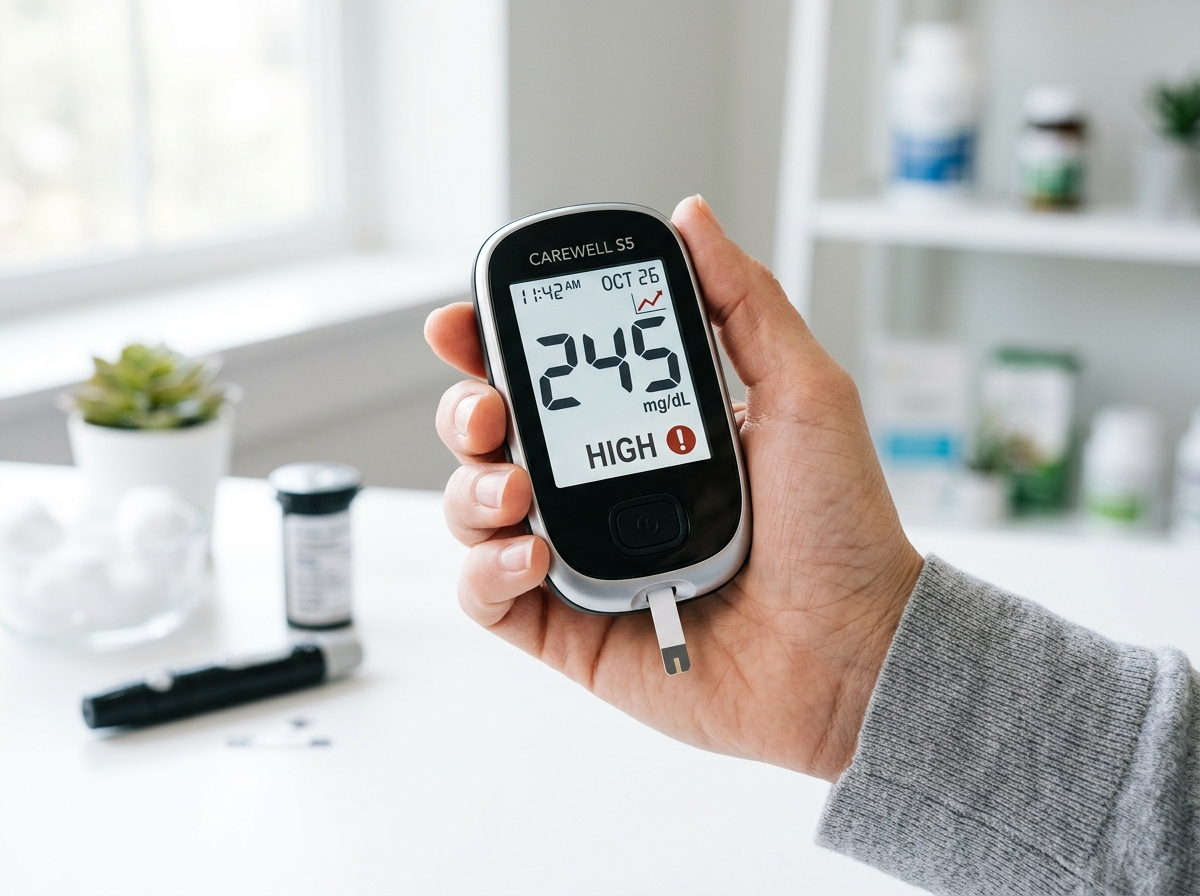 Physical activity helps muscles use glucose more efficiently.
As a result, walking may help improve insulin sensitivity and support healthy blood sugar management.
This benefit can be particularly important for individuals with insulin resistance or prediabetes.
Learn more in our article Can Prediabetes Be Reversed Naturally?
 Walking may also support liver health by helping reduce excess body fat and improving insulin resistance.
These effects may be beneficial for people with fatty liver disease.
Regular exercise combined with healthy nutrition can contribute to better liver function over time.
You may also find our articles 7-Day Fatty Liver Diet Plan for Beginners and Can Fatty Liver Be Reversed Naturally? helpful.
 Walking is not only beneficial for the body but also for the mind.
Physical activity may stimulate the release of chemicals that support emotional well-being.
Many people report feeling:
- Happier
- More relaxed
- Less stressed
- More focused
Even a short walk outdoors may help improve mood and reduce daily stress levels.
 The number of calories burned depends on several factors, including body weight and walking speed.
Approximate calorie burn for a 30-minute walk:
| Body Weight | Calories Burned |
|---|---|
| 125 lbs (57 kg) | 100–150 |
| 155 lbs (70 kg) | 130–180 |
| 185 lbs (84 kg) | 150–220 |
These numbers are estimates and can vary based on individual circumstances.
