How Fast Can Prediabetes Turn Into Diabetes?

A Complete Guide to Progression, Symptoms, Risk Factors, and Prevention

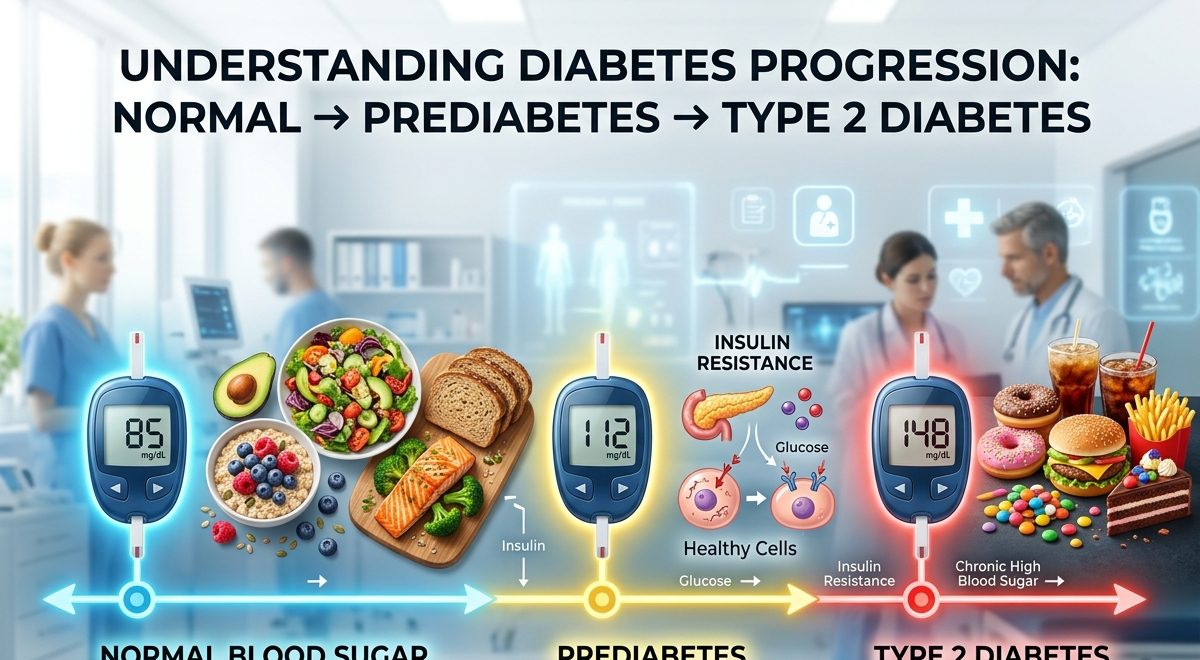
Understanding the Difference Between Prediabetes and Diabetes

Many people assume that prediabetes is simply a mild form of diabetes. However, the two conditions are different.

Prediabetes is considered a warning stage where blood sugar levels are elevated but not yet high enough for a diagnosis of type 2 diabetes. During this stage, the body is already experiencing insulin resistance, meaning insulin is becoming less effective at moving glucose from the bloodstream into the cells.

Type 2 diabetes develops when blood sugar levels remain consistently high and the body’s ability to regulate glucose becomes significantly impaired.

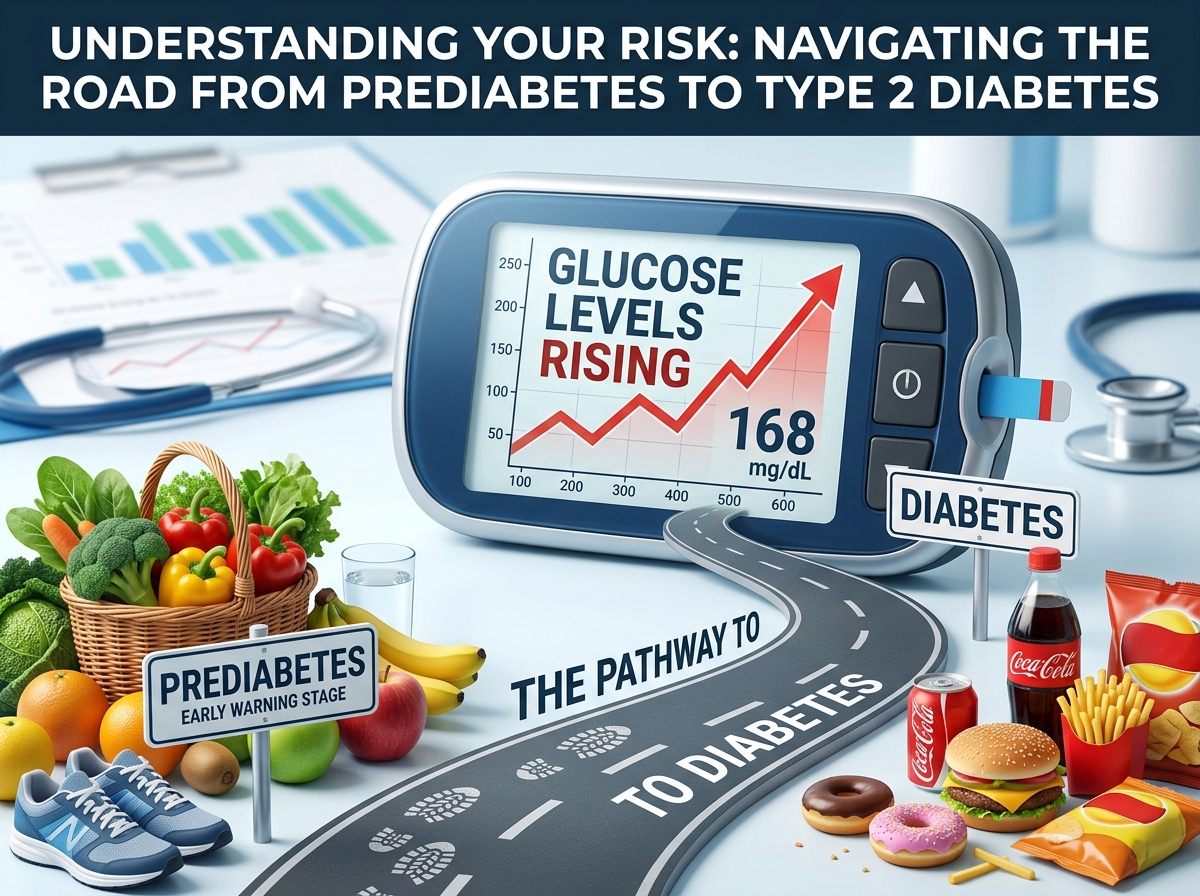
The transition from prediabetes to diabetes is usually gradual, but the speed of progression depends on several factors including genetics, lifestyle, body weight, and overall health.

What Happens Inside the Body During Prediabetes?

To understand how quickly prediabetes can turn into diabetes, it helps to understand what is happening inside the body.

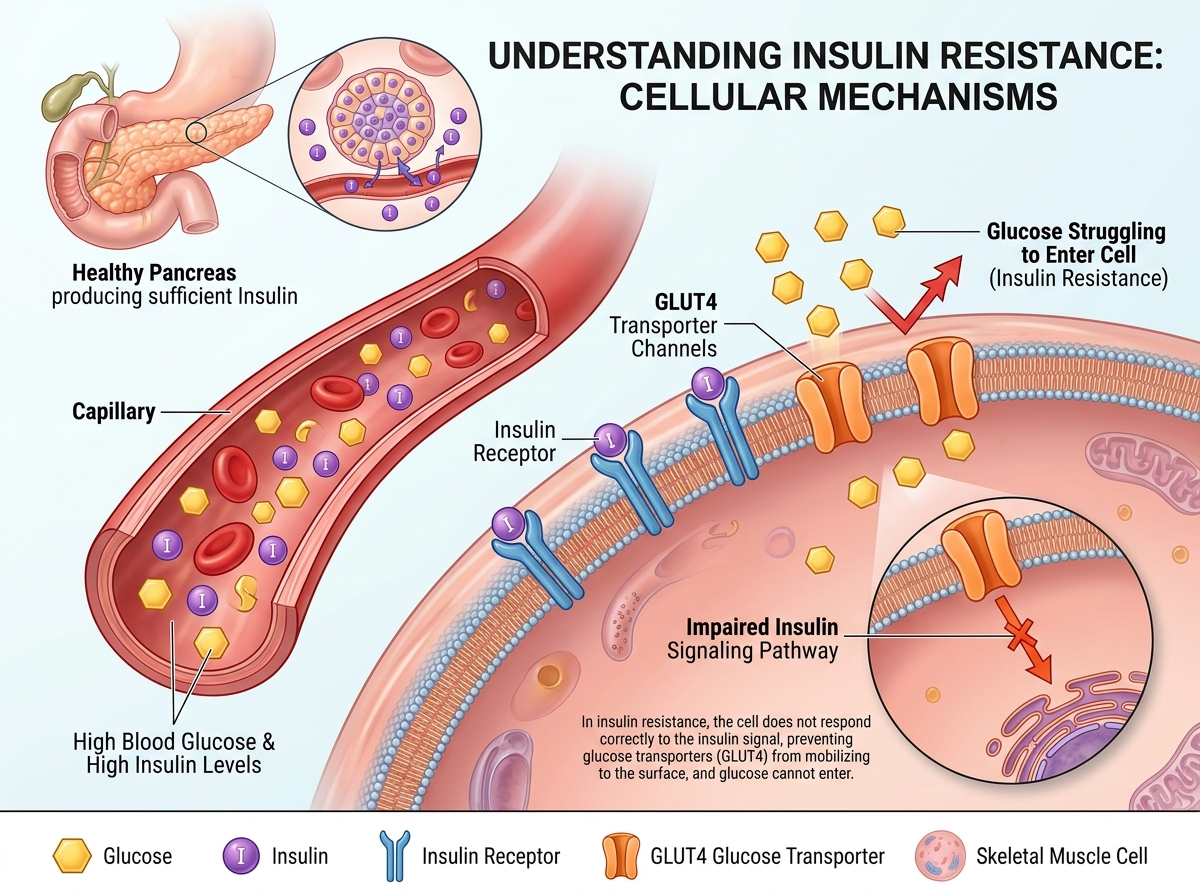
After eating, carbohydrates are broken down into glucose. The pancreas releases insulin, which helps cells absorb glucose for energy.

When insulin resistance develops:

  • Cells stop responding properly to insulin.
  • The pancreas produces more insulin.
  • Blood sugar levels begin to rise.
  • The pancreas becomes overworked.
  • Blood sugar continues increasing over time.

Eventually, the pancreas may struggle to keep up with the body’s insulin demands. At this point, blood sugar levels may rise into the diabetic range.

This process can occur slowly over many years or much more rapidly depending on individual risk factors.
How Common Is Prediabetes?

Prediabetes is extremely common and often goes undiagnosed.

Millions of adults worldwide have prediabetes and many are unaware of their condition because symptoms may be absent.

The growing prevalence of obesity, sedentary lifestyles, processed foods, and sugary beverages has contributed to increasing rates of prediabetes across all age groups.

Even teenagers and young adults are now being diagnosed more frequently than in previous generations.

Stages of Prediabetes Progression

Prediabetes does not become diabetes overnight.

The progression often follows several stages.
Stage 1: Insulin Resistance Begins

At this stage:

  • Blood sugar may still appear normal.
  • Insulin levels begin increasing.
  • Few symptoms are present.
  • Weight gain may occur.

Many people remain unaware that changes are taking place

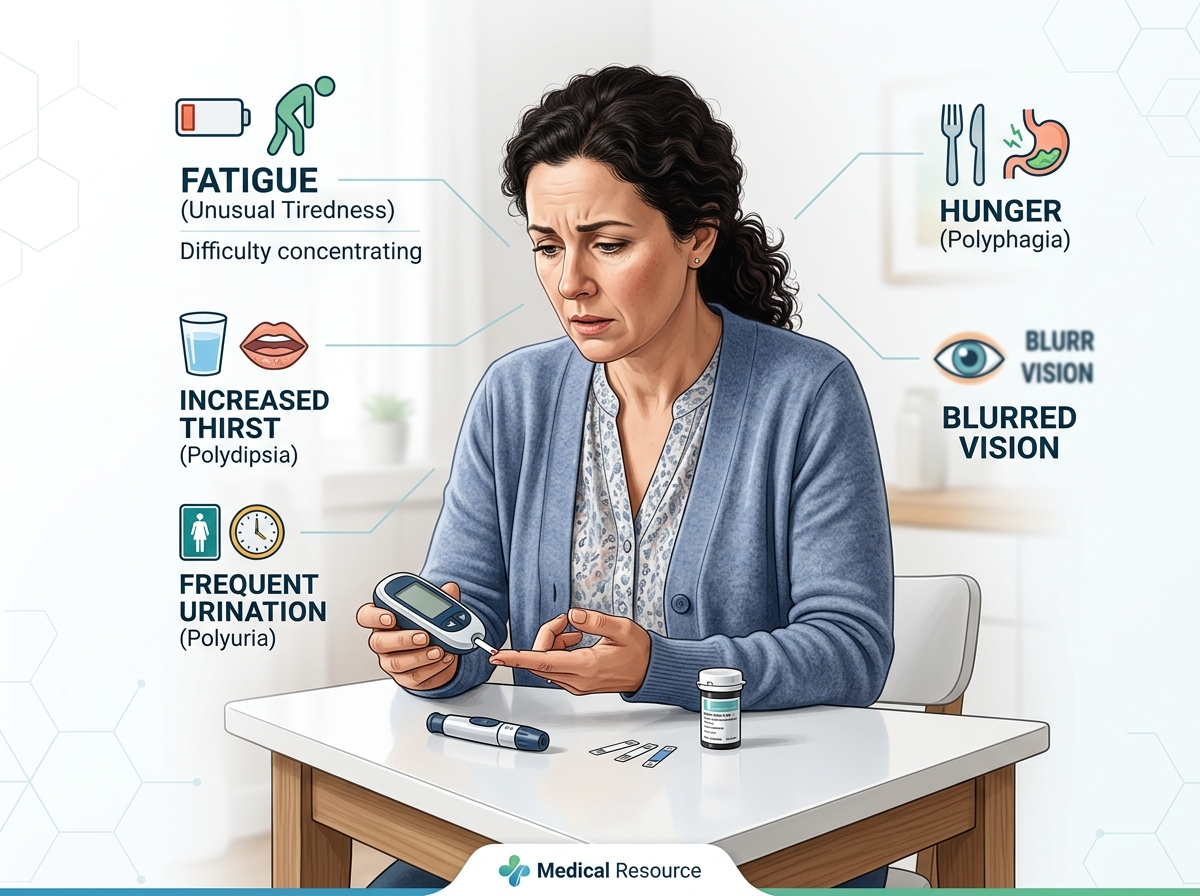
Stage 2: Prediabetes Develops

Blood sugar levels become elevated.

Possible symptoms include:

  • Fatigue
  • Increased hunger
  • Mild weight gain
  • Cravings for sugary foods
  • Difficulty concentrating

Many people still experience no symptoms.

Stage 3: Advanced Prediabetes

Blood sugar levels continue rising.

Symptoms may become more noticeable:

  • Frequent urination
  • Increased thirst
  • Blurred vision
  • Low energy levels
  • Slow wound healing

Without intervention, progression toward diabetes becomes more likely.

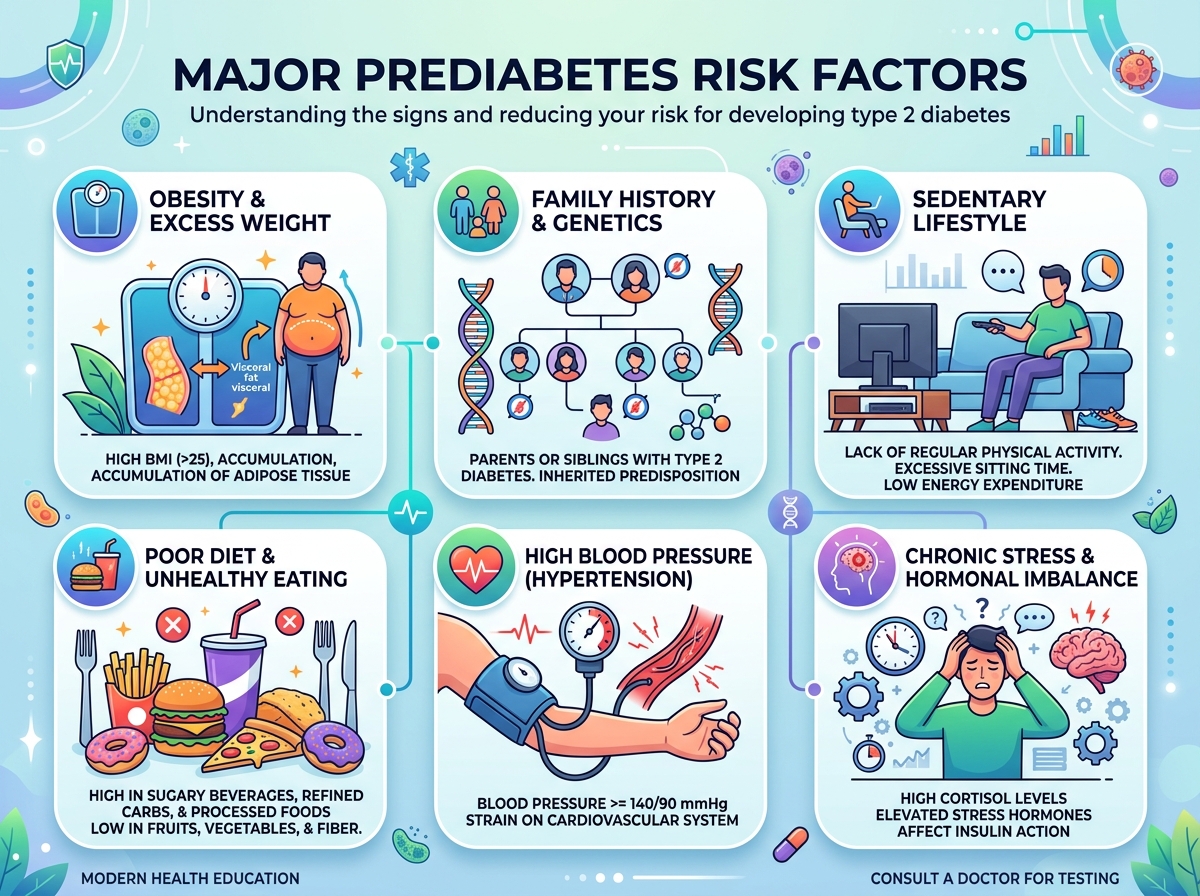
Factors That Can Speed Up Progression

Certain factors can cause prediabetes to progress more rapidly.

Excess Belly Fat

Abdominal fat is strongly associated with insulin resistance.

People who carry excess weight around the waist often face a higher risk of developing diabetes sooner.

Sugary Beverages

Regular consumption of:

  • Soda
  • Energy drinks
  • Sweetened coffee beverages
  • Sugary fruit drinks

may significantly increase diabetes risk.

Lack of Physical Activity

Exercise helps improve insulin sensitivity.

Without regular activity, blood sugar control may gradually worsen.

Poor Sleep

Sleep deprivation can interfere with hormone regulation and increase insulin resistance.

Studies suggest that chronic poor sleep may increase diabetes risk.

Chronic Stress

Stress hormones can raise blood sugar levels and contribute to unhealthy eating habits.

Over time, chronic stress may accelerate progression.

Complications of Untreated Prediabetes

Many people believe prediabetes is harmless because diabetes has not yet developed.

However, prediabetes itself may increase the risk of:

  • Heart disease
  • Stroke
  • High blood pressure
  • Kidney problems
  • Nerve damage
  • Eye complications

This is why early intervention is so important.

The Best Diet for Prediabetes

Diet is one of the most powerful tools for preventing diabetes.

Foods That May Help

  • Leafy greens
  • Broccoli
  • Cauliflower
  • Oats
  • Brown rice
  • Lentils
  • Beans
  • Fish
  • Chicken breast
  • Eggs
  • Nuts
  • Seeds
  • Berries

    Foods That May Increase Risk

    • Soft drinks
    • Candy
    • White bread
    • White rice in large quantities
    • Fried foods
    • Fast food
    • Highly processed snacks

    A balanced diet can significantly improve blood sugar control and support healthy weight management.

Can Exercise Reverse Prediabetes?

Exercise is one of the most effective ways to improve insulin sensitivity.

When muscles contract during physical activity, they use glucose for energy.

This helps lower blood sugar levels and reduce insulin resistance.

Beneficial activities include:

  • Walking
  • Jogging
  • Cycling
  • Swimming
  • Strength training
  • Dancing

Many experts recommend at least 150 minutes of moderate exercise each week.


Success Stories: Why Early Action Matters

Many individuals diagnosed with prediabetes successfully return their blood sugar levels to the normal range.

Common strategies include:

  • Losing excess weight
  • Walking daily
  • Reducing sugary foods
  • Improving sleep habits
  • Eating more vegetables and fiber-rich foods

The earlier these changes are made, the greater the chance of preventing diabetes.

Frequently Asked Questions

Can a Thin Person Have Prediabetes?

Yes. Although obesity increases risk, people of normal weight can also develop prediabetes due to genetics, poor diet, inactivity, or other medical conditions.

What Is the Fastest Way to Lower Prediabetes Risk?

Combining healthy eating, regular exercise, weight loss, and adequate sleep often provides the greatest benefit.

Can Stress Raise Blood Sugar?

Yes. Chronic stress may increase blood sugar levels through hormonal changes.

Is Prediabetes Permanent?

Not necessarily. Many people successfully reverse prediabetes through lifestyle changes.

How Often Should Blood Sugar Be Checked?

The frequency depends on individual circumstances and should be discussed with a healthcare provider.

Final Thoughts

Prediabetes is a warning sign that should never be ignored. While many people may progress to type 2 diabetes within several years, others successfully reverse the condition through healthy lifestyle changes.

The speed of progression depends on many factors, including weight, diet, physical activity, genetics, stress levels, and sleep quality. By recognizing the risks early and taking proactive steps, it is often possible to delay or completely prevent the development of type 2 diabetes.

Small daily improvements in nutrition, exercise, and overall health can produce significant long-term benefits and help protect your future well-being.

Picture of Ethan Strong

Ethan Strong

I am a dynamic force in the realm of health and fitness, driven by a lifelong passion for wellness. With a background in health sciences and nutrition, I have emerged as a respected authority, dedicated to empowering others on their journey to optimal well-being. Through engaging community initiatives and curated content, I share expert advice, inspiring success stories, and top-quality supplements to support diverse health goals. My unwavering commitment to fostering positive change continues to leave a lasting impact, inspiring individuals to embrace healthier lifestyles and unlock their fullest potential.

Related Posts

Leave a Reply

Your email address will not be published. Required fields are marked *