
Fatty liver disease is one of the fastest-growing health conditions worldwide. It occurs when excess fat builds up inside the liver cells, making it harder for the liver to perform its essential functions. The liver is responsible for filtering toxins, processing nutrients, producing proteins, regulating metabolism, and helping the body store energy. When fat accumulates in the liver, these important processes can become less efficient.
The good news is that fatty liver disease is often reversible, especially when detected early. One of the most effective ways to improve liver health is through dietary changes. Choosing nutrient-rich foods, maintaining a healthy weight, and staying physically active can help reduce liver fat and lower the risk of serious complications.
This 7-day fatty liver diet plan is designed for beginners who want a simple, practical approach to improving their liver health. While this plan is not a substitute for professional medical advice, it can serve as a helpful starting point for developing healthier eating habits.
Understanding Fatty Liver Disease
Fatty liver disease develops when the liver stores more fat than it can process. While small amounts of fat in the liver are normal, excessive fat accumulation can eventually lead to inflammation and liver damage.
There are two primary types of fatty liver disease:
Non-Alcoholic Fatty Liver Disease (NAFLD)
This type occurs in people who consume little or no alcohol. It is commonly associated with obesity, insulin resistance, type 2 diabetes, and poor dietary habits.
Alcohol-Related Fatty Liver Disease (AFLD)
This form develops due to excessive alcohol consumption. Long-term alcohol use can interfere with the liver’s ability to process fat properly.
Without proper management, fatty liver disease may progress to more serious conditions, including liver inflammation, fibrosis, cirrhosis, and liver failure.
Why Diet Matters for Fatty Liver
Diet plays a major role in both the development and treatment of fatty liver disease.
Foods high in sugar, refined carbohydrates, and unhealthy fats can increase fat storage in the liver. On the other hand, nutrient-dense foods provide vitamins, minerals, antioxidants, and fiber that support liver function and overall health.
A healthy fatty liver diet can help:
- Reduce liver fat
- Improve insulin sensitivity
- Lower inflammation
- Support weight loss
- Improve cholesterol levels
- Promote better energy levels
- Reduce the risk of liver disease progression
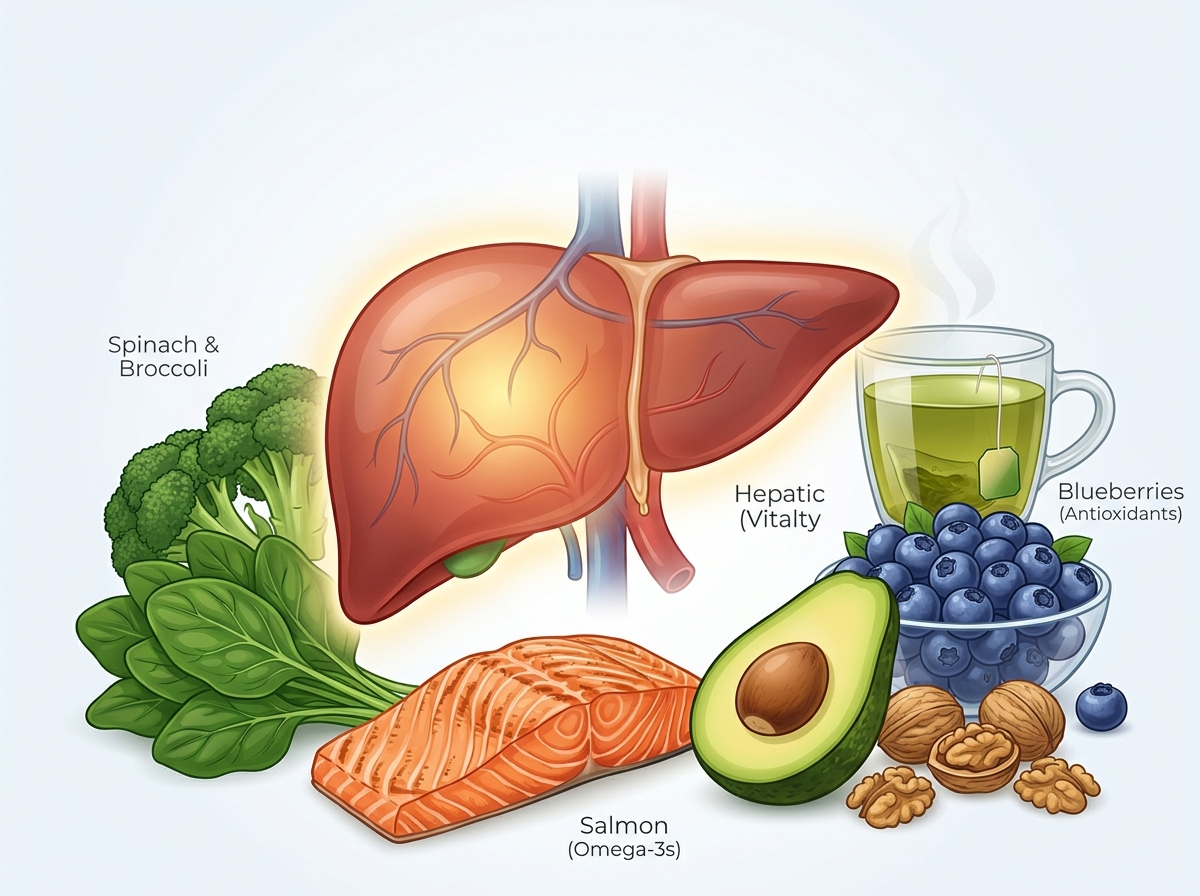
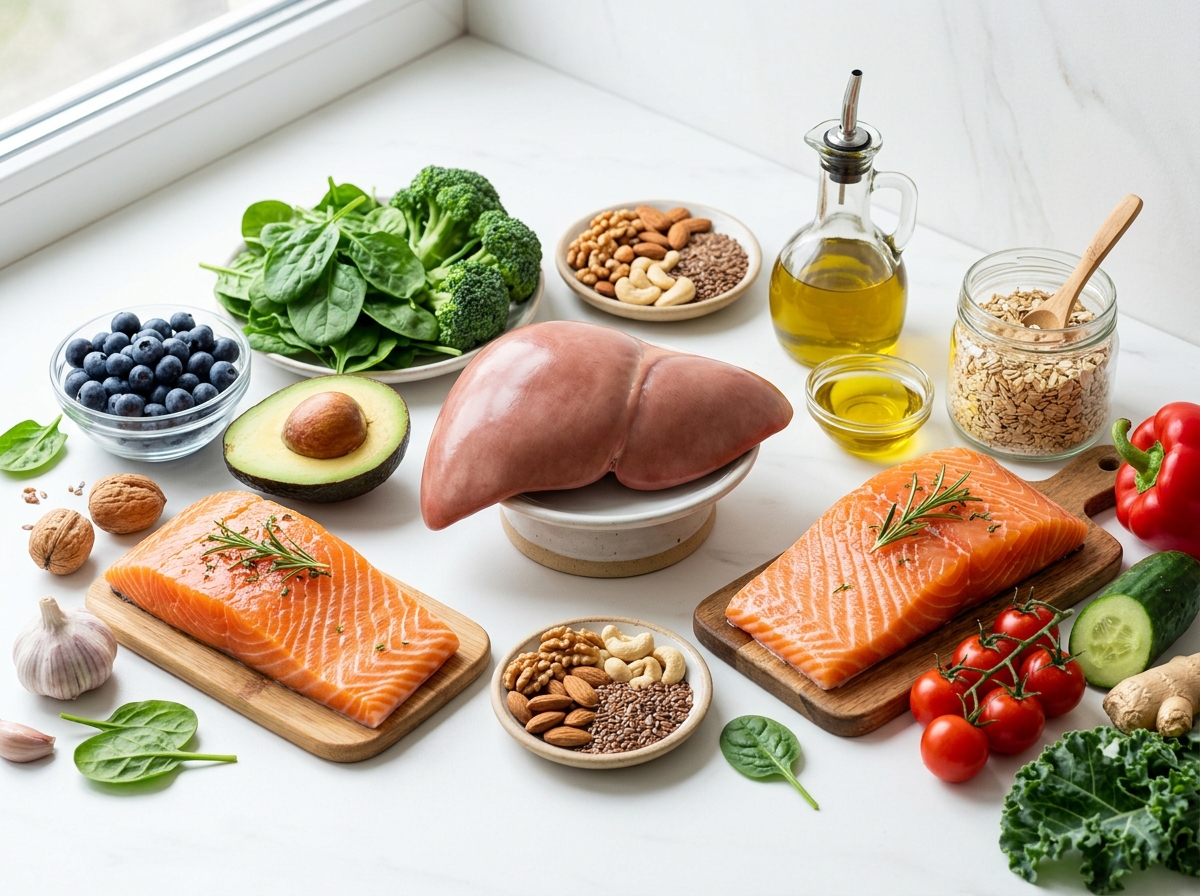
Foods That Help Fatty Liver
Before beginning the meal plan, it’s important to know which foods support liver health.
Vegetables
Vegetables are rich in antioxidants and fiber while being naturally low in calories.
Examples include:
- Spinach
- Kale
- Broccoli
- Cauliflower
- Carrots
- Bell peppers
- Cucumbers
Fruits
Fruits contain vitamins, minerals, and antioxidants that support overall health.
Good options include:
- Apples
- Berries
- Oranges
- Pears
- Grapefruit
- Kiwi
Whole Grains
Whole grains provide fiber that helps regulate blood sugar and support digestion.
Examples:
- Oats
- Brown rice
- Quinoa
- Whole wheat bread
- Barley
Lean Proteins
Protein supports muscle maintenance and helps keep you full.
Healthy choices include:
- Chicken breast
- Fish
- Eggs
- Beans
- Lentils
- Greek yogurt
Healthy Fats
Healthy fats may help reduce inflammation.
Sources include:
- Olive oil
- Avocados
- Walnuts
- Almonds
- Chia seeds
- Flaxseeds
Foods to Avoid with Fatty Liver
Certain foods may worsen liver fat accumulation.
Limit or avoid:
- Sugary drinks
- Soft drinks
- Energy drinks
- Candy
- Cakes
- Pastries
- White bread
- White pasta
- Fried foods
- Fast food
- Processed meats
- Excess alcohol
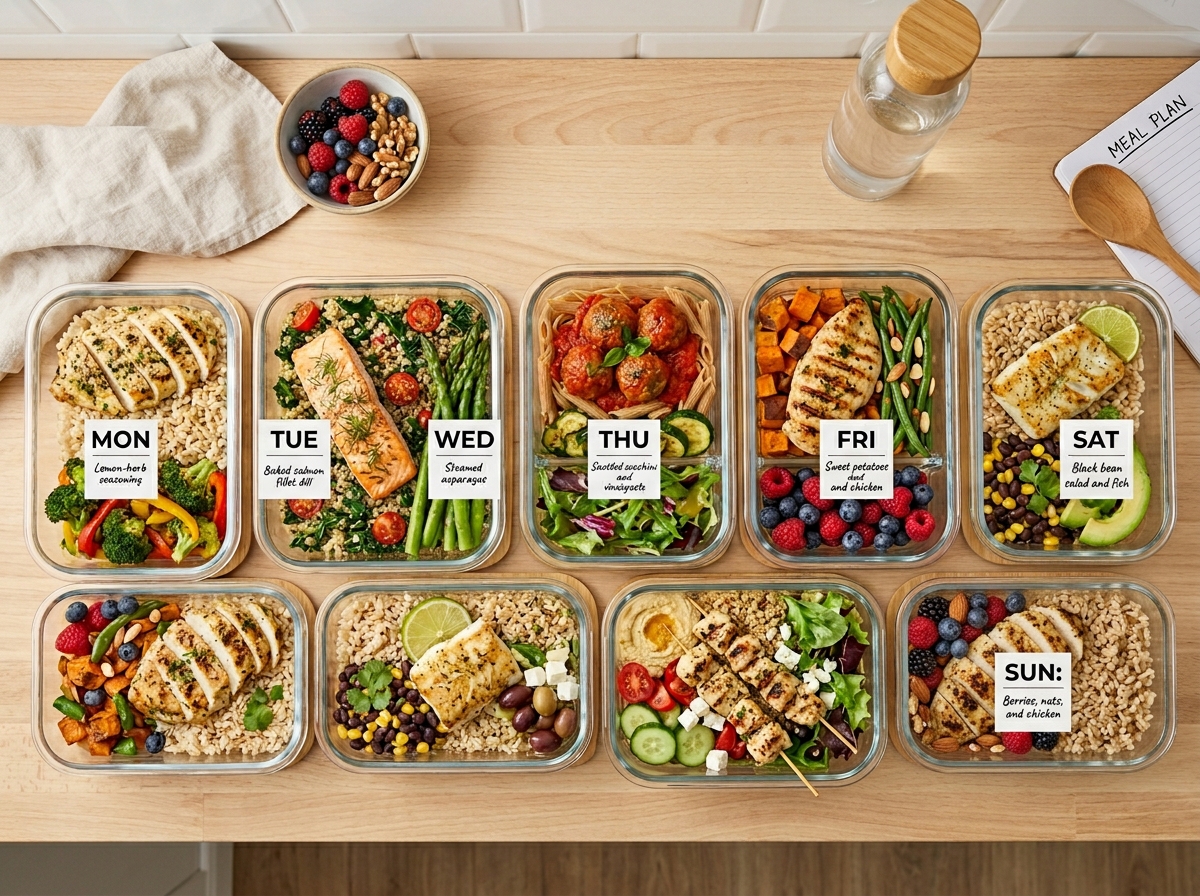
7-Day Fatty Liver Diet Plan
Day 1
Breakfast
A bowl of oatmeal topped with blueberries and chopped almonds.
Morning Snack
One apple.
Lunch
Grilled chicken breast with brown rice and steamed broccoli.
Afternoon Snack
A handful of walnuts.
Dinner
Baked salmon with mixed vegetables and a side salad.
Why This Works
Oats provide fiber while salmon supplies omega-3 fatty acids that may support liver health.
Day 2
Breakfast
Greek yogurt with strawberries and chia seeds.
Morning Snack
Pear slices.
Lunch
Lentil soup with whole-grain bread.
Afternoon Snack
A small handful of almonds.
Dinner
Grilled chicken with roasted vegetables.
Why This Works
Lentils are rich in protein and fiber, helping control blood sugar levels.
Day 3
Breakfast
Two boiled eggs with whole-wheat toast and cucumber slices.
Morning Snack
An orange.
Lunch
Tuna salad with lettuce, tomatoes, and olive oil dressing.
Afternoon Snack
Walnuts.
Dinner
Baked fish with quinoa and steamed vegetables.
Why This Works
Lean proteins support metabolism while vegetables provide antioxidants.
Day 4
Breakfast
Spinach smoothie made with banana and unsweetened yogurt.
Morning Snack
Apple slices.
Lunch
Brown rice with mixed vegetables and beans.
Afternoon Snack
Mixed nuts.
Dinner
Chicken stir-fry with vegetables cooked in olive oil.
Why This Works
Leafy greens may help reduce liver fat accumulation.
Day 5
Breakfast
Whole-grain toast with avocado and boiled eggs.
Morning Snack
Pear slices.
Lunch
Vegetable soup with grilled chicken.
Afternoon Snack
A handful of almonds.
Dinner
Grilled fish with steamed green beans.
Why This Works
Avocados contain healthy fats that may support liver function.
Day 6
Breakfast
Oatmeal with banana slices and cinnamon.
Morning Snack
Orange slices.
Lunch
Lentil and vegetable salad.
Afternoon Snack
Walnuts.
Dinner
Turkey breast with roasted vegetables.
Why This Works
Whole foods provide long-lasting energy and support healthy metabolism.
Day 7
Breakfast
Greek yogurt topped with berries and flaxseeds.
Morning Snack
Apple slices.
Lunch
Grilled fish with brown rice and vegetables.
Afternoon Snack
Mixed nuts.
Dinner
Vegetable soup with a side salad.
Why This Works
This meal plan emphasizes nutrient-dense foods while limiting processed ingredient
Additional Lifestyle Changes That Can Improve Fatty Liver
Exercise Regularly
Physical activity helps burn stored fat and improve insulin sensitivity.
Good beginner exercises include:
- Walking
- Cycling
- Swimming
- Jogging
- Strength training
Aim for at least 150 minutes of moderate activity each week.
Stay Hydrated
Water supports many important metabolic functions.
Most adults should aim to drink enough water throughout the day to stay properly hydrated.
Improve Sleep Quality
Poor sleep has been linked to obesity, insulin resistance, and fatty liver disease.
Try to get seven to nine hours of quality sleep each night.
Manage Stress
Chronic stress can contribute to unhealthy eating habits and weight gain.
Helpful stress-management techniques include:
- Meditation
- Deep breathing
- Yoga
- Walking outdoors
- Reading
Frequently Asked Questions
Can Fatty Liver Be Reversed?
Yes. Many people successfully reverse fatty liver disease through healthy eating, weight loss, and regular exercise.
How Long Does It Take to Improve Fatty Liver?
The timeline varies from person to person. Some individuals see improvements within a few months of making consistent lifestyle changes.
Are Eggs Good for Fatty Liver?
Eggs can be included as part of a balanced diet because they provide high-quality protein and important nutrients.
What Is the Best Drink for Fatty Liver?
Water is the best choice. Unsweetened green tea and black coffee may also support liver health when consumed in moderation.
Is Rice Bad for Fatty Liver?
Large amounts of refined white rice may contribute to blood sugar spikes. Brown rice and other whole grains are generally healthier options.
Can Walking Help Fatty Liver?
Yes. Regular walking may help reduce liver fat, improve insulin sensitivity, and support weight loss.
Conclusion
Fatty liver disease is a common condition, but it is often manageable through healthy lifestyle choices. Following a structured 7-day fatty liver diet plan can help you begin improving your liver health by focusing on nutritious foods, balanced meals, and healthier daily habits.
By eating more vegetables, fruits, lean proteins, and whole grains while reducing processed foods and sugary beverages, many people can reduce liver fat and improve overall well-being. Combined with regular exercise, proper sleep, stress management, and medical guidance when needed, these changes can support long-term liver health and reduce the risk of future complications.