
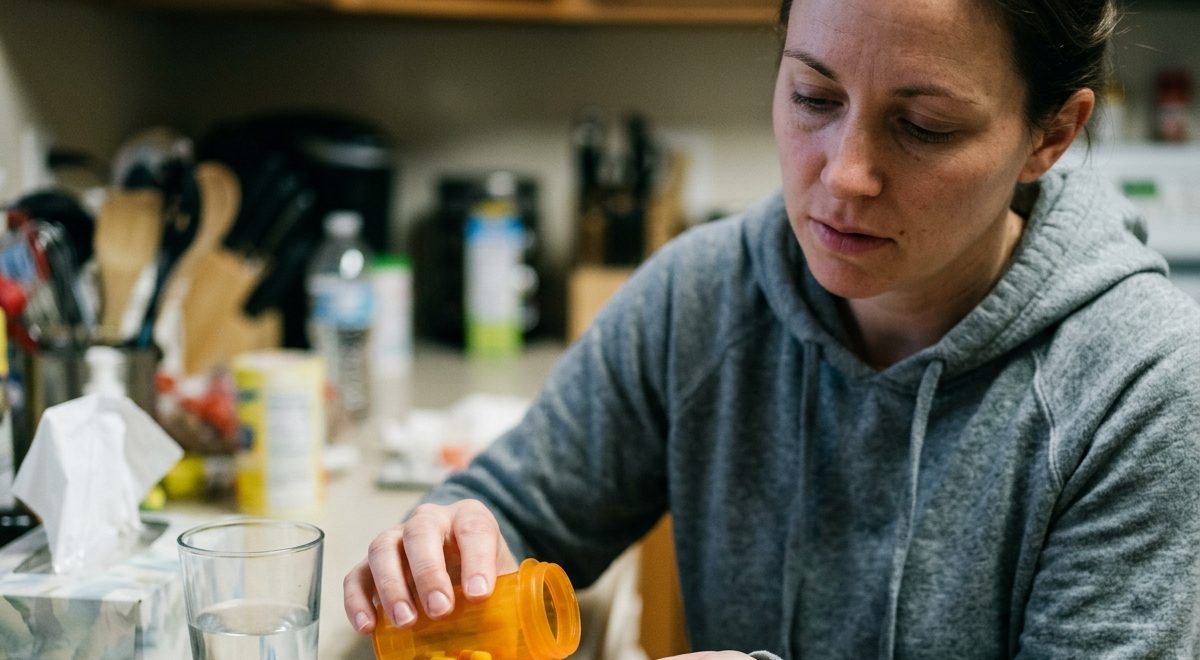
What Is Antibiotic Misuse?
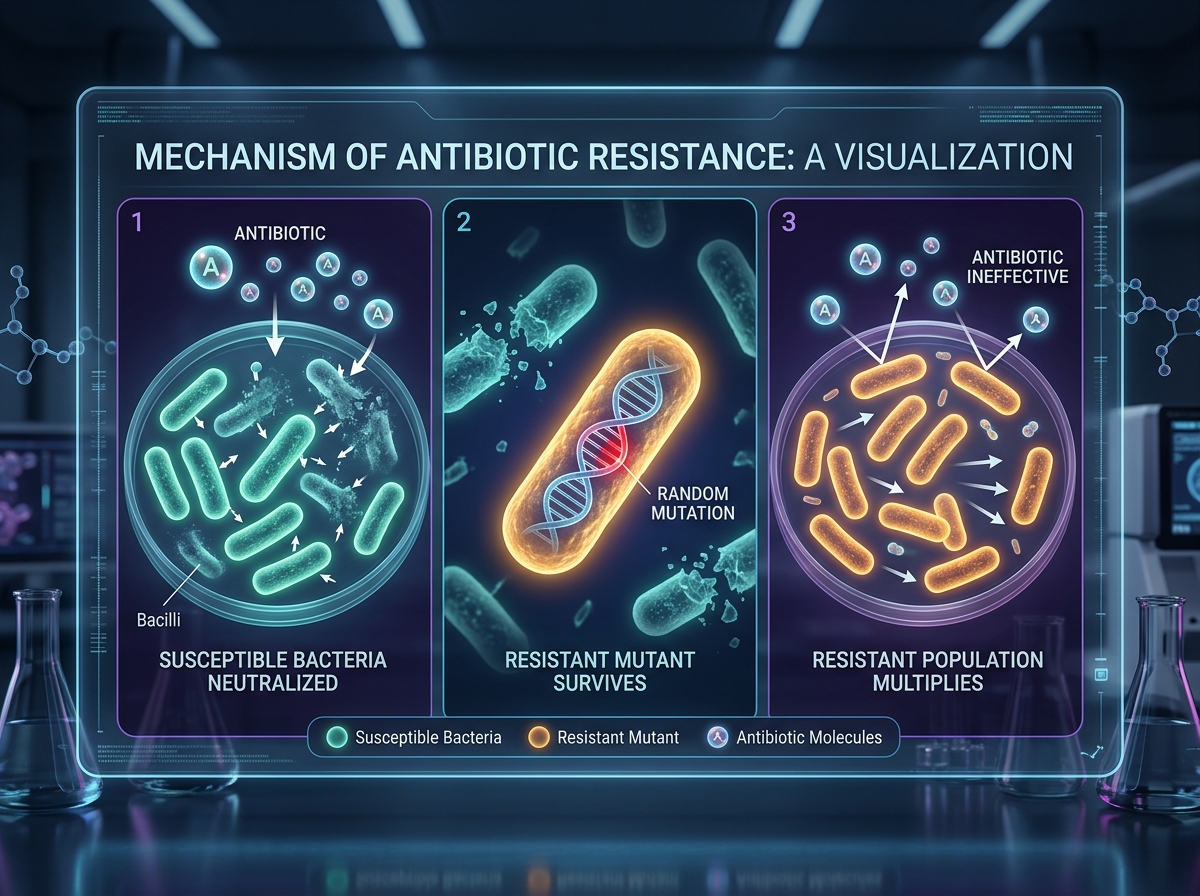
Antibiotics are medications designed to treat bacterial infections. They have saved millions of lives and remain one of the most important tools in modern medicine. However, antibiotics must be used correctly to remain effective.
Antibiotic misuse occurs when these medications are taken unnecessarily, used incorrectly, shared with others, taken in the wrong dosage, or stopped before the prescribed treatment course is completed.
Many people mistakenly believe antibiotics can treat all infections, including viral illnesses such as the common cold and flu. Because antibiotics only work against bacteria, using them for viral infections provides no benefit and may actually cause harm.
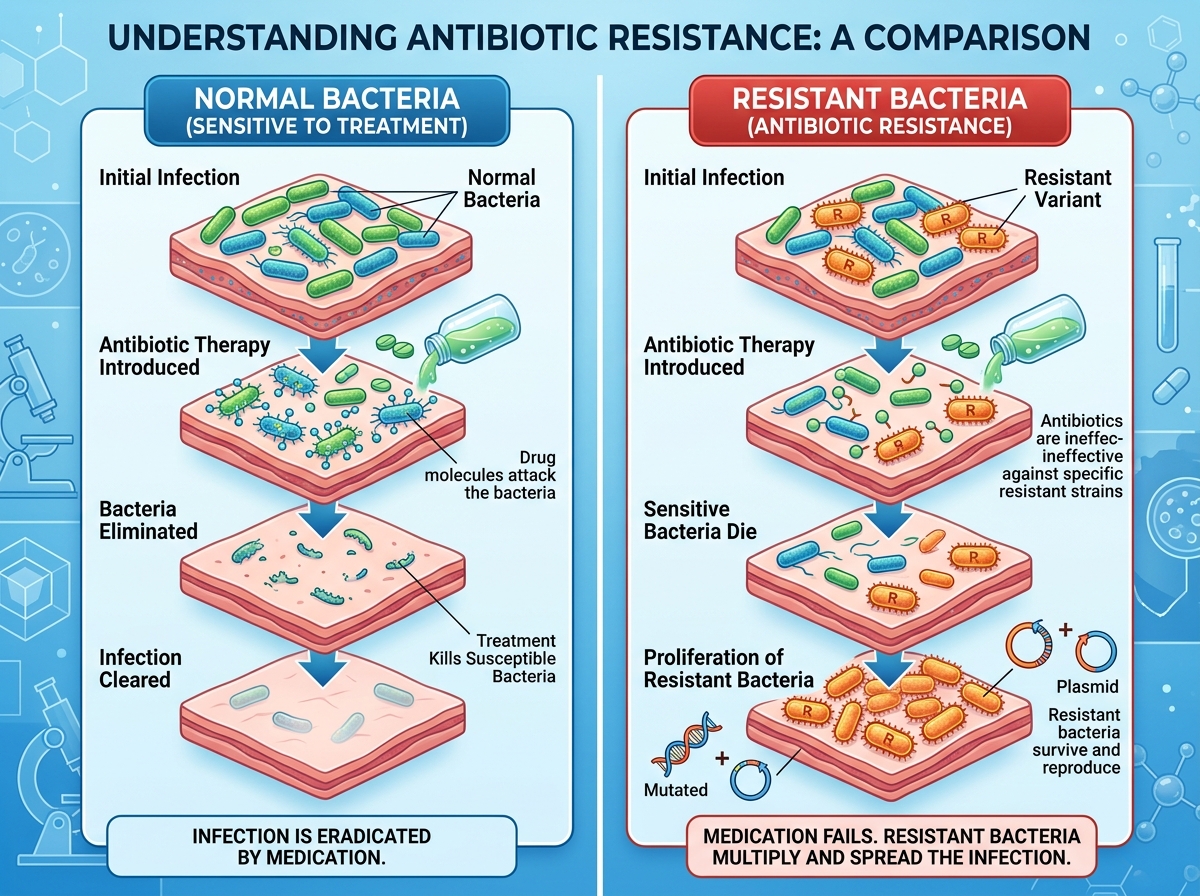
Over time, antibiotic misuse contributes to a growing global health problem known as antibiotic resistance. This occurs when bacteria evolve and become resistant to medications that once killed them. As a result, infections become harder to treat, recovery takes longer, and the risk of serious complications increases.
Healthcare organizations around the world consider antibiotic resistance one of the greatest threats to public health in the 21st century.
Symptoms and Warning Signs of Problems Caused by Antibiotic Misuse
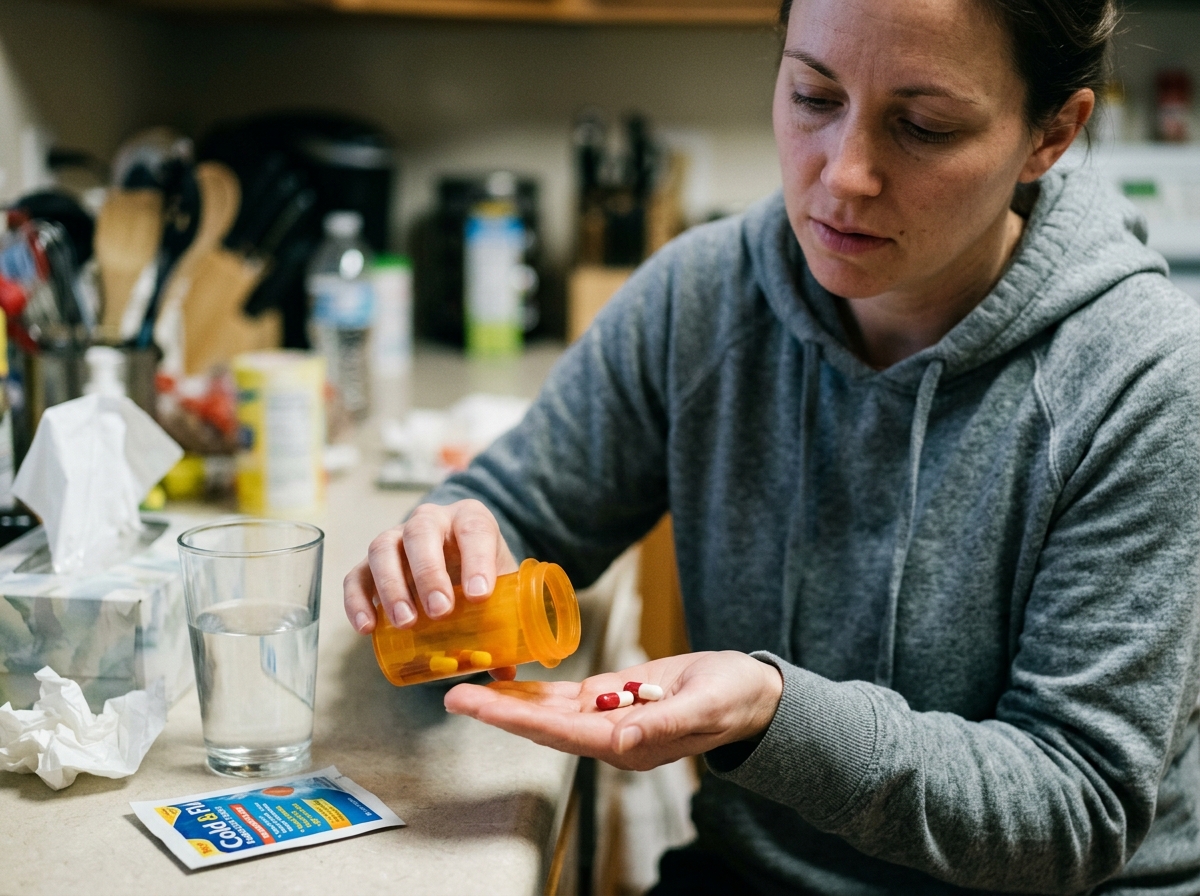
Antibiotic misuse itself may not always produce obvious symptoms, but it can lead to several health issues.
Common warning signs include:
- Frequent infections
- Recurring bacterial illnesses
- Persistent digestive problems
- Diarrhea after antibiotic use
- Nausea
- Stomach discomfort
- Increased sensitivity to medications
- Reduced effectiveness of future antibiotic treatments
Some people may experience repeated infections that no longer respond to medications that previously worked.
Others develop digestive symptoms because antibiotics can disturb the natural balance of beneficial bacteria in the gut.
In severe cases, antibiotic-resistant infections can become difficult to control and may require stronger medications, hospitalization, or prolonged treatment.
Possible Causes of Antibiotic Misuse
Several behaviors contribute to antibiotic misuse.
The most common causes include:
- Taking antibiotics without a prescription
- Using antibiotics for viral infections
- Stopping treatment too early
- Skipping doses
- Sharing antibiotics with family or friends
- Saving leftover antibiotics for future illnesses
- Using incorrect dosages
Many people stop taking antibiotics as soon as they feel better. Although symptoms may improve, some bacteria may still be present. Stopping treatment early allows surviving bacteria to continue growing and potentially develop resistance.
Self-medicating is another major cause. Taking antibiotics without proper medical guidance increases the risk of inappropriate treatment and unnecessary exposure to medication.
Lifestyle Factors That Increase Antibiotic Misuse

Certain habits and behaviors increase the likelihood of antibiotic misuse.
These include:
- Self-diagnosing illnesses
- Relying on internet advice instead of professional care
- Keeping leftover medications at home
- Expecting antibiotics for every illness
- Poor understanding of bacterial versus viral infections
- Lack of healthcare access
In many cases, individuals seek antibiotics because they want quick relief from symptoms. Unfortunately, inappropriate antibiotic use may create more problems than it solves.
Education plays a critical role in reducing misuse and protecting public health.
What Health Problems Can Result from Antibiotic Misuse?
Misusing antibiotics can contribute to several health complications.
Antibiotic Resistance
This is the most serious consequence.
Resistant bacteria can survive antibiotic treatment and continue multiplying, making future infections more difficult to treat.
Digestive Disorders
Antibiotics may disrupt healthy gut bacteria and contribute to:
- Diarrhea
- Bloating
- Digestive discomfort
- Changes in bowel habits
Recurrent Infections
Incomplete treatment may allow infections to return.
Allergic Reactions
Some individuals experience allergic reactions ranging from mild skin rashes to severe emergencies.
Increased Risk of Serious Infections
Antibiotic resistance can lead to infections that require stronger medications, longer hospital stays, and more complex treatments.
Care and Treatment

Treatment depends on the consequences of antibiotic misuse.
Healthcare providers may:
- Evaluate symptoms
- Identify resistant infections
- Prescribe alternative antibiotics if necessary
- Monitor recovery
- Address digestive complications
- Educate patients on proper antibiotic use
In cases of antibiotic-resistant infections, treatment may become more complicated and require specialized medical care.
Prevention remains the most effective strategy.
How Can I Use Antibiotics Safely?
Proper antibiotic use helps protect both individual and public health.
Follow Medical Advice
Only take antibiotics when prescribed by a qualified healthcare professional.
Complete the Full Course
Even if symptoms improve, continue treatment exactly as instructed.
Never Share Medications
A medication prescribed for one person may not be appropriate for another.
Do Not Save Leftover Antibiotics
Unused antibiotics should not be kept for future illnesses.
Understand Viral vs Bacterial Infections
Antibiotics do not treat:
- Common colds
- Flu
- Most sore throats
- Most viral respiratory infections
Practice Infection Prevention
Healthy habits reduce the need for antibiotics:
- Hand washing
- Vaccination
- Proper nutrition
- Adequate sleep
- Regular exercise
When Should I Contact a Healthcare Provider?
You should speak with a healthcare provider if:
- Symptoms do not improve during treatment
- Symptoms return after completing antibiotics
- You develop severe diarrhea
- You experience allergic reactions
- You have repeated infections
- You suspect antibiotic resistance
Seek immediate medical attention if you experience:
- Difficulty breathing
- Severe allergic reactions
- Swelling of the face or throat
- High fever with worsening symptoms
- Signs of serious infection
Antibiotics are powerful medications that have transformed modern medicine, but they must be used responsibly. Misusing antibiotics not only affects individual health but also contributes to the growing global problem of antibiotic resistance.
By taking antibiotics only when necessary, following prescriptions carefully, and understanding the difference between bacterial and viral infections, individuals can help preserve the effectiveness of these life-saving medications for future generations.
