
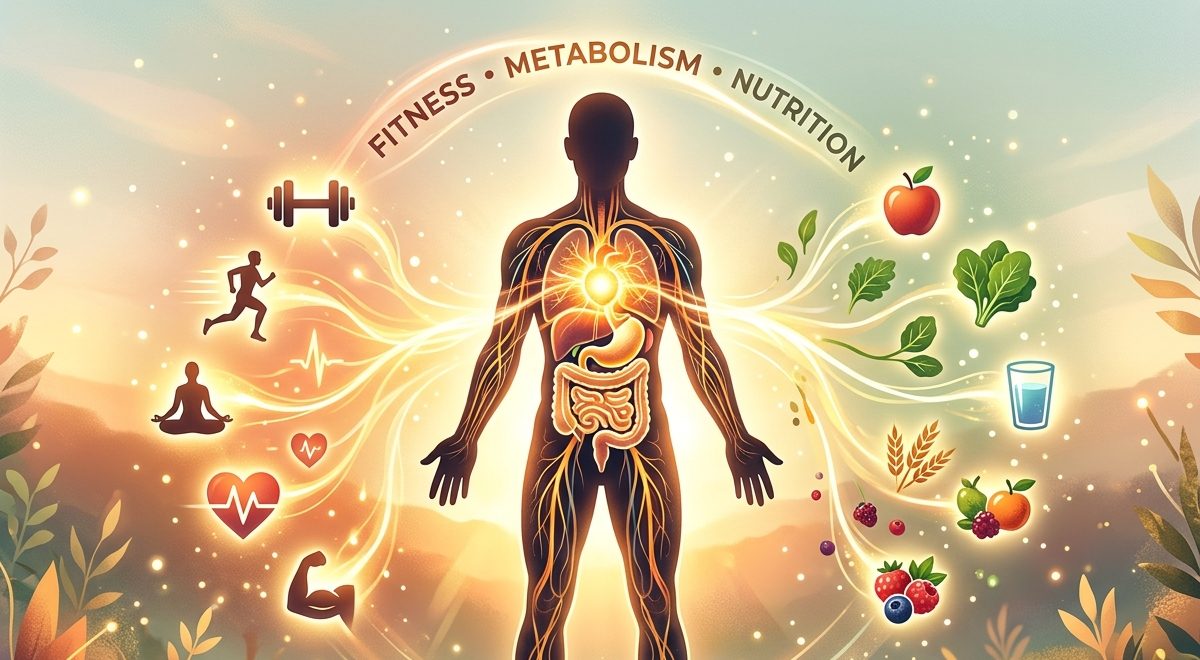
Living a healthy lifestyle in 2026 is more important than ever. Modern technology has made life more convenient, but it has also introduced new challenges to physical and mental health. Many people spend hours sitting in front of computers, using smartphones, working remotely, or relying on processed foods due to busy schedules. As a result, conditions such as obesity, diabetes, high blood pressure, heart disease, stress, and poor sleep are becoming increasingly common.
A healthy lifestyle is not about following extreme diets or spending hours in the gym. Instead, it involves making consistent daily choices that support your overall well-being. Small habits practiced every day can have a significant impact on your health over time.
The good news is that improving your health does not require complicated changes. By focusing on nutrition, movement, sleep, stress management, and preventive care, you can greatly improve your quality of life and reduce your risk of chronic disease.
The following healthy lifestyle tips can help you build a stronger, healthier, and more energetic life in 2026.
1. Eat More Whole Foods and Less Processed Food
One of the most effective ways to improve your health is to focus on eating whole, nutrient-dense foods. Whole foods include fruits, vegetables, legumes, nuts, seeds, whole grains, lean proteins, and healthy fats. These foods provide vitamins, minerals, fiber, and antioxidants that support nearly every function in the body.
Processed foods often contain excessive amounts of sugar, sodium, unhealthy fats, and artificial additives. While they may be convenient, consuming them regularly can contribute to weight gain, inflammation, digestive problems, and increased risk of chronic diseases.
In 2026, many nutrition experts continue to emphasize the importance of eating foods that are as close to their natural state as possible. Choosing fresh ingredients and preparing meals at home can help you control what goes into your body and improve overall nutrition.
Even small changes such as replacing sugary snacks with fruit, choosing whole grains over refined grains, and adding more vegetables to meals can make a noticeable difference in health.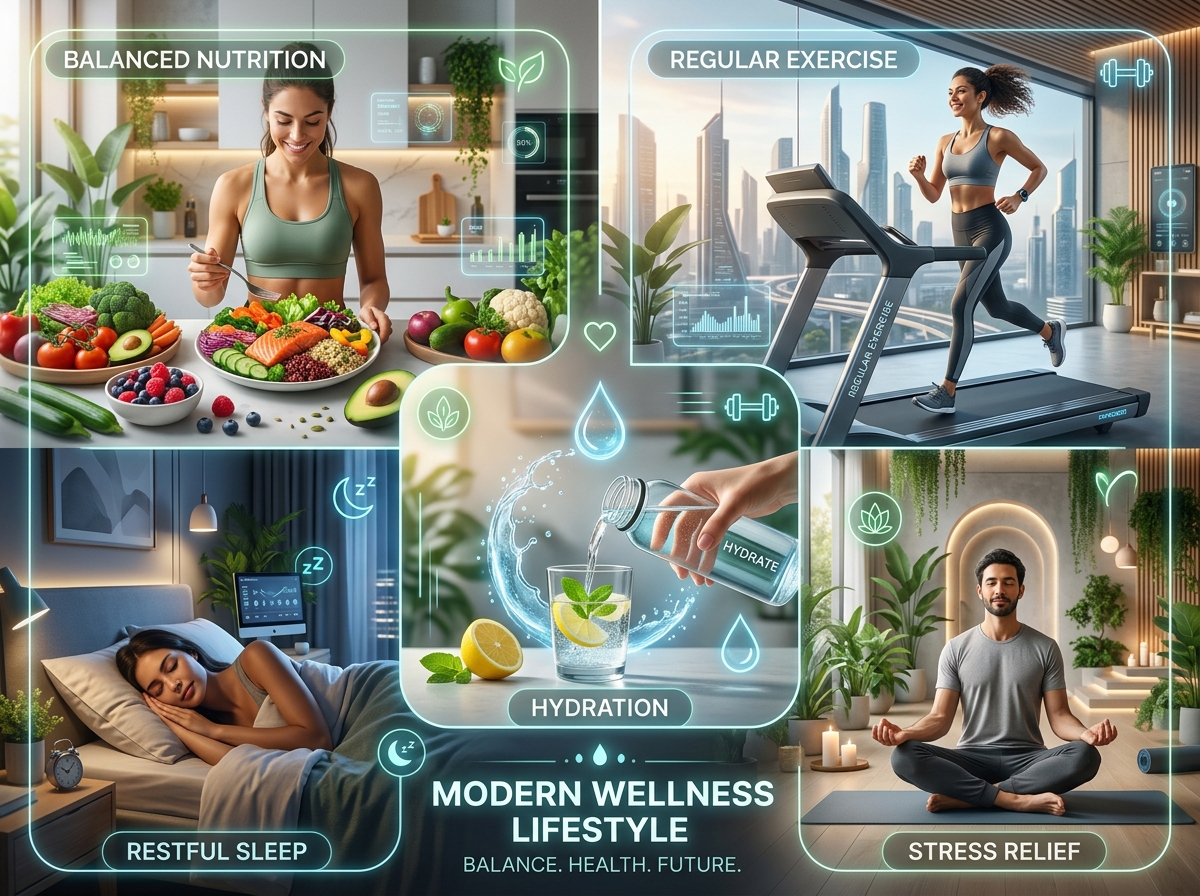
2. Stay Properly Hydrated Throughout the Day
Water is essential for life and plays a role in nearly every process within the body. It helps regulate temperature, transport nutrients, support digestion, lubricate joints, and remove waste products.
Many people underestimate the effects of mild dehydration. Even a small decrease in hydration levels can contribute to fatigue, headaches, poor concentration, dizziness, and reduced physical performance.
One of the simplest healthy habits in 2026 is carrying a reusable water bottle and drinking water consistently throughout the day. The body’s hydration needs vary depending on age, activity level, climate, and overall health, but most people benefit from drinking water regularly rather than waiting until they feel thirsty.
Replacing sugary beverages with water can also help reduce calorie intake and support weight management.
3. Prioritize Quality Sleep Every Night
Sleep is often overlooked, yet it is one of the most important pillars of good health. During sleep, the body repairs tissues, regulates hormones, consolidates memories, and restores energy.
Poor sleep has been linked to numerous health problems, including obesity, diabetes, high blood pressure, depression, anxiety, and weakened immune function.
Adults generally need between seven and nine hours of sleep each night. Consistency is just as important as duration. Going to bed and waking up at similar times each day helps regulate the body’s internal clock.
Creating a sleep-friendly environment can also improve sleep quality. This may include reducing screen time before bed, keeping the bedroom cool and quiet, and avoiding excessive caffeine late in the day.
]
4. Move Your Body Every Day
Physical activity is essential for maintaining a healthy body and mind. Regular movement strengthens the heart, muscles, bones, and lungs while also improving mood and reducing stress.
Many people believe they need intense workouts to see health benefits, but even moderate activities such as walking, cycling, gardening, stretching, or dancing can make a significant difference.
Modern lifestyles often involve long periods of sitting, whether at work, during travel, or while using electronic devices. Prolonged sitting has been associated with increased risk of obesity, cardiovascular disease, and metabolic disorders.
Finding enjoyable ways to stay active can help make exercise a sustainable part of daily life. Consistency is more important than perfection.
Regular movement not only supports physical health but also boosts energy levels, improves sleep quality, and enhances mental well-being.
5. Reduce Sugar Consumption
Excessive sugar intake remains a major health concern worldwide. Added sugars are commonly found in soft drinks, candies, desserts, packaged snacks, and many processed foods.
Consuming large amounts of sugar can contribute to weight gain, insulin resistance, type 2 diabetes, fatty liver disease, and tooth decay.
Many people are surprised to learn how much hidden sugar is present in everyday products. Reading food labels and becoming aware of ingredients can help reduce unnecessary sugar consumption.
Instead of relying on sugary foods for energy, focus on balanced meals that contain protein, fiber, and healthy fats. These nutrients help stabilize blood sugar levels and provide longer-lasting energy.
Reducing sugar intake does not mean eliminating all enjoyment from food. It simply involves making more mindful choices that support long-term health.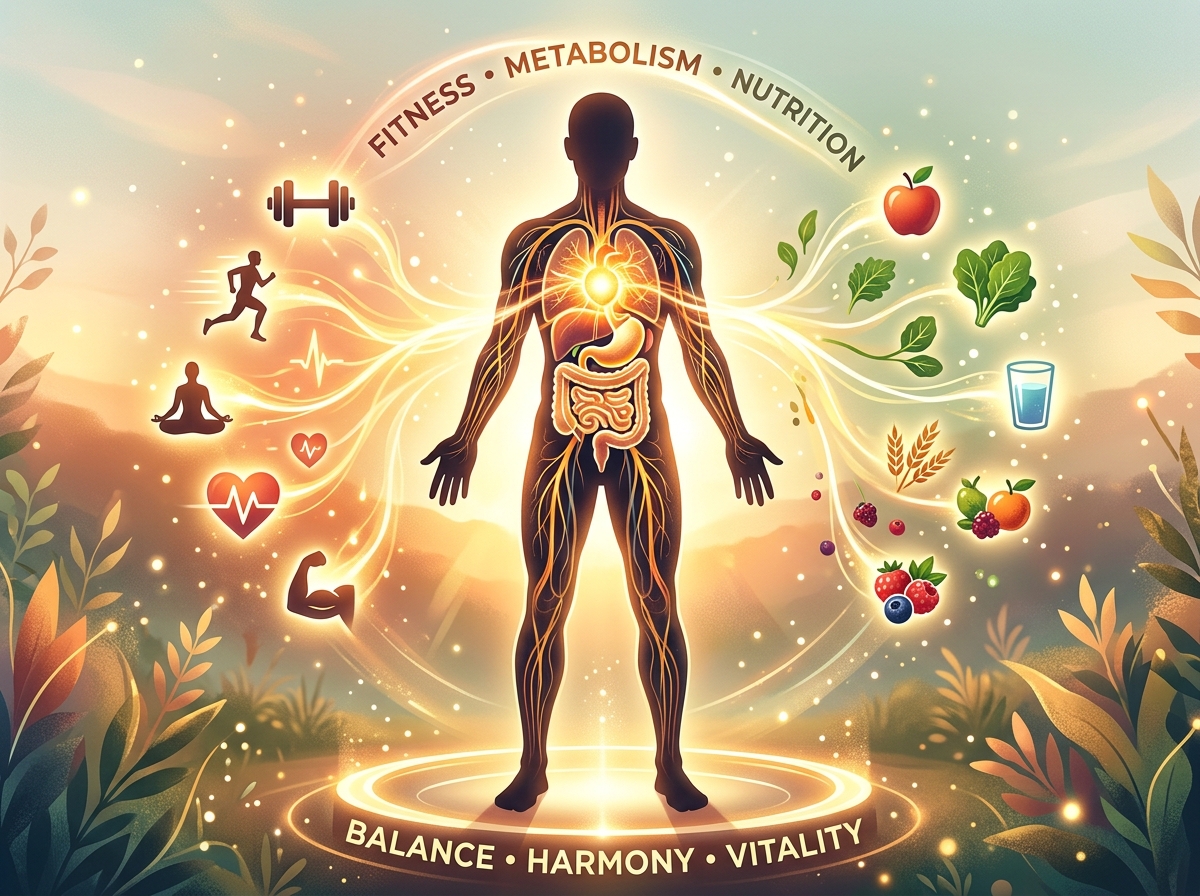
6. Manage Stress Before It Manages You
Stress is a normal part of life, but chronic stress can seriously damage your health if it is not managed properly. In 2026, stress levels are higher than ever due to fast-paced work environments, financial pressure, digital overload, and lack of downtime.
When stress becomes long-term, it can affect nearly every system in the body. It may increase blood pressure, disrupt sleep, weaken immunity, and contribute to weight gain and digestive problems. It can also affect mental health, leading to anxiety, irritability, and burnout.
Healthy stress management is not about eliminating stress completely but learning how to respond to it in a healthier way. Simple practices such as deep breathing, meditation, journaling, listening to calming music, or spending time in nature can help regulate the nervous system.
Even small daily habits like taking short breaks from screens or stepping outside for fresh air can reduce stress significantly over time.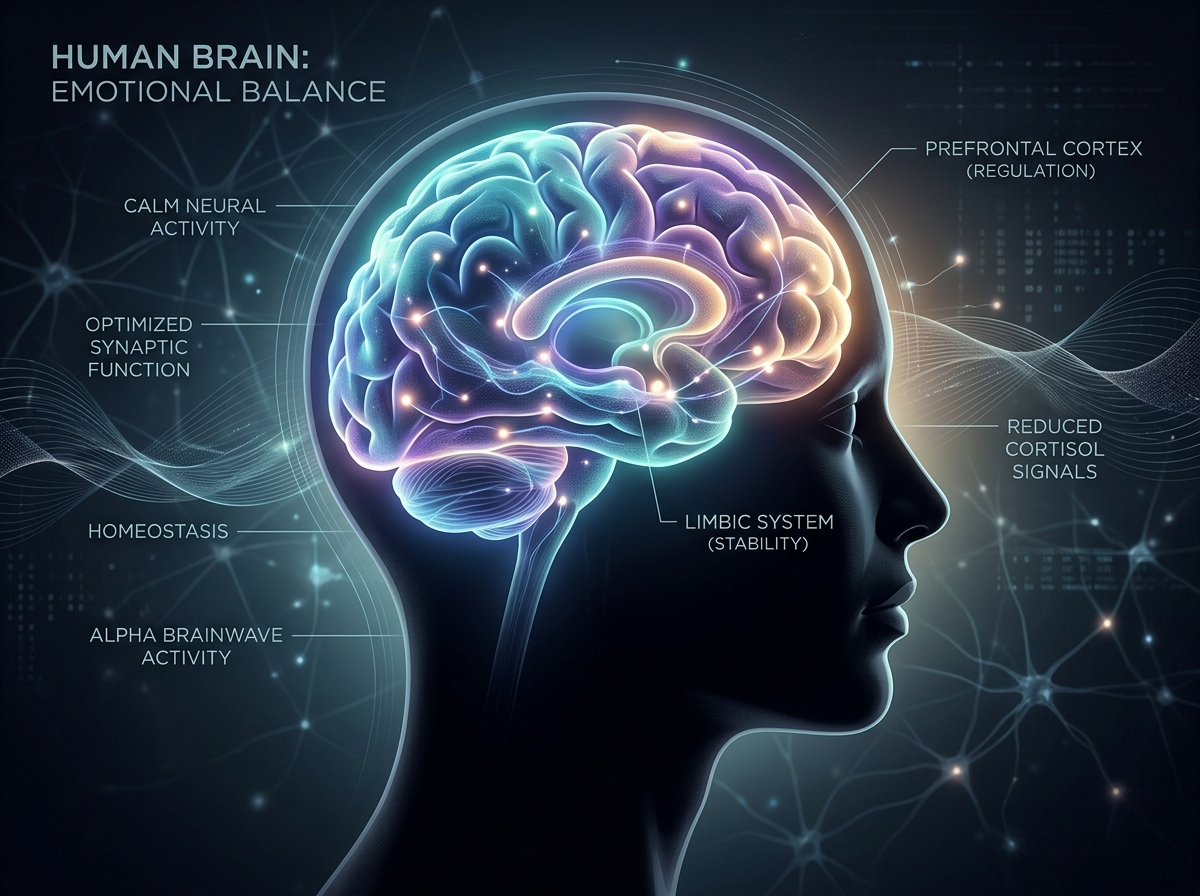
7. Protect Your Mental Health as Much as Physical Health
Mental health is just as important as physical health, yet it is often ignored. In modern life, people are constantly exposed to information, social media pressure, and high expectations, which can lead to mental exhaustion.
Good mental health supports clear thinking, emotional balance, better relationships, and improved physical health. Poor mental health, on the other hand, can affect sleep, appetite, energy levels, and motivation.
Taking care of mental health involves building emotional awareness and practicing self-care. This may include setting boundaries, talking to supportive people, reducing digital overload, and allowing time for rest.
Seeking help from a professional when needed is also a sign of strength, not weakness. Early support can prevent more serious mental health challenges later.
8. Avoid Smoking and Limit Alcohol Intake
Smoking and excessive alcohol consumption remain major risk factors for many chronic diseases. In 2026, health awareness continues to highlight their long-term impact on the body.
Smoking damages the lungs, heart, and blood vessels. It increases the risk of cancer, respiratory diseases, and cardiovascular problems. It also reduces oxygen supply in the body, leading to fatigue and reduced physical performance.
Alcohol, when consumed in excess, can affect liver function, brain health, and metabolism. It may also contribute to weight gain, poor sleep, and increased risk of accidents or injuries.
Reducing or eliminating these habits can lead to rapid improvements in health. The body begins to recover quickly once harmful substances are reduced or stopped.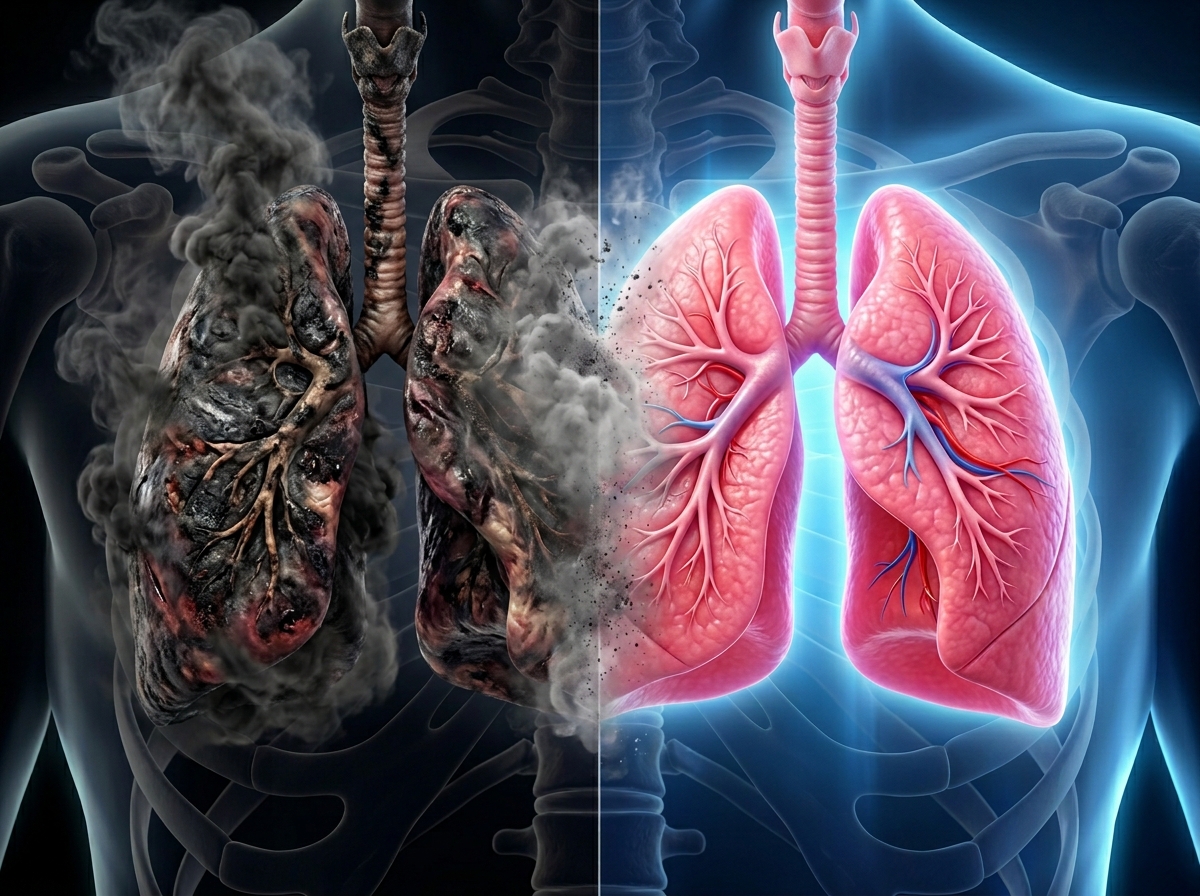
9. Maintain a Healthy Body Weight Naturally
Maintaining a healthy weight is not about appearance but about overall health. Excess body fat, especially around the abdomen, is linked to conditions such as diabetes, heart disease, fatty liver, and hormonal imbalance.
Healthy weight management comes from consistent habits rather than extreme dieting. Balanced nutrition, regular physical activity, proper sleep, and stress control all work together to maintain a healthy metabolism.
Crash diets or extreme restrictions may lead to short-term weight loss, but they are not sustainable and often lead to weight regain.
A long-term approach focuses on lifestyle balance. Eating nutrient-rich foods, staying active daily, and building consistent routines are the most effective ways to maintain a healthy weight.
10. Go for Regular Health Checkups
Preventive healthcare is one of the most important aspects of a healthy lifestyle in 2026. Regular checkups help identify potential health issues before they become serious.
Many chronic diseases such as high blood pressure, diabetes, and high cholesterol develop silently without obvious symptoms. Routine screenings allow early detection and timely treatment.
Health checkups may include blood pressure monitoring, blood sugar tests, cholesterol tests, and general physical examinations.
By staying informed about your health status, you can make better lifestyle decisions and prevent complications in the future.
Conclusion
A healthy lifestyle in 2026 is built on simple but powerful habits. Eating nutritious foods, staying active, sleeping well, managing stress, and avoiding harmful behaviors all work together to support long-term health.
The key is consistency rather than perfection. Even small daily improvements can lead to significant changes over time. Modern life may be busy and demanding, but prioritizing health ensures better energy, stronger immunity, and improved quality of life.
By making conscious choices every day, anyone can build a healthier and more balanced future.
