
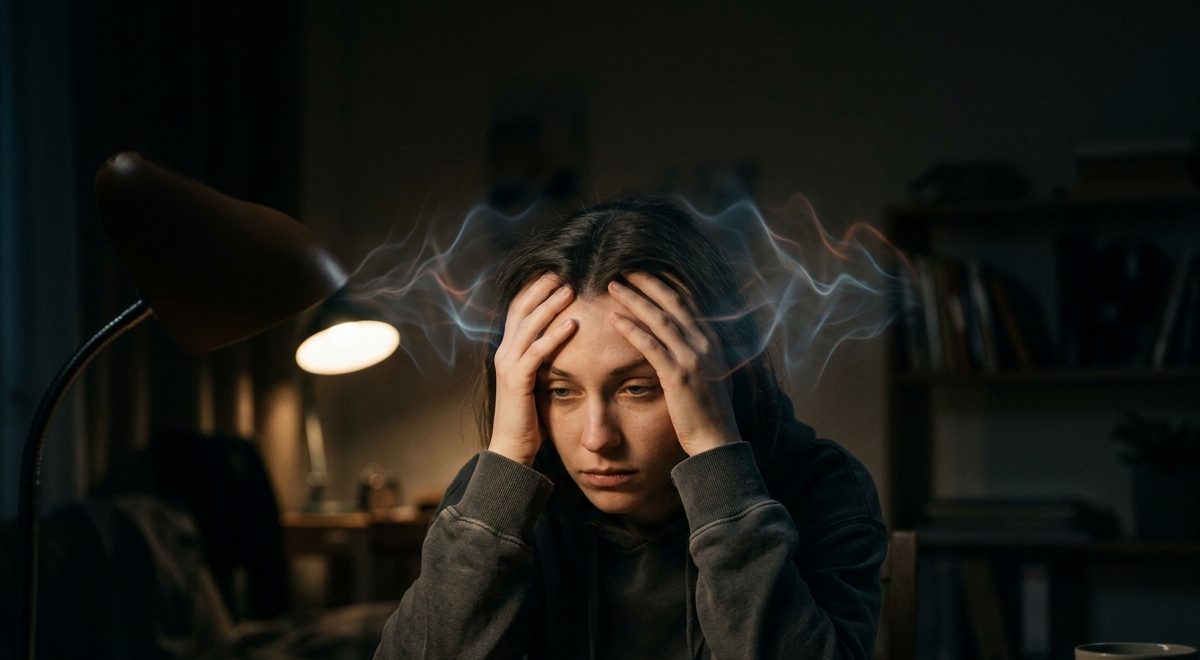
Anxiety Impacts More Than Emotions
Anxiety does not stay limited to thoughts. Long-term stress affects multiple organs and body systems simultaneously.
This is why chronic anxiety often creates widespread physical discomfort that many people fail to connect with mental stress.
Anxiety and the Digestive System
The gut and brain are strongly connected.
When anxiety increases, digestion often slows down or becomes disrupted. Stress hormones affect stomach acid, gut movement, and digestion.
Common digestive symptoms include:
- Nausea
- Bloating
- Acid reflux
- Stomach pain
- Loss of appetite
This explains why emotional stress often creates stomach discomfort.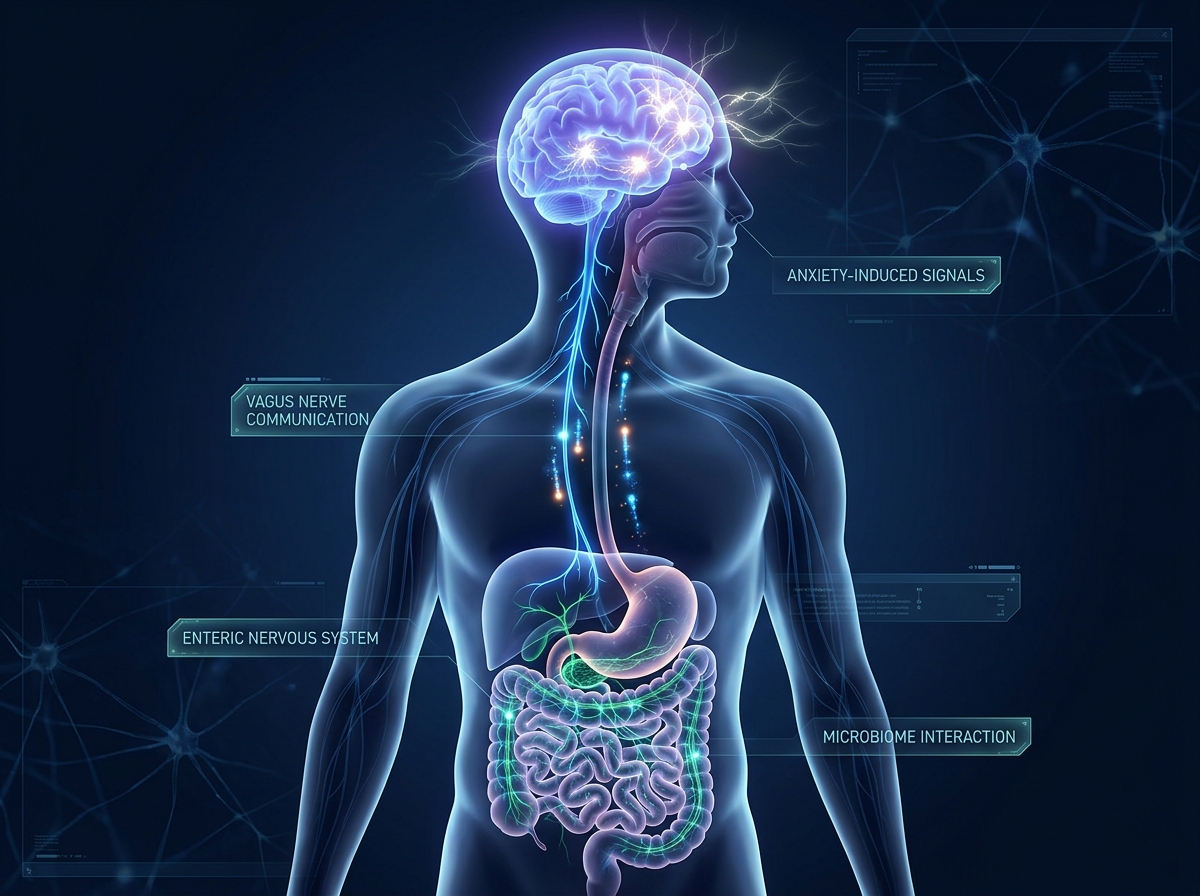
Anxiety and the Heart
Anxiety activates adrenaline, which increases heart rate and blood pressure temporarily.
This may cause:
- Rapid heartbeat
- Chest tightness
- Palpitations
- Feeling breathless
Although anxiety symptoms can feel frightening, they are often caused by the body’s stress response.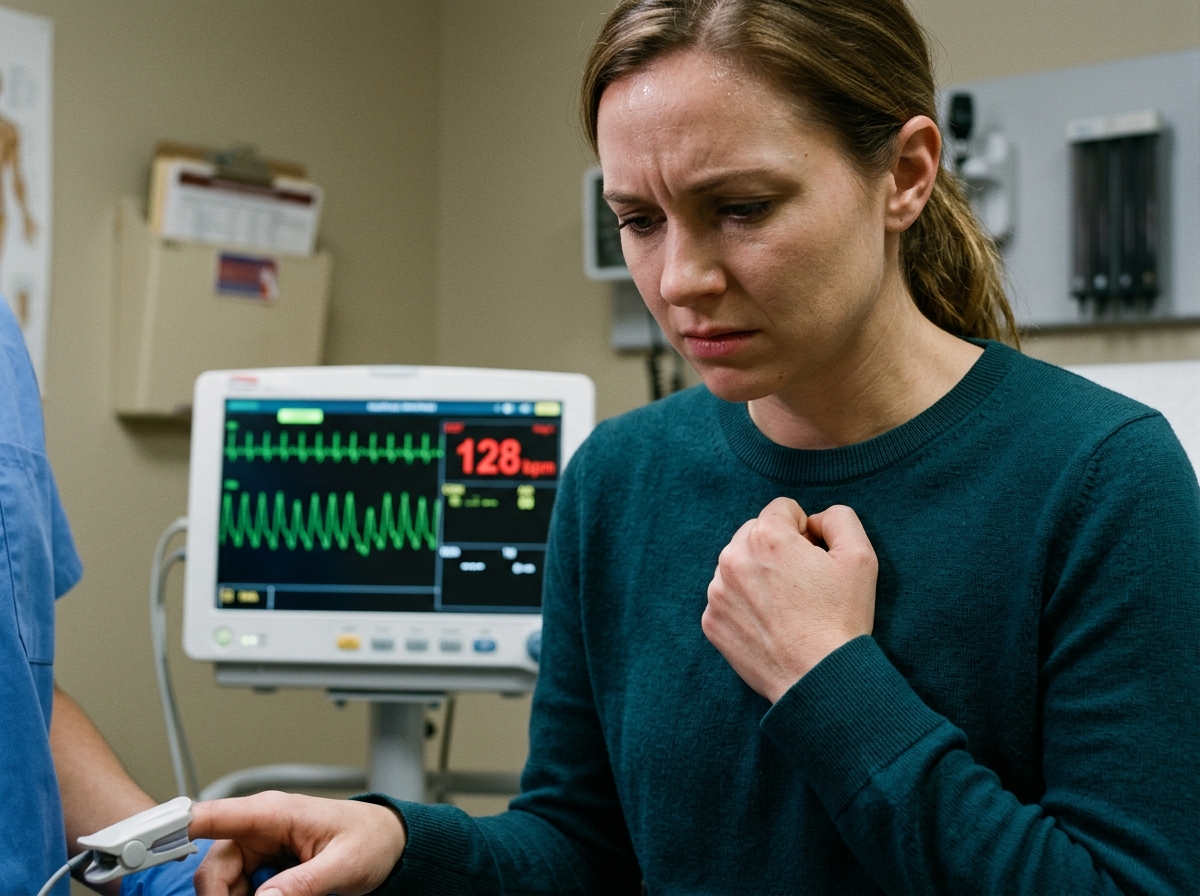
Anxiety and Breathing Patterns
Anxious breathing tends to become fast and shallow.
This reduces oxygen balance in the body and may lead to:
- Dizziness
- Lightheadedness
- Tingling sensations
- Feeling unable to breathe deeply
Anxiety and Sleep Problems
The anxious brain struggles to relax at night.
Overthinking and elevated stress hormones interfere with deep sleep, causing:
- Insomnia
- Frequent waking
- Poor sleep quality
- Morning exhaustion
Without proper sleep, anxiety symptoms become even stronger.
Anxiety and Muscle Tension
Stress causes muscles to remain tight for long periods.
This may create:
- Neck pain
- Shoulder tension
- Jaw tightness
- Headaches
- Body aches
Chronic muscle tension is one of the most common physical signs of anxiety.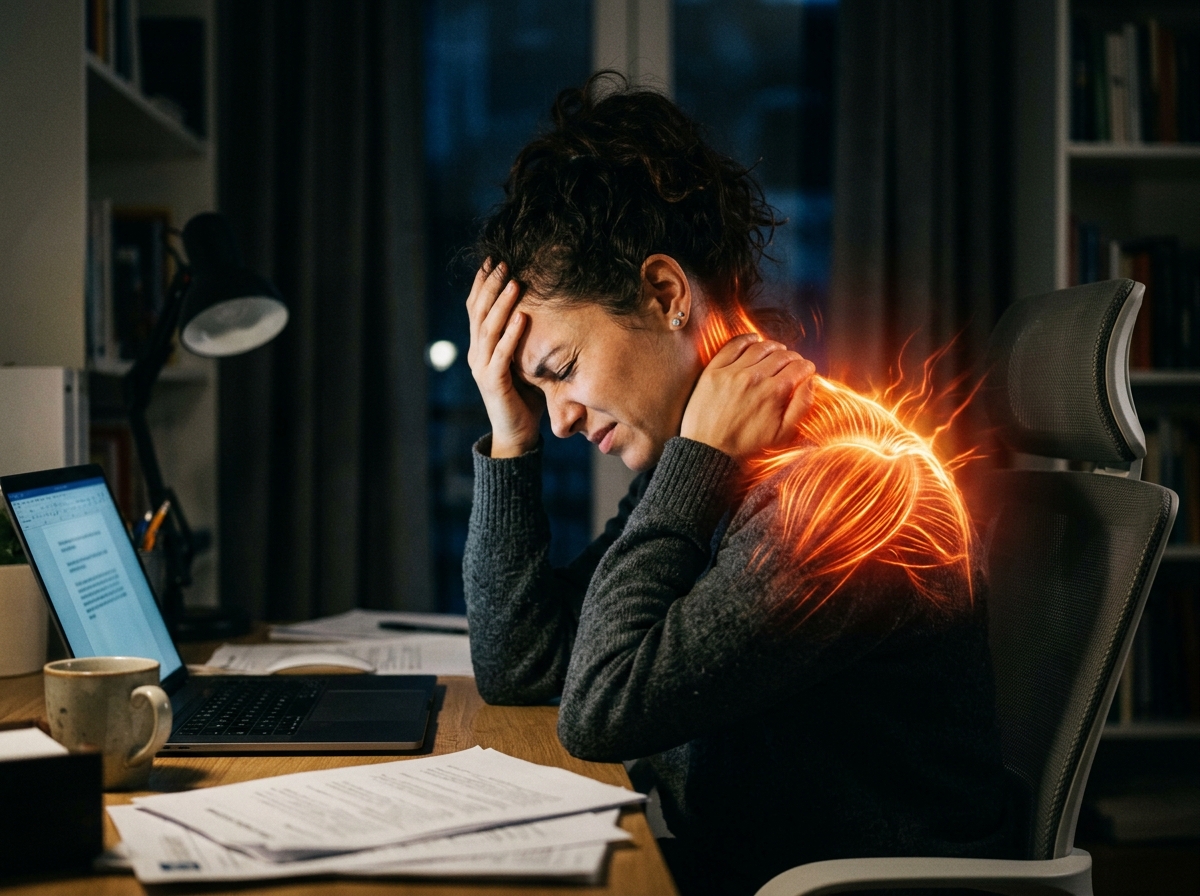
Health Problems Linked to Chronic Anxiety
If anxiety continues for long periods, it may contribute to:
- Chronic fatigue
- Digestive disorders
- High stress hormone levels
- Weak immune function
- Burnout and emotional exhaustion
The body becomes overwhelmed from continuous stress activation.
Anxiety affects nearly every major system in the body. Digestive issues, chest discomfort, sleep problems, and muscle tension are all common physical responses to chronic stress.
The Body Can Recover From Anxiety
Although anxiety strongly affects the body, recovery is possible when the nervous system receives proper support and rest.
Healing does not happen instantly, but consistent lifestyle changes can gradually calm the body and restore balance.
Calming the Nervous System Naturally
The nervous system needs periods of safety and calmness to recover.
Slow breathing, quiet environments, relaxation, and emotional rest help reduce stress signals in the body.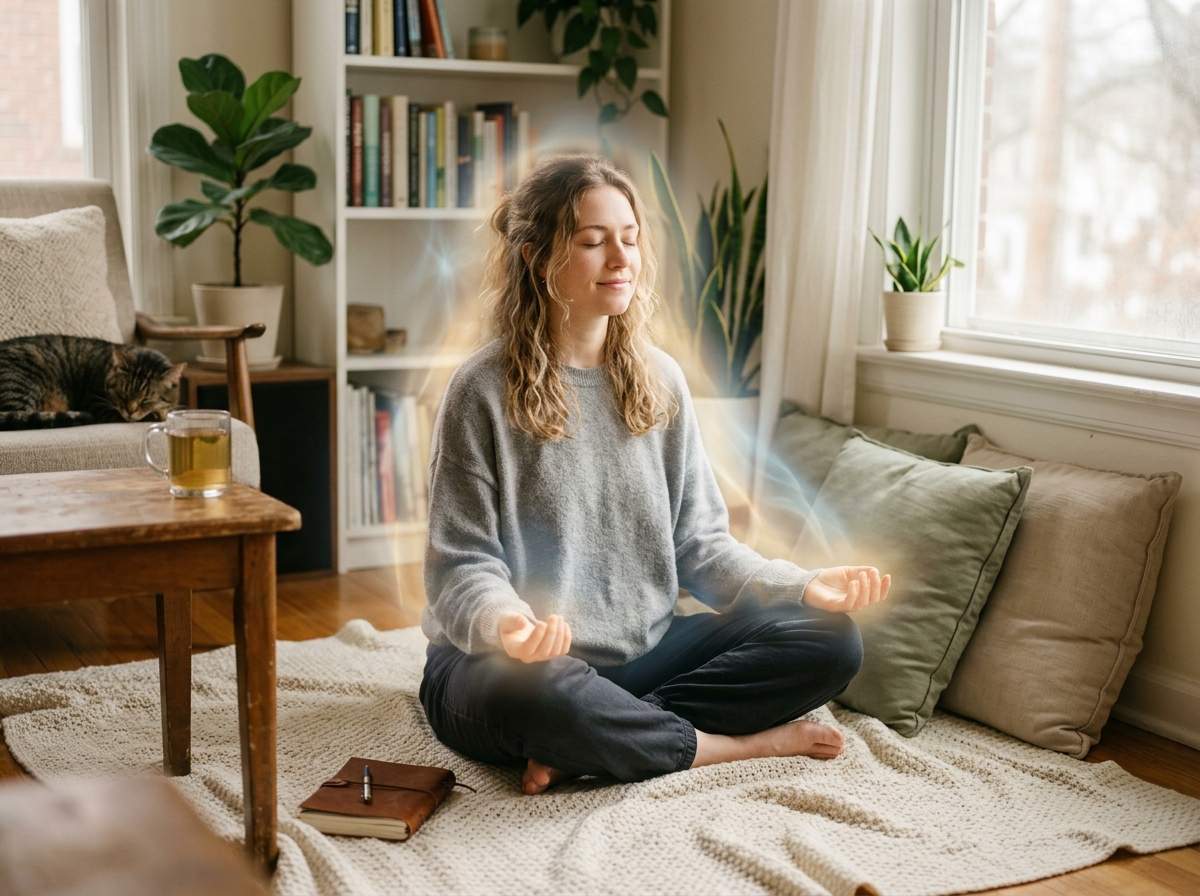
Sleep and Anxiety Recovery
Sleep is essential for nervous system healing.
Deep sleep helps regulate stress hormones and improves emotional balance. Without quality sleep, the body struggles to recover from anxiety.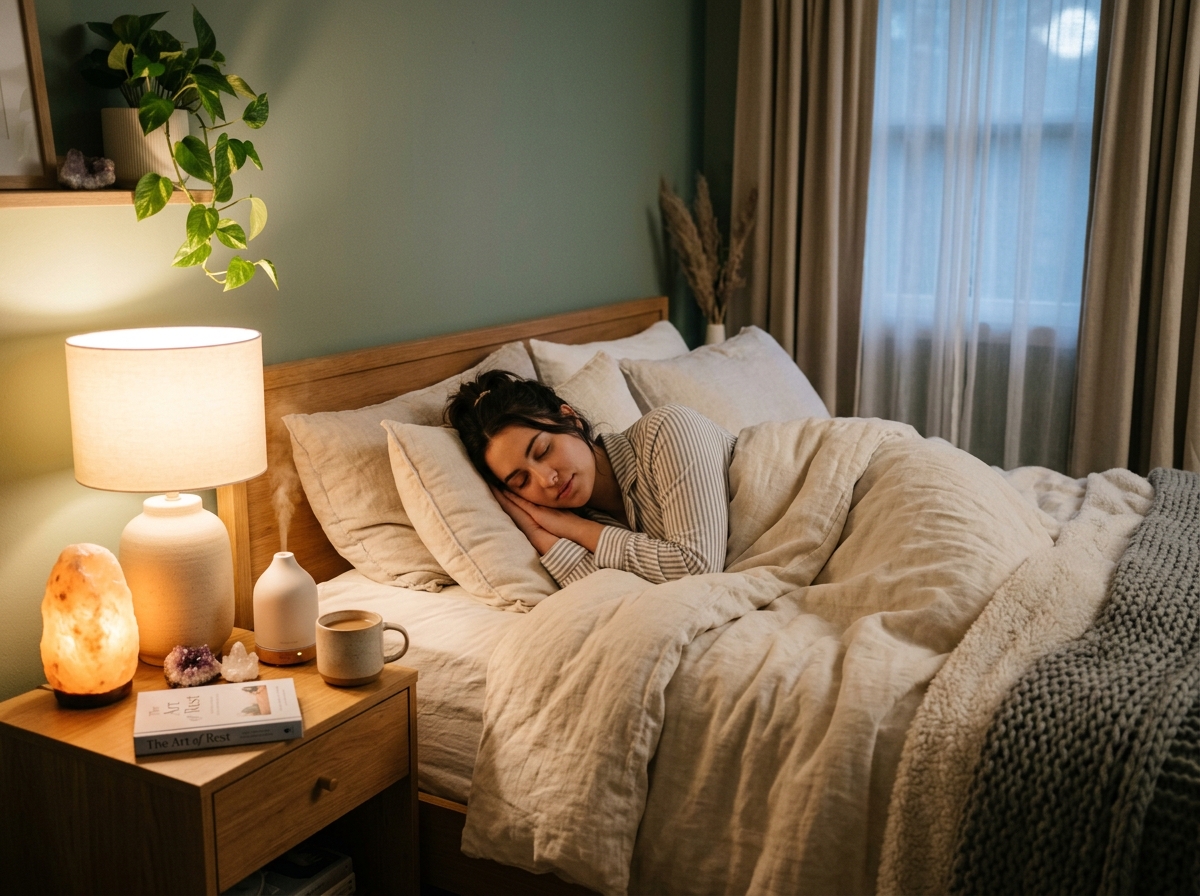
Movement and Stress Release
Physical movement helps release built-up stress hormones from the body.
Walking, stretching, and gentle exercise improve circulation and calm the nervous system naturally.
Nutrition and Emotional Health
The brain and nervous system require nutrients to function properly.
Poor nutrition, dehydration, and excessive caffeine can worsen anxiety symptoms and increase nervous system sensitivity.
Reducing Overstimulation
Constant noise, screens, multitasking, and emotional overload increase anxiety.
Creating calm routines and reducing overstimulation gives the brain time to recover.
Helpful Daily Habits for Anxiety Recovery
Helpful habits include:
- Getting enough sleep
- Deep breathing exercises
- Staying physically active
- Reducing screen time
- Managing emotional stress
- Eating balanced meals
Small consistent habits help calm the body over time.
Long-Term Benefits of Nervous System Recovery
As anxiety improves, people often notice:
- Better sleep
- Reduced chest tightness
- Improved digestion
- More stable emotions
- Increased energy
- Better concentration
The body begins functioning more normally again.
Anxiety affects the body because the nervous system treats emotional stress like physical danger. Chronic anxiety places continuous pressure on the brain and body, leading to real physical symptoms.
By understanding the connection between anxiety and physical health, it becomes possible to support recovery naturally and restore long-term balance.
