

Understanding Burnout and the Early Signs of Mental Exhaustion
Why Mental Exhaustion Is Becoming More Common
Modern life places constant pressure on the human mind. Endless responsibilities, emotional stress, digital overload, work pressure, and lack of proper rest have made mental exhaustion one of the most common health problems today.
Many people continue functioning while emotionally drained, believing they are simply “busy” or “tired.” However, burnout is much deeper than ordinary tiredness. It is a state of emotional, physical, and mental depletion caused by long-term stress and overstimulation.
Burnout affects how the brain functions, how the body produces energy, and how emotions are regulated. If ignored, it can slowly impact every aspect of life, including relationships, health, productivity, and overall happiness.
Understanding the early warning signs is important because the body and mind always signal distress before reaching complete exhaustion.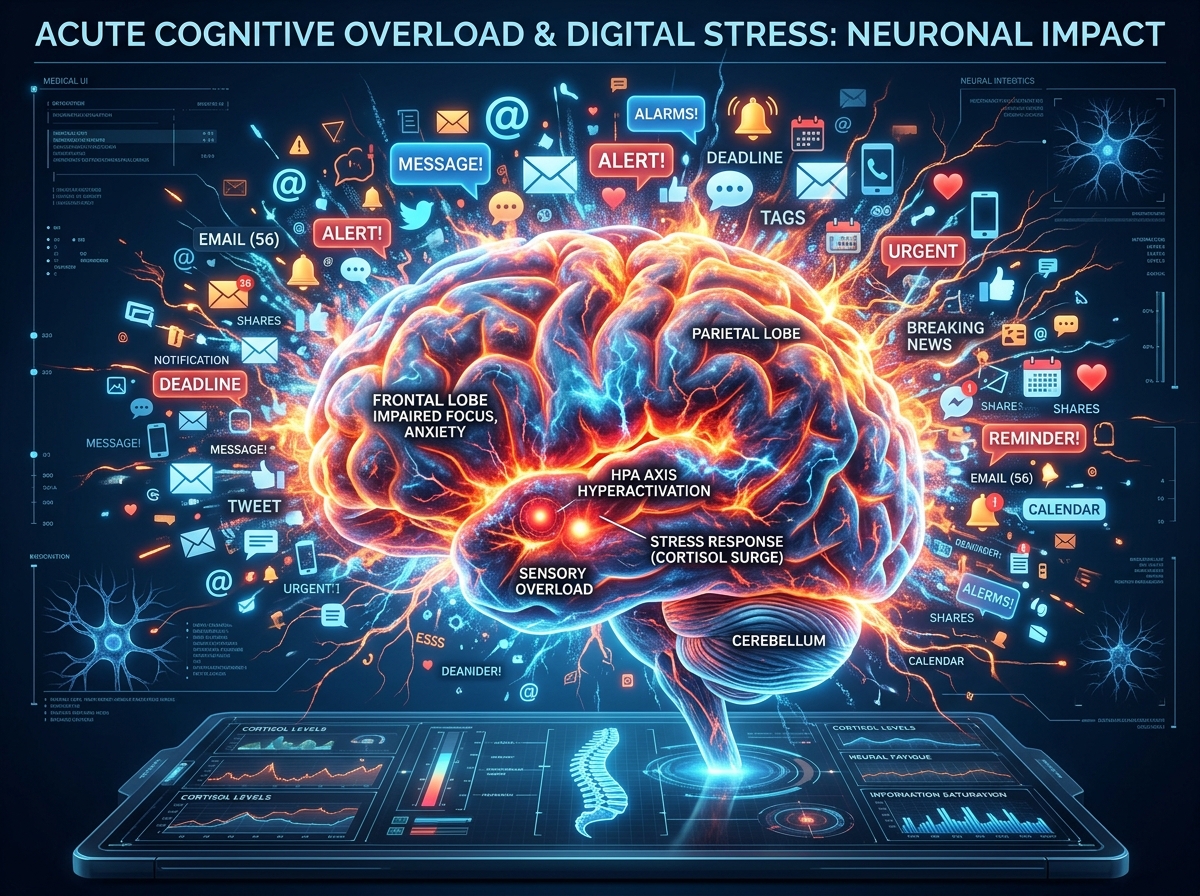
What Is Burnout and Mental Exhaustion?
Burnout occurs when the nervous system remains under continuous pressure without enough recovery. The brain becomes overwhelmed, stress hormones stay elevated, and emotional energy gradually decreases.
Mental exhaustion is the stage where the mind feels overloaded and unable to process information effectively. Even simple tasks may start feeling difficult.
Unlike physical tiredness, mental exhaustion does not always improve with one night of sleep. The brain and nervous system require deeper recovery.
Early Symptoms You Should Never Ignore
The body and brain begin sending subtle warning signs before severe burnout develops.
Common early symptoms include:
- Constant mental fatigue
- Feeling emotionally drained
- Difficulty concentrating
- Increased irritability
- Lack of motivation
- Feeling overwhelmed easily
These signs are often dismissed as temporary stress, but they indicate that the nervous system is under pressure.
Why Burnout Feels Physical
Mental stress directly affects the body. When stress hormones remain elevated for long periods, the body enters a constant “survival mode.”
This can lead to:
- Muscle tension
- Fatigue
- Headaches
- Digestive issues
- Poor sleep quality
The mind and body are deeply connected, which is why emotional exhaustion often becomes physical exhaustion.
The Role of Digital Overload
Constant notifications, social media exposure, multitasking, and excessive screen time overstimulate the brain.
The brain never gets enough quiet recovery time, leading to mental fatigue and reduced focus.
Digital overload has become one of the biggest modern contributors to burnout.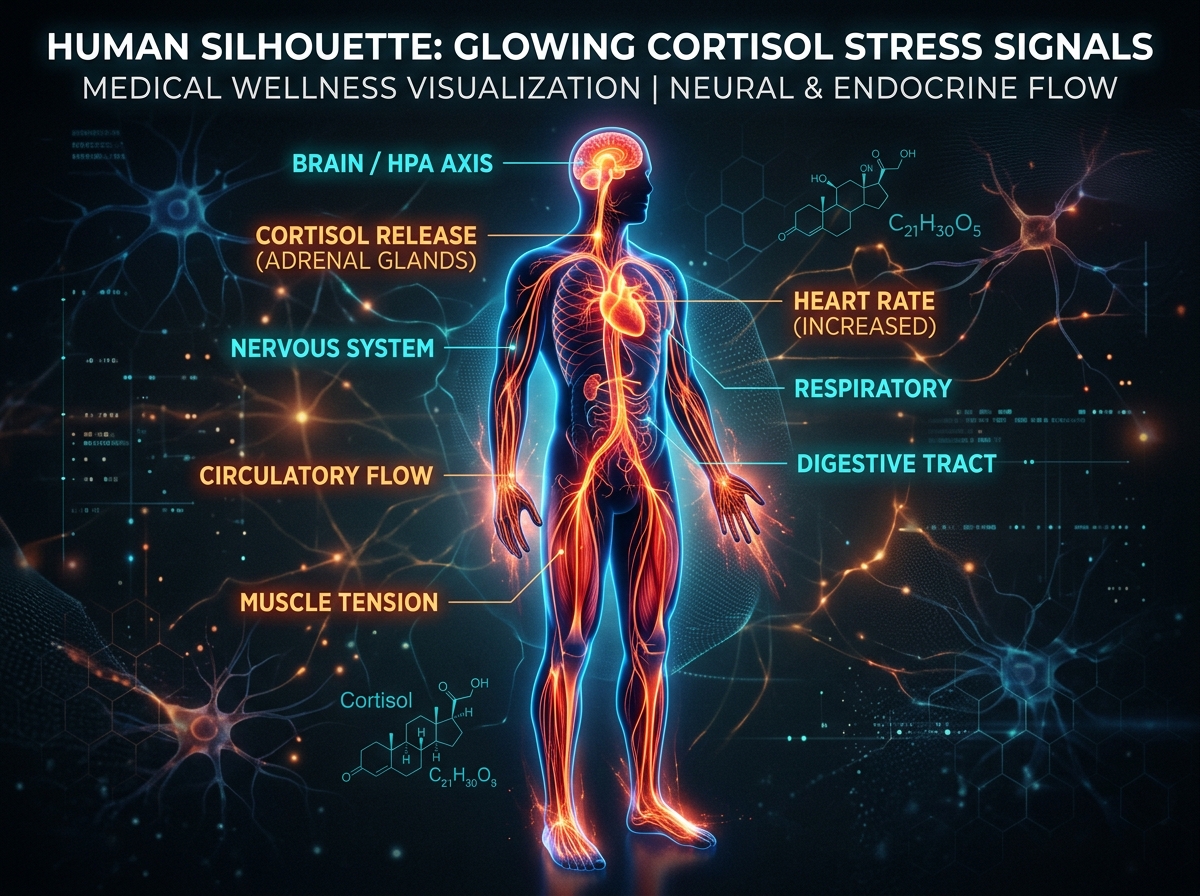
How Stress Hormones Affect the Brain
Chronic stress increases cortisol levels, which affects memory, mood, concentration, and emotional balance.
Over time, high cortisol levels can leave the brain feeling foggy, slow, and emotionally unstable.
Burnout begins silently through small emotional and mental warning signs. Recognizing these symptoms early is essential before exhaustion becomes severe.
Causes of Burnout and the Health Problems It Can Create
Burnout Does Not Happen Overnight
Burnout develops gradually over time. It is usually the result of prolonged emotional pressure, lack of recovery, and constant mental stimulation.
The body and brain can handle stress temporarily, but continuous overload without balance eventually weakens both physical and mental health.
Major Causes of Burnout and Mental Exhaustion
1. Chronic Stress
Long-term stress from work, family pressure, emotional struggles, or financial problems keeps the nervous system constantly activated.
The brain never fully relaxes, leading to exhaustion.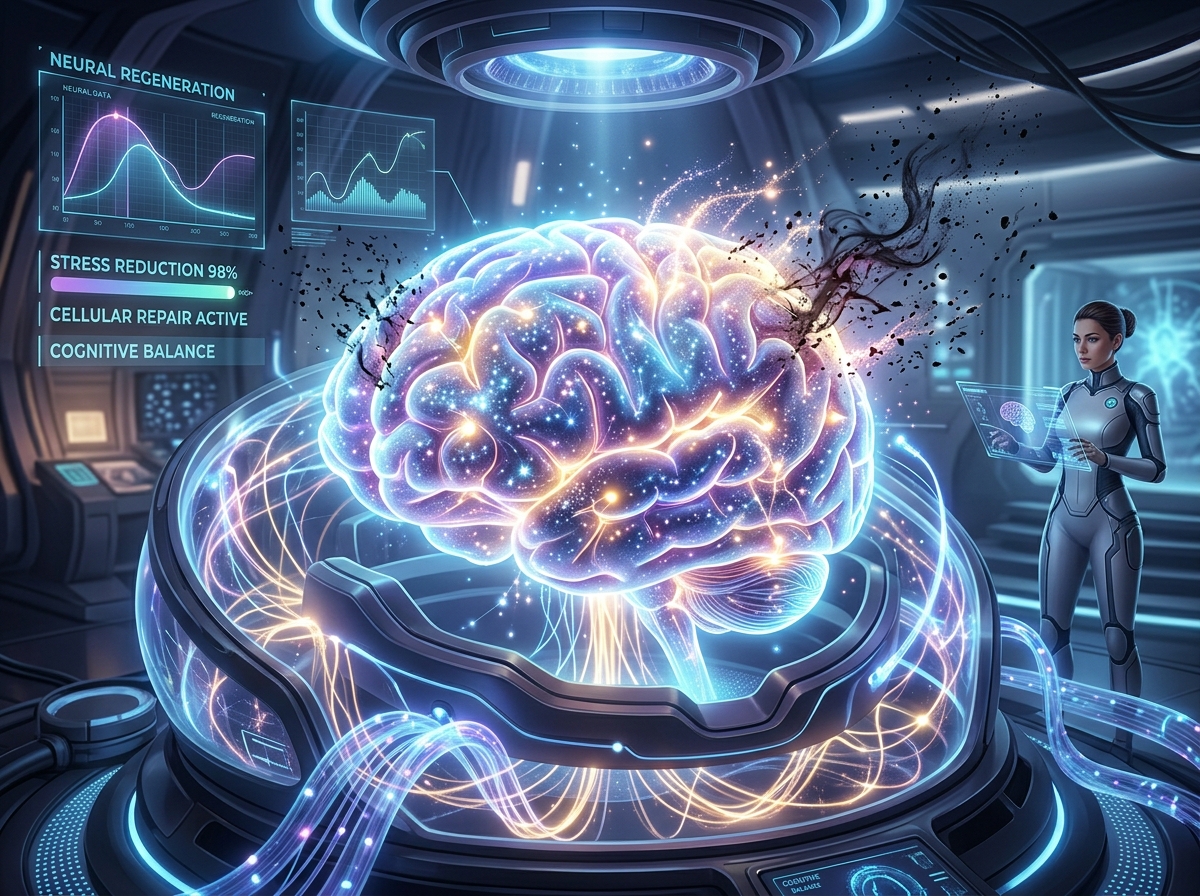
2. Lack of Rest and Recovery
Many people rest physically but not mentally. Constant thinking, worrying, and overstimulation prevent the brain from recovering properly.
3. Emotional Overload
Suppressing emotions, carrying emotional responsibilities, or experiencing emotional conflict drains mental energy over time.
4. Poor Sleep Quality
Sleep is essential for brain repair. Poor sleep disrupts emotional regulation and cognitive recovery.
5. Unhealthy Lifestyle Habits
Poor diet, lack of movement, dehydration, and excessive screen time worsen mental fatigue.
Health Problems Linked to Burnout
When burnout continues for long periods, it begins affecting multiple body systems.
Common related problems include:
- Anxiety and panic symptoms
- Depression and emotional numbness
- Digestive issues
- Hormonal imbalance
- Chronic fatigue
- Weak immune function
Burnout weakens the body’s ability to maintain internal balance.
Mental Effects of Severe Exhaustion
Mental exhaustion changes how the brain processes emotions and thoughts.
People may experience:
- Brain fog
- Forgetfulness
- Reduced creativity
- Low emotional tolerance
- Feeling disconnected from life
Even enjoyable activities may stop feeling rewarding.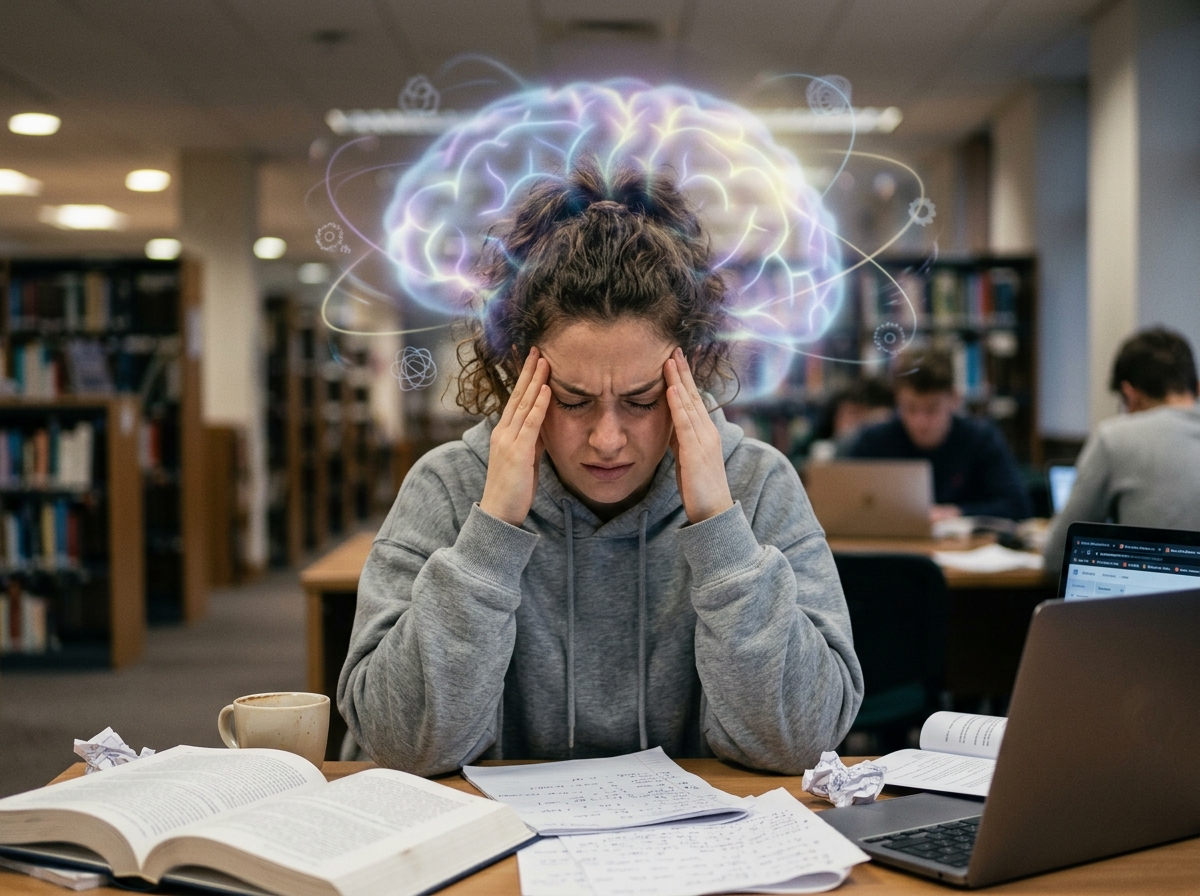
Physical Symptoms Caused by Burnout
Burnout often creates physical discomfort because stress hormones affect circulation, muscles, digestion, and sleep.
Physical symptoms include:
- Chest tightness
- Frequent headaches
- Muscle pain
- Stomach discomfort
- Constant tiredness
Why Modern Life Increases Burnout
Modern routines rarely allow true mental recovery. People are constantly connected to work, screens, and information.
The brain stays active all day, leaving little space for calmness and restoration.
Burnout is caused by continuous emotional and mental overload. If ignored, it can affect both physical and psychological health deeply.
Natural Recovery, Mental Healing, and Long-Term Balance
The Brain and Body Can Recover
Although burnout feels overwhelming, recovery is possible when the brain and nervous system are given proper support.
Healing begins by reducing overload and rebuilding physical and emotional balance gradually.
Restoring Mental Energy Naturally
Mental recovery requires more than sleeping longer. The nervous system needs calmness, emotional rest, and reduced stimulation.
Creating quiet moments during the day helps the brain reset.
Sleep and Nervous System Repair
Quality sleep is one of the most important tools for mental healing.
During sleep, the brain repairs emotional stress, restores hormones, and improves cognitive function.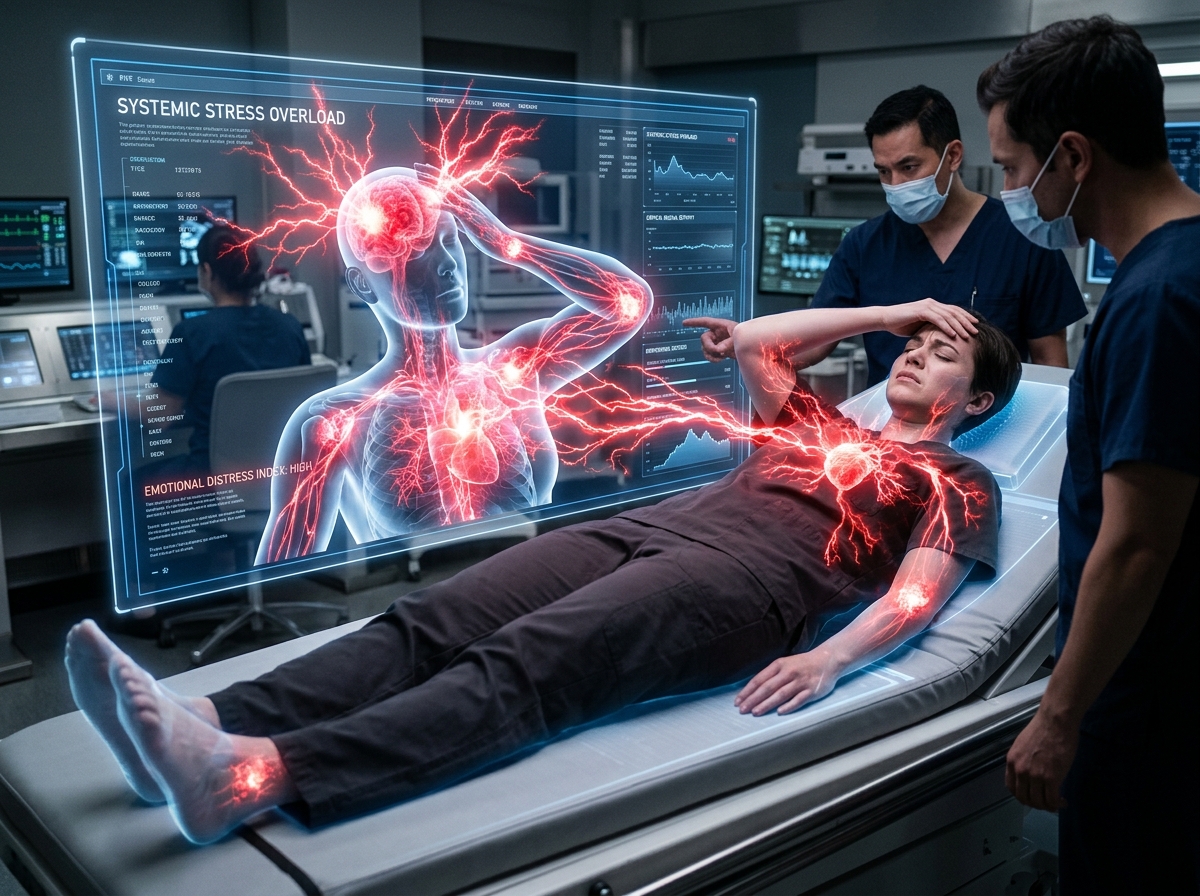
Reducing Digital Overload
Limiting screen exposure and constant notifications gives the brain time to recover from overstimulation.
Mental silence is essential for emotional healing.
Nutrition and Brain Health
The brain depends on nutrients to function properly. Balanced meals support mood, concentration, and energy production.
Dehydration and nutrient deficiencies can worsen mental exhaustion.
Physical Movement and Emotional Recovery
Movement improves circulation and helps release stress hormones from the body.
Walking, stretching, and gentle activity can improve emotional balance significantly.
Simple Daily Habits for Mental Recovery
Helpful habits include:
- Getting proper sleep
- Reducing screen time
- Taking mental breaks
- Staying physically active
- Managing emotional stress
Consistency matters more than perfection.
Long-Term Benefits of Recovery
As burnout improves, the brain becomes clearer, emotions stabilize, and energy gradually returns.
People often experience:
- Better focus
- Improved mood
- Stronger motivation
- Emotional calmness
- Better sleep quality
Burnout and mental exhaustion are serious warning signals from the mind and body. They develop slowly through chronic stress, emotional overload, and lack of recovery.
By understanding the symptoms early and supporting mental health naturally, it is possible to restore emotional balance, energy, and overall well-being.
