
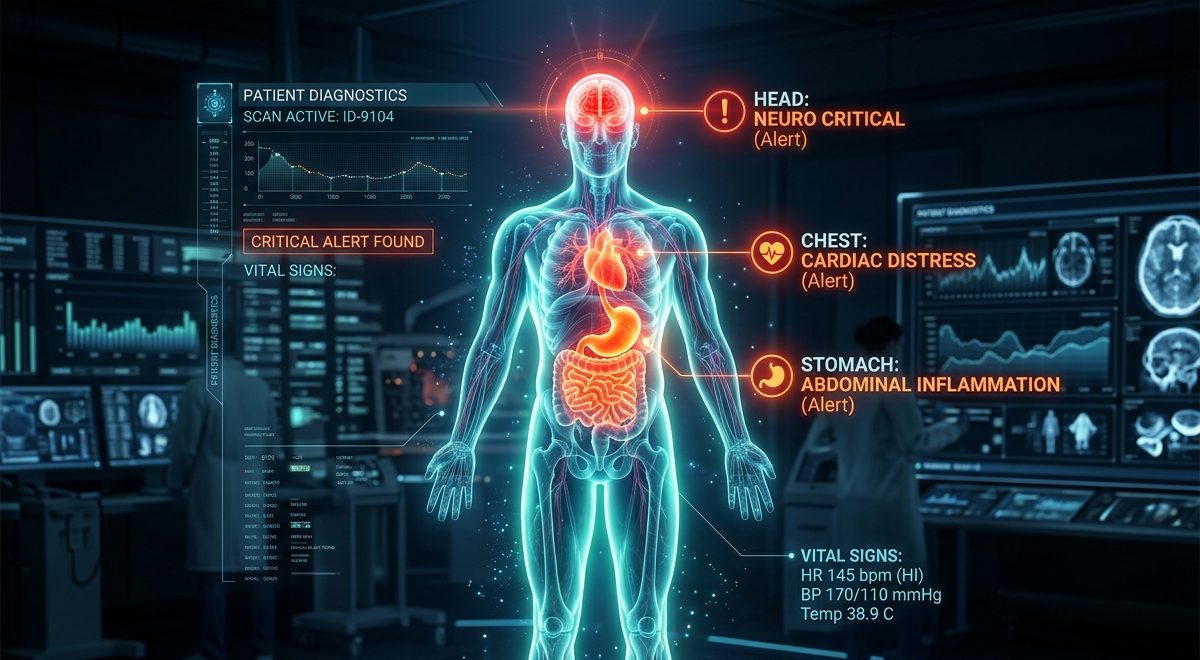
Understanding the Body’s Warning Signals and Early Signs of Imbalance
Your Body Is Always Communicating With You
The human body constantly sends signals about its internal condition. Fatigue, headaches, digestive discomfort, mood swings, skin problems, and unexplained weight changes are not random events. They are often messages from the body indicating that something needs attention.
Many people ignore these warning signs because they seem small or temporary. However, the body usually starts with subtle symptoms before developing more serious health problems. These signals are the body’s way of protecting itself and asking for support.
Understanding these signs early can help prevent long-term complications and improve overall health naturally.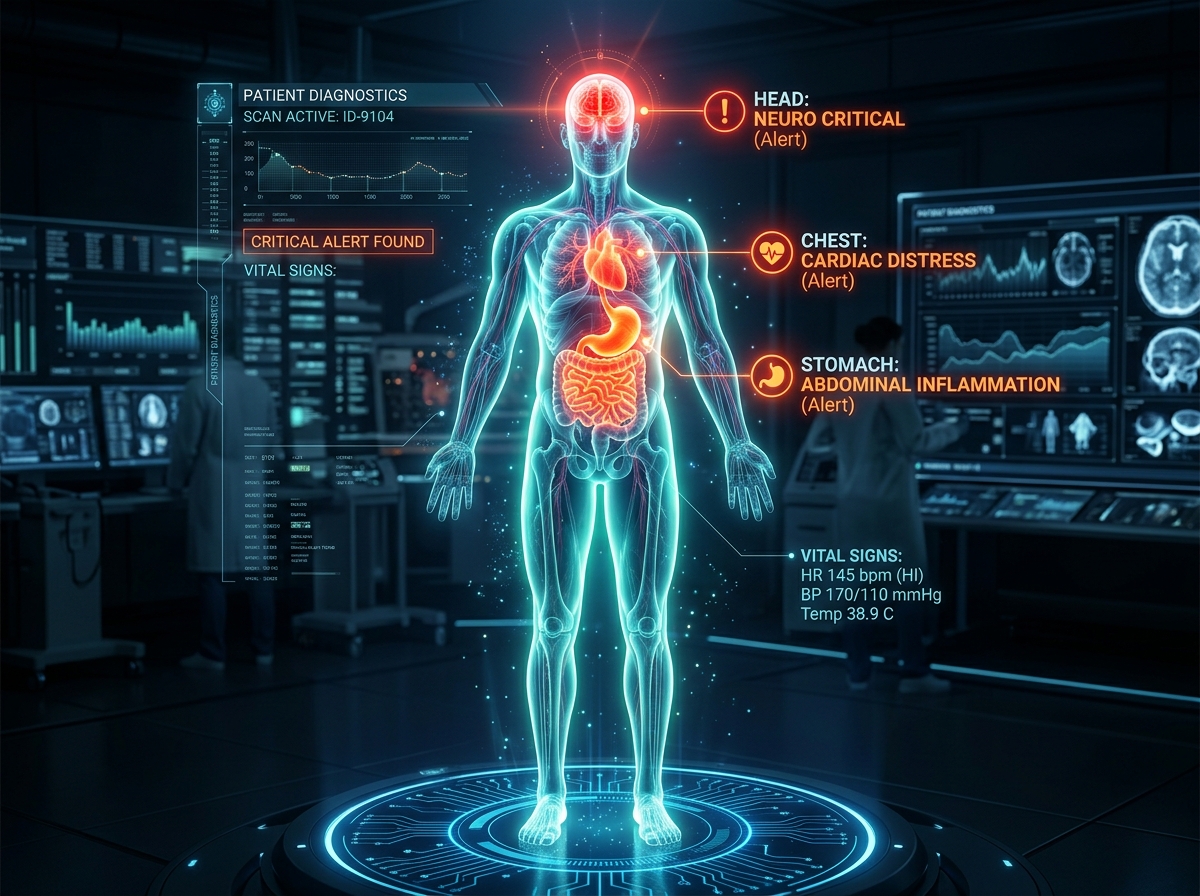
Why the Body Shows Symptoms
Every system in the body works together to maintain balance. When one area becomes stressed or deficient, the body responds with symptoms.
For example, poor nutrition may lead to fatigue, dehydration may cause headaches, and stress may trigger digestive problems. These symptoms are not the actual problem—they are indicators of deeper imbalance.
The body uses symptoms as communication tools to alert you before the condition worsens.
Early Warning Signs You Should Never Ignore
Many common symptoms are actually early health warnings.
Common signs include:
- Constant fatigue
- Frequent headaches
- Digestive discomfort
- Poor sleep quality
- Brain fog and low focus
- Unexplained weight changes


Although these symptoms may appear mild, they often indicate that the body is struggling internally.
The Link Between Lifestyle and Body Signals
Modern lifestyles place heavy pressure on the body. Poor diet, stress, lack of movement, and irregular sleep weaken the body over time.
As a result, the body begins showing signs of stress and imbalance. Unfortunately, many people try to ignore these symptoms rather than addressing the root cause.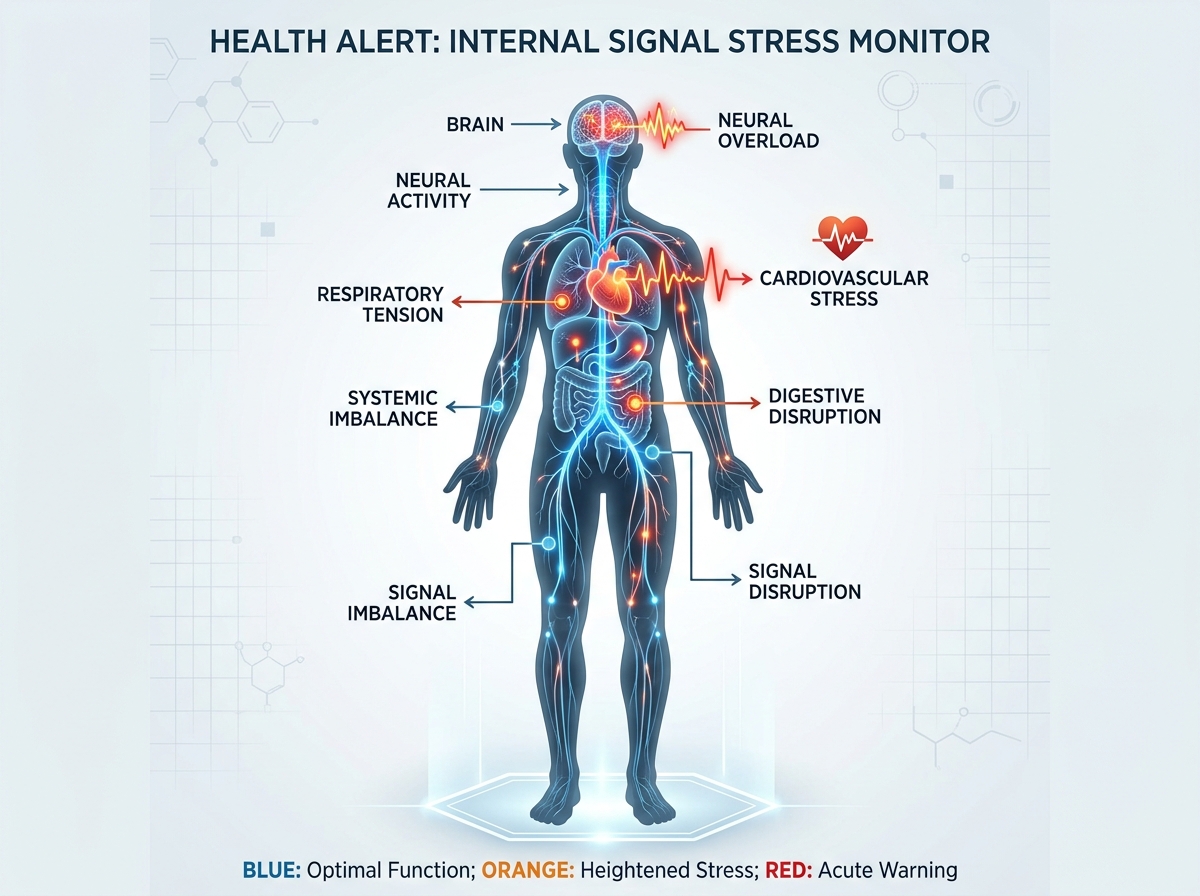
How Stress Affects Physical Health
Stress affects almost every organ system. Chronic stress increases cortisol levels, which can disrupt digestion, sleep, metabolism, and energy production.
This is why emotional stress often becomes physical discomfort.
Signs That Your Body Needs Rest and Recovery
The body cannot function properly without recovery.
Signs include:
- Waking up tired
- Feeling exhausted after simple tasks
- Muscle heaviness
- Low motivation
- Increased irritability
These signals indicate that the body needs restoration rather than more pressure.
The body constantly communicates through symptoms and sensations. Recognizing these early warning signs allows you to respond before small issues become major health problems.
Hidden Causes Behind Common Symptoms and Related Health Problems
Symptoms Often Have Deeper Causes
Many people treat symptoms individually without understanding what is causing them. A headache may not simply be a headache. Fatigue may not just be tiredness. Digestive issues may point toward deeper gut imbalance.
The body’s signals are interconnected, and understanding the root cause is essential for true recovery.
Nutrient Deficiencies and Their Effects
The body depends on vitamins and minerals for energy, immunity, and repair. When nutrient levels become low, symptoms begin appearing gradually.
Low iron may cause weakness and dizziness. Vitamin D deficiency can lead to fatigue and muscle discomfort. Magnesium deficiency may affect sleep and stress levels.
Digestive Problems and Gut Imbalance
Poor digestion affects nutrient absorption and toxin elimination.
Signs of digestive imbalance include:
- Bloating
- Constipation
- Acid reflux
- Frequent stomach discomfort
- Feeling heavy after meals
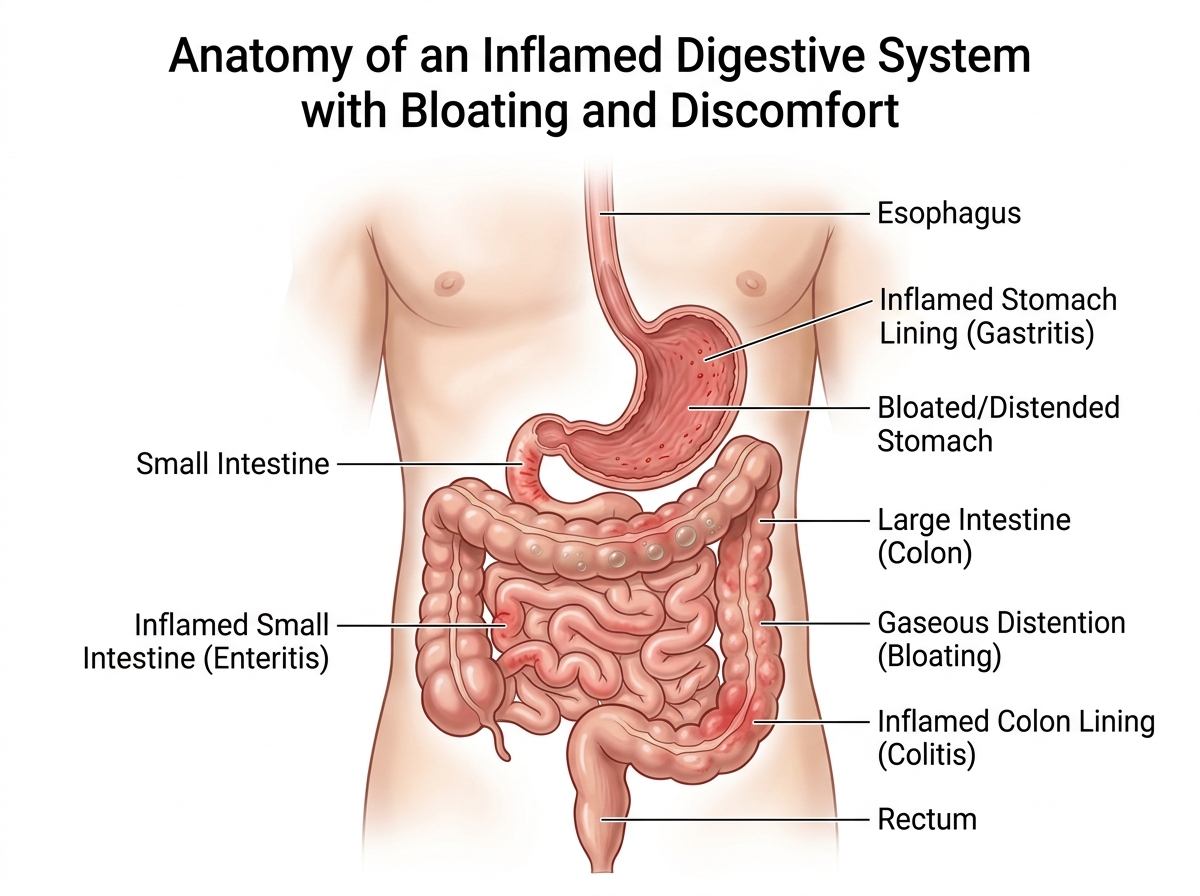
Gut imbalance can also affect mood and mental clarity due to the gut-brain connection.
Hormonal Imbalance and Body Signals
Hormones regulate metabolism, appetite, mood, and energy.
When hormones become imbalanced, the body often responds with:
- Weight gain
- Mood swings
- Fatigue
- Sleep problems
- Increased cravings
Hormonal imbalance is especially common during periods of stress and poor lifestyle habits.
Poor Circulation and Oxygen Supply
Reduced blood flow affects how oxygen reaches tissues and organs.
Signs may include:
- Cold hands and feet
- Fatigue
- Dizziness
- Weak physical performance

Poor circulation can develop slowly and often goes unnoticed in early stages.
Diseases That May Develop If Symptoms Are Ignored
Ignoring the body’s warning signs can increase the risk of chronic health conditions.
Possible conditions include:
- Digestive disorders
- Hormonal disorders
- Chronic fatigue
- Metabolic issues
- Heart-related conditions
The body often gives warnings long before disease fully develops.
Why Modern Life Increases Health Problems
Processed foods, lack of exercise, excessive screen time, stress, and poor sleep are major contributors to modern health problems.
These habits gradually weaken the body’s natural balance.
Symptoms are rarely random. They often reflect deeper nutritional, hormonal, digestive, or lifestyle-related imbalances that require attention.
How to Listen to Your Body and Restore Health Naturally
Healing Begins With Awareness
The body has a remarkable ability to recover when given the right support. The first step is learning to listen rather than ignore warning signs.
Instead of masking symptoms temporarily, long-term health depends on addressing root causes.
Nutrition as the Foundation of Recovery
Food directly affects how the body functions. Whole, nutrient-rich foods provide energy, support immunity, and help repair tissues.
Highly processed foods often increase inflammation and reduce energy.
Hydration and Internal Balance
Water is essential for circulation, digestion, and detoxification.
Even mild dehydration can lead to headaches, fatigue, and reduced focus.
Sleep and Body Repair
Sleep is when the body restores itself. Poor sleep disrupts hormones, weakens immunity, and increases stress.
Improving sleep quality often improves overall health significantly.
Physical Activity and Energy
Movement improves circulation, metabolism, and oxygen delivery throughout the body.
Regular physical activity also supports mental health and reduces stress.
Stress Management and Emotional Health
Chronic stress weakens the body over time. Relaxation, mindfulness, and proper recovery help restore balance.
Simple Ways to Support Your Body Daily
Healthy habits include:
- Eating balanced meals
- Drinking enough water
- Staying physically active
- Sleeping consistently
- Managing stress levels

These simple actions have a powerful long-term impact.
Long-Term Benefits of Listening to Your Body
When you respond to your body’s signals early, you improve energy, focus, digestion, immunity, and emotional balance.
The body performs best when supported consistently.
Your body is always communicating through symptoms, sensations, and energy levels. These signals should never be ignored.
By understanding what your body is trying to tell you and making healthy lifestyle changes, it is possible to prevent many long-term health problems naturally.
