

Why Iron Is Essential for Life and Energy
Iron is one of the most important minerals required by the body. It plays a central role in producing hemoglobin, a protein in red blood cells that carries oxygen from the lungs to all parts of the body.
When iron levels are adequate, the body functions efficiently. Energy levels remain stable, the brain stays active, and muscles perform properly. However, when iron levels drop, the entire system begins to slow down.
Low iron is not just a minor nutritional issue—it directly affects oxygen supply in the body, which impacts almost every organ.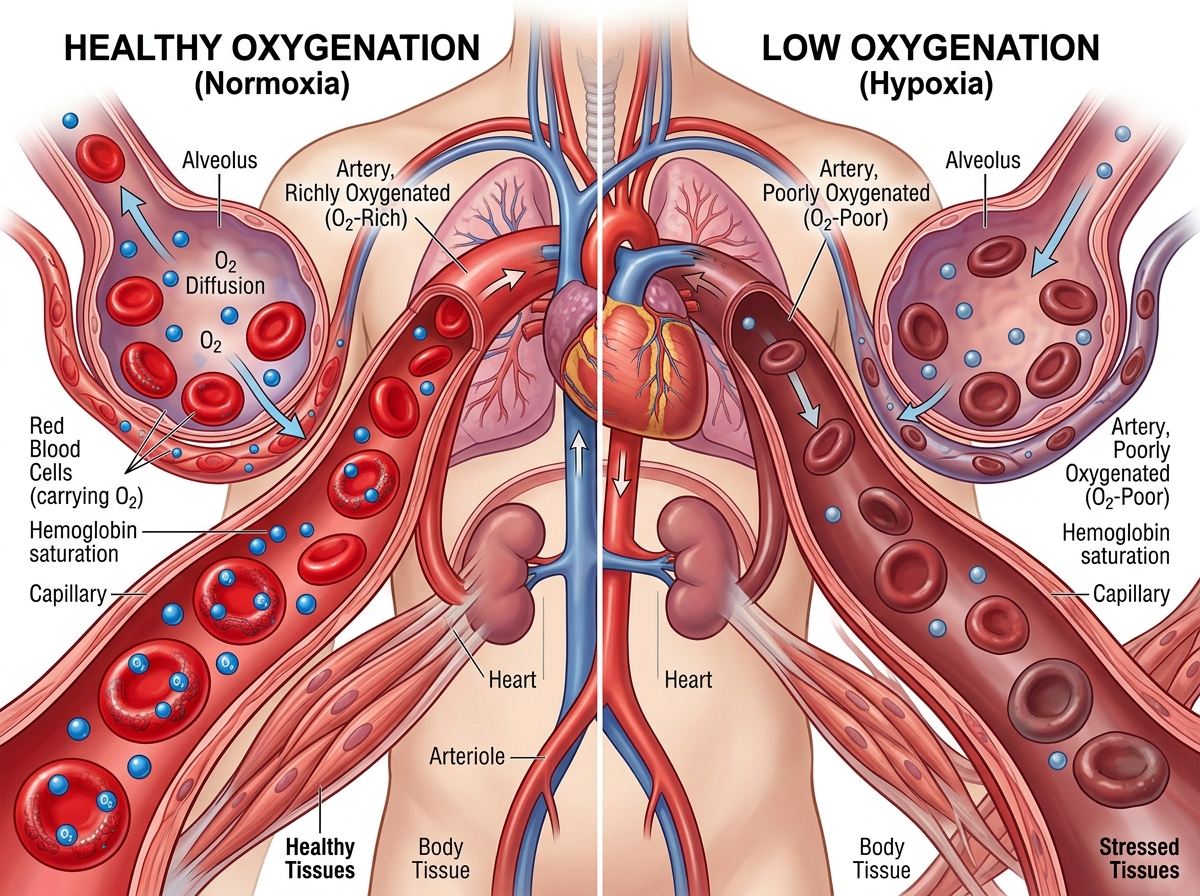
What Happens When Iron Levels Are Low
When the body lacks iron, it cannot produce enough healthy red blood cells. This leads to reduced oxygen delivery to tissues and organs.
As a result, the body struggles to produce energy. This is why fatigue is one of the earliest and most common effects of low iron.
Over time, the deficiency begins to affect physical strength, mental clarity, and overall health.
Effects of Low Iron on the Body
The effects of low iron are widespread because oxygen is essential for all body functions. When oxygen supply is reduced, multiple systems begin to weaken.
Common effects include:
- Persistent fatigue and weakness
- Shortness of breath during simple activities
- Reduced physical stamina
- Pale skin and dull appearance
- Decreased concentration and mental clarity
- Frequent headaches
Low iron can also affect the immune system, making the body more vulnerable to infections.
Impact on Energy and Daily Life
One of the most noticeable effects of low iron is a constant feeling of tiredness. Even after rest, the body may not feel refreshed.
Simple daily tasks can become exhausting. This often affects productivity, mood, and overall quality of life.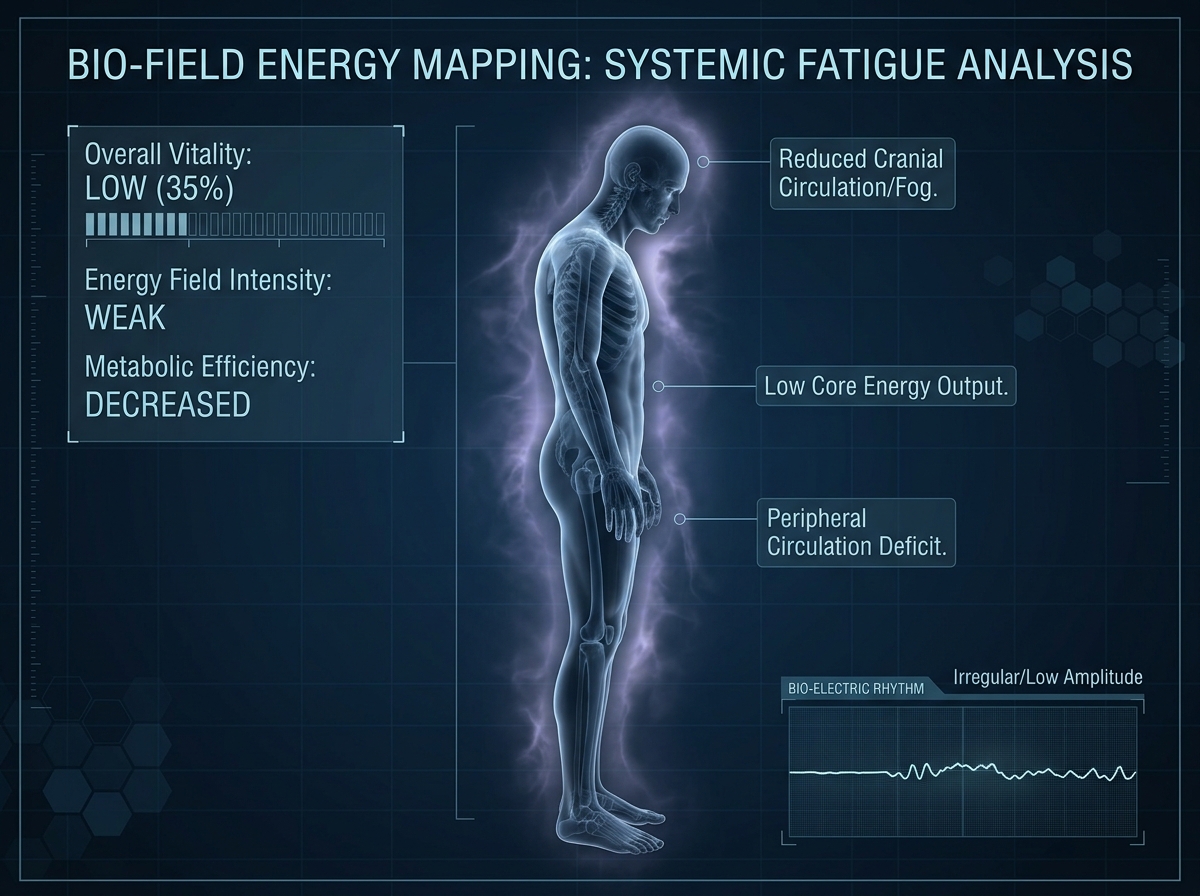
Why Women Are More Affected
Women are more likely to experience low iron due to blood loss during menstruation, pregnancy, and increased nutritional demands.
This makes it important to monitor iron levels regularly.
Iron is essential for oxygen transport and energy production. When levels drop, the body cannot function efficiently, leading to fatigue and reduced performance.
Why Iron Levels Drop
Low iron does not happen without reason. It is usually the result of dietary deficiencies, increased body demand, or underlying health conditions.
Understanding the root causes is essential for prevention and treatment.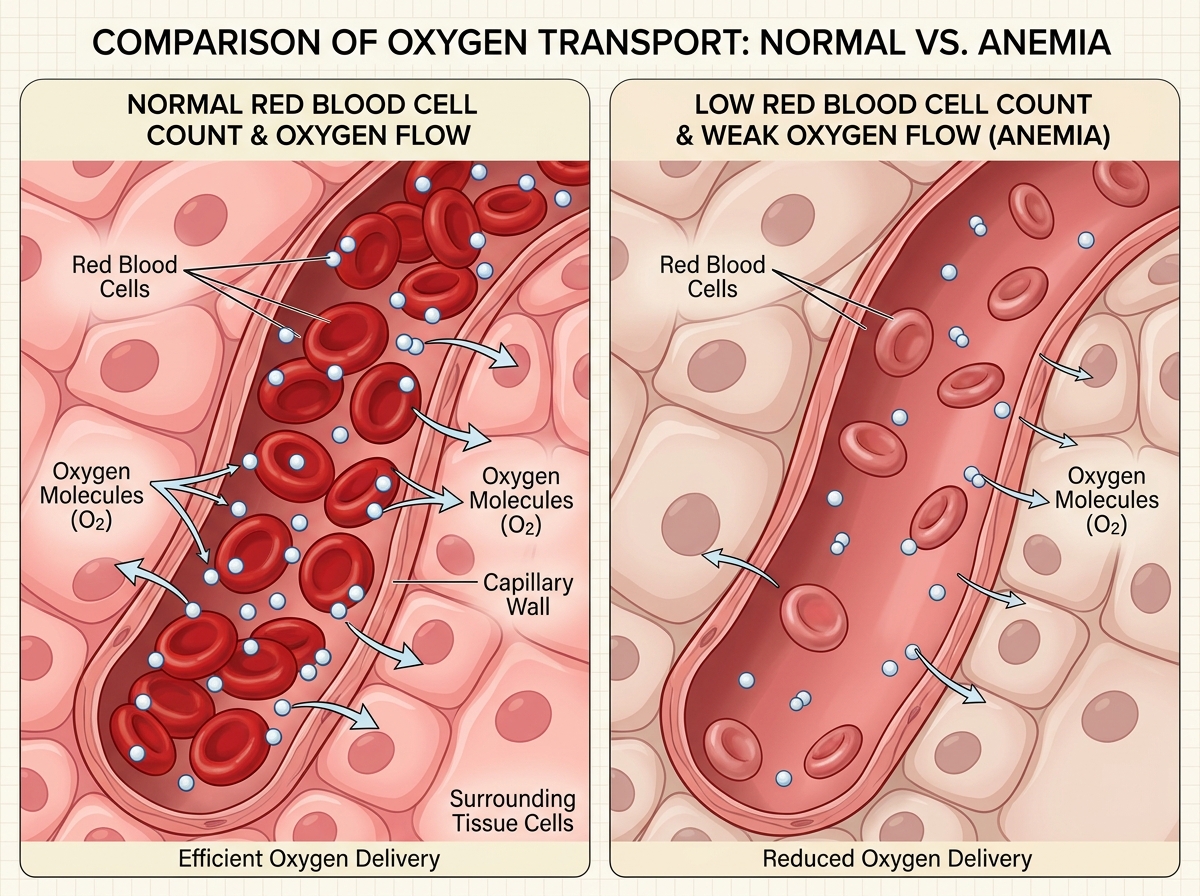
Major Causes of Low Iron
1. Poor Diet
A diet lacking in iron-rich foods is one of the most common causes. When the body does not receive enough iron, levels gradually decline.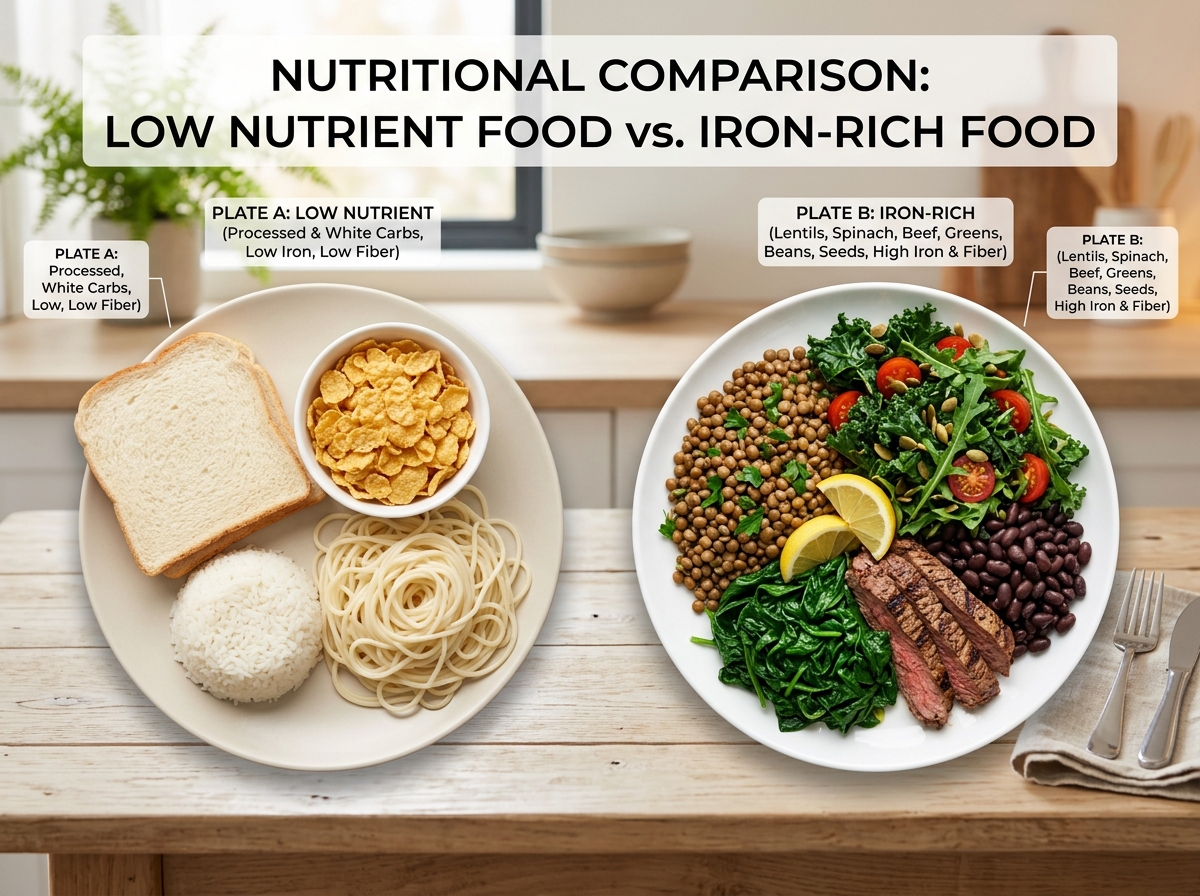
2. Blood Loss
Blood loss is a major factor in iron deficiency. This can occur due to menstruation, injuries, or internal bleeding.
3. Increased Nutritional Needs
Certain stages of life require more iron, such as pregnancy, growth periods, or recovery from illness.
4. Poor Absorption
Even if iron intake is sufficient, the body may not absorb it properly due to digestive issues.
5. Chronic Health Conditions
Certain conditions affect the body’s ability to maintain iron levels.
Diseases Linked to Low Iron
When iron deficiency becomes severe, it can lead to specific medical conditions.
1. Iron Deficiency Anemia
This is the most common disease caused by low iron. It occurs when the body cannot produce enough healthy red blood cells.
2. Chronic Fatigue Syndrome
Low iron levels can contribute to long-term fatigue and reduced energy levels.
3. Weak Immune Function
Iron deficiency weakens the immune system, making the body more prone to infections.
4. Developmental Issues
In children, low iron can affect growth and cognitive development.
Risk Factors for Low Iron
- Poor diet
- Heavy blood loss
- Pregnancy
- Digestive disorders
- Chronic illness
Why Early Detection Matters
Low iron often develops slowly, making it difficult to detect early. By the time symptoms become noticeable, the deficiency may already be significant.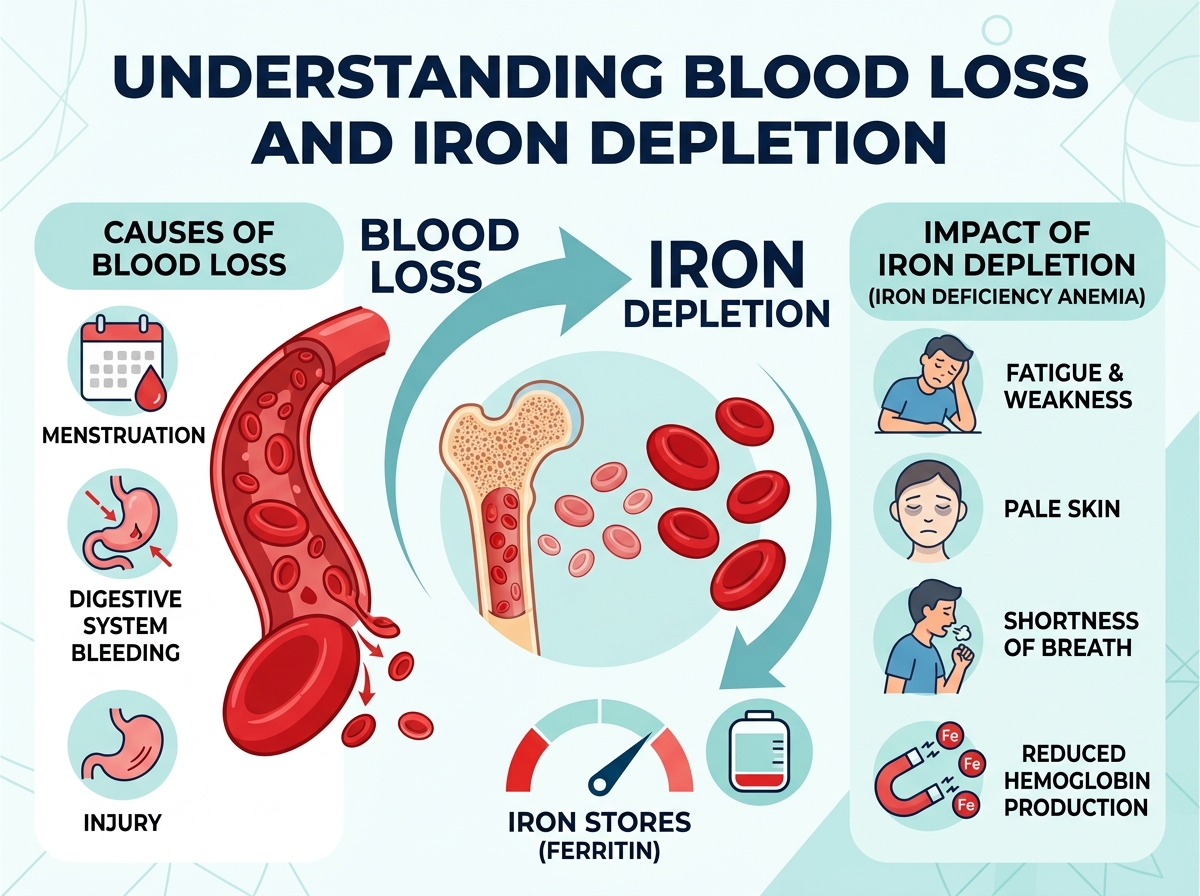
Early awareness helps prevent serious complications.
Low iron is caused by multiple factors and can lead to serious health conditions if ignored. Understanding these causes is essential for proper management.
Recognizing the Warning Signs
The body provides clear signals when iron levels are low. Recognizing these symptoms early can help prevent further complications.
Common Symptoms of Low Iron
Symptoms can vary depending on the severity of deficiency.
Most common symptoms include:
- Extreme fatigue
- Dizziness or lightheadedness
- Cold hands and feet
- Shortness of breath
- Rapid heartbeat
- Weakness


Physical Signs You Can Notice
Some symptoms are visible and can be identified easily.
Visible signs include:
- Pale skin
- Brittle nails
- Hair thinning or hair loss
- Dark circles under eyes

Mental and Emotional Effects
Low iron also affects the brain.
People may experience difficulty concentrating, irritability, and mood changes. This is due to reduced oxygen supply to the brain.
Natural Ways to Improve Iron Levels
The body can recover from low iron with proper nutrition and lifestyle changes.
Key improvements include:
- Eating iron-rich foods
- Improving absorption through balanced diet
- Maintaining regular meals
- Supporting overall health

Long-Term Benefits of Healthy Iron Levels
When iron levels are restored, energy improves, mental clarity returns, and overall health becomes stronger.
Low iron is a serious but manageable condition. By understanding its effects, causes, diseases, and symptoms, it is possible to take early action and restore balance in the body.
Consistency in diet and lifestyle plays a key role in recovery.
