

Why Digestion Is the Core of Your Health
Digestion is one of the most essential processes in the human body. It is responsible for breaking down food, absorbing nutrients, and eliminating waste. When digestion works properly, the body feels light, energized, and balanced. However, when digestion becomes weak or inefficient, it affects almost every system in the body.
Many people ignore digestive issues because they seem small at first. Occasional bloating, mild discomfort, or irregular bowel movements are often considered normal. But these are early signals that the digestive system is struggling. If left unaddressed, they can develop into more serious problems.
Understanding the early signs of poor digestion is the first step toward improving overall health.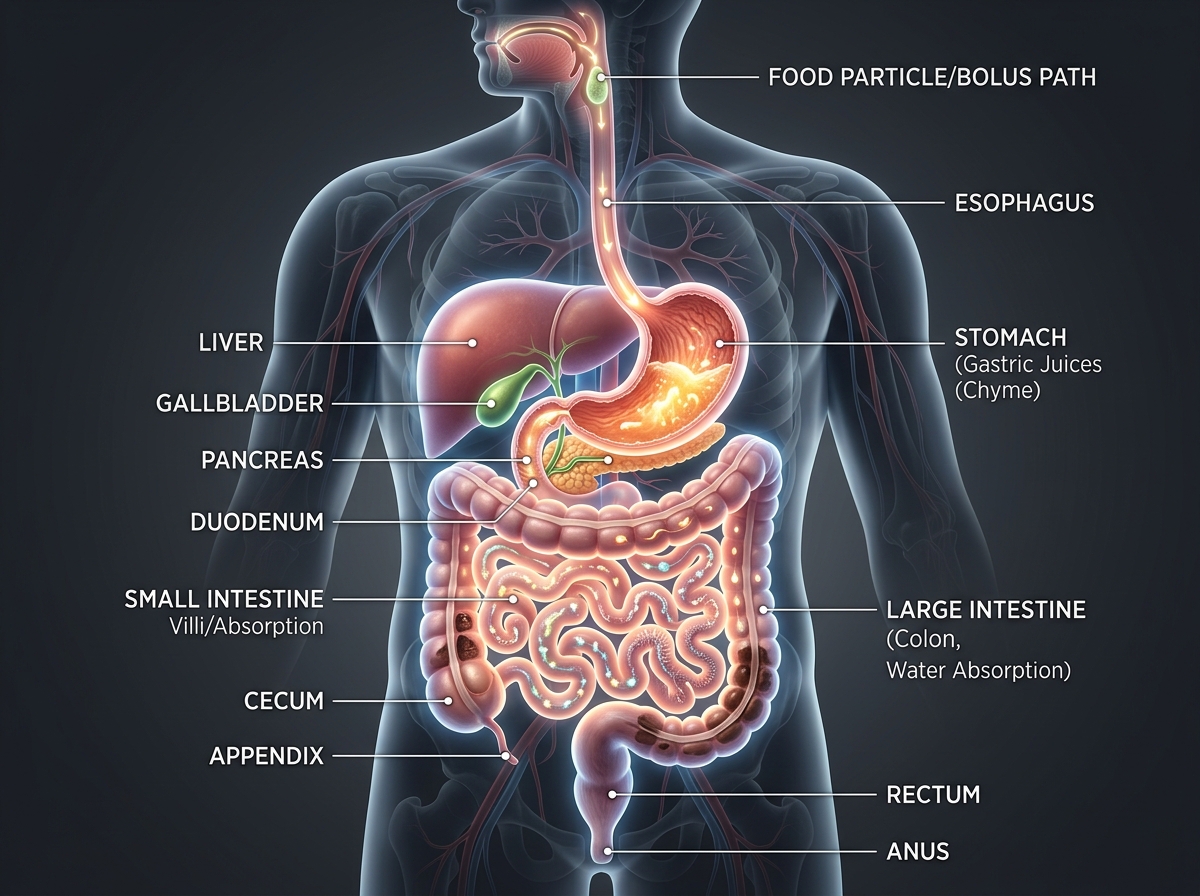
What Happens When Digestion Is Poor?
When digestion is not functioning properly, food is not broken down efficiently. This leads to poor nutrient absorption, which means the body does not receive the energy and nutrients it needs.
At the same time, waste is not eliminated effectively. This can lead to toxin buildup in the body, causing discomfort, fatigue, and other health issues.
Poor digestion also affects the gut microbiome, which plays a major role in immunity and mental health.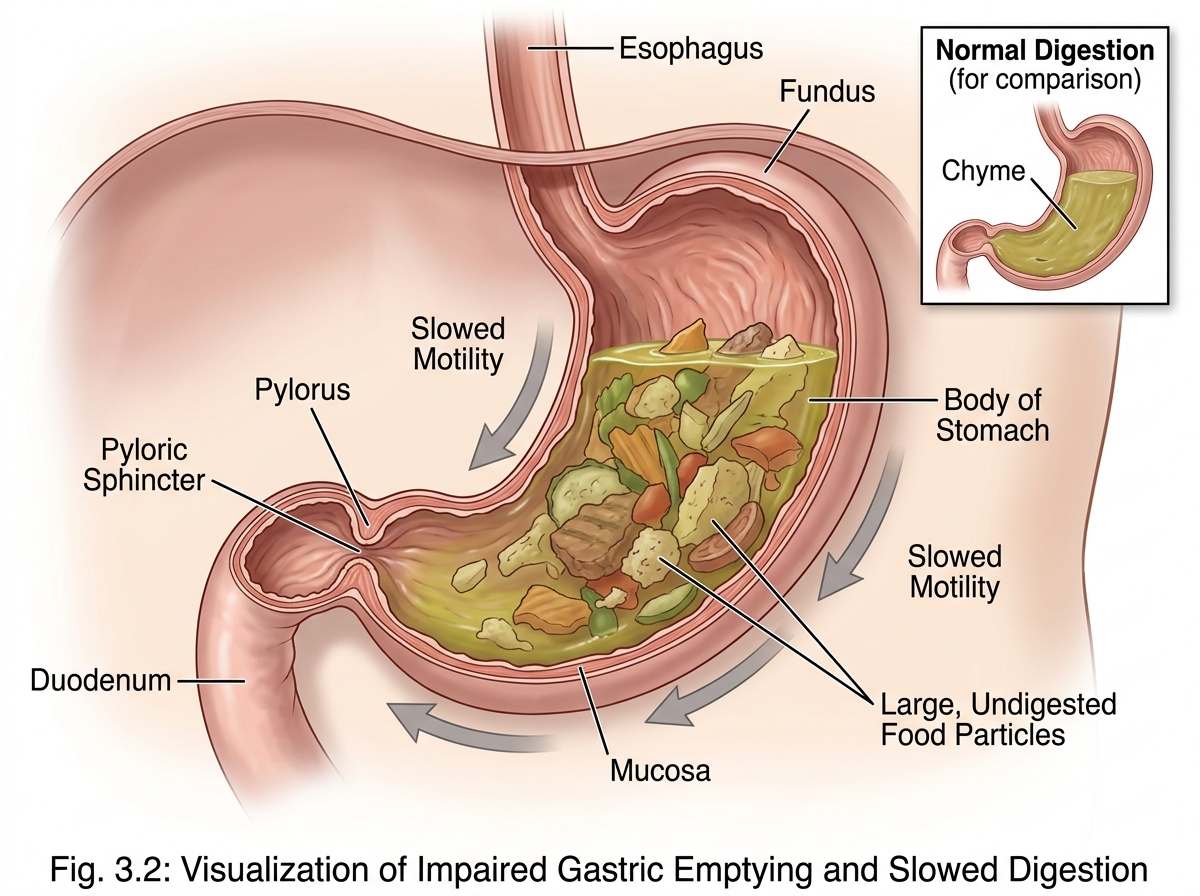
Early Signs You Should Not Ignore
The body gives subtle signals when digestion starts to weaken. These early symptoms are often overlooked but are important indicators.
Common early signs include:
- Frequent bloating after meals
- Gas and abdominal discomfort
- Feeling overly full after eating small portions
- Mild constipation or irregular bowel movements
- Loss of appetite
- Occasional stomach discomfort


These signs may not seem serious, but they indicate that the digestive system needs support.
Why These Symptoms Are Often Ignored
Many people assume that digestive discomfort is a normal part of life. Busy lifestyles, irregular eating habits, and stress make these symptoms more common, which leads to them being ignored.
However, ignoring these signals allows the problem to grow over time. Early action can prevent more serious complications.
The Link Between Digestion and Energy
Digestion plays a direct role in energy production. When food is properly digested, nutrients are converted into energy efficiently.
When digestion is poor, the body struggles to produce energy, leading to fatigue and low productivity.
Poor digestion often begins with small, manageable symptoms. Recognizing these early warning signs allows you to take action before the problem becomes more serious.
When Digestive Issues Become Serious
When early signs of poor digestion are ignored, the condition often worsens. Symptoms become more frequent, more intense, and begin to affect daily life.
At this stage, digestion is not just inefficient—it is disrupted. The body may struggle to process food, absorb nutrients, and maintain internal balance.
Persistent Digestive Symptoms
As digestion weakens further, symptoms become chronic. These are no longer occasional discomforts but ongoing issues.
Common advanced symptoms:
- Chronic bloating and heaviness
- Frequent stomach pain
- Ongoing constipation or diarrhea
- Acid reflux and heartburn
- Nausea after eating
- Feeling tired even after meals
These symptoms indicate deeper digestive imbalance.
Effects Beyond the Digestive System
Poor digestion does not stay limited to the stomach. It begins to affect other areas of the body.
Nutrient deficiencies can lead to weakness, hair fall, and low immunity. Toxin buildup may contribute to skin issues like acne or dullness. Mental clarity can also be affected, leading to brain fog and low concentration.
Digestive Disorders Linked to Poor Digestion
When left untreated, poor digestion can develop into more serious conditions.
1. Acid Reflux
This occurs when stomach acid flows back into the esophagus, causing a burning sensation in the chest and discomfort after meals.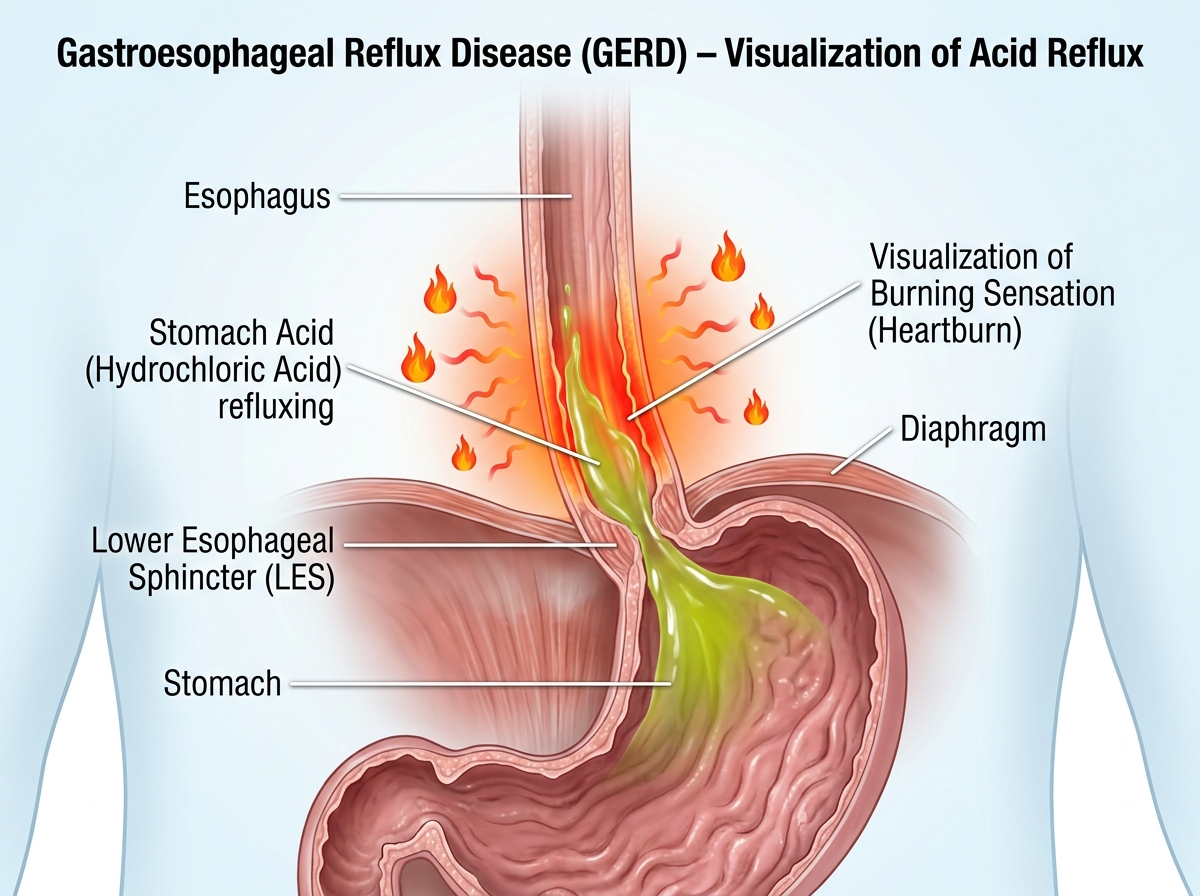
2. Irritable Bowel Syndrome (IBS)
IBS is a condition that affects bowel movement patterns. It can cause alternating constipation and diarrhea, along with abdominal pain.
3. Gastritis
Gastritis is inflammation of the stomach lining. It often leads to pain, nausea, and discomfort.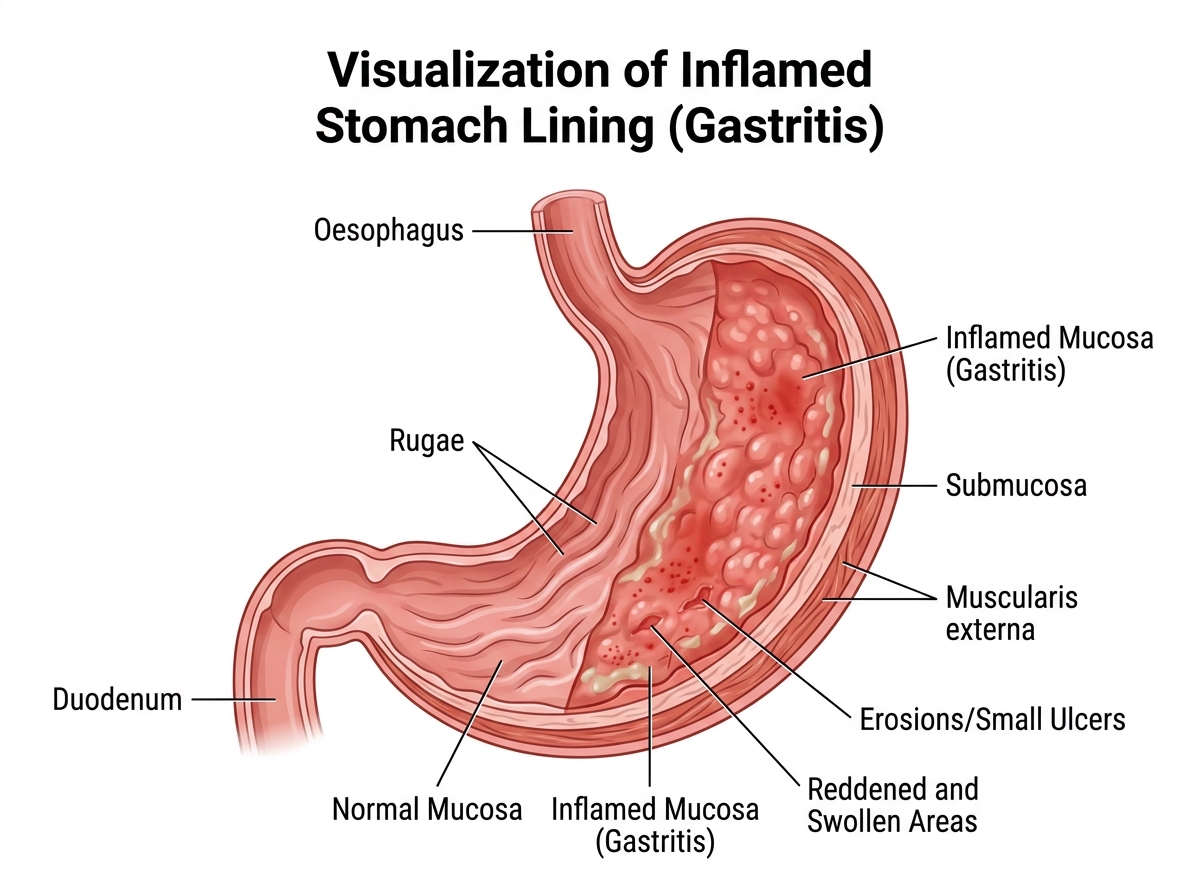
4. Chronic Constipation
Long-term constipation can lead to toxin buildup and discomfort, affecting overall health.
5. Indigestion (Dyspepsia)
Indigestion causes discomfort in the upper abdomen, often accompanied by bloating and nausea.
Warning Signs That Need Attention
- Daily digestive discomfort
- Pain after eating
- Frequent acidity
- Irregular bowel habits
- Persistent fatigue

Advanced digestive symptoms are clear signals that the body needs attention. Addressing them early can prevent long-term complications.
Supporting the Digestive System Naturally
The digestive system has the ability to recover when supported with the right habits. Improving digestion naturally focuses on restoring balance, enhancing gut function, and promoting regular elimination.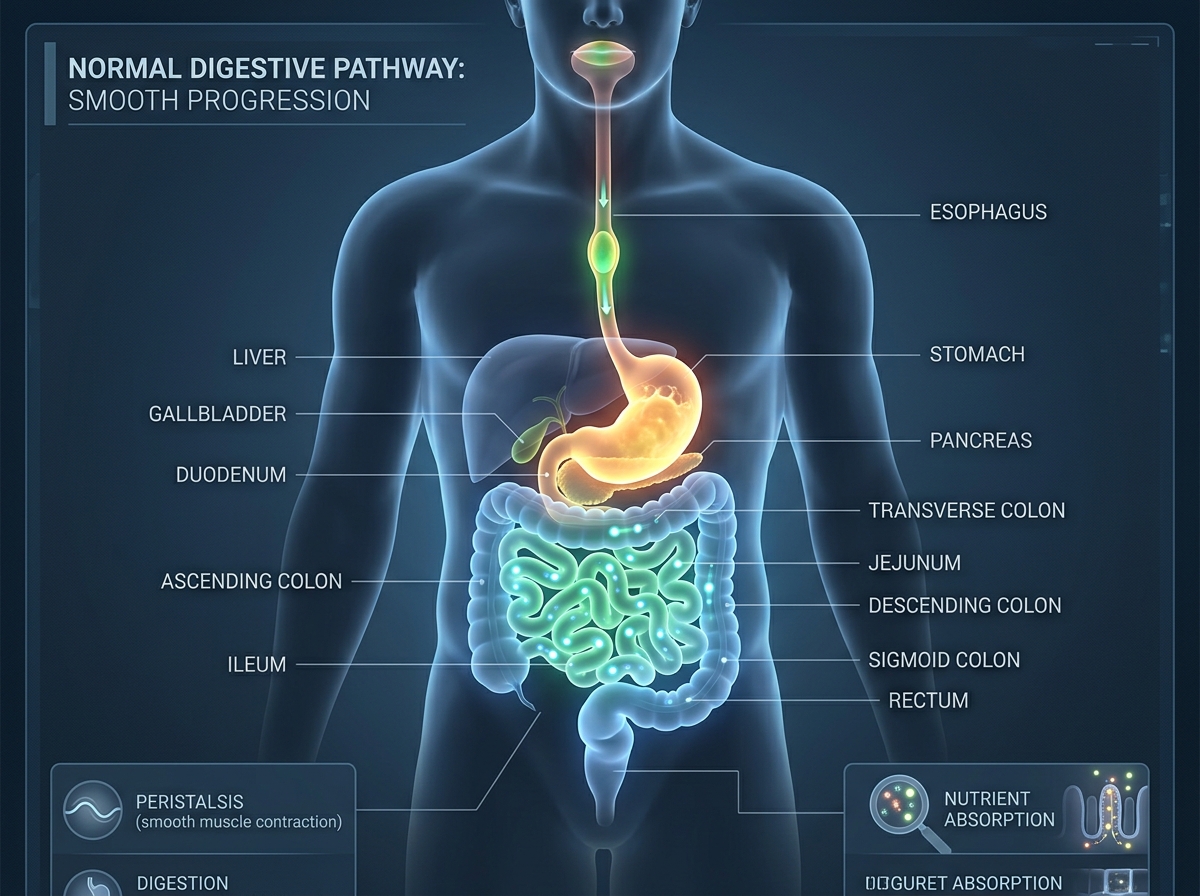
Nutrition and Digestive Health
Food plays a direct role in digestion. Eating balanced meals with natural ingredients helps the body break down food more efficiently.
Highly processed foods can slow digestion and cause discomfort, while whole foods support gut health.
Hydration and Digestion
Water is essential for digestion. It helps break down food, absorb nutrients, and eliminate waste.
Dehydration slows digestion and contributes to constipation.
Physical Activity
Movement stimulates digestion and helps food move through the digestive tract.
Even simple activities like walking can improve digestive health.
Stress and Digestive Function
Stress affects digestion more than most people realize. Chronic stress can slow down digestive processes and lead to discomfort.
Managing stress improves gut function and overall health.
Simple Ways to Improve Digestion
- Eat balanced meals
- Drink enough water
- Stay physically active
- Avoid overeating
- Maintain regular meal timing

Building a Digestive-Friendly Routine
Consistency is key when improving digestion. A simple daily routine can make a significant difference over time.
Regular eating, proper hydration, and physical activity help maintain digestive balance.
Long-Term Benefits of Healthy Digestion
When digestion improves, the entire body benefits. Energy levels increase, skin becomes clearer, and overall health improves.
Poor digestion is not something to ignore. It is a signal from the body that something needs attention. By recognizing the signs early and making simple lifestyle changes, it is possible to restore digestive health naturally.
