
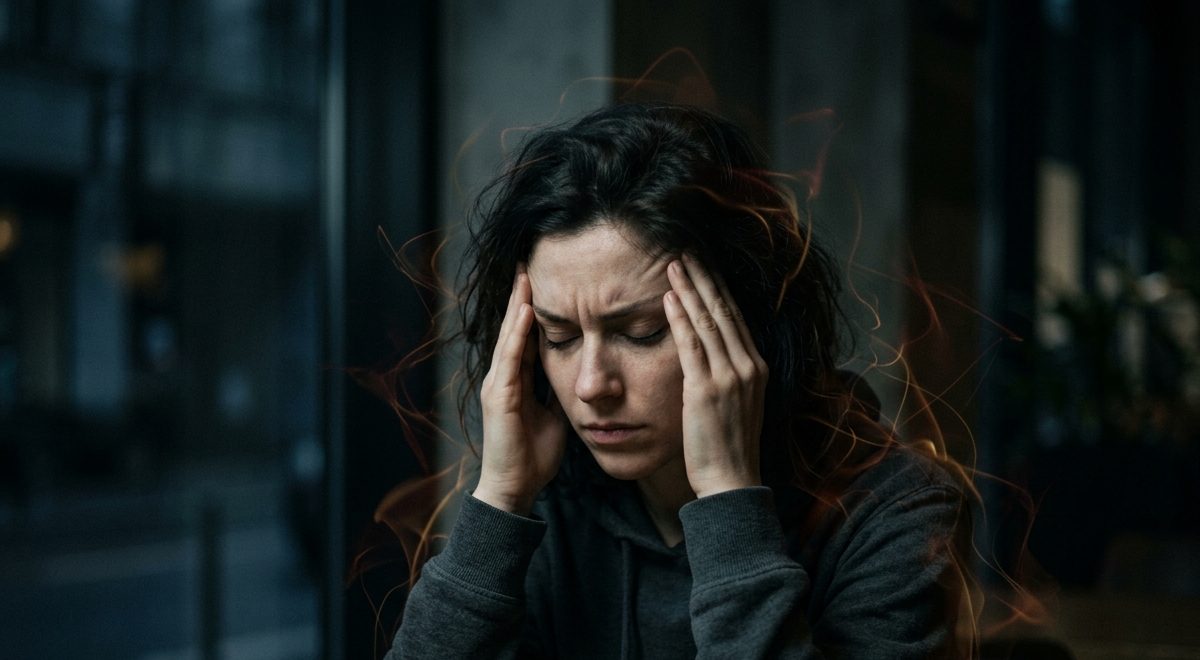
Why Low Energy Is More Common Than You Think
Low energy is one of the most common health concerns among women today. Many experience constant tiredness, lack of motivation, and reduced productivity, yet often ignore it as a normal part of daily life.
However, low energy is not just about being tired—it is a signal that the body is not functioning optimally. It may be linked to nutrition, hormones, lifestyle habits, or underlying imbalances.
Women are particularly affected due to hormonal fluctuations, multitasking responsibilities, and higher emotional stress levels. Understanding the root causes is essential for long-term improvement.
What Does Low Energy Actually Mean?
Low energy is not simply physical fatigue. It includes mental exhaustion, emotional burnout, and reduced ability to focus or perform daily tasks.
The body requires a continuous supply of energy to support functions such as metabolism, brain activity, and movement. When this system is disrupted, energy levels drop.
Common Signs of Low Energy
Many women experience symptoms without realizing the deeper cause.
Typical signs include:
- Feeling tired even after sleeping
- Lack of motivation
- Difficulty concentrating
- Frequent headaches
- Irritability or mood swings
- Physical weakness


Normal Tiredness vs Chronic Low Energy
| Condition | Normal Tiredness | Chronic Low Energy |
|---|---|---|
| Duration | Short-term | Long-term |
| Cause | Physical activity | Internal imbalance |
| Recovery | Rest helps | Rest not enough |
| Impact | Mild | Affects daily life |
Why Women Experience Low Energy More Often
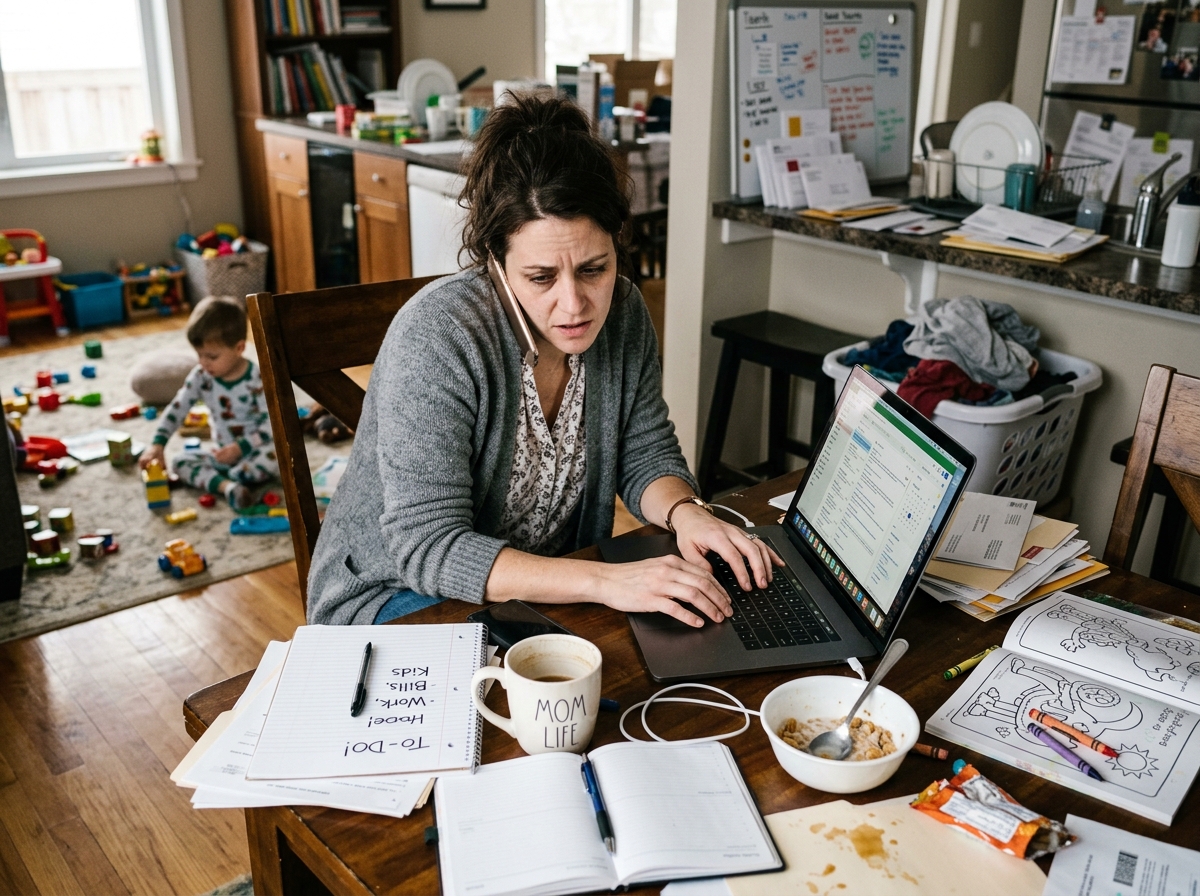
Women go through hormonal cycles that directly affect energy levels. In addition, responsibilities such as childcare, household management, and work increase physical and mental load.
This combination creates a constant demand on the body, which can lead to energy depletion over time.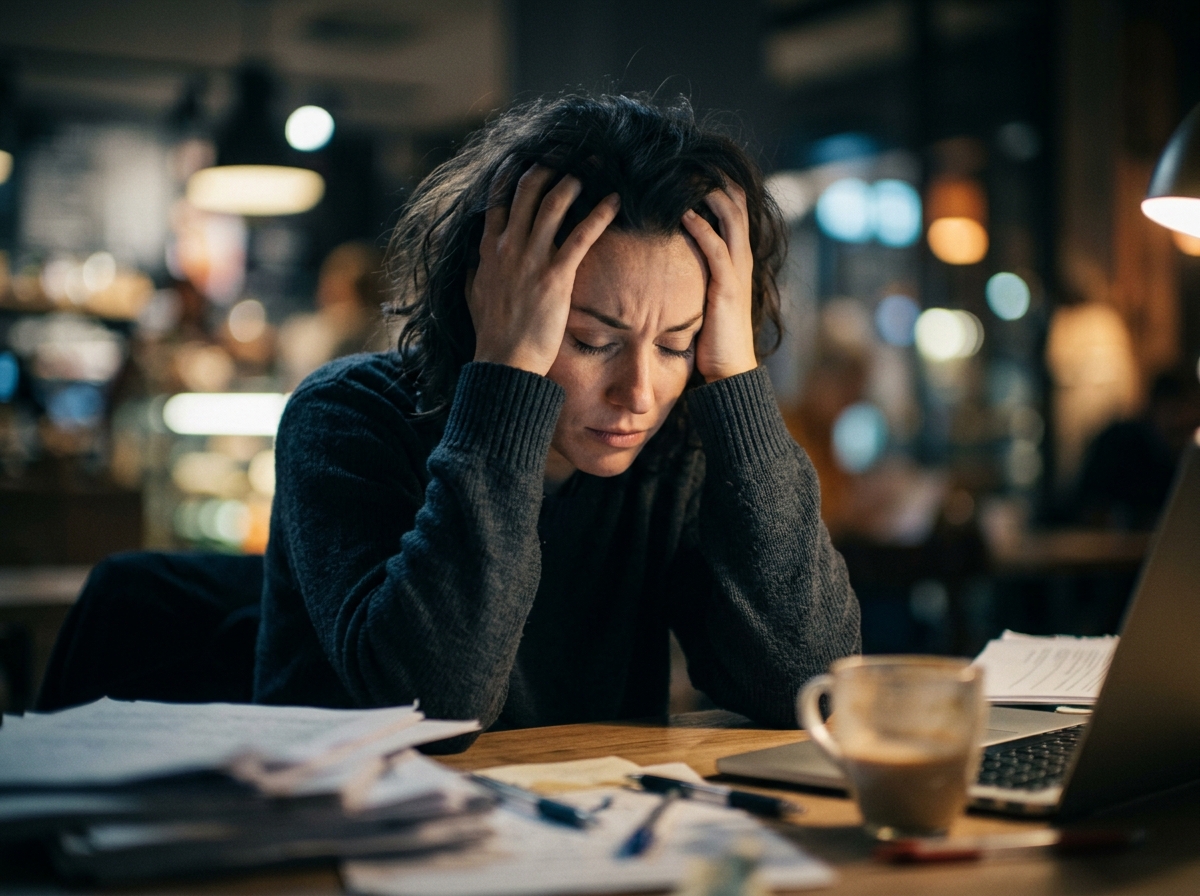
The Role of Metabolism in Energy Levels
Metabolism is responsible for converting food into energy. If metabolism slows down, the body cannot produce enough energy efficiently.
This leads to fatigue, even if food intake is normal.
Low energy in women is a complex issue influenced by multiple factors. It is not something to ignore but a signal that the body needs attention and balance.
Identifying the Root Causes
To improve energy levels, it is essential to understand what is causing the problem. Low energy is rarely caused by a single factor. It is usually the result of multiple lifestyle and biological influences.
Poor Nutrition and Energy Deficiency
Food is the primary source of energy. When the body does not receive enough nutrients, energy production decreases.
Diets high in sugar and processed foods create temporary energy spikes followed by crashes.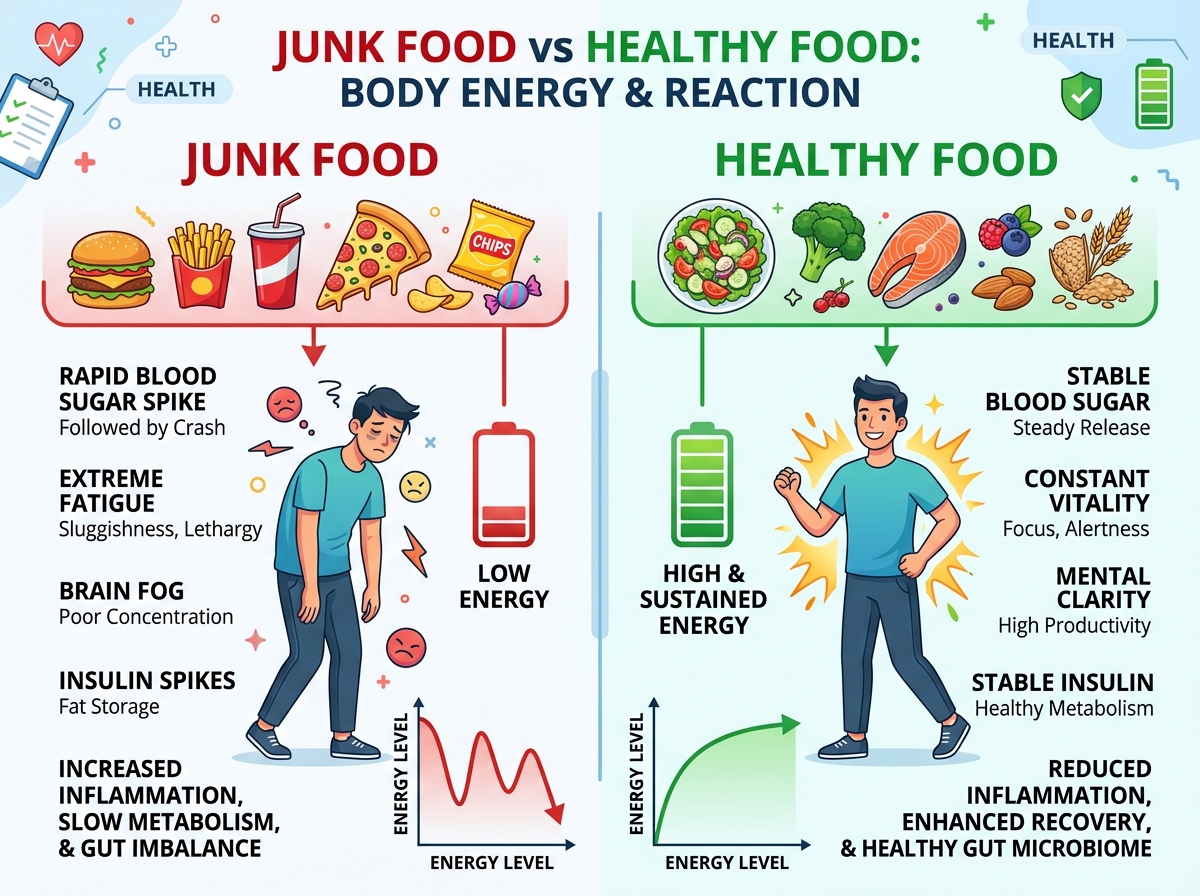
Hormonal Imbalance
Hormones regulate energy, mood, and metabolism. Imbalances in hormones can significantly reduce energy levels.
This is especially common in women due to natural hormonal cycles.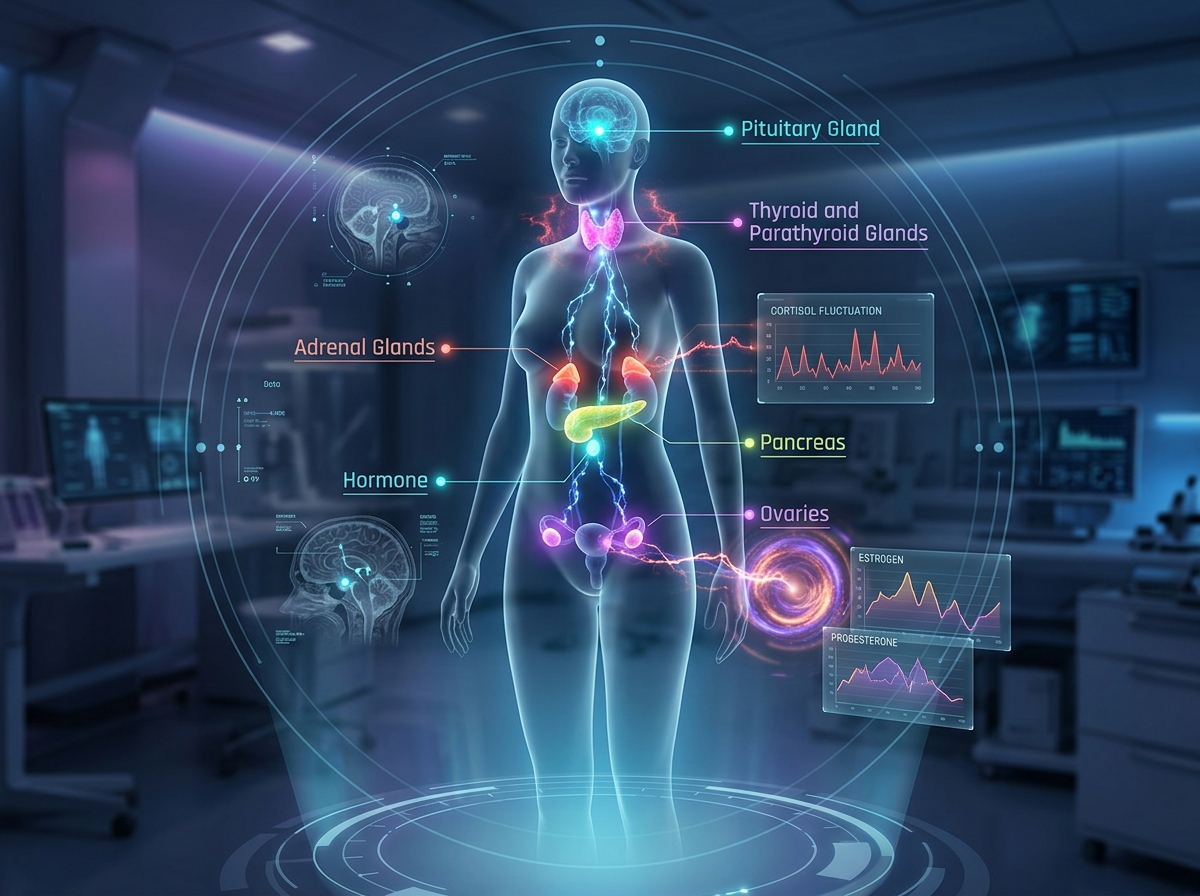
Lack of Sleep
Sleep is essential for restoring energy. Poor sleep quality or insufficient sleep leads to fatigue and reduced productivity.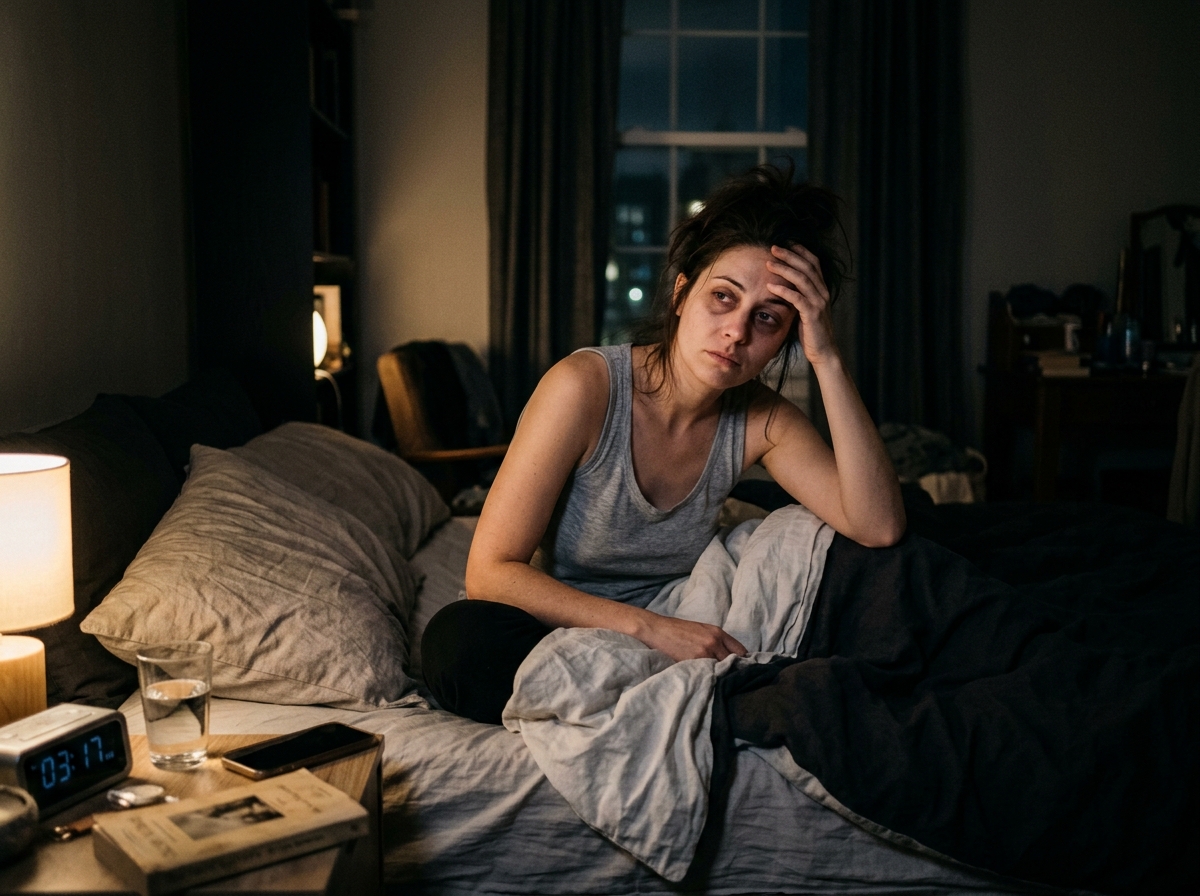
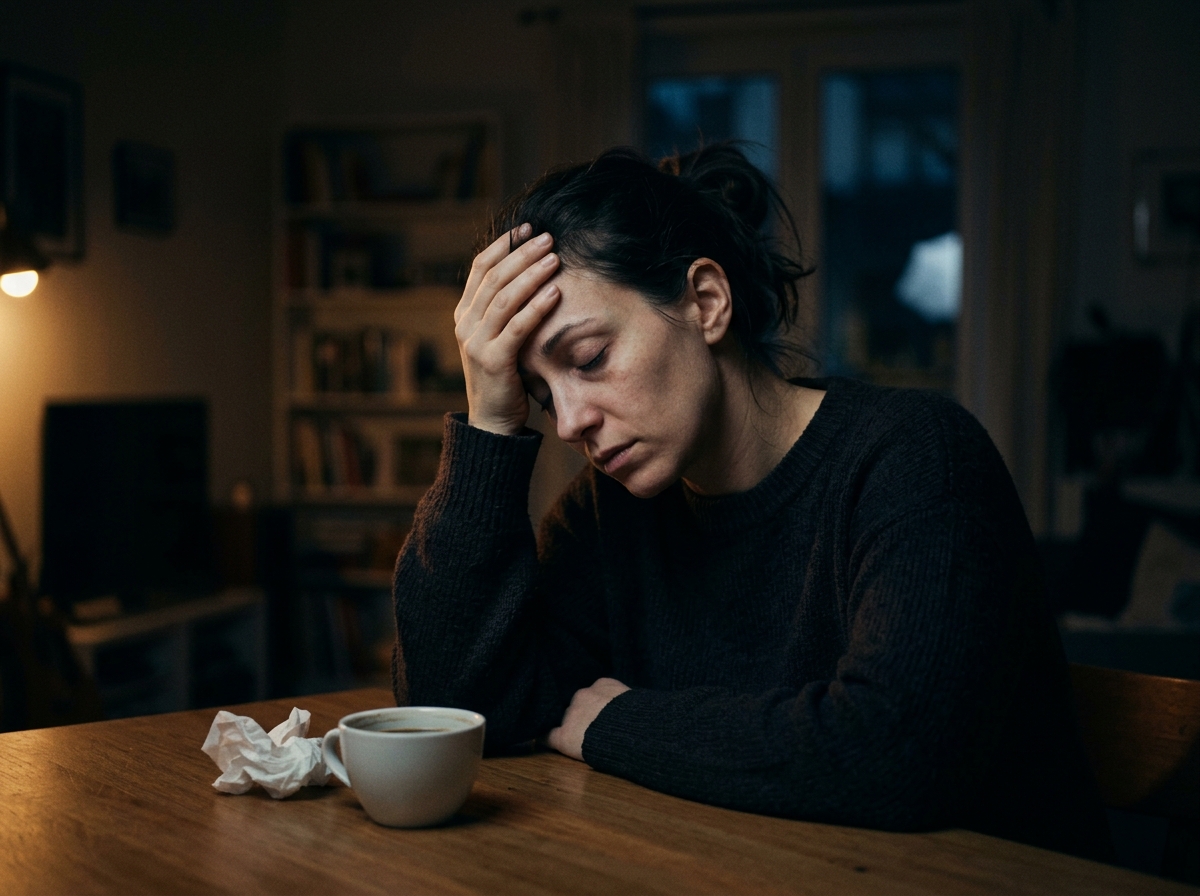
Stress and Mental Load
Stress is one of the biggest causes of low energy. It drains both mental and physical resources.
Chronic stress leads to constant tiredness and emotional exhaustion.
Dehydration and Its Hidden Impact
Even mild dehydration can reduce energy levels, impair concentration, and cause fatigue.
Main Causes of Low Energy
- Poor diet and nutrient deficiency
- Hormonal imbalance
- Lack of sleep
- High stress levels
- Dehydration
- Lack of physical activity
Cause and Its Effect
| Cause | Effect |
|---|---|
| Poor Nutrition | Low energy production |
| Hormonal Issues | Fatigue and imbalance |
| Sleep Deprivation | Reduced recovery |
| Stress | Mental exhaustion |
| Dehydration | Weak performance |
Low energy is the result of multiple overlapping factors. Addressing these causes is the key to restoring energy naturally.
Restoring Energy Through Simple Changes
The good news is that low energy can be improved naturally. The body responds positively to healthy habits and consistent routines.
Instead of relying on quick fixes, the focus should be on long-term lifestyle changes
Balanced Nutrition for Energy
Eating balanced meals provides a steady supply of energy throughout the day.
Physical Activity and Energy Boost
Regular movement improves blood circulation and increases energy production.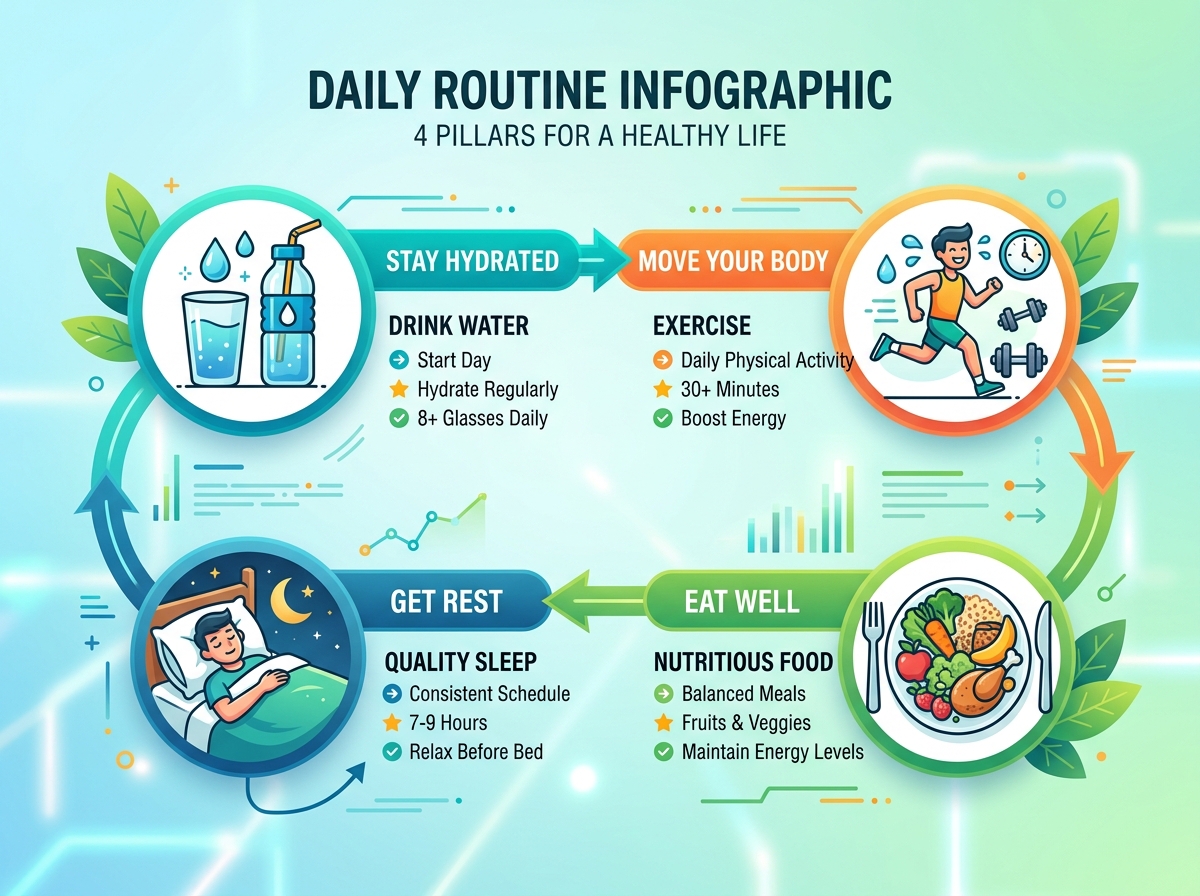
Hydration and Its Importance
Water supports every system in the body, including energy production.
Sleep Optimization
Improving sleep quality helps restore energy and balance hormones.
Stress Management Techniques
Reducing stress improves both mental and physical energy.
Solutions and Benefits
| Solution | Benefit |
|---|---|
| Healthy Diet | Sustained energy |
| Exercise | Improved stamina |
| Hydration | Better body function |
| Sleep | Recovery and balance |
| Stress Control | Mental clarity |
Daily Habits to Increase Energy
Simple habits:
- Drink water in the morning
- Eat balanced meals
- Stay active
- Sleep on time
- Take short breaks
Low energy in women is not permanent. With the right habits and lifestyle changes, energy levels can be restored naturally.
Consistency is the key to long-term improvement.
