
Introduction: Why Intermittent Fasting Is So Popular Today
Intermittent fasting has become one of the most searched health trends in the world because it offers a simple idea with powerful results. Unlike traditional diets that focus on what to eat, intermittent fasting focuses on when to eat. This small shift in timing has created massive interest among people who want to lose weight, improve energy, and simplify their lifestyle.
The reason behind its popularity is not only weight loss but also its connection to metabolism, digestion, and overall health improvement. Many people are drawn to it because it does not require complicated food rules or expensive meal plans. Instead, it works by giving the body time to rest from constant digestion.
However, despite its popularity, many people still do not fully understand how intermittent fasting works inside the body. To understand its benefits and side effects properly, we must first understand the basic concept.
What Is Intermittent Fasting?
Intermittent fasting is an eating pattern where a person cycles between periods of eating and fasting. It does not specify what foods to eat but focuses on time windows.
During fasting periods, the body is not receiving food, so it starts using stored energy. During eating periods, the body refuels and restores energy levels.
This cycle allows the body to shift between two important states: energy usage and energy storage.
The most common fasting patterns include:
- 16:8 method (16 hours fasting, 8 hours eating)
- 14:10 method (14 hours fasting, 10 hours eating)
- 5:2 method (normal eating 5 days, reduced calories 2 days)
Each method follows the same principle but differs in intensity.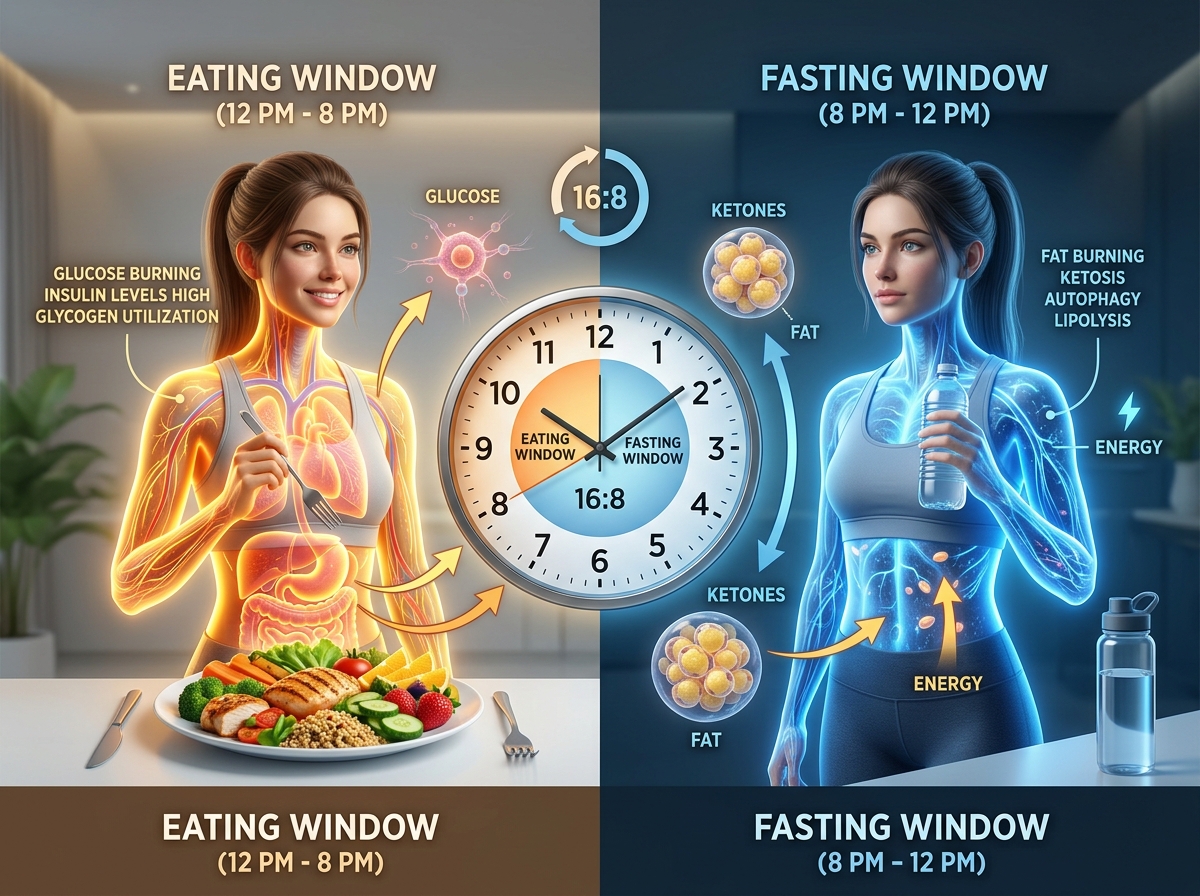
How Intermittent Fasting Works Inside the Body
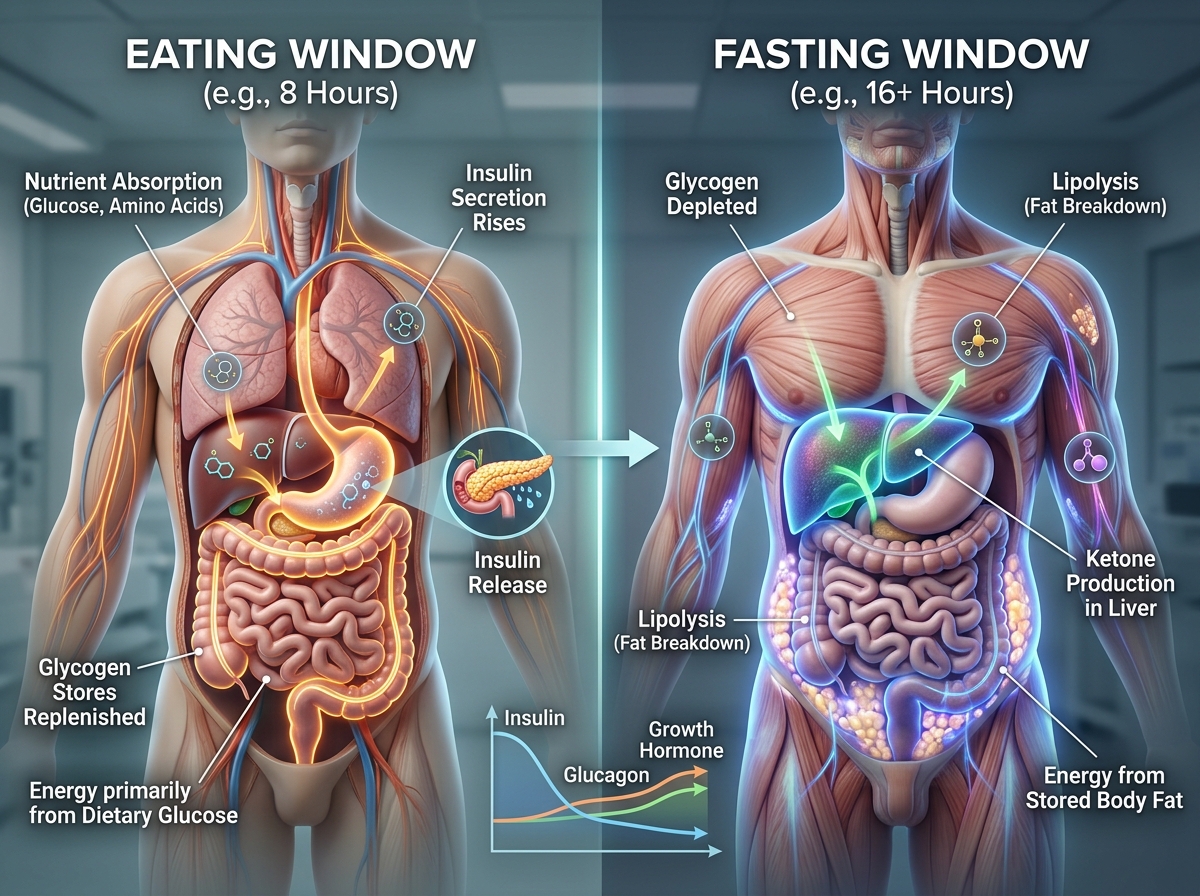
When you stop eating for a certain period, your body goes through several internal changes. First, it uses glucose from recent meals for energy. After that, it begins to use stored glycogen in the liver. Once these sources are reduced, the body starts burning fat for energy.
This process is known as metabolic switching, and it is one of the key reasons intermittent fasting is linked to fat loss.
During fasting, insulin levels also decrease. Lower insulin levels help the body access stored fat more easily. At the same time, growth hormone levels may increase, supporting fat burning and muscle preservation.
List: Key Biological Changes During Fasting
- Insulin levels decrease
- Fat burning increases
- Growth hormone increases
- Digestion system rests
- Cellular repair processes activate
- Energy shifts from glucose to fat

Why People Prefer Intermittent Fasting
One of the biggest reasons people choose intermittent fasting is simplicity. There are no complicated diet rules, no need for calorie counting, and no strict food restrictions.
It fits easily into modern lifestyles where people prefer flexible routines instead of rigid plans.
It is also considered time-efficient because it reduces the number of meals a person needs to plan and prepare.
Table: Traditional Diet vs Intermittent Fasting
| Feature | Traditional Diet | Intermittent Fasting |
|---|---|---|
| Focus | What to eat | When to eat |
| Complexity | High | Low |
| Meal Planning | Strict | Flexible |
| Sustainability | Difficult | Easier |
| Fat Loss Method | Calorie restriction | Metabolic switching |
Early Scientific Interest in Fasting
Intermittent fasting is not a new concept. It has been practiced for centuries in different cultures and religions. However, modern science has recently begun to study its effects on metabolism, longevity, and health.
Research suggests that fasting may support weight loss, improve insulin sensitivity, and promote cellular repair. However, scientists also emphasize that results can vary depending on lifestyle and health conditions.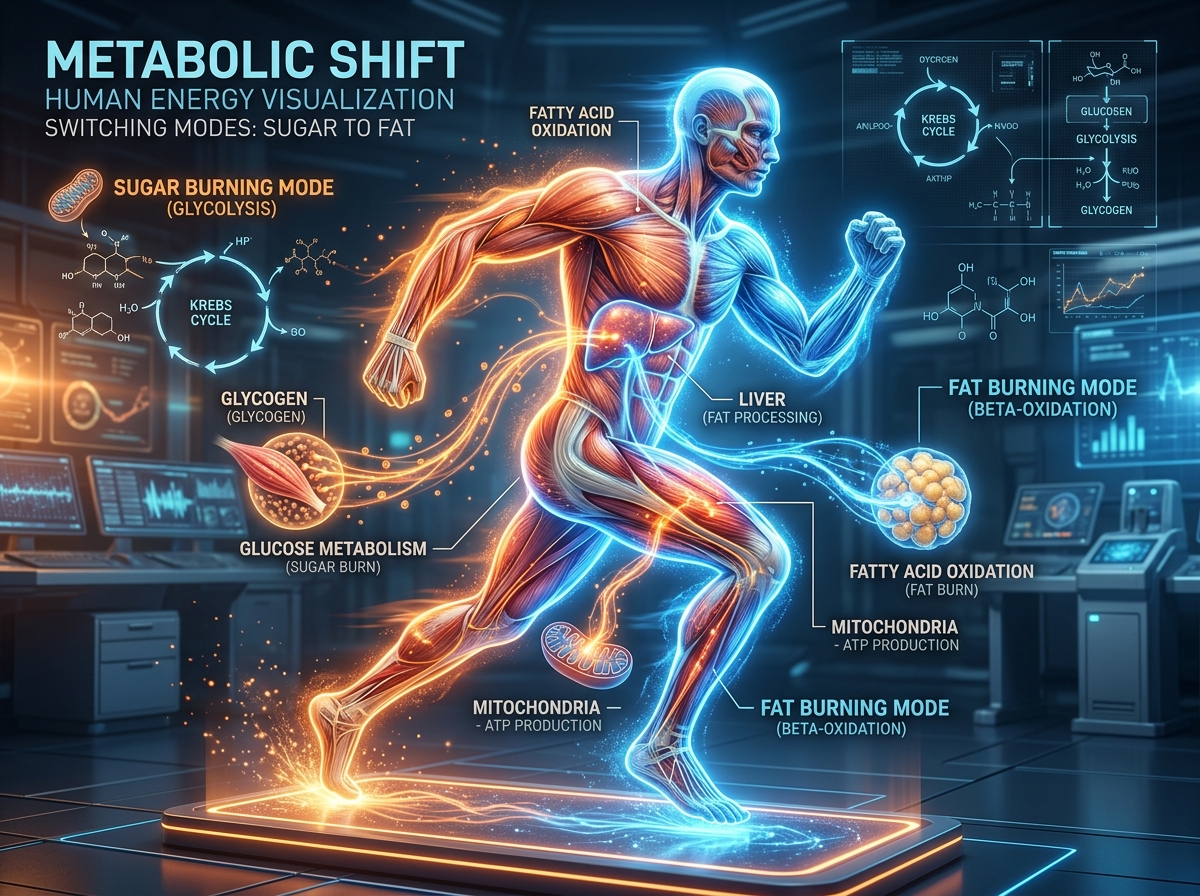
Important Reality Check
While intermittent fasting has many potential benefits, it is not a magic solution. It still requires balanced eating during eating windows. If a person consumes unhealthy food in large amounts, results may be limited.
It is also not suitable for everyone, especially individuals with certain medical conditions, pregnant women, or people with specific nutritional needs.
Intermittent fasting is a powerful eating pattern that changes how the body uses energy. By shifting between eating and fasting periods, it allows the body to burn fat, regulate hormones, and simplify lifestyle habits.
However, understanding its benefits and side effects requires deeper analysis, which we will explore in the next parts.
Why Benefits Make This Trend So Powerful
The main reason intermittent fasting has become a global trend is because of its wide range of potential health benefits. People are not only using it for weight loss but also for improving energy levels, digestion, and overall well-being.
When practiced correctly, intermittent fasting can influence multiple systems in the body at the same time. This includes metabolism, hormone regulation, and cellular health.
Weight Loss and Fat Burning Benefits
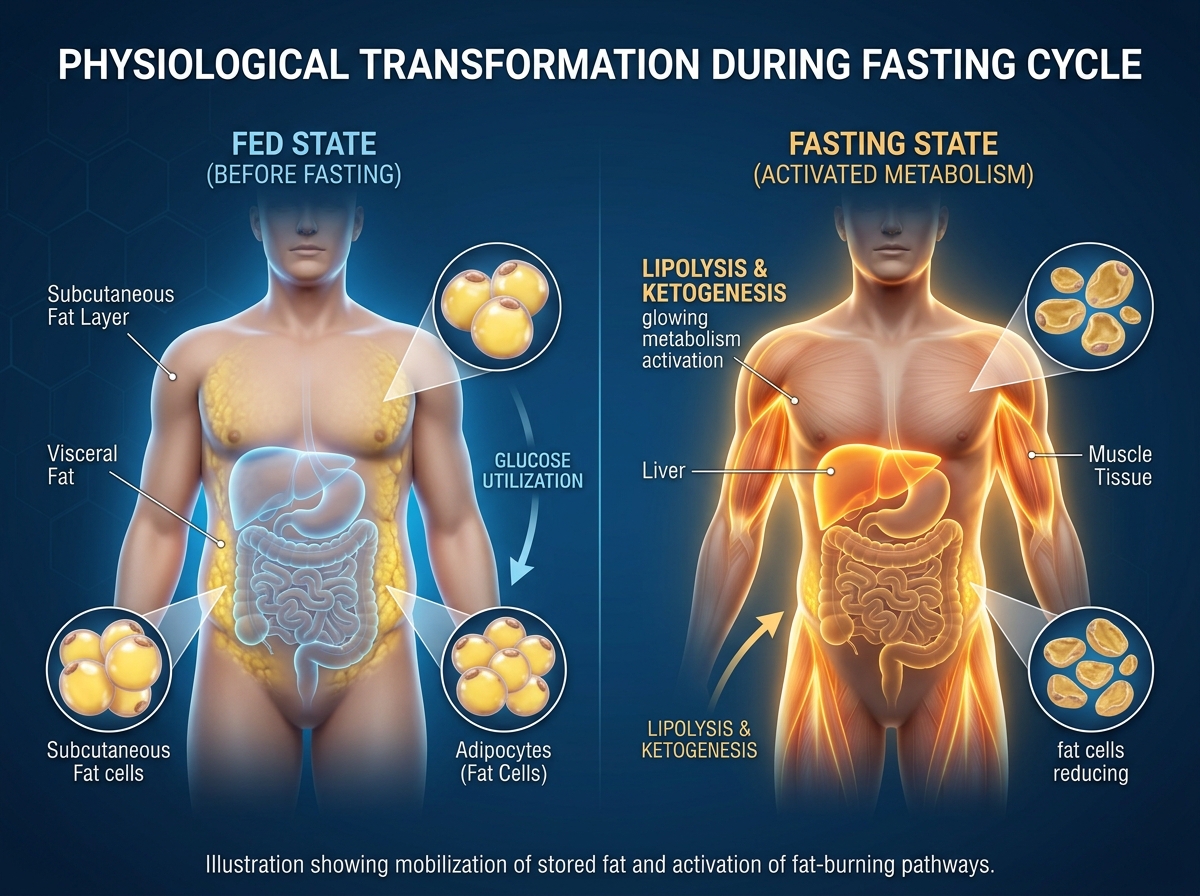
One of the most well-known benefits of intermittent fasting is weight loss. This happens because the body spends more time in a fasting state, which encourages it to use stored fat for energy.
When insulin levels remain low during fasting periods, fat storage decreases and fat burning increases.
Key reasons for weight loss:
- Reduced calorie intake naturally
- Increased fat burning
- Improved insulin sensitivity
- Better appetite control
Energy Improvement and Mental Clarity
Many people report improved energy levels during intermittent fasting. This may seem surprising, but it happens because the body becomes more efficient at using energy.
Instead of relying on constant food intake, the body learns to use stored energy effectively.
Common benefits reported:
- More stable energy throughout the day
- Improved focus and concentration
- Reduced brain fog
- Better productivity
Digestive System Rest and Repair
Intermittent fasting gives the digestive system a break. Instead of constantly processing food, the body gets time to rest and repair.
This can improve digestion efficiency and reduce bloating in some individuals.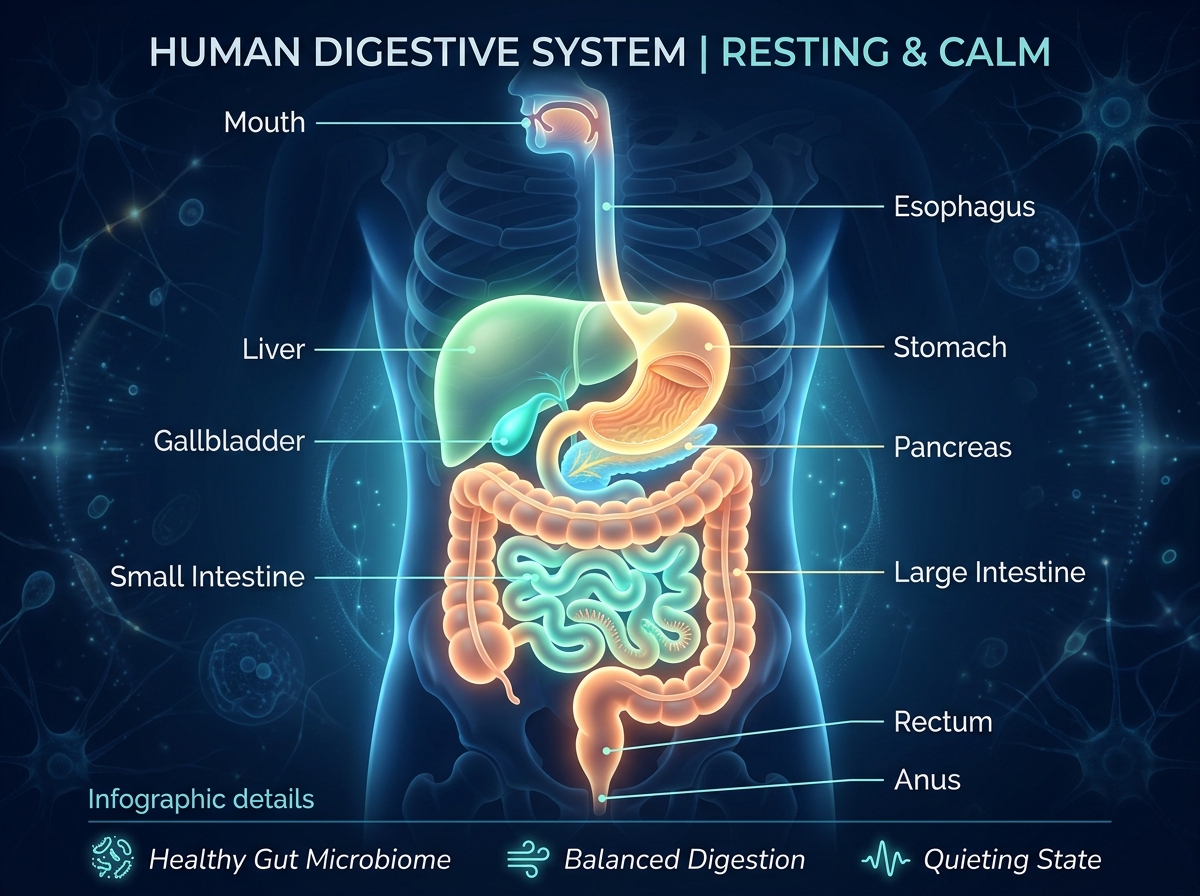
Cellular Repair and Longevity Support
During fasting, the body activates a process called autophagy, where damaged cells are broken down and recycled. This process supports cellular health and may contribute to long-term wellness.
Table: Key Benefits Overview
| Benefit Area | Effect |
|---|---|
| Weight Loss | Fat reduction |
| Energy | Stable energy levels |
| Digestion | Improved rest and function |
| Brain Function | Better focus |
| Cellular Health | Repair activation |
Intermittent fasting provides multiple health benefits, especially for weight control and energy balance. However, results depend on consistency, lifestyle, and food quality during eating periods.
Understanding the Other Side
While intermittent fasting has many benefits, it is important to understand that it is not suitable for everyone. Like any lifestyle approach, it can have side effects depending on how it is practiced.
Knowing both benefits and risks helps people make informed decisions instead of following trends blindly.
Common Side Effects of Intermittent Fasting

Some people may experience temporary side effects when starting intermittent fasting. These usually happen as the body adjusts to a new eating pattern.
Possible side effects include:
- Headaches in early days
- Hunger and irritability
- Low energy during adaptation
- Difficulty concentrating initially
- Mood changes
These effects are often temporary and reduce as the body adapts.
Who Should Be Careful
Intermittent fasting is not suitable for everyone. Certain groups should avoid or consult professionals before trying it.
- Pregnant or breastfeeding women
- People with diabetes or medical conditions
- Individuals with eating disorders
- Children and teenagers
Risks of Improper Fasting
If intermittent fasting is not done correctly, it can lead to problems instead of benefits.
Risks include:
- Nutrient deficiency if meals are unbalanced
- Overeating during eating windows
- Fatigue due to poor hydration
- Hormonal imbalance in some cases
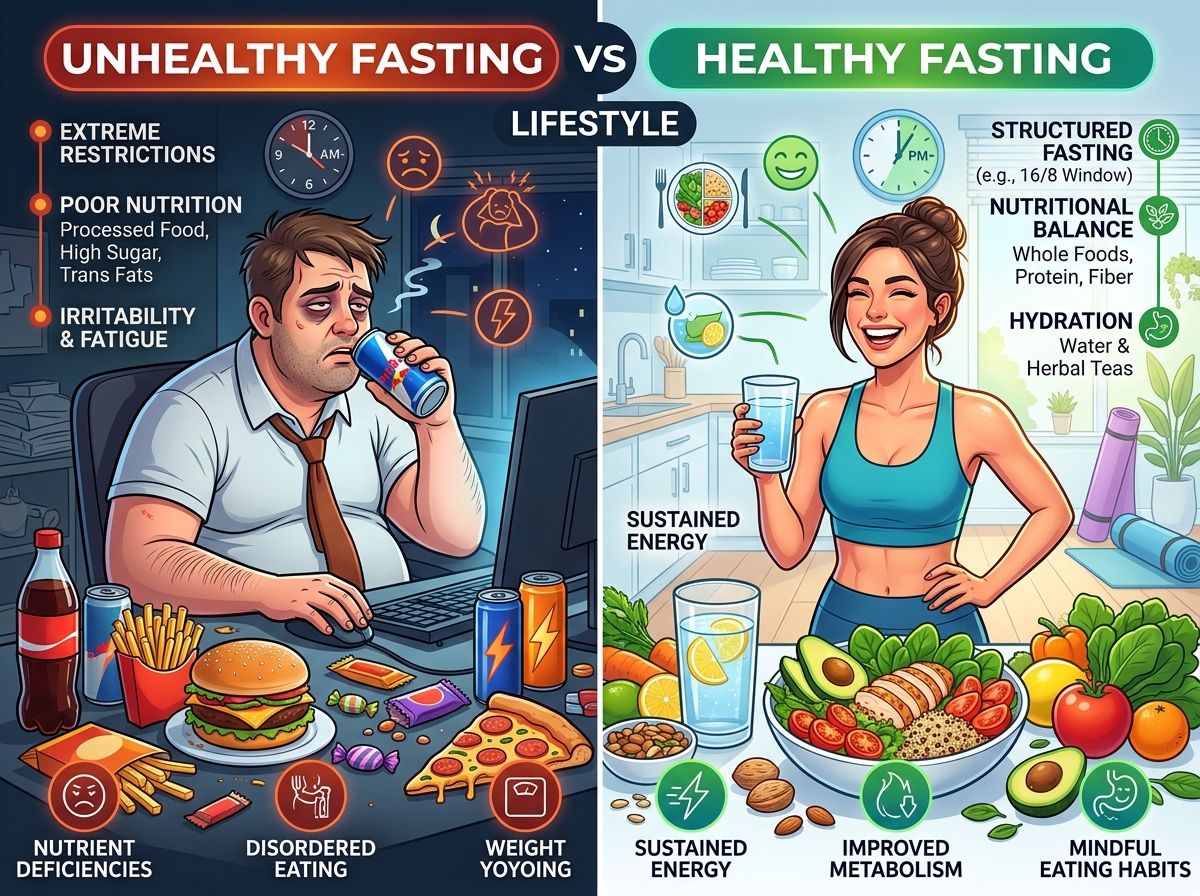
Table: Safe vs Unsafe Practice
| Practice | Safe Fasting | Unsafe Fasting |
|---|---|---|
| Eating Pattern | Balanced meals | Junk food overeating |
| Hydration | Proper water intake | Dehydration |
| Timing | Consistent schedule | Irregular fasting |
| Nutrition | Healthy foods | Processed foods |
How to Practice Intermittent Fasting Safely
To get benefits without risks, balance is essential. The focus should always be on health, not extreme restriction.
Safe practice tips:
- Start with shorter fasting windows
- Drink enough water
- Eat balanced meals
- Avoid extreme calorie restriction
- Listen to your body
Intermittent fasting can be a powerful health tool when used correctly, but it is not a one-size-fits-all solution. Understanding both its benefits and side effects is important for safe and effective use.
