
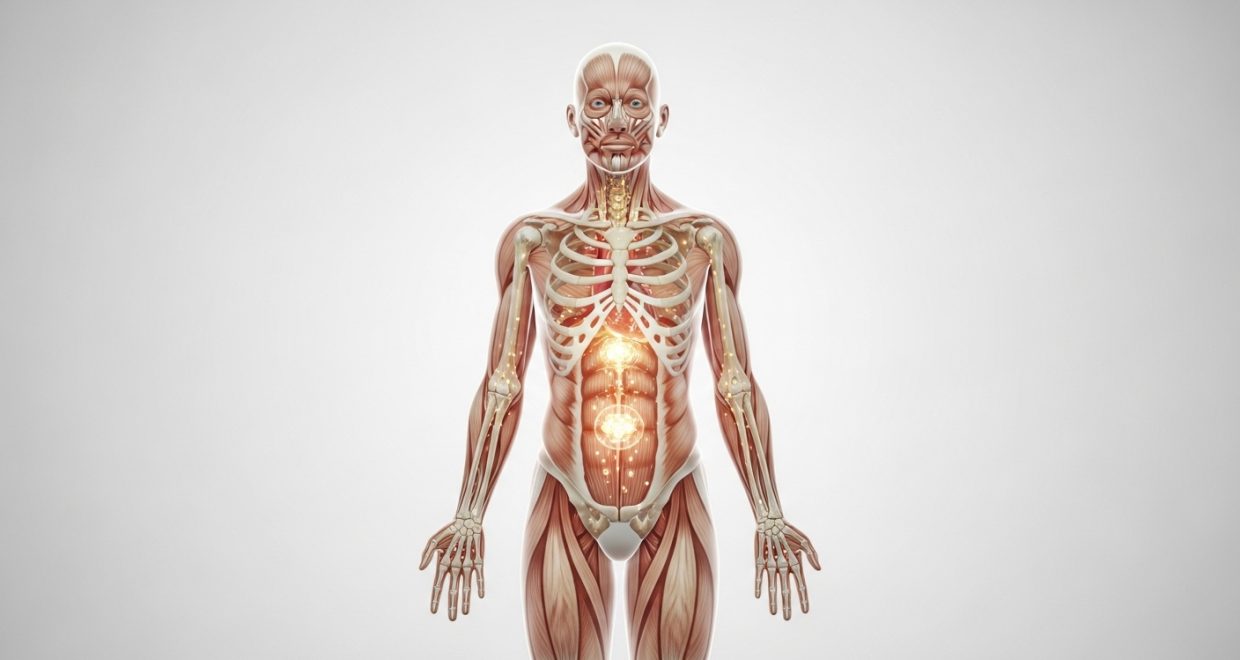
Rethinking What “Healthy” Really Means
For many people, health has been reduced to appearance or performance. How lean you look. How productive you are. How closely your life resembles a highlight reel of good habits. But health is not always visible, and it’s rarely linear. Someone can look “healthy” while running on exhaustion, stress, and restriction. Someone else may look ordinary while feeling strong, calm, and resilient.
Wellness becomes more meaningful when it’s defined internally rather than externally. How well do you sleep? How stable is your energy throughout the day? How quickly do you recover from stress, illness, or disruption? These are far more accurate indicators of health than surface-level metrics.
When the focus shifts from appearance to function, people often find that their bodies respond more positively. Weight stabilizes. Digestion improves. Mood becomes more even. Health stops feeling like a performance and starts feeling like support.
The Body’s Need for Rhythm and Consistency
One of the most overlooked aspects of wellness is rhythm. The body thrives on predictable patterns. Regular meals, consistent sleep times, and steady movement signal safety to the nervous system. When the body feels safe, it allocates energy toward repair, hormone balance, and immune function.
In contrast, irregular routines—skipping meals, sleeping at inconsistent times, pushing through constant stress—keep the body in a reactive state. Over time, this reactivity shows up as fatigue, inflammation, poor digestion, hormonal imbalances, and mental fog. Wellness begins to unravel not because of a single bad habit, but because the system never gets a chance to settle.
Consistency doesn’t require perfection. It requires repetition. Even imperfect routines, when repeated, are more supportive than ideal routines followed sporadically. Health grows in the space between extremes.
Nutrition as Nourishment, Not Control
Food is often the most emotionally charged part of wellness. It’s where good intentions turn into rigid rules, and where self-care can quietly slip into self-criticism. But nutrition works best when it’s approached as nourishment rather than control.
The body needs fuel to regulate hormones, repair tissue, and maintain stable energy. Restrictive eating—even when it’s labeled “clean” or “disciplined”—can backfire by increasing stress hormones and slowing metabolic processes. Over time, this creates the very symptoms people are trying to avoid: fatigue, stubborn weight changes, cravings, and poor recovery.
Wellness-oriented nutrition focuses on regularity, adequacy, and balance. Eating enough, eating consistently, and including a variety of nutrients sends the body a powerful message: resources are available. When the body trusts that food is coming, it stops holding on so tightly.
The Hidden Role of Stress in Health Outcomes
Stress is often treated as an emotional issue, but its effects are deeply physical. Chronic stress alters digestion, disrupts sleep, impairs immune function, and interferes with hormonal balance. Even when diet and exercise are “on point,” unmanaged stress can quietly undermine health.
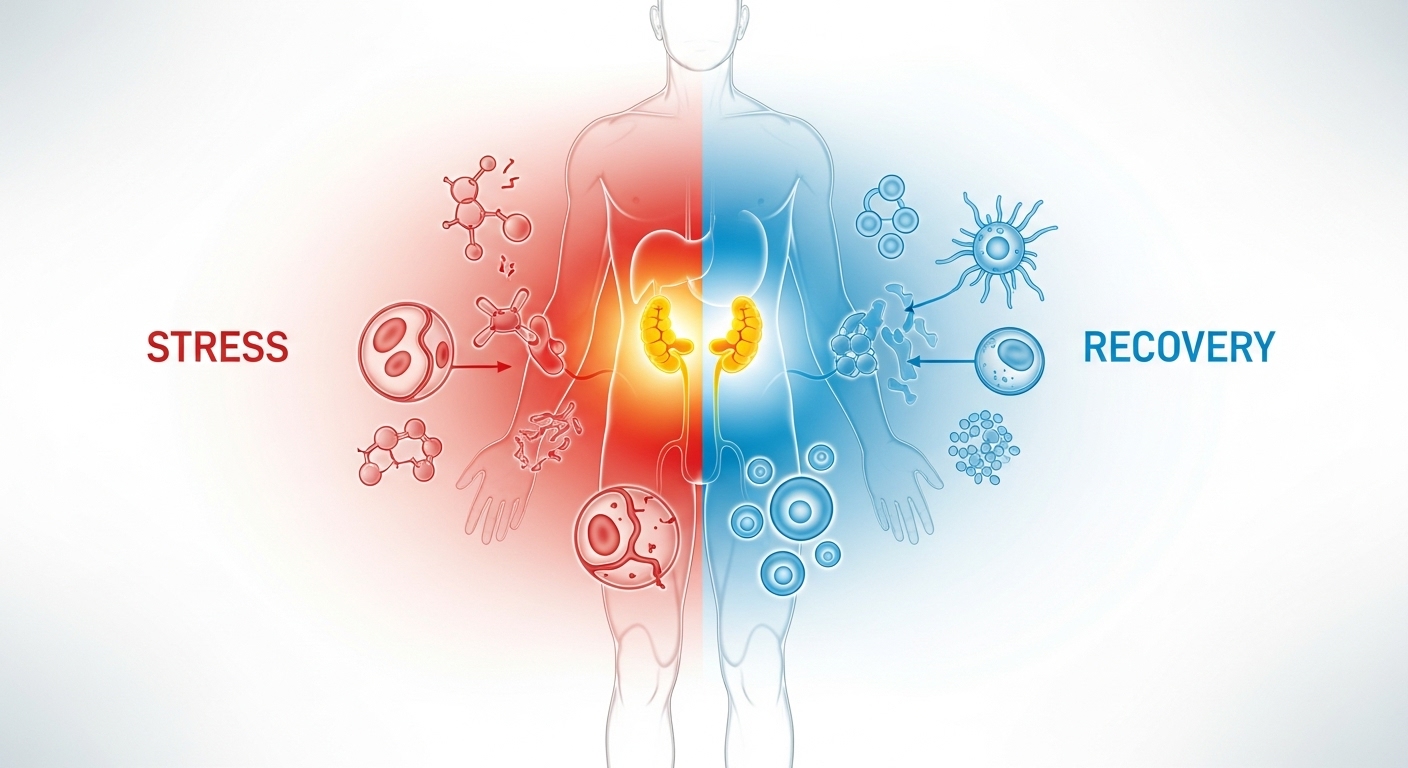
Wellness doesn’t require eliminating stress—an impossible task—but it does require reducing constant activation. This might look like protecting sleep, creating slower mornings, limiting overstimulation, or allowing real rest without guilt. Small moments of calm accumulated over time can shift the body out of survival mode and into repair.
The nervous system is the foundation of wellness. When it’s supported, everything else becomes easier.
Movement as Support, Not Punishment
Exercise is often framed as a way to earn food, fix the body, or compensate for perceived shortcomings. But movement supports health best when it’s used to build strength, circulation, and resilience—not to exhaust or punish.
Gentle, regular movement improves blood flow, supports joint health, and enhances mood. More intense exercise can be beneficial too, but only when balanced with adequate recovery. Overtraining without rest increases inflammation and stress hormones, slowing progress rather than accelerating it.
Wellness-oriented movement feels sustainable. It fits into real life. It leaves you feeling better afterward, not depleted. Over time, this kind of movement builds a body that feels capable rather than controlled.
Sleep: The Cornerstone of Wellness
Sleep is where much of health is built, yet it’s often sacrificed first. During sleep, the body repairs tissue, balances hormones, consolidates memory, and regulates immune responses. Poor sleep disrupts all of these processes, even when other habits are strong.
Consistent sleep schedules matter more than perfect sleep. Going to bed and waking up at similar times helps regulate circadian rhythms that guide everything from digestion to mood. When sleep improves, people often notice better energy, improved digestion, clearer thinking, and a stronger immune response—without changing anything else.
Wellness accelerates when rest is treated as essential, not optional.
Mental and Emotional Health as Physical Health
The separation between mental and physical health is largely artificial. Emotions influence hormone release, muscle tension, digestion, and immune function. Chronic anxiety or dissatisfaction keeps the body in a state of vigilance, which over time manifests physically.
Wellness includes emotional boundaries, self-compassion, and the ability to slow down without guilt. It involves reducing constant comparison and learning to respond to the body rather than criticize it. When emotional health improves, physical symptoms often soften as well.
A calm mind creates space for a healthier body.
Building Wellness That Lasts
Sustainable health is not built through intensity. It’s built through alignment. When habits support rather than fight the body, wellness becomes easier to maintain. Progress stops feeling fragile. Setbacks become temporary instead of catastrophic.
Health and wellness are not about becoming someone else. They’re about creating an environment where your body can function at its best. That environment is shaped by daily choices—how you eat, rest, move, and respond to stress.
In the end, wellness is not something you chase. It’s something you allow by giving your body what it needs consistently. And when you do, the body has an incredible ability to meet you halfway.
The Gut–Hormone–Mind Axis: How Internal Balance Shapes Long-Term Health
Understanding the Gut as a Control Center for Wellness
The gut is often misunderstood as a system designed solely for digestion, yet its influence extends far beyond breaking down food. Within the digestive tract lives a complex ecosystem of microorganisms that directly interact with immune cells, hormone-producing glands, and neural pathways. This ecosystem plays a central role in determining how efficiently the body absorbs nutrients, manages inflammation, and responds to stress. When the gut environment is stable and diverse, it sends signals of safety to the brain and endocrine system, allowing the body to prioritize growth, repair, and metabolic balance rather than survival.
Disruptions in gut health do not always present as digestive discomfort. Many individuals experience symptoms such as persistent fatigue, emotional instability, stubborn weight gain, or accelerated aging without realizing these issues often originate in the gut. A compromised gut barrier allows inflammatory compounds to enter circulation, triggering immune responses that interfere with hormonal signaling. Over time, this internal stress reshapes how the body allocates energy, often slowing metabolism and increasing fat storage as protective mechanisms.
Hormonal Regulation Begins in the Digestive System
Hormones rely on precise timing and sensitivity to function optimally, and the gut plays a pivotal role in maintaining this balance. Insulin regulation, thyroid activity, and estrogen metabolism are all influenced by gut bacteria. When microbial diversity declines, the body’s ability to regulate blood sugar weakens, leading to energy crashes, cravings, and increased fat accumulation. Similarly, impaired estrogen processing can result in hormonal fluctuations that affect mood, skin health, and reproductive function.
Cortisol, the primary stress hormone, is particularly sensitive to gut health. Chronic digestive stress increases cortisol output, which in turn disrupts sleep patterns and appetite signals. Elevated cortisol over extended periods accelerates muscle breakdown, suppresses immune function, and promotes abdominal fat storage. This creates a hormonal environment that prioritizes short-term survival rather than long-term vitality, making sustainable wellness difficult to achieve without addressing digestive balance.
The Brain–Gut Feedback Loop and Mental Well-Being
The gut and brain communicate continuously through the vagus nerve, forming a feedback loop that influences emotional regulation and cognitive performance. A healthy gut produces neurotransmitters that support calm focus and emotional resilience. When gut health deteriorates, neurotransmitter production becomes imbalanced, contributing to anxiety, irritability, and brain fog. This explains why mental health struggles often coexist with digestive issues and why treating one without addressing the other yields limited results.
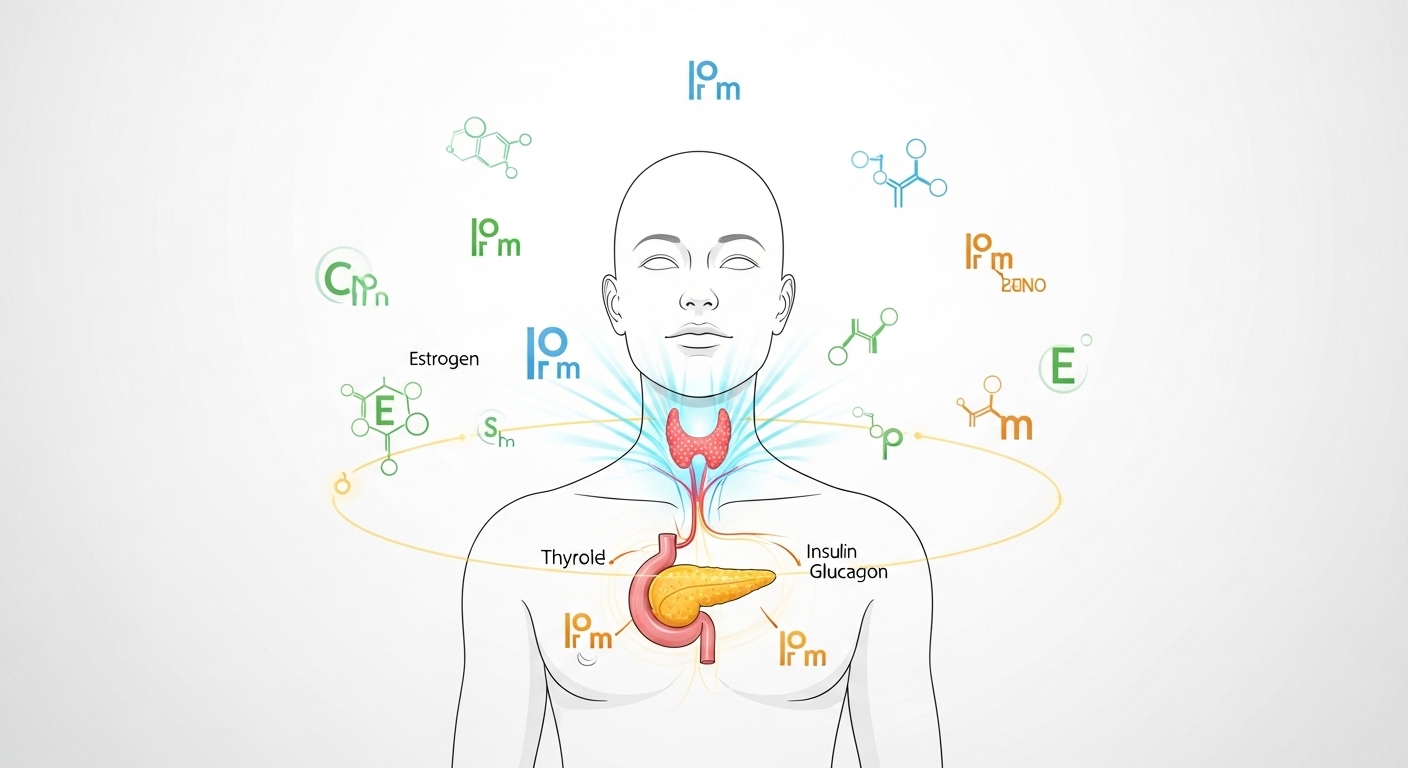
Stress intensifies this loop. Psychological pressure alters gut motility and reduces beneficial bacteria, while gut inflammation sends distress signals back to the brain. Over time, this cycle reinforces itself, leading to chronic tension and emotional burnout. Breaking this pattern requires consistent habits that support both neurological and digestive health, allowing the brain to receive signals of stability rather than threat.
Inflammation, Aging, and the Cost of Internal Imbalance
Chronic low-grade inflammation is one of the most significant drivers of premature aging. It damages cells, disrupts collagen production, and impairs the body’s ability to repair tissue efficiently. The gut is a major regulator of inflammation, and when it functions properly, it acts as a protective barrier against inflammatory overload. When compromised, the inflammatory burden increases, accelerating visible and internal signs of aging.
Hormonal imbalance further compounds this effect. Declines in growth hormone, disruptions in insulin sensitivity, and cortisol dominance all interfere with muscle maintenance, skin elasticity, and metabolic flexibility. Over time, the body shifts from regeneration to compensation, making aging feel abrupt rather than gradual. Supporting gut health restores balance at the cellular level, allowing the aging process to unfold more gracefully and predictably.
Restoring Balance Through Sustainable Wellness Practices
True healing does not come from extreme dietary restrictions or aggressive detox protocols. These approaches often increase stress and further destabilize the gut–hormone–mind axis. Instead, sustainable wellness emphasizes consistency, nourishment, and recovery. Regular meals that support blood sugar stability, adequate sleep that allows hormonal rhythms to reset, and reduced overstimulation create an internal environment where healing becomes possible.
When the body perceives safety, it reallocates energy toward repair rather than defense. Digestive efficiency improves, hormones stabilize, and mental clarity returns gradually but reliably. This process may feel slower than quick-fix solutions, yet it produces results that last because it works with the body rather than against it.
The Foundation of Lasting Health and Resilience
Long-term wellness is not built through isolated interventions but through systems that support one another. The gut–hormone–mind axis represents the core of this system, shaping how the body responds to nutrition, stress, and time. When this axis is balanced, health becomes resilient rather than fragile. Energy stabilizes, emotional regulation improves, and the body gains the flexibility needed to adapt to life’s demands.

Understanding and supporting this internal connection transforms health from a constant struggle into a sustainable state of balance. Wellness becomes less about correction and more about alignment, allowing the body to function as it was designed to—efficiently, intelligently, and with remarkable capacity for renewal.
Metabolic Resilience and Longevity: How Stress Recovery Shapes the Aging Process
Why Metabolic Health Determines How You Age
Metabolic health is often discussed in terms of weight or blood sugar, but its influence reaches far deeper than numbers on a chart. At its core, metabolism is the body’s ability to efficiently convert food into usable energy while maintaining balance across every system. When this process functions smoothly, energy feels stable, recovery is faster, and aging progresses gradually. When it breaks down, fatigue becomes chronic, inflammation rises, and the body shifts into a state of constant compensation.
A healthy metabolism allows the body to adapt. It can handle occasional stress, missed sleep, or dietary fluctuations without long-term damage. Metabolic dysfunction, however, removes this flexibility. The body becomes rigid, reactive, and increasingly vulnerable to hormonal imbalances that accelerate aging from the inside out.
The Hidden Cost of Chronic Stress on Metabolism
Stress is not inherently harmful. In short bursts, it sharpens focus and mobilizes energy. The problem arises when stress becomes constant and unresolved. Chronic stress keeps cortisol elevated, signaling the body to conserve energy and prioritize survival. Over time, this disrupts insulin sensitivity, slows thyroid activity, and impairs fat metabolism.
This metabolic slowdown is not a failure of willpower. It is a protective response. The body interprets ongoing stress as a threat and adapts by reducing energy expenditure. Fat storage increases, muscle repair slows, and inflammation becomes persistent. These changes, while protective in the short term, create the foundation for accelerated aging when sustained over years.
Stress Recovery as a Metabolic Reset
Recovery is the missing piece in most health strategies. Without adequate recovery, even the best nutrition and exercise plans lose effectiveness. Stress recovery allows cortisol levels to normalize, insulin sensitivity to improve, and metabolic pathways to recalibrate. This is when the body shifts from defense mode into repair mode.
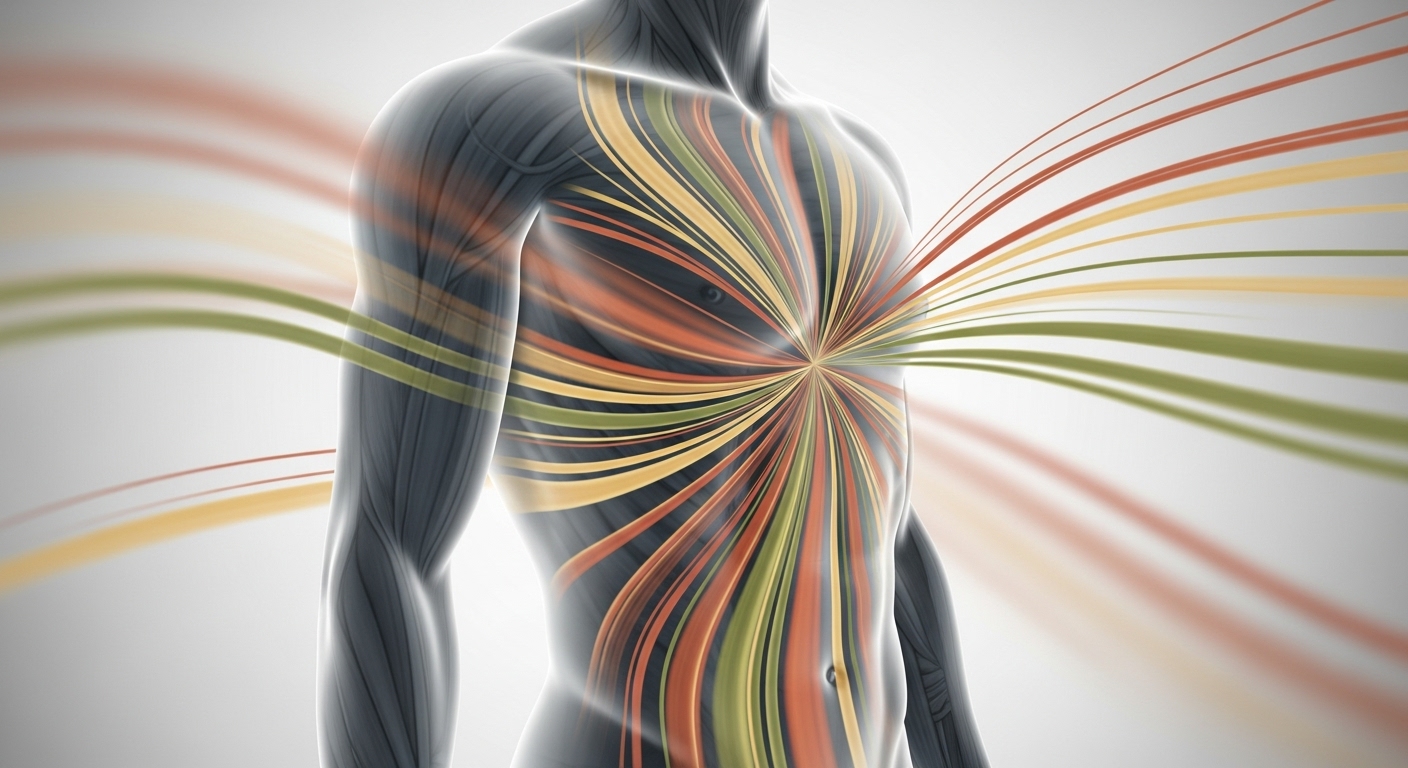
Deep recovery occurs during sleep, but it also requires mental disengagement from constant stimulation. When recovery is prioritized, the nervous system regains balance, digestion improves, and cellular repair processes accelerate. These changes do not happen overnight, but they compound steadily, restoring metabolic resilience and slowing biological aging.
Anti-Aging Starts at the Cellular Level
Aging is not just the passage of time; it is the accumulation of cellular damage. Metabolic health directly influences how efficiently cells repair themselves. When energy production is stable and inflammation is controlled, cells maintain structural integrity and communicate effectively. When metabolism falters, oxidative stress increases, damaging DNA and weakening cellular defenses.
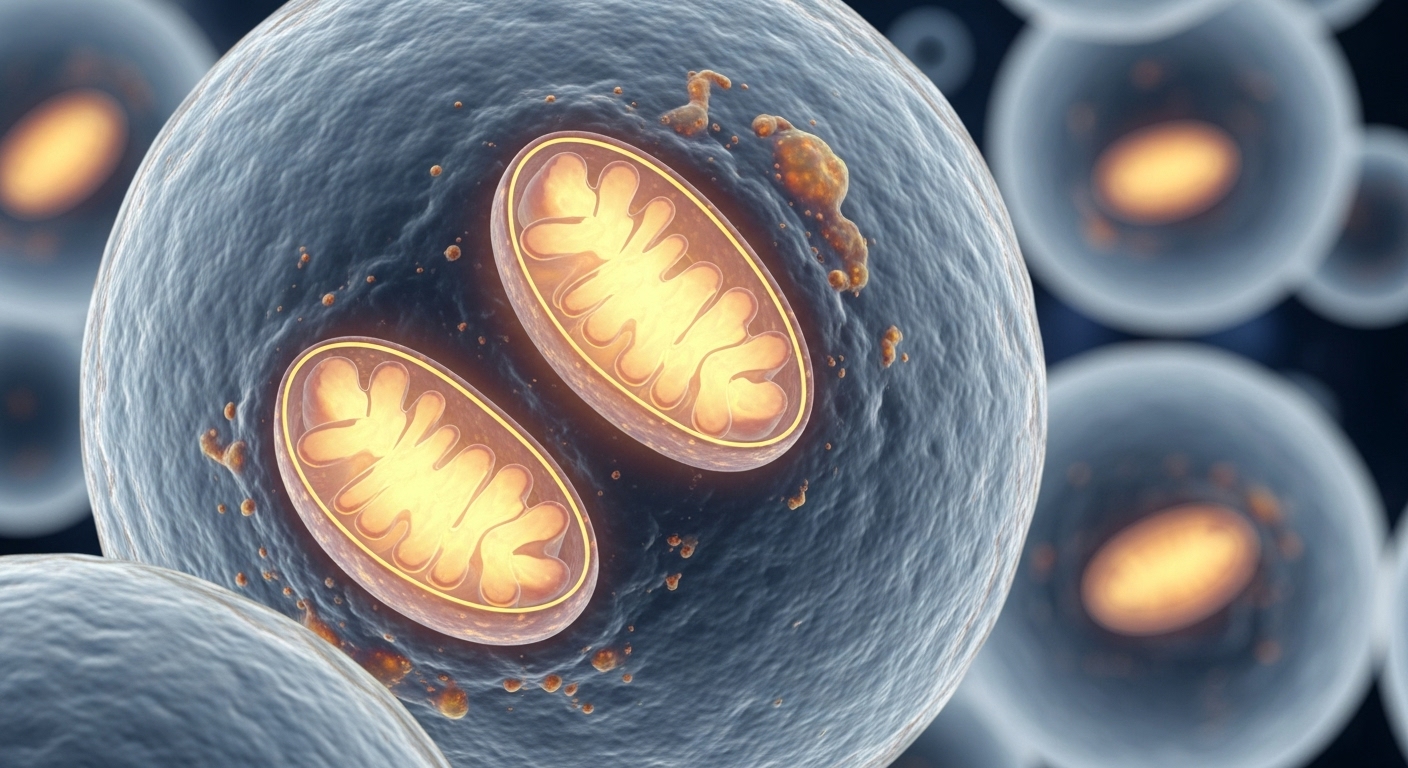
Stress recovery reduces oxidative load by lowering cortisol and inflammatory markers. This preserves mitochondrial function, the engines of the cell responsible for energy production. Healthy mitochondria are a hallmark of longevity, supporting muscle strength, cognitive clarity, and skin integrity well into later years.
The Role of Hormonal Balance in Longevity
Hormones act as messengers that coordinate metabolism, growth, and repair. Chronic stress disrupts this communication network. Growth hormone secretion declines, thyroid hormones lose efficiency, and sex hormone balance becomes unstable. These shifts contribute to muscle loss, fat gain, reduced bone density, and visible signs of aging.
Restoring metabolic health through stress recovery allows hormonal rhythms to reestablish themselves. Growth hormone secretion improves during deep sleep, thyroid activity becomes more responsive, and insulin signaling stabilizes. These changes enhance tissue repair and preserve lean mass, two critical factors for healthy aging.
Energy Stability as a Marker of Metabolic Health
One of the most reliable indicators of metabolic health is consistent energy throughout the day. When metabolism is resilient, energy does not spike and crash. Instead, it flows steadily, supporting focus, movement, and emotional balance. This stability reflects efficient fuel utilization and balanced hormonal signaling.
Energy instability, on the other hand, signals metabolic stress. Frequent cravings, afternoon fatigue, and reliance on stimulants often indicate underlying dysfunction. Addressing stress recovery allows the body to regain metabolic rhythm, reducing dependency on external energy sources and restoring natural vitality.
Building a Metabolism That Ages Gracefully
Longevity is not achieved through intensity but through alignment. A resilient metabolism is built by supporting the body’s need for safety, consistency, and recovery. This approach allows stress to be processed rather than stored, preventing it from reshaping metabolism in harmful ways.
When metabolic health is restored, aging becomes less about decline and more about adaptation. Strength, clarity, and resilience remain accessible because the body retains its capacity to repair and regulate itself. Stress recovery is not a luxury in this process; it is the foundation that allows all other health strategies to succeed.
Redefining Aging Through Recovery and Balance
The modern approach to health often emphasizes doing more, yet longevity thrives on knowing when to pause. Recovery creates the conditions necessary for metabolic flexibility and hormonal harmony. Through this balance, the body regains its natural intelligence, responding to challenges without breaking down.
Aging, when supported by metabolic resilience and effective stress recovery, becomes a gradual evolution rather than a sudden loss. This shift redefines wellness as a lifelong relationship with the body, grounded in respect, awareness, and sustainable care.
Metabolic Health, Stress & Aging — Deep Insight Chart
| Factor | When Balanced | When Chronically Disrupted | Impact on Aging & Appearance |
|---|---|---|---|
| Cortisol (Stress Hormone) | Supports energy, alertness, and recovery | Constant elevation from stress or undereating | Accelerated aging, abdominal fat, dull skin, inflammation |
| Insulin Sensitivity | Stable blood sugar, efficient energy use | Insulin resistance from stress and poor sleep | Faster aging, fat storage, skin glycation |
| Mitochondrial Health | Strong cellular energy production | Energy burnout, oxidative stress | Fatigue, muscle loss, premature aging |
| Sleep Quality | Deep cellular repair and hormone regulation | Fragmented or insufficient sleep | Wrinkles, hormonal imbalance, metabolic slowdown |
| Inflammation Levels | Controlled, adaptive immune response | Chronic low-grade inflammation | Collagen breakdown, skin aging, metabolic decline |
| Muscle Mass | Maintains metabolic rate and glucose control | Muscle loss from stress or restriction | Slower metabolism, sagging skin, weakness |
| Nervous System Balance | Calm parasympathetic recovery | Constant fight-or-flight mode | Weight gain, aging acceleration |
| Digestive Health | Efficient nutrient absorption | Poor gut health, dysbiosis | Skin issues, hormonal disruption |
| Recovery Capacity | Resilient metabolism | Burnout and hormonal fatigue | Rapid aging signs |
| Long-Term Longevity | Slower biological aging | Faster biological aging | Reduced healthspan |
