
Beauty and Health: How Inner Balance Shapes the Way We Age, Glow, and Feel
Beauty and health are often discussed as if they belong to two separate worlds. Beauty is framed as something external, something you apply, fix, or enhance, while health is treated as something internal, measured quietly through energy levels, blood work, or how the body feels when no one is watching. But in reality, beauty and health are deeply intertwined. One does not exist without the other, and when they fall out of alignment, the body reveals that imbalance in subtle but unmistakable ways.
True beauty does not begin in the mirror. It begins in the way the body functions beneath the surface. It shows up in the clarity of the skin, the strength of the hair, the brightness of the eyes, and the ease with which the body recovers from stress. When health is supported consistently, beauty becomes a natural byproduct rather than a constant pursuit. This is the part of the conversation that is often missing in a world focused on quick fixes and surface-level solutions.
Many people spend years trying to correct external signs of imbalance without addressing what’s happening internally. They switch products, treatments, and routines, hoping the next solution will finally work. Sometimes it helps temporarily, but the results rarely last. That’s because the body is not designed to be managed from the outside in. It responds best when it is supported from the inside out.
Why Beauty Is a Reflection, Not a Result
Beauty is not something the body produces on command. It reflects the state of internal systems working together — digestion, hormones, circulation, sleep, and stress regulation. When these systems are under strain, the body prioritizes survival over appearance. Skin becomes dull, hair thins, nails weaken, and inflammation increases. These changes are not cosmetic problems; they are signals.
When health improves, beauty follows naturally. Skin becomes more resilient. Hair grows with strength instead of fragility. Facial tension softens. This is not because of a single supplement or routine, but because the body is finally operating in balance.
The mistake many people make is trying to force beauty through control. Restrictive eating, overtraining, chronic stress, and lack of rest all disrupt the very systems responsible for natural glow and vitality. The body cannot thrive under constant pressure. Beauty fades not because of age alone, but because of prolonged imbalance.
Stress as the Invisible Beauty Disruptor
One of the most overlooked influences on beauty is the nervous system. When the body is under chronic stress, it remains in a constant state of alert. Cortisol stays elevated, digestion becomes inefficient, and repair processes slow down. Over time, this stress response shows up physically.

Skin conditions worsen. Hair shedding increases. Inflammation becomes more visible. These changes are not random. They are the body’s way of reallocating resources away from nonessential functions like aesthetic repair.
Beauty improves when the nervous system feels safe. Adequate sleep, gentle movement, regular meals, and emotional regulation all signal safety to the body. When that signal is consistent, the body resumes repair, regeneration, and balance.
Feeding the Body, Not Controlling It
Nutrition plays a central role in beauty and health, but not in the way it is often marketed. Beauty does not come from restriction. It comes from nourishment. When the body is underfed or stressed around food, it conserves energy and slows renewal processes.
Consistent, balanced eating supports hormone production, collagen synthesis, and skin barrier function. It stabilizes blood sugar, which reduces inflammation and improves overall complexion. Beauty thrives when the body is fed regularly, adequately, and without fear.
This does not require perfection. It requires consistency. The body responds more favorably to regular nourishment than to cycles of control and compensation.
Aging as an Outcome of Habits, Not a Failure
Aging is often treated as something to fight, but much of what we associate with aging is actually cumulative stress. Poor sleep, chronic inflammation, hormonal disruption, and nutritional deficiencies accelerate visible aging. When these factors are addressed, the body ages differently.
Healthy aging looks less dramatic and more stable. Skin retains elasticity. Hair maintains density. Energy remains steady. These outcomes are not about stopping time, but about supporting the systems that regulate repair.
Hormones as the Architects of Skin, Hair, and Vitality
Hormones quietly influence nearly every aspect of beauty. They regulate oil production, collagen levels, hair growth cycles, and even facial structure over time. When hormones are balanced, the body maintains harmony. When they are disrupted, beauty changes quickly and often unpredictably.
Stress, poor sleep, undereating, and excessive exercise are common contributors to hormonal imbalance. These factors signal scarcity to the body, prompting it to shift resources away from reproduction, repair, and growth. The result often appears externally before it is diagnosed internally.
Supporting hormonal balance does not require extreme interventions. It requires consistency. Regular meals, adequate rest, moderate movement, and stress management all support hormonal stability. When hormones settle, beauty stabilizes with them.
Beauty as a Byproduct of Health, Not a Project
The most sustainable beauty routines are not complicated. They are rooted in daily habits that support health. When the body feels supported, it reflects that support outwardly. Beauty becomes less about fixing and more about maintaining.
Health does not demand perfection. It asks for awareness, patience, and respect. When those are present, beauty follows quietly, without force.
Why Skin and Hair Often Reflect Digestive Health
The gut is one of the most influential yet misunderstood contributors to beauty and health. Long before a skin issue becomes visible or hair begins to thin, subtle imbalances often start in the digestive system. Poor digestion affects nutrient absorption, inflammation levels, and immune response — all of which directly influence how the body looks and feels.
When digestion is compromised, the body struggles to extract essential vitamins and minerals needed for skin repair, collagen production, and hair growth. Even a nutrient-rich diet cannot compensate for poor absorption. Over time, this internal inefficiency shows up externally as dull skin, uneven tone, breakouts, increased sensitivity, or brittle hair. These changes are not surface-level problems; they are messages.
A healthy gut supports a balanced microbiome, which helps regulate inflammation and protect the skin barrier. When this balance is disrupted — often through chronic stress, irregular eating, or restrictive dieting — inflammation increases and repair slows. Beauty, in this context, becomes a mirror of internal strain rather than a cosmetic issue to be corrected.
How Low-Grade Inflammation Alters Appearance Over Time
Inflammation is part of the body’s natural defense system, but when it becomes chronic, it quietly alters how we age and how our skin behaves. Low-grade inflammation does not always cause pain or obvious illness, but it accelerates visible aging by breaking down collagen, weakening the skin barrier, and increasing sensitivity.
This type of inflammation is often fueled by lifestyle factors rather than disease. Irregular sleep, constant stress, overtraining, and inconsistent eating patterns all contribute to a state where the body remains mildly inflamed for long periods. The skin responds by becoming reactive, textured, or prone to flare-ups.
Hair follicles are also sensitive to inflammatory signals. Chronic inflammation can disrupt the hair growth cycle, leading to increased shedding or slower regrowth. These changes can feel sudden, but they are usually the result of cumulative stress rather than a single trigger.
Reducing inflammation is less about eliminating specific foods or following rigid rules and more about restoring balance. Consistent sleep, adequate nutrition, gentle movement, and stress reduction all calm inflammatory pathways. When inflammation decreases, the body redirects energy toward repair and renewal, and beauty begins to stabilize.
Why Hair Often Changes Before Anything Else
Hair is one of the first places the body reveals imbalance because it is not essential for survival. When resources are limited, the body prioritizes vital organs over hair growth. This is why stress, illness, hormonal disruption, or undernourishment often lead to noticeable changes in hair texture, thickness, or shedding.
Hair health depends on a steady supply of nutrients, stable hormones, and adequate circulation. When any of these are disrupted, hair becomes fragile or enters a resting phase prematurely. Many people attempt to fix this externally with products and treatments, but without addressing the underlying cause, results remain limited.
Supporting hair health requires patience. The hair growth cycle operates over months, not weeks. When internal balance improves, hair often follows slowly but steadily. This process reinforces an important truth: beauty responds to long-term care, not quick fixes.
How Gentle Movement Supports Skin and Vitality
Movement influences beauty in ways that are often overlooked. Regular, moderate activity improves circulation, which delivers oxygen and nutrients to the skin and scalp. It also supports lymphatic drainage, helping reduce puffiness and inflammation.
Unlike extreme exercise, which can increase stress hormones when overdone, gentle and consistent movement signals balance to the body. Walking, stretching, and low-impact strength training enhance circulation without overwhelming the nervous system. Over time, this contributes to healthier skin tone, better muscle support under the skin, and improved posture.
Movement also improves sleep quality, which plays a critical role in skin repair. The body performs much of its cellular renewal during deep sleep. When sleep improves, so does the body’s ability to maintain youthful, resilient skin.
The Face as a Map of Stress and Recovery
Emotional stress leaves physical traces. Chronic tension alters facial expression, posture, and muscle tone. Over time, this tension can deepen lines, restrict circulation, and affect overall appearance. These changes are not purely cosmetic; they reflect how the nervous system is responding to daily life.
When emotional health improves, the face often softens. Jaw tension releases. Eyes appear brighter. Skin tone evens out. These changes occur not because of products or procedures, but because the body is no longer in constant defense mode.
Beauty improves when emotional regulation becomes part of health care. Practices that support calm — such as rest, boundaries, and self-awareness — contribute to visible changes over time.
Why Fighting Aging Often Backfires
The language around aging often frames it as something to battle. But resistance creates stress, and stress accelerates aging. When the focus shifts from fighting age to supporting health, the body responds differently.
Healthy aging is not about erasing time. It’s about maintaining function, resilience, and repair capacity. Skin elasticity, muscle tone, and hair health depend on how well the body manages stress and recovers from it. Supporting these processes allows aging to unfold more gently.
When health becomes the priority, beauty becomes a natural expression of that care. The body reflects stability, not strain.
Why Beauty Improves When Control Loosens
Many people approach beauty and health from a place of control. They monitor, restrict, and correct constantly. While this may produce short-term changes, it often erodes trust in the body. Over time, the body responds defensively.
Rebuilding trust involves listening rather than overriding signals. Hunger, fatigue, stress, and discomfort all carry information. When these signals are respected, the body begins to regulate itself more effectively. Beauty, in this context, becomes less volatile and more stable.
This process takes time, but it is deeply transformative. The body responds positively when it feels supported rather than managed.
The Long-Term View of Beauty and Health
Beauty that lasts is rarely dramatic. It develops through daily habits that support health quietly and consistently. The glow that feels most authentic is not manufactured; it emerges naturally when internal systems work in harmony.
Health is not a destination. It is an ongoing relationship with the body. Beauty reflects the quality of that relationship. When care replaces control and consistency replaces extremes, the body responds with resilience, vitality, and ease.
Why Beauty Should Never Feel Like a Battle
For many people, beauty has quietly become a battleground. A place of rules, restrictions, comparisons, and constant correction. From a young age, we are taught—sometimes subtly, sometimes aggressively—that beauty is something to be chased, fixed, or earned. The result is a cycle of effort that rarely brings peace. A sustainable beauty philosophy begins by questioning this entire framework.
True sustainability in beauty does not mean doing less. It means doing what can be repeated without exhaustion, guilt, or harm. It means caring for the body in ways that support it today and continue to support it years from now. When beauty practices feel punishing or stressful, the body interprets them as threats, not care. Over time, this stress shows up in skin, hair, hormones, and energy levels.
A sustainable approach shifts beauty from control to cooperation. Instead of asking, “How do I change my body?” the question becomes, “How do I support my body so it can express its best state naturally?”
Moving Away From Short-Term Fixes
One of the biggest obstacles to sustainable beauty is the obsession with speed. Fast results promise reassurance, but they often come at a cost. Crash diets, aggressive treatments, and extreme routines may produce visible changes quickly, but they frequently disrupt internal balance. The body remembers these disruptions long after the visible results fade.
Sustainable beauty accepts that real change unfolds gradually. Skin regenerates on its own timeline. Hormones rebalance slowly. Hair growth follows cycles, not deadlines. When expectations align with biology, frustration decreases, and consistency becomes possible.
This doesn’t mean ignoring progress. It means redefining progress as stability, comfort, and resilience rather than constant transformation. When beauty practices no longer feel urgent, they become easier to maintain—and more effective.
Listening to the Body Instead of Overriding It
A sustainable beauty philosophy treats the body as an intelligent system rather than a problem to be solved. Hunger, fatigue, breakouts, hair shedding, or dull skin are not failures. They are signals. Ignoring these signals in favor of rigid routines often worsens the underlying issue.
Learning to listen requires slowing down. It means noticing how the body responds to food, sleep patterns, stress levels, and emotional states. When people adjust based on feedback rather than forcing outcomes, the body responds with cooperation instead of resistance.
This approach builds trust. Over time, the body becomes more predictable, more resilient, and easier to care for. Beauty becomes less about management and more about alignment.
Consistency as the Cornerstone of Lasting Beauty
Consistency is often underestimated because it feels unremarkable. There is nothing dramatic about showing up daily with moderate care. Yet this is where sustainable beauty lives. Small, repeated actions signal safety to the body. Safety allows repair.
Skipping extremes does not mean skipping effort. It means choosing routines that fit into real life. Eating regularly, sleeping adequately, managing stress realistically, and moving the body gently but consistently all contribute more to beauty than sporadic bursts of intensity.
When consistency becomes the goal, beauty practices stop competing with life. They integrate into it. This integration is what allows results to last.
Redefining Beauty as a Long-Term Relationship
Sustainable beauty is relational. It evolves with age, lifestyle changes, and emotional growth. What works at one stage of life may need adjustment later. This flexibility is a strength, not a failure.
Rigid beauty standards collapse under change. A sustainable philosophy adapts. It honors seasons of rest, recovery, and renewal. It allows beauty to look different at different times without losing its value.
This mindset reduces anxiety around aging. Instead of resisting time, the focus shifts to maintaining function, comfort, and vitality. Beauty becomes an expression of health rather than a measure of youth.
Emotional Well-Being as a Beauty Practice
Emotional health is often overlooked in beauty conversations, yet it plays a critical role. Chronic dissatisfaction, comparison, and self-criticism elevate stress hormones. These hormones directly affect skin quality, hair growth, digestion, and sleep.
A sustainable beauty philosophy includes emotional boundaries. Limiting exposure to unrealistic standards, reducing self-surveillance, and practicing self-compassion all contribute to physiological balance. When the mind feels safe, the body follows.
Beauty that grows from emotional steadiness tends to feel calmer and more grounded. It doesn’t demand constant validation. It simply exists.
Supporting the Body Instead of Punishing It
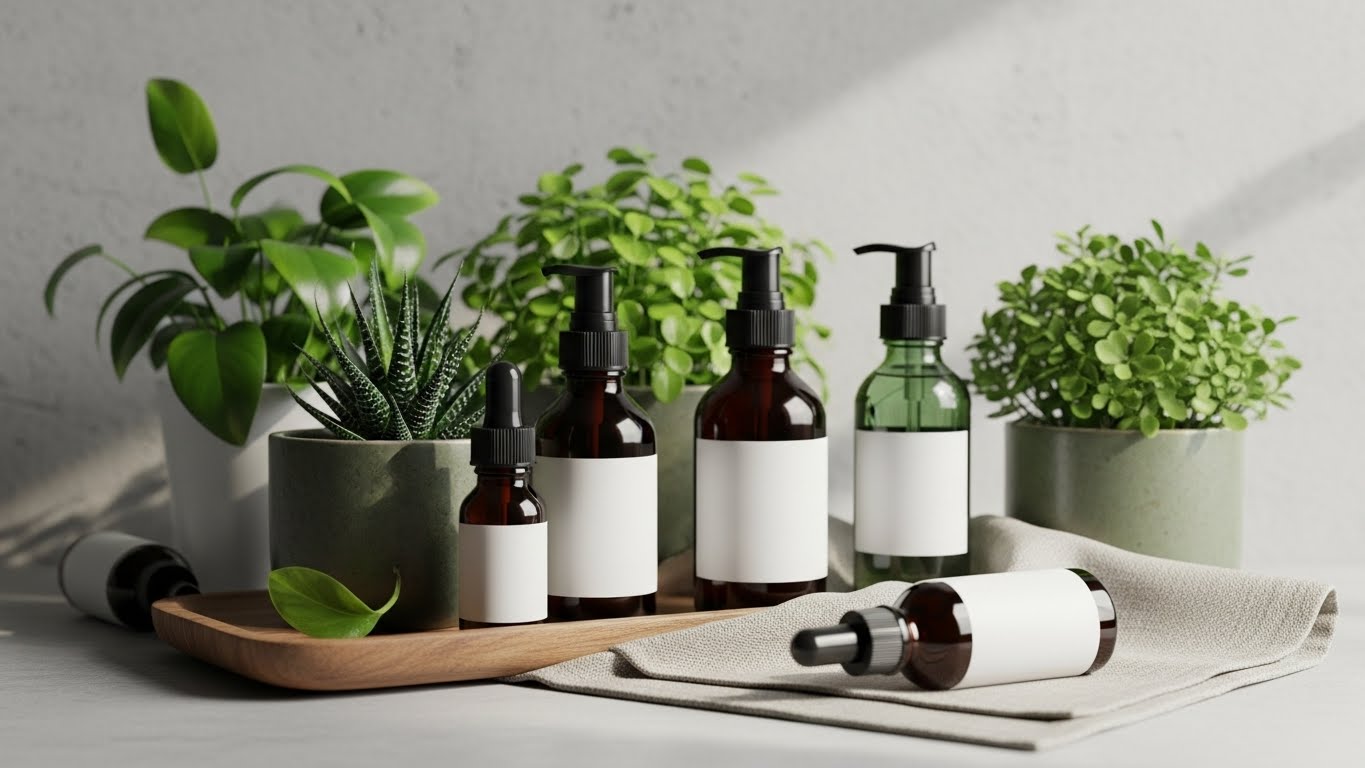
Many beauty routines are built on the idea of correction—correcting flaws, correcting weight, correcting texture, correcting age. Sustainable beauty replaces correction with support. Supportive practices nourish, protect, and restore rather than deplete.
This shift changes how people relate to effort. Care becomes something given, not something forced. Over time, the body responds with improved tone, clarity, and energy. These changes feel earned, not extracted.
Punishment creates tension. Support creates harmony. Harmony is easier to sustain.
Beauty That Grows With You
The most powerful aspect of a sustainable beauty philosophy is that it grows alongside you. It doesn’t demand perfection. It allows pauses. It adapts to challenges. And it continues to work even when life becomes busy or unpredictable.
This kind of beauty feels steady rather than fragile. It doesn’t collapse when routines are disrupted. It is built on trust, not control.
In the long run, sustainable beauty is not about looking a certain way. It is about feeling at home in your body—and letting that comfort show.
