
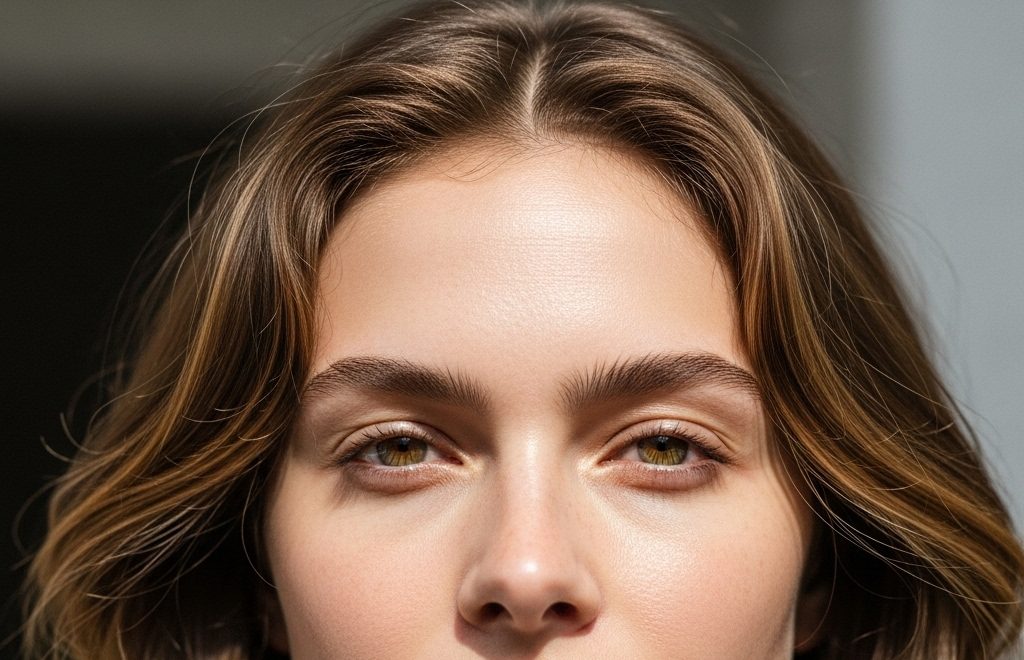
The Problem With Treating Beauty as a Fix
Most beauty routines are built around fixing something.
Fix dryness.
Fix dullness.
Fix aging.
Fix imperfections.
But the body doesn’t interpret “fixing” as care. It interprets it as correction.
And correction often comes with stress — physical and emotional.
Skin, hair, and overall appearance are not isolated systems. They are reflections of internal conditions. When those conditions are strained, no amount of surface-level effort can override the message coming from within.
Skin Is a Messenger, Not a Problem
Your skin is constantly communicating.
Dryness may signal dehydration or stress.
Breakouts may reflect hormonal shifts or inflammation.
Dullness may indicate fatigue, undernourishment, or poor recovery.
Treating these signs as flaws misses their purpose.
Skin isn’t betraying you.
It’s reporting back.
Why Overdoing Beauty Routines Often Backfires
More products don’t always mean better results.
Layering actives, exfoliating aggressively, or constantly switching routines can overwhelm the skin barrier — the very structure responsible for protection and glow.
When the barrier is compromised, the skin becomes reactive, sensitive, and unpredictable.
True beauty routines simplify before they amplify.
The Role of Internal Stress in External Appearance
Stress doesn’t just live in the mind.
It alters hormone levels, circulation, digestion, and sleep — all of which directly affect how you look.
Under chronic stress:
Skin heals more slowly
Hair growth may weaken
Inflammation increases
Complexion loses clarity
This is why rest is not indulgence. It is aesthetic support.
Beauty and Nourishment Are Inseparable
The body prioritizes survival over appearance.
When nutrients are insufficient, beauty-related processes are among the first to be deprioritized.
Hair, skin, and nails reflect what’s left over — not what you consume.
Balanced nourishment sends a powerful signal: resources are available.
And when the body feels resourced, it invests in renewal.
Hydration Is More Than Water Intake
Hydration is often oversimplified.
Drinking water matters — but so does electrolyte balance, digestion, and cellular absorption.
Skin that looks dehydrated isn’t always lacking water. Sometimes it’s lacking balance.
Healthy fats, minerals, and adequate calories play a larger role in skin hydration than most people realize.
Sleep: The Most Underrated Beauty Practice
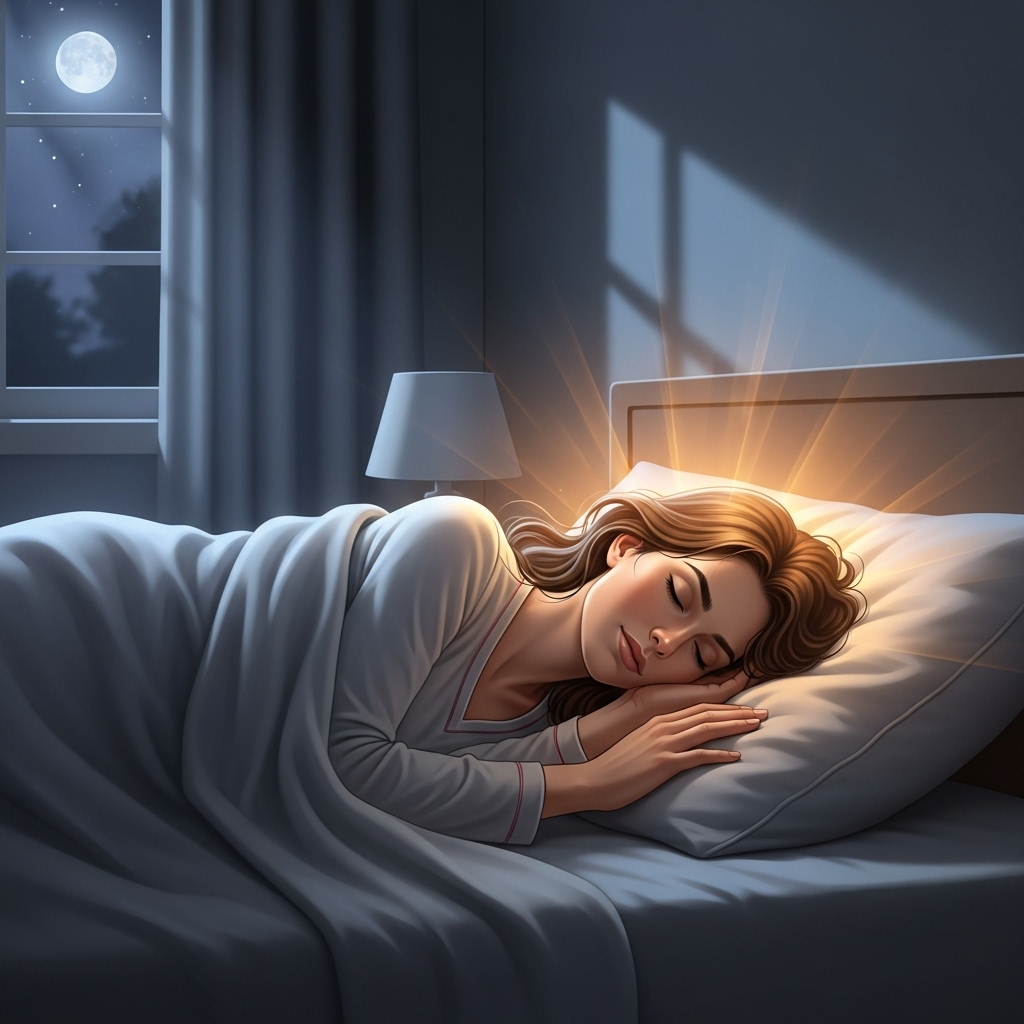
Sleep is where repair happens.
Collagen production increases.
Inflammation reduces.
Hormonal rhythms reset.
No cream replicates what consistent, deep sleep provides naturally.
Beauty routines that ignore sleep are working uphill.
Why Consistency Outperforms Intensity
Beauty thrives on predictability.
Gentle cleansing.
Regular nourishment.
Consistent rest.
Low inflammation.
Extreme routines create temporary change. Consistent routines create lasting transformation.
This applies to skincare, hair care, and lifestyle habits alike.
Aging Is Not the Enemy — Disruption Is
Aging is natural. Disruption is optional.
Skin doesn’t age poorly because time passes. It ages poorly when systems are strained for long periods.
Chronic stress, poor sleep, nutrient depletion, and inflammation accelerate visible aging far more than years ever could.
Supporting balance slows this process organically.
Beauty Looks Different When You Stop Fighting Yourself
There’s a noticeable shift that happens when people stop trying to control their appearance and start supporting it.
Features soften.
Expression relaxes.
Confidence feels quieter — but stronger.
This isn’t accidental. It’s biological.
The body reflects how it’s treated.
The Emotional Side of Beauty
Beauty is deeply emotional, whether we admit it or not.
It influences confidence, social comfort, and self-expression.
When beauty becomes a source of pressure, it loses its power to uplift.
When beauty becomes an act of care, it restores confidence naturally.
A More Sustainable Definition of Beauty
True beauty is not flawlessness.
It’s:
Skin that feels comfortable
Hair that grows steadily
Energy that supports expression
Confidence that doesn’t require correction
This kind of beauty isn’t loud — but it’s durable.
How Internal Imbalance Quietly Shows Up on Your Skin
Skin is often treated like a surface problem. Something you cleanse, exfoliate, hydrate, and correct from the outside in.
But skin doesn’t actually work that way.
Your skin is more like a mirror than a mask. It reflects what’s happening beneath the surface — sometimes gently, sometimes loudly — but always honestly.
When the body is balanced, skin tends to cooperate. When something is off internally, the skin is often the first place it shows.
Skin Responds to Systems, Not Products
This is the part most beauty marketing leaves out.
Skin health is influenced by multiple systems working together:
Hormones
Digestion
Nervous system
Immune response
Sleep cycles
A disruption in any one of these can change how the skin behaves.
That’s why two people can use the same products and see completely different results. The product isn’t the deciding factor — the internal environment is.
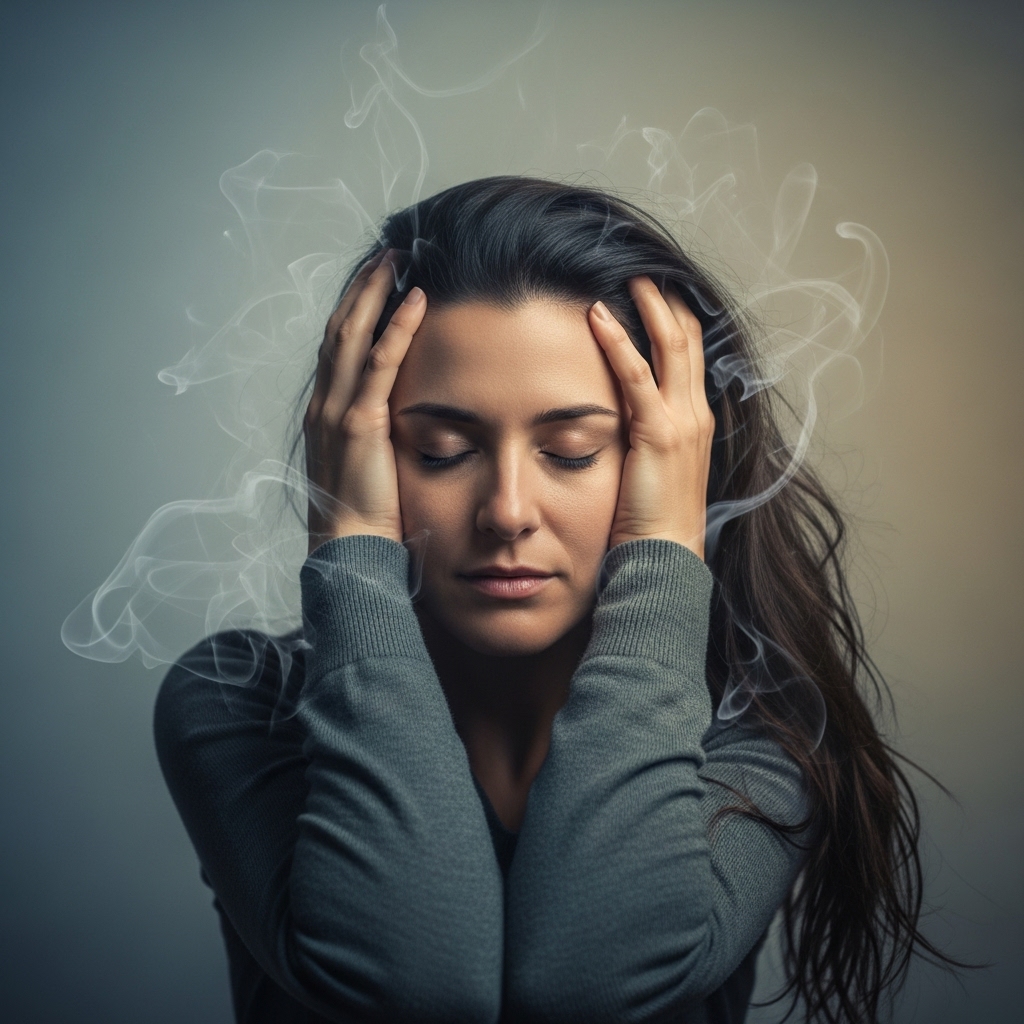
Stress Leaves a Visible Signature on the Face
Chronic stress doesn’t just feel exhausting. It looks exhausting.
Under stress, the body redirects resources away from repair and regeneration. Skin renewal slows. Inflammation increases. Healing takes longer.
This can show up as:
Persistent breakouts
Dull or uneven tone
Increased sensitivity
Fine lines appearing more pronounced
No product can fully counteract a nervous system that’s stuck in survival mode.
When stress lowers, skin often improves — even before routines change.
Hormonal Shifts Change Skin Behavior More Than Age
Many people blame age for changes in their skin, when hormones are often the real driver.
Fluctuations in estrogen, progesterone, cortisol, and insulin all affect:
Oil production
Collagen synthesis
Elasticity
Hydration levels
This is why skin may suddenly change in your late 20s, 30s, or 40s — even if you haven’t changed your routine.
The skin isn’t aging overnight. It’s responding to internal shifts.
Digestion and Skin Are Directly Connected
The gut and skin are in constant communication.
When digestion is strained, inflammation rises. When inflammation rises, the skin reacts.
This connection explains why skin issues often appear alongside:
Bloating
Food sensitivities
Irregular digestion
Fatigue
Supporting digestion doesn’t just help comfort — it often clears the skin from the inside out.
Inflammation Is the Common Thread
Most persistent skin concerns share one root: inflammation.
Inflammation doesn’t always feel dramatic. Sometimes it’s low-grade and constant.
It can be triggered by:
Chronic stress
Poor sleep
Nutrient depletion
Over-exfoliation
Under-eating
Reducing inflammation often leads to calmer, clearer, more resilient skin — without aggressive intervention.
Why Over-Cleansing Can Make Skin Worse
Cleansing is meant to support the skin barrier, not strip it.
When cleansing becomes too frequent or too harsh, the barrier weakens. This allows irritants in and moisture out.
Skin then becomes reactive, oily yet dry, sensitive yet congested.
Often, the solution isn’t adding more products — it’s removing pressure.
Nourishment Shows on the Skin Over Time
Skin reflects nutritional sufficiency, not perfection.
Adequate calories, healthy fats, protein, and micronutrients all play a role in:
Cell turnover
Barrier repair
Glow and elasticity
When nourishment is inconsistent or restricted, the body prioritizes vital organs over appearance.
Skin gets what’s left.
Sleep Is When Skin Actually Repairs Itself
During deep sleep, the body increases blood flow to the skin and accelerates repair.
Collagen production rises.
Inflammation decreases.
Damage from daily stressors is addressed.
Chronic sleep deprivation doesn’t just cause dark circles — it alters skin structure over time.
No night cream replaces sleep.
Emotional Safety Affects Skin More Than We Admit
Emotional stress doesn’t stay internal.
It tightens facial muscles.
Alters circulation.
Raises inflammatory markers.
People often notice their skin improves during calmer phases of life — not because they tried harder, but because they felt safer.
Relaxation shows.
Skin Improves When the Body Feels Supported
This is the pattern that emerges again and again.
When people:
Eat consistently
Sleep adequately
Reduce internal pressure
Simplify routines
Lower stress
Their skin often becomes clearer, calmer, and more resilient — sometimes unexpectedly.
Not because they found the “perfect” product, but because the body finally had the capacity to invest in appearance.
The Shift That Changes Everything
The biggest change happens when skin is no longer treated as a problem to solve.
When care replaces correction.
When listening replaces forcing.
When support replaces control.
Skin doesn’t need perfection.
It needs balance.
How Hormonal Balance Shapes Hair Health and Visible Aging From Within
Hair is often treated as a cosmetic feature. Something to style, color, strengthen, or repair from the outside.
But hair, much like skin, is deeply biological.
It responds less to products and more to what’s happening internally — especially hormones, stress levels, and long-term nourishment.
When hair changes, thins, sheds, or loses vitality, it’s rarely random. It’s information.
Hair Is Not Essential for Survival — and That Matters
From the body’s perspective, hair is optional.
When resources are limited or stress is high, the body redirects energy toward organs essential for survival. Hair growth is one of the first processes to be slowed or paused.
This is why hair changes often appear after:
Prolonged stress
Illness or recovery
Hormonal shifts
Restrictive dieting
Poor sleep over time
Hair doesn’t fail. It adapts.
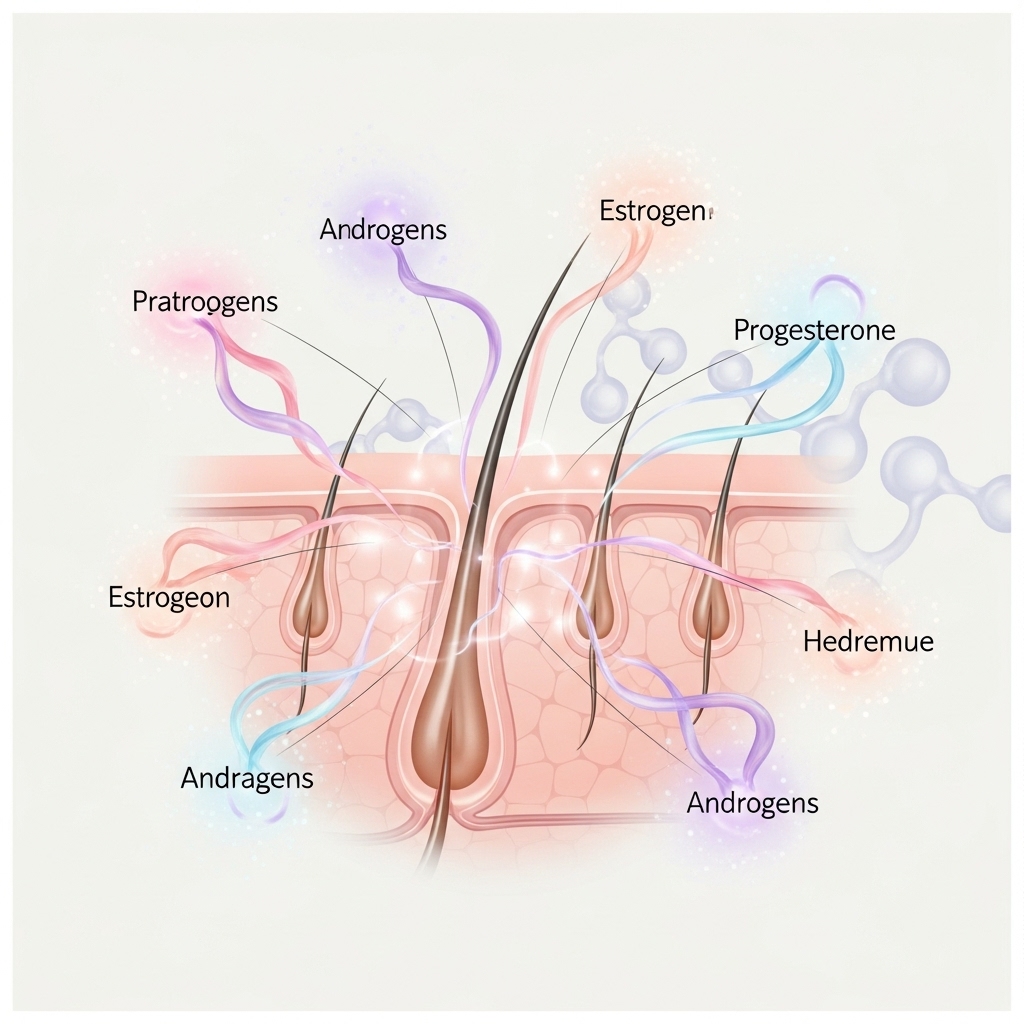
Hormones Are the Silent Directors of Hair Growth
Hair growth cycles are heavily influenced by hormones.
Estrogen supports growth and thickness.
Progesterone promotes calm and balance.
Thyroid hormones regulate growth speed.
Cortisol influences shedding.
Insulin affects nutrient delivery.
When these hormones fall out of balance, hair is one of the first places it shows.
This is why hair loss or thinning often coincides with life transitions — not because something is “wrong,” but because the internal environment has changed.
Stress Pushes Hair Into Shedding Mode
Chronic stress elevates cortisol.
High cortisol signals danger, and under danger, the body conserves resources. Hair follicles may shift prematurely into the shedding phase.
This type of hair loss is often delayed. People notice increased shedding weeks or months after the stressful period.
The stress has passed — but the body is still recalibrating.
Why Restrictive Eating Affects Hair So Quickly
Hair growth requires consistent energy and nutrients.
When calories are too low or food intake is inconsistent, the body deprioritizes hair.
This can happen even when someone believes they’re “eating healthy.”
Hair doesn’t respond to food quality alone.
It responds to sufficiency.
Adequate protein, healthy fats, minerals, and overall energy availability all matter.
Inflammation Slows Hair Renewal
Low-grade inflammation interferes with circulation and nutrient delivery to hair follicles.
Inflammation can be triggered by:
Chronic stress
Poor sleep
Digestive strain
Overtraining
Hormonal imbalance
Reducing inflammation often leads to improved hair texture and reduced shedding over time — even without changing hair products.
Anti-Aging Begins With Internal Repair, Not Surface Control
Aging is often blamed for hair thinning, texture changes, and slower growth.
But aging itself isn’t the primary issue.
The real issue is cumulative strain.
Years of stress, poor recovery, hormonal disruption, and nutrient depletion gradually reduce the body’s ability to regenerate tissue efficiently.
Supporting internal repair slows visible aging more effectively than chasing external fixes.
Sleep Is a Growth Signal for Hair
Hair follicles are highly active during rest.
Deep sleep supports:
Hormonal regulation
Tissue repair
Growth hormone release
Reduced inflammation
Consistently poor sleep disrupts this cycle, leading to weaker hair growth and increased shedding.
Hair thrives in rested bodies.
Why Hair Improves When Life Calms Down
Many people notice their hair looks better during calmer periods of life — even without changing routines.
This isn’t coincidence.
When stress lowers, digestion improves, sleep deepens, and hormones stabilize, the body feels safe enough to invest in non-essential systems like hair growth.
Beauty returns quietly when pressure lifts.
Products Can Support — But They Can’t Override Biology
Hair care products can improve appearance and reduce breakage.
But they cannot restart growth cycles that are paused due to internal imbalance.
Lasting hair health requires addressing the system — not just the strand.
What Supporting Hair Health Actually Looks Like
True hair support focuses on consistency rather than intensity.
Regular nourishment.
Adequate rest.
Gentle movement.
Stress reduction.
Patience.
Hair growth is slow by nature. Improvements often appear months after internal changes are made.
This delay doesn’t mean nothing is happening. It means repair is underway.
Final Reflection
Hair is honest.
It reflects how supported the body feels — not how hard you’re trying.
When the internal environment becomes stable, hair often responds without force, without pressure, and without extremes.
Not as perfection — but as vitality.
FAQs
Can hormonal imbalance cause hair loss even if I eat well?
Yes. Even with good nutrition, hormonal imbalance can disrupt hair growth cycles. Hair responds to hormone signaling as much as nutrient availability.
How long does it take for hair to improve after reducing stress?
Hair changes are delayed. Improvements often appear 2–4 months after stress levels decrease, as follicles complete their growth cycles.
Does poor sleep really affect hair health?
Absolutely. Sleep regulates hormones and growth signals. Chronic sleep deprivation can increase shedding and slow regrowth.
Why does hair thin after dieting or weight loss?
Restrictive eating signals energy scarcity. The body conserves resources by reducing non-essential processes like hair growth.
Can hair loss from stress or hormones be reversed?
In many cases, yes. When the underlying stressors are addressed and balance is restored, hair growth often resumes gradually.
Are supplements enough to fix hair problems?
Supplements can help if deficiencies exist, but they cannot override stress, poor sleep, or hormonal imbalance on their own.
Is hair thinning always a sign of aging?
No. Many hair changes attributed to aging are actually caused by cumulative stress, hormonal shifts, or nutritional imbalance.
