
Why Fatigue Is Often Misunderstood
Why Your Body Resists Weight Loss Even When You Do Everything Right
We tend to think of energy as a personal trait.
Some people are “high energy.”
Some people are “low energy.”
But biologically, energy is a response, not a personality.
Your body produces energy based on:
Fuel availability
Stress load
Sleep quality
Hormonal signals
Nervous system state
When any of these are off, energy drops—not as punishment, but as protection.
The Body’s Quiet Energy-Saving Mode
When the body senses ongoing strain, it doesn’t shut down completely.
Instead, it enters a conservation mode.
This can look like:
Waking up tired
Feeling mentally foggy
Needing caffeine just to feel normal
Losing motivation for things you enjoy
This isn’t laziness.
It’s the body saying, “I need to slow things down to cope.”
Why “Just Be More Motivated” Rarely Works
Motivation is a mental resource.
Energy is a biological one.
You can want to do things deeply and still feel physically unable to follow through. That disconnect creates frustration—and often self-blame.
But motivation cannot override:
Poor recovery
Under-fueling
Chronic stress
Nervous system overload
Trying to force energy usually backfires.
Stress Drains Energy Even When You’re Sitting Still
Many people associate fatigue with physical activity.
But mental and emotional stress are just as demanding.
Ongoing stress:
Raises cortisol
Disrupts sleep quality
Interferes with digestion
Suppresses restorative hormones
You can feel exhausted without “doing much” because your body has been on alert all day.
Why Rest Doesn’t Always Feel Restful
If your nervous system is still activated, rest doesn’t fully register.
You might:
Sleep but wake unrefreshed
Sit down but feel restless
Take breaks that don’t restore energy
This happens when the body doesn’t feel safe enough to fully relax.
Eating Enough Matters More Than Eating “Clean”
Many tired people are unintentionally under-fueled.
Not dramatically. Quietly.
They skip meals. Delay eating. Keep portions small to stay “healthy.”
Over time, the body adapts by lowering energy output.
Low Energy Can Be a Fuel Timing Issue
Even if total intake seems reasonable, long gaps between meals can:
Drop blood sugar
Increase stress hormones
Create energy crashes later
The result feels like constant tiredness—even though food quality is good.
Consistency matters more than perfection.
Why Your Body Sometimes Resists Activity
A common frustration sounds like this:
“I know exercise would help, but I’m too tired to do it.”
That’s not a contradiction.
It’s feedback.
The body may be signaling:
Insufficient recovery
Too much intensity
Not enough fuel to support movement
Gentle movement often restores energy better than forcing workouts.
Energy Improves When Pressure Decreases
When people stop pushing and start supporting, energy often returns gradually.
Support looks like:
Eating regularly
Sleeping earlier
Reducing intensity
Allowing rest without guilt
This isn’t giving up.
It’s listening.
Why Small Changes Work Better Than Big Resets
Energy systems respond best to consistency.
Drastic changes create stress—even if intentions are good.
Small, repeatable actions signal safety:
A regular breakfast
A calm evening routine
Short walks instead of intense workouts
The body responds to patterns, not promises.
The Emotional Weight of Being “Always Tired”
Chronic fatigue affects more than productivity.
It affects identity.
People begin to feel:
Behind
Disappointed in themselves
Disconnected from who they used to be
This emotional stress feeds physical fatigue, creating a loop.
Breaking that loop requires compassion, not criticism.
Why Self-Blame Makes Fatigue Worse
Self-blame activates stress responses.
Stress drains energy.
The body cannot recover while being judged constantly—even internally.
Kindness isn’t indulgence.
It’s regulation.
Rebuilding Energy Without Forcing It
Energy comes back when the body feels:
Fed
Rested
Safe
Unrushed
This doesn’t happen overnight.
But it happens reliably when pressure decreases and support increases.
A More Helpful Question to Ask Yourself
Instead of:
“Why am I so unmotivated?”
Try:
“What does my body need more of right now?”
The answer is often simpler than expected.
How the Nervous System Decides Your Daily Energy Level
Most people believe energy comes from sleep, food, or motivation alone. While these matter, they all work through one central system: the nervous system.
Your nervous system constantly asks one question:
“Is it safe to use energy right now?”
If the answer is no, your body conserves energy—regardless of how much sleep or coffee you’ve had.
The Two Modes That Control Everything
Your nervous system has two main states:
Activation mode (alert, stressed, rushed)
Recovery mode (calm, restorative, healing)
Energy is produced efficiently only in recovery mode.
Many people live in constant activation without realizing it.
Why Modern Life Keeps the Body on Alert
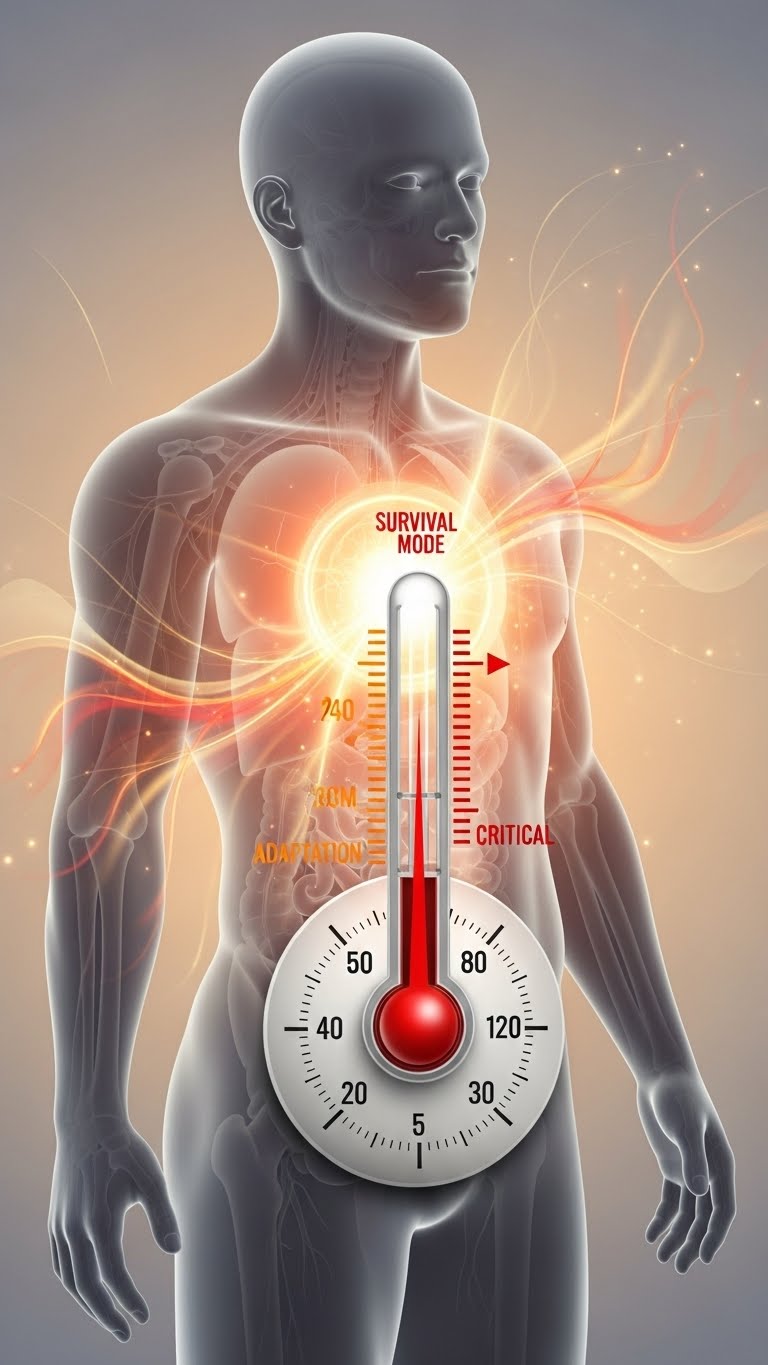
Even without obvious danger, your body responds to:
Deadlines
Notifications
Financial pressure
Emotional tension
Lack of routine
The nervous system does not distinguish between physical danger and psychological stress. It treats both as threats.
This means:
Muscles stay tense
Breathing stays shallow
Digestion slows
Energy production becomes inefficient
Over time, fatigue becomes the default state.
Why You Can Feel Tired and Wired at the Same Time
One confusing experience many people report is:
Feeling exhausted
But unable to relax
Or feeling sleepy yet mentally restless
This happens when stress hormones are high but recovery hormones are low.
The body is tired.
The nervous system is not calm.
This mismatch prevents true rest.
How Chronic Stress Rewrites Energy Signals
When stress becomes long-term:
The body lowers baseline energy output
Motivation decreases to prevent burnout
Physical movement feels heavier
This is not a failure.
It’s an adaptive response designed to keep you functioning longer under strain.
Why “Doing Nothing” Sometimes Feels Uncomfortable
When the nervous system is used to stress, calmness feels unfamiliar.
Silence can feel boring.
Rest can feel unproductive.
Stillness can create anxiety.
This doesn’t mean rest is wrong.
It means your nervous system needs retraining, not more effort.
How Energy Improves When Safety Is Restored
Small signals of safety can shift energy over time:
Consistent sleep timing
Gentle routines
Predictable meals
Reduced multitasking
Slower mornings
These signals tell the body:
“You don’t need to be on guard anymore.”
Energy follows safety—not discipline.
Why Recovery Is an Active Process
Recovery is not passive.
It requires:
Intention
Boundaries
Repetition
The body learns safety through experience, not logic.
This is why quick fixes fail and slow changes succeed.
Key Takeaway from This Article
If you’re tired all the time, don’t ask:
“What’s wrong with me?”
Ask:
“What is my nervous system responding to?”
Energy improves when the body feels safe enough to release it.
The Hidden Role of Blood Sugar and Hormones in Constant Fatigue
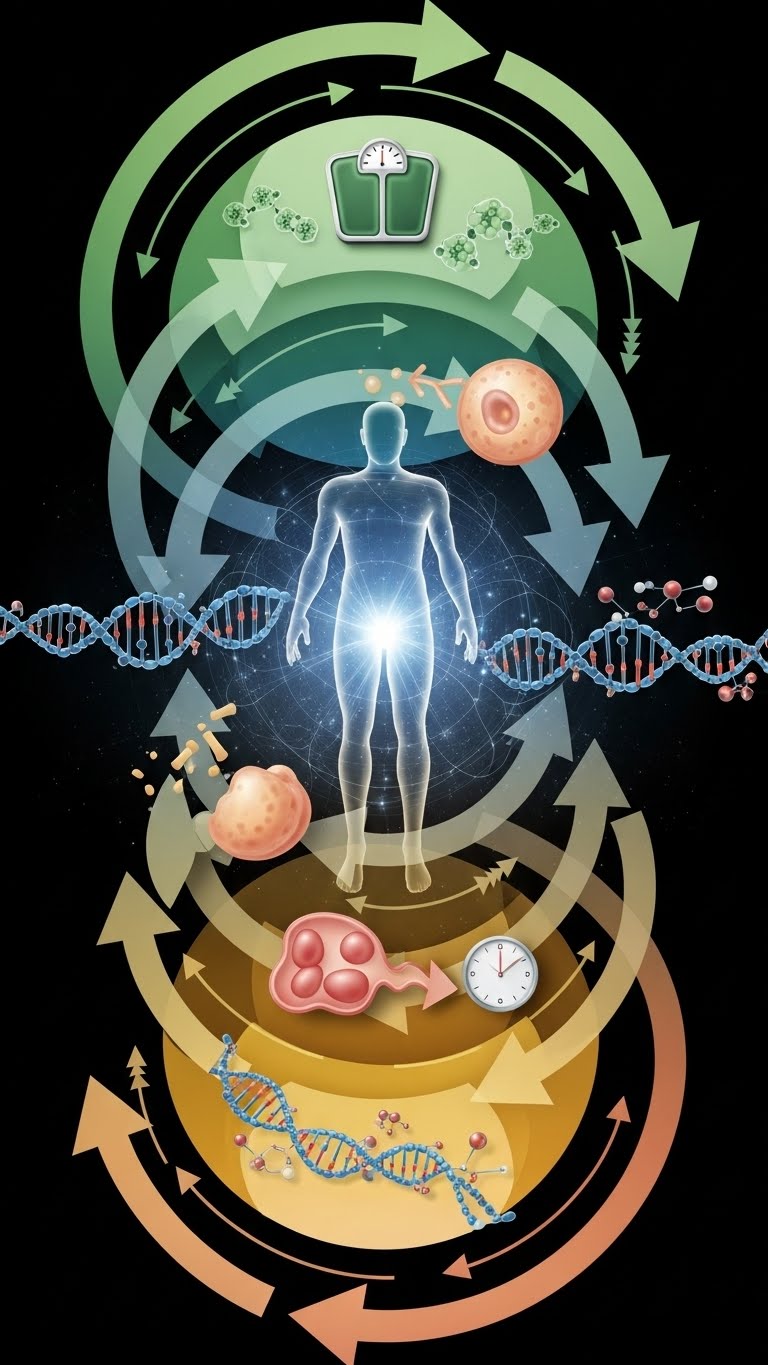
Many people with chronic tiredness assume they have a sleep problem.
In reality, energy crashes often start during the day, long before bedtime.
One of the biggest overlooked factors is blood sugar stability.
Why Energy Depends on Steady Fuel, Not Willpower
Your brain relies almost entirely on glucose.
When blood sugar drops:
Fatigue appears suddenly
Focus disappears
Irritability increases
Cravings intensify
If this happens repeatedly, the body adapts by lowering energy expectations.
You feel “low energy” as a baseline.
How Skipping Meals Quietly Trains the Body to Slow Down
Many people:
Skip breakfast
Delay lunch
Eat lightly during the day
Overeat at night
This pattern signals food scarcity—even when calories are sufficient.
The body responds by:
Conserving energy
Reducing metabolic output
Increasing stress hormones
Over time, tiredness becomes chronic.
Cortisol’s Double Role in Energy
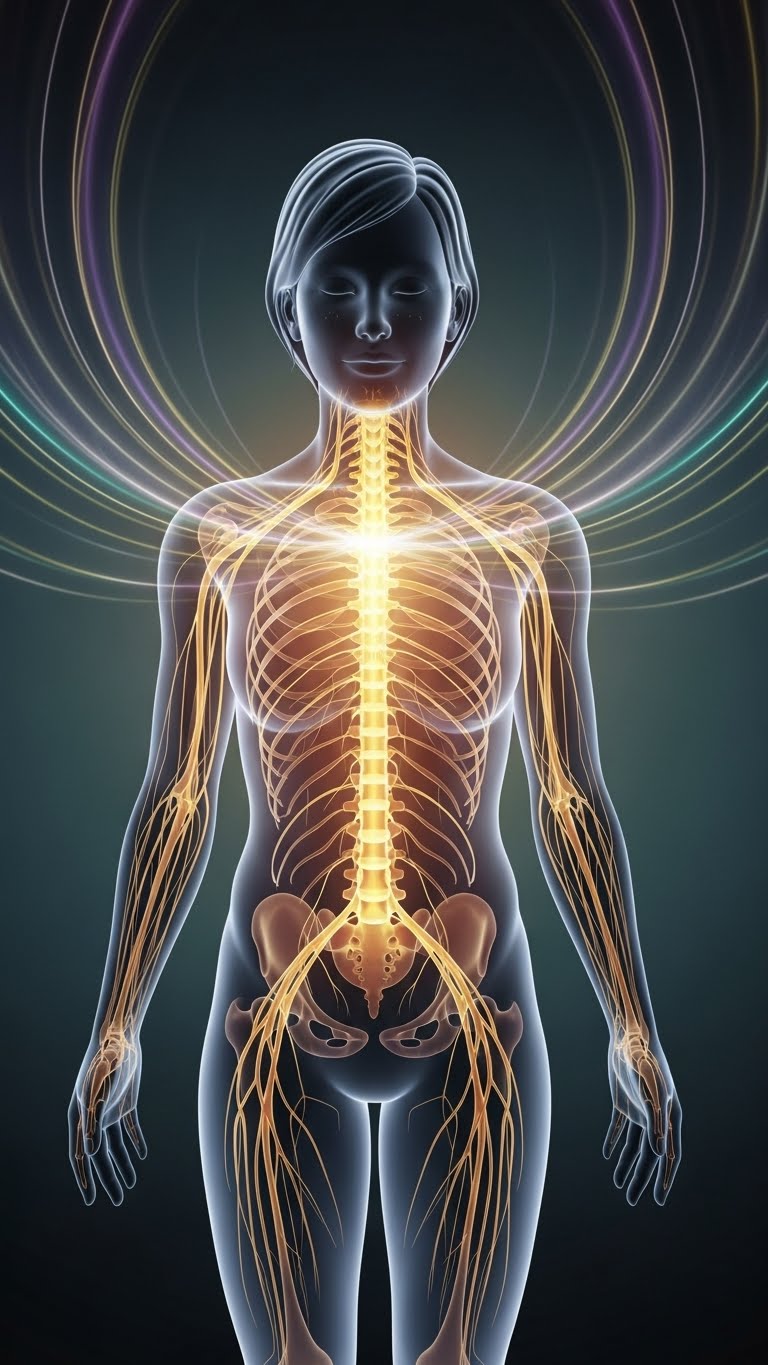
Cortisol helps:
Wake you up
Mobilize fuel
Respond to stress
But when cortisol stays high:
Sleep quality drops
Muscle recovery slows
Fatigue increases
The body becomes dependent on stress hormones just to function.
This feels like:
Needing caffeine to start the day
Crashing in the afternoon
Feeling wired at night
Why Hormonal Balance Affects Daily Stamina
Hormones work in patterns.
When one system is stressed, others adjust.
Chronic fatigue is often linked with:
Disrupted hunger signals
Irregular sleep-wake rhythms
Reduced recovery hormones
This is why rest alone doesn’t fix exhaustion.
Why Extreme Dieting Worsens Fatigue
Restrictive eating tells the body:
“Resources are limited.”
The body responds by:
Slowing metabolism
Reducing spontaneous movement
Lowering mental energy
Even “healthy” restriction can cause fatigue if it’s inconsistent or prolonged.
How Gentle Consistency Restores Energy
The body responds best to:
Regular meals
Balanced macronutrients
Predictable routines
Adequate carbohydrates
Energy returns not through control, but through reliability.
Why Energy Comes Back Gradually
The body doesn’t trust sudden changes.
It needs:
Repeated signals
Stable patterns
Time to adjust
This is why energy improves slowly—but sustainably—when supported correctly.
Why Your Body Resists Change Even When You “Do Everything Right”
One of the most frustrating experiences people have with their health is this quiet question:
“Why isn’t my body responding, even though I’m trying so hard?”
You eat better.
You move more.
You sleep earlier.
You cut out obvious junk.
And yet—nothing shifts. Or worse, things feel harder.
This isn’t laziness. It isn’t lack of discipline. And it isn’t your body being “broken.”
It’s resistance — a biological protection mechanism.
The Body Is Designed to Protect, Not Please
Your body’s primary goal is survival, not appearance, not performance, not trends.
Every system inside you constantly asks:
Is this change safe?
Is this predictable?
Does this threaten stability?
If the answer feels uncertain, your body slows adaptation, not because it’s stubborn, but because it’s cautious.
Think of your body like a careful accountant. It doesn’t spend energy unless it trusts that income is steady.
Why Rapid Lifestyle Changes Trigger Pushback
Sudden changes can look healthy on the surface:
A new diet
A sudden exercise routine
Intermittent fasting
Cutting multiple food groups at once
But biologically, rapid change often reads as stress.
Stress tells the body:
Resources might be unstable
Energy should be conserved
Repair can wait
The result?
Fatigue
Cravings
Plateau
Mood shifts
This is not failure — it’s feedback.
The Role of Past Dieting History in Present Resistance
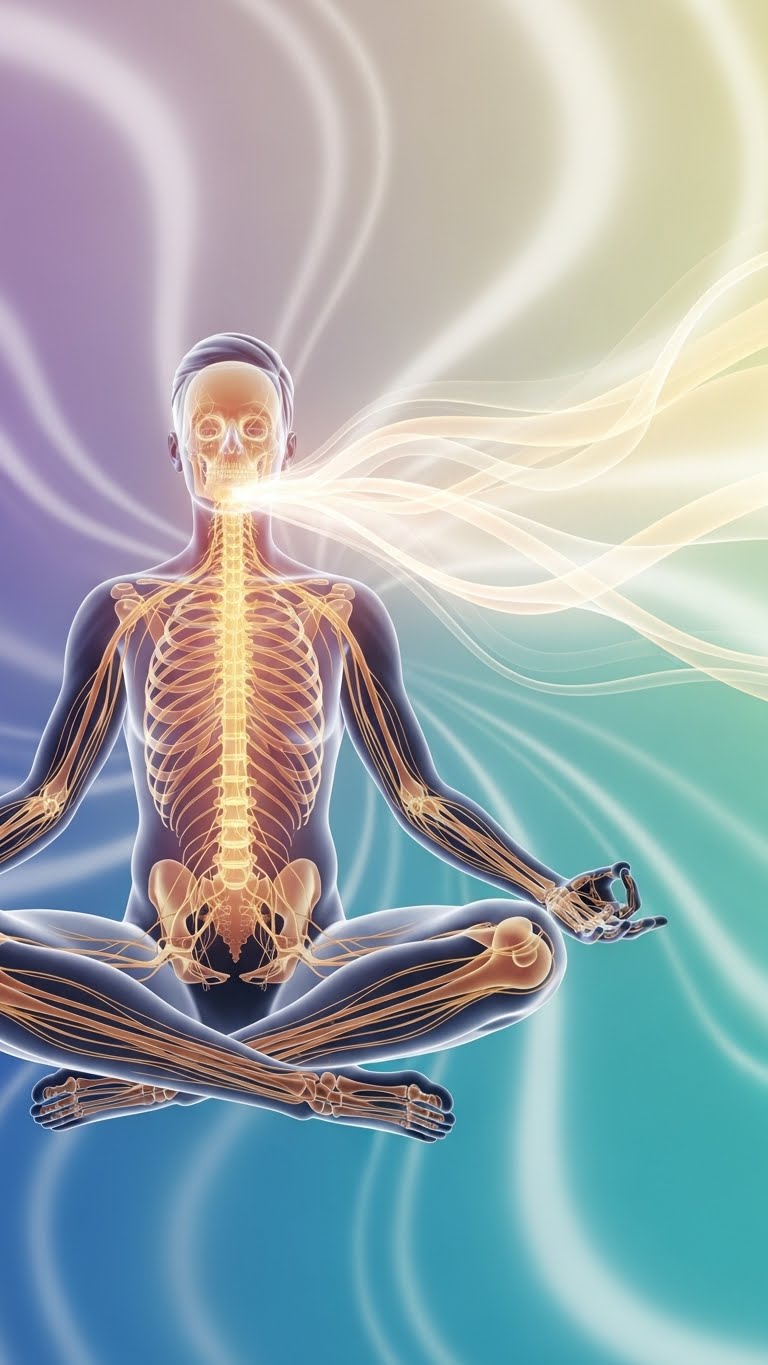
Your body remembers.
Not emotionally — physiologically.
If you’ve ever:
Dieted repeatedly
Restricted heavily
Lost and regained weight
Overtrained
Skipped meals for long periods
Your body has learned caution.
Each new “plan” is compared to past experiences.
If previous changes led to stress, exhaustion, or deprivation, your body becomes slower to cooperate.
Why Metabolic Adaptation Is a Safety Feature
When the body senses repeated scarcity, it adapts by:
Lowering resting energy use
Reducing spontaneous movement
Increasing hunger signals
Becoming efficient with fewer calories
This is often mislabeled as a “slow metabolism.”
In reality, it’s a trained survival response.
The body is saying:
“I’ve seen this before. I’ll protect us this time.”
Why Willpower Fails but Safety Signals Work
Most health advice focuses on discipline.
Your body doesn’t respond to discipline.
It responds to signals.
Signals like:
Consistency
Predictability
Adequate nourishment
Gentle progression
Emotional regulation
These signals reduce threat perception.
When threat goes down, cooperation goes up.
The Difference Between Control and Support
Control sounds like:
Forcing compliance
Ignoring fatigue
Pushing through resistance
Support looks like:
Listening to feedback
Adjusting pace
Restoring trust
Reducing extremes
Bodies respond faster to support than force.
Always.
Why Healing Often Feels Like Going Backward First
One uncomfortable truth:
Improvement doesn’t always feel good at the beginning.
When the body finally senses safety, it may:
Release stored tension
Increase hunger
Lower adrenaline
Trigger emotional processing
This can feel like:
Temporary weight fluctuations
Fatigue
Emotional sensitivity
This is not regression.
It’s recalibration.
Why Stability Comes Before Progress
Before the body changes outwardly, it stabilizes inwardly.
Stability includes:
Regular eating
Better sleep depth
Calmer digestion
Reduced anxiety
These changes are subtle but foundational.
Skipping this phase leads to cycles of burnout.
The Long Game of Trust-Based Health
Sustainable health is not about intensity.
It’s about relationship.
A relationship built on:
Patience
Respect
Listening
Reliability
When your body trusts you, it adapts willingly.
When it doesn’t, it resists silently.
Small Signals That Build Trust Over Time

You don’t need dramatic changes.
Trust grows through:
Eating enough consistently
Keeping routines boring but steady
Allowing rest without guilt
Removing pressure from outcomes
Think less “fixing” and more “befriending.”
Why Your Body Is Not the Enemy
The biggest shift happens when people stop fighting themselves.
Your body is not sabotaging you.
It’s protecting you the only way it knows how.
Once you understand that, frustration turns into collaboration.
And collaboration is where real change begins.
Final Reflection from This Article
If your body feels resistant, ask gently:
“What is it protecting me from?”
The answer is often the key to moving forward — slowly, safely, and sustainably.
