
Introduction: It’s Not Always What You Eat
Most people focus on what they eat.
Calories. Macros. Superfoods. “Clean” ingredients.
But there’s a quieter factor that often matters just as much — sometimes more:
When and how consistently you eat.
You can eat nutritious food and still feel tired, bloated, moody, or stuck. Not because the food is wrong, but because your body doesn’t experience eating as predictable or supportive.
This article isn’t about perfection.
It’s about rhythm.
Why the Body Cares About Regularity
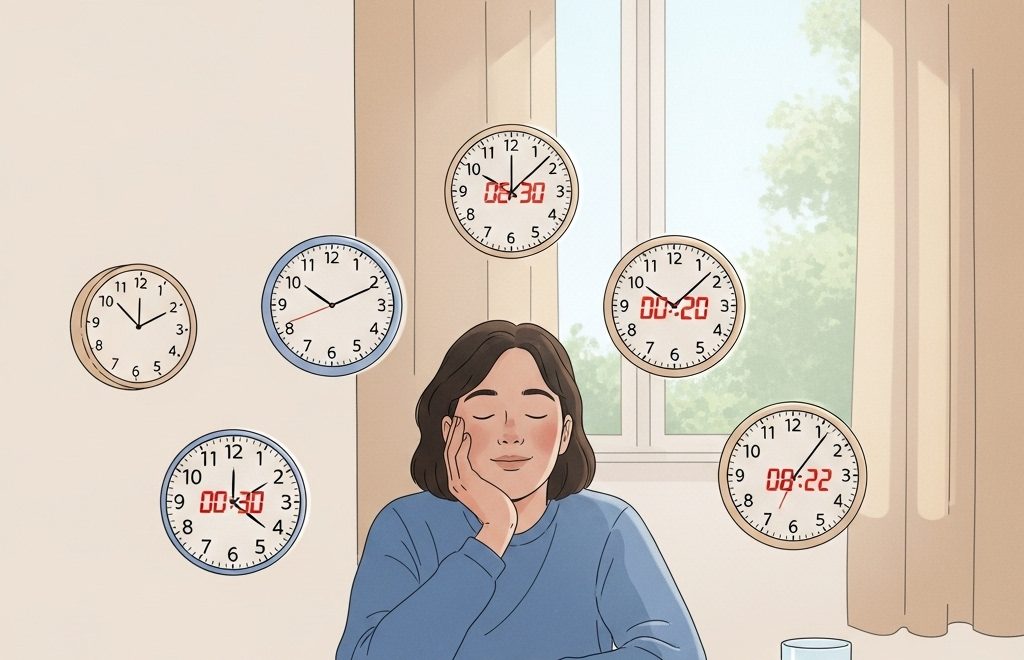
Your body is built around patterns.
Sleep follows a rhythm. Hormones follow cycles. Digestion follows timing.
When eating patterns are erratic, the body doesn’t panic — but it does adapt, often in subtle ways that affect energy, weight, and mood.
The Body Doesn’t See “Busy,” It Sees Uncertainty
Skipping meals, eating at random times, or delaying food sends one message:
“Fuel is unpredictable.”
When fuel feels unpredictable, the body responds conservatively.
That response may look like:
Lower energy
Increased cravings
Slower digestion
Stronger hunger later in the day
Not because something is “wrong,” but because the body is protecting itself.
The Difference Between Light Structure and Rigid Control
There’s an important distinction here.
Eating regularly does not mean:
Eating on a strict clock
Forcing food when you’re not hungry
Following rigid meal plans
Eating regularly does mean:
Avoiding long, unnecessary gaps
Responding to hunger early
Creating predictable nourishment
Think of it like watering a plant.
You don’t flood it once a week and ignore it the rest of the time.
You water it steadily.
How Irregular Eating Affects Energy Levels
Energy dips aren’t always about calories.
They’re often about timing.
What Happens When Meals Are Skipped
When meals are delayed or skipped:
Blood sugar drops
Stress hormones rise
The body compensates later with stronger hunger
This is why many people feel:
Fine in the morning
Drained in the afternoon
Out of control in the evening
The issue isn’t willpower.
It’s physiology trying to rebalance.
Why “I’m Not Hungry” Can Be Misleading
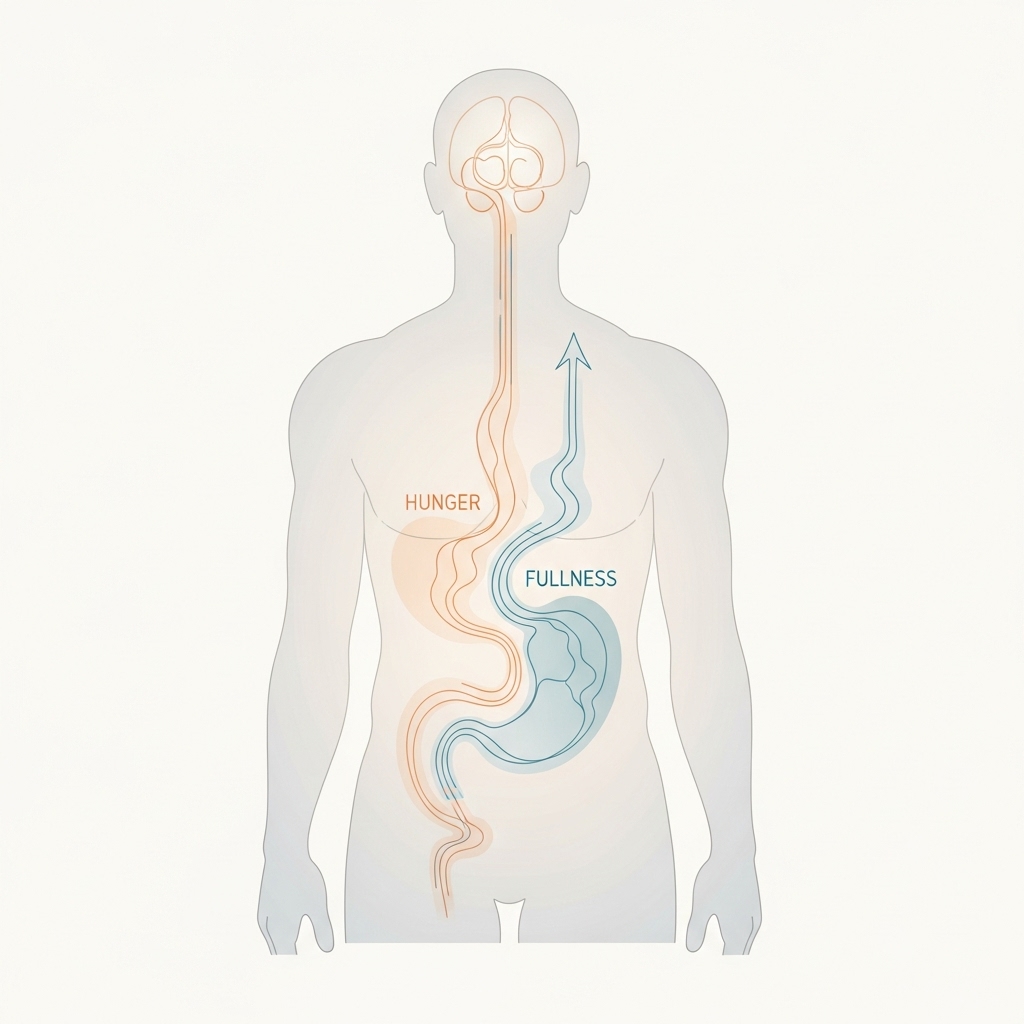
Chronic stress, caffeine, and under-eating can dull hunger signals.
So “not hungry” doesn’t always mean “well-fueled.”
Sometimes it means:
Hunger cues are suppressed
The body is conserving energy
Stress hormones are overriding appetite
Ignoring that pattern repeatedly trains the body to expect scarcity.
Irregular Eating and Weight Regulation
Weight gain or stagnation doesn’t always come from overeating.
Sometimes it comes from inconsistency.
The Body Prefers Predictable Fuel
When food intake feels unpredictable, the body may:
Store energy more efficiently
Resist releasing fat
Increase cravings for quick energy
This doesn’t happen overnight.
It builds quietly, over weeks or months.
Why Evening Overeating Is Often a Daytime Problem
Many people say:
“I eat well all day… then everything falls apart at night.”
Often, the day looked like:
Light breakfast or none
Delayed lunch
High mental stress
Minimal fuel
By evening, the body is simply collecting what it was missing.
That’s not failure — it’s compensation.
Digestive Issues and Meal Timing

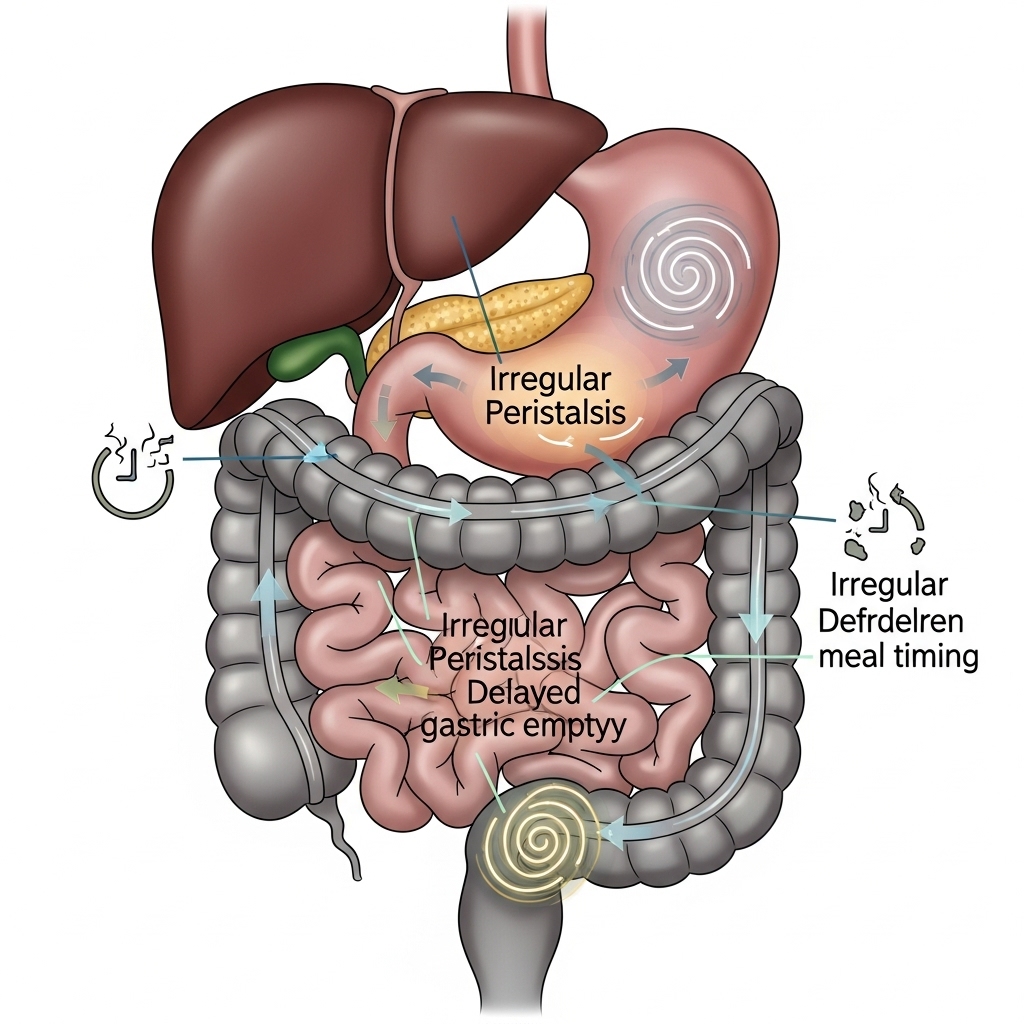
Digestion is sensitive to rhythm.
When Eating Is Erratic:
Stomach acid production becomes inconsistent
Gut motility slows
Bloating and discomfort increase
Even “healthy” foods can feel heavy if digestion isn’t supported by calm and consistency.
Why Digestion Improves With Routine
Routine tells the gut:
“Food is coming. Prepare.”
That preparation matters.
People often notice:
Less bloating
Better appetite regulation
Improved bowel regularity
Not because food changed — but because timing did.
Stress, Skipped Meals, and the Nervous System
Skipping meals doesn’t just affect blood sugar.
It affects the nervous system.
Under-Fueling Is a Stress Signal
From the body’s perspective:
No food = potential threat
Threat = heightened alertness
Alertness = reduced digestion and repair
Over time, this can lead to:
Feeling “wired but tired”
Poor sleep
Difficulty relaxing
Eating regularly is one of the simplest ways to reduce baseline stress.
Why Consistency Supports Hormonal Balance
Hormones rely on signals.
Food is one of the strongest signals the body receives.
Regular Eating Helps:
Stabilize cortisol
Improve insulin sensitivity
Support thyroid function
Regulate hunger hormones
Irregular eating creates mixed messages.
The body responds cautiously.
Practical Ways to Create Gentle Structure
This isn’t about strict rules.
It’s about supportive defaults.
Try This Instead of Forcing Change
Eat within a few hours of waking
Don’t let hunger become extreme
Pair carbohydrates with protein
Notice energy patterns, not calories
Aim for “most days,” not every day
Consistency beats intensity.
A Simple Check-In Question
Instead of asking:
“Did I eat perfectly?”
Ask:
“Did I eat in a way that made my body feel supported?”
That shift alone reduces pressure.
When Regular Eating Feels Hard
Sometimes consistency feels difficult because:
Hunger cues are muted
Dieting history created fear
Stress suppresses appetite
In these cases, small steps matter.
Even adding one more consistent meal can change how the body responds.
This Isn’t About Control — It’s About Trust
The goal isn’t to micromanage eating.
The goal is to rebuild trust.
Trust that food is coming.
Trust that hunger will be honored.
Trust that energy doesn’t need to be hoarded.
When trust increases, the body relaxes.
And relaxed bodies regulate better.
Why Skipping Meals Feels Harmless at First — Then Slowly Drains Your Energy
What Skipping Meals Communicates to the Body
The body doesn’t interpret skipped meals as discipline.
It interprets them as uncertainty.
From the body’s perspective:
Food didn’t arrive when expected
Energy supply feels unreliable
Systems must adjust to conserve fuel
This adjustment is subtle — but cumulative.
Why the Body Adapts Instead of Complains
The body is designed to keep you alive, not comfortable.
So instead of immediately sending distress signals, it adapts by:
Lowering energy output
Increasing efficiency
Reducing non-essential processes
At first, this feels manageable.
Later, it feels exhausting.
The Slow Erosion of Energy
When meals are skipped repeatedly, energy doesn’t disappear all at once.
It fades in layers.
Common early signs:
Afternoon sluggishness
Needing caffeine to “push through”
Feeling fine one day, depleted the next
Later signs:
Constant tiredness
Poor concentration
Motivation without energy
This isn’t laziness.
It’s an energy system underfed too often.
Why Energy Drops Even If Calories Seem “Enough”
Some people eat enough total calories — just not consistently.
Long gaps between meals create stress spikes that:
Disrupt blood sugar
Elevate cortisol
Increase fatigue later
The body prefers steady input, not delayed compensation.
Skipped Meals and Emotional Regulation
Food doesn’t just fuel muscles.
It fuels the brain.
When meals are skipped:
Mood becomes less stable
Patience decreases
Emotional resilience drops
Small problems feel bigger.
Minor stress feels heavier.
That’s not personality. That’s chemistry.
Why Irritability Is Often a Fuel Issue
Low blood sugar affects:
Serotonin production
Cognitive flexibility
Emotional control
This is why people often feel:
Short-tempered
Anxious
Overwhelmed
Eating earlier often improves mood more than expected.
Hunger Suppression Isn’t a Win
Many people say:
“I don’t even feel hungry anymore.”
That’s not always a positive sign.
When Hunger Goes Quiet
Chronic skipping can dull hunger signals.
The body learns:
“Signals aren’t responded to.”
So it stops sending them loudly.
But suppression isn’t resolution.
It often resurfaces later as:
Strong cravings
Night eating
Loss of control around food
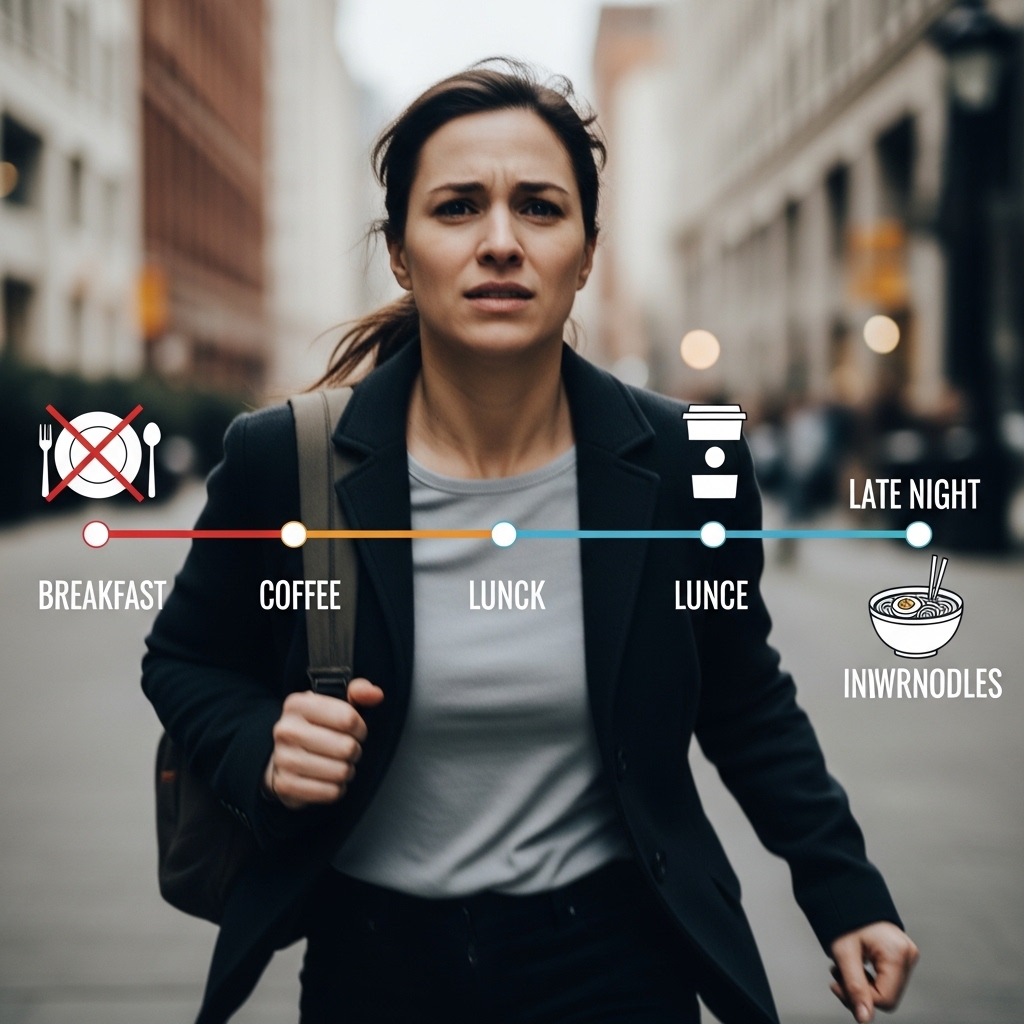
Why Evening Fatigue and Cravings Appear Together
By evening, the body reviews the day.
If nourishment was inconsistent:
Energy dips sharply
Hunger intensifies
Cravings skew toward quick fuel
This isn’t lack of discipline.
It’s delayed need.
Reintroducing Meals Without Overthinking
The solution isn’t forcing large meals.
It’s restoring predictability.
Gentle ways to begin:
Eat something within a few hours of waking
Add protein to early meals
Avoid long, intentional delays
Treat meals as support, not reward
Consistency rebuilds trust.
What Skipping Meals Communicates to the Body
The body doesn’t interpret skipped meals as discipline.
It interprets them as uncertainty.
From the body’s perspective:
Food didn’t arrive when expected
Energy supply feels unreliable
Systems must adjust to conserve fuel
This adjustment is subtle — but cumulative.
Why the Body Adapts Instead of Complains
The body is designed to keep you alive, not comfortable.
So instead of immediately sending distress signals, it adapts by:
Lowering energy output
Increasing efficiency
Reducing non-essential processes
At first, this feels manageable.
Later, it feels exhausting.
The Slow Erosion of Energy
When meals are skipped repeatedly, energy doesn’t disappear all at once.
It fades in layers.
Common early signs:
Afternoon sluggishness
Needing caffeine to “push through”
Feeling fine one day, depleted the next
Later signs:
Constant tiredness
Poor concentration
Motivation without energy
This isn’t laziness.
It’s an energy system underfed too often.
Why Energy Drops Even If Calories Seem “Enough”
Some people eat enough total calories — just not consistently.
Long gaps between meals create stress spikes that:
Disrupt blood sugar
Elevate cortisol
Increase fatigue later
The body prefers steady input, not delayed compensation.
Skipped Meals and Emotional Regulation
Food doesn’t just fuel muscles.
It fuels the brain.
When meals are skipped:
Mood becomes less stable
Patience decreases
Emotional resilience drops
Small problems feel bigger.
Minor stress feels heavier.
That’s not personality. That’s chemistry.
Why Irritability Is Often a Fuel Issue
Low blood sugar affects:
Serotonin production
Cognitive flexibility
Emotional control
This is why people often feel:
Short-tempered
Anxious
Overwhelmed
Eating earlier often improves mood more than expected.
Hunger Suppression Isn’t a Win
Many people say:
“I don’t even feel hungry anymore.”
That’s not always a positive sign.
When Hunger Goes Quiet
Chronic skipping can dull hunger signals.
The body learns:
“Signals aren’t responded to.”
So it stops sending them loudly.
But suppression isn’t resolution.
It often resurfaces later as:
Strong cravings
Night eating
Loss of control around food
Why Evening Fatigue and Cravings Appear Together
By evening, the body reviews the day.
If nourishment was inconsistent:
Energy dips sharply
Hunger intensifies
Cravings skew toward quick fuel
This isn’t lack of discipline.
It’s delayed need.
Reintroducing Meals Without Overthinking
The solution isn’t forcing large meals.
It’s restoring predictability.
Gentle ways to begin:
Eat something within a few hours of waking
Add protein to early meals
Avoid long, intentional delays
Treat meals as support, not reward
Consistency rebuilds trust.
How Irregular Eating Patterns Disrupt Digestion More Than Food Choices
Digestion Depends on Anticipation
The digestive system prepares for food before you eat.
Smell. Routine. Timing.
When eating is irregular, that preparation weakens.
What Happens When Meals Are Unpredictable
Irregular eating can lead to:
Reduced stomach acid
Slower enzyme release
Poor gut motility
Food arrives, but the system isn’t ready.
So digestion feels incomplete.
Why Skipping Meals Makes Digestion Slower

Skipping meals doesn’t “rest” digestion the way many think.
Instead, it:
Lowers digestive readiness
Reduces motility
Increases sensitivity
When food finally arrives, digestion struggles.
Why Small Meals Digest Better Than Delayed Large Ones
Large meals after long gaps:
Overload the system
Increase bloating
Slow gastric emptying
Smaller, regular meals feel gentler — not because they’re smaller, but because the body is prepared.
Stress, Timing, and the Gut-Brain Axis
Digestion requires parasympathetic activity — the “rest and digest” state.
Irregular eating often coexists with:
Rushing
Stress
Multitasking
Eating late or distracted
This keeps digestion suppressed.
Why Calm Timing Matters More Than Perfect Food
You can eat the best diet in the world…
…but if meals are rushed or delayed under stress, digestion will struggle.
Calm + consistency improves digestion faster than elimination diets.
Bloating Isn’t Always a Food Intolerance
Bloating is often blamed on:
Dairy
Gluten
Fiber
Carbs
But timing plays a major role.
Irregular eating can cause:
Gas buildup
Delayed digestion
Fermentation issues
Before removing foods, consider restoring rhythm.
Why Elimination Diets Sometimes Fail
Removing foods without fixing timing:
Reduces variety
Increases stress
Doesn’t address the root issue
Digestive comfort improves when the gut feels safe — not restricted.
Regular Eating Supports Gut Motility
Motility relies on repeated signals.
Eating regularly:
Stimulates peristalsis
Improves bowel regularity
Reduces constipation and bloating
The gut likes reminders.
Rebuilding Digestive Rhythm Gently
This doesn’t require strict schedules.
Simple supportive steps:
Eat roughly every few hours
Avoid extreme hunger
Sit while eating
Breathe before meals
Keep meals predictable most days
The gut responds to consistency.
Final Reflection
Digestive discomfort often leads people to restrict more.
But restriction rarely calms the gut.
Rhythm does.
When eating becomes predictable, digestion becomes cooperative.
Sometimes the gut doesn’t need fewer foods — it needs clearer signals.
