
The Illusion of “Perfect” Health Habits
Modern wellness culture has created a checklist version of health.
Eat these foods.
Avoid those foods.
Train this way.
Sleep these hours.
But health doesn’t function like a checklist.
You can technically do everything right and still feel unwell because the body doesn’t respond to rules—it responds to context.
And context includes:
Stress levels
Emotional safety
Recovery capacity
Life demands
Without that context, even healthy habits can become another source of pressure.
When Healthy Habits Become Another Form of Stress

Here’s a hard truth most people don’t talk about:
Healthy habits can turn unhealthy when they’re driven by fear.
Fear of weight gain.
Fear of losing control.
Fear of not doing enough.
When habits are fueled by anxiety, the nervous system stays on high alert—even if the behavior looks “good” on paper.
A stressed body doesn’t heal well.
It holds tension.
It conserves energy.
It resists change.
The Body Cares More About Safety Than Optimization
The body’s priority is not optimization.
It’s stability.
When your days are rushed, your schedule is unpredictable, and your mind is constantly evaluating performance, the body senses instability.
This can lead to:
Poor digestion
Shallow sleep
Inflammation
Hormonal imbalance
Fatigue
Even with a healthy diet and regular exercise.
Health improves when the body feels safe enough to shift from survival mode into repair mode.
Why Consistency Matters More Than “Clean” Choices
Eating clean occasionally doesn’t build health.
Consistent nourishment does.
The same applies to movement, sleep, and stress management.
Your body responds to what you do most often, not what you do perfectly.
Consistency tells the body:
“You can rely on this.”
And reliability is what allows systems to regulate.
The Hidden Role of Emotional Regulation in Physical Health
This part is often ignored.
Emotional tension doesn’t stay emotional.
It becomes physical.
Suppressed stress can show up as:
Digestive issues
Muscle tightness
Headaches
Fatigue
Poor recovery
Good health includes emotional processing—not just physical behavior.
This doesn’t mean constant self-analysis.
It means allowing yourself to slow down, feel, and reset.
When Discipline Becomes the Enemy of Health
Discipline is valuable—but only when it serves the body.
When discipline ignores signals like exhaustion, hunger, or overwhelm, it becomes counterproductive.
Health improves when discipline is paired with responsiveness.
Listening is as important as doing.
The Power of Simple, Supportive Routines
Health doesn’t require complexity.
Often, it improves with simplicity.
Supportive routines might include:
Eating meals at similar times
Walking daily
Having a consistent bedtime
Allowing downtime
Limiting decision fatigue
These routines reduce mental load and nervous system stress.
Less decision-making = more energy for healing.
Why You May Feel Worse Before You Feel Better

When people slow down or soften their approach, they sometimes feel uncomfortable at first.
Why?
Because they’ve been running on adrenaline.
When adrenaline fades, underlying fatigue surfaces.
This isn’t regression.
It’s awareness.
And awareness is the first step toward real recovery.
Reframing Health as Capacity, Not Control
Instead of asking:
“How do I control my body better?”
Try asking:
“How do I increase my body’s capacity?”
Capacity looks like:
More energy
Better stress tolerance
Faster recovery
Improved resilience
Health isn’t about domination.
It’s about support.
What Real Health Progress Looks Like
Real progress is subtle.
You notice:
Fewer crashes
Better sleep
More stable mood
Less food obsession
More flexibility
It’s not dramatic—but it’s sustainable.
Why Your Body Needs Stability Before It Can Truly Heal
One of the quietest misconceptions in modern health advice is this idea that the body heals best under pressure.
That if you just push harder, tighten your routine, become more disciplined, or follow the rules more strictly—your body will eventually fall in line.
But the body doesn’t heal under pressure.
It heals under stability.
And stability is not the same as control.
This distinction matters more than most people realize.
Healing Is a Biological Process, Not a Moral One
When health struggles persist, people often internalize them as personal failures.
“I’m not consistent enough.”
“I lack willpower.”
“I just need to try harder.”
But healing isn’t awarded for good behavior.
It’s a biological process that depends on whether your body feels safe enough to repair, regulate, and recover.
Your body doesn’t respond to shame.
It responds to signals.
And stability is one of the strongest signals of all.
What Stability Actually Means to the Body

Stability doesn’t mean a perfectly controlled life.
It means predictability.
From a biological standpoint, stability looks like:
Regular access to food
Predictable sleep-wake rhythms
Manageable stress levels
Consistent energy availability
Enough recovery between demands
When these conditions exist, the body relaxes.
And when the body relaxes, healing becomes possible.
Why Chaos Blocks Healing (Even If You’re Doing “Healthy” Things)
Many people live in subtle chaos without realizing it.
Not dramatic chaos—but quiet, constant disruption.
Examples include:
Skipping meals on busy days
Irregular sleep schedules
Constant multitasking
High mental load with no recovery
Switching routines frequently
Even if your diet looks clean and your workouts are consistent, this background instability keeps the nervous system alert.
An alert nervous system prioritizes survival—not healing.
The Nervous System’s Role in Physical Healing
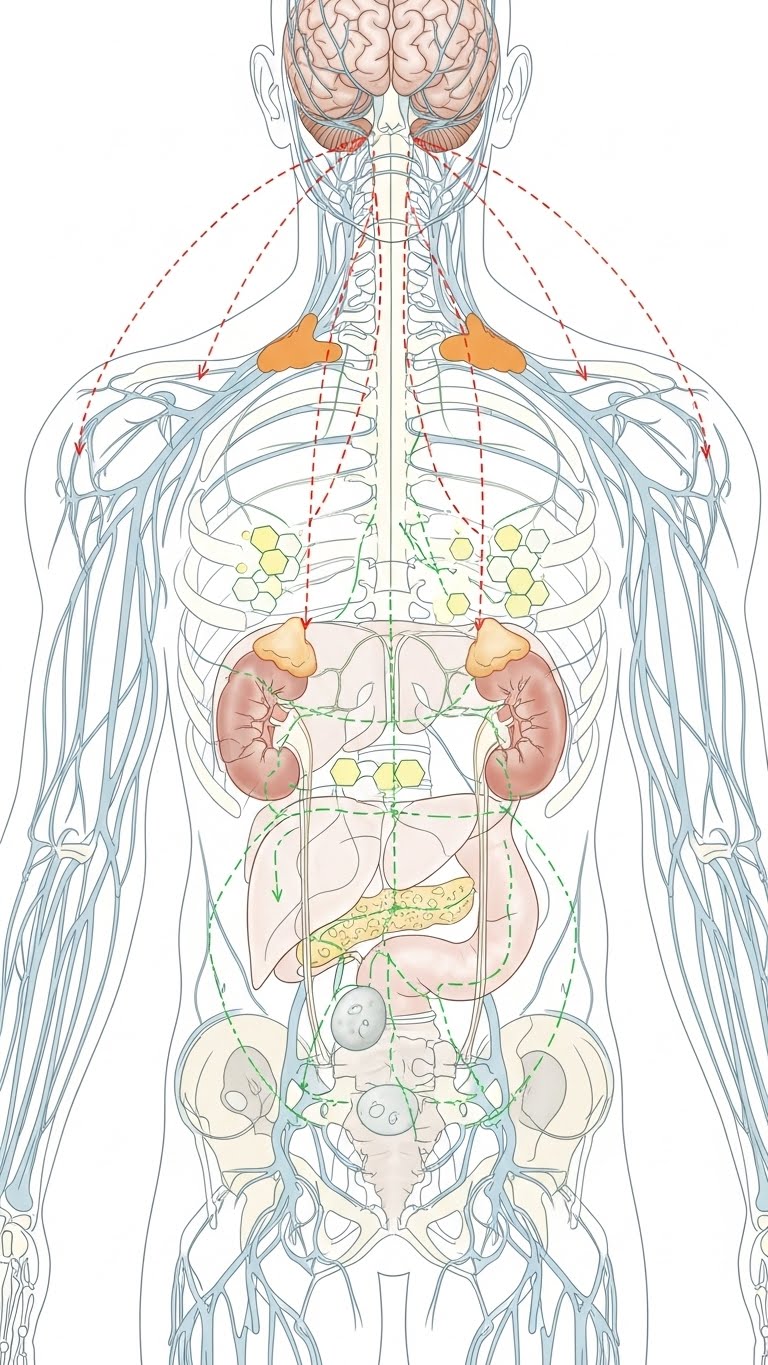
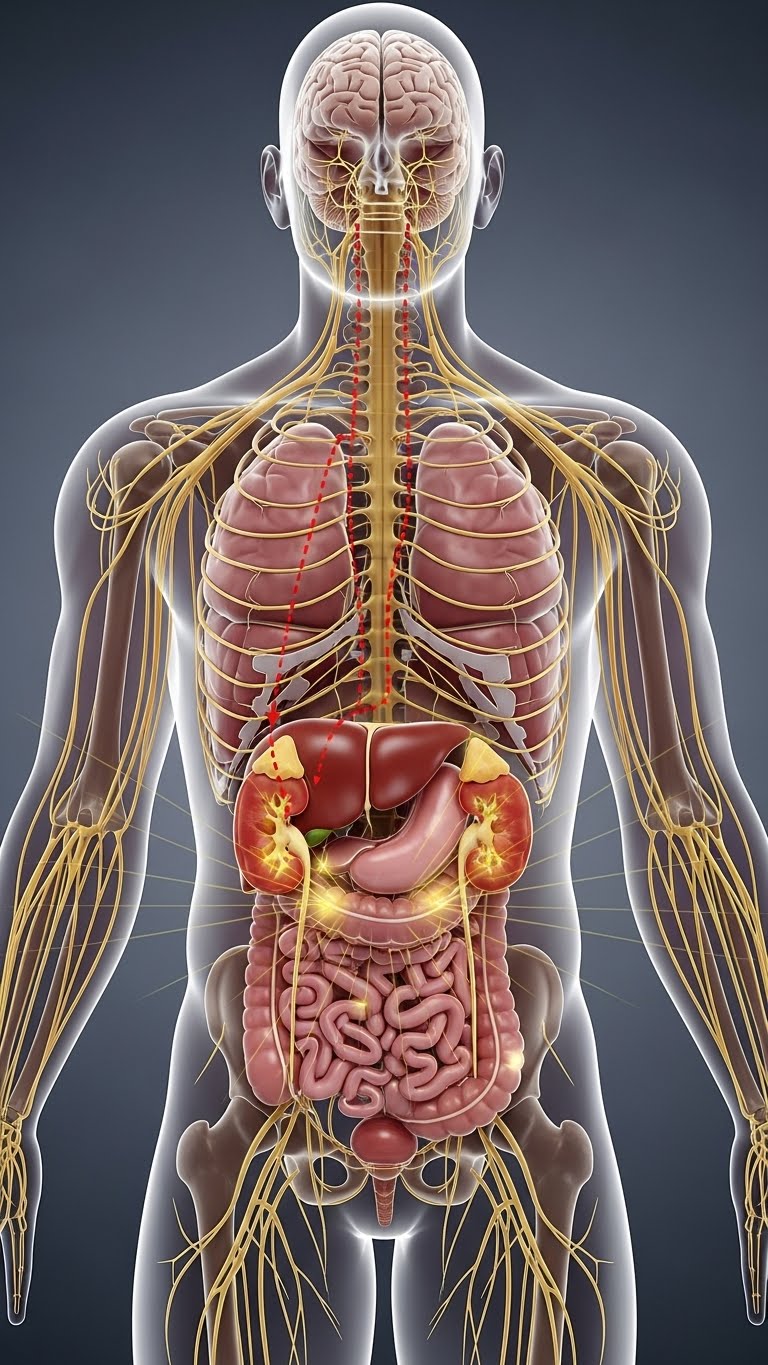
The nervous system is the master regulator.
It decides:
Whether digestion works efficiently
How hormones are released
How inflammation is managed
How energy is allocated
When the nervous system is stuck in a stress response, healing processes are downregulated.
This isn’t a flaw.
It’s prioritization.
The body postpones repair when it senses threat—real or perceived.
Why “Pushing Through” Often Delays Recovery
Pushing through fatigue, hunger, stress, or emotional overwhelm may look productive—but biologically, it sends the wrong signal.
It tells the body:
“There is no time to rest.”
“There is no margin for recovery.”
“Resources are limited.”
So the body adapts by:
Conserving energy
Slowing non-essential processes
Increasing stress hormones
Healing slows—not because you’re doing too little, but because you’re asking too much.
Stability Is Built Through Repetition, Not Intensity
The body doesn’t trust sudden changes.
It trusts patterns.
That’s why extreme health plans often fail—not because they’re wrong, but because they’re abrupt.
Stability is built when:
Meals happen consistently
Sleep occurs at similar times
Movement is regular but gentle
Stress ebbs and flows instead of staying high
Small, repeated behaviors teach the body what to expect.
And expectation creates safety.
Why Healing Can Feel Slow at First
This part can be confusing—and discouraging.
When you begin creating stability, you might not feel better immediately.
In fact, you might feel:
More tired
Less driven
Emotionally sensitive
Why?
Because your body is coming out of adrenaline mode.
Adrenaline masks fatigue.
Stability reveals it.
This isn’t regression.
It’s your body finally feeling safe enough to rest.
The Difference Between Control and Support
Control says:
“I must manage every variable.”
Support says:
“I create conditions for balance.”
Control relies on pressure.
Support relies on consistency.
Healing happens under support.
Eating Patterns and Biological Trust
Food is one of the fastest ways to build—or break—stability.
Unpredictable eating keeps the body alert.
Regular eating builds trust.
This doesn’t mean rigid schedules or perfection.
It means avoiding long gaps, extreme restriction, or compensatory behavior.
When nourishment is reliable, the body stops bracing.
Sleep as a Signal of Stability
Sleep thrives on rhythm.
Irregular sleep—even with enough hours—can disrupt healing.
Consistency matters more than perfection.
A stable bedtime routine signals:
“The day is ending.”
“It’s safe to power down.”
Over time, sleep deepens naturally.
Emotional Stability Matters Too
Healing isn’t only physical.
Emotional volatility—constant self-criticism, pressure, or guilt—keeps stress hormones elevated.
This is why compassionate self-talk isn’t just psychological—it’s physiological.
The body hears tone.
Why Sustainable Health Feels Unspectacular
This surprises many people.
Real healing doesn’t feel dramatic.
It feels:
Quieter
Slower
Less urgent
There are fewer highs and fewer crashes.
Stability replaces intensity.
And intensity is often mistaken for progress.
Rebuilding Trust Takes Time—and That’s Okay
If your body has been under chronic stress, it won’t relax overnight.
Trust is rebuilt through consistency, not promises.
Each stable day is a deposit.
Over time, those deposits accumulate into resilience.
Signs Stability Is Working (Even If Progress Feels Subtle)
You may notice:
More predictable energy
Improved digestion
Better sleep quality
Less reactive hunger
Greater emotional steadiness
These are healing signals—even before visible changes occur.
Letting Go of Urgency Is Part of Healing
Urgency keeps the nervous system activated.
Healing requires patience.
This doesn’t mean doing nothing.
It means doing less—but doing it consistently.
When “Healthy Habits” Backfire: How Doing Everything Right Can Still Harm Your Body
There’s a moment many people reach quietly.
They’ve cleaned up their diet.
They exercise regularly.
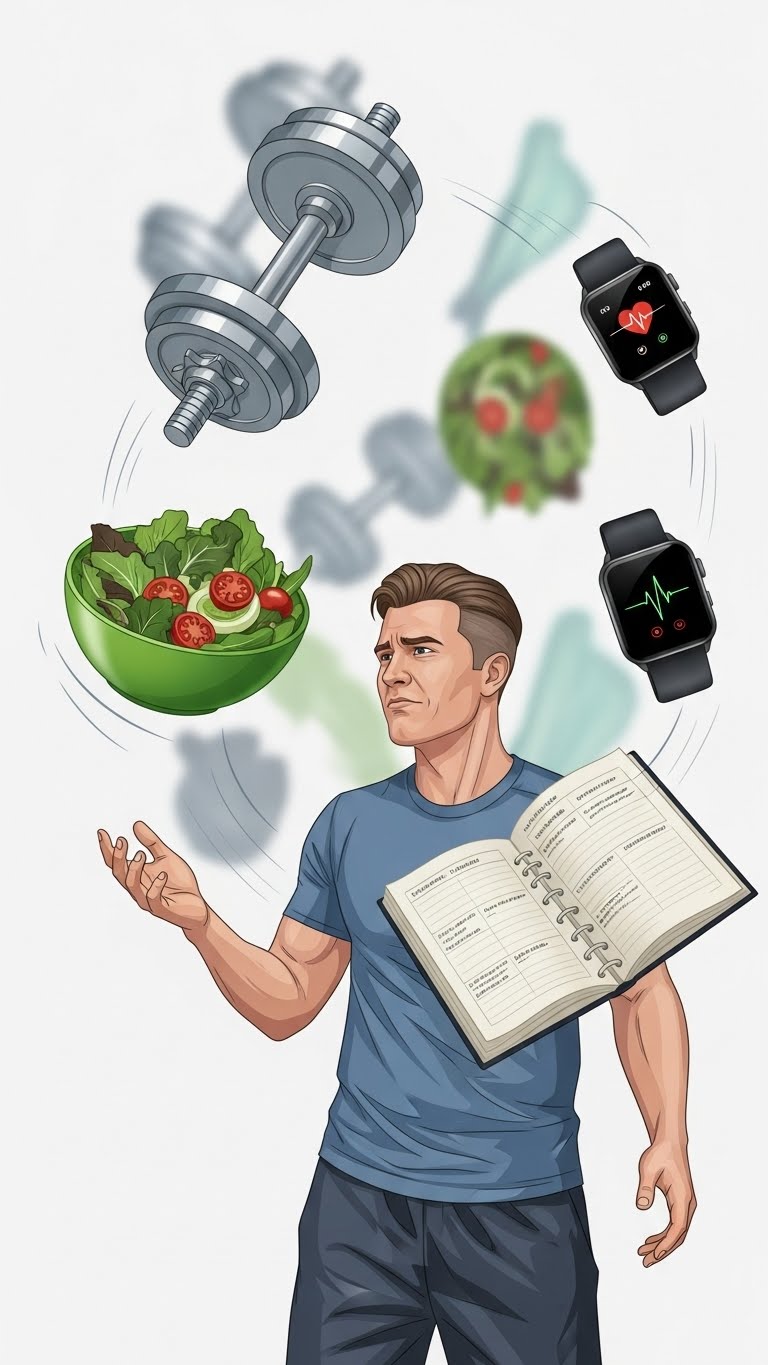
They drink water, track steps, avoid junk, follow advice.
And yet—something feels off.
Energy is low.
Weight won’t budge or keeps creeping up.
Sleep feels shallow.
Mood is fragile.
That moment is confusing because it challenges a deeply ingrained belief:
If I do the right things, my body should respond.
But the body doesn’t respond to effort alone.
It responds to context.
Why the Body Cares More About Context Than Intent
Your body doesn’t know your goals.
It doesn’t understand motivation, discipline, or aesthetics.
It understands:
Stress signals
Energy availability
Recovery capacity
Environmental safety
A habit that’s healthy in one context can be harmful in another.
That’s why two people can follow the same routine and experience completely different outcomes.
The Hidden Cost of “Always Being Good”
Being consistent isn’t the problem.
Being constantly on is.
When every day is structured around:
Performance
Restriction
Optimization
Self-monitoring
The nervous system never fully powers down.
Even good habits become stressors when they leave no room for fluctuation.
Stress Isn’t Just Emotional—It’s Biological
We often think stress comes from life events.
But the body experiences stress when demands exceed capacity.
That includes:
Training without adequate fuel
Eating “clean” but not enough
Sleeping inconsistently
Mentally policing food choices
Constant productivity
The body doesn’t label stress as good or bad.
It just adapts.
Adaptation Isn’t Always Improvement
Here’s where things get misunderstood.
When the body adapts to chronic stress, it becomes efficient at survival—not thriving.
This can look like:
Lower metabolic output
Increased fat storage
Reduced reproductive hormones
Digestive sluggishness
Blunted hunger cues
From the body’s perspective, this is smart.
From your perspective, it feels like something is broken.
Why Restriction Often Slows Progress
Restriction sends a simple message:
“Resources are scarce.”
Even subtle restriction—skipping meals, eating too little, or avoiding food groups—adds up over time.
The body responds by:
Conserving energy
Reducing spontaneous movement
Increasing stress hormones
Making weight loss harder
This is not failure.
It’s protection.
The Problem With Constant Optimization
Optimization sounds positive.
But when everything becomes optimized, nothing is relaxed.
Tracking every metric—steps, calories, macros, sleep—keeps the brain in evaluation mode.
Evaluation is mentally taxing.
And mental stress becomes physical stress.
When Exercise Stops Being Supportive
Movement is powerful medicine—until it becomes another obligation.
Exercise becomes counterproductive when:
It’s used to compensate for food
Recovery is inadequate
Intensity exceeds capacity
Rest feels like failure
The body doesn’t benefit from movement it hasn’t recovered from.
The Overlooked Role of Psychological Safety
Healing isn’t just physical.
Psychological safety matters deeply.
If food choices are filled with guilt…
If rest feels undeserved…
If progress feels constantly evaluated…
The body stays guarded.
Safety isn’t indulgence.
It’s regulation.
Why “Listening to Your Body” Feels Hard at First
Many people say, “I don’t know what my body wants.”
That’s not a flaw.
That’s conditioning.
Years of overriding signals—hunger, fatigue, stress—teach the body to stop communicating clearly.
Reconnection takes time.
The Importance of Flexibility in Health
Rigid systems break under pressure.
Flexible systems adapt.
True health includes:
Days of higher appetite
Days of lower energy
Periods of rest
Changing needs over time
Flexibility is not inconsistency.
It’s intelligence.
How the Body Responds When Pressure Is Removed
This can be surprising.
When pressure eases:
Hunger may increase
Fatigue may surface
Emotions may feel closer to the surface
This isn’t worsening health.
It’s unmasking what was suppressed.
Only what surfaces can heal.
Why Sustainable Health Feels Almost Boring
There’s less drama.
Fewer extremes.
More steadiness.
And that steadiness allows systems to recalibrate.
Hormones regulate best in calm environments—not chaotic ones.
Reframing Progress Beyond the Scale
Progress includes:
Better sleep
Improved digestion
Stable moods
Consistent energy
Reduced food obsession
These changes matter—even if weight changes lag behind.
The body prioritizes internal stability first.
The Body Doesn’t Need More Control—It Needs More Trust
Trust is built when:
Food is reliable
Rest is allowed
Stress is managed
Movement is supportive
When trust increases, resistance decreases.
And the body becomes more responsive—not less.
Final Thoughts: Health Is a Relationship, Not a Project
Projects are completed.
Relationships evolve.
Your body isn’t something to conquer or fix.
It’s something to work with.
When habits come from support instead of pressure, the body responds differently.
Not immediately.
Not dramatically.
But sustainably.
And that’s the kind of health that lasts.
